
Why Professional Grade Air Movers Beat Home Fans for Drying Out Your Magnolia Park Property
Homeowners in Magnolia Park face unique challenges when water damage strikes. This historic neighborhood sits near the Port of Houston and Buffalo Bayou. The air here stays heavy with moisture. When a pipe bursts or a storm floods your living room, you might feel tempted to grab every box fan in the house and point them at the wet spots. This approach often leads to expensive mistakes. Professional drying requires more than just moving air. It requires a specific scientific process called psychrometry. If you fail to remove moisture correctly, you risk structural rot and mold growth within 48 hours. In the 2026 Houston climate, the humidity levels make DIY drying nearly impossible for anything larger than a small spill.
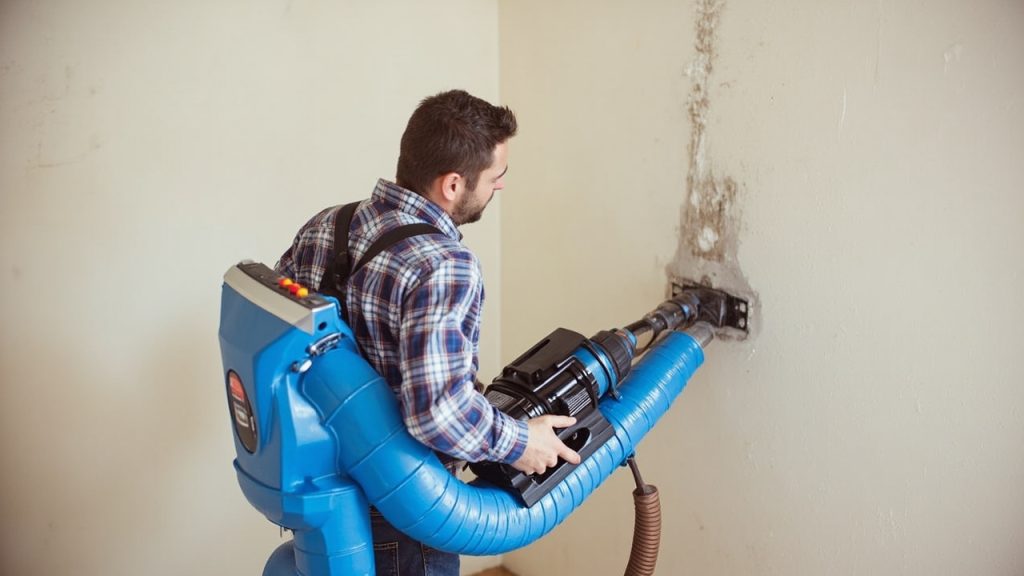
Understanding the difference between a standard household fan and industrial equipment is the first step in protecting your investment. Household fans move air across the surface of a material. This works for drying a damp shirt but fails when water has soaked into your subfloors or drywall. Professional grade air movers are engineered to create high-velocity airflow that breaks the boundary layer of saturated air sitting on wet surfaces. This allows for rapid evaporation. Without this specialized pressure, moisture stays trapped inside your walls. If you are dealing with a larger emergency, you may need to learn about emergency water removal in The Heights or surrounding areas to prevent permanent loss.

Technical Differences Between Home Fans and Professional Air Movers
The primary metric for drying equipment is Cubic Feet per Minute or CFM. A standard box fan might move 1,000 to 2,000 CFM but it lacks static pressure. Static pressure is the force that allows air to push through the resistance of a room. Professional axial air movers and centrifugal fans are built to maintain high pressure. This force is necessary to drive air into the pores of building materials. In Magnolia Park, many older homes feature dense hardwoods or plaster walls. These materials hold water tightly. Only professional equipment can create the necessary agitation to pull that water out.
Another major factor is the direction of the airflow. Home fans usually blow air in a wide and uncontrolled cone. Professional air movers are designed to blow air directly across the floor or up a wall at a specific angle. This laminar airflow is critical for the evaporation process. When we dry a home near the Houston Ship Channel, we look for equipment that can run 24 hours a day without overheating. Home fans are not rated for continuous heavy duty use. They can become fire hazards if left running in a damp environment for several days.
| Feature | Standard Household Box Fan | Professional Centrifugal Air Mover | Professional Axial Air Mover |
|---|---|---|---|
| CFM Rating | 800 to 1,500 | 2,500 to 3,500 | 3,000 to 4,500 |
| Static Pressure | Very Low | High | Medium to High |
| Power Consumption | Low | 3 to 5 Amps | 1.5 to 3 Amps |
| Drying Focus | General Air Circulation | Targeted Floors and Cavities | Large Open Areas |
| Durability | Plastic Frames | High Density Polyethylene | Industrial Grade Metals |
The Role of Humidity and Dehumidification in Houston
Airflow is only one part of the drying equation. In Magnolia Park, the outdoor relative humidity often exceeds 80 percent. If you simply blow humid air around a room, you are not actually drying the structure. You are just moving wet air from one corner to another. This is where professional restoration differs from DIY efforts. We use Low Grain Refrigerant or LGR dehumidifiers. These machines are designed to pull moisture out of the air even when the humidity levels are already low. They are far more powerful than the portable units you find at a big box store.
When professional air movers pull moisture out of your drywall, that moisture enters the air as vapor. If that vapor is not removed by a dehumidifier, the air becomes saturated. Once the air reaches its dew point, the water will condense back onto cool surfaces. This can lead to secondary damage in rooms that were not even wet to begin with. You might find your wallpaper peeling or your ceiling sagging in a completely different part of the house. For those living in areas with high water tables, finding flood damage restoration specialists in Katy or Magnolia Park is essential to manage these complex moisture cycles.
Moisture Mapping and Scientific Drying Standards
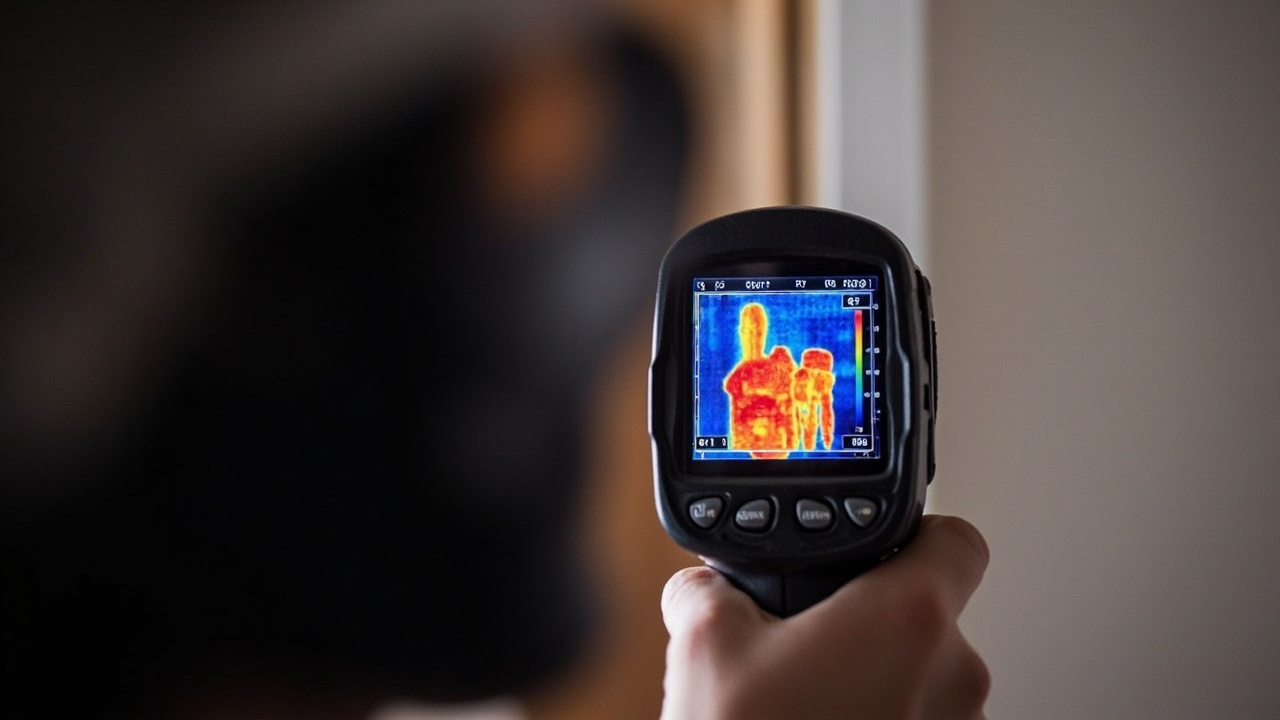
Restoration professionals follow the S500 standard set by the Institute of Inspection Cleaning and Restoration Certification. This standard dictates exactly how much equipment is needed based on the square footage and the class of water loss. We do not guess if a wall is dry. We use moisture meters and infrared cameras to perform moisture mapping. These tools allow us to see behind the baseboards and inside the wall cavities. A home fan cannot reach the moisture trapped behind your kitchen cabinets. Professional technicians use specialized attachments like floor drying mats or wall injectors to force air into those hidden spaces.
If you leave moisture behind, you are inviting mold to grow. Mold spores are always present in the Houston air. They only need moisture and a food source like drywall paper or wood to begin colonizing. This process happens fast in the 2026 climate. Using home fans often gives a false sense of security because the surface feels dry to the touch. However, the subfloor underneath your laminate or tile could still be soaking wet. This is why professional mold remediation becomes necessary when DIY drying fails. We see this often in historic Magnolia Park homes where water seeps into old growth timber and stays there for weeks.
The Risks of Secondary Damage and Structural Instability
Secondary damage refers to the problems caused by high humidity during the drying process. In a typical Magnolia Park bungalow, unmanaged moisture can cause hardwood floors to cup or crown. Once the wood fibers swell, they may never return to their original shape. Professional air movers are used in a specific configuration to create a drying vortex. This maximizes the rate of evaporation before the wood can be permanently damaged. If you are dealing with more severe issues like a sewer backup, you should look into rapid commercial sewage remediation or residential sanitation services immediately.
Home fans also fail to address the temperature needs of the drying environment. To dry effectively, we often need to control the temperature of the room. Warm air holds more moisture than cold air. By increasing the temperature and using industrial air movers, we can speed up the evaporation of deeply embedded water. Professional teams monitor these conditions daily. We adjust the equipment as the drying progress moves from the surface to the inner core of the materials. This level of precision is simply not possible with a few fans plugged into a power strip.
- Industrial air movers provide 10 times the velocity of home fans.
- LGR dehumidifiers can remove over 100 pints of water per day.
- Moisture meters identify hidden water pockets that fans cannot reach.
- Professional equipment is rated for 24/7 operation to meet the 48 hour drying window.
- Strategic air placement prevents permanent warping of hardwood and cabinetry.
| Material Type | Drying Time with Home Fans | Drying Time with Pro Equipment | Risk of Failure |
|---|---|---|---|
| Drywall | 5 to 7 Days | 2 to 3 Days | High (Mold Growth) |
| Hardwood Floors | 7+ Days (Rarely works) | 3 to 4 Days | Very High (Warping) |
| Concrete Subfloors | 10+ Days | 3 to 5 Days | Medium (Adhesive Failure) |
| Carpet and Pad | 4 to 5 Days | 1 to 2 Days | High (Odors and Rot) |
Protecting Your Property from Long Term Damage
When you choose professional equipment, you are buying time. Time is the most important factor in any water loss. The longer the water sits, the more it dissolves glues, weakens structural members, and encourages microbial growth. In a high humidity environment like Magnolia Park, the window for successful restoration is very narrow. If you have experienced a plumbing failure, you can find tips on how to handle a burst pipe in Memorial or Magnolia Park to minimize damage before the professionals arrive.
Professional restoration teams also help with the insurance claims process. Most insurance companies require documentation of the drying process to pay out a claim. We provide moisture logs and equipment maps that prove the home was dried according to industry standards. If you use home fans and mold develops later, your insurance company may deny the claim because you did not take reasonable steps to prevent further damage. Using the right tools is a requirement for maintaining the value of your property. For more information on federal flood guidelines, you can visit the FEMA website to see how they categorize water damage events.
Choosing the Right Path for Your Magnolia Park Home
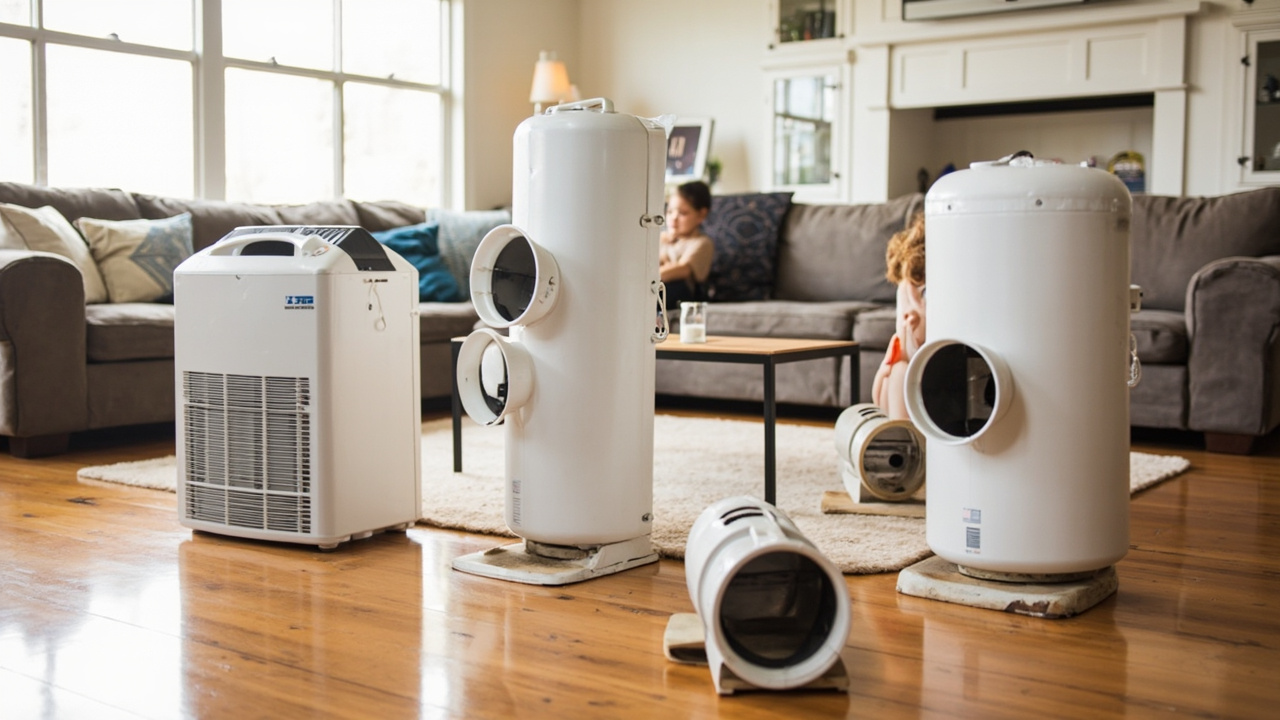
The 2026 Houston weather continues to be unpredictable. High heat and sudden downpours mean your home is always under pressure from the elements. If water enters your property, do not rely on equipment designed for a bedroom breeze. Industrial air movers, LGR dehumidifiers, and HEPA air scrubbers are the only way to ensure your home returns to a safe and dry condition. This equipment is the standard for a reason. It works faster, reaches deeper, and prevents the health risks associated with damp environments.
If you discover a leak or flood in Magnolia Park, act fast. Turn off the water source and call for a professional assessment. We bring the tools and the experience needed to handle the specific humidity challenges of our local Houston climate. Protecting your home requires more than just airflow. It requires a dedicated drying strategy that only professional grade equipment can provide. Contact a local expert today to get a moisture inspection and start the drying process before the damage becomes permanent.
{
“@context”: “https://schema.org”,
“@type”: “BlogPosting”,
“headline”: “Why Professional Grade Air Movers Beat Home Fans for Drying Out Your Magnolia Park Property”,
“description”: “Learn why professional air movers and LGR dehumidifiers are necessary for Magnolia Park homes. Explore the science of drying in the 2026 Houston climate.”,
“wordCount”: 1633,
“datePublished”: “2026-04-03T05:12:00.000Z”,
“dateModified”: “2026-04-03T05:12:00.000Z”,
“inLanguage”: “en-US”,
“mainEntityOfPage”: {
“@type”: “WebPage”,
“@id”: “https://silverlinewaterdamagerestorationhouston.com”
},
“publisher”: {
“@type”: “LocalBusiness”,
“name”: “Silverline Water Damage Restoration Houston”,
“url”: “https://silverlinewaterdamagerestorationhouston.com”
},
“author”: {
“@type”: “Organization”,
“name”: “Silverline Water Damage Restoration Houston”,
“url”: “https://silverlinewaterdamagerestorationhouston.com”
},
“image”: {
“@type”: “ImageObject”,
“url”: “https://silverlinewaterdamagerestorationhouston.com/wp-content/uploads/2026/03/why-professional-grade-air-movers-beat-home-fans-f-1.jpg”
}
}
{
“@context”: “https://schema.org”,
“@type”: “LocalBusiness”,
“name”: “Silverline Water Damage Restoration Houston”,
“url”: “https://silverlinewaterdamagerestorationhouston.com”,
“address”: {
“@type”: “PostalAddress”,
“addressLocality”: “Houston”
},
“areaServed”: {
“@type”: “City”,
“name”: “Houston”
}
}
{
“@context”: “https://schema.org”,
“@type”: “BreadcrumbList”,
“itemListElement”: [
{
“@type”: “ListItem”,
“position”: 1,
“name”: “Home”,
“item”: “https://silverlinewaterdamagerestorationhouston.com”
},
{
“@type”: “ListItem”,
“position”: 2,
“name”: “Blog”,
“item”: “https://silverlinewaterdamagerestorationhouston.com/blog”
},
{
“@type”: “ListItem”,
“position”: 3,
“name”: “Why Professional Grade Air Movers Beat Home Fans for Drying Out Your Magnolia Park Property”
}
]
}
{
“@context”: “https://schema.org”,
“@type”: “Service”,
“serviceType”: “Water Damage Restoration”,
“provider”: {
“@type”: “LocalBusiness”,
“name”: “Silverline Water Damage Restoration Houston”,
“url”: “https://silverlinewaterdamagerestorationhouston.com”
},
“areaServed”: {
“@type”: “City”,
“name”: “Houston”
},
“description”: “Learn why professional air movers and LGR dehumidifiers are necessary for Magnolia Park homes. Explore the science of drying in the 2026 Houston climate.”
}