





menu

How Long Does Drying Take After Water Damage in Houston – Get Expert Timelines and Scientific Drying Protocols

Understanding structural drying duration and water restoration drying timelines helps Houston property owners plan repairs and prevent mold growth. We break down the science behind accurate water damage drying time estimates.

Slider Image 1
Slider Image 2
Slider Image 3
Slider Image 4
Slider Image 5
Slider Image 7
Slider Image 8
Slider Image 9
Slider Image 10
Slider Image 11

Why Houston's Climate Makes Drying Time Predictions Complex

You need to know how long it will take to get your property back to normal. The honest answer is not simple, and anyone who gives you a single number without inspecting your property is guessing.

Houston's subtropical humidity complicates every water restoration drying timeline. When outdoor humidity sits at 70 to 90 percent for most of the year, moisture has nowhere to go. The air is already saturated. This slows evaporation rates compared to drier climates by 30 to 50 percent.

Water damage drying time depends on multiple factors that interact with Houston's environment. The category of water matters. Clean water from a supply line dries faster than contaminated water from sewage backups. Material type makes a massive difference. Drywall absorbs water quickly but releases it slowly. Concrete can hold moisture for months in Houston's humid conditions. Hardwood flooring in older homes near Rice Village or the Heights often cups and requires specialized drying chambers.

Structural drying duration also depends on how long water sat before mitigation started. Water that soaked for 48 hours penetrates deeper into subfloors and wall cavities than water extracted within four hours. Houston's older housing stock, particularly in neighborhoods like Montrose and the Museum District, often has hidden moisture pockets in plaster walls and pier-and-beam foundations that extend the drying process length significantly.

The time to dry out water damage is not just about comfort. It is about preventing secondary damage. Mold growth begins in 24 to 48 hours in Houston's warm climate.

Why Houston's Climate Makes Drying Time Predictions Complex
The Scientific Approach to Accurate Drying Timelines

The Scientific Approach to Accurate Drying Timelines

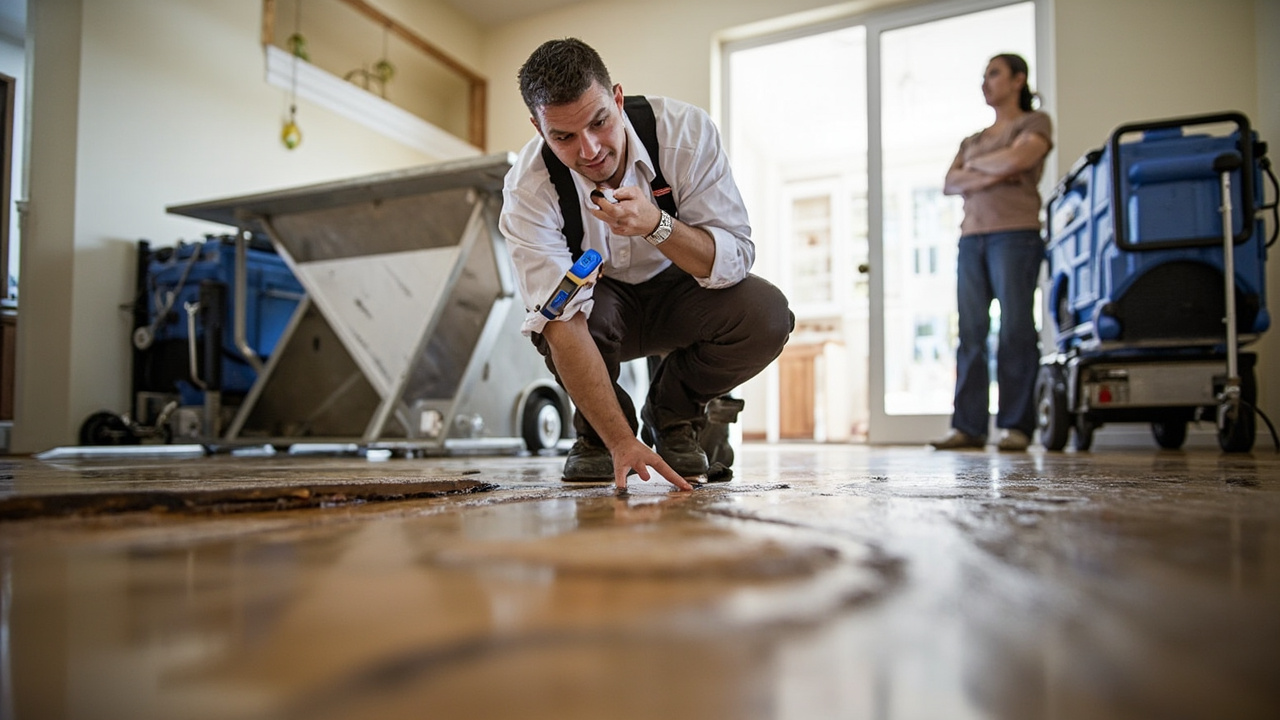
We do not guess. We measure. Accurate water restoration drying timelines start with psychrometric readings. These tools measure temperature, relative humidity, and moisture content in both air and materials. We use thermo-hygrometers to track ambient conditions and pin-type or pinless moisture meters to read material saturation levels.

Every material has a target moisture content. Drywall should dry to 12 to 15 percent. Wood framing should reach 15 to 19 percent. Concrete slabs in Houston homes should dry below 4.5 percent before flooring installation. We take baseline readings in unaffected areas, then compare them to damaged zones. This creates a drying goal based on your specific structure, not industry averages.

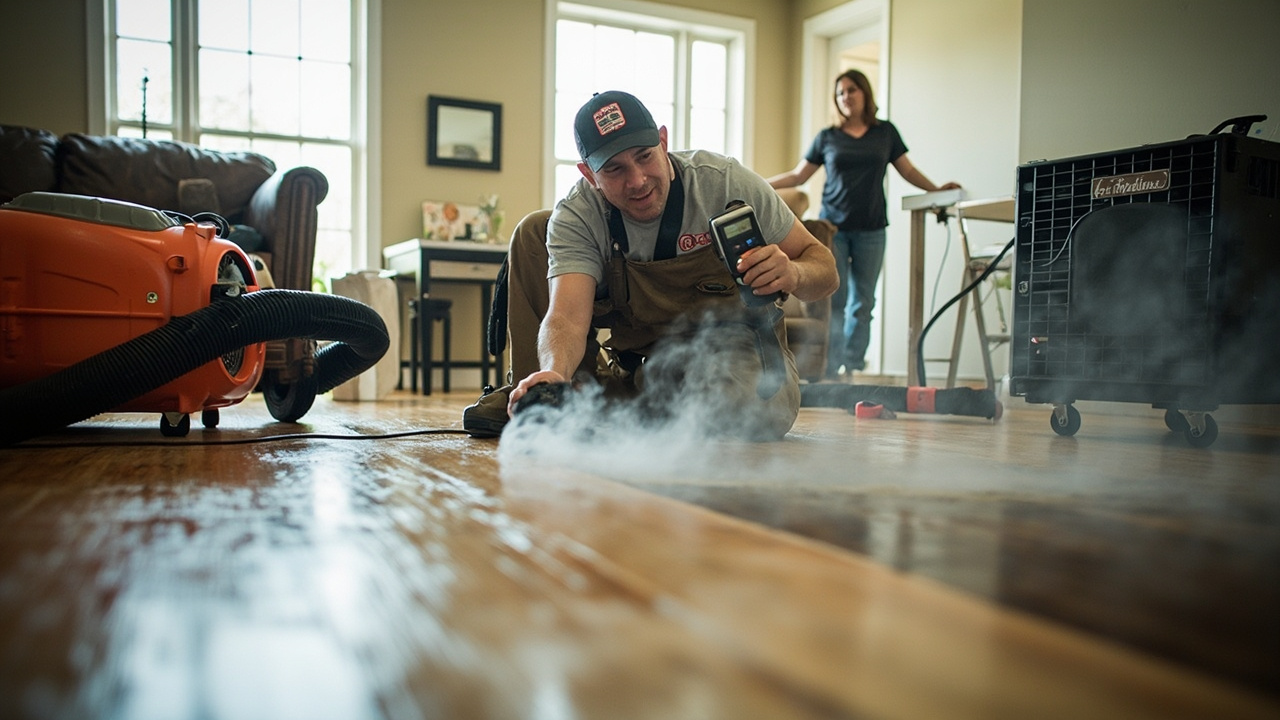
Airflow management accelerates structural drying duration. We position axial air movers to create a laminar airflow pattern across wet surfaces. This breaks the boundary layer of saturated air that sits on damp materials and slows evaporation. In confined spaces like bathrooms or closets, we use centrifugal dryers that generate higher static pressure to push air into tight areas.

Dehumidification is critical in Houston. We deploy low-grain refrigerant (LGR) dehumidifiers that pull moisture from the air more efficiently than standard units. These machines lower the vapor pressure differential between wet materials and the surrounding air, speeding up the drying process length. We monitor grains per pound (GPP) of moisture in the air and adjust equipment placement daily.

Controlled demolition sometimes shortens water damage drying time. If insulation is saturated or drywall is delaminating, removing it allows airflow to reach framing and subfloors directly. This is a calculated decision based on moisture readings, not a default procedure.

What Happens During Your Drying Project

How Long Does Drying Take After Water Damage in Houston – Get Expert Timelines and Scientific Drying Protocols
01

Initial Moisture Mapping

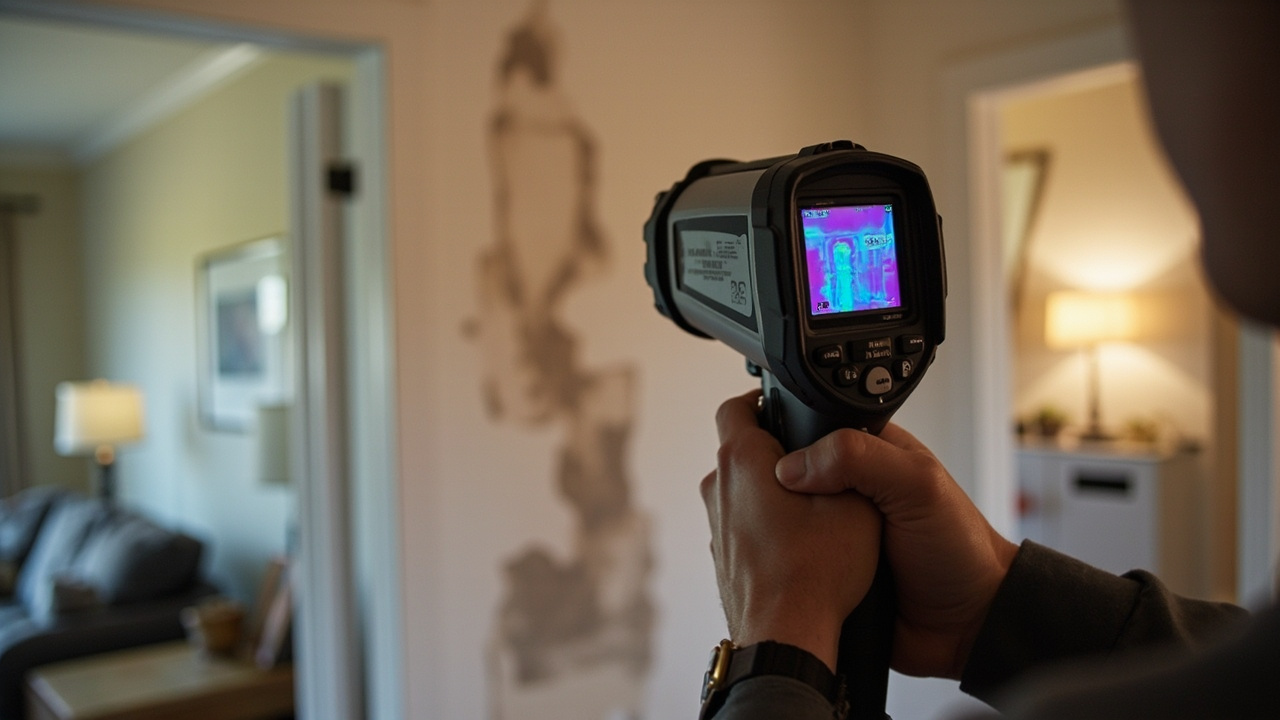
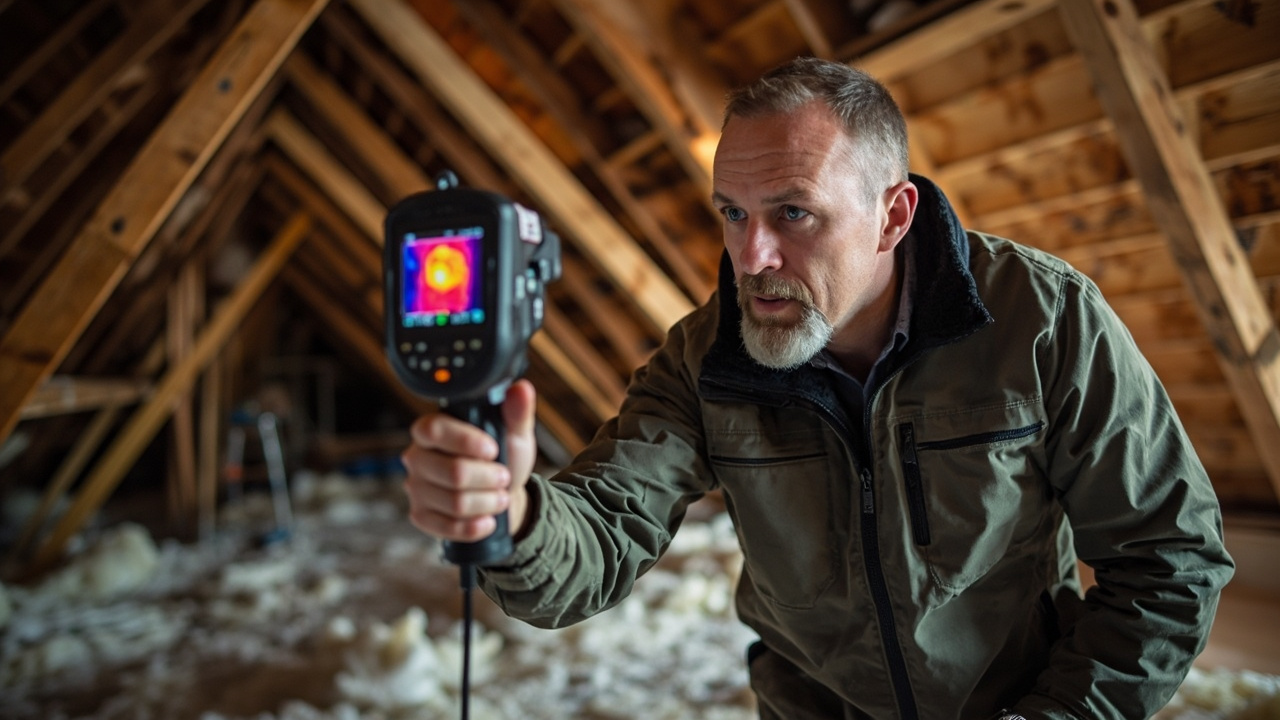
We inspect every affected area with thermal imaging cameras and moisture detection equipment. This reveals hidden water in wall cavities, under flooring, and in ceiling pockets. We document moisture levels room by room and create a floor plan showing saturation zones. This data establishes your baseline and helps us predict an initial structural drying duration range. You receive a written drying plan with projected timelines based on material types and current readings.
02

Equipment Deployment and Monitoring

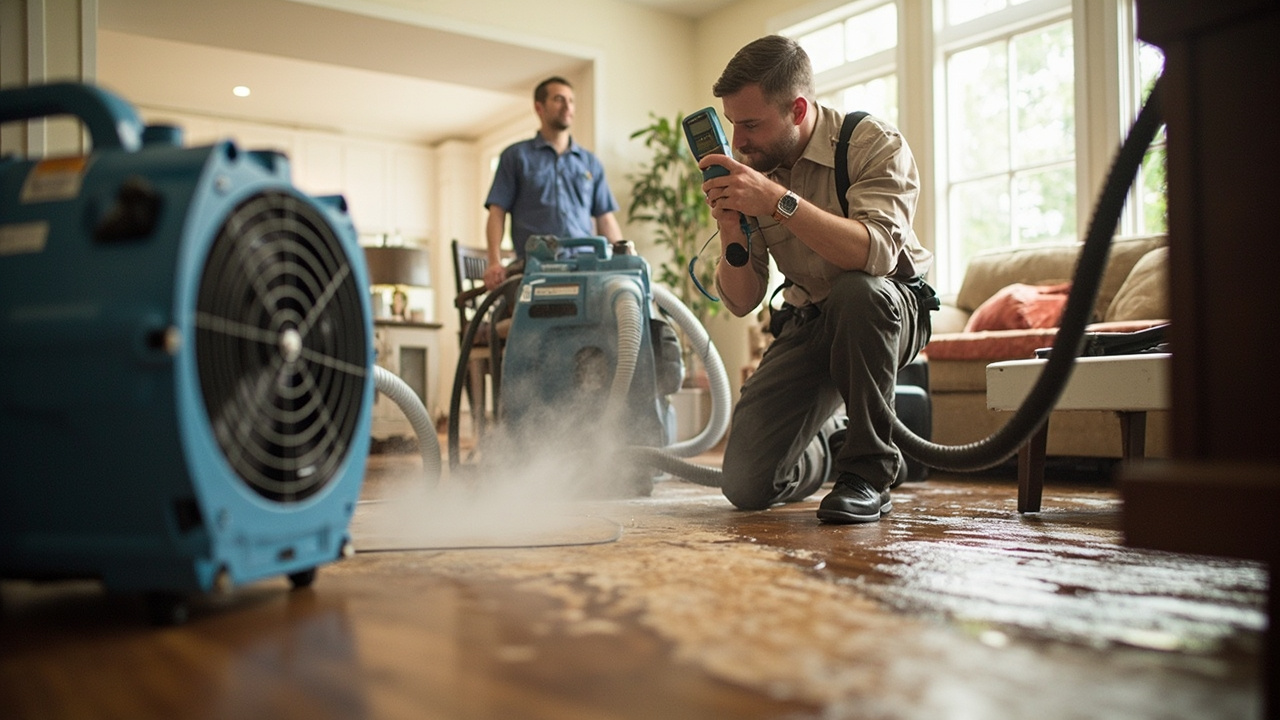
We place air movers and dehumidifiers strategically based on airflow science and moisture readings. Equipment runs continuously. We return daily to take new psychrometric readings and adjust equipment placement as materials dry. You see progress in real time through updated moisture logs. If drying stalls, we identify why and modify the approach. This might mean adding containment barriers, increasing air changes per hour, or applying localized heat to stubborn pockets.
03

Drying Verification and Clearance

We do not remove equipment based on time elapsed. We remove it when moisture readings match your baseline levels from unaffected areas. Final verification includes testing hidden areas like wall cavities and subfloors. You receive a completion report with before and after readings that proves your property is structurally dry. This documentation is critical for insurance claims and prevents future disputes about whether drying was completed properly before reconstruction begins.

Why Houston Property Owners Trust Our Drying Protocols

Silverline Water Damage Restoration Houston has worked in this climate long enough to know that cookie-cutter timelines fail. We have dried homes after Hurricane Harvey flooding, repaired commercial buildings near the Medical Center after pipe bursts, and handled countless insurance claims where timeline disputes stalled reconstruction.

Houston has unique challenges. The city sits at sea level with poor natural drainage. When the ground is saturated from heavy rain, foundation slabs absorb groundwater through capillary action. Pier-and-beam homes in older neighborhoods like the Heights have crawl spaces that trap humidity and extend drying timelines. Commercial properties in the Energy Corridor often have HVAC systems that recirculate moist air during restoration, fighting against our drying equipment.

We understand local construction methods. Many Houston homes built before 1980 have single-pane windows and minimal insulation. These structures breathe differently than modern builds. We adjust our airflow patterns and dehumidification strategies accordingly. Newer construction in master-planned communities like Katy or Sugar Land often has engineered wood products and synthetic materials that dry at different rates than traditional lumber.

Our equipment is commercial grade and maintained rigorously. We do not use consumer-grade shop vacs or box fans. Our LGR dehumidifiers process hundreds of pints per day. Our air movers generate CFM ratings high enough to create measurable air changes in large spaces. We carry backup equipment to every job because breakdowns cost you days.

We communicate in plain terms. You get daily updates with actual moisture readings, not vague progress reports. If something is taking longer than expected, we explain why and adjust the plan.

What You Can Expect During the Drying Process

Realistic Timeline Expectations

Minor water damage in a single room with quick response times can dry in three to five days. Moderate damage affecting multiple rooms or saturating subfloors typically requires five to ten days. Severe flooding that soaks insulation, structural framing, and concrete slabs can take two to four weeks in Houston's humidity. These are science-based estimates, not guarantees. We track progress with daily moisture readings and adjust timelines based on actual drying rates. You will always know where you stand. Extended timelines are not about maximizing rental fees. They are about preventing mold growth and structural failure that cost far more than a few extra days of drying equipment.

The Initial Assessment Process

Your assessment takes one to three hours depending on property size. We use thermal imaging to find water you cannot see. We pull baseboards and drill small inspection holes in walls when necessary to check cavity moisture. We test flooring with penetrating and non-penetrating meters. We measure humidity levels in every affected room and adjacent spaces. You receive a written report with moisture maps, equipment recommendations, and a projected drying timeline range. We explain which materials can be saved and which need removal. This transparency prevents surprises mid-project. If your insurance is involved, we document everything with photos and detailed notes that support your claim.

Final Drying Results

Your property is dry when moisture content readings match unaffected baseline areas. Not close. Not almost. Match. Drywall should be at 12 to 15 percent. Framing lumber should be at 15 to 19 percent. Concrete should be below 4.5 percent if flooring will be installed. We provide certified documentation of these readings. This protects you if mold appears later or if your contractor questions whether the structure was truly dry before reconstruction. The final report includes all daily moisture logs, equipment deployment maps, and verification readings. Insurance adjusters accept this documentation because it is based on industry-standard psychrometric protocols, not guesswork.

Post-Drying Monitoring Options

We offer optional follow-up moisture checks 7 to 14 days after equipment removal. This catches any moisture rebound from hidden pockets that were not fully accessible during active drying. In Houston's climate, concrete slabs and dense hardwoods can release trapped moisture slowly over time. A rebound check provides peace of mind before final finishes go in. We also educate you on humidity control during reconstruction. Running your HVAC system and maintaining indoor humidity below 60 percent prevents new moisture problems. If reconstruction is delayed, we can install temporary dehumidification to keep the structure stable until work begins.

Frequently Asked Questions

You Have Questions,
We Have Answers

How long does drying usually take? +

Water damage drying in Houston typically takes 3 to 5 days depending on the extent of damage, materials affected, and humidity levels. Houston's high humidity can slow evaporation, so professional extraction and dehumidification equipment speed the process significantly. Hardwood floors, drywall, and insulation take longer than tile or concrete. Structural drying requires monitoring moisture levels daily with specialized meters. Standing water must be removed within 24 hours to prevent mold growth, which thrives in Houston's warm, humid climate. Temperature control and air movement are critical to completing the drying process safely.

How long is a normal dryer cycle? +

A standard residential dryer cycle runs 30 to 45 minutes for a typical load of mixed fabrics. Heavy items like towels, bedding, or jeans may require 60 to 90 minutes. Cycle times vary based on load size, fabric type, dryer efficiency, and heat settings. In Houston's humid conditions, moisture in the air can affect dryer performance, making cycles slightly longer during summer months. Overloading extends drying time and reduces efficiency. Clean lint filters and proper ventilation ensure optimal cycle duration. If your dryer consistently runs longer than 60 minutes for normal loads, the vent may be clogged.

Is 20 minutes enough to dry clothes? +

Twenty minutes is rarely enough to fully dry clothes unless the load is very small or the items are lightweight synthetics. Most cotton fabrics, towels, and mixed loads need 30 to 45 minutes minimum. Running the dryer for only 20 minutes leaves moisture in fabrics, which can cause mildew odors, especially in Houston's humid environment. Damp clothing stored in closets or drawers promotes mold growth. If you are short on time, reduce the load size or use higher heat settings. Check items before removing them to ensure they are completely dry to the touch.

Is 30 minutes long enough to dry clothes? +

Thirty minutes can dry lightweight or synthetic fabrics but is typically insufficient for cotton, denim, or towels. A standard mixed load usually requires 35 to 50 minutes. In Houston, where ambient humidity can reach 90 percent, dryers work harder to remove moisture. If clothes feel damp after 30 minutes, add another 10 to 15 minutes and check again. Consistent under-drying may indicate a clogged vent, faulty heating element, or overloaded drum. Always verify fabrics are bone-dry before folding to prevent musty smells and mold in storage areas.

Is 40 minutes too long to dry clothes? +

Forty minutes is appropriate for most standard loads and is not too long. Heavy fabrics like jeans, hoodies, or bed linens often require 45 to 60 minutes. Running the dryer for 40 minutes does not damage clothes if the heat setting matches the fabric type. Houston's humidity can extend drying times slightly compared to drier climates. If your dryer consistently needs more than 50 minutes for normal loads, inspect the vent for blockages or lint buildup. Proper airflow reduces drying time and energy costs while protecting your fabrics from excessive heat exposure.

Can overloading a dryer cause damage? +

Yes. Overloading a dryer reduces airflow, extends drying time, and strains the motor and drum bearings. Clothes tumble inefficiently when packed tightly, leading to uneven drying and wrinkles. In Houston's humid climate, overloaded dryers struggle to expel moisture effectively, increasing the risk of mildew in damp fabrics. Overloading also causes excessive wear on belts, rollers, and heating elements. Fill the drum only two-thirds full for optimal performance. Separate heavy items like towels from lighter garments. Proper loading improves efficiency, reduces energy use, and extends the lifespan of your appliance significantly.

Is 2 hours too long for a dryer? +

Yes. Two hours is excessively long for a residential dryer cycle and indicates a serious problem. Typical loads dry in 30 to 60 minutes. Extended run times suggest a clogged vent, failing heating element, broken thermostat, or faulty moisture sensor. In Houston, high humidity can slow drying slightly, but never to two hours. Running a dryer this long wastes energy, damages fabrics with prolonged heat exposure, and increases fire risk from lint buildup. Inspect and clean the vent system immediately. If the problem persists, call a professional appliance technician to diagnose mechanical failures.

Is it cheaper to air dry or use a dryer? +

Air drying is cheaper since it uses zero electricity. A dryer costs roughly 30 to 50 cents per load based on Houston electricity rates. However, air drying in Houston's humid climate can take 12 to 24 hours outdoors or longer indoors, especially during summer. High humidity slows evaporation and can leave clothes smelling musty. Air drying works well for delicate fabrics but is impractical for large households with daily laundry needs. Dryers offer speed and convenience. For cost savings, use lower heat settings, clean the lint filter regularly, and air dry only smaller or delicate items.

Can a dryer run all night? +

No. Running a dryer overnight is dangerous and should be avoided. Lint buildup in vents or filters can ignite, causing house fires. Dryers generate high heat and require ventilation. If a mechanical failure occurs while you sleep, you cannot respond quickly. Houston fire departments respond to dozens of dryer-related fires annually, many occurring unattended. Always stay home while the dryer runs and clean the lint filter before every load. Inspect the vent system regularly for blockages. Most loads finish in under an hour, so there is no reason to run the appliance overnight.

What's the quickest way to dry clothes? +

Use high heat, reduce load size, and ensure proper airflow. Spin clothes twice in the washer to extract maximum water before transferring them. Clean the lint filter and check the vent for blockages. Separate lightweight fabrics from heavy items. Add dryer balls to improve air circulation and reduce drying time by 10 to 15 minutes. In Houston's humidity, avoid overloading, which traps moisture. For emergencies, use a fan or dehumidifier in combination with the dryer. Towel-dry delicate items first. A well-maintained dryer with clear ventilation dries standard loads in 30 to 40 minutes consistently.

How Houston's Humidity and Building Age Impact Water Damage Drying Time

Houston's average relative humidity stays above 70 percent year-round, peaking at 90 percent during summer mornings. This saturated air slows evaporation rates dramatically compared to arid climates. Water molecules cannot escape wet materials when the surrounding air is already holding maximum moisture. This extends structural drying duration by days or weeks depending on material density. Older homes in neighborhoods like Montrose, the Heights, and Rice Village often have plaster walls, pier-and-beam foundations, and minimal vapor barriers. These construction methods trap moisture in hidden spaces. The water restoration drying timeline for a 1940s bungalow differs significantly from a 2020s build in Katy with modern moisture barriers and HVAC systems designed for humidity control.

Local restoration professionals understand these variables because we work in them daily. We know that Houston's clay soil expands and contracts with moisture changes, creating foundation movement that can crack slabs and allow groundwater infiltration. We know that tropical storms and heavy rain events saturate the ground beneath structures, introducing moisture from below even after interior water is extracted. We adjust our time to dry out water damage estimates based on these local realities. A drying process length calculated for Phoenix or Denver fails in Houston. Choosing a local team means choosing expertise built on thousands of Houston-specific jobs, not generic training manuals.
Water Damage Restoration Services in The Houston Area

Easily locate our service area and see how Silverline is strategically positioned to provide rapid water damage restoration services throughout Houston and its surrounding communities. Our commitment to prompt response means we're never far away when disaster strikes, ensuring your property gets the urgent care it needs, wherever you are within our service radius. We're here to serve you efficiently.

Address:
Silverline Water Damage Restoration Houston, 3730 Kirby Dr, Houston, TX, 77098

Additional Services We Offer

Our news updates

Latest Articles & News from The Blogs

Dealing with Attic Water Damage from Leaky Roofs in KingwoodHomeowners in the Kingwood area face significant moisture challenges due to…

Dealing with Attic Water Damage from Leaky Roofs in Kingwood

Dealing with Attic Water Damage from Leaky Roofs in KingwoodHomeowners in the Kingwood area face significant moisture challenges due to…

Why a Home Dehumidifier Cannot Save Your Third Ward Living Room from Water Damage

Why a Home Dehumidifier Cannot Save Your Third Ward Living Room from Water DamageYour Third Ward home faces unique challenges…

Planning Your Tropical Storm Recovery Strategy for League City and Bay Area Residences

Planning Your Tropical Storm Recovery Strategy for League City and Bay Area Residences Living in the Houston Bay Area during…

Contact Us

Stop guessing. Call Silverline Water Damage Restoration Houston at (832) 336-3663 now. We will assess your damage, provide science-based drying timelines, and start equipment deployment the same day. Every hour you wait, moisture spreads.