





menu

Water Mitigation vs Restoration in Houston – Understanding the Difference Saves Time and Money

When water invades your Houston property, knowing whether you need water mitigation or restoration determines how quickly you recover and what you pay. Learn the crucial differences between these services and when each applies.

Slider Image 1
Slider Image 2
Slider Image 3
Slider Image 4
Slider Image 5
Slider Image 7
Slider Image 8
Slider Image 9
Slider Image 10
Slider Image 11

Why Houston Property Owners Confuse Water Mitigation and Restoration

Most Houston property owners use water mitigation and restoration interchangeably. This confusion costs you time and money when disaster strikes.

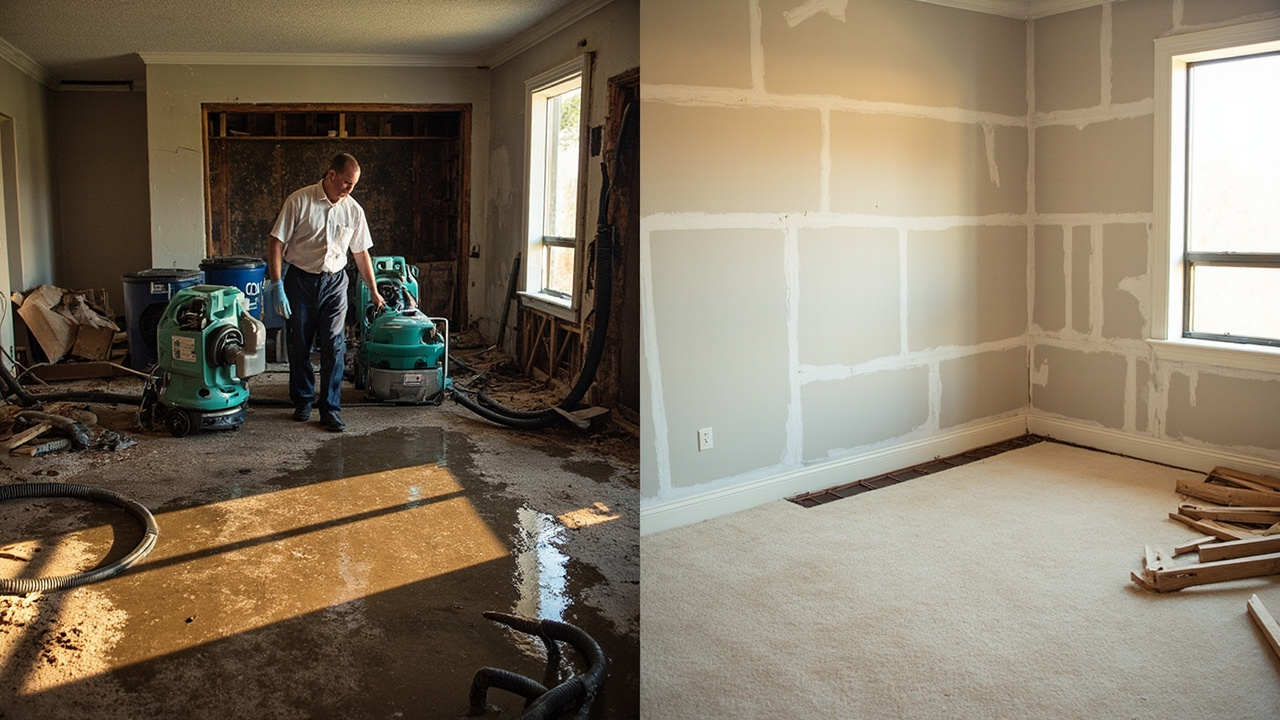
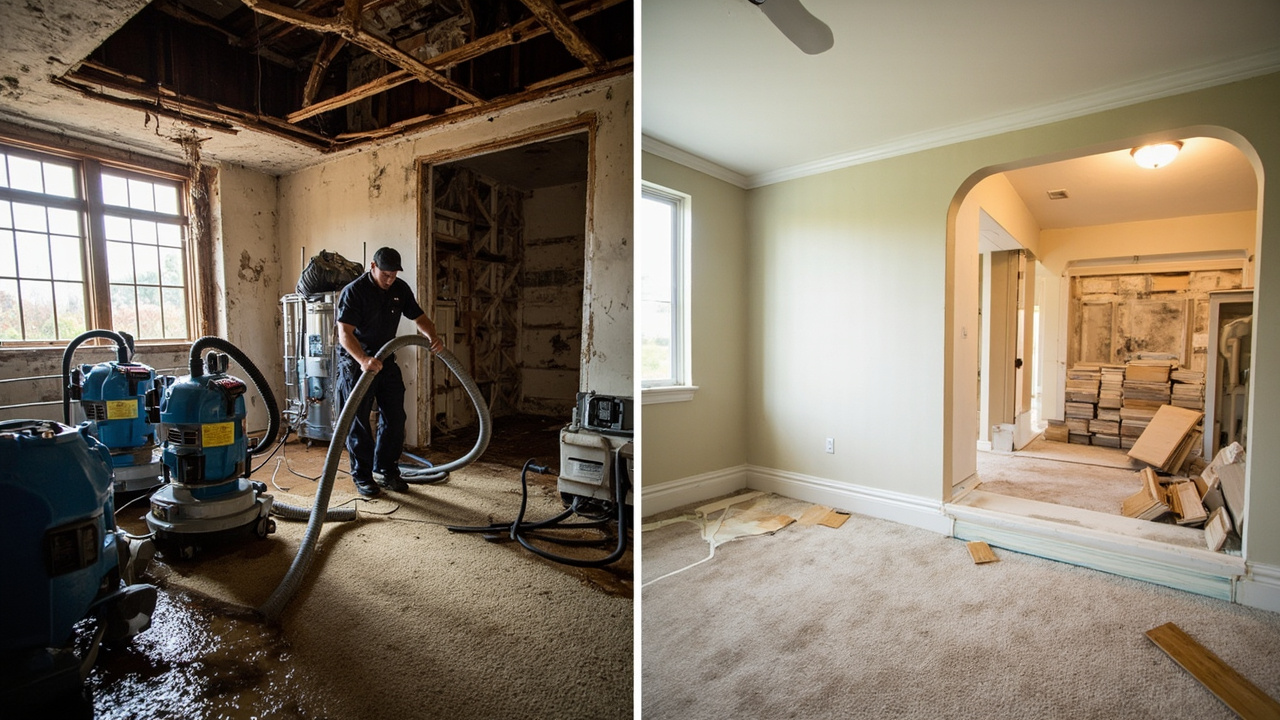
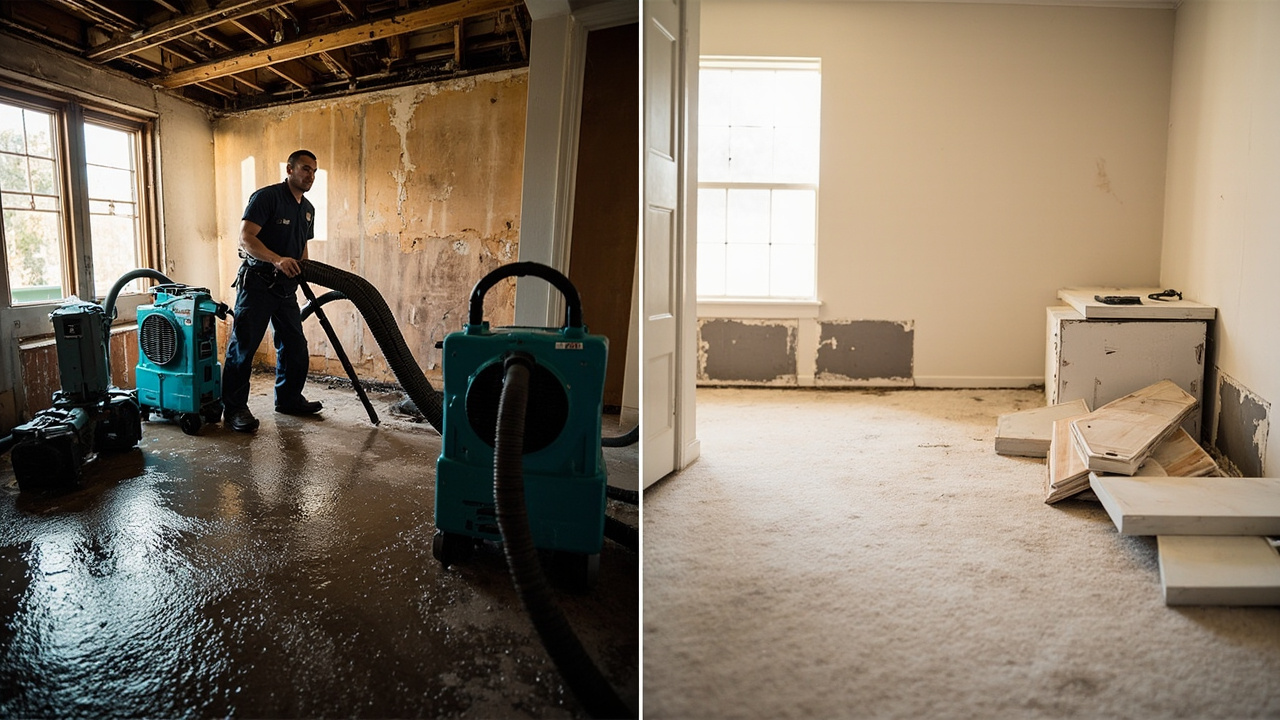
Water mitigation happens first. It stops the damage from getting worse. Think of it as emergency triage for your property. Mitigation teams extract standing water, set up industrial dryers, and apply antimicrobial treatments to prevent mold growth. In Houston's humid climate, where relative humidity regularly exceeds 75 percent, mitigation must start within 24 to 48 hours to prevent secondary damage.

Restoration comes later. It rebuilds what water destroyed. This includes replacing drywall, installing new flooring, repainting walls, and reconstructing damaged structures. Water damage restoration returns your property to its pre-loss condition.

The difference between water mitigation and restoration matters because your insurance claim depends on it. Most policies cover emergency mitigation costs immediately but require approval before restoration begins. Understanding water damage mitigation vs restoration helps you communicate clearly with adjusters and contractors.

Houston's clay soil compounds water damage problems. When properties flood, water saturates expansive clay soils that shift foundations. This creates hidden structural issues that require both mitigation and restoration phases. The water cleanup vs water repair distinction becomes critical when you discover foundation movement weeks after the initial flooding.

Calling the wrong service at the wrong time delays your recovery. If you call a full restoration contractor during active flooding, they cannot help until mitigation finishes. If you only call for mitigation when restoration is needed, you extend the timeline and increase costs.

Why Houston Property Owners Confuse Water Mitigation and Restoration
How Water Mitigation and Restoration Work Together

How Water Mitigation and Restoration Work Together

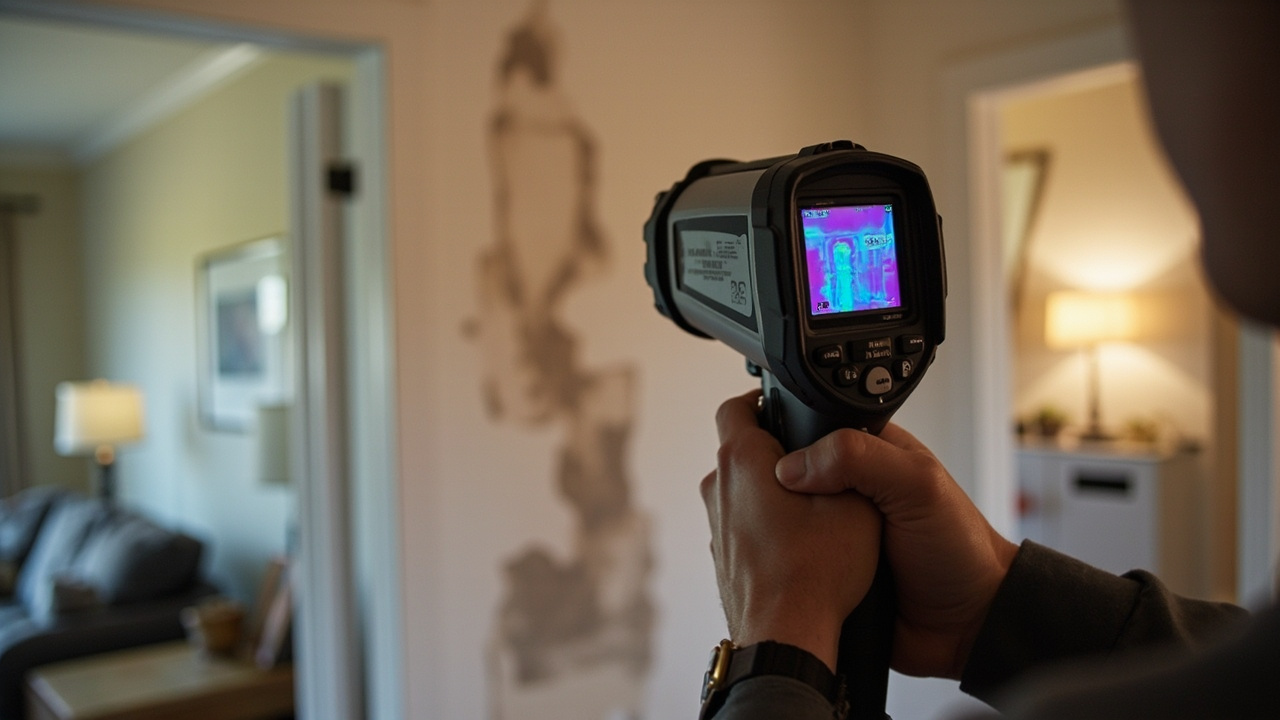
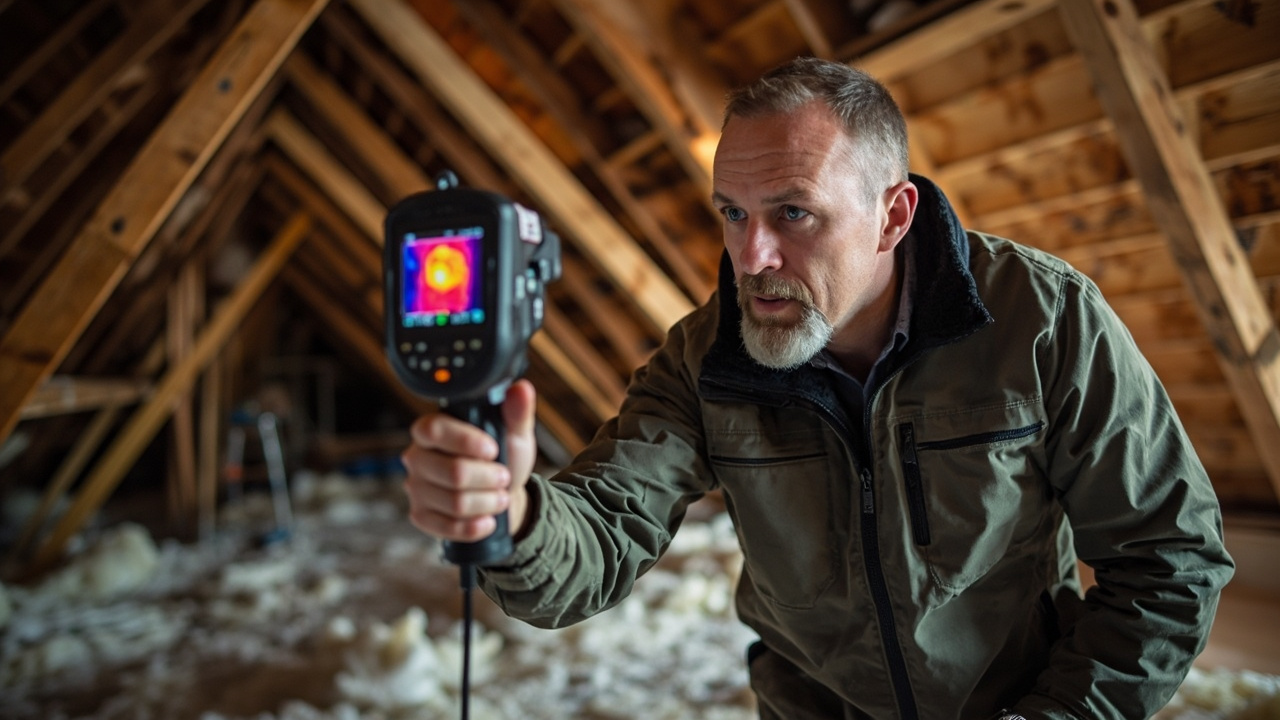
Water mitigation starts the moment technicians arrive at your Houston property. The goal is damage control. Crews assess moisture levels using thermal imaging cameras and hygrometers to map wet zones. They extract standing water with truck-mounted pumps capable of removing thousands of gallons per hour. After extraction, they place air movers and commercial dehumidifiers to dry structural cavities, subfloors, and wall assemblies.

Mitigation teams document everything with moisture readings and photographs. This documentation becomes evidence for your insurance claim. In Houston, where hurricane season brings catastrophic flooding and tropical storms saturate properties, thorough documentation separates approved claims from denied ones.

Water remediation vs restoration is not an either-or choice. Remediation overlaps with mitigation and focuses on contamination removal. If sewage backs up or floodwater carries bacteria, remediation protocols include biocide application and disposal of porous materials like insulation and carpet padding.

Restoration begins only after drying is complete. Contractors cannot install new drywall or hardwood floors while moisture readings remain elevated. In Houston's climate, this drying phase takes three to seven days depending on the extent of saturation and outdoor humidity levels.

Mitigation vs reconstruction represents different project phases with different specialists. Mitigation techs carry water damage certifications and operate extraction equipment. Restoration contractors hold builder licenses and perform carpentry, electrical work, and finish installations.

Silverline Water Damage Restoration Houston handles both phases under one roof. This eliminates the coordination headaches that arise when you hire separate companies for mitigation and restoration. One point of contact streamlines communication with your insurance carrier and reduces the overall timeline from loss to completion.

What Happens During Your Water Damage Recovery

Water Mitigation vs Restoration in Houston – Understanding the Difference Saves Time and Money
01

Emergency Water Mitigation

Technicians arrive within hours of your call to stop damage progression. They extract standing water using submersible pumps and portable extraction units, then place drying equipment throughout affected areas. Moisture meters track progress as relative humidity drops and structural materials release trapped water. This phase prevents mold colonization and secondary structural damage that Houston's humid environment accelerates.
02

Damage Assessment and Documentation

After mitigation stabilizes your property, inspectors evaluate what requires replacement versus what can be saved. They photograph damaged materials, measure moisture content in framing members, and compile detailed scope reports. This assessment separates repairable surfaces from those requiring demolition. Insurance adjusters use these reports to approve restoration costs, making accurate documentation critical for claim approval and preventing coverage disputes.
03

Reconstruction and Restoration

Once drying is verified complete and your claim is approved, restoration begins. Contractors remove damaged materials, treat structural framing if needed, and rebuild affected areas. This includes installing new drywall, replacing flooring, repainting walls, and restoring trim work. The goal is returning your property to pre-loss condition while addressing any underlying vulnerabilities that contributed to damage severity.

Why Local Houston Expertise Matters for Water Damage Projects

Houston water damage requires specific knowledge that out-of-town contractors lack. The combination of hurricane exposure, clay soil instability, and extreme humidity creates unique challenges that generic mitigation protocols cannot address.

Local teams understand how Houston's expansive clay soils react to saturation. When water floods a property, surrounding soils absorb moisture and expand, creating upward pressure on foundation slabs. As soils dry, they contract and pull away from foundations, causing settlement cracks and structural movement. Experienced Houston contractors look for these foundation issues during mitigation because they know clay soil behavior determines whether you need simple repairs or structural engineering intervention.

Building codes in Houston reflect these environmental realities. The city requires specific foundation designs and drainage systems to manage clay soil movement and flood risk. Restoration contractors familiar with local code requirements ensure rebuilt structures meet current standards, which protects your property value and prevents future permitting issues.

Insurance claims in Houston move faster when local contractors handle them. Adjusters who work the greater Houston metro area develop relationships with reputable mitigation and restoration companies. These relationships streamline approvals because adjusters trust the documentation and scope reports from known local firms.

Silverline Water Damage Restoration Houston maintains relationships with local building inspectors, insurance adjusters, and engineering firms. When your project requires specialized assessments or expedited permits, these connections reduce delays that stretch timelines and increase your out-of-pocket costs.

Hurricane season brings capacity challenges. When major storms hit, every property owner needs mitigation services simultaneously. National franchise operations dispatch crews from other states, creating communication gaps and quality control issues. Local companies maintain equipment inventories and staff levels sized for Houston's seasonal demand spikes, ensuring you get service when you need it most.

What to Expect When You Call for Water Damage Services

Response Time and Availability

Emergency mitigation requires immediate response to prevent secondary damage. Houston humidity accelerates mold growth, which begins within 24 to 48 hours of water intrusion. Professional mitigation companies operate 24/7 dispatch services and maintain rapid response protocols. During hurricane events or widespread flooding, response times extend due to demand volume, but local companies with adequate equipment inventories prioritize calls based on damage severity. Expect initial contact within one hour of your call and technician arrival within two to four hours for standard emergencies. During catastrophic events like Hurricane Harvey, response times can extend to 24 to 48 hours as crews work through queued calls systematically.

Initial Assessment and Planning

The assessment phase determines your project scope and timeline. Technicians use moisture detection equipment to identify all affected areas, including hidden water damage inside wall cavities and beneath flooring. They classify water damage by contamination level, which determines mitigation protocols and safety requirements. Clean water from supply lines requires different handling than gray water from appliances or black water from sewage backups. This assessment produces a detailed scope document that outlines required mitigation steps, estimated drying time, and restoration needs. Insurance carriers use this scope to issue initial claim payments and authorize restoration work, making accurate assessment critical for project approval and funding.

Quality of Restoration Work

Restoration quality depends on contractor experience and attention to detail during rebuilding. Professional restoration returns your property to pre-loss condition without visible evidence of prior damage. This requires matching existing finishes, textures, and materials exactly. In Houston's older neighborhoods like the Heights or Montrose, this means sourcing period-appropriate materials and employing craftsmen skilled in historic restoration techniques. Quality restoration also addresses underlying vulnerabilities that contributed to damage severity. If inadequate drainage caused flooding, competent contractors recommend and install improved drainage solutions during rebuilding. The goal extends beyond cosmetic repair to creating a more resilient property that withstands future weather events.

Post-Restoration Support and Monitoring

Reputable restoration companies provide post-project support to ensure complete recovery. This includes follow-up moisture readings to verify drying effectiveness and prevent hidden mold growth. In Houston's humid climate, moisture can remain trapped in structural cavities even after surface materials appear dry. Professional companies schedule follow-up visits 30 and 60 days after project completion to recheck moisture levels and address any concerns. While specific warranty terms vary by contractor and project scope, quality restoration work should not show signs of recurring moisture damage, finish failures, or mold growth. If issues arise, established local companies respond quickly to investigate and resolve problems because their reputation depends on customer satisfaction in the Houston market.

Frequently Asked Questions

You Have Questions,
We Have Answers

What is the difference between water restoration and mitigation? +

Water mitigation is the immediate response to stop ongoing damage. Crews extract standing water, set up dehumidifiers, and stabilize the structure to prevent further harm. Water restoration is the full rebuild phase that follows. This includes repairing drywall, replacing flooring, and returning your property to pre-loss condition. In Houston, where humidity accelerates mold growth after flooding, mitigation must happen within 24 to 48 hours. Restoration begins once everything is dry and documented. Mitigation saves the structure. Restoration saves your home.

What is mitigation and restoration? +

Mitigation reduces the severity of damage caused by water, fire, or storms. You contain the problem before it spreads. Restoration is the repair and reconstruction work that happens after mitigation. Think of mitigation as emergency triage. Restoration is surgery and recovery. For Houston properties hit by tropical storms or burst pipes, mitigation involves water extraction, air movers, and moisture mapping. Restoration rebuilds cabinets, installs new subflooring, and repaints walls. Both require licensed contractors who understand Texas humidity and building codes.

What is the difference between restoration and remediation? +

Restoration returns your property to its original state through repair and reconstruction. You replace damaged materials and rebuild what was lost. Remediation removes contaminants like mold, sewage, or hazardous materials to make the space safe again. In Houston, remediation often addresses mold caused by high humidity and water intrusion. Crews use antimicrobial treatments, HEPA filtration, and containment barriers. Restoration happens after remediation clears the contamination. Both services require different certifications and equipment. You need remediation when health hazards exist. You need restoration to make the space livable.

What does water restoration mean? +

Water restoration is the complete process of repairing and rebuilding a property after water damage. It includes drying out the structure, removing damaged materials, treating for mold, and reconstructing walls, floors, and ceilings. In Houston, where flooding from hurricanes and heavy rainfall is common, water restoration also addresses foundation issues caused by shifting clay soil. The process follows strict protocols for moisture detection, thermal imaging, and documentation for insurance claims. Restoration brings your home or business back to pre-loss condition, ensuring structural integrity and safety.

How Houston's Climate and Geography Make Water Mitigation Critical

Houston receives 50 inches of rainfall annually, with tropical storms and hurricanes delivering several inches in hours. This rainfall saturates the clay soils underlying most Houston properties, creating hydrostatic pressure that forces water through foundation cracks and up through slab joints. The difference between water mitigation and restoration becomes critical in this environment because delayed mitigation allows moisture to saturate structural framing, insulation, and wall cavities. Once materials remain wet beyond 48 hours in Houston's 75 to 85 percent relative humidity, mold colonization begins. Water damage mitigation vs restoration is not just terminology, it represents the difference between controlled drying and complete reconstruction after mold contamination requires removal of structural materials.

Houston building codes reflect local water damage risks with specific requirements for foundation drainage, flood venting, and moisture barrier installation. Contractors performing restoration work must understand these code requirements to ensure rebuilt structures meet current standards. Local building inspectors in Houston prioritize proper moisture management in restoration projects because they know how quickly the humid climate creates recurring problems. Working with Houston-based water damage professionals who maintain relationships with local building departments streamlines permit approvals and ensures compliance. This local expertise prevents the costly callbacks and code violations that occur when out-of-area contractors apply generic restoration practices to Houston's unique environmental challenges.
Water Damage Restoration Services in The Houston Area

Easily locate our service area and see how Silverline is strategically positioned to provide rapid water damage restoration services throughout Houston and its surrounding communities. Our commitment to prompt response means we're never far away when disaster strikes, ensuring your property gets the urgent care it needs, wherever you are within our service radius. We're here to serve you efficiently.

Address:
Silverline Water Damage Restoration Houston, 3730 Kirby Dr, Houston, TX, 77098

Additional Services We Offer

Our news updates

Latest Articles & News from The Blogs

Houston humidity presents a constant struggle for homeowners across Harris County. In 2026, the weather patterns continue to create high…

Why Houston Families Trust Our Certified Mold Inspection Services for Local Homes

Houston humidity presents a constant struggle for homeowners across Harris County. In 2026, the weather patterns continue to create high…

Dealing with Attic Water Damage from Leaky Roofs in Kingwood

Dealing with Attic Water Damage from Leaky Roofs in KingwoodHomeowners in the Kingwood area face significant moisture challenges due to…

Why a Home Dehumidifier Cannot Save Your Third Ward Living Room from Water Damage

Why a Home Dehumidifier Cannot Save Your Third Ward Living Room from Water DamageYour Third Ward home faces unique challenges…

Contact Us

Water damage requires immediate action to prevent costly secondary damage. Call Silverline Water Damage Restoration Houston at (832) 336-3663 for 24/7 emergency mitigation and complete restoration services. Our local teams understand Houston's unique water damage challenges and work directly with your insurance carrier to streamline claims and reduce your out-of-pocket costs.