





menu

Choosing a Restoration Company in Houston – Avoid Costly Mistakes with These Expert Vetting Strategies

Learn how to identify certified, responsive water damage contractors who understand Houston's unique climate challenges and can protect your property investment with proven mitigation techniques.

Slider Image 1
Slider Image 2
Slider Image 3
Slider Image 4
Slider Image 5
Slider Image 7
Slider Image 8
Slider Image 9
Slider Image 10
Slider Image 11

Why Selecting the Wrong Water Damage Contractor Costs Houston Property Owners Thousands

Houston's subtropical climate creates perfect conditions for secondary water damage. High humidity year-round means moisture doesn't evaporate quickly after a flood or leak. Mold can colonize drywall and insulation within 48 hours. Combine that with hurricane season, flash flooding along Buffalo Bayou, and aging infrastructure in neighborhoods like Montrose and the Heights, and you face a critical decision point after water intrusion.

Hiring a water mitigation service without proper vetting leads to incomplete drying, hidden mold growth, and structural damage that emerges months later. Many property owners focus only on price, then discover the contractor lacked the thermal imaging equipment to detect trapped moisture behind walls. Others hire based on a single Google search, only to find the company disappears after collecting the insurance check.

Finding a reputable water damage company requires understanding what separates qualified professionals from storm chasers. You need contractors with IICRC certification, commercial-grade dehumidification equipment, and experience navigating Houston's flood zone regulations. The wrong choice means paying twice for the same job or facing denied insurance claims because documentation was incomplete.

Vetting restoration contractors is not about finding the cheapest bid. It's about identifying professionals who understand vapor barriers in Houston's clay soil, who know how to document loss for insurance adjusters, and who can mobilize extraction equipment within hours, not days. The company you choose determines whether your property returns to pre-loss condition or becomes a long-term liability.

Why Selecting the Wrong Water Damage Contractor Costs Houston Property Owners Thousands
The Framework for Evaluating Water Damage Restoration Contractors

The Framework for Evaluating Water Damage Restoration Contractors

Selecting a water damage contractor starts with verifying credentials. Look for IICRC certification in Water Damage Restoration and Applied Structural Drying. These certifications require continuing education and demonstrate knowledge of psychrometrics, the science of moisture measurement and removal. Ask candidates to provide their certification numbers and verify them directly with IICRC.

Equipment capacity separates weekend operators from professional restoration companies. A qualified contractor should have truck-mounted extraction units, not just shop vacuums. They need low-grain refrigerant dehumidifiers for controlled drying, air movers rated for CFM output, and moisture meters that measure both surface and deep wall moisture content. During your evaluation, ask to see their equipment inventory and thermal imaging capabilities.

Response protocols matter in Houston's humid environment. A professional service should offer 24/7 dispatch and guarantee arrival within two hours for emergency calls. They should explain their containment procedures for preventing cross-contamination, their antimicrobial application methods, and their structural drying timeline based on materials affected.

Documentation processes protect your insurance claim. The restoration company should photograph all affected areas before mitigation begins, create detailed moisture maps showing readings from multiple locations, and provide daily drying logs with equipment placement diagrams. This documentation becomes critical evidence when your adjuster evaluates the claim. Companies that resist thorough documentation are hiding inexperience or cutting corners that will cost you during the claims process.

Your Step-by-Step Contractor Evaluation Process

Choosing a Restoration Company in Houston – Avoid Costly Mistakes with These Expert Vetting Strategies
01

Verify Credentials and Experience

Request copies of IICRC certifications, general liability insurance, and workers' compensation coverage. Ask how many water damage jobs the company completed in the past year and request references from similar property types. Verify their Texas contractor registration and check for complaints with the Better Business Bureau. Companies hesitant to provide this information should be eliminated immediately from consideration.
02

Assess Equipment and Methodology

Schedule an in-person meeting to review their equipment inventory. Ask specific questions about dehumidifier grain depression, air mover CFM ratings, and moisture meter calibration schedules. Request an explanation of their drying protocol for your specific material types. Professional contractors will discuss vapor pressure differentials and target moisture content levels. Vague answers about "drying things out" indicate insufficient technical knowledge for proper structural drying.
03

Review Documentation Standards

Examine sample documentation from previous jobs. Look for detailed moisture maps, equipment logs with daily readings, and comprehensive photo documentation showing progression from initial damage through final restoration. The contractor should explain how they communicate with insurance adjusters and provide itemized scopes of work. Companies using standardized documentation software demonstrate professionalism and experience with the claims process that protects your financial interests.

Why Local Houston Expertise Matters for Water Damage Restoration

Houston's unique construction characteristics demand local knowledge. Pier and beam foundations common in older neighborhoods like River Oaks and Rice Military require different drying approaches than slab foundations in newer suburbs. A contractor unfamiliar with Houston's building patterns might miss trapped water under pier and beam structures, leading to wood rot and foundation settlement.

Clay soil composition affects how water moves through and around foundations. Houston sits on expansive clay that swells when wet and shrinks when dry. This soil movement creates foundation stress and can channel water toward structures during heavy rain events. Experienced local contractors understand how to identify water intrusion points related to soil expansion and know which areas require exterior drainage evaluation alongside interior drying.

Flood zone regulations and permitting requirements vary across Harris County, Fort Bend County, and Montgomery County. A restoration company working regularly in the Houston metro understands when permits are required for demolition and reconstruction, how to document pre-existing conditions for FEMA claims, and which local building inspectors require specific documentation formats. This knowledge prevents project delays and ensures compliance with local ordinances.

Insurance claim patterns differ by region. Houston-based contractors develop working relationships with adjusters from major carriers active in the Gulf Coast market. They understand how local adjusters evaluate storm damage versus plumbing failures and know how to document losses in formats these adjusters expect. This familiarity accelerates claim approvals and reduces disputes over covered damages. Silverline Water Damage Restoration Houston brings this local claims expertise to every project, ensuring proper documentation from initial assessment through final sign-off.

What to Expect During the Restoration Process

Emergency Response Timeline

Professional restoration companies in Houston should arrive within two hours of your emergency call. Initial response includes water extraction, emergency board-up if needed, and temporary power setup for drying equipment. The contractor should begin moisture documentation immediately, photographing all affected areas and recording initial moisture readings before any mitigation work starts. Expect equipment placement within the first four hours, with dehumidifiers and air movers positioned based on airflow patterns and moisture concentration areas. Companies that delay equipment deployment or suggest waiting until morning demonstrate poor emergency response protocols.

Comprehensive Property Assessment

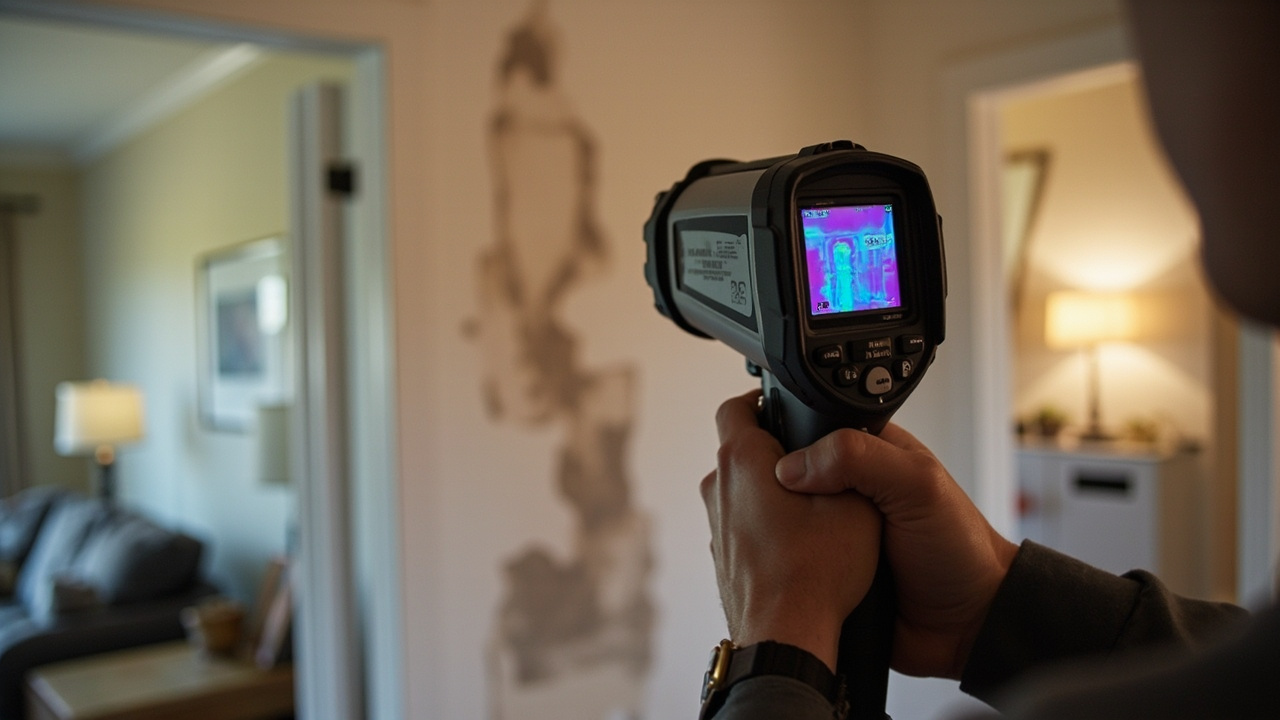
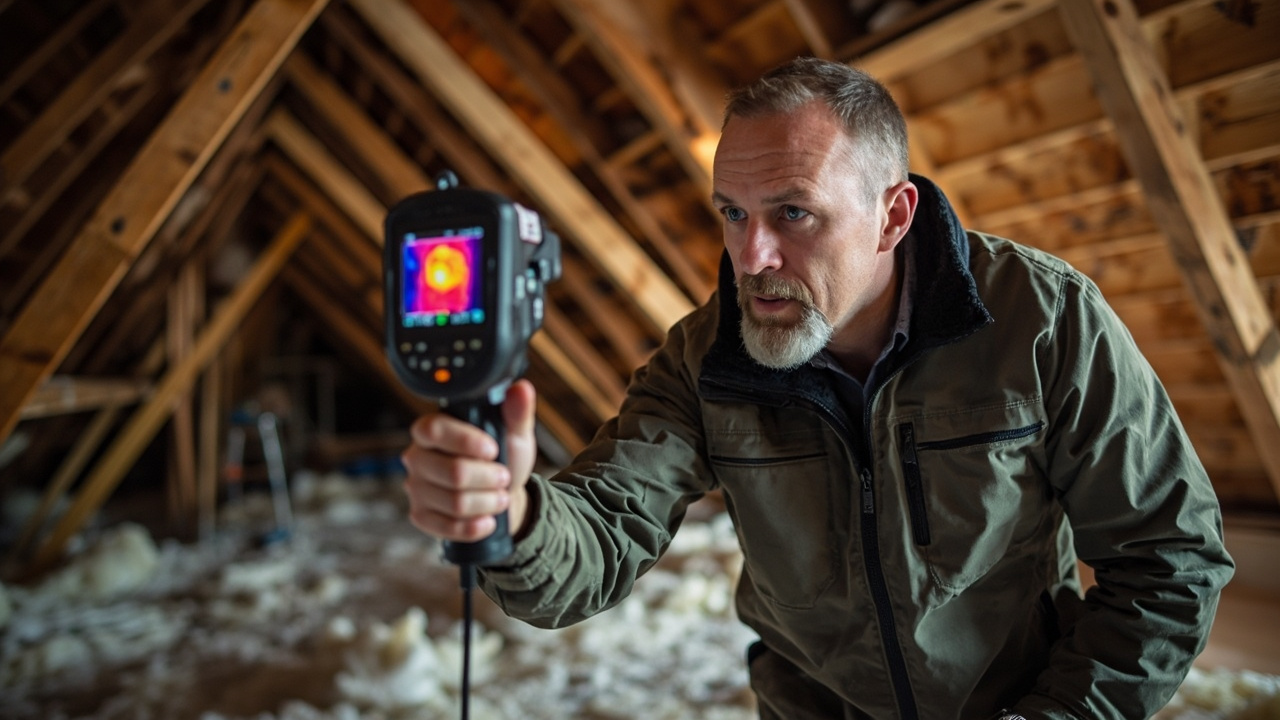
A thorough assessment uses thermal imaging to identify hidden moisture in wall cavities, beneath flooring, and in ceiling assemblies. The contractor should test moisture levels in all affected materials and at least 10 feet beyond visible water damage. Expect detailed documentation showing moisture readings at multiple wall heights and in different material types. Professional assessments include airborne particle testing if sewage contamination is suspected and structural stability evaluation if water sat for extended periods. The assessment report should categorize water damage by contamination level and identify all materials requiring removal versus those that can be dried in place.

Restoration Quality Standards

Final results should return your property to pre-loss condition with all moisture readings at or below industry standard dry goals. Wood framing should measure below 15 percent moisture content, concrete below 4 percent, and drywall below 12 percent. The contractor should provide final documentation showing these readings across all affected areas. Expect antimicrobial treatment on all surfaces exposed to contaminated water and HEPA filtration throughout the drying process. Professional companies perform post-restoration inspections 30 and 60 days after completion to verify moisture levels remain stable and no secondary damage has developed.

Post-Restoration Support

Quality restoration contractors provide detailed maintenance recommendations specific to your property and damage type. This includes identifying vulnerabilities that contributed to the water intrusion and suggesting preventive measures. Expect guidance on humidity control, drainage improvements, and plumbing maintenance schedules. While specific warranty terms vary by project scope, professional companies stand behind their workmanship and will address any moisture rebound issues discovered within the first 90 days. They should also maintain your project documentation for insurance and property records, providing copies of all moisture readings, equipment logs, and photographic evidence for your files.

Frequently Asked Questions

You Have Questions,
We Have Answers

How Houston's Hurricane Season and Flash Flooding Patterns Affect Restoration Company Selection

Houston averages 50 inches of rainfall annually, with hurricane season bringing sudden storm surge and flash flooding that can dump 10 inches in hours. The Addicks and Barker reservoirs, White Oak Bayou, and Brays Bayou all present flood risks to surrounding neighborhoods during tropical weather events. This flooding pattern creates surge demand for restoration services, overwhelming companies without adequate equipment inventory and trained staff. Finding a reputable water damage company before you need one means identifying contractors with enough truck-mounted extractors, dehumidifiers, and personnel to handle your emergency even when dozens of other properties flood simultaneously. Companies that outsource work during high-demand periods introduce quality control problems and communication breakdowns that delay your recovery.

Selecting a water damage contractor with established relationships in the Houston market provides advantages during the claims process. Local insurance adjusters recognize companies with track records for thorough documentation and reasonable pricing. These relationships smooth claim approvals and reduce disputes over line items. Contractors familiar with Houston's flood zone designations understand NFIP requirements and can guide you through federal disaster assistance applications when available. They know which local environmental testing labs can provide 24-hour mold analysis and which structural engineers inspectors accept for foundation evaluations. This local network accelerates every phase of restoration, from initial emergency response through final reconstruction and permitting.
Water Damage Restoration Services in The Houston Area

Easily locate our service area and see how Silverline is strategically positioned to provide rapid water damage restoration services throughout Houston and its surrounding communities. Our commitment to prompt response means we're never far away when disaster strikes, ensuring your property gets the urgent care it needs, wherever you are within our service radius. We're here to serve you efficiently.

Address:
Silverline Water Damage Restoration Houston, 3730 Kirby Dr, Houston, TX, 77098

Additional Services We Offer

Our news updates

Latest Articles & News from The Blogs

Dealing with Attic Water Damage from Leaky Roofs in KingwoodHomeowners in the Kingwood area face significant moisture challenges due to…

Dealing with Attic Water Damage from Leaky Roofs in Kingwood

Dealing with Attic Water Damage from Leaky Roofs in KingwoodHomeowners in the Kingwood area face significant moisture challenges due to…

Why a Home Dehumidifier Cannot Save Your Third Ward Living Room from Water Damage

Why a Home Dehumidifier Cannot Save Your Third Ward Living Room from Water DamageYour Third Ward home faces unique challenges…

Planning Your Tropical Storm Recovery Strategy for League City and Bay Area Residences

Planning Your Tropical Storm Recovery Strategy for League City and Bay Area Residences Living in the Houston Bay Area during…

Contact Us

Call Silverline Water Damage Restoration Houston at (832) 336-3663 for a free consultation on selecting qualified contractors. Our team will review your situation and provide guidance on vetting restoration companies, understanding insurance requirements, and avoiding common mistakes that delay recovery.