





menu

Musty Smells & Odor Removal in Houston | Eliminate the Source, Not Just the Symptom

Professional mildew odor elimination and damp smell remediation using advanced detection technology to locate hidden moisture sources in your home or business, permanently neutralizing musty odors caused by Houston's relentless humidity.

Slider Image 1
Slider Image 2
Slider Image 3
Slider Image 4
Slider Image 5
Slider Image 7
Slider Image 8
Slider Image 9
Slider Image 10
Slider Image 11

Why That Musty Smell Won't Go Away on Its Own

You crack a window. You light candles. You spray air freshener until your eyes water. The musty smell comes back in 48 hours.

Houston's subtropical climate creates the perfect breeding ground for persistent odors. Our average relative humidity hovers between 75 and 90 percent year-round. When outside air hits your air-conditioned interior, condensation forms in wall cavities, beneath flooring, and inside HVAC ducts. That trapped moisture feeds mold colonies you cannot see.

The smell you notice is microbial volatile organic compounds (MVOCs). These airborne chemicals are metabolic byproducts of active mold growth. Masking them with scented products is like putting a band-aid on a broken bone.

Most Houston homes built before 2010 lack adequate vapor barriers in crawl spaces. Properties near Buffalo Bayou, Brays Bayou, or the Houston Ship Channel face additional moisture intrusion from groundwater tables that rise during tropical storms. Clay soil common throughout Harris County expands and contracts with moisture fluctuations, creating foundation microfractures that allow humid air infiltration.

That damp smell you notice after running your AC is not normal. It signals active moisture accumulation somewhere in your building envelope. The longer you wait, the deeper the contamination spreads into porous materials like drywall, insulation, and subflooring.

Professional mildew odor elimination starts with locating the moisture source. Surface cleaning and deodorizing sprays cannot reach hidden reservoirs feeding the problem. You need diagnostic equipment and removal protocols designed for removing moldy scents at the source, not just the symptoms.

Why That Musty Smell Won't Go Away on Its Own
How We Eliminate Odors at the Molecular Level

How We Eliminate Odors at the Molecular Level

Neutralizing musty odors requires more than ventilation and cleaning. We use a three-phase protocol that targets contamination in porous materials, airborne particulates, and structural cavities.

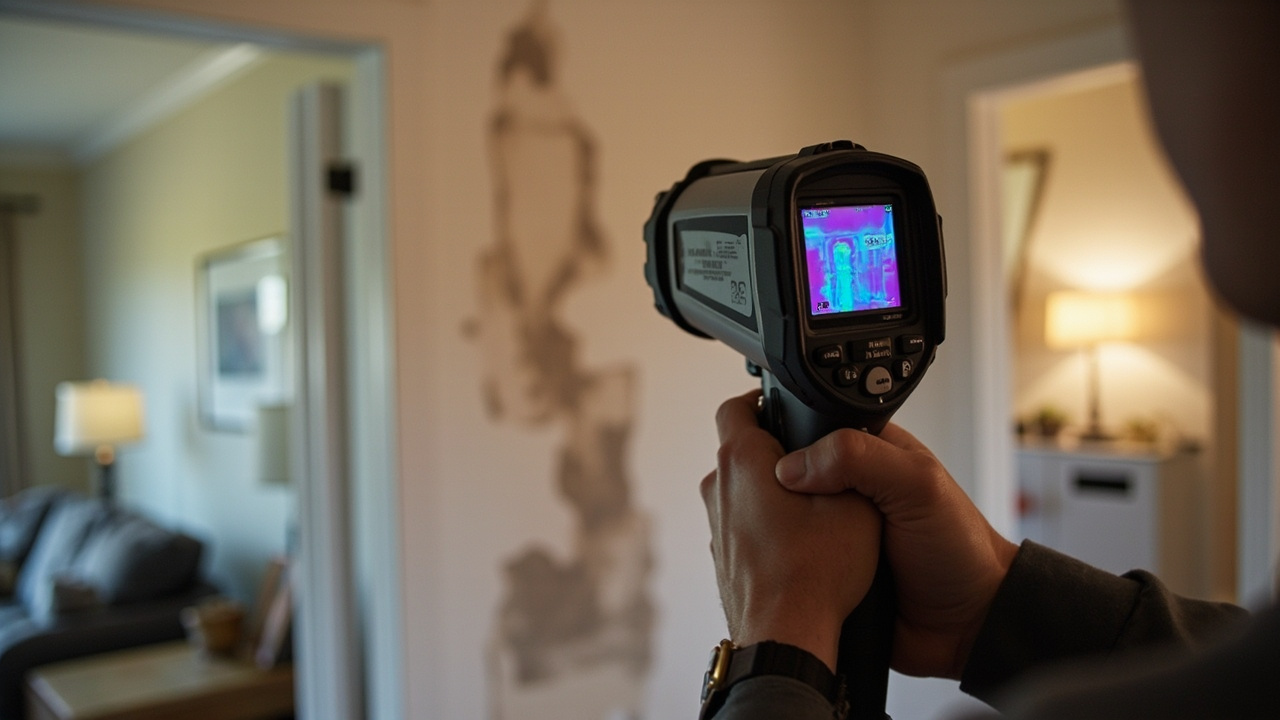
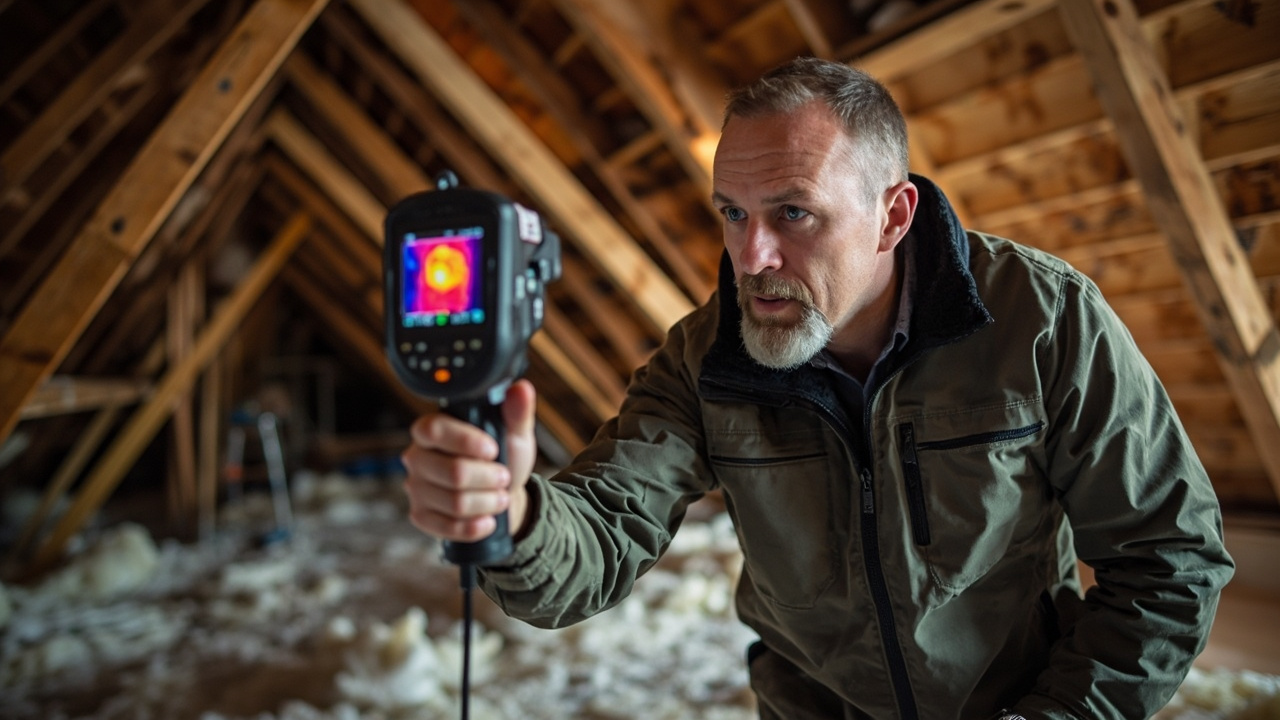
First, we deploy thermal imaging cameras and moisture meters to map hidden water intrusion. Musty smells often originate from spaces you cannot access. Wall cavities between studs, the underside of second-floor bathrooms, and areas above drop ceilings trap humidity and grow contamination invisible to the naked eye. We document moisture readings above 16 percent wood moisture equivalent, the threshold where microbial growth accelerates.

Second, we remove compromised materials. Drywall and insulation act like sponges. Once contaminated with mold colonization, these porous substrates cannot be cleaned effectively. We perform selective demolition to access affected areas, then HEPA-vacuum all surfaces to capture airborne spores before they redistribute throughout your property.

Third, we apply hydroxyl generators and ozone treatment in controlled applications. Hydroxyl radicals break down odor molecules at the chemical level, permanently eradicating water damage smells rather than covering them. This oxidation process works on soft surfaces like upholstery and curtains that cannot be removed.

We finish with antimicrobial applications on all structural surfaces and negative air filtration to remove residual particulates. The difference between our approach and standard cleaning services is simple. We treat the cause, not the consequence. Damp smell remediation requires controlled demolition, source removal, and chemical neutralization. Anything less leaves the problem intact beneath a temporary fragrance layer.

Silverline Water Damage Restoration Houston uses the same protocols commercial remediation firms follow for healthcare facilities and food processing plants. Your home deserves the same standard.

What Happens During Your Odor Removal Service

Musty Smells & Odor Removal in Houston | Eliminate the Source, Not Just the Symptom
01

Moisture Mapping and Source Identification

We start with non-invasive thermal imaging to locate temperature differentials that indicate trapped moisture. Moisture meters quantify the severity of water intrusion in building materials. You get a written report with photographs documenting every affected area. We explain what caused the problem and what must be removed to fix it permanently. This diagnostic phase prevents guesswork and ensures we address the actual source of your musty smell.
02

Containment and Contaminated Material Removal

We establish negative air pressure containment using polyethylene barriers and HEPA-filtered air scrubbers. This prevents cross-contamination to unaffected areas during demolition. Compromised drywall, insulation, and flooring are removed and bagged in six-mil polyethylene before disposal. All structural framing is HEPA-vacuumed and treated with antimicrobial solution. We document the entire process with time-stamped photographs for your records or insurance claim.
03

Deodorization and Air Quality Restoration

After source removal, we deploy hydroxyl generators or ozone machines depending on the materials involved. These systems run for 24 to 72 hours, breaking down odor molecules embedded in wood framing, concrete, and furnishings. Final air quality testing confirms microbial particulate counts return to normal levels. You receive a clearance report confirming your space is safe for reoccupation. The musty smell is gone because the contamination fueling it no longer exists.

Why Houston Property Owners Choose Silverline for Odor Problems

Generic cleaning companies cannot solve structural moisture problems. You need a team that understands how Houston's climate interacts with building science.

We know that homes in Meyerland, Bellaire, and West University flood from different causes than properties in The Heights or East End. We understand how pier-and-beam foundations common in older Houston neighborhoods create crawl space humidity issues distinct from slab-on-grade construction in newer suburbs like Katy or Pearland.

Our technicians hold IICRC certifications in water damage restoration and applied microbial remediation. We follow ANSI/IICRC S500 standards for water damage mitigation and S520 standards for mold remediation. These are not marketing claims. These are industry protocols that govern how we contain work areas, remove contaminated materials, and verify successful remediation.

We work directly with insurance adjusters throughout Harris County, Fort Bend County, and Montgomery County. Our documentation packages include moisture mapping reports, photographic evidence, and detailed scope-of-work estimates written in Xactimate, the software most carriers require. This streamlines your claim and reduces out-of-pocket costs.

You will not get a one-size-fits-all solution. A musty smell in a climate-controlled office building requires different treatment than a flooded garage apartment. We assess your specific situation, explain what needs to happen, and execute the plan without upselling unnecessary services.

Houston property owners choose us because we show up when we say we will, we explain what we find in plain language, and we fix the problem correctly the first time. No surprises. No shortcuts. Just professional odor removal backed by documentation you can trust.

What You Can Expect from Start to Finish

Emergency Response Availability

Musty smells indicate active moisture problems that worsen daily. We dispatch teams seven days a week, including evenings and weekends. Most Houston-area properties receive same-day or next-day assessment appointments. Emergency water intrusion situations get priority response within two to four hours. Our trucks carry moisture detection equipment, containment materials, and extraction tools so we can start mitigation immediately if needed. You do not wait three days for someone to tell you what you already know. You get answers and action fast.

Thorough Diagnostic Assessment Process

Our initial inspection includes thermal imaging, moisture mapping, and visual examination of all accessible areas. We check attic spaces, crawl spaces, HVAC systems, and plumbing penetrations. You receive a written report with annotated photographs showing exactly where moisture reads high and what materials are affected. We explain the scope of work in clear terms before any demolition begins. You approve the plan before we start cutting into walls. This transparency eliminates confusion and ensures you understand what happens and why.

Complete Odor Elimination and Verification

You will not smell masking agents or temporary fragrance cover-ups. Our goal is complete neutralization of the source contamination. After material removal and deodorization treatment, we conduct final air quality verification using particle counters. You get documentation showing microbial spore counts return to baseline levels consistent with normal outdoor air. The space smells neutral because contamination has been physically removed and chemically neutralized. You can move back in or reopen your business with confidence that the problem is resolved, not hidden.

Post-Remediation Monitoring and Prevention Guidance

We provide a follow-up consultation two weeks after project completion to verify no odors have returned. You receive written recommendations for preventing future moisture intrusion, including HVAC maintenance tips, drainage improvements, and humidity control strategies specific to Houston's climate. If you experience any recurring issues within 30 days of project completion, we return to reassess at no additional diagnostic fee. Our goal is permanent resolution, not repeat business from the same problem. You get the information you need to protect your investment long-term.

Frequently Asked Questions

You Have Questions,
We Have Answers

How to get rid of a strong musty smell? +

Strong musty smells come from hidden moisture and mold growth. In Houston's humid climate, these odors often hide in crawl spaces, attics, and behind drywall. First, find the moisture source. Check for leaks, condensation on ducts, or poor ventilation. Remove visible mold with proper cleaning agents. Run dehumidifiers to drop indoor humidity below 50%. Clean or replace HVAC filters. For persistent odors embedded in porous materials like drywall or insulation, you need professional odor removal. Technicians use thermal foggers, hydroxyl generators, and ozone treatments to neutralize odors at the molecular level. Surface cleaning alone will not fix the problem.

What is the hardest smell to get rid of in a house? +

Smoke damage from fires creates the hardest odor to eliminate. Smoke particles penetrate deep into porous surfaces like wood studs, insulation, and concrete. The microscopic soot embeds in materials and releases odor for months. Pet urine that has soaked into subfloors ranks second. In Houston homes, severe mold odors from long-term water intrusion also resist simple cleaning. These smells require professional equipment like ozone generators, thermal fogging, and sometimes material removal. Air fresheners and surface cleaners only mask the problem temporarily. The source must be treated at the molecular level to permanently remove the smell.

Will DampRid get rid of musty smell? +

DampRid reduces humidity and may lessen mild musty smells in small spaces like closets or bathrooms. It absorbs excess moisture from the air, which can slow mold growth. However, DampRid does not remove existing mold or eliminate odors already embedded in materials. In Houston's high humidity, a single container cannot handle whole-house moisture problems. If the musty smell persists after a week of use, you have active mold growth or hidden water damage. You need to find the moisture source and treat the mold directly. Consider DampRid a temporary measure, not a solution for serious odor issues.

How to get rid of old lady smell in house? +

That stale, musty smell in older homes comes from accumulated dust, poor ventilation, and moisture trapped in fabrics and carpets. Start by deep cleaning all textiles. Wash curtains, upholstery, and bedding. Shampoo carpets or replace old padding that holds odors. Clean air ducts to remove dust buildup. Increase ventilation by opening windows when outdoor humidity drops below indoor levels. Run ceiling fans. Replace HVAC filters monthly. In Houston's climate, add a dehumidifier to keep indoor humidity below 50%. If the smell persists after thorough cleaning, check for hidden mold in walls, attics, or crawl spaces that requires professional treatment.

How Houston's Year-Round Humidity Creates Chronic Odor Problems

Houston averages 89 percent relative humidity at dawn and 60 percent in the afternoon, even during winter months. This constant moisture saturation means your building materials never fully dry out between weather events. Air conditioning removes heat but pushes humidity into wall cavities where it condenses on cooler surfaces. Properties near the Gulf Coast, Galveston Bay, or the San Jacinto River face additional vapor pressure from proximity to open water. Homes in Memorial, River Oaks, and Montrose with mature oak trees experience reduced solar gain and slower evaporation rates, extending drying times after rain events. This creates ideal conditions for persistent mildew odor that returns seasonally.

Local building codes updated after Hurricane Harvey now require enhanced drainage and moisture barriers, but most Houston properties were built before these standards took effect. Understanding how pre-2018 construction details interact with our climate requires specific local knowledge. We work throughout the Greater Houston metro area and understand the drainage challenges facing different neighborhoods. Our technicians recognize the signs of chronic moisture intrusion common to pier-and-beam homes in The Heights versus slab foundations in Sugar Land. This local experience ensures accurate diagnosis and appropriate remediation scope for your specific property type and location.
Water Damage Restoration Services in The Houston Area

Easily locate our service area and see how Silverline is strategically positioned to provide rapid water damage restoration services throughout Houston and its surrounding communities. Our commitment to prompt response means we're never far away when disaster strikes, ensuring your property gets the urgent care it needs, wherever you are within our service radius. We're here to serve you efficiently.

Address:
Silverline Water Damage Restoration Houston, 3730 Kirby Dr, Houston, TX, 77098

Additional Services We Offer

Our news updates

Latest Articles & News from The Blogs

Dealing with Attic Water Damage from Leaky Roofs in KingwoodHomeowners in the Kingwood area face significant moisture challenges due to…

Dealing with Attic Water Damage from Leaky Roofs in Kingwood

Dealing with Attic Water Damage from Leaky Roofs in KingwoodHomeowners in the Kingwood area face significant moisture challenges due to…

Why a Home Dehumidifier Cannot Save Your Third Ward Living Room from Water Damage

Why a Home Dehumidifier Cannot Save Your Third Ward Living Room from Water DamageYour Third Ward home faces unique challenges…

Planning Your Tropical Storm Recovery Strategy for League City and Bay Area Residences

Planning Your Tropical Storm Recovery Strategy for League City and Bay Area Residences Living in the Houston Bay Area during…

Contact Us

Stop covering up the problem with air fresheners that do not work. Call Silverline Water Damage Restoration Houston at (832) 336-3663 for professional odor removal that targets the source. We answer calls seven days a week and provide transparent diagnostic assessments with no hidden fees.