





menu

Signs of Hidden Mold in Houston – Expert Detection Before Health Problems Start

Silverline Water Damage Restoration Houston helps you identify symptoms of concealed mold in your property before respiratory issues, structural damage, or insurance complications force your hand.

Slider Image 1
Slider Image 2
Slider Image 3
Slider Image 4
Slider Image 5
Slider Image 7
Slider Image 8
Slider Image 9
Slider Image 10
Slider Image 11

Houston's Climate Creates Perfect Conditions for Hidden Mold Growth

You smell something musty. Your allergies flare up indoors. You notice a water stain that dried months ago, but the air still feels heavy in that room.

These are not random problems. They are indicators of invisible mold thriving inside your walls, under your floors, or above your ceilings.

Houston's humidity averages 75 percent year-round. We sit at sea level. Our air conditioning systems cycle moisture constantly. When you combine high humidity with poor ventilation and the inevitable roof leaks or plumbing failures common in older Houston neighborhoods like Montrose, the Heights, and Meyerland, you create the ideal breeding ground for mold colonization.

Mold does not need standing water to grow. It needs moisture content above 60 percent and an organic surface like drywall, wood framing, or insulation. Once spores land, they colonize within 24 to 48 hours. The evidence of unseen mold often hides behind baseboards, inside HVAC ducts, under vinyl flooring, or in attic sheathing.

Most homeowners only discover the problem when they see visible growth or when a family member develops chronic respiratory symptoms. By that point, the contamination has spread beyond the surface. Detecting hidden mold early prevents remediation costs from escalating and protects your family from prolonged exposure to mycotoxins.

If you notice persistent odors, unexplained health symptoms, or past water damage in your Houston home, you are likely dealing with concealed mold. The signs are there. You just need to know where to look.

Houston's Climate Creates Perfect Conditions for Hidden Mold Growth
How We Identify Mold That Standard Home Inspections Miss

How We Identify Mold That Standard Home Inspections Miss

Most people assume a visual inspection is enough. It is not.

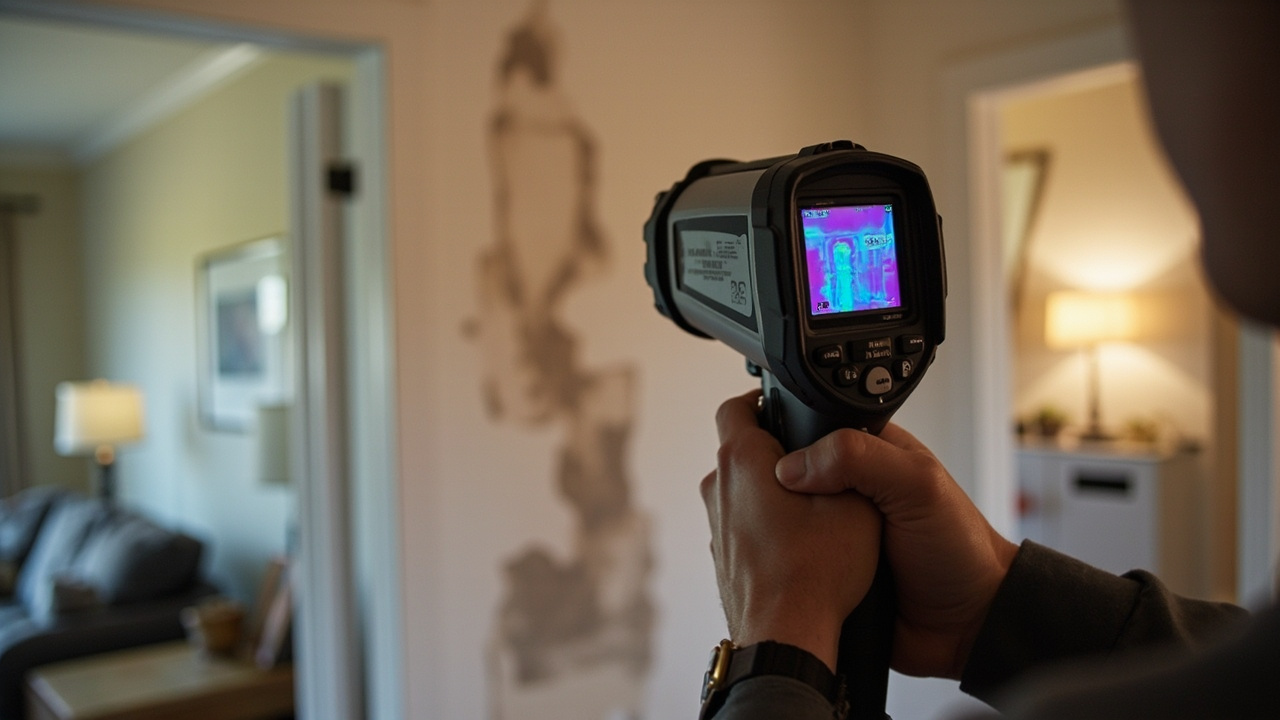
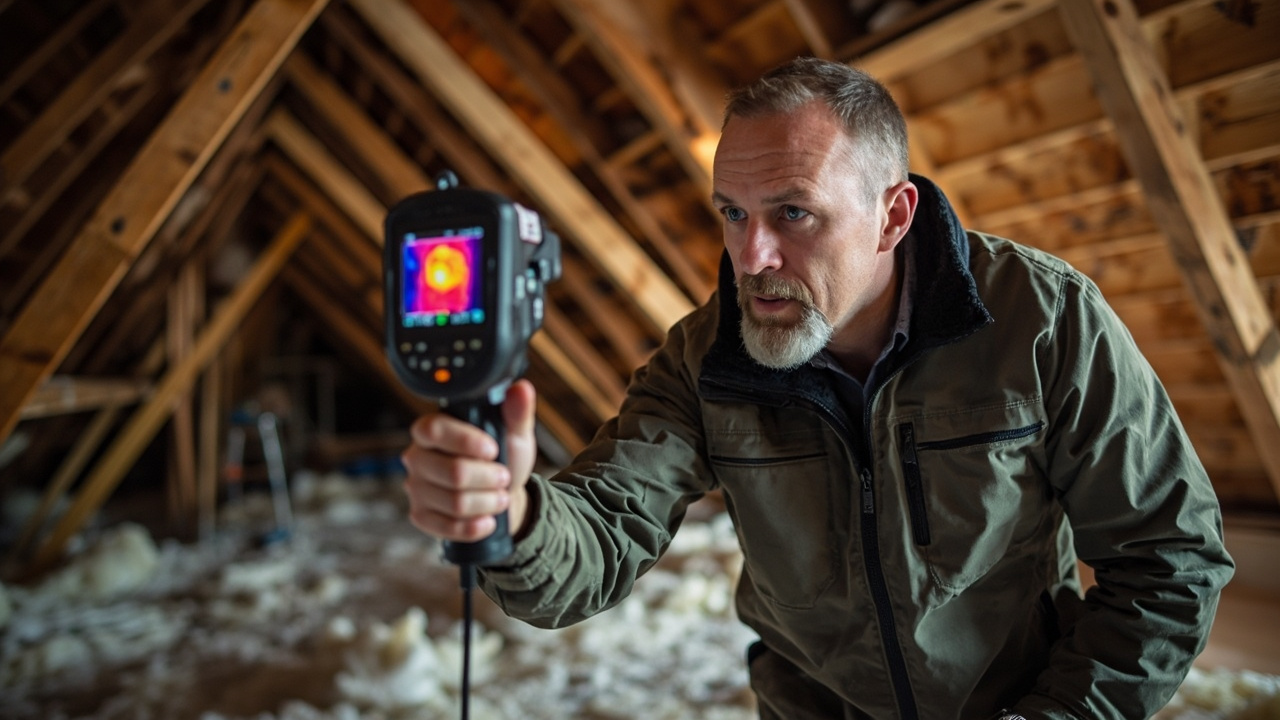
Silverline Water Damage Restoration Houston uses a multi-layer diagnostic approach that goes beyond surface observation. We start with thermal imaging cameras that detect temperature differentials behind walls. Mold growth generates metabolic heat. When we scan a wall cavity, cooler spots indicate moisture retention, and warmer spots suggest active microbial activity.

We use moisture meters with penetrating probes to measure the moisture content of drywall, studs, and subflooring. Readings above 17 percent trigger further investigation. We do not guess. We measure.

Air sampling captures airborne spore concentrations in parts per cubic meter. We compare indoor readings to outdoor baseline levels. Elevated indoor counts, especially for species like Stachybotrys or Aspergillus, confirm an active infestation even when no visible growth appears.

Surface sampling with swabs or tape lifts identifies the species present. Some molds produce mycotoxins. Others indicate chronic water intrusion. Knowing what you are dealing with determines the remediation protocol.

We also inspect common failure points specific to Houston construction. Pier and beam foundations in older homes trap moisture in crawl spaces. Slab foundations crack due to clay soil expansion. HVAC condensate lines clog and overflow into wall cavities. We check these vulnerabilities first because they are the most common sources of hidden mold in this region.

You do not need to tear apart your home to find mold. You need the right tools and the experience to interpret the data. We bring both.

What Happens During a Hidden Mold Inspection

Signs of Hidden Mold in Houston – Expert Detection Before Health Problems Start
01

Initial Assessment and Symptom Mapping

We start by documenting your concerns. When did the smell start? Where do you notice discoloration? Has anyone experienced respiratory issues? We map problem areas and review your home's water damage history, HVAC maintenance records, and any previous plumbing repairs. This builds a baseline for targeted investigation rather than random searching.
02

Diagnostic Testing and Data Collection

We deploy thermal imaging, moisture meters, and air quality sampling in suspected areas. We inspect attic insulation, crawl spaces, behind appliances, and inside HVAC plenums. Each data point gets recorded with photos and moisture readings. If we find elevated levels, we take surface samples for lab analysis to identify mold species and contamination severity.
03

Reporting and Remediation Planning

You receive a detailed report with thermal images, moisture maps, lab results, and our findings. We explain what the data means in plain language. If remediation is needed, we outline the scope, containment protocols, and timeline. If the issue is minor, we provide prevention strategies. You get clarity, not upselling.

Why Houston Homeowners Trust Silverline for Mold Detection

You can buy a moisture meter online. You can hire a general contractor to cut a hole in your wall and look around. But neither approach gives you the forensic-level investigation required to document hidden mold for insurance claims or to develop a surgical remediation plan.

Silverline Water Damage Restoration Houston specializes in water intrusion and microbial contamination. We understand how Houston's construction methods, soil conditions, and weather patterns create mold problems that would not exist in drier climates. We know that homes in Bellaire built on slab foundations crack differently than pier and beam homes in the Heights. We know that properties near Buffalo Bayou or Brays Bayou deal with seasonal flooding that saturates crawl spaces and creates long-term moisture issues.

We also understand the insurance side. If you file a claim for mold remediation, your carrier will demand documentation. They want moisture readings, lab reports, and proof that the contamination resulted from a covered peril like a sudden pipe burst, not long-term neglect. We provide that documentation because we follow IICRC S520 standards for mold remediation and maintain detailed chain-of-custody protocols for all samples.

Our technicians are trained in building science, not just mold removal. We identify the source of moisture intrusion, not just the symptom. If your mold problem stems from a failing HVAC condensate line, improper exterior grading, or a roof valley that channels water into your soffit, we find it. Treating the mold without fixing the water source guarantees it will return.

You are not hiring a cleanup crew. You are hiring a diagnostic team that understands the relationship between water, humidity, building materials, and microbial growth in Houston's unique environment.

What You Should Expect From a Professional Mold Inspection

Response Time and Scheduling

We schedule inspections within 24 to 48 hours of your call. Mold growth accelerates when conditions are right, so waiting a week is not acceptable. Most inspections take two to three hours depending on the size of your property and the number of suspected areas. We work around your schedule, including evenings and weekends. If you are dealing with an active water leak or flood damage, we prioritize emergency inspections to prevent further colonization during the drying process.

The Diagnostic Process

You receive a walkthrough explanation as we work. We show you thermal images in real time. We explain what the moisture readings mean and why certain areas require sampling. If we recommend invasive inspection, like removing baseboards or cutting a small access hole, we explain why and get your approval first. You are not left guessing what we found or why it matters. Transparency is part of the process. Lab results typically return within three to five business days.

The Final Report

Your written report includes all thermal images, moisture readings, air sample data, and lab results with species identification. We highlight areas of concern and provide a severity rating for each contaminated zone. If remediation is necessary, we include a scope of work with containment strategies, removal protocols, and material disposal requirements. If no significant contamination exists, we document that too. You get a permanent record for insurance, real estate transactions, or future reference.

Post-Inspection Support

We do not disappear after handing you a report. If you need help filing an insurance claim, we provide documentation and can speak with your adjuster. If you choose to move forward with remediation, we coordinate scheduling and answer questions throughout the process. If the issue is environmental and not structural, we provide recommendations for dehumidification, ventilation improvements, or HVAC maintenance. You get ongoing support, not a one-time transaction.

Frequently Asked Questions

You Have Questions,
We Have Answers

How do you know if you have hidden mold in your house? +

Hidden mold often announces itself through smell before sight. A musty, earthy odor in specific rooms signals growth behind walls or under floors. You may notice persistent condensation on windows, discoloration on walls or ceilings, or warping baseboards. Allergic symptoms that worsen indoors but improve outside also point to hidden mold. Houston's high humidity accelerates growth in crawl spaces, attics, and behind kitchen cabinets. Check areas near plumbing, HVAC systems, and anywhere water damage occurred. If you suspect hidden mold, a professional moisture meter inspection can detect elevated readings behind surfaces without demolition.

What are signs of mold sickness? +

Mold sickness presents as respiratory irritation first. You may experience chronic coughing, wheezing, nasal congestion, or throat irritation that does not resolve with typical cold remedies. Headaches, fatigue, and difficulty concentrating are common neurological symptoms. Skin rashes or itchy eyes often worsen when you spend time in affected rooms. Some people report joint pain or muscle aches. Houston residents with asthma notice increased attacks indoors. Symptoms improve when you leave the building and return when you come back. If multiple household members experience unexplained health issues simultaneously, hidden mold may be the cause. Document symptom patterns to help professionals assess the situation.

Can mold cause a baby to cough? +

Yes, mold can trigger coughing in babies and young children. Their developing respiratory systems are especially vulnerable to airborne spore exposure. You may notice your baby coughs more at night or after naps when they spend extended time in the nursery. Houston's humid climate creates ideal mold conditions in poorly ventilated rooms. Watch for persistent coughing without fever, wheezing sounds, or labored breathing. Babies cannot tell you they feel unwell, so increased fussiness or sleep disruption may accompany respiratory symptoms. If your pediatrician rules out illness but coughing continues, inspect the nursery for water stains, condensation, or musty odors that indicate hidden mold growth.

Can mold cause twitching? +

Mold exposure can cause neurological symptoms including muscle twitching in some individuals. Mycotoxins produced by certain mold species affect the nervous system, leading to involuntary muscle movements, tremors, or fasciculations. You may also experience numbness, tingling, or coordination problems. These symptoms are more common with prolonged exposure to toxic mold like Stachybotrys. Houston homes with chronic water intrusion behind walls create environments where toxic mold thrives undetected. If you develop unexplained twitching along with other mold sickness signs like headaches or respiratory issues, have your home professionally inspected. Medical evaluation is important to rule out other neurological conditions before attributing symptoms solely to mold.

Why Houston's Clay Soil and Humidity Make Mold Detection Critical

Houston sits on expansive clay soil that swells when wet and contracts when dry. This cycle creates foundation movement, especially during prolonged droughts followed by heavy rain. Slab foundations crack. Pier and beam structures shift. These movements create gaps where water infiltrates and pools in wall cavities or under flooring. Combined with our 75 percent average humidity and frequent tropical storms, homes in Houston experience moisture problems that would never occur in arid climates. Detecting hidden mold early prevents structural damage and protects indoor air quality in an environment where mold thrives year-round.

Silverline Water Damage Restoration Houston understands the building practices, soil conditions, and weather patterns that create mold risk in this region. We have worked in neighborhoods from River Oaks to Clear Lake, from the Energy Corridor to Pearland. We know which HVAC systems fail most often, which roofing materials degrade fastest in our heat, and which foundation types are most vulnerable to moisture intrusion. That local knowledge allows us to identify problems faster and more accurately than a national franchise following a generic checklist.
Water Damage Restoration Services in The Houston Area

Easily locate our service area and see how Silverline is strategically positioned to provide rapid water damage restoration services throughout Houston and its surrounding communities. Our commitment to prompt response means we're never far away when disaster strikes, ensuring your property gets the urgent care it needs, wherever you are within our service radius. We're here to serve you efficiently.

Address:
Silverline Water Damage Restoration Houston, 3730 Kirby Dr, Houston, TX, 77098

Additional Services We Offer

Our news updates

Latest Articles & News from The Blogs

Houston humidity presents a constant struggle for homeowners across Harris County. In 2026, the weather patterns continue to create high…

Why Houston Families Trust Our Certified Mold Inspection Services for Local Homes

Houston humidity presents a constant struggle for homeowners across Harris County. In 2026, the weather patterns continue to create high…

Dealing with Attic Water Damage from Leaky Roofs in Kingwood

Dealing with Attic Water Damage from Leaky Roofs in KingwoodHomeowners in the Kingwood area face significant moisture challenges due to…

Why a Home Dehumidifier Cannot Save Your Third Ward Living Room from Water Damage

Why a Home Dehumidifier Cannot Save Your Third Ward Living Room from Water DamageYour Third Ward home faces unique challenges…

Contact Us

If you suspect hidden mold in your Houston home, call Silverline Water Damage Restoration Houston at (832) 336-3663. We provide thorough inspections, lab-backed reports, and honest recommendations. Do not wait until you see visible growth.