





menu

Warehouse Flood Restoration in Houston – Industrial-Grade Solutions That Keep Your Operations Running

Silverline Water Damage Restoration Houston delivers rapid warehouse water mitigation with minimal operational disruption, deploying commercial-grade extraction equipment and dehumidification systems to restore your facility fast.

Slider Image 1
Slider Image 2
Slider Image 3
Slider Image 4
Slider Image 5
Slider Image 7
Slider Image 8
Slider Image 9
Slider Image 10
Slider Image 11

Houston's Industrial Corridor Faces Unique Flood Risks

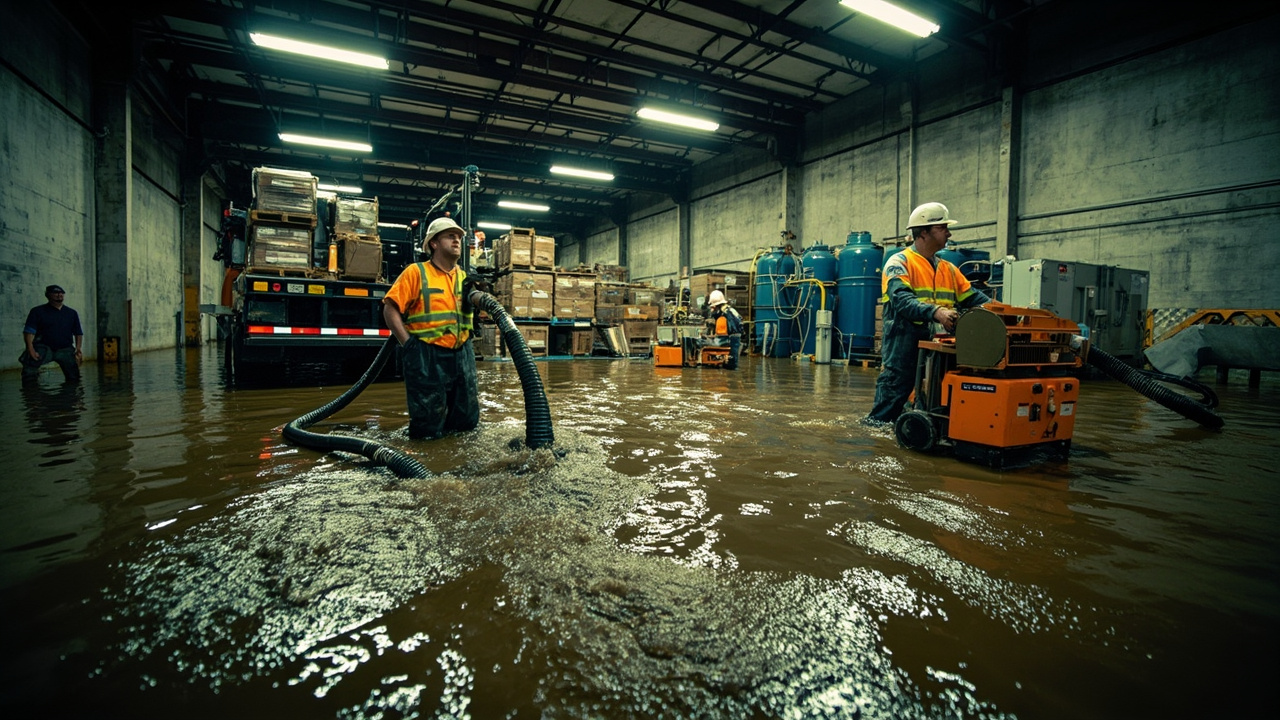
Your warehouse sits in a flood zone you did not plan for. Houston's proximity to Buffalo Bayou, Brays Bayou, and the Ship Channel makes industrial properties vulnerable during hurricane season and flash flood events. Add in aging stormwater infrastructure along the East End and near the Port of Houston, and you have a recipe for catastrophic flooding that shuts down operations for weeks.

When floodwater breaches your warehouse, you face immediate contamination risks from industrial runoff, oil residue from nearby refineries, and bacteria from overwhelmed sewer systems. The high humidity that follows a flood creates secondary damage. Mold colonizes porous materials within 48 hours. Structural steel corrodes. Inventory becomes unsalvageable. Your liability exposure increases every hour water sits on your floor.

Distribution centers in Pasadena and Channelview deal with concrete slab moisture retention that standard extraction cannot fix. Clay soil beneath your foundation does not drain. It swells and shifts, creating uneven floors that trap water in low spots. You need industrial water damage cleanup that addresses subsurface moisture, not just surface water removal.

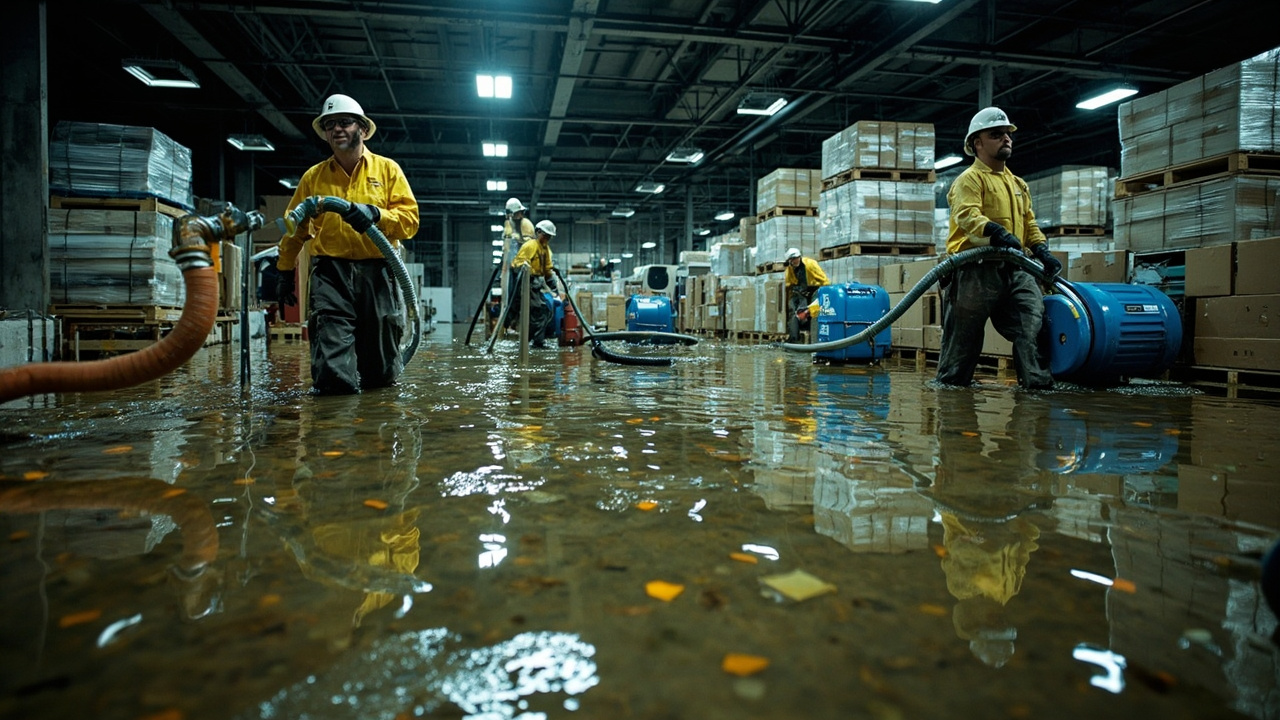
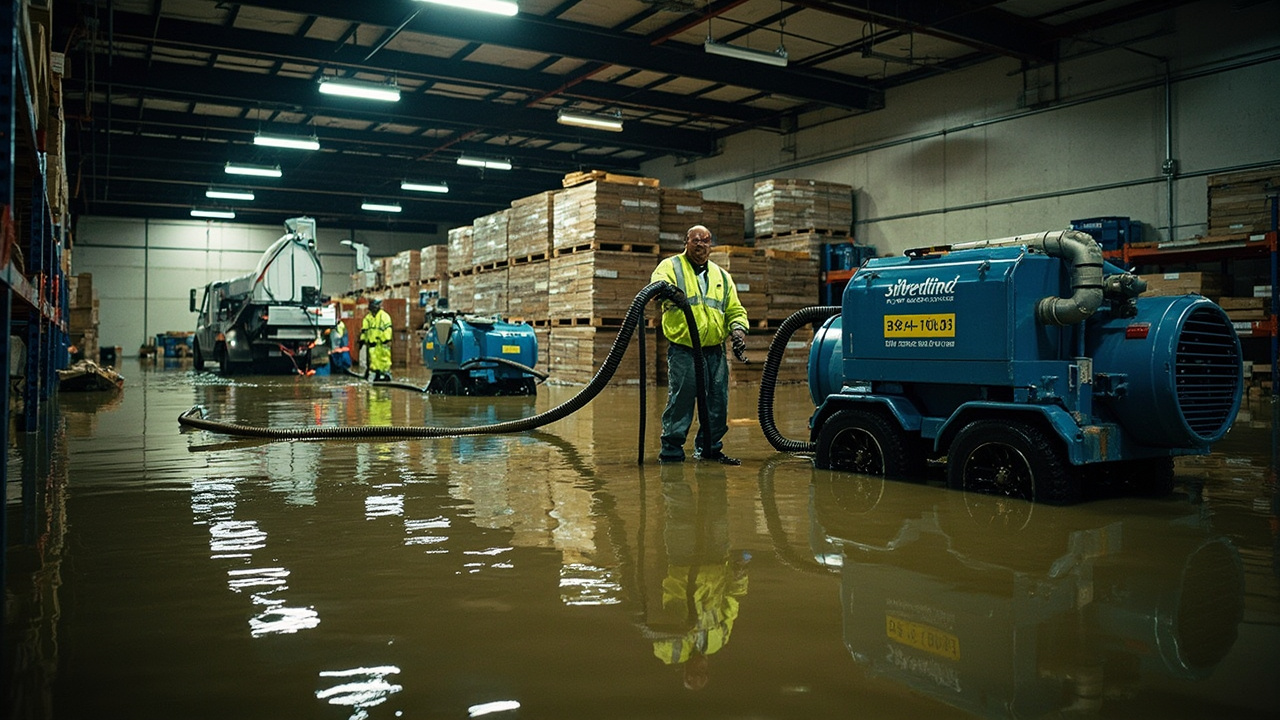
Commercial flood remediation requires capacity and speed. Your business continuity plan depends on professionals who understand the difference between residential water damage and warehouse-scale disasters. Silverline Water Damage Restoration Houston deploys truck-mounted extraction units, industrial dehumidifiers, and air movers measured in cubic feet per minute, not the consumer-grade equipment that leaves your facility damp for weeks.

Houston's Industrial Corridor Faces Unique Flood Risks
Our Industrial Water Extraction and Drying Methodology

Our Industrial Water Extraction and Drying Methodology

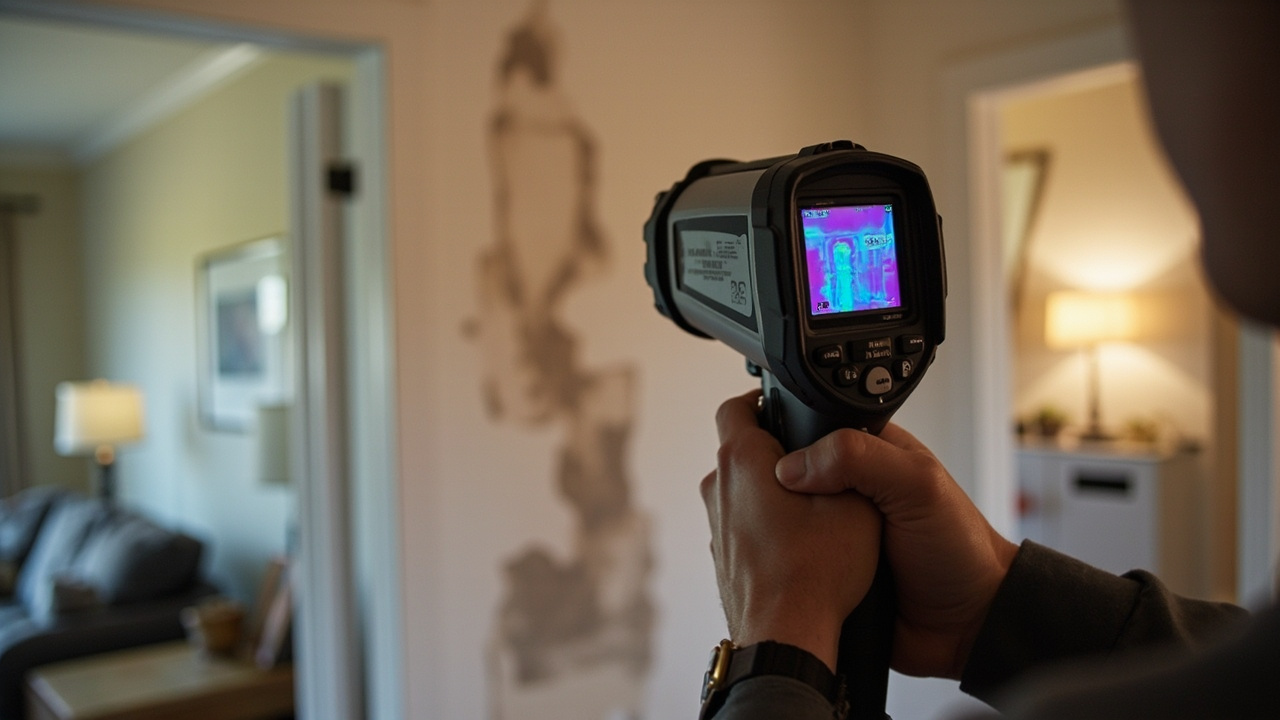
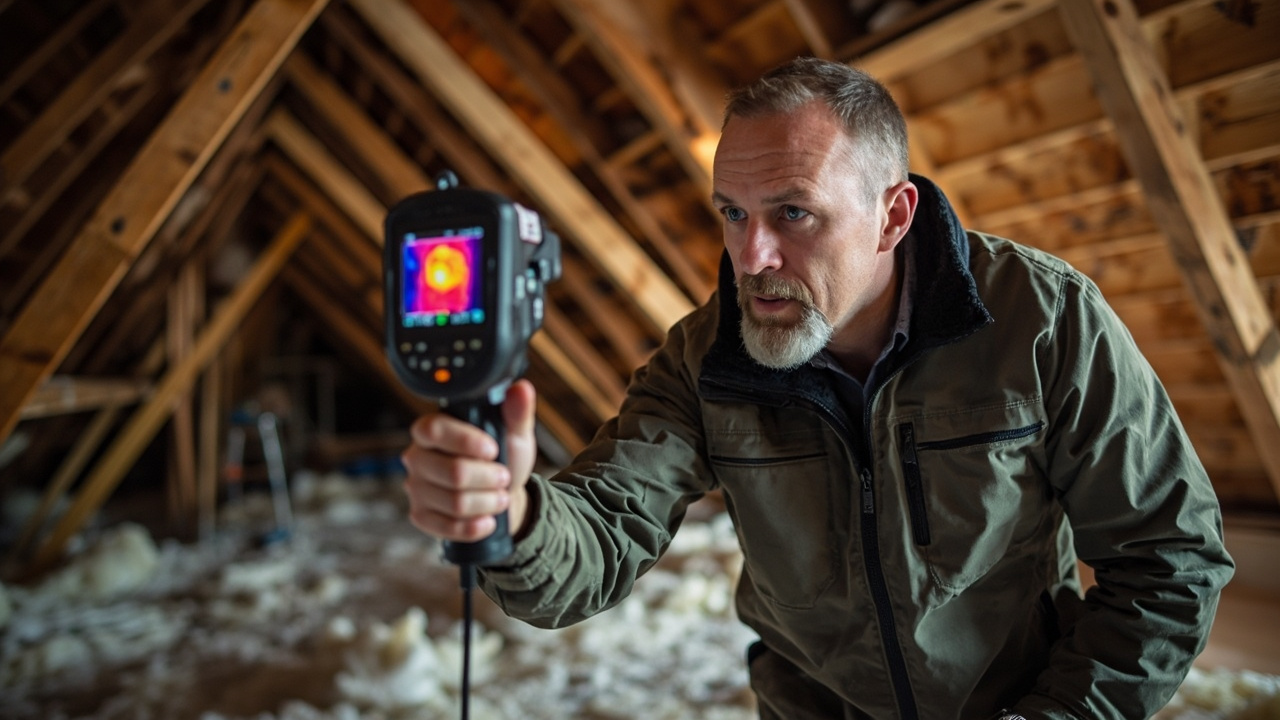
We do not treat your warehouse like an oversized house. Industrial flood recovery demands different equipment, different timelines, and different expertise. Our process starts with a commercial moisture assessment using thermal imaging cameras and penetrating moisture meters to map water intrusion in concrete slabs, steel columns, and wall cavities. We identify the source, the spread pattern, and the contamination level before extraction begins.

Our truck-mounted extractors remove standing water at 200 gallons per minute. We position axial air movers in strategic airflow patterns to create evaporation velocity across large floor areas. Low-grain refrigerant dehumidifiers pull moisture from the air at rates up to 14 pints per kilowatt hour, which matters when you are drying 50,000 square feet. We monitor grain depression and vapor pressure differentials daily, adjusting equipment placement as drying progresses.

For contaminated floodwater, we follow IICRC S500 standards for Category 3 water. That means controlled demolition of non-salvageable materials, antimicrobial application on all affected surfaces, and proper disposal of contaminated debris. We coordinate with your environmental health and safety team to maintain OSHA compliance during remediation.

Your inventory and equipment require protection during the process. We establish containment barriers using poly sheeting and negative air machines with HEPA filtration to isolate affected zones from clean areas. This limits cross-contamination and allows partial operations to continue in unaffected sections of your facility. We document the entire process with daily moisture readings and photographic evidence for your insurance adjuster and risk management team.

How Warehouse Flood Restoration Works

Warehouse Flood Restoration in Houston – Industrial-Grade Solutions That Keep Your Operations Running
01

Emergency Response Mobilization

We dispatch a commercial response team within two hours of your call. Our crew arrives with truck-mounted extraction equipment, industrial dehumidifiers, and moisture detection tools. We conduct an immediate facility assessment to determine water source, contamination category, and affected square footage. You receive a preliminary scope of work and equipment deployment plan before extraction begins, so your operations team knows what to expect.
02

Water Extraction and Structural Drying

03

Verification and Clearance Documentation

We do not remove equipment until moisture readings meet industry standards for your building materials. Final verification includes thermal imaging to confirm no hidden moisture pockets remain in wall cavities or beneath flooring. You receive a complete drying log with daily readings, equipment manifests, and photographic documentation for insurance claims and regulatory compliance. We provide written clearance that your facility meets IICRC drying standards before your operations resume.

Why Houston Warehouses Trust Silverline for Flood Recovery

You need a contractor who understands the operational pressure of warehouse downtime. Every day your facility stays offline costs you in lost productivity, missed shipments, and customer penalties. We have restored distribution centers along Highway 225, cold storage facilities in the East End, and manufacturing plants near the Ship Channel. We know how Houston's industrial properties are built and what it takes to dry them correctly.

Our team understands Harris County floodplain regulations and what documentation your insurance carrier requires for commercial claims. We work directly with adjusters and third-party administrators to provide the technical justification for our scope of work. That means faster approvals and fewer disputes over covered damages.

We maintain the equipment capacity to handle large-scale incidents. Our inventory includes 50-plus industrial dehumidifiers, 100-plus high-velocity air movers, and multiple truck-mounted extraction units. When a 100,000 square foot warehouse floods, you cannot wait for a contractor to rent equipment from three states away. We deploy what you need immediately because we stock it locally.

You also get transparency on timelines and costs. We provide a detailed estimate based on affected square footage, contamination category, and material types. No surprise charges for equipment you did not authorize. No delays because a technician does not understand commercial drying protocols. We assign a project manager to your job who coordinates with your facility manager, insurance adjuster, and any other stakeholders. You get daily updates on drying progress and a clear timeline for when your operations can restart safely.

What to Expect During Warehouse Water Mitigation

Response Time and Mobilization Speed

We mobilize a commercial response team within two hours of contact, 24 hours a day. Our crews operate from a centrally located facility near the 610 Loop, which puts us within 30 minutes of most industrial properties in Houston, Pasadena, and Channelview. We arrive with the equipment needed for immediate water extraction, so you do not lose another day waiting for a second mobilization. Speed matters because every hour of delay increases your total damage costs and extends your downtime. Our dispatch system prioritizes commercial accounts because we understand the financial impact of warehouse flooding on your business operations.

Facility Assessment and Moisture Mapping

Our initial assessment includes thermal imaging of walls, floors, and structural components to identify hidden moisture intrusion. We use penetrating moisture meters to measure saturation levels in concrete slabs and determine if water has wicked into wall cavities or insulation. You receive a written assessment that categorizes water contamination level, identifies affected materials, and outlines the extraction and drying strategy. This assessment becomes the foundation of your insurance claim and guides our equipment deployment. We also identify any safety hazards like electrical risks or structural compromises that require immediate attention before full-scale remediation begins.

Drying Standards and Final Verification

We dry your facility to IICRC S500 standards, which means materials reach moisture content levels consistent with pre-loss conditions. Concrete slabs must read below 4.5 percent moisture content by weight. Wood framing must reach equilibrium moisture content for Houston's climate zone. We provide daily moisture logs that document drying progress and verify when your facility meets industry standards for occupancy. Final verification includes thermal imaging to confirm no residual moisture remains in hidden areas. You receive written clearance and a complete drying report for your records and insurance documentation.

Post-Remediation Monitoring and Follow-Up

We do not disappear after equipment removal. Our team conducts a 30-day follow-up inspection to verify no secondary moisture issues have developed. This matters in Houston because high ambient humidity can cause moisture rebound if materials were not dried completely. We also provide recommendations for preventing future flood damage, including sump pump installations, improved drainage solutions, and moisture barrier upgrades for concrete slabs. If any issues arise during the follow-up period, we address them immediately at no additional charge. Your facility manager receives direct contact information for our project supervisor for any post-remediation questions or concerns.

Frequently Asked Questions

You Have Questions,
We Have Answers

How do restoration companies get paid? +

Restoration companies typically get paid through direct billing to your commercial property insurance carrier or via direct payment from the property owner. Most firms bill insurance directly after documenting damage and obtaining authorization. For warehouse floods in Houston, companies submit detailed estimates including structural drying, equipment rental, and labor costs. Payment structures vary: some require upfront deposits for emergency services, while others wait for insurance approval. When dealing with hurricane-related flooding or sudden pipe failures common in Houston's humid climate, expect the company to coordinate claims paperwork, provide scope documentation, and bill incrementally as restoration phases complete. Direct-pay options exist for uninsured losses.

What's the difference between restoration and remediation? +

Restoration refers to returning a warehouse to its pre-loss condition after water damage. This includes extraction, structural drying, dehumidification, and rebuilding damaged elements like drywall or flooring. Remediation specifically addresses contaminant removal, such as mold growth or sewage cleanup. In Houston warehouses, high humidity accelerates microbial growth after flooding, requiring both services. You restore the building envelope and systems. You remediate hazardous conditions like black mold or contaminated water. A warehouse flood often demands restoration first to stabilize the structure, followed by remediation if mold colonizes within 48 hours. Both processes protect business continuity and employee safety in commercial facilities.

Is water damage restoration worth it? +

For warehouse operations in Houston, water damage restoration is worth it when weighed against total business interruption costs, inventory loss, and structural deterioration. Unaddressed water damage leads to mold growth, concrete slab issues, and compromised load-bearing capacity. Houston's humidity compounds these risks rapidly. Professional restoration minimizes downtime, preserves structural integrity, and prevents liability exposure from unsafe working conditions. The cost of restoration typically represents a fraction of replacing an entire inventory or facing prolonged closure. Insurance often covers most expenses. Delaying restoration in commercial properties increases secondary damage exponentially, making immediate action the most cost-effective decision for warehouse owners.

How much does restoration cost for water damage? +

Warehouse water damage restoration costs vary based on affected square footage, water category, and structural complexity. Small incidents affecting 1,000 square feet may start around several thousand dollars. Large-scale warehouse floods exceeding 10,000 square feet can reach six figures, especially with contaminated water or extensive inventory loss. Houston's Gulf Coast location increases hurricane and storm surge risk, which impacts pricing due to demand spikes. Cost factors include extraction equipment, industrial dehumidifiers, antimicrobial treatments, and structural repairs. Clean water costs less than sewage backups. Most commercial policies cover restoration expenses minus deductibles. Request itemized estimates comparing equipment rental, labor, and materials to verify fair pricing.

Do restoration companies make good money? +

This question addresses profitability, not your facility's needs. Focus on your warehouse recovery instead. Restoration companies operate on project-based revenue with variable margins depending on job complexity, insurance negotiations, and equipment overhead. In Houston, hurricane season and frequent thunderstorms create consistent demand. Commercial projects generate higher revenues than residential work due to scale and specialized equipment requirements. Profitability depends on operational efficiency, insurance relationships, and response speed. For your purposes as a warehouse operator, prioritize companies with proven commercial experience, adequate equipment capacity, and transparent billing practices. Their financial success matters less than their ability to minimize your downtime and protect your bottom line.

What is the 80% rule in insurance? +

The 80% rule in commercial property insurance requires you to insure your warehouse for at least 80% of its replacement value to avoid coinsurance penalties. If your building is worth $2 million and you only carry $1 million in coverage, you become a coinsurer for the difference. During water damage claims in Houston warehouses, underinsurance triggers proportional payment reductions. For example, a $200,000 flood loss might only pay $125,000 if you are underinsured. This rule directly impacts your recovery budget. Review your policy annually, as Houston construction costs and property values fluctuate. Adequate coverage ensures full restoration funding without unexpected out-of-pocket expenses.

What are the 3 R's of recovery? +

The 3 R's of recovery in warehouse flood restoration are Remove, Reduce, and Rebuild. Remove standing water and saturated materials immediately to halt damage progression. Reduce moisture levels through industrial dehumidification and air movement, preventing mold colonization in Houston's humid environment. Rebuild damaged structural elements, flooring, and systems to pre-loss condition while meeting current building codes. This phased approach minimizes business interruption. In commercial facilities, speed matters. Each phase requires documentation for insurance purposes. Houston warehouses face accelerated microbial growth timelines due to heat and humidity, making the Reduce phase critical. Proper sequencing protects your inventory, maintains structural integrity, and shortens closure time.

What are the three types of remediation? +

The three main types of remediation in warehouse settings are mold remediation, asbestos remediation, and hazardous material remediation. Mold remediation removes fungal growth resulting from water intrusion, common in Houston's climate. Asbestos remediation addresses disturbed materials in older warehouses during restoration work, requiring licensed abatement. Hazardous material remediation handles chemical spills or contaminated floodwater containing sewage or industrial pollutants. Category 3 water from Houston storm surges or sewer backups demands specialized protocols. Each type requires different certifications, containment strategies, and disposal methods. Your warehouse may need multiple remediation types simultaneously after flooding. Verify contractors hold appropriate licenses for your specific contamination scenario.

What's the average mold remediation cost? +

Mold remediation costs in Houston warehouses depend on colonization extent, accessibility, and affected materials. Small isolated areas under 100 square feet may cost a few thousand dollars. Widespread contamination affecting structural components or HVAC systems can exceed $50,000 in large facilities. Houston's year-round humidity accelerates mold growth after water events, often requiring extensive remediation if response delays occur. Costs include containment setup, HEPA filtration, antimicrobial treatment, material removal, and post-remediation verification testing. Hidden mold behind walls or above ceilings increases expenses. Commercial projects cost more than residential due to scale and regulatory compliance requirements. Address water sources immediately to minimize remediation scope and expense.

Does insurance pay for water restoration? +

Commercial property insurance typically covers water restoration for sudden and accidental losses like burst pipes, roof leaks, or storm damage affecting Houston warehouses. Policies usually exclude gradual damage from poor maintenance or flooding from external sources without separate flood insurance. Your coverage depends on water source and policy specifics. Category 1 clean water from supply line breaks generally receives full coverage. Category 3 contaminated water from sewer backups may have limited coverage. Houston's flood risk requires separate NFIP or private flood policies for storm surge and rising water. Review your declarations page and endorsements. Insurance pays for mitigation, extraction, drying, and repairs minus your deductible.

How Houston's Industrial Flood Zone Geography Impacts Warehouse Water Damage

Houston's industrial corridor sits in FEMA-designated flood zones along Buffalo Bayou, Brays Bayou, and Greens Bayou. Warehouses in Pasadena, the East End, and near the Ship Channel face Category 3 floodwater contamination from petrochemical runoff and overwhelmed sewer systems during hurricane events. The flat topography and clay soil create drainage problems that leave standing water for days after storms pass. Standard extraction methods fail because water penetrates concrete slabs and gets trapped by the clay substrate beneath your foundation. This requires specialized subsurface drying techniques and moisture barrier remediation that most residential-focused contractors cannot provide.

Harris County requires commercial properties to meet specific floodplain management standards for post-flood repairs. Your contractor must understand substantial improvement rules and ensure remediation work complies with local building codes. Silverline works regularly with Harris County Flood Control District requirements and provides the documentation needed for permit compliance. We also coordinate with your environmental consultant if contaminated floodwater requires hazardous waste disposal. Choosing a local contractor who knows Houston's regulatory environment prevents costly delays and ensures your facility passes final inspection without complications or rework.
Water Damage Restoration Services in The Houston Area

Easily locate our service area and see how Silverline is strategically positioned to provide rapid water damage restoration services throughout Houston and its surrounding communities. Our commitment to prompt response means we're never far away when disaster strikes, ensuring your property gets the urgent care it needs, wherever you are within our service radius. We're here to serve you efficiently.

Address:
Silverline Water Damage Restoration Houston, 3730 Kirby Dr, Houston, TX, 77098

Additional Services We Offer

Our news updates

Latest Articles & News from The Blogs

Houston humidity presents a constant struggle for homeowners across Harris County. In 2026, the weather patterns continue to create high…

Why Houston Families Trust Our Certified Mold Inspection Services for Local Homes

Houston humidity presents a constant struggle for homeowners across Harris County. In 2026, the weather patterns continue to create high…

Dealing with Attic Water Damage from Leaky Roofs in Kingwood

Dealing with Attic Water Damage from Leaky Roofs in KingwoodHomeowners in the Kingwood area face significant moisture challenges due to…

Why a Home Dehumidifier Cannot Save Your Third Ward Living Room from Water Damage

Why a Home Dehumidifier Cannot Save Your Third Ward Living Room from Water DamageYour Third Ward home faces unique challenges…

Contact Us

Call Silverline Water Damage Restoration Houston at (832) 336-3663 right now. Our commercial response team mobilizes within two hours with the industrial-grade equipment your facility needs. Every hour you wait increases damage costs and extends downtime.