





menu

Water Bug & Pest Infestations in Houston – Fast Diagnosis and Complete Moisture Source Elimination

Our certified water damage specialists identify the exact moisture sources attracting water bugs and oriental cockroaches, then eliminate the root cause to stop infestations permanently in Houston homes and businesses.

Slider Image 1
Slider Image 2
Slider Image 3
Slider Image 4
Slider Image 5
Slider Image 7
Slider Image 8
Slider Image 9
Slider Image 10
Slider Image 11

Why Houston's Climate Creates Perfect Conditions for Water Bug Infestations

Houston's extreme humidity and frequent flooding create a breeding ground for moisture-related pest infestations. When you see water bugs, oriental cockroaches, or American cockroaches crawling through your home, you are looking at a symptom of a bigger problem. These damp environment insects do not appear randomly. They follow moisture gradients to find water, food, and shelter.

The combination of Houston's clay soil, aging plumbing infrastructure, and subtropical climate means hidden water intrusion is everywhere. Slab foundation homes in areas like Meyerland, Bellaire, and the Heights are especially vulnerable. Water damage roaches thrive in crawl spaces, behind drywall, and under sinks where slow leaks go unnoticed for months. Sewer roach infestations often trace back to cracked sewer laterals or faulty wax rings around toilets.

You can spray pesticides all you want, but if the moisture source remains, the pests will return. Water bugs are attracted to humid microclimates created by condensation on HVAC ducts, shower pan leaks, or failed waterproofing around windows. Oriental cockroach problems are almost always linked to standing water in basements, sumps, or poorly ventilated bathrooms.

Houston's summer heat drives these insects indoors searching for cooler, damper spaces. If you are seeing them during the day, the infestation is already severe. The good news is that eliminating the moisture eliminates the infestation. But you need a team that understands water intrusion, not just pest control.

Why Houston's Climate Creates Perfect Conditions for Water Bug Infestations
How We Eliminate Moisture Sources to Solve Pest Problems Permanently

How We Eliminate Moisture Sources to Solve Pest Problems Permanently

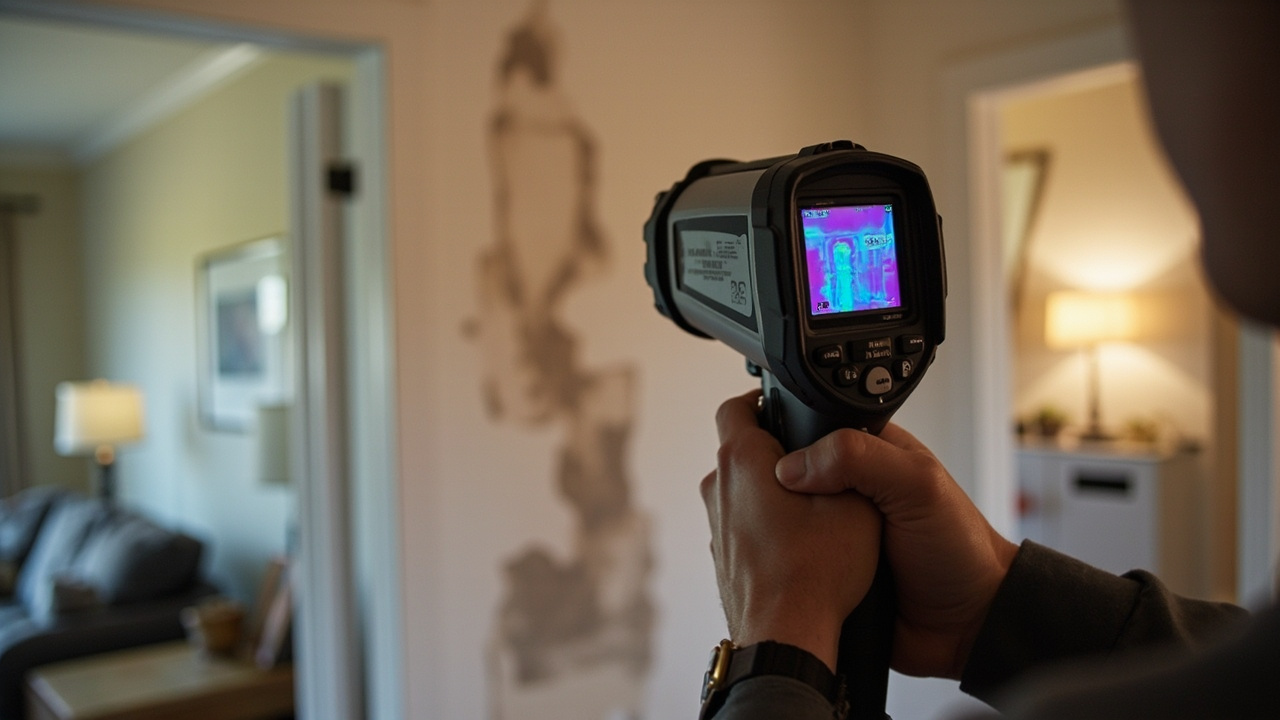
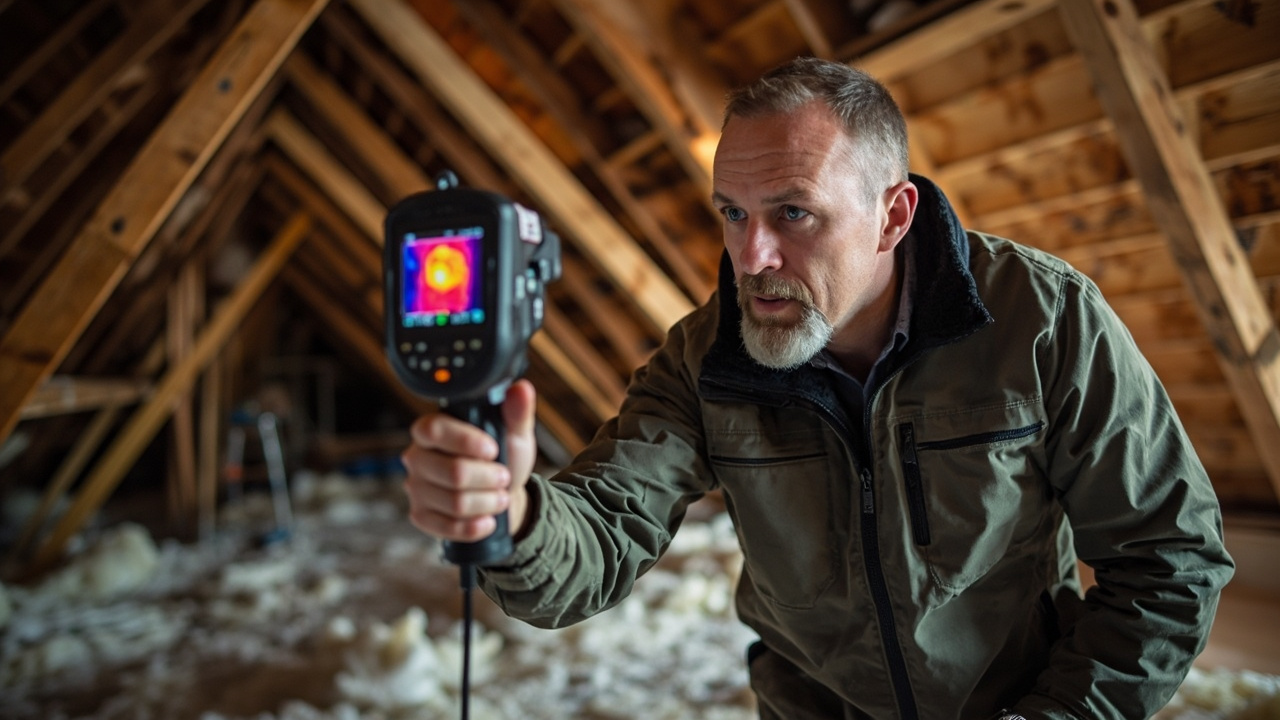
Silverline Water Damage Restoration Houston does not just treat the pests. We find and eliminate the water source that brought them inside. Our process starts with a comprehensive moisture audit using thermal imaging cameras and digital hygrometers. We scan walls, floors, and ceilings to detect hidden water intrusion invisible to the naked eye.

Water damage roaches congregate in areas with elevated relative humidity above 60 percent. We map these zones and trace the moisture back to the source. Common culprits include failed waterproofing membranes, condensation from under-insulated HVAC ducts, roof leaks that travel laterally through wall cavities, and groundwater wicking through foundation cracks.

Once we locate the source, we perform targeted structural drying using commercial-grade dehumidifiers and air movers. We do not just dry the surface. We monitor subsurface moisture levels in framing lumber and drywall using pin-type and non-invasive moisture meters until readings drop below 15 percent, the threshold for microbial growth and pest attraction.

For sewer roach infestations, we inspect drain lines with video scopes to identify cracks, root intrusions, or failed seals. We coordinate with licensed plumbers to repair the plumbing, then sanitize and dry affected areas using EPA-registered antimicrobial treatments.

We also address structural vulnerabilities like inadequate ventilation in crawl spaces, missing vapor barriers, or failed French drains that allow groundwater to pool under slabs. The result is a dry, inhospitable environment where moisture-related pest infestations cannot survive.

Our Three-Step Moisture and Pest Elimination Process

Water Bug & Pest Infestations in Houston – Fast Diagnosis and Complete Moisture Source Elimination
01

Moisture Detection and Mapping

We deploy infrared thermal imaging and calibrated moisture meters to locate hidden water intrusion behind walls, under floors, and in ceiling cavities. Our technicians map moisture gradients to identify the exact entry point and migration paths. This diagnostic phase reveals where water bugs and oriental cockroaches are finding harborage, even if you have never seen visible water damage. We document findings with detailed photos and moisture readings for your records.
02

Source Repair and Structural Drying

After pinpointing the moisture source, we execute targeted repairs. This can include sealing foundation cracks, replacing failed plumbing fixtures, or correcting drainage issues around your property. We then initiate controlled drying using industrial dehumidifiers and air movers positioned based on psychrometric calculations. We monitor daily until all materials return to normal moisture content. This phase removes the environmental conditions that attract damp environment insects and prevent long-term structural damage.
03

Sanitation and Prevention Protocols

Once the structure is dry, we apply antimicrobial treatments to eliminate bacteria, mold spores, and pheromone trails left by water damage roaches. We sanitize affected areas and provide recommendations for improving ventilation, upgrading insulation, or installing sump pumps to prevent future moisture accumulation. You receive a final moisture report showing all readings are within acceptable limits. The pests lose their habitat and do not return because the environment no longer supports them.

Why Houston Property Owners Trust Silverline for Moisture-Related Pest Solutions

Most pest control companies treat the symptom. We eliminate the cause. Silverline Water Damage Restoration Houston has spent years mastering the intersection of water intrusion and pest behavior in Houston's unique climate. Our technicians are certified in water damage restoration, structural drying, and moisture science. We understand how Houston's expansive clay soils shift foundations, how aging cast iron drain lines corrode, and how poor attic ventilation creates condensation problems that attract sewer roach infestations.

We have worked in every Houston neighborhood, from the historic bungalows in the Heights with outdated plumbing to the newer developments in Katy dealing with French drain failures. We know the building codes, the common construction defects, and the drainage patterns that affect properties across Harris County.

When you call us, you get a diagnostic approach grounded in building science. We do not guess. We measure. We use calibrated instruments and follow IICRC S500 water damage restoration standards. Our goal is to deliver a permanent solution, not a temporary fix that requires repeat service calls.

We also understand the urgency. Oriental cockroach problems and water bug sightings are embarrassing and stressful. We respond quickly, work discreetly, and communicate clearly throughout the process. You will know exactly what we found, why the pests are there, and what we are doing to eliminate the problem for good. We operate 24/7 because water damage and the infestations it causes do not wait for business hours.

What You Can Expect When You Call Silverline for Water Bug Problems

Rapid Response and Inspection Scheduling

We answer the phone 24 hours a day, seven days a week. When you call about water bugs or moisture-related pest infestations, we schedule an inspection within 24 hours, often same-day if you contact us early. Our technicians arrive in marked vehicles with all diagnostic equipment onboard. The initial inspection typically takes 60 to 90 minutes depending on property size. We do not rush. We inspect every potential moisture source, including crawl spaces, attics, plumbing chases, and exterior drainage systems. You receive a written assessment before we begin any work.

Comprehensive Moisture Audit and Source Identification

Our inspection goes beyond visual observation. We use thermal imaging to detect temperature differentials that indicate hidden moisture. We use pin-type moisture meters to test drywall, baseboards, and subfloors for elevated moisture content. We check under sinks, behind toilets, and around water heaters for active leaks. We inspect HVAC condensate lines and check for standing water in drip pans. We examine grading around your foundation and look for signs of poor drainage. You will know exactly where the water is coming from and why it is attracting pests.

Documented Results and Dry Structure Guarantee

We do not consider the job complete until all affected materials read below 15 percent moisture content on our calibrated meters. You receive a final moisture report with before and after readings, photo documentation of all work performed, and a detailed summary of repairs completed. The structure will be dry, sanitized, and inhospitable to water damage roaches and other damp environment insects. We return affected areas to pre-loss condition and provide written documentation you can share with your insurance company if applicable.

Preventive Recommendations and Ongoing Support

After completing the restoration, we provide a detailed report outlining preventive measures you can take to avoid future moisture problems. This might include upgrading crawl space encapsulation, installing a dehumidifier, improving attic ventilation, or re-grading soil around your foundation. We do not upsell unnecessary services. We give you honest recommendations based on what we observed during the inspection. If you have questions weeks or months later, you can call us. We maintain service records for every job and stand behind the quality of our work.

Frequently Asked Questions

You Have Questions,
We Have Answers

How to get rid of a waterbug infestation? +

Start by eliminating moisture sources. Fix leaky pipes, clear clogged drains, and reduce standing water around your Houston property. Seal entry points around doors, windows, and foundation cracks. Remove clutter where water bugs hide, especially in basements and crawl spaces. Apply boric acid powder in dry areas like behind appliances and along baseboards. For heavy infestations, professional pest control targets breeding sites and applies residual treatments that handle Houston's humid climate. Persistent problems often require ongoing monitoring because Gulf Coast moisture creates constant reentry risk. Address both the bugs and the conditions that attract them.

What causes water bugs in your house? +

Water bugs enter Houston homes searching for moisture and food. Leaky plumbing, poor drainage, and high humidity create ideal conditions. They crawl through foundation cracks, gaps around utility lines, and damaged door sweeps. Clogged gutters and standing water near your foundation attract them outdoors before they move inside. Houston's heavy rainfall and clay soil create moisture issues that draw water bugs toward structures. They feed on organic debris in drains, garbage, and pet food. Overgrown vegetation touching your home provides a bridge for entry. Address moisture problems and seal access points to eliminate what brings them indoors.

How do you know if you have a waterbug infestation? +

You will spot live bugs scurrying across floors at night, especially in kitchens and bathrooms. Water bugs leave dark droppings resembling ground pepper near baseboards and in cabinets. Check for shed exoskeletons in dark, damp spaces like under sinks or in crawl spaces. A musty, oily odor indicates heavy activity. You may notice damage to paper goods, cardboard, or fabric. In Houston homes, check garage areas and laundry rooms where humidity stays high. Multiple sightings during daylight hours signal a serious infestation. Look for egg cases in hidden corners and behind appliances where moisture accumulates.

What is the hardest bug infestation to get rid of? +

Bed bugs rank as the hardest infestation to eliminate. They hide in microscopic cracks, reproduce quickly, and resist many pesticides. German cockroaches come close because of their rapid breeding cycle and resistance to treatments. Termites require extensive structural treatment and monitoring. Pharaoh ants spread through entire buildings via electrical conduits. Water bugs are challenging in Houston due to constant reintroduction from outside moisture sources, but they do not reproduce as explosively as bed bugs or German roaches. Professional treatment works for water bugs when you address moisture problems. Bed bugs demand multiple specialized treatments and meticulous preparation.

What kills waterbugs instantly? +

Boric acid kills water bugs within hours when they crawl through it. The powder damages their exoskeleton and poisons them when ingested during grooming. Diatomaceous earth works similarly by dehydrating insects. Direct contact sprays containing pyrethroids or cypermethrin cause rapid knockdown. Soapy water drowns them on contact by breaking surface tension. In Houston's humidity, dry powders work best in protected areas like wall voids and under appliances. Gel baits kill more slowly but target the population over time. Instant kill methods work for visible bugs, but eliminating the infestation requires residual treatments that continue working.

Does pouring bleach down the drain get rid of roaches? +

Bleach temporarily clears organic buildup in drains but does not eliminate roaches. It kills bugs on direct contact but evaporates quickly, leaving no residual protection. Roaches hide in drain traps, pipe joints, and wall voids where bleach never reaches. The fumes may drive them deeper into plumbing. Houston's sewer systems and storm drains constantly reintroduce roaches through floor drains and damaged pipes. Instead, use enzyme drain cleaners to remove food sources and apply residual insecticide labeled for drain treatment. Seal floor drains with screens or traps. Bleach provides false confidence without solving the underlying problem or preventing reentry.

What smell do water bugs hate the most? +

Water bugs avoid strong peppermint oil, eucalyptus, and bay leaves. Cedar oil repels them when applied to entry points. They dislike citrus scents from lemon or orange peels. Lavender and tea tree oil create barriers they avoid crossing. However, scent deterrents provide limited protection in Houston's high humidity where odors dissipate quickly. Water bugs driven by thirst and shelter needs will cross scent barriers when moisture pulls them inside. Use repellent scents alongside sealing and moisture control, not as standalone solutions. Professional treatments create longer-lasting chemical barriers that scents cannot match. Natural repellents work best for minor prevention.

What time of year are water bugs most active? +

Water bugs peak in activity from May through October in Houston. Warm temperatures and summer rainfall drive them indoors searching for shelter. Hurricane season brings flooding that displaces them from storm drains and ditches into homes. You will see increased activity during humid spring months when breeding accelerates. Winter cold pushes them inside seeking warmth, though Houston's mild winters keep some active year-round. Late summer monsoon patterns create spikes in sightings as standing water accumulates. Gulf Coast humidity means water bugs never fully disappear, but expect the worst infestations during hot, wet months when reproduction rates climb.

Are water bugs as bad as roaches? +

Water bugs and roaches both contaminate food and spread bacteria, but water bugs bite when threatened. Their painful bites break skin and can cause allergic reactions. Roaches reproduce faster and infest more aggressively. Water bugs prefer staying near moisture sources while roaches spread throughout structures. Both thrive in Houston's humid climate. Water bugs grow larger and intimidate homeowners more, but German cockroaches create worse health risks due to sheer numbers and feces accumulation. Both trigger asthma and allergies. Neither belongs in your home. Water bugs indicate moisture problems that need correction. Roaches signal sanitation and exclusion failures requiring immediate professional treatment.

Where do water bugs hide during the day? +

Water bugs hide in dark, damp locations during daylight hours. Check under sinks, behind toilets, and near water heaters. They squeeze into gaps behind baseboards and inside wall voids near plumbing. Crawl spaces and basements provide ideal daytime shelter in Houston homes. Look behind appliances like refrigerators and washing machines where condensation accumulates. They hide in floor drains, sump pump pits, and utility closets. Outdoor hiding spots include mulch beds, under debris, and inside meter boxes. They rest in expansion joints in concrete and behind loose siding. Activity starts after dark when they emerge to feed and search for water.

How Houston's High Water Table and Flooding History Fuel Water Bug Infestations

Houston sits just 50 feet above sea level with a shallow water table and poor natural drainage. When heavy rains saturate the ground, groundwater pushes up through foundation cracks and creates hydrostatic pressure under slabs. Subdivisions built on reclaimed wetlands or former rice fields are especially vulnerable. Flooding from Hurricane Harvey, Tropical Storm Allison, and frequent thunderstorms has left thousands of homes with lingering moisture problems. This creates the perfect environment for sewer roach infestations and oriental cockroach problems. Many homeowners assume the pests will leave once floodwaters recede, but trapped moisture in wall cavities and under flooring can persist for months, continuously attracting water bugs long after the visible water is gone.

Houston's building codes have evolved, but older homes in neighborhoods like Montrose, Memorial, and Sharpstown were built before modern moisture management standards. Many lack proper vapor barriers, have inadequate crawl space ventilation, or use outdated plumbing materials prone to failure. We understand these construction patterns because we work in these neighborhoods every day. Our team knows which subdivisions have chronic drainage issues, which builders cut corners on waterproofing, and which plumbing systems are due for failure. This local knowledge allows us to diagnose moisture-related pest infestations faster and more accurately than out-of-town contractors unfamiliar with Houston's unique challenges.
Water Damage Restoration Services in The Houston Area

Easily locate our service area and see how Silverline is strategically positioned to provide rapid water damage restoration services throughout Houston and its surrounding communities. Our commitment to prompt response means we're never far away when disaster strikes, ensuring your property gets the urgent care it needs, wherever you are within our service radius. We're here to serve you efficiently.

Address:
Silverline Water Damage Restoration Houston, 3730 Kirby Dr, Houston, TX, 77098

Additional Services We Offer

Our news updates

Latest Articles & News from The Blogs

Dealing with Attic Water Damage from Leaky Roofs in KingwoodHomeowners in the Kingwood area face significant moisture challenges due to…

Dealing with Attic Water Damage from Leaky Roofs in Kingwood

Dealing with Attic Water Damage from Leaky Roofs in KingwoodHomeowners in the Kingwood area face significant moisture challenges due to…

Why a Home Dehumidifier Cannot Save Your Third Ward Living Room from Water Damage

Why a Home Dehumidifier Cannot Save Your Third Ward Living Room from Water DamageYour Third Ward home faces unique challenges…

Planning Your Tropical Storm Recovery Strategy for League City and Bay Area Residences

Planning Your Tropical Storm Recovery Strategy for League City and Bay Area Residences Living in the Houston Bay Area during…

Contact Us

Do not waste money on pest control that only treats symptoms. Get a permanent solution by eliminating the moisture attracting pests to your home. Call Silverline Water Damage Restoration Houston at (832) 336-3663 for a comprehensive moisture inspection. We are available 24/7.