





menu

Efflorescence on Concrete in Houston – Expert Diagnosis and Permanent Moisture Control

Get a complete moisture source assessment and professional efflorescence treatment that stops white powder on concrete from returning. Silverline Water Damage Restoration Houston identifies hidden water intrusion, not just surface symptoms.

Slider Image 1
Slider Image 2
Slider Image 3
Slider Image 4
Slider Image 5
Slider Image 7
Slider Image 8
Slider Image 9
Slider Image 10
Slider Image 11

Why White Powder Keeps Appearing on Your Houston Concrete

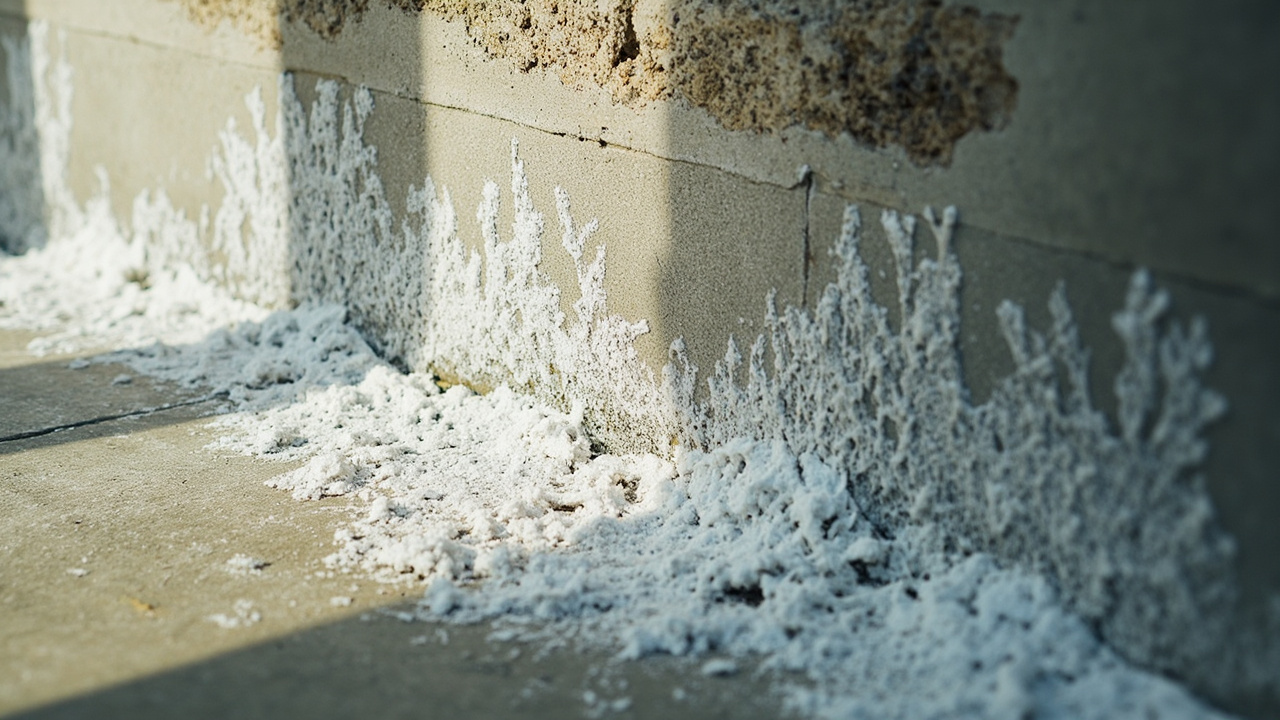
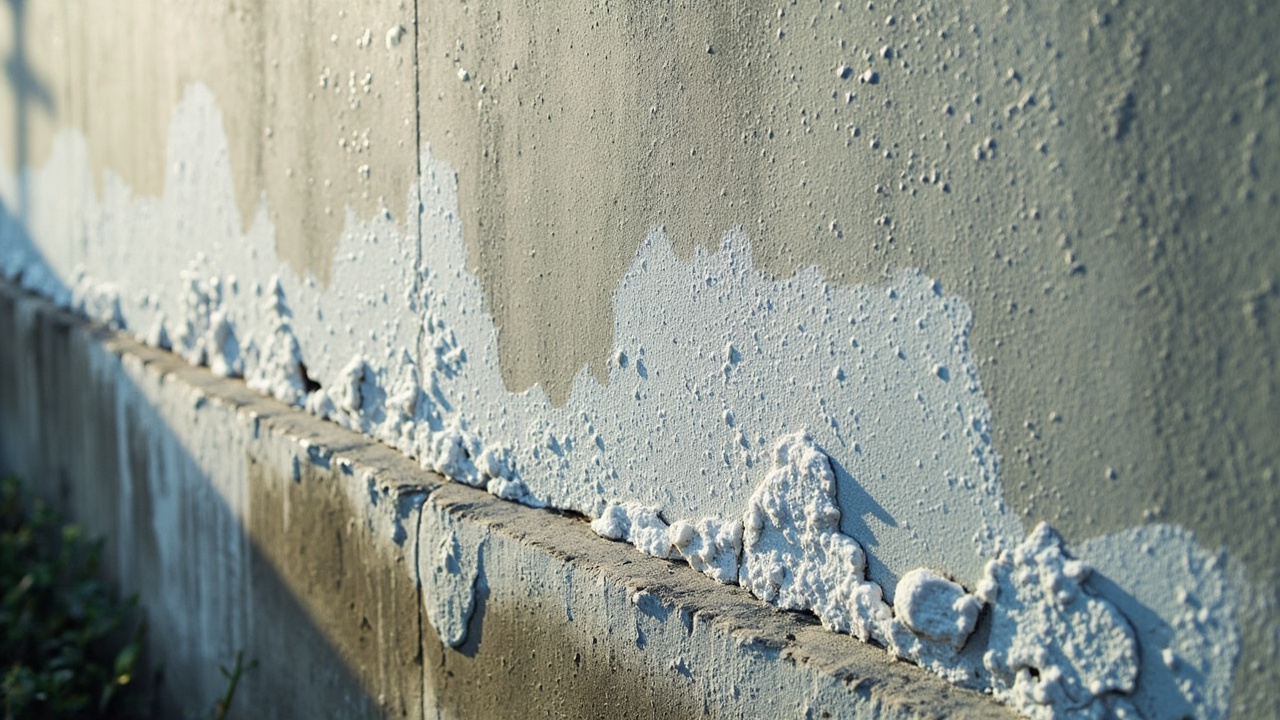
You walk into your garage, basement, or warehouse floor and see it again. That chalky white residue on concrete that you scrubbed away last month is back. Efflorescence is not dirt. It is a warning sign.

Houston's high water table and clay soil create constant hydrostatic pressure against foundation walls and slab floors. When groundwater forces its way through porous concrete, it dissolves mineral salts trapped inside the material. As the water evaporates on the surface, those salts crystallize into the white powder on concrete you see.

This crystalline deposit is calcium carbonate, calcium sulfate, or sodium sulfate. The powder itself is harmless, but the process that creates it is not. Active water migration through concrete means your foundation is under stress. That stress leads to cracks, spalling, and structural weakening over time.

Efflorescence also appears after flooding events. Houston experiences heavy rainfall, tropical storms, and localized flooding multiple times per year. When floodwater saturates concrete and recedes, it leaves behind mineral salts on concrete as it dries. If you see white powder after a storm, the concrete absorbed more water than it should have.

You cannot stop efflorescence by cleaning the surface. You have to stop the water. Concrete salt deposits will return until you address the moisture source. That requires identifying whether the water is coming from below the slab, through foundation walls, from poor drainage grading, or from a hidden plumbing leak. The white residue on concrete is the symptom. The water intrusion is the problem.

Why White Powder Keeps Appearing on Your Houston Concrete
How We Identify and Eliminate the Moisture Source

How We Identify and Eliminate the Moisture Source

We do not clean efflorescence and leave. We find out why the concrete is wet in the first place.

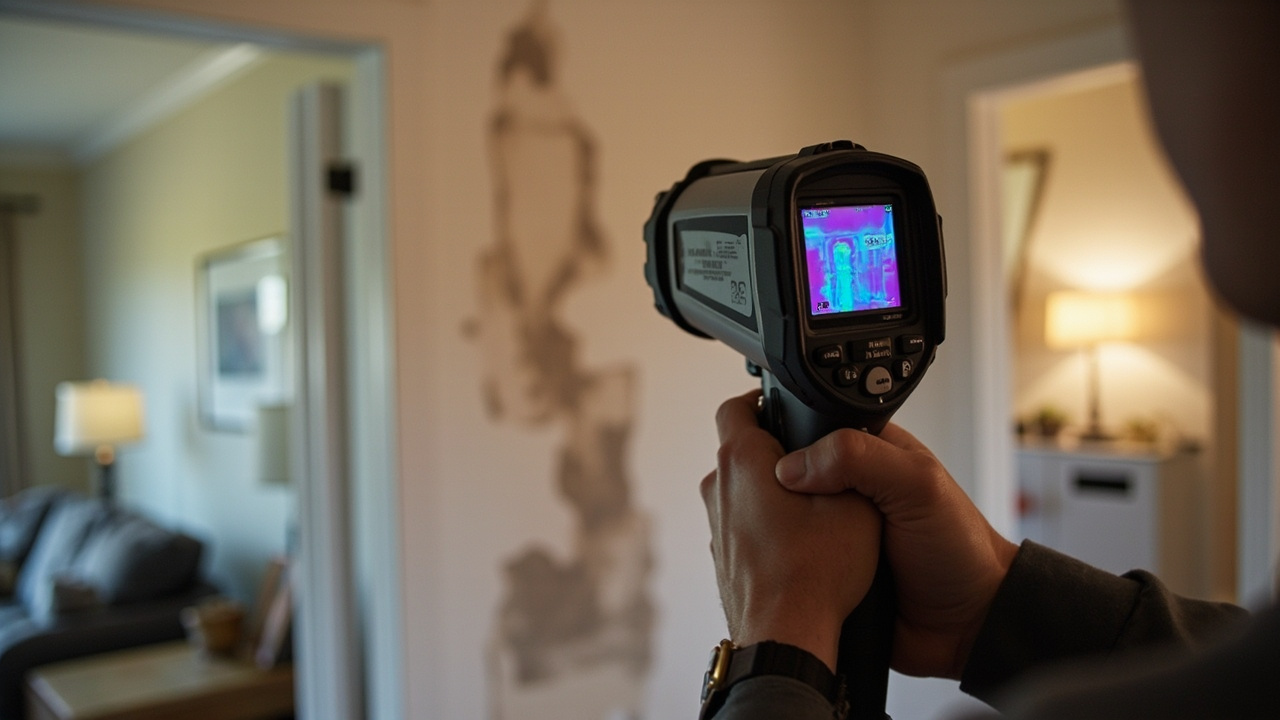
Our assessment starts with moisture mapping using infrared thermal imaging and pin-type moisture meters. We measure moisture content at multiple depths within the concrete slab and along foundation walls. This tells us whether the water is coming from below, from the sides, or from above.

Next, we inspect the exterior grading and drainage system. Houston clay soil expands when wet and contracts when dry. Poor grading allows rainwater to pool near the foundation, creating constant hydrostatic pressure. We check downspouts, French drains, and sump pump function to verify that water is moving away from the structure.

We also inspect for concealed plumbing leaks. Slab leaks from copper or PEX supply lines can saturate concrete for months before you notice a spike in your water bill. We use acoustic leak detection and pressure testing to rule out internal plumbing as the source.

Once we confirm the moisture source, we implement the correct fix. If groundwater is the problem, we install vapor barriers, exterior waterproofing membranes, or interior drainage systems with sump pumps. If grading is the issue, we re-slope the soil and extend downspouts. If a slab leak is present, we coordinate with licensed plumbers to repair the line before we dry and treat the concrete.

After the moisture source is controlled, we remove the existing efflorescence using mechanical brushing and apply a penetrating sealer to reduce future salt migration. The sealer does not trap moisture inside the concrete. It allows vapor transmission while blocking liquid water and limiting salt deposits.

What Happens During an Efflorescence Assessment

Efflorescence on Concrete in Houston – Expert Diagnosis and Permanent Moisture Control
01

Moisture Source Identification

We use thermal imaging and moisture meters to map water intrusion patterns across your concrete surfaces. This reveals whether moisture is rising from below the slab, penetrating through foundation walls, or entering from a plumbing leak. You get a detailed moisture report showing exact readings and the confirmed source of water before any work begins.
02

Drainage and Structural Review

We inspect your property's grading, downspouts, and drainage systems to verify proper water diversion away from the foundation. We also check for foundation cracks, joint separation, or compromised waterproofing membranes that allow groundwater to enter. This step identifies whether the problem is external drainage failure or structural compromise that requires repair before sealing.
03

Treatment and Prevention Plan

Once we confirm and address the moisture source, we remove existing salt deposits and apply a breathable concrete sealer to reduce future efflorescence. You receive a prevention plan that includes drainage maintenance recommendations and moisture monitoring guidelines to ensure the problem does not return. Our goal is a dry foundation, not just a clean surface.

Why Houston Properties Need Local Moisture Experts

Efflorescence is not just a cosmetic issue in Houston. The combination of expansive clay soil, a high water table, and frequent flooding creates conditions where concrete is constantly under moisture stress.

Houston sits on top of the Gulf Coast Aquifer, and the water table can rise within feet of the surface during wet seasons. Many homes and commercial buildings in areas near Buffalo Bayou, Brays Bayou, and White Oak Bayou experience seasonal groundwater intrusion. If your property is in Meyerland, Bellaire, or the East End, you have likely dealt with water in your foundation before.

Clay soil adds another layer of complexity. When it absorbs water, it expands and pushes against foundation walls. When it dries, it contracts and pulls away, creating gaps that allow water to enter. This cycle repeats every time it rains. Over time, the constant movement causes foundation cracks and joint separation, which accelerates water intrusion and efflorescence formation.

We work in Houston year-round and understand how local soil conditions, drainage systems, and building practices affect concrete moisture problems. We know which neighborhoods have poor drainage infrastructure, which areas flood first during heavy rain, and which foundation types are most vulnerable to water intrusion.

We also understand Houston building codes and the importance of maintaining proper drainage around structures to prevent foundation damage. Our solutions are designed to work with local soil conditions, not against them. That means we do not apply generic fixes. We assess your property's specific drainage situation, soil type, and foundation design before recommending a treatment plan. You get a solution that works for Houston, not a checklist approach copied from a different climate.

What You Can Expect From Our Efflorescence Service

Rapid Response and Scheduling

We offer same-day and next-day assessments for efflorescence and moisture intrusion issues in the Houston metro area. You do not wait weeks for an inspection. Our team arrives with thermal imaging equipment, moisture meters, and diagnostic tools to identify the water source immediately. Most assessments take two to three hours, depending on property size. You receive a written report with photos, moisture readings, and recommended solutions before we leave the site. Emergency moisture intrusion cases get priority scheduling.

Comprehensive Moisture Assessment

Our initial evaluation includes thermal imaging, moisture content testing, drainage inspection, and plumbing leak detection. We do not assume the cause. We verify it. You get a detailed breakdown of where the water is entering, how much moisture is present in the concrete, and what needs to change to stop it. We inspect both the interior and exterior of your property to confirm the full scope of the problem. If we find foundation cracks, grading issues, or plumbing leaks, we document them and explain how they contribute to efflorescence formation.

Complete Moisture Elimination

We do not just clean the white powder. We stop it from coming back. That means fixing the drainage problem, repairing foundation cracks, waterproofing vulnerable areas, and drying the concrete to acceptable moisture levels before sealing. You get a moisture-controlled foundation, not a temporary cosmetic fix. We use commercial-grade dehumidifiers, air movers, and vapor barriers to eliminate trapped moisture. Once the concrete is dry and the water source is addressed, we apply a breathable sealer that reduces future salt migration without trapping moisture inside the slab.

Post-Treatment Monitoring and Guidance

After treatment, we provide you with moisture monitoring guidelines and drainage maintenance recommendations to prevent recurrence. We explain what to watch for during heavy rain, how to maintain your exterior drainage system, and when to call us back if you notice new moisture signs. You also receive photos and documentation of the completed work for your records. If efflorescence returns within the first year due to the same moisture source we treated, we come back to reassess at no charge. Our goal is long-term moisture control, not repeat service calls.

Frequently Asked Questions

You Have Questions,
We Have Answers

Is efflorescence on concrete a problem? +

Efflorescence itself is not structurally harmful. It is a cosmetic issue caused by salt deposits rising through concrete as water evaporates. However, it signals that moisture is moving through your concrete, which can indicate underlying problems. In Houston's humid climate, persistent efflorescence often points to drainage issues, foundation leaks, or high groundwater. The real concern is the moisture source, not the white crystals. If efflorescence keeps appearing after cleaning, you need to investigate what is driving water through your slab or foundation walls.

How to fix efflorescence in concrete? +

Remove efflorescence by dry brushing loose deposits with a stiff brush. For stubborn stains, use a diluted muriatic acid solution or a specialized efflorescence cleaner. Apply the cleaner, scrub gently, then rinse thoroughly with water. Always test a small area first. In Houston, moisture control is critical. Fixing the underlying water issue, like poor grading or foundation cracks, stops new salt deposits from forming. You may need to address drainage around your property or repair foundation seepage before the cleaning lasts.

Can you seal concrete over efflorescence? +

No. Sealing over efflorescence traps salts and moisture beneath the surface, which causes the sealer to fail quickly. The salts will continue pushing through, creating bubbling, peeling, or white haze under the coating. You must remove all visible efflorescence and eliminate the moisture source first. After cleaning and drying the concrete completely, apply a breathable sealer designed for masonry. In Houston's wet conditions, ensure your foundation drainage is corrected before sealing, or the problem will return.

Should efflorescence be removed? +

Yes. While efflorescence is not dangerous, removing it improves appearance and helps you monitor moisture intrusion. If you leave it untreated, the white buildup worsens and obscures whether new deposits are forming. Regular removal lets you track if your moisture problem is improving or worsening. In Houston homes with high humidity and seasonal flooding risks, keeping surfaces clean helps you catch foundation or drainage issues early, before they escalate into serious water damage or structural concerns.

How do professionals remove efflorescence? +

Professionals use mechanical methods like pressure washing or abrasive scrubbing combined with chemical treatments. For heavy deposits, they apply acidic cleaners (muriatic acid or phosphoric acid blends) to dissolve salts, then neutralize and rinse. They also use moisture meters to identify water sources and recommend drainage corrections or foundation waterproofing. In Houston, professionals often pair efflorescence removal with grading adjustments, French drains, or sump pump installations to address the clay soil and high water table conditions that fuel persistent moisture intrusion.

Should I worry about efflorescence? +

Worry about the moisture, not the efflorescence. The white crystals are harmless cosmetically, but repeated appearance means water is entering your concrete. In Houston, this often signals foundation movement, poor drainage, or plumbing leaks. Ignoring the source can lead to mold growth, wood rot, or structural damage over time. If you see efflorescence on basement walls, garage floors, or exterior foundations, investigate immediately. One-time occurrences after heavy rain are normal. Persistent or spreading efflorescence demands action.

Does efflorescence indicate water damage? +

Yes. Efflorescence proves water is moving through your concrete, carrying dissolved salts to the surface. It does not tell you the severity or source, but it confirms moisture intrusion. In Houston, causes include foundation cracks, hydrostatic pressure from clay soil expansion, poor exterior grading, or leaking pipes. The efflorescence you see is the symptom. The water damage is the disease. Left unchecked, this moisture can damage framing, promote mold, and compromise structural integrity in crawl spaces or basements.

How do I stop efflorescence from coming back? +

Stop efflorescence by eliminating the water source. Improve exterior drainage by regrading soil away from your foundation, installing gutters, or adding French drains. Seal foundation cracks with hydraulic cement or epoxy injections. In Houston, control clay soil moisture by maintaining consistent watering around your foundation to prevent expansion and contraction. Install vapor barriers in crawl spaces. Use breathable sealers after surfaces dry completely. Fix plumbing leaks promptly. Without addressing moisture intrusion, efflorescence will continue appearing no matter how often you clean.

Does Drylok stop efflorescence? +

Drylok can reduce efflorescence if applied correctly, but it does not stop it if moisture problems persist. Drylok is a waterproofing paint that blocks water penetration through masonry. However, if hydrostatic pressure is high or the moisture source is not corrected, salts will push through or cause the coating to fail. In Houston's humid, high water table conditions, Drylok works best as part of a complete waterproofing strategy that includes drainage correction, not as a standalone fix for active efflorescence.

Will efflorescence keep coming back? +

Yes, if you do not fix the moisture source. Cleaning removes visible salts, but water will keep carrying new deposits to the surface. In Houston, seasonal flooding, clay soil movement, and high humidity create constant moisture challenges. Efflorescence will cycle back until you address foundation drainage, waterproof basement walls, or repair cracks. Surface treatments are temporary. You need permanent moisture control through grading, drainage systems, or foundation sealing. Without these fixes, expect efflorescence to return within weeks or months.

How Houston's Clay Soil and High Water Table Accelerate Efflorescence

Houston sits on expansive clay soil that swells when wet and shrinks when dry. This constant movement creates hydrostatic pressure against foundation walls and slab floors, forcing groundwater through porous concrete. The high water table in low-lying areas near Buffalo Bayou, Brays Bayou, and White Oak Bayou means groundwater is often within feet of the surface. When that water migrates through concrete, it carries dissolved mineral salts that crystallize as white powder on the surface. Properties in Meyerland, Bellaire, and the East End see this problem more frequently due to poor drainage infrastructure and seasonal flooding.

Efflorescence treatment in Houston requires an understanding of local soil mechanics and drainage challenges. We work with properties across the metro area and know how clay soil behavior, water table fluctuations, and frequent storm events affect concrete moisture levels. Our solutions account for Houston's unique conditions, including the need for vapor barriers in high water table areas and exterior drainage improvements in neighborhoods with poor storm sewer capacity. You get a treatment plan designed for Houston foundations, not a generic approach copied from a different climate zone.

Water Damage Restoration Services in The Houston Area

Easily locate our service area and see how Silverline is strategically positioned to provide rapid water damage restoration services throughout Houston and its surrounding communities. Our commitment to prompt response means we're never far away when disaster strikes, ensuring your property gets the urgent care it needs, wherever you are within our service radius. We're here to serve you efficiently.

Address:
Silverline Water Damage Restoration Houston, 3730 Kirby Dr, Houston, TX, 77098

Additional Services We Offer

Our news updates

Latest Articles & News from The Blogs

Houston humidity presents a constant struggle for homeowners across Harris County. In 2026, the weather patterns continue to create high…

Why Houston Families Trust Our Certified Mold Inspection Services for Local Homes

Houston humidity presents a constant struggle for homeowners across Harris County. In 2026, the weather patterns continue to create high…

Dealing with Attic Water Damage from Leaky Roofs in Kingwood

Dealing with Attic Water Damage from Leaky Roofs in KingwoodHomeowners in the Kingwood area face significant moisture challenges due to…

Why a Home Dehumidifier Cannot Save Your Third Ward Living Room from Water Damage

Why a Home Dehumidifier Cannot Save Your Third Ward Living Room from Water DamageYour Third Ward home faces unique challenges…

Contact Us

White powder on your concrete means water is moving through your foundation right now. Call Silverline Water Damage Restoration Houston at (832) 336-3663 for a same-day moisture assessment. We identify the source, stop the water, and prevent future damage.