





menu

Sewage Backup Cleanup in Houston – Expert Biohazard Removal Within 60 Minutes

Our certified sewage backup cleanup teams respond immediately across Greater Houston, removing Category 3 contaminants, sanitizing affected areas, and restoring safety to your property before pathogens spread.

Slider Image 1
Slider Image 2
Slider Image 3
Slider Image 4
Slider Image 5
Slider Image 7
Slider Image 8
Slider Image 9
Slider Image 10
Slider Image 11

Houston's Infrastructure and Flooding Make Sewage Backups a Serious Health Threat

Houston's flat topography and inadequate drainage systems turn heavy rain into a sewage backup nightmare. When storm drains overwhelm the municipal sewer lines, raw sewage flows backward into homes through floor drains, toilets, and basement fixtures. This is not a minor plumbing issue. Raw sewage carries E. coli, hepatitis A, salmonella, and other pathogens that can make you sick within hours of exposure.

Clay soil throughout Harris County exacerbates the problem. As the ground shifts and settles, it cracks sewer laterals (the pipe connecting your home to the main line). Tree roots from live oaks and magnolias infiltrate these cracks, creating blockages that force sewage back into your building. In older neighborhoods like the Heights, Montrose, and East End, cast iron sewer lines installed decades ago corrode from the inside out. You may not know there is a problem until black water floods your bathroom.

Sewage remediation must begin immediately. Every minute raw sewage sits in your home, it soaks deeper into drywall, subflooring, and insulation. Porous materials become breeding grounds for mold within 24 to 48 hours. The smell alone signals dangerous contamination. You need professional sewer backup cleaning that removes every trace of biohazard material and sanitizes every surface to EPA standards. Attempting DIY sewage removal puts your health at risk and guarantees hidden contamination.

Houston's high humidity accelerates bacterial growth. A sewage backup that might dry out in Phoenix stays damp here for days, turning your home into a petri dish. Silverline Water Damage Restoration Houston understands the unique risks posed by Houston's climate and aging infrastructure. Our sewage damage restoration protocols eliminate contaminants, not just visible waste.

Houston's Infrastructure and Flooding Make Sewage Backups a Serious Health Threat
Our Sewage Backup Cleanup Process Follows IICRC S500 Standards

Our Sewage Backup Cleanup Process Follows IICRC S500 Standards

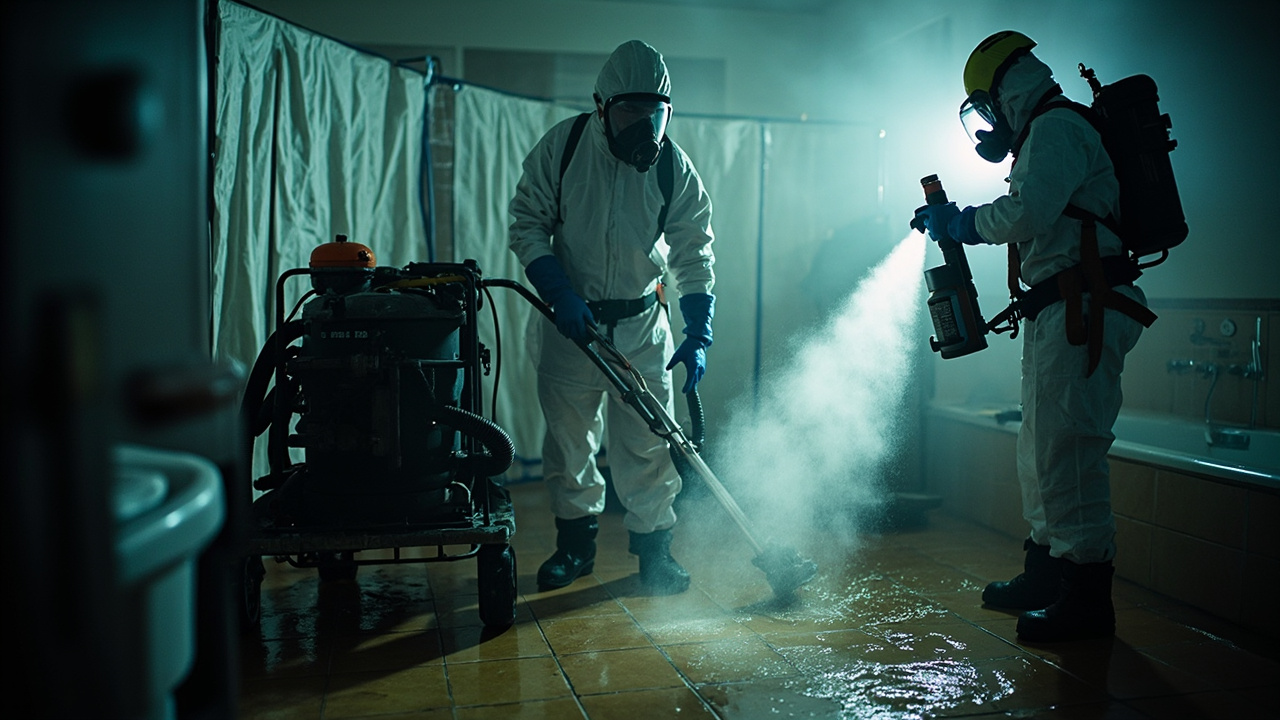
We treat every sewage backup as a Category 3 water loss, the most dangerous classification. This means we assume the presence of pathogenic bacteria, viruses, and parasites. Our technicians arrive in full personal protective equipment, including respirators, gloves, and Tyvek suits. We do not cut corners.

First, we stop the source. If the backup stems from a blockage in your sewer lateral, we coordinate with a licensed plumber to clear the line before extraction begins. If the issue is municipal overflow, we document the event for insurance claims and liability purposes. Source control prevents additional contamination during cleanup.

Next, we extract standing sewage using truck-mounted pumps rated for solid waste. Portable extractors cannot handle the volume or viscosity of raw sewage. We remove water, fecal matter, toilet paper, and debris down to the slab or subfloor. Every gallon of contaminated water is hauled offsite in compliance with local disposal regulations.

After extraction, we remove non-salvageable materials. Drywall, insulation, baseboards, and carpeting exposed to sewage cannot be saved. These porous materials absorb bacteria deep into their structure. We cut drywall 12 to 24 inches above the visible waterline to ensure complete removal of compromised material. Subfloors are inspected with moisture meters. If readings exceed 15 percent, we remove and replace the affected sections.

We then apply EPA-registered antimicrobial solutions to all hard surfaces. This includes concrete slabs, studs, joists, and any remaining structural components. These hospital-grade disinfectants kill bacteria, viruses, and fungi on contact. We follow up with HEPA air scrubbers to capture airborne contaminants and deodorize the space with hydroxyl generators, which neutralize sewage odors at the molecular level without leaving chemical residues.

What Happens When You Call for Emergency Sewage Removal

Sewage Backup Cleanup in Houston – Expert Biohazard Removal Within 60 Minutes
01

Immediate Dispatch and Containment

Within 60 minutes of your call, our crew arrives with containment barriers and extraction equipment. We isolate the affected area to prevent cross-contamination into clean zones. Our team assesses the extent of the backup, identifies the source, and begins sewage removal immediately. You receive a detailed scope of work before we proceed. Speed matters because bacterial colonies double every 20 minutes in warm, moist conditions.
02

Complete Extraction and Demolition

We remove all standing sewage and contaminated materials using industrial pumps and controlled demolition techniques. Our technicians document every step with photos for your insurance adjuster. We cut away drywall, pull up flooring, and expose framing for inspection. This is not cosmetic work. We remove everything that touched sewage to eliminate health risks. If your crawl space or attic was affected, we address those areas with the same rigor.
03

Disinfection and Structural Drying

After demolition, we disinfect all remaining surfaces with antimicrobial treatments and monitor drying with thermal imaging and moisture meters. Our commercial dehumidifiers run 24/7 until moisture levels return to baseline. We conduct ATP (adenosine triphosphate) testing to verify surfaces are biologically clean. You receive a certificate of completion showing the space is safe for reconstruction. This documentation is critical for insurance claims and resale disclosures.

Why Houston Homeowners and Businesses Choose Silverline for Sewage Damage Restoration

Houston's sewage backup problems require local expertise. We understand the city's aging sewer infrastructure, the impact of heavy rain on combined sewer systems, and the building codes that govern water damage restoration. Our technicians are IICRC-certified in Applied Structural Drying and Applied Microbial Remediation, the two core disciplines for sewage remediation.

We know which neighborhoods have cast iron laterals prone to failure (most homes built before 1980) and which areas flood first during tropical storms. When you call us, you speak with someone who understands the difference between a mainline backup and a lateral blockage. That knowledge speeds up diagnosis and prevents unnecessary costs.

Our response time matters because sewage backups escalate fast. We stage equipment throughout Greater Houston, including Katy, Sugar Land, The Woodlands, and Pearland. You do not wait hours for a crew to drive in from another city. We arrive ready to work with truck-mounted pumps, HEPA air scrubbers, antimicrobial solutions, and moisture detection tools.

We also handle insurance claims from start to finish. Most homeowners' policies cover sudden and accidental sewer backups if you have the optional endorsement. We document the loss with detailed photos, moisture maps, and itemized estimates. We communicate directly with your adjuster to expedite approval. If your claim is denied, we provide the technical documentation you need to appeal.

For commercial clients, we understand the liability and operational risks. A sewage backup in a restaurant, medical office, or retail space can shut you down until the health department clears the property. We work after hours and on weekends to minimize downtime. Our rapid response and thorough disinfection protocols get you back in business fast while protecting you from future liability.

What to Expect During Professional Sewage Backup Cleanup

Emergency Response Time

We dispatch a crew within 60 minutes of your call, 24 hours a day, 365 days a year. Sewage backups do not wait for business hours. Our teams work through the night and on weekends to extract contaminated water and secure your property. You receive an estimated arrival time when you call, and our dispatch team keeps you updated if conditions (like flooding on major roads) cause delays. Speed is critical because every hour sewage sits in your home increases health risks and structural damage.

Detailed Inspection and Scope

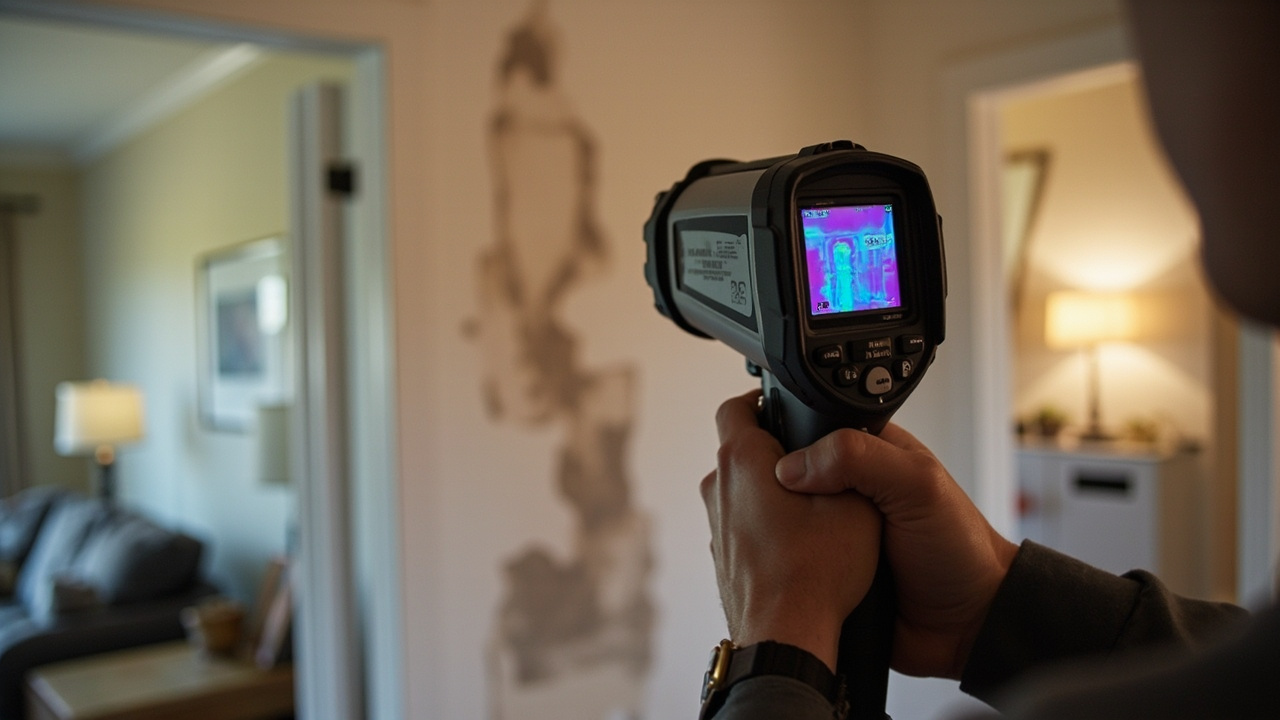
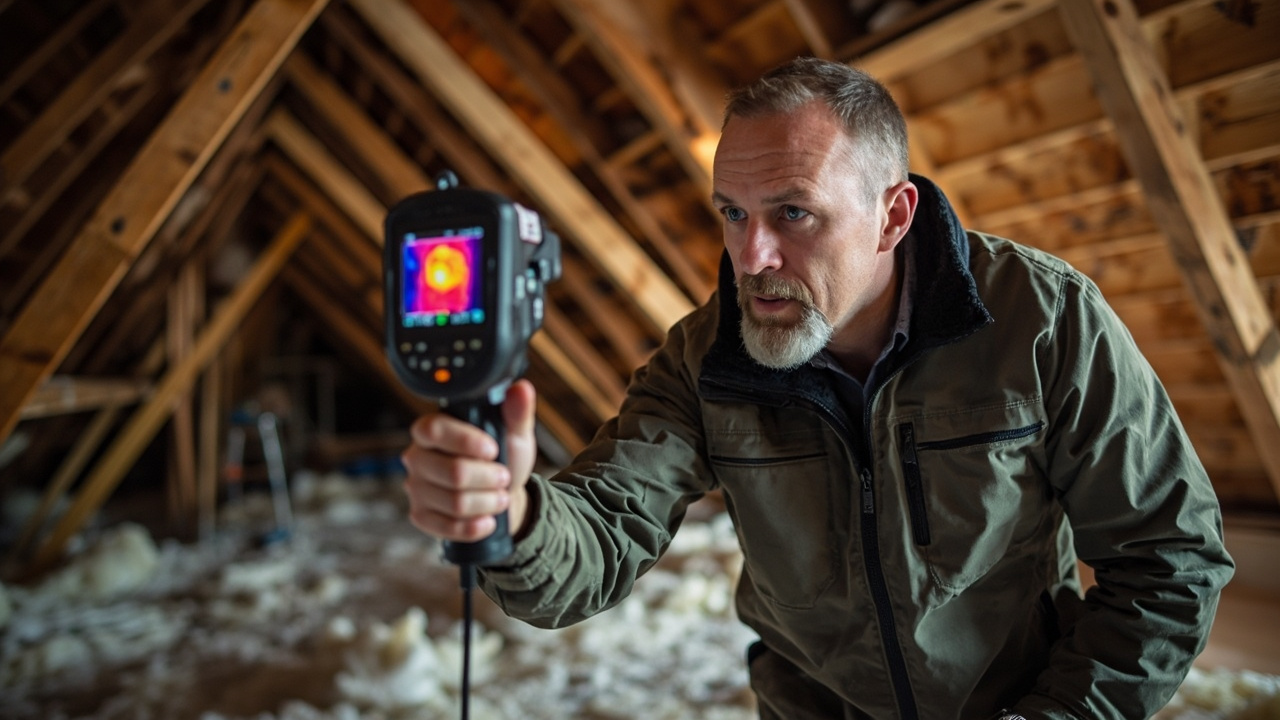
Our lead technician conducts a room-by-room assessment using moisture meters, thermal imaging cameras, and visual inspection. We identify all affected areas, including hidden cavities like wall voids and subfloors. You receive a written scope of work that explains what materials must be removed, what can be salvaged, and the disinfection protocol we will follow. This transparency helps you understand the process and provides documentation for your insurance claim. We answer every question before we start demolition.

Certified Clean and Safe

When we finish, your property is biologically clean and structurally dry. We verify this with ATP testing, which detects organic contamination invisible to the eye. Our final moisture readings confirm all materials are below 15 percent, the threshold for microbial growth. You receive a certificate of completion with lab results and photos showing the before-and-after condition. This documentation is critical if you sell your home or face future liability questions. We do not leave until the job is done right.

Ongoing Support and Prevention

After cleanup, we help you prevent future backups. This includes recommendations for sewer line inspections, backwater valve installations, and sump pump upgrades. If tree roots caused the blockage, we refer you to a trusted plumber who can hydro-jet the line and apply root inhibitors. We also provide humidity monitoring tips to prevent mold growth in Houston's climate. If you experience another backup, we prioritize return clients. Our goal is not just to fix the current crisis but to give you peace of mind going forward.

Frequently Asked Questions

You Have Questions,
We Have Answers

How to clean up after sewer back up? +

Do not attempt cleanup yourself. Sewage contains dangerous bacteria, viruses, and parasites. First, evacuate the area and stop the water source if possible. Call a certified sewage backup cleanup company immediately. Professionals wear protective gear, extract contaminated water using industrial pumps, remove porous materials like drywall and carpet, disinfect all surfaces with EPA-registered antimicrobials, and dry the structure completely. In Houston's humid climate, moisture lingers longer, which increases mold risk within 24 to 48 hours. Professional cleanup protects your health and prevents secondary damage.

How much does sewage backup cleanup cost? +

Sewage backup cleanup in Houston typically ranges from a few hundred to several thousand dollars. Cost depends on contamination extent, affected square footage, materials requiring removal, and drying time. Category 3 water damage requires full structural drying and antimicrobial treatment. Houston's clay soil and aging sewer infrastructure can worsen backups, increasing damage. Most companies offer free inspections and work directly with insurance carriers. Document everything with photos before cleanup begins. Emergency response within hours reduces total costs by preventing mold growth and structural deterioration in Houston's high humidity.

Is it safe to clear a sewer line clog myself? +

No. Attempting DIY sewer line clearing exposes you to raw sewage containing E. coli, hepatitis A, salmonella, and other pathogens. You lack proper protective equipment, training, and tools. Homeowner drain snakes can puncture older pipes or push blockages deeper into Houston's complex sewer laterals. You risk cross-contaminating your home and creating a larger emergency. Licensed plumbers use video cameras to diagnose the exact blockage location, hydro-jetting equipment to clear roots and debris safely, and follow strict safety protocols. Call a professional immediately when sewage backs up.

What to do if the sewer is backing up? +

Stop using all water immediately. Do not flush toilets, run faucets, or use appliances. Evacuate anyone from the affected area, especially children and elderly residents. Turn off electricity to flooded areas if you can do so safely. Call a licensed plumber to diagnose and clear the blockage. Simultaneously, contact a sewage cleanup company for immediate extraction and decontamination. In Houston, heavy rain can overwhelm municipal systems or backups occur from tree root intrusion into aging clay pipes. Document damage with photos for insurance claims before any cleanup begins.

Is it safe to live in a house after sewage backup? +

Not until professional cleanup and clearance occurs. Raw sewage contains Category 3 contaminants including fecal matter, bacteria, viruses, and parasites that cause serious illness. Airborne pathogens spread through HVAC systems. Porous materials like drywall, insulation, and carpet must be removed and discarded. All surfaces require antimicrobial treatment and complete drying. Houston's humidity delays drying and accelerates mold growth. Children, elderly, and immunocompromised individuals face heightened risk. Professional restoration companies provide post-cleanup testing and clearance certificates confirming the space is safe for occupancy.

How long do sewage bacteria last on surfaces? +

Sewage bacteria can survive on surfaces for days to months depending on conditions. E. coli persists for hours to weeks. Salmonella survives weeks. Hepatitis A remains infectious for months on dry surfaces. Houston's high humidity and warm temperatures create ideal conditions for bacterial survival and reproduction. Porous materials like wood, drywall, and fabric harbor bacteria deep within fibers where surface cleaning cannot reach. This is why professionals remove contaminated porous materials entirely and use hospital-grade antimicrobial agents on all remaining surfaces. Never assume visible cleaning means bacterial elimination.

Does homeowners insurance cover sewer back ups? +

Standard homeowners insurance typically excludes sewer backups unless you purchased separate sewer backup coverage as an endorsement. This optional coverage costs around 50 to 250 dollars annually and covers cleanup, repairs, and damaged belongings. Review your policy declarations page immediately. In Houston, aging sewer infrastructure and clay soil movement increase backup risk. Tree roots infiltrating sewer laterals are common. If you have the endorsement, document all damage with photos and video before cleanup. File your claim immediately. Many restoration companies work directly with insurance adjusters to streamline the process.

Why is my sewer bill 200 dollars? +

This question confuses sewer billing with sewage backup cleanup costs. High sewer bills result from consumption charges, base fees, stormwater fees, or leaks. Check for running toilets, dripping faucets, or irrigation system leaks. Houston residents may see elevated bills from tiered rate structures or seasonal usage spikes. Contact your municipal utility for a consumption history review. If you suspect a leak, hire a licensed plumber for inspection. A high sewer bill is unrelated to sewage backup cleanup costs, which involve contamination remediation and structural drying after a backup event occurs.

Do plumbers clean up sewage? +

Plumbers clear the blockage but typically do not perform biohazard cleanup. Licensed plumbers diagnose sewer line problems, clear clogs using hydro-jetting or mechanical snakes, and repair broken pipes. Sewage cleanup requires specialized training, containment protocols, antimicrobial treatments, and waste disposal permits. Certified water damage restoration companies handle contamination removal, structural drying, and decontamination. In Houston, you need both services working together. The plumber fixes the source. The restoration company remediates the contamination. Always verify companies carry proper certifications and insurance for biohazard work.

How do plumbers unclog the main sewer line? +

Licensed plumbers use several methods depending on blockage type and location. Video camera inspection identifies the exact problem spot and cause. Motorized drain snakes break through solid clogs. Hydro-jetting uses high-pressure water streams to scour pipe walls, removing grease, roots, and debris without damaging pipes. For Houston homes with mature trees, root intrusion into clay sewer laterals is common. Plumbers may recommend root treatment chemicals or pipe relining. Severe cases require excavation and pipe replacement. Professional diagnosis prevents recurring backups and identifies underlying infrastructure problems common in older Houston neighborhoods.

Why Houston's Flat Topography and Aging Sewer Lines Create Frequent Sewage Backup Emergencies

Houston sits on a coastal plain with virtually no slope, so stormwater has nowhere to drain. When 4 to 6 inches of rain fall in a few hours (a common occurrence during hurricane season), the city's combined sewer and stormwater systems overflow. Raw sewage mixes with floodwater and backs up through floor drains, toilets, and sinks. Older neighborhoods like Gulfton, Meyerland, and Kingwood face chronic sewer backup issues because the infrastructure was never designed for modern population density. Add in cracked clay sewer laterals and root intrusion from mature trees, and you have a perfect storm for contamination events.

Choosing a local sewage damage restoration company means you get technicians who understand Houston's unique challenges. We know which ZIP codes flood first, which subdivisions have PVC laterals versus cast iron, and how to navigate Harris County permitting for demolition and reconstruction. Our crews train on IICRC standards, but they learn the local nuances through years of fieldwork in Houston's climate. That experience translates to faster diagnosis, more accurate scopes, and better outcomes for homeowners and business owners dealing with the worst day of their lives.
Water Damage Restoration Services in The Houston Area

Easily locate our service area and see how Silverline is strategically positioned to provide rapid water damage restoration services throughout Houston and its surrounding communities. Our commitment to prompt response means we're never far away when disaster strikes, ensuring your property gets the urgent care it needs, wherever you are within our service radius. We're here to serve you efficiently.

Address:
Silverline Water Damage Restoration Houston, 3730 Kirby Dr, Houston, TX, 77098

Additional Services We Offer

Our news updates

Latest Articles & News from The Blogs

Houston humidity presents a constant struggle for homeowners across Harris County. In 2026, the weather patterns continue to create high…

Why Houston Families Trust Our Certified Mold Inspection Services for Local Homes

Houston humidity presents a constant struggle for homeowners across Harris County. In 2026, the weather patterns continue to create high…

Dealing with Attic Water Damage from Leaky Roofs in Kingwood

Dealing with Attic Water Damage from Leaky Roofs in KingwoodHomeowners in the Kingwood area face significant moisture challenges due to…

Why a Home Dehumidifier Cannot Save Your Third Ward Living Room from Water Damage

Why a Home Dehumidifier Cannot Save Your Third Ward Living Room from Water DamageYour Third Ward home faces unique challenges…

Contact Us

Do not wait. Sewage exposure is a medical emergency. Our crews are standing by 24/7 to respond to your property. Call (832) 336-3663 now for immediate dispatch and professional biohazard removal that protects your health and your home.