





Missouri City sits in Fort Bend County where the Brazos River watershed creates persistent flooding threats during hurricane season and severe thunderstorms. The area's clay-rich soil expands when saturated, pushing water toward foundations and creating hydrostatic pressure that forces moisture through basement walls and slab cracks. Properties near Oyster Creek and the surrounding floodplains face elevated risk during tropical weather systems that dump 6 to 12 inches of rain in hours.
Homes built before 2000 in older neighborhoods like Quail Valley often have outdated drainage systems that overwhelm during heavy rainfall. The region's high humidity levels mean water damage compounds quickly. Drywall stays saturated longer, creating perfect conditions for mold colonization within 48 hours. Air conditioning systems running year-round mask moisture problems until serious structural damage appears.
Missouri City's proximity to the Gulf Coast means homeowners deal with both catastrophic flooding events and chronic moisture intrusion from failed HVAC condensate lines, aging water heaters, and deteriorating supply lines. The combination of extreme weather, soil composition, and older housing stock makes rapid water removal critical to preventing permanent damage.
Silverline Water Damage Restoration Houston has served Fort Bend County properties for years, responding to everything from catastrophic hurricane flooding to middle-of-the-night pipe bursts. We maintain a Missouri City service radius with crews staged for rapid deployment, not dispatched from distant Houston suburbs. Our technicians know the area's construction styles, understand how water moves through homes built on expansive clay soil, and work directly with local insurance adjusters who handle Fort Bend County claims daily.
We don't subcontract your emergency to unknown crews. Every technician carries IICRC Water Damage Restoration certification and operates company-owned extraction equipment, air movers, and dehumidifiers maintained to manufacturer specifications. Our thermal imaging cameras detect hidden moisture in wall cavities and subflooring that basic moisture meters miss, preventing mold problems that surface weeks after incomplete drying.
Insurance coordination is built into our process. We document everything with photos, moisture readings, and detailed scope reports that adjusters accept without argument. Most Missouri City homeowners don't know their policy covers emergency mitigation costs like board-up, water extraction, and temporary power. We handle those claims while you focus on your family.
What separates us from restoration companies that treat water damage like a cleaning job is our focus on structural integrity. We don't just dry visible surfaces. We calculate vapor pressure, monitor humidity levels in real time, and adjust equipment placement based on airflow patterns specific to your home's layout. Drying happens faster, more completely, and with less disruption to your household.

Water spreads through flooring and drywall at alarming speed. Our Missouri City crews deploy within 60 minutes of your call, arriving with truck-mounted extraction units that remove standing water in minutes, not hours. Fast response means less damage, lower restoration costs, and faster insurance settlements.

We work directly with your insurance carrier, providing detailed documentation, moisture mapping, and loss estimates that adjusters approve without delay. Our staff speaks the language of claims processing, handles the paperwork, and fights for maximum coverage so you get the settlement you deserve.
Every technician holds current IICRC Water Damage Restoration certification, the industry standard for proper extraction, drying, and microbial remediation. We follow ANSI/IICRC S500 standards for water damage restoration, ensuring your property is dried to measurable standards, not guesswork.
Missouri City's clay soil, flood zones, and construction patterns create unique water damage challenges. We've restored hundreds of local properties and understand how water moves through homes in Quail Valley, Sienna, and Lake Olympia. That local knowledge means faster diagnosis and more effective mitigation.
Water damage restoration isn't a single service. It's a coordinated sequence of extraction, structural drying, dehumidification, and reconstruction that must happen in the right order with the right equipment. Silverline Water Damage Restoration Houston provides complete water damage remediation from emergency water removal through final repairs, eliminating the coordination headaches of managing multiple contractors.
Our services cover every category of water damage the insurance industry recognizes. Category 1 clean water from supply line breaks requires different protocols than Category 3 contaminated water from sewage backups or river flooding. We assess the contamination level, implement appropriate safety measures, and execute removal procedures that protect your family's health while salvaging as much property as possible.
Missouri City properties face water intrusion from burst pipes, failed water heaters, HVAC condensate overflows, storm flooding, and sewage backups. Each scenario demands specific equipment, drying techniques, and safety protocols. Our technicians arrive with the tools and training to handle everything from a single-room cleanup to whole-house flood restoration. We coordinate directly with plumbers, electricians, and reconstruction contractors when repairs extend beyond water mitigation.
Standing water destroys flooring, saturates drywall, and creates electrical hazards within minutes. Our truck-mounted extractors remove thousands of gallons per hour, stopping damage spread immediately. We handle emergency board-up, content pack-out, and temporary power restoration while extracting water. Thermal imaging identifies hidden moisture in wall cavities and subfloors that standard inspection misses. Fast extraction means lower repair costs and faster insurance claim resolution for Missouri City homeowners.
Visible water is just the beginning. Moisture trapped in framing, insulation, and subflooring causes mold growth, wood rot, and structural failure if not properly dried. We deploy commercial dehumidifiers, air movers, and negative air machines calibrated to your property's specific humidity levels. Daily moisture readings track drying progress until materials reach industry-standard dry goals. Our equipment runs 24/7 with remote monitoring, ensuring complete drying without repeated service visits.
Missouri City's humidity creates mold growth within 48 hours of water exposure. We contain affected areas with negative air pressure, remove contaminated materials following EPA guidelines, and treat surfaces with antimicrobial solutions. HEPA air scrubbers capture airborne spores during removal, protecting unaffected areas. Post-remediation testing confirms successful mold clearance before reconstruction begins. Our protocols meet Texas Department of State Health Services mold remediation standards for safe, thorough removal.
Fort Bend County's weather patterns and soil conditions create predictable water damage scenarios that Missouri City residents face repeatedly. Understanding these common problems helps homeowners recognize warning signs before minor leaks become major restoration projects. Properties in low-lying areas near Oyster Creek and the Brazos River floodplain face different challenges than homes on higher ground in master-planned communities like Sienna Plantation.
Seasonal thunderstorms overwhelm drainage systems designed for typical rainfall. When 4 to 6 inches fall in an afternoon, gutters overflow, downspouts back up, and water pools against foundations. The area's expansive clay soil compounds problems by directing surface water toward basement walls and slab edges instead of allowing proper drainage. Older neighborhoods built before modern drainage codes face the worst flooding during severe weather.
Homes age. Supply lines corrode, water heater tanks rust through, and washing machine hoses fail without warning. These sudden failures dump gallons per minute into living spaces, saturating flooring and drywall before anyone notices. The combination of predictable weather events and inevitable equipment failures means most Missouri City homeowners will face water damage at some point. Knowing what to watch for and who to call makes the difference between minor repairs and major reconstruction.
Missouri City sits in the path of Gulf Coast tropical systems that dump extreme rainfall in short periods. Hurricane Harvey demonstrated how quickly homes flood when bayous overflow and drainage systems fail. Properties in FEMA flood zones need immediate water extraction and structural drying to prevent mold colonization and permanent structural damage.
Rare winter freezes cause uninsulated pipes to burst, flooding homes while families sleep. Supply lines corrode over time, failing without warning and releasing pressurized water into walls and ceilings. These failures require immediate shutoff, rapid extraction, and thorough structural drying to prevent hidden moisture problems that surface weeks later.
Air conditioning systems run year-round in Missouri City, producing gallons of condensate daily. Clogged drain lines cause overflow into ceilings, walls, and ductwork. This slow leak often goes unnoticed until drywall staining or mold odors appear. Professional moisture detection identifies the full extent of saturation before reconstruction begins.
Heavy rainfall overwhelms municipal sewer systems, causing backups through floor drains and toilets. This Category 3 contaminated water requires specialized cleaning protocols, antimicrobial treatment, and complete material removal to protect family health. Insurance typically covers sewage backup damage when proper endorsements exist, but claims require detailed documentation.
Water damage creates panic. You're standing in a flooded living room or staring at ceiling stains, wondering who to call and what happens next. Our process eliminates confusion. From the moment you call (832) 336-3663, you work with trained professionals who explain each step, timeline, and cost before work begins.
We answer emergency calls 24/7 with real people, not answering services. Our dispatcher collects essential information about your situation, alerts the nearest crew, and provides immediate guidance on stopping further damage. Should you shut off water? Is it safe to stay in the home? What should you move to protect? We answer those questions before our trucks arrive.
Our Missouri City crews reach most properties within 60 minutes, arriving in marked vehicles with all necessary equipment. The lead technician conducts a detailed assessment, measuring moisture levels, identifying the water source, and categorizing contamination levels. You receive a clear explanation of what happened, what needs to happen next, and how long restoration will take. We photograph everything for insurance documentation before starting work.
Transparency matters when you're already stressed. We provide written estimates, explain insurance coverage, and answer questions about timelines and disruption to your household. Our goal is stopping damage spread immediately, then creating a clear path to complete restoration.
Our crews deploy within 60 minutes of your call, arriving with extraction equipment, moisture meters, and thermal imaging cameras. We conduct a room-by-room assessment, measuring moisture content in floors, walls, and ceilings. You receive a detailed explanation of damage extent, contamination category, and required services before any work begins. We photograph everything for insurance documentation and identify immediate safety concerns like electrical hazards or structural compromise.
You receive daily updates on drying progress with actual moisture readings, not vague estimates. Our project manager explains equipment placement, answers questions about timelines, and coordinates with your insurance adjuster. We provide written documentation at each phase, from initial assessment through final clearance. You always know what's happening, why it's necessary, and when your home will return to normal.
Restoration isn't complete until moisture readings confirm materials have reached industry-standard dry goals. We document final readings, remove all equipment, and provide certification that your property meets IICRC S500 drying standards. If reconstruction is needed, we coordinate with licensed contractors or handle repairs in-house. You receive a comprehensive project file with all documentation for insurance records and future reference.
Water damage restoration follows a specific sequence that must happen in the right order for successful mitigation. Skip steps or rush the process, and you face mold growth, structural damage, and denied insurance claims. Our three-phase approach follows IICRC standards while minimizing disruption to your Missouri City household.
We arrive within 60 minutes and immediately deploy truck-mounted extractors to remove standing water. Portable pumps handle deep flooding while wet vacuums extract water from carpets and padding. We remove saturated materials that can't be saved, including soaked drywall, insulation, and baseboards. Content pack-out protects furniture and belongings from further damage. Thermal imaging identifies hidden water in wall cavities and subflooring. This emergency phase stops damage spread and prepares the property for structural drying.
Commercial dehumidifiers and air movers run 24/7 to remove moisture trapped in building materials. We place equipment based on airflow calculations specific to your property's layout, ensuring efficient drying without wasted energy. Daily moisture readings track progress in floors, walls, and ceilings until materials reach dry standards. This phase typically takes three to five days but varies based on damage extent and materials affected. Remote monitoring alerts us to equipment issues without repeated property visits.
Once moisture readings confirm complete drying, we clean and sanitize all affected surfaces with antimicrobial treatments. HEPA air scrubbers remove any airborne contaminants before reconstruction begins. We handle repairs in-house or coordinate with licensed contractors for major reconstruction. Final inspection confirms your property meets pre-loss condition. You receive complete documentation including moisture logs, photos, and certification that restoration meets industry standards for insurance closure.
The insurance industry and restoration professionals classify water damage into three distinct categories based on contamination level, with each requiring different safety protocols and restoration procedures. Category 1 clean water from supply lines poses minimal health risk initially but degrades to Category 2 within 48 hours as bacteria multiply. Category 2 gray water from washing machines, dishwashers, or toilet overflow contains chemical or biological contamination requiring antimicrobial treatment. Category 3 black water from sewage backups or flooding carries dangerous pathogens and demands complete material removal with EPA-approved disinfection procedures.
Missouri City's high humidity creates challenging drying conditions that slow moisture evaporation from building materials. Successful restoration requires understanding psychrometric principles, the science of air, temperature, and moisture relationships. We measure relative humidity, temperature, and specific humidity to calculate vapor pressure, the force that drives moisture from saturated materials into the air. Simply blowing air across wet surfaces doesn't create drying. You must reduce ambient humidity below the material's moisture content to create the vapor pressure differential that pulls moisture out.
This is why commercial dehumidifiers are critical. They remove moisture from the air, lowering relative humidity and creating conditions where wet materials can release trapped water. We calculate grain depression, the difference between outdoor and indoor humidity levels, to determine equipment capacity needed. Texas Gulf Coast humidity means outdoor air often contains more moisture than indoor air, requiring negative pressure containment and conditioned air exchange.
The ANSI/IICRC S500 Standard for Professional Water Damage Restoration provides the protocols we follow. These aren't suggestions. They're scientifically validated procedures for achieving measurable drying goals that prevent mold growth and structural damage. We don't remove equipment based on how surfaces feel or look. We take moisture readings with calibrated meters, comparing them to established dry standards for each material type. Wood framing must reach below 15 percent moisture content. Concrete slabs must fall below 4 percent on a calcium chloride test. Drywall moisture content must match surrounding unaffected areas.
Category 1 clean water requires extraction and drying. Category 2 gray water demands antimicrobial treatment of all affected surfaces. Category 3 black water necessitates complete removal of porous materials like drywall, insulation, and carpeting with disinfection of structural elements. Insurance coverage and restoration costs increase significantly with contamination category. Proper classification ensures appropriate safety measures protect your family.
Water damage restoration costs depend on water volume, contamination category, affected materials, and drying time required. Insurance typically covers sudden, accidental water damage but excludes gradual leaks or maintenance issues. Most policies include emergency mitigation expenses before the adjuster arrives. Deductibles apply to the total claim, not individual services. Complete documentation of all work performed supports maximum insurance recovery.
Structural drying takes three to five days for typical residential water damage affecting multiple rooms. Severe flooding or contaminated water extends timelines to seven to ten days. Material type affects drying speed. Hardwood flooring takes longer than tile. Plaster walls hold more moisture than drywall. We provide daily progress updates with actual moisture readings so you know exactly when drying is complete.
Texas requires mold remediation companies to be licensed by the Department of State Health Services when handling projects over 25 contiguous square feet. Technicians must complete approved training in containment, removal procedures, and safety protocols. We maintain current licensure and follow IICRC S520 mold remediation standards. Post-remediation verification by third-party industrial hygienists confirms successful clearance when required by insurance carriers.
Educational video about professional water damage restoration services in Missouri City, Texas. Covers emergency response procedures, structural drying science, water damage classification categories, insurance claim documentation, and mold prevention protocols. Explains how Fort Bend County's climate and soil conditions create unique water damage challenges requiring specialized mitigation techniques. Includes information about IICRC S500 restoration standards, equipment requirements, and realistic drying timelines for residential water damage affecting Missouri City properties.
Silverline Water Damage Restoration Houston maintains rapid response coverage throughout Missouri City and neighboring Fort Bend County communities. Our service area extends from established neighborhoods like Quail Valley, where homes built in the 1970s and 1980s face aging plumbing and drainage challenges, to newer master-planned developments like Sienna Plantation with modern construction but different water intrusion risks from improper grading or construction defects.
We respond to properties throughout the Highway 6 corridor, serving residents near the Missouri City Community Center and homes along the Brazos River floodplain where hurricane season brings predictable flooding threats. Properties in Lake Olympia face unique challenges from both community lake levels and proximity to Oyster Creek, requiring specialized assessment of water source and contamination category during flood events.
The Riverstone and Telfair communities represent newer construction with different water damage patterns than older Missouri City neighborhoods. Supply line failures in homes under ten years old often result from improper installation or manufacturing defects rather than age-related corrosion. We understand these distinctions and adjust our restoration approach accordingly, working with builders and warranty programs when applicable.
Fort Bend County's geographic diversity means water damage causes and solutions vary significantly across short distances. Properties in the Sugar Land border area face similar challenges to Missouri City residents, while homes closer to the Brazos Bend State Park area deal with more pronounced flooding risks during tropical weather systems. Our technicians know the area's topography, understand how water moves through different neighborhoods during storm events, and adjust mitigation strategies based on property location and elevation.
We also serve surrounding communities including Stafford, where older industrial areas transition to residential neighborhoods, and Fresno, where rural properties face different water damage challenges than suburban subdivisions. Commercial properties throughout the Fort Bend County business districts receive the same rapid response and professional restoration we provide to residential customers. Whether you're dealing with flooding in a Quail Valley home or water damage at a Highway 6 business location, our crews understand the local conditions that make Missouri City water damage restoration unique.
Water damage restoration costs in Missouri City vary based on severity and affected area. Minor leaks affecting one room may run a few hundred dollars, while extensive flooding requiring structural drying, mold remediation, and reconstruction costs significantly more. Your specific price depends on water category (clean, gray, or black), square footage, materials damaged, and how long water sat before extraction. Most restoration companies offer free inspections to assess damage and provide detailed estimates. Insurance often covers sudden, accidental damage like burst pipes. Get multiple quotes and confirm the company works directly with your insurer to streamline claims.
Professional water damage restoration is absolutely worth it in Missouri City's humid climate. Standing water penetrates subfloors, drywall, and insulation within hours. Without proper extraction and drying, you face structural rot, electrical hazards, and aggressive mold growth that spreads throughout your HVAC system. DIY efforts with shop vacs and fans rarely remove moisture trapped in wall cavities or beneath flooring. Professional restoration uses industrial dehumidifiers, moisture meters, and thermal imaging to dry structures completely. The cost of restoration is always less than rebuilding after neglected damage causes floor collapse, ceiling failure, or toxic mold requiring full remediation and temporary relocation.
Water remediation is the emergency response phase. It involves stopping the water source, extracting standing water, and preventing immediate damage spread. Restoration is the rebuilding phase that follows. After remediation stabilizes your property, restoration repairs and rebuilds damaged structures back to pre-loss condition. This includes replacing drywall, flooring, insulation, and repainting. In Missouri City, many companies handle both phases as one continuous service. Remediation happens first within 24 to 48 hours. Restoration begins once everything is dry and may take days to weeks depending on damage severity. Both phases are necessary for complete recovery.
Water damage restoration costs in Missouri City vary based on severity and affected area. Minor leaks affecting one room may run a few hundred dollars, while extensive flooding requiring structural drying, mold remediation, and reconstruction costs significantly more. Your specific price depends on water category (clean, gray, or black), square footage, materials damaged, and how long water sat before extraction. Most restoration companies offer free inspections to assess damage and provide detailed estimates. Insurance often covers sudden, accidental damage like burst pipes. Get multiple quotes and confirm the company works directly with your insurer to streamline claims.
Professional water damage restoration is absolutely worth it in Missouri City's humid climate. Standing water penetrates subfloors, drywall, and insulation within hours. Without proper extraction and drying, you face structural rot, electrical hazards, and aggressive mold growth that spreads throughout your HVAC system. DIY efforts with shop vacs and fans rarely remove moisture trapped in wall cavities or beneath flooring. Professional restoration uses industrial dehumidifiers, moisture meters, and thermal imaging to dry structures completely. The cost of restoration is always less than rebuilding after neglected damage causes floor collapse, ceiling failure, or toxic mold requiring full remediation and temporary relocation.
Water remediation is the emergency response phase. It involves stopping the water source, extracting standing water, and preventing immediate damage spread. Restoration is the rebuilding phase that follows. After remediation stabilizes your property, restoration repairs and rebuilds damaged structures back to pre-loss condition. This includes replacing drywall, flooring, insulation, and repainting. In Missouri City, many companies handle both phases as one continuous service. Remediation happens first within 24 to 48 hours. Restoration begins once everything is dry and may take days to weeks depending on damage severity. Both phases are necessary for complete recovery.
Stop the water source immediately if safe. Shut off your main water valve for plumbing failures or turn off specific fixtures. Move valuables and furniture to dry areas. Do not walk through standing water if electrical outlets or appliances are submerged. Take photos and videos for your insurance claim before touching anything. Contact your insurance company and a licensed restoration company simultaneously. In Missouri City's humidity, time is critical. Professionals should arrive within hours to extract water and start drying. Remove wet textiles like rugs and curtains. Open windows only if outdoor humidity is lower than indoor levels.
Insurance typically covers sudden and accidental water damage like burst pipes, appliance malfunctions, or storm-related roof leaks. Policies usually exclude gradual damage from neglected maintenance or ground flooding without separate flood insurance. In Missouri City, your standard homeowners policy covers internal water events but not rising floodwaters from Oyster Creek or severe storms. Review your policy's specific exclusions and coverage limits. Most restoration companies work directly with insurers, handling documentation and direct billing. File your claim immediately and document everything. Your insurer will send an adjuster to assess damage and determine covered repairs.
Response time varies by company size, current workload, and severity of your emergency. Most restoration companies in Missouri City aim for same-day response for emergency water extraction, typically within two to four hours of your call. The full restoration process from water removal through complete rebuild takes anywhere from three days for minor damage to several weeks for extensive flooding. Drying alone requires 72 hours minimum with proper equipment. Reconstruction timelines depend on material availability and permit requirements. Choose a company that provides clear timelines upfront and has local crews available 24/7, not just franchises routing calls to distant offices.
The average homeowner water damage claim in Texas ranges from $7,000 to $12,000, though claims span from under $2,000 for small leaks to over $50,000 for major flooding. Your actual claim depends on damage extent, affected square footage, water category, and necessary reconstruction. Missouri City properties with finished basements or multiple stories typically file higher claims. Claims for sudden pipe bursts average lower than sewage backups requiring biohazard remediation. Insurance adjusters calculate actual cash value first, then determine replacement cost after repairs. Keep detailed records and receipts. Your deductible applies before insurance pays.
Mold spores begin colonizing within 24 to 48 hours in Missouri City's humid climate. Visible mold growth appears within 72 hours on porous materials like drywall, insulation, and wood. High humidity above 60 percent accelerates growth. Water-damaged areas that feel dry on the surface often retain moisture in wall cavities and subfloors where mold thrives unseen. This is why professional drying with dehumidifiers and air movers is critical. Once mold establishes, simple water restoration becomes expensive mold remediation requiring containment barriers, air scrubbers, and complete material removal. Speed matters. Call professionals within hours, not days.
Call a water restoration company immediately when you discover standing water, saturated flooring, ceiling leaks, or appliance overflows. Do not wait to see if things dry on their own. In Missouri City's climate, waiting even 24 hours allows mold growth and structural damage. Call for burst pipes, water heater failures, toilet overflows, washing machine malfunctions, or storm damage creating interior leaks. Also call if you smell musty odors or see water stains, which indicate hidden leaks. Emergency companies operate 24/7 for a reason. Time directly impacts damage severity and repair costs. Immediate response saves money and prevents health hazards.
Plumbers fix the leak but rarely handle water restoration. Plumbers repair or replace failed pipes, water heaters, and fixtures causing the damage. Restoration companies extract water, dry structures, prevent mold, and rebuild damaged areas. You need both professionals for complete recovery. In Missouri City, your plumber stops the water source while restoration technicians remove moisture and repair damage. Some restoration companies partner with licensed plumbers for coordinated response. Do not assume your plumber will dry your property. They lack industrial dehumidifiers, moisture detection equipment, and drying expertise. Call a specialized restoration company for proper water removal and structural drying.
Stop the water source immediately if safe. Shut off your main water valve for plumbing failures or turn off specific fixtures. Move valuables and furniture to dry areas. Do not walk through standing water if electrical outlets or appliances are submerged. Take photos and videos for your insurance claim before touching anything. Contact your insurance company and a licensed restoration company simultaneously. In Missouri City's humidity, time is critical. Professionals should arrive within hours to extract water and start drying. Remove wet textiles like rugs and curtains. Open windows only if outdoor humidity is lower than indoor levels.
Insurance typically covers sudden and accidental water damage like burst pipes, appliance malfunctions, or storm-related roof leaks. Policies usually exclude gradual damage from neglected maintenance or ground flooding without separate flood insurance. In Missouri City, your standard homeowners policy covers internal water events but not rising floodwaters from Oyster Creek or severe storms. Review your policy's specific exclusions and coverage limits. Most restoration companies work directly with insurers, handling documentation and direct billing. File your claim immediately and document everything. Your insurer will send an adjuster to assess damage and determine covered repairs.
Response time varies by company size, current workload, and severity of your emergency. Most restoration companies in Missouri City aim for same-day response for emergency water extraction, typically within two to four hours of your call. The full restoration process from water removal through complete rebuild takes anywhere from three days for minor damage to several weeks for extensive flooding. Drying alone requires 72 hours minimum with proper equipment. Reconstruction timelines depend on material availability and permit requirements. Choose a company that provides clear timelines upfront and has local crews available 24/7, not just franchises routing calls to distant offices.
The average homeowner water damage claim in Texas ranges from $7,000 to $12,000, though claims span from under $2,000 for small leaks to over $50,000 for major flooding. Your actual claim depends on damage extent, affected square footage, water category, and necessary reconstruction. Missouri City properties with finished basements or multiple stories typically file higher claims. Claims for sudden pipe bursts average lower than sewage backups requiring biohazard remediation. Insurance adjusters calculate actual cash value first, then determine replacement cost after repairs. Keep detailed records and receipts. Your deductible applies before insurance pays.
Mold spores begin colonizing within 24 to 48 hours in Missouri City's humid climate. Visible mold growth appears within 72 hours on porous materials like drywall, insulation, and wood. High humidity above 60 percent accelerates growth. Water-damaged areas that feel dry on the surface often retain moisture in wall cavities and subfloors where mold thrives unseen. This is why professional drying with dehumidifiers and air movers is critical. Once mold establishes, simple water restoration becomes expensive mold remediation requiring containment barriers, air scrubbers, and complete material removal. Speed matters. Call professionals within hours, not days.
Call a water restoration company immediately when you discover standing water, saturated flooring, ceiling leaks, or appliance overflows. Do not wait to see if things dry on their own. In Missouri City's climate, waiting even 24 hours allows mold growth and structural damage. Call for burst pipes, water heater failures, toilet overflows, washing machine malfunctions, or storm damage creating interior leaks. Also call if you smell musty odors or see water stains, which indicate hidden leaks. Emergency companies operate 24/7 for a reason. Time directly impacts damage severity and repair costs. Immediate response saves money and prevents health hazards.
Plumbers fix the leak but rarely handle water restoration. Plumbers repair or replace failed pipes, water heaters, and fixtures causing the damage. Restoration companies extract water, dry structures, prevent mold, and rebuild damaged areas. You need both professionals for complete recovery. In Missouri City, your plumber stops the water source while restoration technicians remove moisture and repair damage. Some restoration companies partner with licensed plumbers for coordinated response. Do not assume your plumber will dry your property. They lack industrial dehumidifiers, moisture detection equipment, and drying expertise. Call a specialized restoration company for proper water removal and structural drying.
Easily locate our service area and see how Silverline is strategically positioned to provide rapid water damage restoration services throughout Houston and its surrounding communities. Our commitment to prompt response means we're never far away when disaster strikes, ensuring your property gets the urgent care it needs, wherever you are within our service radius. We're here to serve you efficiently.
Address:
Missouri City, TX, 77489
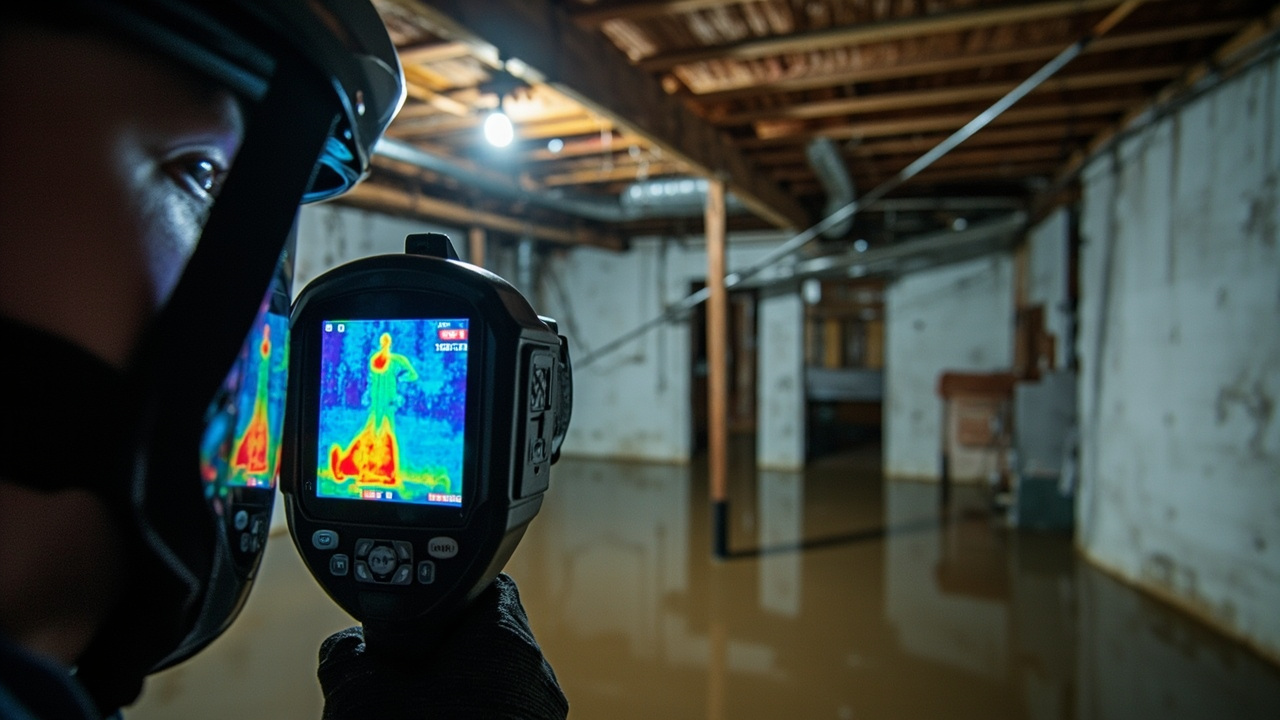
If you are standing in water in your Cypress basement, you are facing a race against time. The heavy clay soils around Cypress Creek and White Oak Bayou hold moisture long after the rain stops,…
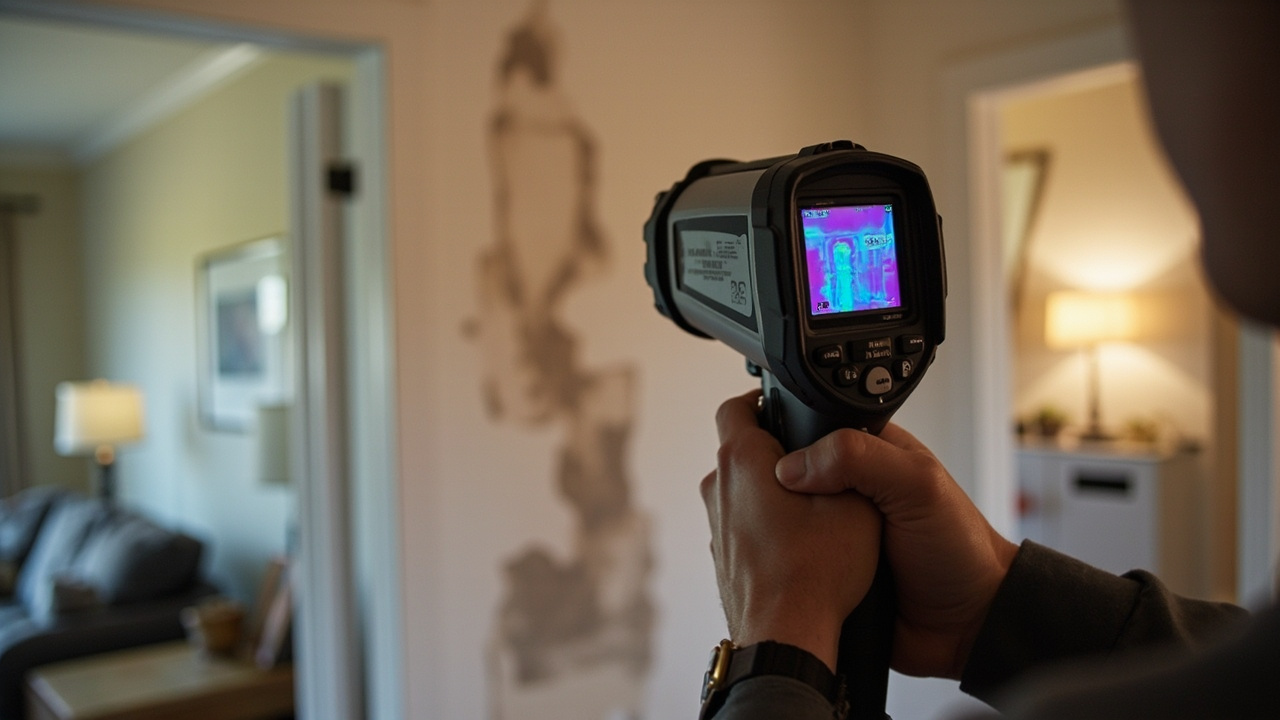
Houston humidity presents a constant struggle for homeowners across Harris County. In 2026, the weather…
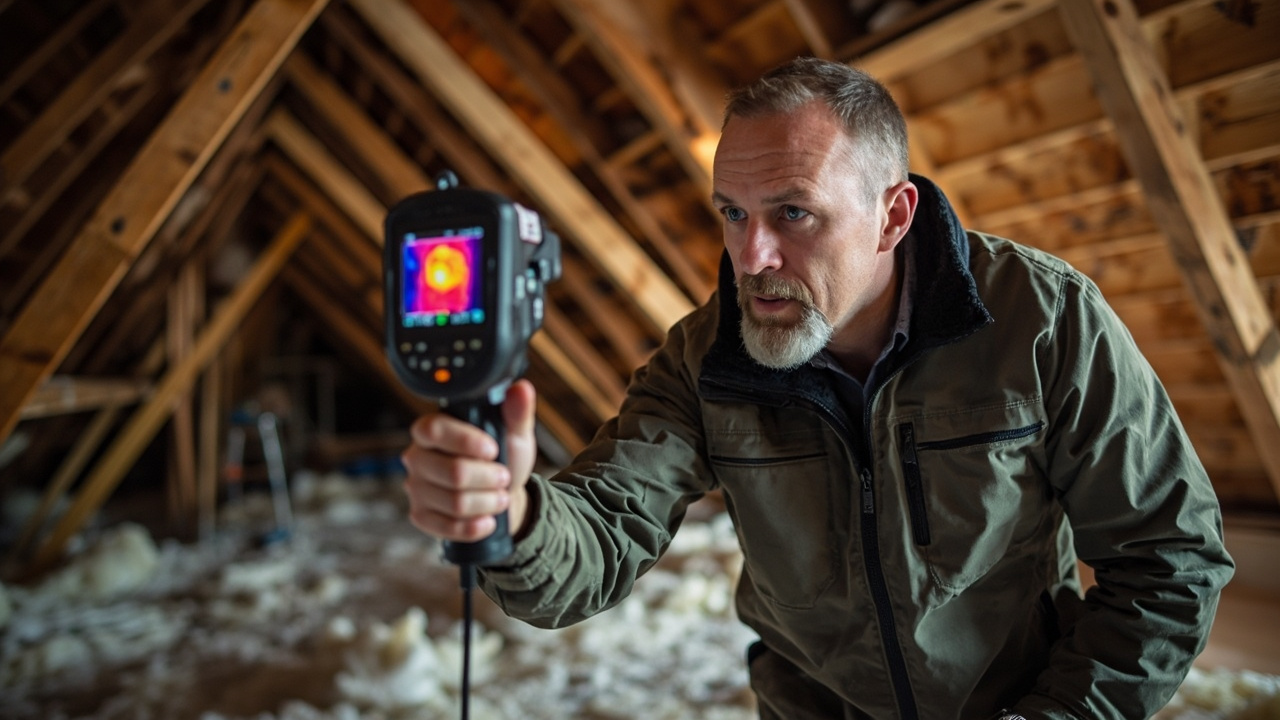
Dealing with Attic Water Damage from Leaky Roofs in KingwoodHomeowners in the Kingwood area face…

Why a Home Dehumidifier Cannot Save Your Third Ward Living Room from Water DamageYour Third…
Water damage spreads every minute you wait. Our Missouri City crews respond 24/7 with industrial extraction equipment and commercial drying systems. Call Silverline Water Damage Restoration Houston at (832) 336-3663 now to stop further damage and start your insurance claim with complete documentation.