





menu

Fire Damage Safety Checklist in Houston – Protect Your Family from Hidden Post-Fire Hazards

Download our comprehensive fire damage safety checklist to identify structural risks, toxic residue, and water damage from firefighting efforts before you re-enter your Houston home.

Slider Image 1
Slider Image 2
Slider Image 3
Slider Image 4
Slider Image 5
Slider Image 7
Slider Image 8
Slider Image 9
Slider Image 10
Slider Image 11

Why Post-Fire Safety Precautions Matter in Houston Homes

After firefighters extinguish the flames, your home faces a new set of dangers. The fire may be out, but structural instability, toxic ash, and thousands of gallons of water sitting in walls and ceilings create immediate health and safety risks.

Houston's high humidity amplifies these dangers. Water absorbed into drywall, insulation, and subflooring does not evaporate quickly in our Gulf Coast climate. Instead, it creates breeding grounds for mold within 24 to 48 hours. Fire damage safety protocol requires addressing both fire and water destruction simultaneously.

Soot and smoke residue contain carcinogens, heavy metals, and chemical irritants. Burned synthetic materials like carpet, vinyl siding, and electronics release toxins that settle on every surface. Without proper post-fire safety steps, you risk respiratory damage, skin irritation, and long-term exposure to hazardous particulates.

Structural concerns often go unnoticed. Fire weakens wood framing, compromises load-bearing walls, and damages electrical systems. Water from fire hoses adds weight to ceilings and floors already stressed by heat exposure. A post-fire hazard checklist helps you identify unstable areas before someone gets hurt.

Many Houston homeowners re-enter their properties too soon, unaware that charred wood can reignite, damaged gas lines can leak, and contaminated HVAC systems can spread toxins throughout the home. A fire recovery safety guide prevents these mistakes. You need a systematic approach to evaluate every room, document damage for insurance claims, and determine what requires professional remediation before you move back in.

Why Post-Fire Safety Precautions Matter in Houston Homes
How Professional Fire Damage Assessment Works

How Professional Fire Damage Assessment Works

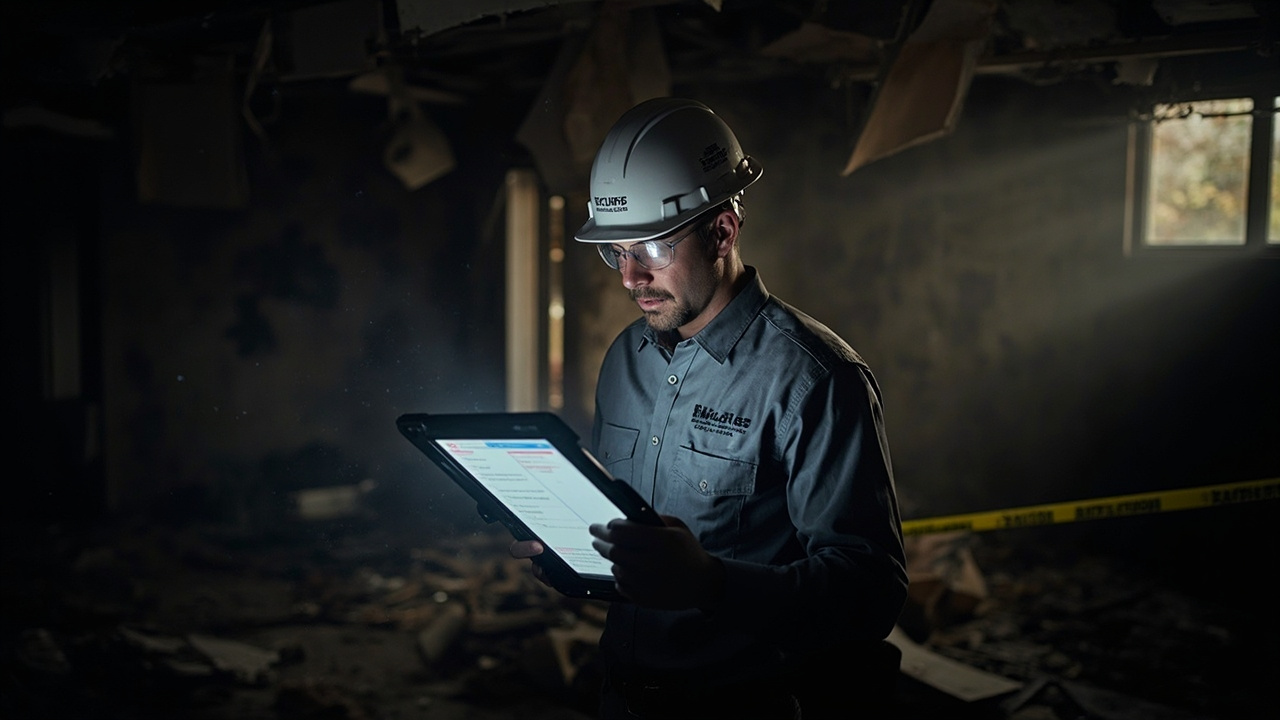
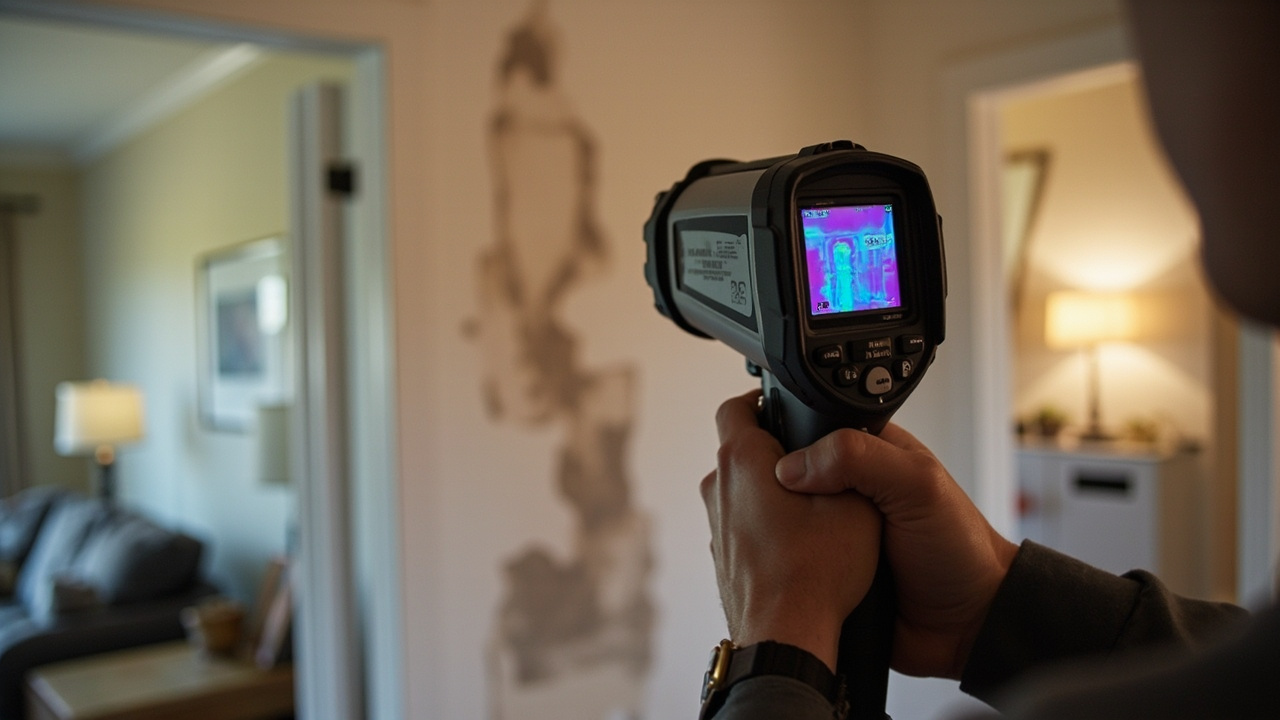
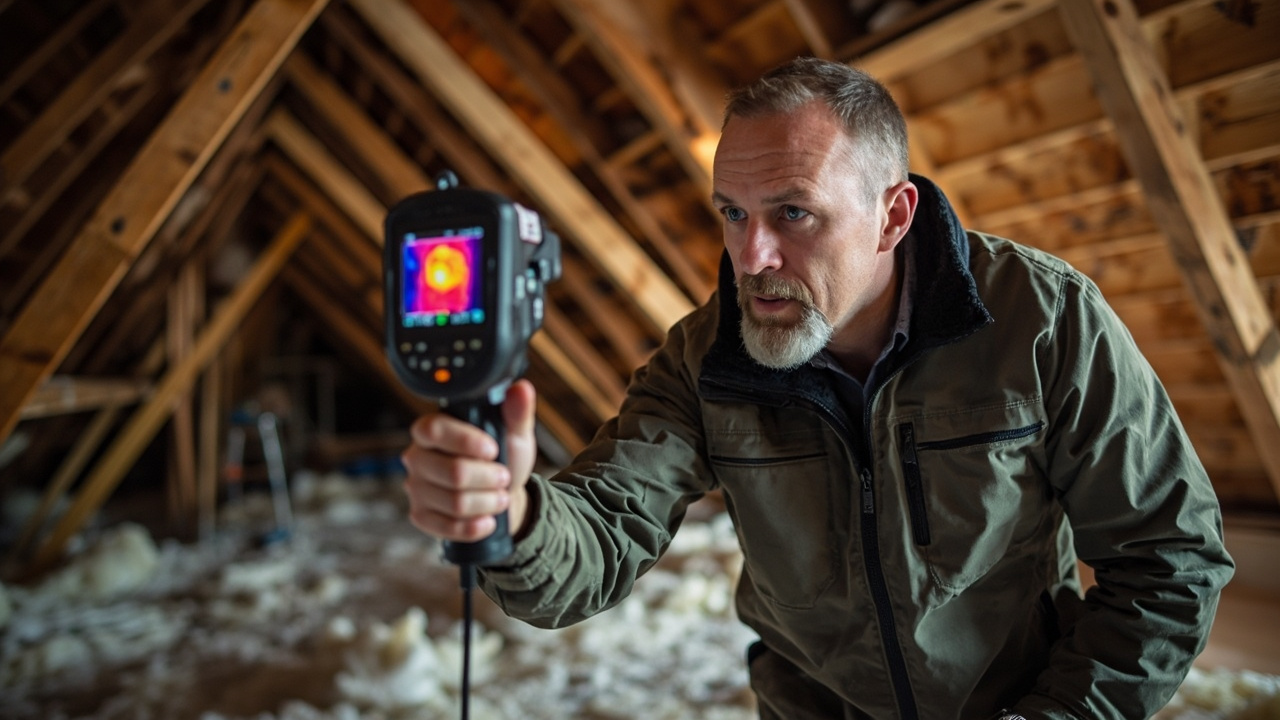
Professional fire damage assessment begins with structural evaluation. Trained technicians inspect framing members, roof trusses, and floor joists for heat damage and charring. We use moisture meters to detect hidden water intrusion behind walls and under flooring. Thermal imaging cameras reveal temperature differentials that indicate wet insulation or compromised building materials.

Air quality testing identifies particulate levels and chemical contamination. After fire safety precautions include measuring carbon monoxide, volatile organic compounds, and airborne soot concentration. These readings determine whether the property is safe for occupancy or requires air scrubbing and ventilation before re-entry.

Water extraction happens immediately. Fire hoses discharge 150 to 200 gallons per minute, saturating everything in their path. Standing water must be removed within hours to prevent secondary damage. Industrial extractors, dehumidifiers, and air movers create controlled drying conditions that prevent mold colonization.

Soot and ash removal requires specialized techniques. Dry soot responds to HEPA vacuuming. Wet soot needs chemical cleaning agents. Protein-based residue from kitchen fires requires enzymatic cleaners. Using the wrong method pushes contaminants deeper into porous surfaces or causes permanent staining.

We document everything with photographs, moisture readings, and detailed notes. Insurance adjusters need comprehensive evidence to process claims. A fire damage safety protocol includes creating a complete inventory of damaged items, tracking remediation progress, and maintaining chain-of-custody records for any materials sent for testing. This documentation protects your financial interests while ensuring thorough restoration.

Your Fire Recovery Safety Guide in Three Phases

Fire Damage Safety Checklist in Houston – Protect Your Family from Hidden Post-Fire Hazards
01

Initial Site Assessment

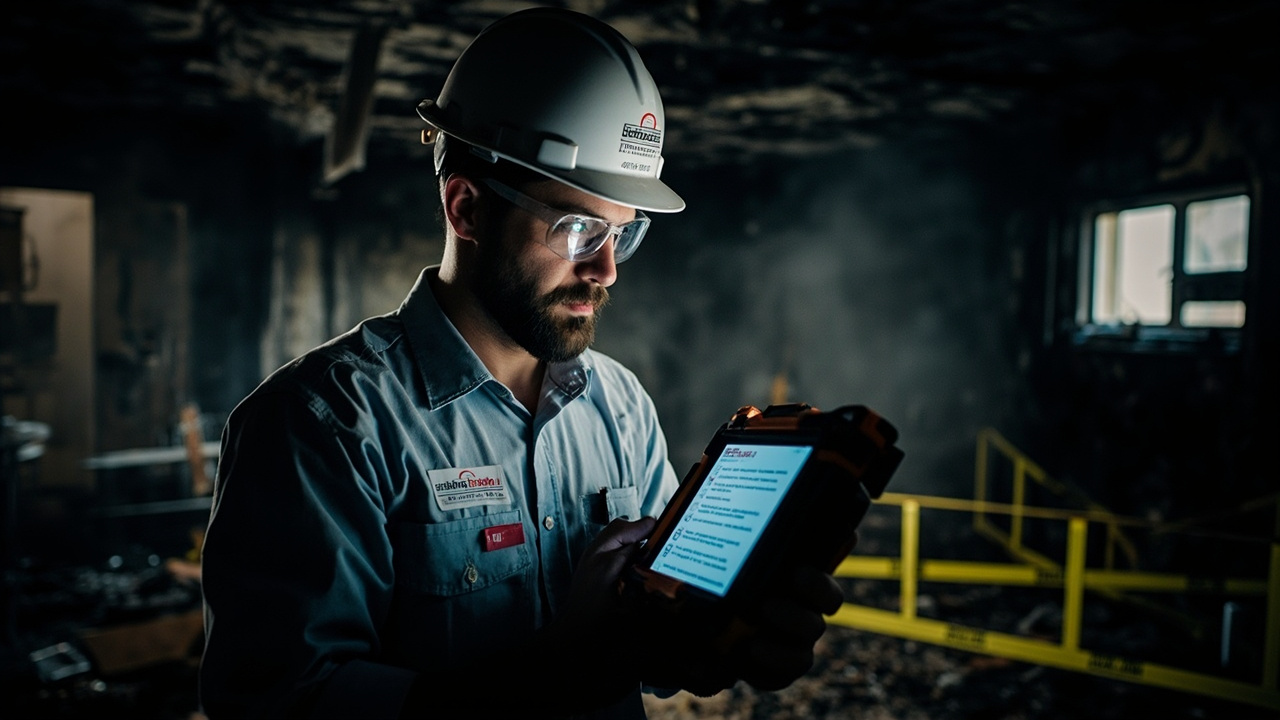
We conduct a room-by-room evaluation before you enter the property. Our team checks for structural instability, active electrical hazards, and gas leaks. We test air quality and measure moisture levels in walls, ceilings, and floors. You receive a written report identifying immediate dangers and areas requiring professional remediation before occupancy.
02

Contamination Control

We isolate affected areas using containment barriers and negative air pressure. HEPA air scrubbers remove airborne particulates. Water extraction equipment removes firefighting water from carpets, padding, and subflooring. Chemical cleaning agents neutralize smoke odor and remove soot from surfaces. All contaminated materials get bagged and disposed of according to EPA guidelines.
03

Clearance Testing

After remediation, we perform final air quality testing and moisture readings. Every surface gets inspected for residual contamination. You receive a clearance certificate confirming the property meets safety standards for re-occupancy. We provide a detailed report for your insurance company documenting all work completed and materials used throughout the restoration process.

Why Houston Homeowners Trust Silverline Water Damage Restoration Houston

Houston presents unique challenges after fire damage. Our subtropical climate creates a narrow window for water extraction before mold growth begins. Temperatures averaging 70 to 90 degrees year-round, combined with 60 to 75 percent humidity, accelerate microbial colonization. We understand this urgency and respond within 60 minutes of your call.

Many Houston homes feature pier-and-beam foundations common in older neighborhoods like Montrose, Heights, and Midtown. Fire damage to these structures requires specialized knowledge of crawl space drying, floor joist inspection, and vapor barrier replacement. Slab foundations in newer suburbs need different techniques to address water intrusion through concrete cracks and expansion joints.

We work directly with Houston fire marshals and building inspectors. Our team knows City of Houston permitting requirements for post-fire reconstruction. We coordinate with structural engineers when load-bearing elements suffer damage. This local expertise prevents delays and ensures code compliance throughout your restoration.

Insurance claim support sets us apart. We document damage using Xactimate estimating software, the same platform your adjuster uses. Our detailed scope of work includes photographs, moisture maps, and itemized costs. We attend adjuster meetings and provide technical explanations that support your claim. This advocacy helps you receive fair compensation for all covered damages.

Our technicians hold IICRC certifications in fire and smoke restoration, water damage restoration, and applied structural drying. We invest in ongoing training because restoration science evolves. New materials, cleaning agents, and drying techniques emerge regularly. You benefit from current best practices, not outdated methods that leave problems unresolved.

What to Expect During Fire Damage Recovery

Immediate Response Time

We answer calls 24 hours a day, 365 days a year. A live technician takes your information and dispatches a crew immediately. Most Houston locations receive service within 60 to 90 minutes of initial contact. Our trucks carry water extraction equipment, air movers, dehumidifiers, and moisture detection tools for immediate stabilization. We begin work the moment we arrive, preventing additional damage while the fire marshal completes the investigation. Emergency services include water removal, board-up, and temporary power when needed.

Comprehensive Damage Assessment

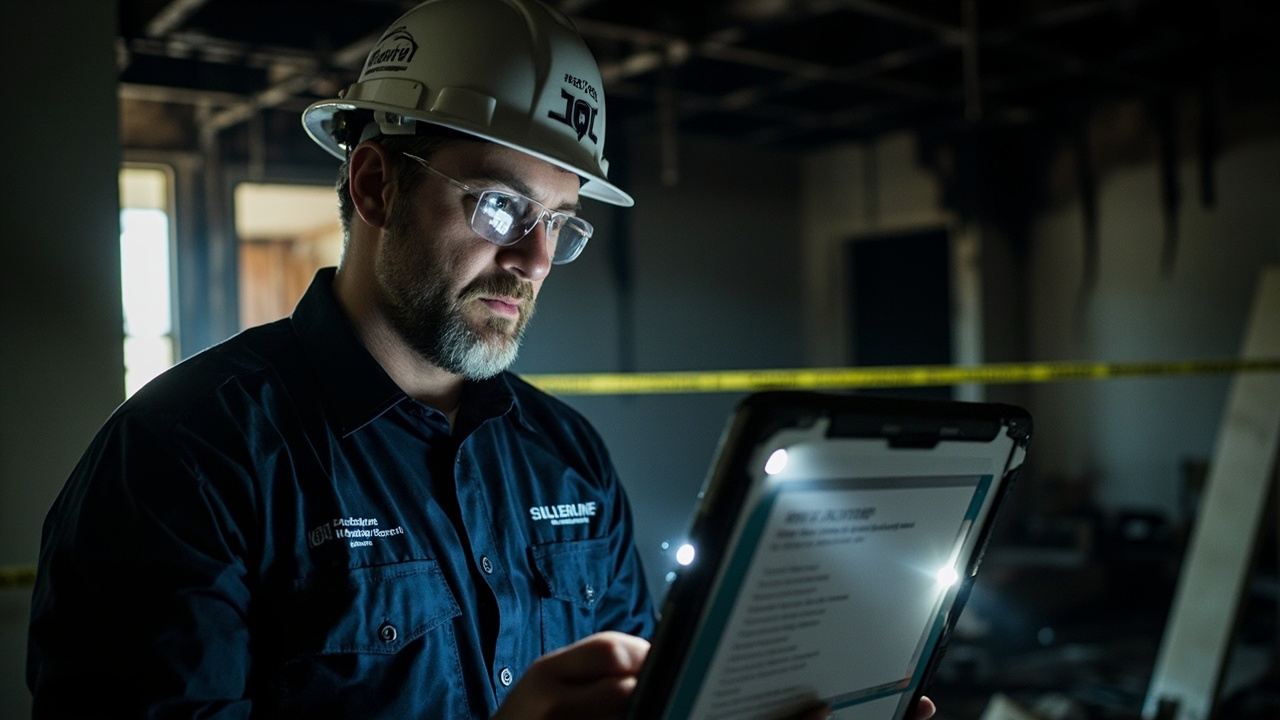
Initial assessment takes two to four hours depending on property size and damage extent. We inspect every room, photograph all damage, and create moisture maps showing water intrusion patterns. Thermal imaging reveals hidden moisture in wall cavities and ceiling assemblies. Air quality testing measures particulate levels and identifies chemical contaminants. You receive a written report with detailed findings, recommended remediation steps, and estimated timeline. This assessment forms the basis for your insurance claim and guides all restoration work.

Thorough Restoration Outcome

Restoration returns your property to pre-loss condition. We remove all fire-damaged materials, extract water, dry structural components, and clean surfaces. HEPA vacuums capture microscopic soot particles. Ozone generators and hydroxyl processors eliminate smoke odor at the molecular level. Final moisture readings confirm all materials have dried to acceptable levels. Air quality testing verifies safe particulate counts. You receive documentation showing your home meets industry standards for occupancy. This thoroughness protects your family's health and preserves your property value.

Ongoing Support and Documentation

We maintain detailed records throughout the restoration process. Daily logs track equipment placement, moisture readings, and work completed. Photographs document progress at every phase. You receive copies of all reports for your insurance company and personal records. Our team stays available after project completion to answer questions and address concerns. If issues arise during reconstruction, we provide technical consultation to contractors. This continued support ensures smooth transition from emergency services through final rebuilding and helps prevent future problems.

Frequently Asked Questions

You Have Questions,
We Have Answers

What are the 5 E's of fire safety? +

The 5 E's of fire safety are Education, Enforcement, Engineering, Emergency Response, and Evaluation. Education teaches occupants how to prevent fires and react during emergencies. Enforcement ensures building codes and fire regulations are followed. Engineering designs fire-resistant structures and installs suppression systems. Emergency Response covers evacuation plans and firefighter access. Evaluation reviews fire incidents to improve future safety measures. In Houston, high humidity can affect smoke detector sensitivity and sprinkler system performance, so regular testing is critical. Combining all five elements creates a comprehensive fire safety strategy for homes and businesses.

What does a fire damage assessment include? +

A fire damage assessment evaluates structural integrity, smoke penetration, soot contamination, and water damage from suppression efforts. Professionals inspect walls, ceilings, HVAC systems, and electrical wiring for heat damage and safety hazards. They document charred materials, assess odor levels, and identify salvageable contents. The assessment includes testing for toxic residue and measuring moisture levels to prevent mold growth. In Houston, heat and humidity accelerate secondary damage after a fire, making rapid assessment critical. A detailed report guides restoration priorities, insurance claims, and safety clearances before reoccupation. This step prevents hidden dangers and ensures thorough recovery.

What are the 4 P's of fire safety? +

The 4 P's of fire safety are Prevention, Planning, Practice, and Protection. Prevention reduces fire risks through proper storage of flammables and maintenance of electrical systems. Planning involves creating evacuation routes and designating meeting points. Practice means conducting regular fire drills so occupants respond automatically during emergencies. Protection includes installing smoke detectors, fire extinguishers, and sprinkler systems. Houston's humid climate can corrode fire safety equipment faster, requiring more frequent inspections. Combining these four principles ensures readiness before, during, and after a fire. Each element strengthens overall safety and minimizes casualties and property loss.

What are the 5 basic fire safety practices? +

The five basic fire safety practices are installing working smoke alarms, creating an escape plan, keeping fire extinguishers accessible, practicing fire drills, and maintaining clear exit paths. Test smoke detectors monthly and replace batteries annually. Map two exits from every room and designate an outside meeting spot. Place extinguishers in kitchens, garages, and near potential fire sources. Conduct drills twice yearly so everyone reacts instinctively. Keep hallways, stairwells, and doors free of clutter. In Houston, summer heat increases electrical fire risk from overloaded air conditioning units. These simple habits save lives and reduce fire damage significantly.

What does 5 5 5 mean to a firefighter? +

The 5-5-5 rule in firefighting refers to respiratory protection protocols during fire suppression. It means firefighters have approximately five minutes of air supply remaining when their low-air alarm sounds, five minutes to exit the structure safely, and five minutes of reserve air in their self-contained breathing apparatus. This guideline prevents firefighter fatalities from oxygen depletion or toxic gas inhalation. The rule emphasizes discipline and situational awareness during high-stress operations. While not directly applicable to property owners, understanding firefighter safety protocols helps Houston residents appreciate the dangers first responders face and the importance of rapid emergency response times.

What are 10 safety rules? +

Ten essential fire safety rules include installing smoke detectors on every level, testing alarms monthly, creating two escape routes per room, practicing evacuation drills, keeping exits clear, storing flammables properly, never leaving cooking unattended, maintaining electrical systems, having accessible fire extinguishers, and establishing an outside meeting point. Avoid overloading outlets and inspect cords for damage. Close bedroom doors at night to slow fire spread. In Houston, thunderstorms can cause electrical fires through power surges, so use surge protectors. Never re-enter a burning building. These rules reduce fire risk and ensure safe evacuation when seconds count.

How Houston's Hurricane Risk Affects Fire Damage Recovery

Houston sits in a high-risk hurricane zone, creating unique challenges for fire damage restoration. Hurricane season runs June through November, forcing accelerated timelines for emergency repairs. A fire-damaged structure with missing roof sections, broken windows, or compromised walls becomes vulnerable to tropical storms and hurricanes. Temporary tarping, board-up, and water intrusion barriers must withstand sustained winds and heavy rainfall. Your post-fire hazard checklist needs to address both immediate fire damage and weather-related secondary damage that can occur before permanent repairs get completed.

Houston's building codes reflect these weather realities. Fire-damaged homes undergoing reconstruction must meet current wind load requirements and flood zone regulations. Many older homes in neighborhoods like Meyerland, Bellaire, and West University sit in FEMA flood zones requiring elevated mechanical equipment and flood-resistant materials. Local restoration companies understand these code requirements and coordinate with City of Houston permitting offices. This local knowledge prevents costly delays and ensures your restored property meets all current safety standards for Houston's climate risks.
Water Damage Restoration Services in The Houston Area

Easily locate our service area and see how Silverline is strategically positioned to provide rapid water damage restoration services throughout Houston and its surrounding communities. Our commitment to prompt response means we're never far away when disaster strikes, ensuring your property gets the urgent care it needs, wherever you are within our service radius. We're here to serve you efficiently.

Address:
Silverline Water Damage Restoration Houston, 3730 Kirby Dr, Houston, TX, 77098

Additional Services We Offer

Our news updates

Latest Articles & News from The Blogs

Houston humidity presents a constant struggle for homeowners across Harris County. In 2026, the weather patterns continue to create high…

Why Houston Families Trust Our Certified Mold Inspection Services for Local Homes

Houston humidity presents a constant struggle for homeowners across Harris County. In 2026, the weather patterns continue to create high…

Dealing with Attic Water Damage from Leaky Roofs in Kingwood

Dealing with Attic Water Damage from Leaky Roofs in KingwoodHomeowners in the Kingwood area face significant moisture challenges due to…

Why a Home Dehumidifier Cannot Save Your Third Ward Living Room from Water Damage

Why a Home Dehumidifier Cannot Save Your Third Ward Living Room from Water DamageYour Third Ward home faces unique challenges…

Contact Us

Download our comprehensive post-fire safety guide or speak with a certified restoration technician about your specific situation. Call (832) 336-3663 now for immediate assistance. We provide 24-hour emergency response throughout Houston and surrounding areas.