





menu

Preventative Waterproofing Tips in Houston | Protect Your Home Before Water Damage Strikes

Learn proven preventative waterproofing tips tailored to Houston's high humidity and intense rainfall patterns, helping you avoid thousands in water damage repair costs before problems start.

Slider Image 1
Slider Image 2
Slider Image 3
Slider Image 4
Slider Image 5
Slider Image 7
Slider Image 8
Slider Image 9
Slider Image 10
Slider Image 11

Why Houston Homes Need Proactive Waterproofing

Houston's subtropical climate delivers over 50 inches of rain annually, combined with humidity levels that regularly exceed 90 percent during summer months. This constant moisture exposure creates conditions where water finds every weakness in your home's envelope. Clay soil expansion and contraction cycles stress your foundation year-round, opening cracks that invite water infiltration. Hurricane season brings additional risk with storm surge and flooding potential across the entire metro area.

Most homeowners wait until they see visible water damage before taking action. By then, you face drywall replacement, mold remediation, and structural repairs that cost thousands. The better approach involves implementing proactive water sealing methods before problems develop. A home waterproofing maintenance guide starts with understanding your property's vulnerabilities. Older homes in areas like the Heights or Montrose often have aging basement walls and outdated drainage systems. Newer construction in flood-prone zones near Buffalo Bayou requires different moisture control best practices.

The water damage prevention checklist for Houston properties differs from other regions because you face multiple water threats simultaneously. Surface water from heavy downpours, groundwater pressure from saturated soil, and atmospheric moisture all attack your home's defenses. DIY waterproofing techniques can address many vulnerabilities before you need professional intervention. Understanding which areas need attention and which solutions work best in Houston's unique environment keeps your home dry and your foundation stable. Silverline Water Damage Restoration Houston helps property owners identify risk factors specific to their neighborhood and building type.

Why Houston Homes Need Proactive Waterproofing
Essential Waterproofing Methods That Work in Houston's Climate

Essential Waterproofing Methods That Work in Houston's Climate

Effective moisture control starts with exterior drainage management. Your gutters and downspouts must handle the intense rainfall Houston experiences during thunderstorms. Clean gutters quarterly to prevent overflow that saturates soil around your foundation. Extend downspouts at least six feet from your foundation walls to direct water away from the structure. Inspect grading around your home to ensure positive slope that moves water away from the building envelope.

Foundation waterproofing requires attention to both exterior and interior moisture barriers. Apply elastomeric coatings to exterior foundation walls in accessible areas. These flexible membranes accommodate the movement caused by clay soil expansion without cracking. Interior basement walls benefit from vapor barriers that prevent moisture transmission through concrete. Hydraulic cement fills active cracks where water seeps through foundation walls during heavy rain events.

Window and door penetrations create common entry points for water infiltration. Check weatherstripping annually and replace deteriorated seals before the next storm season. Apply silicone caulk around window frames where gaps appear between the frame and siding. Pay special attention to areas where different building materials meet, as these transitions often develop separation over time.

Crawl space encapsulation provides comprehensive moisture control for homes built on pier and beam foundations common in older Houston neighborhoods. Install heavy-duty vapor barriers across the entire crawl space floor, extending six inches up foundation walls. Seal all vents to prevent humid outdoor air from entering the space. Add a dehumidifier rated for crawl space use to maintain relative humidity below 55 percent. This proactive approach prevents the wood rot and mold growth that develops in damp crawl spaces throughout the Houston area.

Your Home Waterproofing Assessment Plan

Preventative Waterproofing Tips in Houston | Protect Your Home Before Water Damage Strikes
01

Exterior Property Inspection

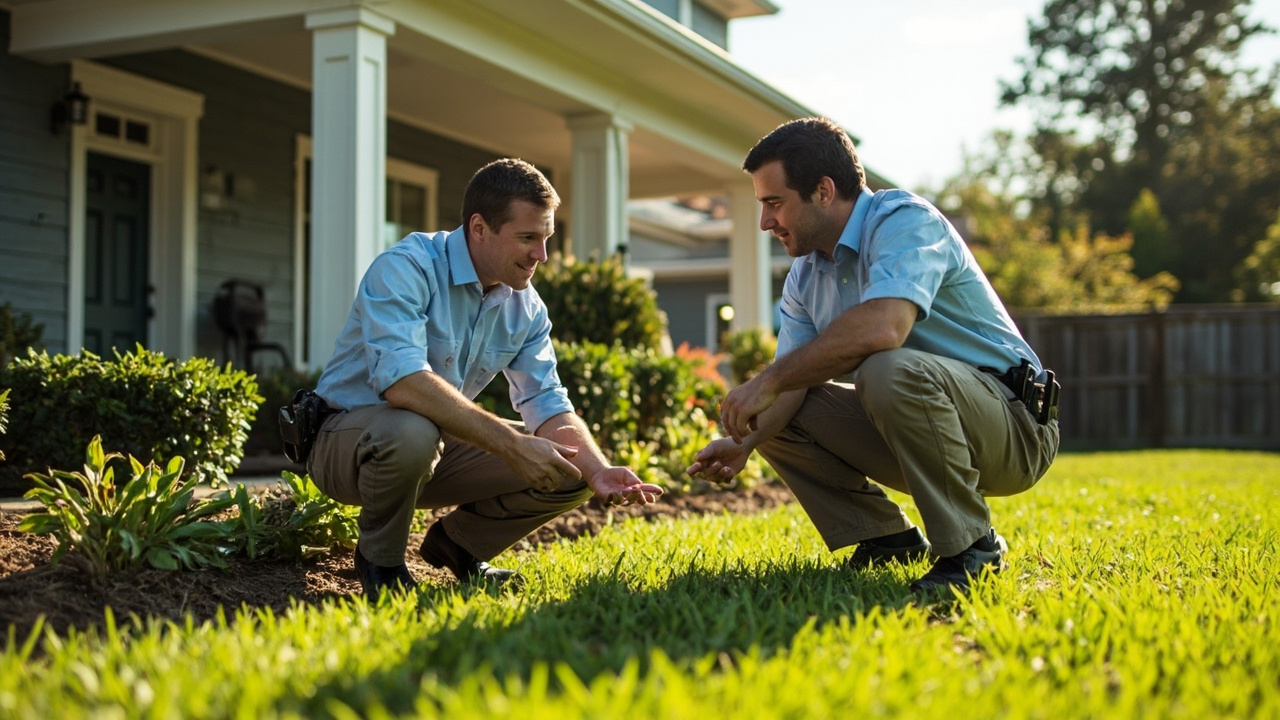
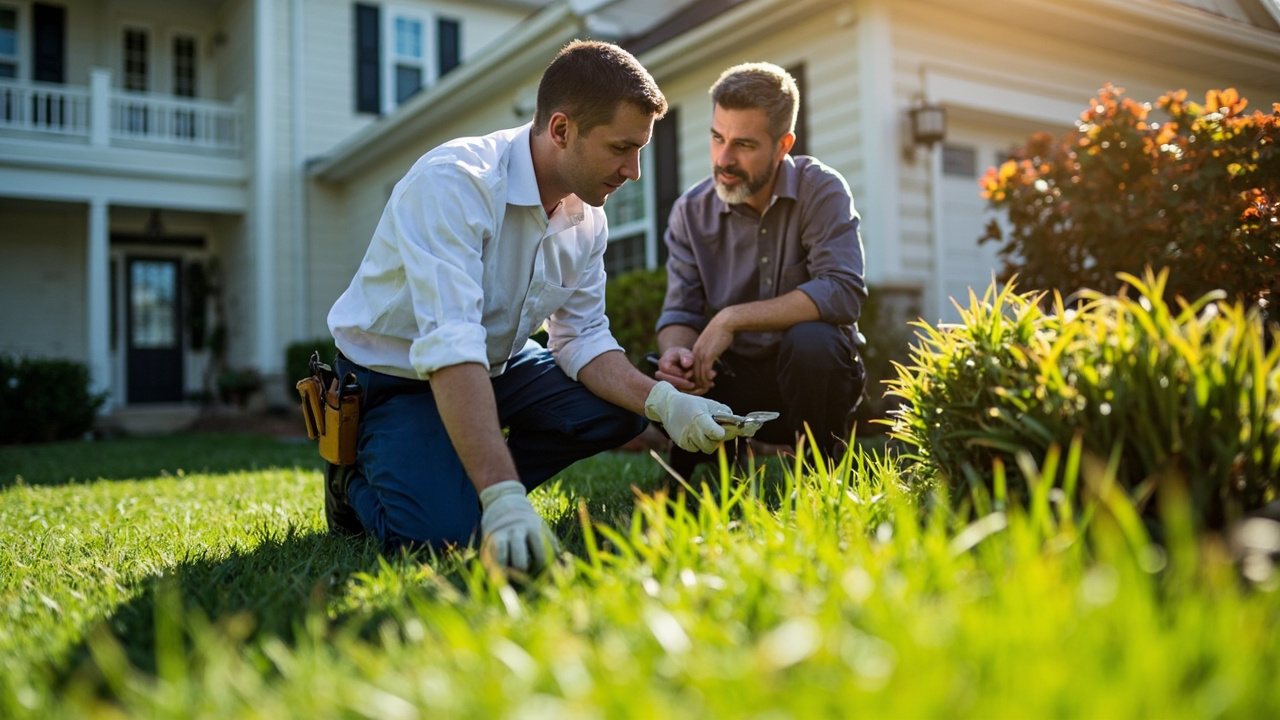
Walk your property perimeter during and after rainfall to identify problem areas. Look for standing water near the foundation, erosion patterns that indicate poor drainage, and areas where water flows toward your home instead of away. Check for foundation cracks wider than a quarter inch. Inspect basement window wells for proper drainage and intact covers. Document problem areas with photos and notes about water accumulation patterns.
02

Interior Moisture Evaluation

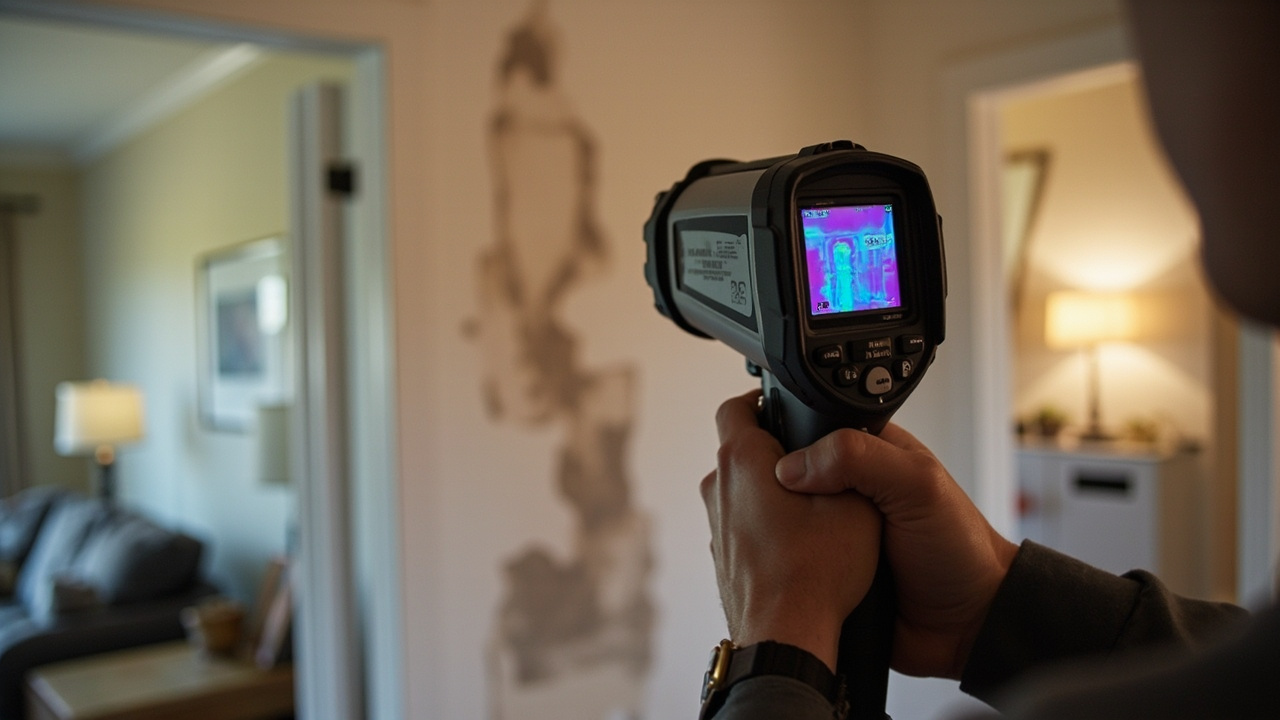
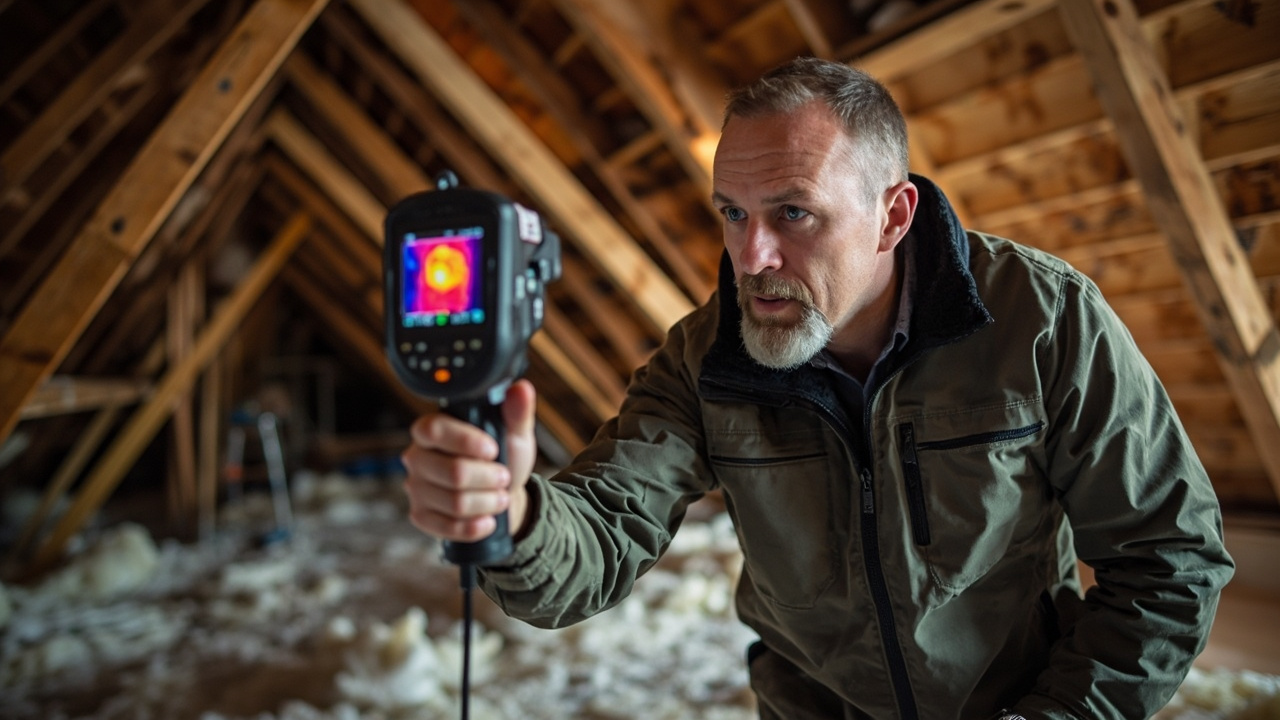
Examine interior spaces for moisture indicators including water stains on ceilings and walls, musty odors in closets and bathrooms, and condensation on windows. Use a moisture meter to test drywall and flooring in areas prone to humidity exposure. Check under sinks and around toilets for active leaks. Inspect attic spaces for proper ventilation and signs of roof leaks. Test your sump pump if installed to verify proper operation before storm season arrives.
03

Maintenance Schedule Creation

Develop a seasonal maintenance calendar based on your inspection findings. Schedule gutter cleaning for March and October before peak rain seasons. Plan foundation crack repairs during dry periods when materials cure properly. Set reminders to test sump pumps monthly and replace backup batteries annually. Create a checklist for pre-storm preparation including clearing drainage paths and checking exterior caulking. Regular maintenance prevents small issues from becoming major water damage events.

Why Houston Homeowners Trust Local Waterproofing Expertise

National companies selling waterproofing systems do not understand Houston's specific challenges. They apply the same solutions in Houston that they use in Phoenix or Seattle, ignoring the dramatic differences in climate and soil conditions. Local expertise matters because effective waterproofing requires knowledge of how clay soil behaves during wet and dry cycles, where flooding risks concentrate across different neighborhoods, and which building methods local contractors used during different construction periods.

Silverline Water Damage Restoration Houston works with properties throughout the metro area, from historic homes in River Oaks to new construction in Katy and Sugar Land. We understand that pier and beam foundations common in older neighborhoods require different waterproofing approaches than slab foundations in newer developments. We know which areas experience frequent flooding during tropical storms and which neighborhoods have high water tables that create persistent moisture problems.

Building codes in Houston and surrounding Harris County incorporate flood zone requirements and drainage standards specific to the region. Professional waterproofing work must comply with these regulations to protect your home and maintain your insurance coverage. DIY work done incorrectly can create bigger problems than you started with. Improper grading moves water toward your foundation instead of away. Incorrect vapor barrier installation traps moisture inside wall cavities where it causes rot and mold growth.

The right waterproofing strategy combines professional assessment with appropriate DIY maintenance. Some tasks like gutter cleaning and caulking you can handle yourself. Other work like foundation crack injection and exterior waterproofing membrane application requires specialized equipment and training. Understanding which category each task falls into helps you allocate your time and budget effectively while protecting your largest investment.

What Effective Home Waterproofing Delivers

Immediate Protection

Waterproofing improvements provide immediate protection once completed. Sealed foundation cracks stop active water infiltration during the next rainstorm. Improved drainage prevents water accumulation around your foundation perimeter. Updated weatherstripping blocks wind-driven rain from entering through door and window gaps. You gain peace of mind knowing your home can handle Houston's next severe weather event. The protection continues working 24 hours daily without requiring ongoing attention. Regular inspections twice yearly ensure your waterproofing systems continue functioning properly as your home ages and settles.

Professional Assessment

A thorough waterproofing assessment identifies vulnerabilities you might miss during casual inspection. Professionals use moisture meters, thermal imaging cameras, and drainage testing to reveal hidden problems. We check for concealed foundation cracks behind finished basement walls, measure soil moisture levels around your foundation, and evaluate whether your current drainage capacity matches the water volume Houston storms deliver. The assessment includes specific recommendations prioritized by risk level and urgency. You receive a detailed plan showing which improvements provide the greatest protection for your investment. This data-driven approach eliminates guesswork and focuses your resources where they deliver maximum benefit.

Long-Term Savings

Preventative waterproofing costs a fraction of water damage repairs. Foundation crack sealing and improved drainage typically cost hundreds of dollars. Water damage restoration involving drywall replacement, flooring removal, and mold remediation costs thousands to tens of thousands. Insurance companies increasingly deny claims for damage that results from deferred maintenance and known pre-existing conditions. Your homeowners policy covers sudden and accidental water damage, not gradual deterioration from ignored waterproofing failures. Documented maintenance also supports insurance claims when covered events occur. Property value increases when you maintain effective moisture control systems. Buyers recognize well-maintained homes and pay premiums to avoid inheriting deferred maintenance problems.

Seasonal Maintenance Plans

Ongoing maintenance keeps your waterproofing systems functioning properly year after year. We offer seasonal inspection services that catch developing problems before they cause damage. Spring inspections prepare your home for severe weather season by testing drainage systems and identifying winter damage. Fall inspections verify your home remains protected before winter cold fronts arrive. Maintenance plans include gutter cleaning, foundation crack monitoring, sump pump testing, and weatherstripping inspection. You receive detailed reports documenting your home's condition and recommended maintenance actions. This documented history proves valuable when selling your property or filing insurance claims. Regular professional attention extends the life of waterproofing improvements and prevents small issues from becoming expensive emergencies.

Frequently Asked Questions

You Have Questions,
We Have Answers

What to do before waterproofing? +

Inspect your foundation for visible cracks, gaps, or signs of moisture intrusion. Check grading around your home to ensure water drains away from the foundation, which is critical in Houston's clay soil that expands and contracts. Clean gutters and downspouts to prevent overflow during heavy storms. Remove vegetation or debris near walls that trap moisture. Test for existing water damage using a moisture meter. If you find active leaks or structural cracks, address those repairs first. Proper prep work ensures waterproofing materials bond correctly and perform as intended.

What are common waterproofing mistakes? +

Applying waterproofing over dirty or damp surfaces prevents proper adhesion and traps moisture inside. Ignoring grading issues means water still pools near your foundation despite surface treatments. Using the wrong product for your climate fails in Houston's high humidity and intense rainfall. Skipping primer on porous surfaces like concrete reduces effectiveness. Applying too thin a coat or missing joints and seams creates weak points. Failing to address root causes like poor drainage or plumbing leaks means waterproofing becomes a temporary fix instead of a long-term solution.

How much does it cost to waterproof a 1000 sq ft basement? +

Waterproofing costs vary widely based on method and severity of existing issues. Interior sealants may cost less but only address surface moisture. Exterior excavation and membrane installation costs more but provides comprehensive protection. French drain systems add to the expense but are often needed in Houston due to poor natural drainage and clay soil. Factors include wall height, access difficulty, required repairs, and drainage solutions. Get multiple quotes from local contractors familiar with Houston soil conditions. Costs climb when foundation cracks need repair or sump pumps are required.

Should you prime before waterproofing? +

Yes, priming porous surfaces like concrete or masonry before waterproofing improves adhesion and coverage. Primer seals the surface, prevents the waterproofing material from soaking in unevenly, and creates a uniform base. This step matters in Houston's humid climate where concrete absorbs moisture quickly. Skipping primer on bare concrete or previously painted surfaces reduces the lifespan of your waterproofing. Follow manufacturer instructions for primer type and dry time. Proper priming ensures you get full protection from your waterproofing investment and reduces the chance of early failure.

What are the four steps to waterproofing? +

First, identify and fix the source of water intrusion, whether poor grading, cracks, or drainage issues. Second, clean and prepare surfaces by removing dirt, efflorescence, and loose material. Third, apply primer to porous substrates to improve adhesion. Fourth, install the waterproofing system, whether membrane, coating, or drainage solution, following manufacturer specifications for thickness and curing time. In Houston, consider both exterior and interior solutions due to expansive clay soil and heavy rainfall. Each step builds on the previous one, so skipping stages compromises the entire system.

What is the negative side of waterproofing? +

Waterproofing can trap moisture inside walls if applied over existing dampness, leading to mold growth and material degradation. Interior-only solutions may push water to other weak points in the foundation. Poorly installed systems create a false sense of security while hidden damage continues. In Houston's climate, improper waterproofing can worsen humidity problems inside crawl spaces and basements. Some waterproofing materials release volatile organic compounds during application. Exterior excavation disrupts landscaping and requires significant investment. Waterproofing also requires ongoing maintenance and eventual reapplication as materials age.

How many coats of waterproofing should I do? +

Most waterproofing products require two coats minimum for full protection. The first coat seals surface pores and creates a base layer. The second coat fills any pinholes or thin spots from the first application. Check manufacturer guidelines, as some systems need three coats in high-exposure areas or on rough surfaces. In Houston's climate with intense sun and heavy rain, additional coats on exterior walls improve durability. Allow proper dry time between coats, which can be longer in humid conditions. Corners, joints, and transitions need extra attention and thickness.

What causes waterproofing to fail? +

Poor surface preparation prevents proper bonding and allows moisture to infiltrate behind the waterproofing layer. Hydrostatic pressure from groundwater pushes through weaknesses in the system. Movement in foundations from settling or expansive clay soil, common in Houston, creates cracks that breach the barrier. Using the wrong product for the application or climate reduces effectiveness. Skipping maintenance allows small failures to grow into major breaches. Inadequate drainage means water continually tests the waterproofing until it fails. Installation errors like thin spots, missed areas, or improper curing compromise the entire system.

What is the most expensive part of a bathroom remodel? +

Moving plumbing fixtures drives up bathroom remodel costs due to extensive work behind walls and floors. This includes rerouting supply lines, drain pipes, and vent stacks, plus patching and waterproofing afterward. Custom tile work, especially floor-to-ceiling installations with intricate patterns, requires skilled labor and material costs. High-end fixtures and finishes add expense quickly. Structural modifications like removing walls or expanding the footprint require permits and engineering. Proper waterproofing in wet areas is non-negotiable and adds to the budget. In Houston's older homes, outdated plumbing often needs replacement during remodels.

Will insurance pay for basement waterproofing? +

Insurance rarely covers preventative waterproofing because it addresses maintenance issues, not sudden accidents. If water damage results from a covered peril like burst pipes or storm damage, insurance may pay for repairs but not the waterproofing itself. Gradual seepage from poor drainage or foundation settling falls under maintenance exclusions. Review your policy for specific coverage details. Some insurers offer discounts if you install protective measures. Document all water intrusion incidents and repairs. In Houston, flood insurance through FEMA covers specific flood events but excludes foundation maintenance and waterproofing improvements.

How Houston's Clay Soil and Humidity Make Preventative Waterproofing Critical

Houston sits on expansive clay soil that shrinks during dry periods and swells when saturated. This cycle creates continuous stress on foundation walls, opening cracks that allow water infiltration. The annual moisture swing from drought conditions to tropical storm flooding subjects your foundation to extreme movement. Combined with relative humidity that stays above 75 percent most of the year, Houston homes face constant moisture pressure from multiple sources. Waterproofing systems must account for groundwater pressure during wet seasons, surface water from intense rainfall events, and atmospheric moisture that condenses on cool surfaces. Properties near waterways including Buffalo Bayou, Brays Bayou, and White Oak Bayou face additional flooding risk during severe weather.

Silverline Water Damage Restoration Houston understands the specific waterproofing challenges facing property owners throughout Harris County, Fort Bend County, and Montgomery County. We work with homes built using construction methods spanning eight decades, from pre-war pier and beam structures to modern slab foundations with post-tension cables. Local building codes evolved over time to address flooding and drainage issues specific to the region. Recent updates following Hurricane Harvey imposed stricter elevation and drainage requirements for new construction and substantial improvements. Professional waterproofing work must comply with current standards to protect your investment and maintain proper insurance coverage. Our team stays current on local code requirements and brings that knowledge to every assessment and recommendation.
Water Damage Restoration Services in The Houston Area

Easily locate our service area and see how Silverline is strategically positioned to provide rapid water damage restoration services throughout Houston and its surrounding communities. Our commitment to prompt response means we're never far away when disaster strikes, ensuring your property gets the urgent care it needs, wherever you are within our service radius. We're here to serve you efficiently.

Address:
Silverline Water Damage Restoration Houston, 3730 Kirby Dr, Houston, TX, 77098

Additional Services We Offer

Our news updates

Latest Articles & News from The Blogs

Houston humidity presents a constant struggle for homeowners across Harris County. In 2026, the weather patterns continue to create high…

Why Houston Families Trust Our Certified Mold Inspection Services for Local Homes

Houston humidity presents a constant struggle for homeowners across Harris County. In 2026, the weather patterns continue to create high…

Dealing with Attic Water Damage from Leaky Roofs in Kingwood

Dealing with Attic Water Damage from Leaky Roofs in KingwoodHomeowners in the Kingwood area face significant moisture challenges due to…

Why a Home Dehumidifier Cannot Save Your Third Ward Living Room from Water Damage

Why a Home Dehumidifier Cannot Save Your Third Ward Living Room from Water DamageYour Third Ward home faces unique challenges…

Contact Us

Do not wait until water damage forces expensive emergency repairs. Call Silverline Water Damage Restoration Houston at (832) 336-3663 now to schedule your comprehensive waterproofing assessment. We identify vulnerabilities specific to your property and provide actionable recommendations that protect your home before the next storm arrives.