





menu

Mold Remediation & Removal in Houston – IICRC-Certified Technicians Stop Growth in 24 Hours

Professional mold abatement services using containment protocols and EPA-registered antimicrobials to eliminate active colonies, prevent cross-contamination, and restore safe indoor air quality for Houston homes and businesses.

Slider Image 1
Slider Image 2
Slider Image 3
Slider Image 4
Slider Image 5
Slider Image 7
Slider Image 8
Slider Image 9
Slider Image 10
Slider Image 11

Why Houston's Climate Makes Mold a Year-Round Threat

Houston's subtropical climate creates ideal conditions for mold growth. Average humidity levels above 60% for most of the year combine with heat to accelerate spore colonization. When indoor moisture from plumbing leaks, roof damage, or HVAC condensation meets organic materials like drywall or wood framing, visible mold can appear within 48 hours.

The problem intensifies in neighborhoods near Buffalo Bayou or the Ship Channel, where ambient moisture levels stay elevated year-round. Hurricane season brings additional risks. Even minor flooding can saturate wall cavities and subfloors, creating hidden growth behind surfaces you cannot see. By the time you notice the musty smell or visible patches, the colony has usually spread beyond the visible area.

Mold releases spores into your breathing space. Prolonged exposure can trigger respiratory irritation, especially for children, elderly residents, and anyone with asthma or allergies. The longer mold remains active, the more damage it causes to structural materials. Drywall weakens, wood framing develops soft spots, and insulation loses R-value.

Professional mold decontamination requires more than surface cleaning. You need containment to prevent spores from spreading during removal, HEPA filtration to capture airborne particles, and antimicrobial treatment to kill remaining growth. Mold abatement also addresses the moisture source. If you only treat the symptom without fixing the leak or humidity problem, the colony returns within weeks.

Houston homeowners face mold mitigation decisions regularly. The question is not if moisture will create a problem, but when you will need professional mold cleanup services to stop it.

Why Houston's Climate Makes Mold a Year-Round Threat
How We Stop Mold Growth and Prevent Future Colonization

How We Stop Mold Growth and Prevent Future Colonization

Silverline Water Damage Restoration Houston follows IICRC S520 protocols for every mold remediation project. This industry standard dictates containment methods, air filtration requirements, and disposal procedures to eliminate cross-contamination risks.

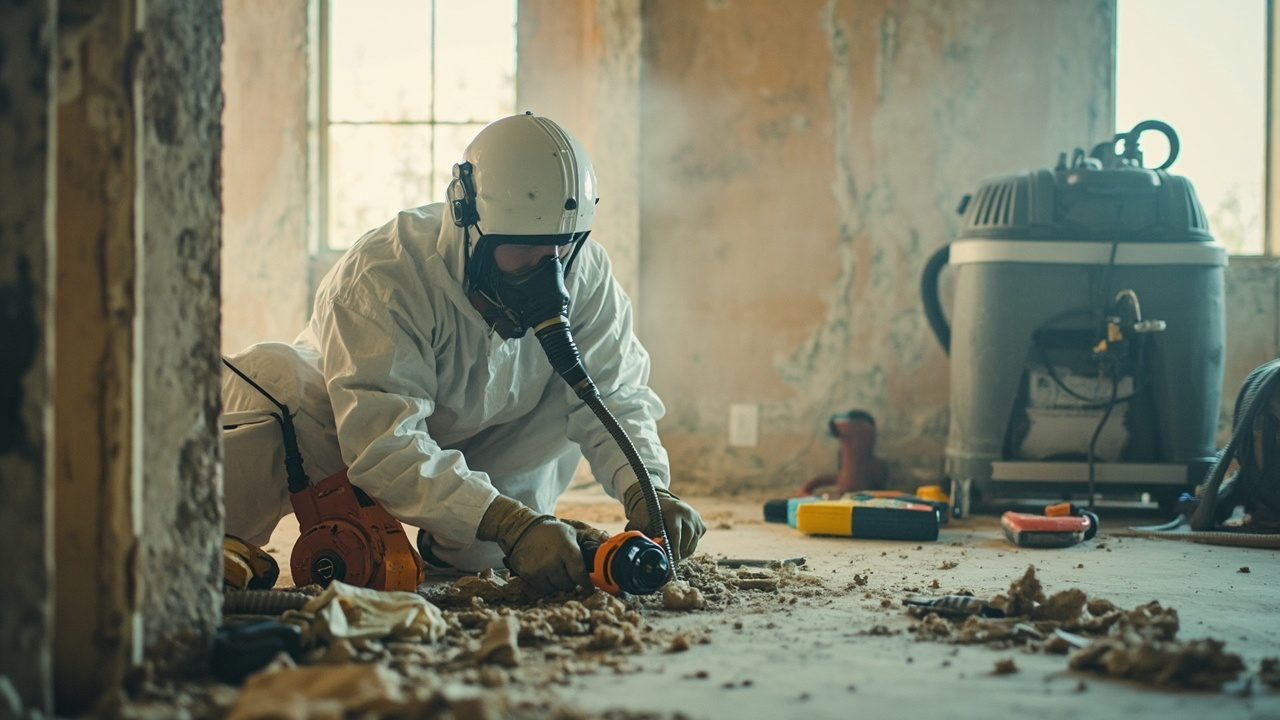
We start by isolating the affected area with polyethylene sheeting and negative air pressure. This creates a controlled environment where spores cannot escape into clean areas of your property. HEPA air scrubbers run continuously during the remediation process, capturing particles as small as 0.3 microns.

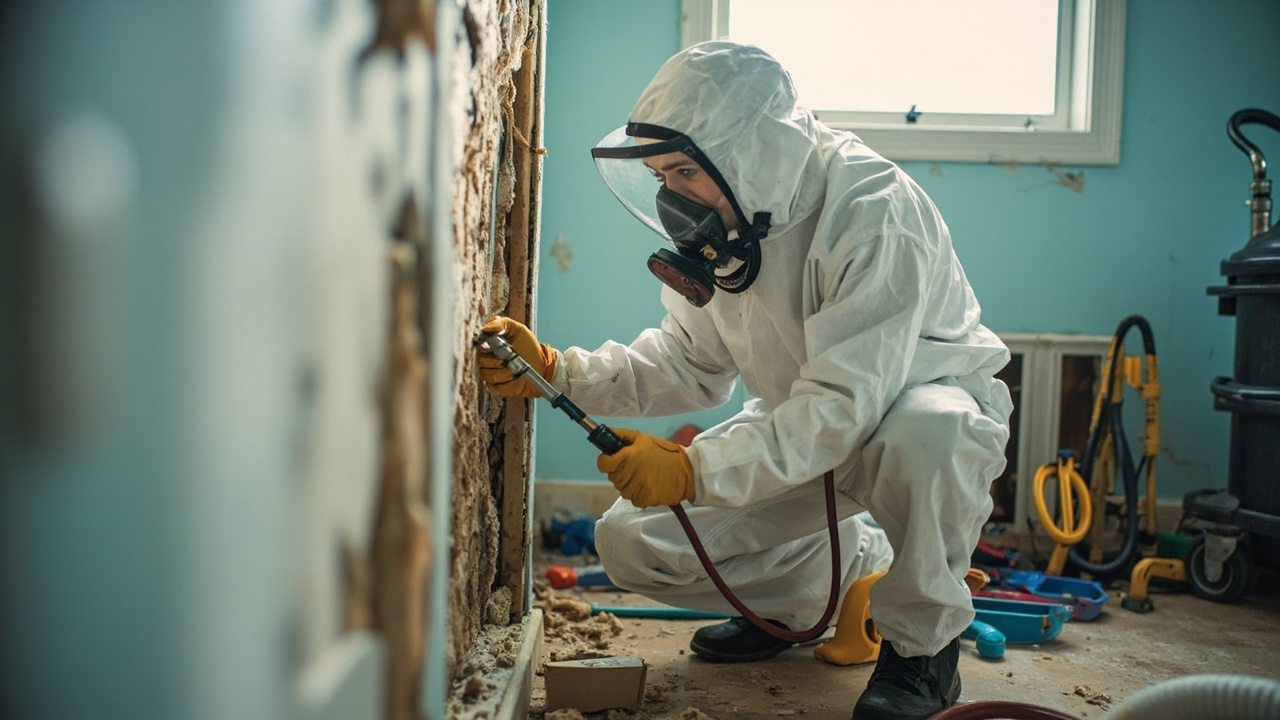
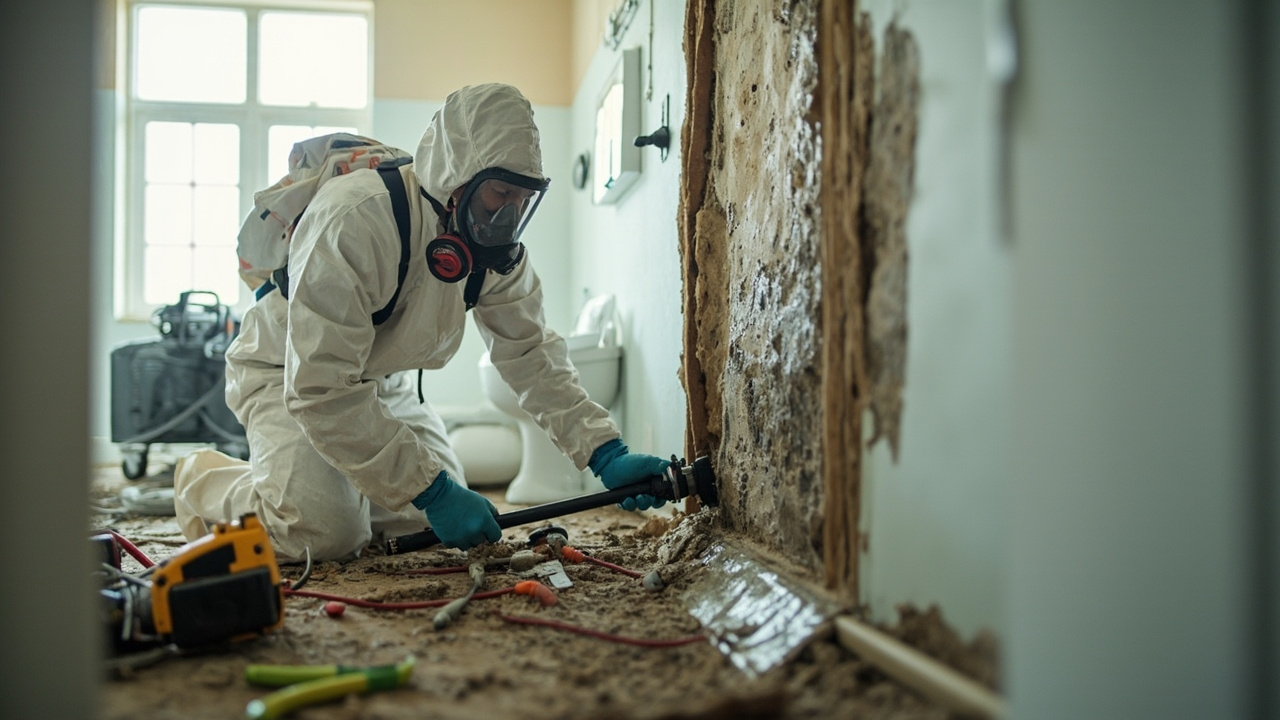
Physical removal comes next. We remove porous materials like drywall, insulation, and carpet padding that cannot be fully decontaminated. Non-porous surfaces like metal studs and concrete receive HEPA vacuuming followed by antimicrobial application using EPA-registered solutions. We do not paint over mold or use bleach-based treatments that only address surface discoloration without killing subsurface growth.

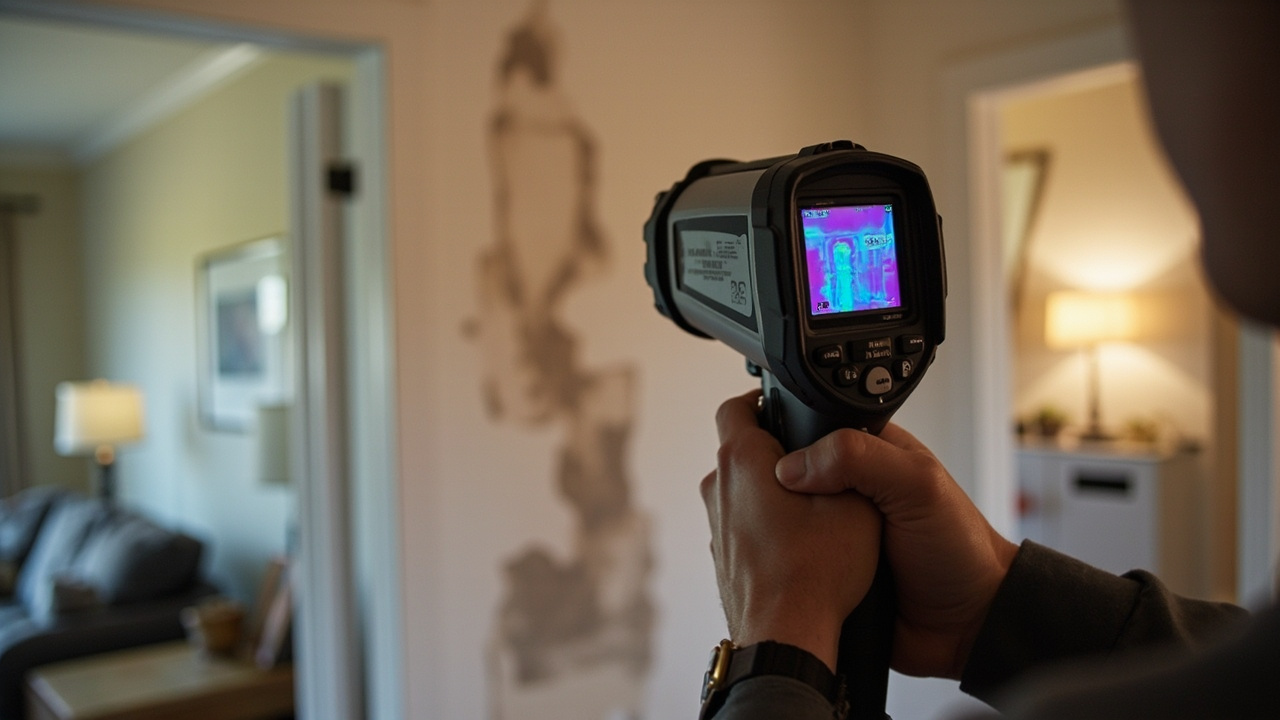
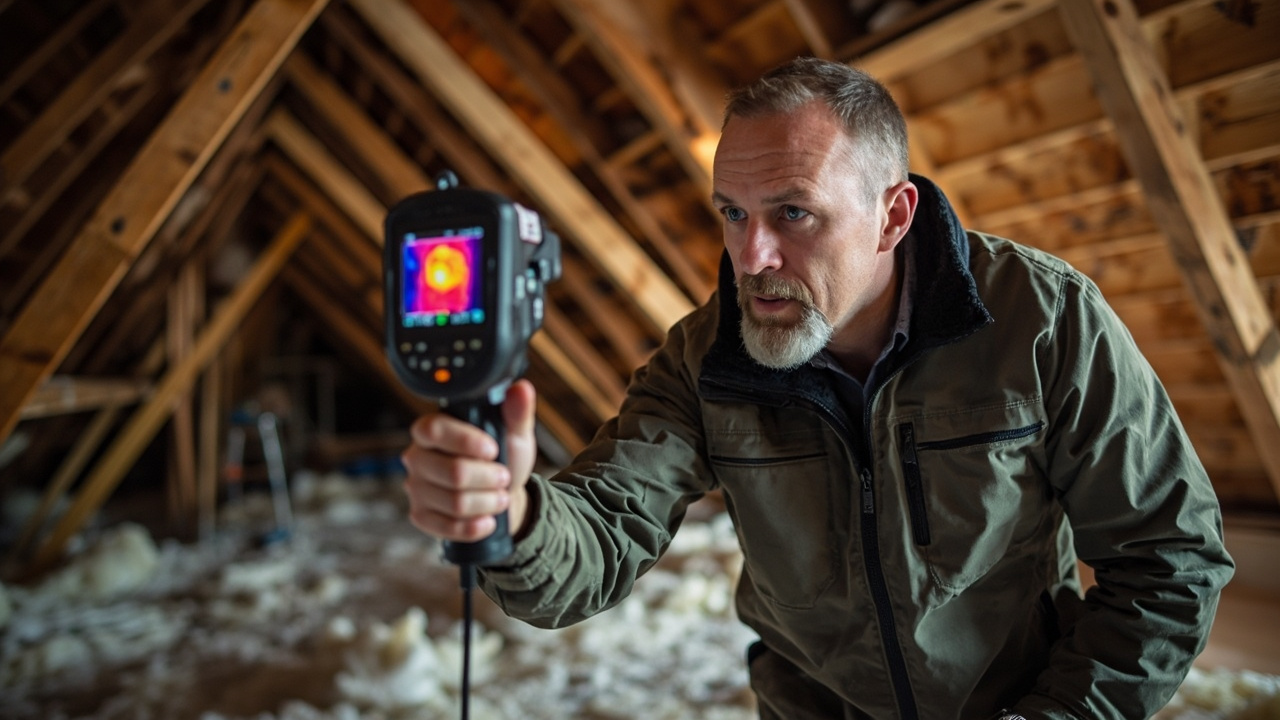
Moisture mapping identifies hidden water intrusion. We use thermal imaging cameras and moisture meters to locate wet areas inside wall cavities, under flooring, and above ceilings. If your mold growth stems from a roof leak, plumbing failure, or HVAC condensation issue, we coordinate with licensed contractors to fix the source before completing remediation.

Air quality testing before and after remediation provides documentation of spore levels. Post-remediation verification ensures we have reduced spore counts to normal ambient levels. You receive a detailed report showing the affected areas, materials removed, and clearance test results.

Professional mold removal eliminates active colonies and creates conditions that prevent regrowth. The combination of source repair, material removal, antimicrobial treatment, and moisture control gives you a permanent solution rather than temporary cosmetic fixes.

What Happens During Professional Mold Remediation

Mold Remediation & Removal in Houston – IICRC-Certified Technicians Stop Growth in 24 Hours
01

Assessment and Containment

Our technicians inspect visible mold and use moisture meters to find hidden growth. We photograph affected areas and document extent of colonization. Within hours, we establish containment barriers using 6-mil polyethylene sheeting and seal HVAC vents to prevent spore distribution. Negative air machines create pressure differentials that pull air into the work zone, not out into clean spaces.
02

Removal and Decontamination

We remove damaged materials following OSHA safety protocols. Contaminated drywall, insulation, and flooring go into sealed bags for proper disposal. Non-porous surfaces receive HEPA vacuuming to capture surface spores, followed by antimicrobial application using quaternary ammonium compounds. All debris exits through containment barriers to prevent cross-contamination. HEPA air scrubbers run continuously throughout material removal.
03

Verification and Restoration

After antimicrobial treatment, we conduct visual inspection and air quality testing. Post-remediation samples confirm spore levels match normal outdoor baselines. We provide documentation showing clearance results and photographs of completed work. Once you receive verification, reconstruction begins. We replace removed materials, match existing finishes, and restore affected spaces to pre-loss condition while maintaining moisture-resistant building practices.

Why Houston Property Owners Choose Silverline for Mold Mitigation

Mold remediation in Houston requires understanding local construction methods and climate challenges. Homes built on slab foundations with minimal crawlspace ventilation trap moisture differently than properties with raised foundations. We know how Houston's expansive clay soil affects foundation drainage and where water accumulates during heavy rain events.

Our technicians hold IICRC certifications in Applied Microbial Remediation and Water Damage Restoration. This training covers identification of different mold species, proper containment methods, and cross-contamination prevention. We do not use general cleaning crews or subcontract mold work to unlicensed technicians.

We work directly with insurance carriers to document damage and justify necessary scope of work. Mold claims often require detailed evidence showing the link between water intrusion and subsequent growth. We provide itemized estimates, moisture maps, and pre-loss documentation that supports your claim. Many Houston homeowners receive initial denial letters because their contractors failed to document properly.

Equipment matters. We use commercial-grade HEPA air scrubbers, not consumer air purifiers. Our moisture meters provide accurate readings in different building materials. Thermal imaging cameras locate temperature differentials that indicate hidden moisture. This technology costs thousands of dollars per unit. Most restoration companies rent equipment as needed, which delays response time.

Response speed determines final remediation cost. Mold doubles its coverage area every 24 to 48 hours under ideal conditions. A small patch behind a toilet can spread across an entire bathroom wall within a week. We provide same-day assessment and begin containment immediately to stop expansion.

Silverline Water Damage Restoration Houston combines technical expertise, proper equipment, and insurance documentation experience. You get complete mold abatement services from a team that understands Houston-specific challenges.

What to Expect During Your Mold Cleanup Service

Response Time and Availability

We dispatch technicians within two hours of your call for emergency mold situations. Active water leaks combined with visible growth require immediate containment to prevent spore distribution. Our teams work seven days per week, including evenings and holidays. Non-emergency assessments typically occur within 24 hours. During hurricane season or after major flooding events, we prioritize properties with vulnerable occupants like elderly residents or young children. You receive a specific arrival window, not vague same-day promises. Most residential assessments take 45 to 90 minutes depending on property size and extent of growth.

Initial Inspection and Testing

Your assessment includes visual inspection of affected areas, moisture mapping using thermal imaging, and documentation of all visible growth. We identify mold species when necessary using surface sampling, though most remediation protocols remain consistent across species types. You receive a written scope of work detailing materials requiring removal, containment procedures, and estimated timeline. We explain the difference between surface mold on non-porous materials and colonization within porous materials like drywall. Air quality testing before remediation establishes baseline spore counts for comparison after cleanup. Testing costs separate from remediation but provides essential documentation for insurance claims.

Completion Standards and Results

Remediation concludes when visual inspection shows no remaining growth and air quality testing confirms spore levels match outdoor baseline samples. We do not consider a project complete until you receive clearance documentation. Affected areas look bare after material removal, exposing studs, concrete, or structural framing. This allows you to verify complete removal and see exactly what we treated. Some companies leave minimal damage visible to reduce costs, but hidden mold behind partially removed materials causes recurring problems. Post-remediation photographs document completed work and show exactly which materials were removed versus treated in place.

Source Repair and Prevention

Mold mitigation only succeeds when the moisture source receives permanent repair. We coordinate with licensed plumbers for pipe leaks, roofers for water intrusion, and HVAC contractors for condensation issues. Houston's humidity requires whole-home dehumidification in many properties, especially homes without adequate ventilation. We recommend moisture barriers in crawlspaces, improved bathroom exhaust systems, and regular HVAC maintenance to control indoor humidity. You receive written guidance on maintaining humidity below 55% and preventing future growth. Most remediation failures occur because property owners address mold without fixing the underlying water problem.

Frequently Asked Questions

You Have Questions,
We Have Answers

How much does it cost to remove mold? +

Mold removal costs in Houston vary based on the extent of growth, location, and moisture source. Small areas under 10 square feet may run a few hundred dollars. Larger infestations affecting crawl spaces, attics, or multiple rooms can range into thousands. Houston's high humidity accelerates mold growth, which often means addressing hidden moisture intrusion behind walls or under flooring. Costs include testing, containment, removal, HEPA filtration, antimicrobial treatment, and moisture control. Insurance may cover remediation if the mold results from a covered peril like burst pipes. Get a detailed inspection before any work begins.

What is the difference between mold removal and mold remediation? +

Mold removal means physically eliminating visible mold from surfaces. Mold remediation is the comprehensive process of identifying the moisture source, containing the affected area, removing contaminated materials, treating surfaces with antimicrobials, and preventing future growth. In Houston, where humidity stays high year-round, simple removal without fixing the underlying moisture problem guarantees mold returns. Remediation addresses the root cause. Professional remediation also includes air scrubbing with HEPA filters, proper disposal of porous materials like drywall, and post-remediation testing. Removal is a band-aid. Remediation is the cure.

How much should it cost to remove mold? +

Expect to pay between a few hundred and several thousand dollars for professional mold removal in Houston. The final cost depends on square footage affected, contamination severity, material disposal needs, and structural repairs. Houston homes with poor attic ventilation or foundation drainage issues often face larger-scale mold problems, increasing costs. Professionals factor in containment setup, personal protective equipment, HEPA air scrubbers, antimicrobial treatments, and post-remediation verification. Cutting corners invites mold return, particularly in our humid climate. Budget for the source fix, not just surface cleaning. Insurance may offset costs if tied to covered water damage.

Is professional mold removal worth it? +

Yes. Professional mold remediation is worth it in Houston, where humidity and frequent storms create ideal mold conditions. Professionals use containment barriers to prevent cross-contamination, HEPA vacuums to capture airborne spores, and antimicrobial treatments that DIY methods cannot replicate. They identify hidden moisture sources behind walls or in crawl spaces that you will miss. Health risks from mold exposure include respiratory issues, allergic reactions, and asthma triggers. Improper DIY removal spreads spores throughout your home. Professional remediation protects your family, preserves property value, and prevents costly structural damage from prolonged moisture exposure.

What kills mold permanently? +

Nothing kills mold permanently if moisture remains. You must eliminate the water source first. In Houston, that means fixing roof leaks, improving attic ventilation, repairing foundation cracks, or upgrading HVAC drainage. For surface mold, antimicrobial solutions and encapsulants suppress regrowth after physical removal. Porous materials like drywall or insulation must be discarded because mold roots penetrate deep. HEPA filtration removes airborne spores during remediation. Dehumidifiers and proper ventilation maintain humidity below 60 percent to prevent future colonization. Control moisture, and mold cannot survive. Treat symptoms without fixing humidity, and mold returns within weeks.

What are signs of mold exposure? +

Signs of mold exposure include persistent coughing, sneezing, watery eyes, throat irritation, skin rashes, headaches, and fatigue. People with asthma or allergies experience worsened symptoms. You may notice a musty odor even if mold hides behind walls or under flooring. Houston's humidity makes indoor mold exposure common, particularly in homes with poor ventilation or prior water damage. Black mold produces mycotoxins that cause severe respiratory distress in vulnerable individuals. If symptoms improve when you leave the house and return indoors, suspect mold contamination. Schedule a professional inspection to locate hidden growth and assess air quality.

Can I remediate mold myself? +

You can tackle small mold patches under 10 square feet on non-porous surfaces like tile or glass. Use proper PPE, including an N95 mask, gloves, and goggles. Scrub with detergent, dry completely, and fix the moisture source. However, Houston humidity complicates DIY efforts. If mold spreads across drywall, insulation, or structural wood, call professionals. Disturbing large colonies without containment spreads spores throughout your home, worsening contamination. Hidden mold in wall cavities, attics, or crawl spaces requires specialized equipment like moisture meters and thermal imaging. DIY remediation without addressing the root moisture problem guarantees mold returns.

Why is mold remediation so expensive? +

Mold remediation is expensive because it requires specialized equipment, containment protocols, material disposal, and source repairs. In Houston, remediation often uncovers hidden water intrusion from roof leaks, foundation cracks, or HVAC condensation issues. Professionals use HEPA air scrubbers, negative air machines, antimicrobial treatments, and moisture meters. Porous materials like drywall, insulation, and carpeting must be removed and replaced. Labor-intensive containment prevents cross-contamination to unaffected areas. Post-remediation testing verifies air quality. Cutting costs invites incomplete remediation, which allows mold to return and escalates long-term expenses. You pay for thorough, safe, permanent resolution.

How long should you stay out of house after mold remediation? +

You can typically return home the same day after professional mold remediation, once containment barriers are removed and air scrubbers finish. Small projects may take a few hours. Larger jobs involving multiple rooms or structural repairs may require 24 to 72 hours before full occupancy. Post-remediation air testing confirms spore levels return to normal. In Houston, high outdoor humidity means professionals often recommend running dehumidifiers for several days after remediation to prevent regrowth. Follow your contractor's guidance. If you smell mustiness or experience respiratory symptoms upon return, request additional air quality testing before moving back in.

Can a house with mold be saved? +

Yes. Most homes with mold can be saved through professional remediation and moisture control. Houston homes frequently face mold from hurricane flooding, roof leaks, or foundation settling, but proper remediation restores safety and structural integrity. Severely rotted framing or prolonged neglect may require extensive reconstruction, but total loss is rare. The key is acting quickly. Mold spreads fast in humid climates, compromising drywall, insulation, and wood. Professional remediation removes contaminated materials, treats affected surfaces, and addresses moisture sources. With proper repairs, ventilation upgrades, and humidity control, your home becomes habitable and safe again.

How Houston's Humidity and Hurricane Risk Accelerate Mold Growth

Houston averages 75% relative humidity during summer months, well above the 60% threshold where mold spores activate and colonize. Properties near Galveston Bay, Clear Lake, or along the Gulf Coast corridor face even higher ambient moisture. Hurricane season from June through November brings additional risk. Even Category 1 storms produce enough rainfall to saturate building materials through roof leaks, window penetration, or foundation cracks. Homes that escaped flooding during Harvey still developed mold problems from prolonged humidity exposure and power outages that disabled air conditioning. This climate reality makes professional mold cleanup services essential rather than optional for Houston property owners.

Harris County and surrounding areas enforce specific mold disclosure requirements during real estate transactions, making proper remediation documentation critical for property values. Texas does not license mold remediation contractors, which means anyone can claim expertise without certification or training. Choosing IICRC-certified technicians protects you from inadequate work that fails inspection during home sales. Local building inspectors recognize proper containment methods and antimicrobial treatments that meet industry standards. We follow protocols that satisfy both insurance requirements and future buyer concerns, giving you documentation that holds value beyond immediate cleanup.
Water Damage Restoration Services in The Houston Area

Easily locate our service area and see how Silverline is strategically positioned to provide rapid water damage restoration services throughout Houston and its surrounding communities. Our commitment to prompt response means we're never far away when disaster strikes, ensuring your property gets the urgent care it needs, wherever you are within our service radius. We're here to serve you efficiently.

Address:
Silverline Water Damage Restoration Houston, 3730 Kirby Dr, Houston, TX, 77098

Additional Services We Offer

Our news updates

Latest Articles & News from The Blogs

Houston humidity presents a constant struggle for homeowners across Harris County. In 2026, the weather patterns continue to create high…

Why Houston Families Trust Our Certified Mold Inspection Services for Local Homes

Houston humidity presents a constant struggle for homeowners across Harris County. In 2026, the weather patterns continue to create high…

Dealing with Attic Water Damage from Leaky Roofs in Kingwood

Dealing with Attic Water Damage from Leaky Roofs in KingwoodHomeowners in the Kingwood area face significant moisture challenges due to…

Why a Home Dehumidifier Cannot Save Your Third Ward Living Room from Water Damage

Why a Home Dehumidifier Cannot Save Your Third Ward Living Room from Water DamageYour Third Ward home faces unique challenges…

Contact Us

Contact Silverline Water Damage Restoration Houston now for same-day mold assessment. Our certified technicians provide detailed inspection, containment, and complete remediation services. Call (832) 336-3663 for immediate response.