





menu

Structural Drying Services in Houston – Industrial-Grade Moisture Removal to Prevent Mold and Structural Collapse

When water saturates your building's structure, you need professional structural drying services that measure, monitor, and eliminate moisture from walls, floors, and framing before hidden damage becomes catastrophic.

Slider Image 1
Slider Image 2
Slider Image 3
Slider Image 4
Slider Image 5
Slider Image 7
Slider Image 8
Slider Image 9
Slider Image 10
Slider Image 11

Why Houston Buildings Need Aggressive Structural Drying After Water Damage

Houston's extreme humidity and subtropical climate make structural drying a race against time. When water infiltrates your building's structure after a pipe burst, roof leak, or flooding event, the ambient moisture in the air slows evaporation to a crawl. Without rapid structural drying, water sits trapped inside wall cavities, subfloors, and insulation for weeks, feeding mold growth and rotting framing lumber.

Most property owners assume that surface drying means the job is done. Wrong. Water wicks deep into porous materials like drywall, wood studs, and concrete slabs. In Houston's year-round humidity, these materials can retain moisture content above 15 percent for months, well past the threshold where mold colonizes and wood begins to decompose. You might not see the damage, but it is destroying your building from the inside.

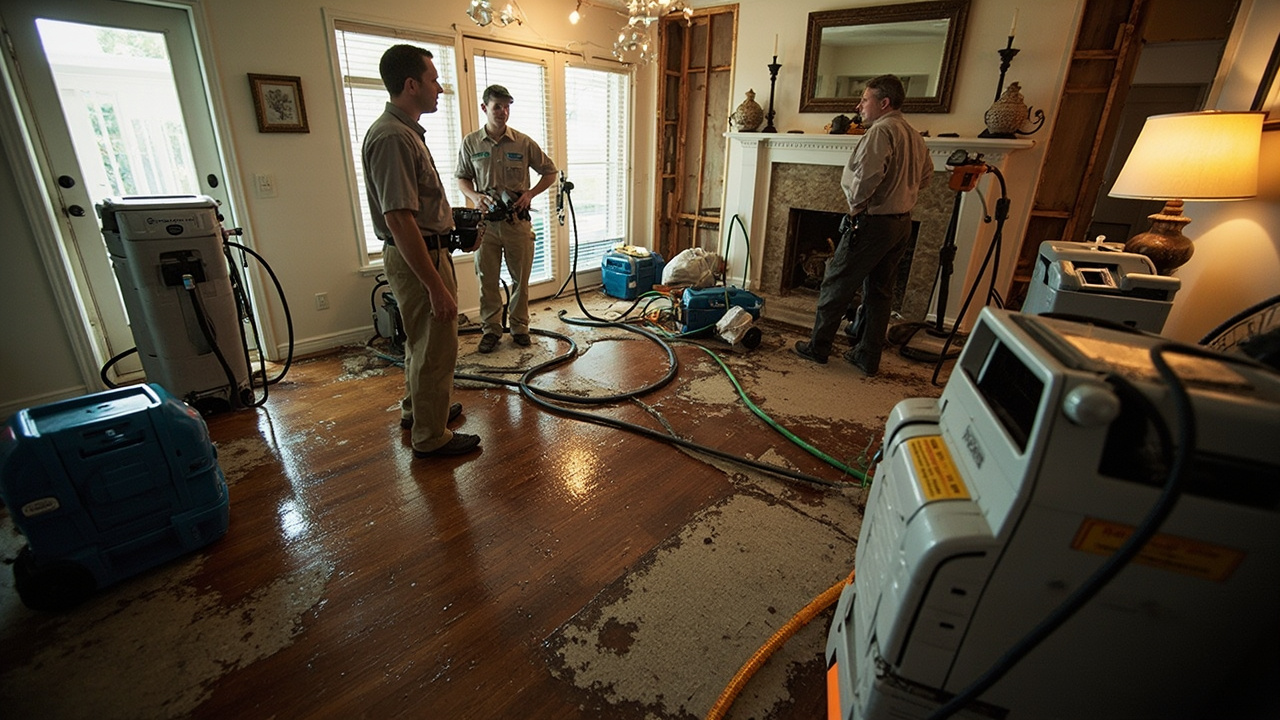
Structural dehumidification services target the hidden moisture that surface fans and towels cannot reach. Using thermal imaging, moisture meters, and negative air systems, professional structural drying isolates affected zones and creates controlled drying environments. This is not about pointing a fan at a wet wall. This is about engineering airflow, controlling vapor pressure, and measuring moisture levels in real time until your structure returns to safe, pre-loss conditions.

Restorative drying services also prevent secondary damage. When you leave moisture inside walls or under flooring, you invite wood rot, metal corrosion, electrical hazards, and indoor air quality problems. The longer water sits, the more expensive the rebuild becomes. Structure drying solutions stop the clock on damage progression and give you a building that is actually dry, not just dry to the touch.

Why Houston Buildings Need Aggressive Structural Drying After Water Damage
How Professional Structural Drying Works in Water-Damaged Buildings

How Professional Structural Drying Works in Water-Damaged Buildings

Silverline Water Damage Restoration Houston uses a science-based drying protocol that measures moisture, manages airflow, and monitors progress until your structure reaches equilibrium moisture content. This is not guesswork. Every decision is driven by data collected from penetrating and non-invasive moisture detection tools.

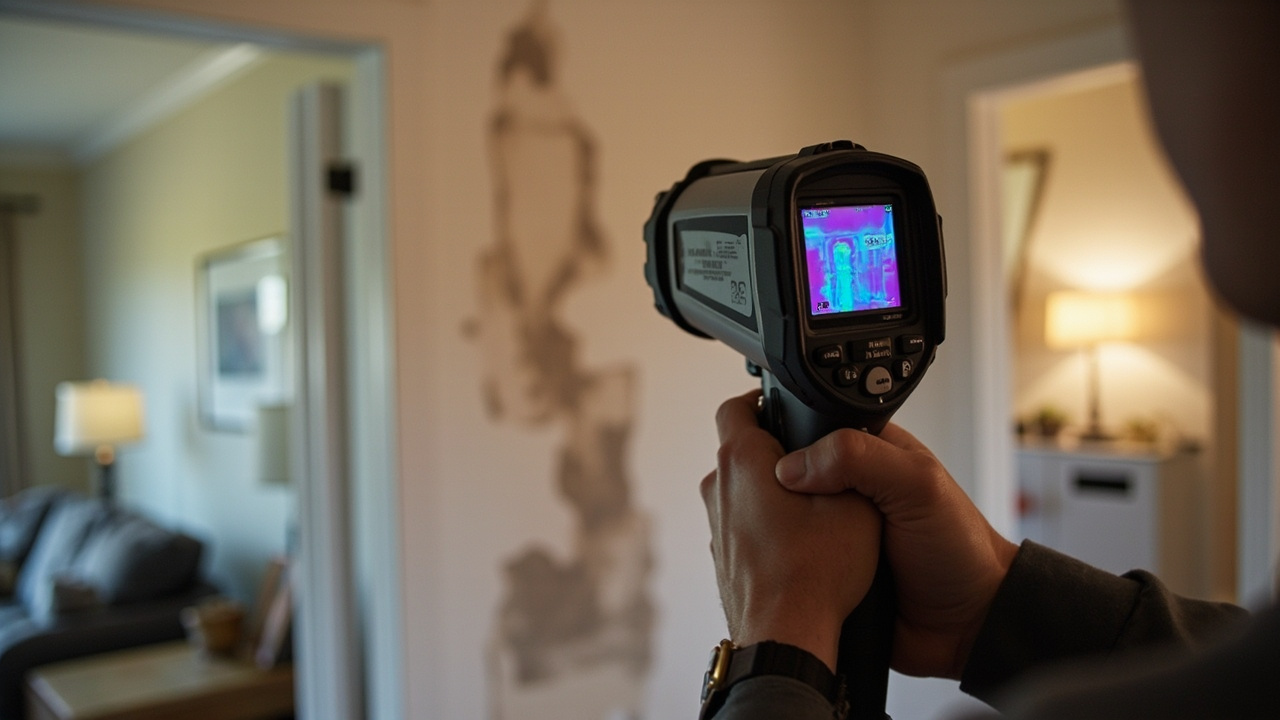
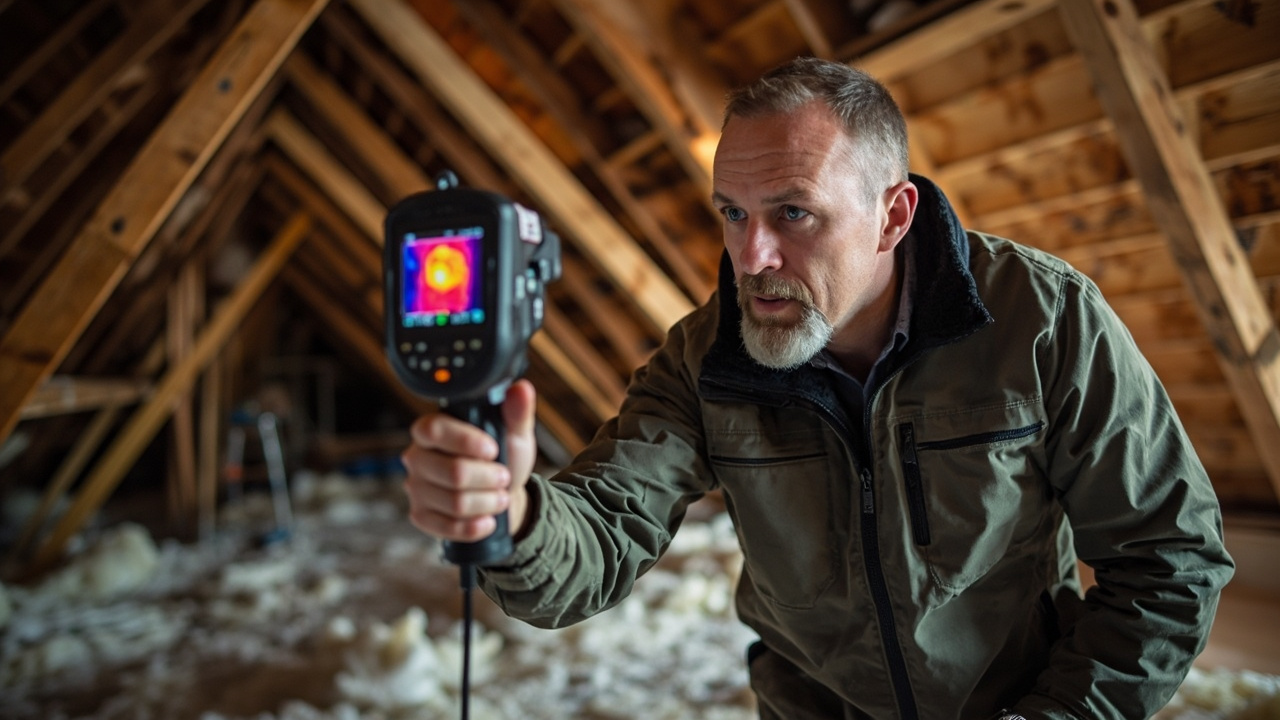
We start with a full moisture mapping using infrared thermal cameras and pin-type moisture meters. This shows us exactly where water has traveled, which materials are saturated, and how deep the moisture penetration goes. Drywall might read 40 percent moisture content while the wood framing behind it reads 25 percent. Both need targeted drying, but the methods differ.

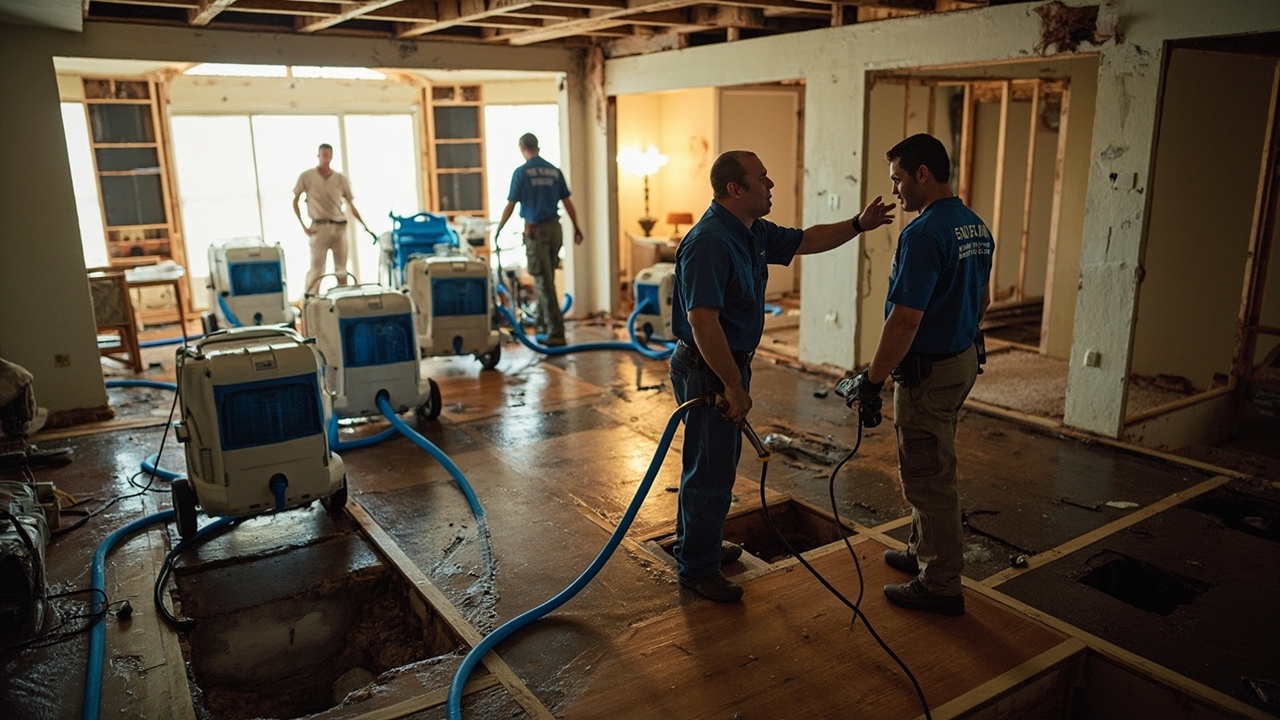
Next, we deploy industrial dehumidifiers rated for high-grain moisture removal. In Houston's humid climate, standard dehumidifiers cannot keep up with the moisture load. We use refrigerant and desiccant dehumidifiers that pull hundreds of pints per day from the air, lowering the dew point and accelerating evaporation from saturated materials. Air movers create laminar airflow across wet surfaces, moving moisture-laden air toward the dehumidifiers.

For enclosed spaces like wall cavities and subfloors, we use injectidrying systems that force warm, dry air directly into the structure. This is critical in Houston, where closed-up wall assemblies trap moisture and humidity. We drill small access points, insert drying mats or hoses, and create positive pressure zones that push moisture out of hidden voids.

We monitor drying progress daily using the same moisture meters and thermal imaging equipment. When three consecutive readings show moisture levels at or below industry standards for dry materials, the structure is considered stable. Only then do we authorize reconstruction. This is how you prevent callbacks, mold claims, and structural failures six months down the road.

What Happens During Your Structural Drying Project

Structural Drying Services in Houston – Industrial-Grade Moisture Removal to Prevent Mold and Structural Collapse
01

Moisture Assessment and Mapping

We document the full extent of water intrusion using thermal imaging and moisture meters to identify every affected material. You get a moisture map that shows exactly which walls, floors, and ceilings contain trapped water. This baseline data drives the entire drying strategy and gives your insurance adjuster the documentation needed to approve the claim without argument.
02

Equipment Deployment and Monitoring

We place industrial dehumidifiers, air movers, and injectidrying equipment in strategic positions to create controlled drying zones. Our technicians return daily to take moisture readings, adjust airflow, and rotate equipment as needed. You receive progress reports that show moisture levels dropping in real time. This phase typically runs three to seven days depending on material saturation and building size.
03

Final Verification and Clearance

Once moisture readings stabilize at safe levels for three consecutive days, we perform a final inspection and document the dry-down with photos and meter readings. You get a completion certificate that shows your structure is ready for reconstruction. No hidden moisture, no mold risk, no surprises. The building is restored to a safe, stable condition and your contractor can begin repairs with confidence.

Why Houston Property Owners Trust Silverline for Structural Drying

Structural drying is not a side service you tack onto water extraction. It requires specialized training, calibrated equipment, and an understanding of building science. Silverline Water Damage Restoration Houston focuses exclusively on water damage restoration, which means we invest in the tools and training that general contractors and carpet cleaners skip.

Our technicians hold certifications in applied structural drying and use the same psychrometric principles that industrial hygienists rely on to assess moisture in buildings. We understand how Houston's climate affects drying times, how different building materials respond to dehumidification, and how to engineer airflow in complex structures like multi-story commercial buildings and older homes with pier-and-beam foundations.

We also know the local building stock. Houston has everything from post-tensioned concrete slabs in newer subdivisions to wood-frame homes in historic districts like the Heights and Montrose. Drying strategies differ dramatically depending on construction type. A concrete slab foundation requires different equipment and longer drying times than a raised pier-and-beam structure with open airflow underneath. We tailor our approach to your specific building, not a one-size-fits-all checklist.

Insurance companies trust our documentation because it follows industry standards set by the Institute of Inspection, Cleaning and Restoration Certification. When we say a structure is dry, we have the data to prove it. That means fewer claim disputes, faster approvals, and less out-of-pocket expense for you.

We also work directly with your contractor to coordinate the rebuild. Once drying is complete, we walk the site with your builder to confirm that framing, insulation, and subfloors are ready for closure. This eliminates finger-pointing and ensures that everyone is working from the same set of facts.

What to Expect When You Hire Structural Drying Services

Response Time and Scheduling

We dispatch a technician within two hours of your call, even on weekends and holidays. Structural drying is time-sensitive. Every hour of delay allows moisture to migrate deeper into building materials and increases the risk of mold colonization. Our trucks carry moisture meters, thermal cameras, and initial drying equipment so we can begin the process immediately after water extraction. You do not wait days for an assessment appointment. We assess, document, and start drying on the first visit.

Moisture Assessment and Documentation

The first step is always a full moisture survey using infrared thermal imaging and penetrating moisture meters. We map the affected areas, measure moisture content in walls, ceilings, and floors, and document baseline conditions with photos and written reports. You receive a copy of this assessment for your insurance claim. We also identify any materials that need removal before drying can begin, such as wet insulation, saturated drywall, or damaged flooring.

Drying Results and Structural Stability

You can expect most structural drying projects to reach safe moisture levels within three to seven days, depending on material saturation and ambient conditions. We do not remove equipment until moisture readings meet industry standards for dry materials. At project completion, you receive a drying log that documents daily moisture levels and a final certification letter stating that the structure is ready for reconstruction. This protects you from mold claims and structural failures down the line.

Post-Drying Support and Coordination

After drying is complete, we coordinate with your contractor to ensure a smooth handoff. If you need help navigating your insurance claim, we provide detailed documentation and can speak directly with your adjuster to explain the scope of work. We also offer follow-up moisture checks if your contractor discovers unexpected issues during reconstruction. Our goal is to give you a building that is structurally sound and ready for safe occupancy.

Frequently Asked Questions

You Have Questions,
We Have Answers

What is structural drying? +

Structural drying is the controlled process of removing moisture from building materials after water damage. Technicians use industrial-grade dehumidifiers, air movers, and moisture meters to extract water trapped in walls, floors, and ceilings. The goal is to prevent mold growth, wood rot, and structural compromise. In Houston, high humidity and frequent flooding make proper structural drying critical. You cannot rely on air drying alone in this climate. The process typically takes three to five days depending on saturation levels. Professionals monitor moisture readings daily until materials return to safe, pre-loss conditions.

Is water damage restoration worth it? +

Yes. Ignoring water damage in Houston leads to mold growth within 24 to 48 hours due to high humidity levels. What starts as a small leak can compromise structural integrity, destroy insulation, and create health hazards. Professional restoration prevents secondary damage that costs far more than initial repairs. Insurance companies often deny claims when homeowners delay action, viewing it as negligence. Quick restoration protects your home's value and prevents costly rebuilding later. The moisture does not disappear on its own in Houston's climate. Restoration addresses hidden damage behind walls and under flooring that you cannot see.

How much does it cost to get rid of water damage? +

Water damage costs vary based on severity, affected square footage, and contamination level. Minor leaks affecting one room typically cost less than major flooding. Category 3 water (sewage) requires specialized treatment and costs more than clean water cleanup. Houston's clay soil and foundation issues can increase costs when water damage affects structural elements. Insurance often covers sudden, accidental damage but not gradual leaks or maintenance issues. Emergency mitigation reduces overall costs by preventing mold and structural deterioration. Get multiple estimates, but choose based on equipment quality and experience, not just price. Cheap fixes lead to recurring problems.

What is applied structural drying? +

Applied structural drying is the science-based methodology technicians use to dry water-damaged buildings efficiently. It combines psychrometry, airflow principles, and moisture measurement to create optimal drying conditions. Technicians calculate grain depression, vapor pressure, and specific humidity to determine equipment placement and runtime. This approach differs from simply setting up fans and hoping for results. In Houston's humid environment, applied structural drying principles are critical because ambient conditions work against evaporation. Certified technicians adjust dehumidification strategies based on real-time moisture readings. The Institute of Inspection Cleaning and Restoration Certification teaches these protocols to ensure proper restoration outcomes.

What does mold remediation typically cost? +

Mold remediation costs depend on contamination extent, location accessibility, and material removal requirements. Small areas under 10 square feet cost less than whole-room infestations. Hidden mold behind walls or in HVAC systems increases costs due to access difficulty. Houston's humidity creates ideal mold conditions, making prevention through proper drying critical. Category 3 water damage often requires remediation, adding to restoration costs. Insurance may cover mold if it results from a covered peril like burst pipes, but not from long-term neglect. Address water problems immediately to avoid remediation costs entirely. Prevention through structural drying is always cheaper than remediation.

Does homeowners insurance pay for structural damage? +

Homeowners insurance typically covers sudden structural damage from covered perils like storms, burst pipes, or appliance failures. Gradual damage from maintenance neglect is excluded. In Houston, foundation issues from soil movement often fall into grey areas requiring documentation of the triggering event. Your policy lists specific covered and excluded perils. Read your declarations page carefully. Insurance adjusters will investigate whether damage was sudden or occurred over time. Water damage that leads to structural problems is usually covered if you act quickly. Document everything with photos and maintain records of home maintenance. File claims promptly to avoid disputes about timing.

Does home insurance cover water damage restoration? +

Home insurance covers water damage restoration from sudden, accidental events like burst pipes, appliance malfunctions, or storm-related leaks. Flood damage requires separate flood insurance, critical for Houston homeowners in flood zones. Gradual leaks from poor maintenance are excluded. Sewage backups may require additional riders. Your policy distinguishes between covered perils and exclusions. Insurance pays for emergency mitigation to prevent further damage, which is why you should act immediately after discovery. Keep receipts for all emergency services. Adjusters evaluate whether damage was preventable through reasonable maintenance. Houston's hurricane exposure makes understanding your coverage limits essential before disaster strikes.

How much does it cost to remove moisture from walls? +

Moisture removal from walls depends on water source, wall construction, and saturation depth. Drywall absorbs water quickly and may require replacement if saturated beyond the lower two feet. Exterior walls with insulation take longer to dry than interior partition walls. Professional extraction uses moisture meters to track progress and prevent over-drying or under-drying. In Houston's humid climate, you need dehumidifiers, not just fans. Technicians may drill small weepage holes at baseboards to promote airflow in wall cavities. Proper drying prevents mold growth and maintains structural integrity. Attempting DIY moisture removal often leaves hidden dampness that causes problems later.

How do you know if a plumber is ripping you off? +

This question relates to plumbing, not structural drying. However, warning signs include refusing to provide written estimates, demanding large upfront payments, or diagnosing problems without proper inspection. Legitimate plumbers explain issues clearly and show you the problem when possible. They provide itemized estimates and pull permits for major work. In Houston, verify licensing through local authorities. Get multiple quotes for large jobs. Be wary of scare tactics about immediate catastrophic failure. Quality plumbers warranty their work and carry proper insurance. Ask for references from recent jobs. Transparency about pricing and process indicates professionalism, while vague explanations suggest trouble.

Does homeowners insurance cover water damage? +

Homeowners insurance covers water damage from sudden, accidental events like burst pipes, appliance leaks, or roof damage during storms. Flood damage requires separate flood insurance, essential for Houston properties in FEMA flood zones. Gradual damage from deferred maintenance is excluded. Your policy defines covered perils specifically. Insurance pays for water extraction, structural drying, and restoration when damage results from a covered event. You must mitigate damage promptly to maintain coverage. Take photos, document losses, and keep receipts. Review your policy annually because Houston's weather risks require adequate coverage limits. Understand your deductible and replacement cost versus actual cash value provisions.

How Houston's Humidity and Hurricane Risk Make Structural Drying Critical

Houston averages over 75 percent relative humidity year-round, which creates a constant challenge for structural drying. When water infiltrates your building during a storm surge, pipe burst, or roof leak, the ambient moisture in the air slows evaporation dramatically. Materials that would dry in three days in Phoenix or Denver can take two weeks in Houston without aggressive dehumidification. This extended drying window is why mold claims are so common here. Without professional structural drying services that control humidity and airflow, your building becomes a mold incubator within 48 hours.

Local contractors and insurance adjusters in Houston have seen the consequences of incomplete drying too many times. Walls that look dry on the surface still harbor 20 percent moisture content inside the cavity. Six months later, the homeowner calls with black mold growing behind baseboards and a musty smell that will not go away. This is why structure drying solutions in Houston require daily monitoring and professional-grade dehumidification equipment. Local building codes and insurance requirements increasingly mandate third-party drying verification for large claims. Choosing a restoration company with moisture mapping technology and documented drying protocols protects your investment and your health.
Water Damage Restoration Services in The Houston Area

Easily locate our service area and see how Silverline is strategically positioned to provide rapid water damage restoration services throughout Houston and its surrounding communities. Our commitment to prompt response means we're never far away when disaster strikes, ensuring your property gets the urgent care it needs, wherever you are within our service radius. We're here to serve you efficiently.

Address:
Silverline Water Damage Restoration Houston, 3730 Kirby Dr, Houston, TX, 77098

Additional Services We Offer

Our news updates

Latest Articles & News from The Blogs

Houston humidity presents a constant struggle for homeowners across Harris County. In 2026, the weather patterns continue to create high…

Why Houston Families Trust Our Certified Mold Inspection Services for Local Homes

Houston humidity presents a constant struggle for homeowners across Harris County. In 2026, the weather patterns continue to create high…

Dealing with Attic Water Damage from Leaky Roofs in Kingwood

Dealing with Attic Water Damage from Leaky Roofs in KingwoodHomeowners in the Kingwood area face significant moisture challenges due to…

Why a Home Dehumidifier Cannot Save Your Third Ward Living Room from Water Damage

Why a Home Dehumidifier Cannot Save Your Third Ward Living Room from Water DamageYour Third Ward home faces unique challenges…

Contact Us

Call Silverline Water Damage Restoration Houston at (832) 336-3663 for immediate structural drying services. We respond within two hours, document moisture levels for your insurance claim, and dry your building to industry standards. Do not let hidden moisture destroy your property.