





menu

Basement Waterproofing Guide Houston – Protect Your Home from Foundation Damage and Flooding

Learn proven foundation waterproofing methods and basement sealing techniques designed specifically for Houston's high water table, clay soil expansion, and hurricane-prone climate to keep your basement dry year-round.

Slider Image 1
Slider Image 2
Slider Image 3
Slider Image 4
Slider Image 5
Slider Image 7
Slider Image 8
Slider Image 9
Slider Image 10
Slider Image 11

Why Houston Basements Face Unique Water Intrusion Challenges

Houston presents a triple threat to basement integrity. The expansive clay soil contracts during dry spells and swells during heavy rains, creating foundation movement that opens cracks and seams. Add the high water table across much of Harris County, and you create constant hydrostatic pressure pushing moisture through foundation walls. Then factor in the hurricane and tropical storm exposure that dumps 10 to 20 inches of rain in 48 hours, and you understand why wet basement solutions are not optional here.

Most homeowners discover basement water issues after a major storm event. You might notice dampness along the base of walls, water stains on concrete, or that musty smell that signals mold growth. These symptoms point to compromised foundation waterproofing. The reality is that Houston's climate demands proactive basement sealing techniques, not reactive repairs after damage occurs.

Understanding how to waterproof a basement in this region requires knowledge of local soil composition, typical foundation construction methods used in Houston neighborhoods built between the 1960s and 1990s, and the seasonal rainfall patterns that stress drainage systems. Generic basement waterproofing approaches fail here because they do not account for the specific soil mechanics and water table fluctuations in the greater Houston metro area.

This leaky basement repair guide addresses the root causes specific to Houston homes and provides actionable information on assessment, prevention, and remediation strategies that work in Gulf Coast conditions.

Why Houston Basements Face Unique Water Intrusion Challenges
Proven Foundation Waterproofing Methods That Work in Houston

Proven Foundation Waterproofing Methods That Work in Houston

Effective basement waterproofing in Houston requires a multi-layer defense system, not a single product or technique. The approach combines exterior drainage management, interior moisture barriers, and foundation repair when necessary.

Start with exterior grading and drainage. Water must move away from the foundation, not pool against it. This means proper slope in landscaping, functional gutters with downspouts that discharge at least 10 feet from the foundation, and in many cases, a French drain system installed along the exterior footing. In areas with severe clay soil issues, pier and beam foundations often outperform slab construction for water management, but most Houston homes have slab foundations that require different strategies.

Interior basement sealing techniques include applying hydraulic cement to active cracks, installing vapor barriers on walls and floors, and using crystalline waterproofing compounds that penetrate concrete and react with moisture to form waterproof crystals within the substrate. These compounds are particularly effective in Houston because they work from the inside out, sealing capillaries and micro-cracks that allow water migration through concrete.

For basements with persistent groundwater intrusion, a sump pump system becomes necessary. The pump sits in a basin at the lowest point of the basement floor, collecting water that enters through weep holes in the foundation or through a perimeter drain tile system. Battery backup systems are critical here because Houston power outages during storms are common.

Silverline Water Damage Restoration Houston combines these methods based on your specific foundation type, soil conditions, and water intrusion patterns. One-size-fits-all solutions fail in this climate.

Your Basement Waterproofing Assessment and Implementation Path

Basement Waterproofing Guide Houston – Protect Your Home from Foundation Damage and Flooding
01

Foundation and Moisture Inspection

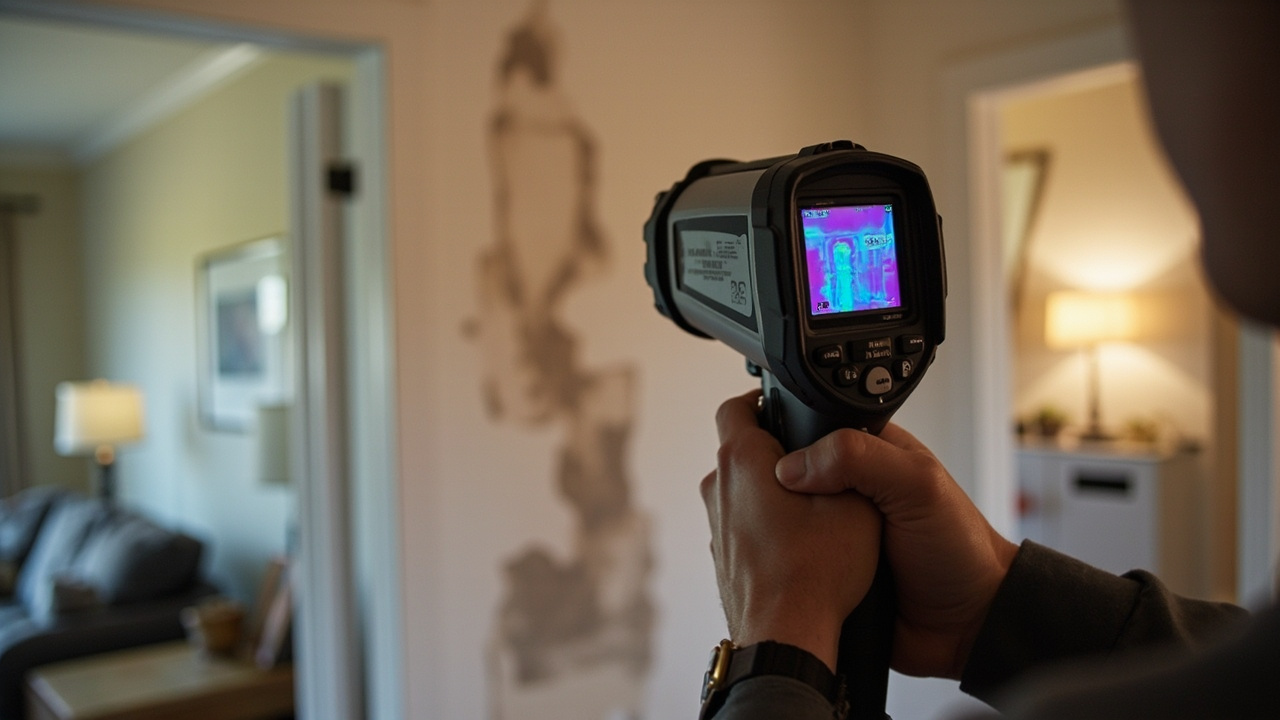
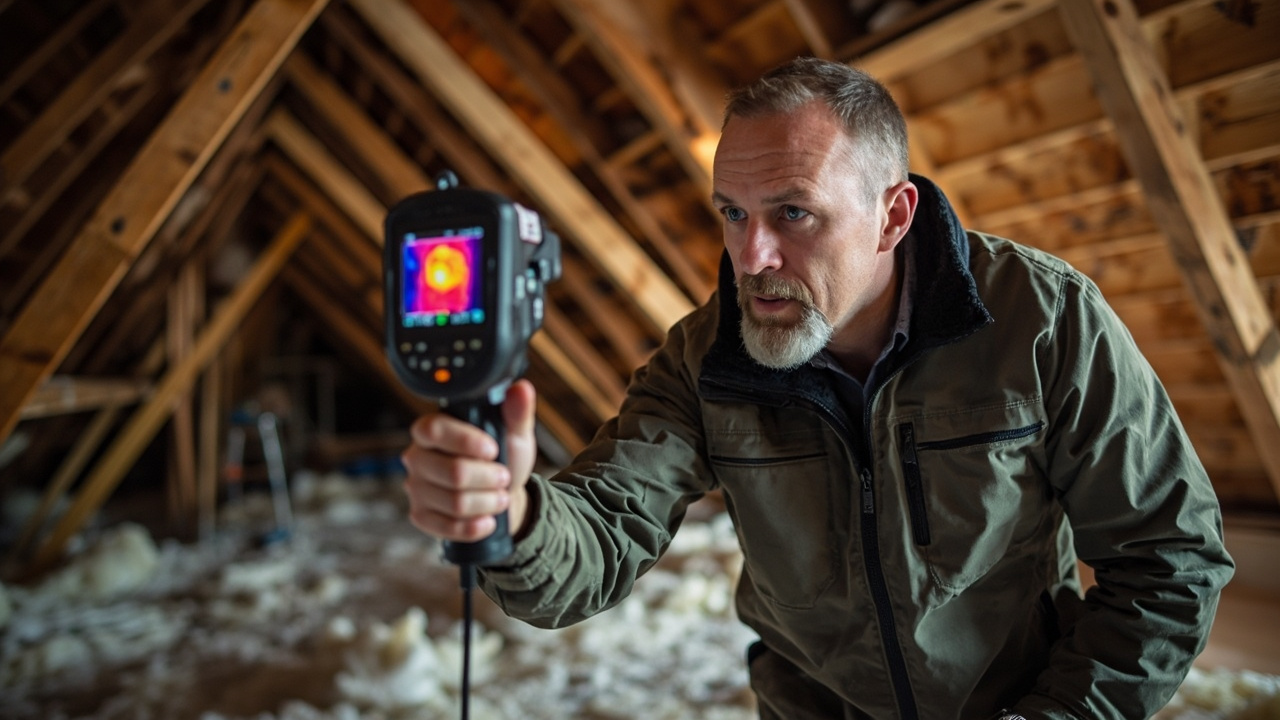
We evaluate your foundation for cracks, settlement, and structural integrity using moisture meters and thermal imaging cameras. This inspection identifies active water entry points, hydrostatic pressure indicators, and soil drainage patterns around your home. We document current moisture levels in walls and floors to establish baseline conditions and determine whether you face surface water intrusion or groundwater pressure issues.
02

Customized Waterproofing Plan

Based on inspection findings, we design a waterproofing system specific to your foundation type and water source. This plan might include exterior drainage improvements, interior sealant application, crack injection with polyurethane or epoxy resins, installation of drainage channels, or sump pump systems. We explain which basement sealing techniques address your specific problem and why certain methods work better in Houston clay soil conditions than others.
03

Implementation and Verification

We execute the waterproofing plan using commercial-grade materials rated for below-grade applications in high-humidity climates. After installation, we conduct moisture testing to verify effectiveness and provide documentation of work completed. You receive maintenance guidelines specific to your system, including sump pump testing schedules, drainage inspection intervals, and signs that indicate when professional reassessment is needed. Follow-up inspections ensure long-term performance.

Why Houston Homeowners Trust Local Basement Waterproofing Expertise

Basement waterproofing is not a national one-size solution. What works in Arizona fails in Houston. The difference is local knowledge of soil conditions, water table depth, building code requirements, and climate patterns.

Silverline Water Damage Restoration Houston has worked with foundations across Harris County, Fort Bend County, and Montgomery County. We understand that homes in Meyerland face different challenges than properties in The Woodlands. Meyerland sits in a floodplain with a shallow water table and experiences frequent street flooding. The Woodlands has better elevation but sits on expansive clay that creates foundation movement. These differences demand different waterproofing approaches.

We work with the reality of Houston building practices. Many homes built before 1980 lack proper foundation drainage because builders did not anticipate the soil expansion issues that became apparent decades later. We retrofit these older homes with modern drainage systems and waterproofing membranes designed for the Gulf Coast climate.

Our technicians hold certifications in water damage restoration and foundation repair. We work with structural engineers when foundation movement is present and coordinate with insurance adjusters when storm damage is involved. This collaborative approach ensures you get comprehensive solutions, not band-aid fixes.

Local building codes in Houston require specific drainage standards for new construction and major renovations. We ensure all waterproofing work meets or exceeds these standards, which protects your investment and maintains code compliance if you sell your home.

The Houston area experiences water damage at rates higher than the national average due to our weather patterns. You need a contractor who understands this reality and designs systems that withstand tropical storms, not just typical rainfall.

What to Expect from Professional Basement Waterproofing Services

Timeline and Scheduling Flexibility

Most basement waterproofing projects require two to five days depending on scope. Exterior drainage work takes longer due to excavation and soil removal. Interior sealant applications can often be completed in one to two days. We schedule work around your availability and Houston weather patterns. Summer heat and afternoon thunderstorms sometimes require morning-only work schedules. Emergency water intrusion situations receive priority response, with temporary mitigation measures implemented within hours and permanent solutions scheduled immediately after. We provide realistic timelines based on your specific project requirements.

Comprehensive Foundation and Drainage Assessment

The initial assessment takes 60 to 90 minutes and includes foundation inspection, moisture testing, drainage evaluation, and soil analysis. We use thermal imaging to detect hidden moisture behind walls and moisture meters to measure concrete saturation levels. You receive a written report documenting findings, photographs of problem areas, and recommended solutions with explanations of why each method is necessary for your specific situation. This assessment identifies not just symptoms but root causes, which prevents recurring water intrusion after repairs. We answer your questions and explain technical aspects in plain language.

Dry, Protected Basement Space

Properly waterproofed basements remain dry during heavy rain events and show no moisture stains, efflorescence, or musty odors. Humidity levels stay below 60 percent, which prevents mold growth and protects stored items. Foundation cracks are sealed with materials rated for below-grade hydrostatic pressure. Drainage systems move water away from the foundation before it can enter. Sump pumps activate automatically when water accumulates. You gain usable storage space or living area that stays dry year-round. The basement becomes an asset, not a liability that requires constant monitoring during storms.

Ongoing Support and Maintenance Guidance

We provide maintenance instructions specific to your waterproofing system, including sump pump testing procedures, drainage cleaning schedules, and signs that indicate potential problems. Many waterproofing materials carry manufacturer warranties when installed by certified contractors. We document all work and provide warranty information for products used. Annual inspections are recommended to verify system performance and identify minor issues before they become major problems. We remain available for questions and follow-up visits. If water intrusion recurs, we return to diagnose the cause and determine whether it is related to the original issue or a new problem.

Frequently Asked Questions

You Have Questions,
We Have Answers

What is the best waterproofing method for basements? +

Interior drainage systems combined with sump pump installation work best for Houston basements. The high water table and clay soil expansion in this region make exterior-only solutions less reliable. A proper system includes perforated drain tile along the footer, a gravel bed for filtration, vapor barrier installation, and a battery backup sump pump for hurricane season power outages. Exterior waterproofing membranes help but address only half the problem. French drains can supplement the system if you have yard space. Houston's humidity requires dehumidifier pairing to control moisture year-round. This combined approach handles both hydrostatic pressure and seasonal flooding.

How much does it cost to waterproof a 1000 sq ft basement? +

Waterproofing a 1000 square foot basement involves multiple cost factors. Interior drainage with sump pump installation forms the foundation of most systems. Material quality affects longevity, especially in Houston's aggressive clay soil environment. Labor costs vary based on foundation accessibility and existing damage. You need to consider crack repair, drainage tile installation, vapor barriers, and potential french drain work. Hurricane-season flooding risk may require battery backup systems. Dehumidifier installation helps manage humidity. Insurance rarely covers preventive waterproofing, though damage remediation may qualify. Get multiple quotes from contractors familiar with Houston's high water table challenges before committing.

What are common waterproofing mistakes? +

Houston homeowners make several waterproofing errors that worsen basement moisture. Relying solely on paint-on sealers like Drylok traps water inside foundation walls, causing spalling and structural damage. Ignoring exterior grading allows water to pool against foundations during heavy rains. Skipping sump pump battery backups leaves you vulnerable during hurricane power outages. Installing drainage systems without proper slope prevents water flow. Using inadequate vapor barriers in our humid climate creates condensation problems. Failing to address foundation cracks before waterproofing wastes money. Not testing soil drainage capacity leads to overwhelmed systems. Always address the water source first, then control interior moisture.

Why not use Drylok on basement walls? +

Drylok and similar masonry paints create a moisture barrier on the interior surface, which sounds helpful but causes problems in Houston basements. These products trap water inside concrete and block walls, leading to efflorescence, spalling, and structural deterioration. Our clay soil creates constant hydrostatic pressure that pushes water through foundations. When Drylok blocks interior evaporation, that trapped moisture damages the wall from within. The paint eventually fails, peeling off in sheets. You need drainage systems that redirect water away from foundations, not cosmetic fixes that hide symptoms. Drylok works for above-grade applications but belongs nowhere near below-grade basement walls in this climate.

What are the three types of basement waterproofing? +

Basement waterproofing falls into three categories. Interior waterproofing includes drainage systems with sump pumps, vapor barriers, dehumidifiers, and crack injection. This method manages water that penetrates the foundation. Exterior waterproofing applies membranes and drainage boards to foundation walls, then adds french drains and proper grading to redirect surface water. This prevents water entry. Drainage solutions combine both approaches for maximum protection in Houston's challenging conditions. Most effective systems use interior drainage as primary defense with exterior improvements for surface water management. Our expansive clay soil and high water table demand comprehensive solutions. Single-method approaches fail when hurricane rains overwhelm partial systems.

Is Drylok better than other waterproofing methods? +

Drylok falls short compared to proper waterproofing methods for Houston basements. Paint-on sealers provide temporary cosmetic improvement but do not address hydrostatic pressure from our clay soil and high water table. Water finds weaknesses and eventually pushes through or around the coating. Interior drainage systems with sump pumps actively remove water, preventing buildup. Exterior membranes and french drains redirect water before it contacts foundations. These engineered solutions handle Houston's heavy rainfall and flooding risk. Drylok costs less initially but fails faster, requiring repeated applications. Invest in drainage systems that solve the problem rather than products that mask symptoms until the next storm.

Will insurance pay for basement waterproofing? +

Insurance policies treat basement waterproofing as preventive maintenance, which homeowners must fund themselves. However, if water damage occurs from covered perils like sudden pipe bursts or hurricane flooding, remediation costs may qualify for claims. Standard policies exclude damage from lack of maintenance, gradual leaks, or ground water seepage. Flood insurance through NFIP covers certain basement items during declared flood events but not the waterproofing work itself. Houston's flood risk makes documentation critical. Take photos of drainage systems and maintenance records. This evidence helps if you need to prove you maintained your property properly before filing claims for covered water damage events.

What is the cheapest way to waterproof a basement? +

The most affordable basement waterproofing starts with exterior solutions you can tackle yourself. Extend downspouts at least six feet from foundations and ensure proper grading slopes water away from your home. Clean gutters prevent overflow against walls. Seal visible cracks with hydraulic cement. Add window well covers to prevent rain entry. Install a basic dehumidifier for moisture control in Houston's humidity. These steps cost minimal money but require physical effort. However, if you have active water intrusion, these measures only delay professional intervention. Interior drainage systems cost more upfront but prevent expensive structural damage. Cheap fixes become expensive when foundations deteriorate.

How much is it to finish a 2000 sq ft basement? +

Finishing a 2000 square foot basement involves costs beyond simple waterproofing, though proper moisture control must come first. Framing, electrical, plumbing, HVAC, drywall, flooring, and fixtures all add up quickly. In Houston, you need robust dehumidification and mold-resistant materials due to our climate. Code compliance for egress windows and ceiling height affects feasibility and cost. Foundation condition determines if you need waterproofing before finishing work begins. Labor rates vary across the metro area. Material choices from budget to premium dramatically shift total investment. Permits and inspections add administrative costs. Get detailed quotes that separate waterproofing from finishing work to understand true project scope.

What is the negative side of waterproofing? +

Basement waterproofing carries potential drawbacks you should understand before starting work. Installation disrupts landscaping if you add exterior french drains or excavate for membrane application. Interior systems require jackhammering concrete floors for drainage tile, creating dust and noise. Sump pumps need electricity, increasing utility costs and creating power outage vulnerability without battery backup. Maintenance includes pump testing, dehumidifier filter changes, and drain cleaning. Poor installation can trap moisture in walls or create new drainage problems. Some methods reduce usable floor space. In Houston's clay soil, seasonal foundation movement can stress waterproofing systems. Despite these concerns, the alternative of uncontrolled water damage costs far more.

How Houston's Clay Soil and High Water Table Complicate Basement Waterproofing

Houston sits on expansive clay soil that swells up to 10 percent when saturated and shrinks during dry periods. This constant movement creates foundation stress that opens cracks and separates seams where walls meet floors. The water table across much of Harris County sits just 5 to 15 feet below ground surface, creating constant hydrostatic pressure against basement walls and floors. During heavy rain events, the water table rises quickly, pushing groundwater through any available opening. These conditions make Houston basements particularly vulnerable to water intrusion and require waterproofing systems designed specifically for high water table environments.

Effective basement waterproofing in Houston requires understanding local soil mechanics and drainage patterns that differ significantly from other regions. Contractors unfamiliar with Gulf Coast conditions often recommend solutions that fail within months because they do not account for soil expansion pressure or water table fluctuations. Silverline Water Damage Restoration Houston specializes in foundation waterproofing methods proven effective in this specific environment. We work with local soil conditions, not against them, and design systems that accommodate seasonal changes in groundwater levels and soil moisture content.
Water Damage Restoration Services in The Houston Area

Easily locate our service area and see how Silverline is strategically positioned to provide rapid water damage restoration services throughout Houston and its surrounding communities. Our commitment to prompt response means we're never far away when disaster strikes, ensuring your property gets the urgent care it needs, wherever you are within our service radius. We're here to serve you efficiently.

Address:
Silverline Water Damage Restoration Houston, 3730 Kirby Dr, Houston, TX, 77098

Additional Services We Offer

Our news updates

Latest Articles & News from The Blogs

Houston humidity presents a constant struggle for homeowners across Harris County. In 2026, the weather patterns continue to create high…

Why Houston Families Trust Our Certified Mold Inspection Services for Local Homes

Houston humidity presents a constant struggle for homeowners across Harris County. In 2026, the weather patterns continue to create high…

Dealing with Attic Water Damage from Leaky Roofs in Kingwood

Dealing with Attic Water Damage from Leaky Roofs in KingwoodHomeowners in the Kingwood area face significant moisture challenges due to…

Why a Home Dehumidifier Cannot Save Your Third Ward Living Room from Water Damage

Why a Home Dehumidifier Cannot Save Your Third Ward Living Room from Water DamageYour Third Ward home faces unique challenges…

Contact Us

Do not wait for the next storm to reveal basement water problems. Call (832) 336-3663 now to schedule your comprehensive foundation and moisture assessment. We identify vulnerabilities before they become expensive damage and provide clear solutions that work in Houston conditions.