





Spring sits in the heart of Harris County's flood-prone terrain, where heavy clay soil prevents proper drainage and seasonal storms drop several inches of rain in hours. Homes near Spring Creek and its tributaries face elevated flood risk during hurricane season and severe thunderstorms that roll through from the Gulf. The area's high water table means groundwater can seep through foundation cracks during prolonged wet periods.
Older neighborhoods around Old Town Spring feature pier and beam foundations vulnerable to moisture intrusion, while newer developments in Klein and Champion Forest have slab foundations that hide water damage until extensive deterioration occurs. Spring's humid subtropical climate creates ideal conditions for mold growth within 24 to 48 hours of water exposure. Indoor humidity regularly exceeds 70 percent during summer months, accelerating microbial colonization on wet building materials.
Local building codes require proper waterproofing in new construction, but many established homes in Gleannloch Farms and Cypresswood were built before current standards. Burst pipes during rare freezes, backed-up sewers from tree root intrusion, and failing water heaters create additional water damage scenarios that demand immediate professional intervention to prevent permanent structural compromise.
Silverline Water Damage Restoration Houston operates across the greater Spring metro with a dispatch model built for speed. Our crews stage equipment throughout North Harris County to reach affected properties in under an hour. When you call our emergency line, you reach a live technician who can deploy immediately, not an answering service or offshore call center.
We staff IICRC-certified water damage restoration technicians trained in structural drying protocols and microbial remediation. Our teams understand how water behaves in different foundation types common to Spring. Pier and beam foundations require different extraction approaches than post-tension slab construction. We measure moisture content in framing lumber, drywall, and subflooring using calibrated meters to verify complete drying before reconstruction begins.
Insurance coordination separates professional restoration from general contractors dabbling in water damage. We document losses with detailed photo inventories, moisture mapping, and equipment logs that adjusters require for claim approval. Our estimators write Xactimate proposals matching carrier pricing guidelines, eliminating disputes that delay payment. We bill insurance directly in most cases, minimizing your out-of-pocket expense.
Spring homeowners return to us because we prevent secondary damage that multiplies repair costs. Rapid response stops water migration into wall cavities and insulation. Proper drying prevents mold growth that triggers expensive remediation and health concerns. Our process protects your investment and gets your home back to pre-loss condition without the chaos that overwhelms families already dealing with disaster stress.

Our crews dispatch from staging locations across North Harris County within one hour of your call. Fast response limits water migration into porous materials and reduces total drying time. We arrive with truck-mounted extraction equipment and commercial dehumidifiers ready to begin water removal immediately, not hours later after damage spreads.

Every technician holds Institute of Inspection Cleaning and Restoration Certification in water damage restoration and applied structural drying. This training ensures proper moisture detection, equipment placement, and drying verification. Certification matters when insurance adjusters review your claim and when preventing mold growth that creates health hazards and expensive remediation.
We handle claims documentation and communicate directly with your insurance carrier. Our estimators write proposals in Xactimate matching adjuster pricing, eliminating negotiation delays. Most clients pay only their deductible while we bill the carrier directly. This removes financial stress during an already difficult situation and accelerates the restoration timeline.
We restore homes throughout Spring daily and understand how local soil conditions, foundation types, and construction methods affect water damage patterns. Our technicians know which neighborhoods face elevated flood risk and how older homes in different areas require specialized drying approaches. Local knowledge prevents mistakes that delay drying and increase costs.
Water damage takes many forms, from catastrophic flooding that submerges entire first floors to slow leaks that rot wall cavities over months. Silverline Water Damage Restoration Houston provides the full spectrum of water removal services, structural drying, and reconstruction needed to restore your Spring home completely. We handle emergency water extraction when you discover active flooding, mitigation services that prevent damage from worsening, and full remediation including repairs to damaged building materials.
Our service categories address different urgency levels and damage types. Emergency response tackles active water intrusion requiring immediate extraction. Structural drying focuses on removing moisture from building materials to prevent mold and rot. Complete restoration rebuilds damaged areas to pre-loss condition. Each service category requires specialized equipment, technical knowledge, and certification. We deploy the right resources based on your specific situation, whether you face burst pipe flooding, storm water intrusion, sewage backup, or appliance failure. This comprehensive approach eliminates the need to coordinate multiple contractors while ensuring proper protocols at every phase from initial water removal through final reconstruction.
When water floods your home from burst pipes, appliance failures, or storm intrusion, our crews dispatch immediately with truck-mounted extraction equipment and portable pumps. We remove standing water from all affected areas, extract moisture from carpets and padding, and begin air circulation to prevent secondary damage. Emergency extraction stops water migration into wall cavities and subflooring before permanent damage occurs. Our technicians identify the water source, stop active intrusion when possible, and document losses for insurance purposes while removing water.
After initial water extraction, moisture remains trapped in framing lumber, drywall, insulation, and subflooring. Structural drying uses commercial dehumidifiers, air movers, and specialized equipment to remove this hidden moisture before mold growth begins. We monitor moisture levels daily using calibrated meters, adjusting equipment placement until materials reach acceptable dry standards. Proper structural drying typically requires three to seven days depending on materials affected and saturation levels. This phase prevents mold colonization, wood rot, and structural deterioration that occurs when moisture remains trapped in building assemblies.
Once structural drying verifies moisture removal, reconstruction begins on damaged building components. We replace water-damaged drywall, insulation, baseboards, flooring, and other materials destroyed by water exposure. Our reconstruction crews match existing finishes and materials to restore your home to pre-loss condition. Complete restoration includes painting, texture matching, trim carpentry, and final cleaning. This single-source approach eliminates coordination hassles between restoration and reconstruction contractors. We manage the entire process from initial water extraction through final walkthrough, ensuring quality control and project continuity throughout your property recovery.
Spring homeowners face water damage from multiple sources tied to local climate patterns, soil conditions, and infrastructure age. Severe thunderstorms during spring and fall drop heavy rainfall that overwhelms drainage systems and creates localized flooding. Hurricane remnants push moisture inland, saturating the ground and causing backup through foundation drains. Winter freezes, though rare, cause devastating pipe bursts when uninsulated plumbing in attics or exterior walls freezes and ruptures.
The area's expansive clay soil shifts with moisture changes, cracking slab foundations and creating pathways for groundwater intrusion. Older homes in established neighborhoods around Old Town Spring and Klein feature aging plumbing systems prone to pinhole leaks and joint failures. Tree roots from the area's mature oaks and pines invade sewer lines, causing backups that flood homes with contaminated water. These scenarios require different response protocols, equipment, and safety precautions. Understanding which type of water damage affects your property determines the appropriate restoration approach and helps insurance adjusters classify your claim correctly for coverage purposes.
Heavy rainfall events overwhelm gutters and drainage systems, pushing water against foundations and through gaps around doors and windows. Homes near Spring Creek tributaries face additional flooding when waterways exceed their banks during severe weather. Storm water damage requires rapid extraction and thorough structural drying to prevent mold growth in humid conditions that follow rainfall events across the Spring area.
Supply line failures from aging galvanized pipes, pinhole leaks in copper plumbing, and winter freeze damage create sudden flooding that spreads quickly through homes. Water under pressure soaks insulation, drywall, and framing before homeowners discover the problem. Burst pipes demand immediate water shutoff and extraction to minimize damage spread. Delayed response allows water to saturate wall cavities and subflooring, multiplying repair costs significantly.
Tree root intrusion into aging sewer lines causes backups that flood homes with contaminated water requiring specialized cleanup protocols. Sewage contains pathogens and bacteria that create health hazards beyond standard water damage. Category 3 water contamination demands complete removal of porous materials like carpet and drywall, antimicrobial treatment of structural components, and proper disposal of contaminated materials following EPA guidelines for residential sewage cleanup.
Expansive clay soil throughout Harris County shifts with moisture changes, cracking slab foundations and creating pathways for groundwater intrusion. Homes built on pier and beam foundations allow moisture accumulation in crawl spaces that wicks into floor joists and subflooring. High water tables during wet seasons push groundwater through foundation cracks and gaps. Chronic moisture problems require drainage correction and foundation waterproofing alongside water damage restoration.
Water damage creates chaos and stress for families displaced from normal routines. Our service model focuses on clear communication, rapid response, and predictable processes that reduce uncertainty during property emergencies. When you call our emergency line at any hour, you speak directly with a certified technician who asks specific questions about your situation. We need to understand water source, affected areas, and any safety hazards before dispatch. This conversation typically lasts three to five minutes and ends with an accurate arrival time.
Our crews arrive in clearly marked vehicles with equipment ready to begin work immediately. The lead technician inspects all affected areas, identifies the water source, and explains the restoration process including expected timeline and costs. We provide written estimates before beginning work except during true emergencies where immediate extraction prevents additional damage. Insurance coordination begins during the initial visit with photo documentation and moisture mapping required for your claim. Throughout the restoration process, you receive daily updates on drying progress and any issues discovered during water removal. We believe informed clients experience less stress and make better decisions about their property recovery.
Our emergency line connects you with a live technician within minutes, not an answering service. We dispatch crews from staging locations across North Harris County, arriving at your Spring property in under 60 minutes during most emergencies. Upon arrival, our lead technician inspects all water damage, explains the restoration process in plain language, and answers your questions before beginning work. You receive direct contact information for your assigned project manager who provides daily updates throughout restoration.
We provide written estimates using Xactimate software that insurance adjusters recognize and accept. Our pricing matches carrier guidelines, eliminating negotiation delays that extend timelines. During the initial visit, we photograph damage, document moisture readings, and create the detailed loss inventory your insurer requires. We communicate directly with adjusters, answer their questions, and provide supplemental documentation when needed. Most clients pay only their policy deductible while we bill the carrier directly for covered services.
We never declare a property dry based on guesswork. Our technicians use calibrated moisture meters to measure water content in all affected materials daily. Drying equipment remains in place until readings confirm moisture levels meet industry dry standards. You receive a final moisture report documenting that your home has been properly dried before reconstruction begins. This verification protects you from mold growth and structural damage caused by trapped moisture that amateur restoration misses.
We follow IICRC protocols that divide restoration into distinct phases, each with specific goals and completion criteria. This structured approach ensures nothing gets missed and drying proceeds properly.
Crews arrive with truck-mounted extractors and portable pumps to remove standing water from all affected areas. We extract moisture from carpets, pad, and porous materials, then remove unsalvageable items like soaked insulation. Water removal includes identifying and stopping the source when possible. During this phase, we document damage with photos and moisture readings for your insurance claim. Technicians place initial drying equipment including dehumidifiers and air movers before leaving your property secured.
Commercial dehumidifiers and air movers run continuously to pull moisture from building materials. Our technicians visit daily to measure moisture content in framing, drywall, and subflooring using calibrated meters. We adjust equipment placement based on these readings to target stubborn moisture pockets. This phase typically requires three to seven days depending on materials affected and saturation levels. Drying continues until all materials reach acceptable moisture content standards that prevent mold growth and structural deterioration.
Once verified dry, reconstruction begins on damaged building components. We replace water-damaged drywall, insulation, baseboards, and flooring. Our crews match existing paint colors, textures, and materials to restore your home to pre-loss condition. Reconstruction includes all trades needed for complete property recovery including carpentry, painting, and flooring installation. Final walkthrough ensures you approve all work before we consider the project complete and remove equipment from your property.
Professional water damage restoration follows Institute of Inspection Cleaning and Restoration Certification standards developed through decades of research into moisture behavior, microbial growth patterns, and structural drying science. The IICRC S500 Standard and Reference Guide for Professional Water Damage Restoration establishes protocols for water removal, drying procedures, and contamination categories that guide every decision during property recovery.
Water damage falls into three categories based on contamination level. Category 1 involves clean water from supply lines or rainfall with no sewage contact. Category 2 includes gray water from appliance discharge or toilet overflow without feces. Category 3 covers black water containing sewage, rising floodwater, or any water contacting sewage-contaminated surfaces. Each category requires different safety protocols, disposal procedures, and material removal decisions.
Moisture measurement uses non-invasive meters for surface readings and invasive probes that penetrate materials to measure deep moisture content. Wood framing should read below 15 percent moisture content before declaring areas dry. Drywall must reach equilibrium with ambient conditions, typically 12 to 15 percent depending on climate. Concrete and masonry require longer drying times and may need specialized equipment like injecti-dry systems that force heated air into wall cavities.
Spring's humid subtropical climate complicates structural drying because ambient humidity remains high during much of the year. Dehumidifiers must overcome both moisture from water damage and constant humidity infiltration from outside air. This requires proper containment of work areas and continuous dehumidification until materials dry completely. Psychrometric calculations guide equipment selection based on temperature, humidity, and cubic footage of affected spaces. Our technicians perform these calculations to determine adequate dehumidification capacity rather than guessing equipment needs.
Texas does not require specific licensing for water damage restoration contractors, making certification and training voluntary. This lack of regulation means homeowners must verify contractor credentials independently. IICRC certification demonstrates formal training in water damage restoration protocols. The certification requires classroom instruction, field training, and written examination covering moisture science, microbial remediation, and structural drying procedures. Continuing education maintains certification status, ensuring technicians stay current with evolving industry standards and restoration techniques.
We follow IICRC S500 protocols for water classification, contamination categories, and structural drying procedures. This standard establishes when materials require removal versus drying in place, appropriate equipment for different damage scenarios, and verification procedures confirming complete moisture removal. Insurance adjusters recognize S500 compliance as the industry benchmark for professional restoration, strengthening your claim documentation.
Proper drying requires wood framing below 15 percent moisture content and drywall reaching equilibrium with ambient conditions. We measure moisture daily using calibrated meters, documenting readings that prove complete drying. Materials dried to proper standards resist mold growth and structural deterioration. Incomplete drying causes problems months later when trapped moisture creates hidden mold colonies and rot inside wall cavities.
Structural drying typically requires three to seven days for standard residential water damage. Factors affecting timeline include materials saturated, humidity levels, temperature, and airflow. Concrete and masonry dry slower than wood framing. Spring's humid climate extends drying times compared to arid regions. We provide realistic timelines based on actual conditions rather than promising fast completion that compromises drying quality.
Texas does not mandate specific licensing for water damage restoration, making IICRC certification the primary credential demonstrating professional training. Our technicians hold Water Damage Restoration Technician and Applied Structural Drying certifications requiring classroom instruction and written examination. This voluntary certification separates professional restoration contractors from general handymen offering water removal services without proper training in moisture science or microbial remediation protocols.
Professional overview of water damage restoration services in Spring, Texas. This video covers emergency water extraction procedures, structural drying protocols, insurance claim coordination, and complete property rehabilitation. Learn about Spring-specific water damage risks including clay soil foundation issues, storm flooding patterns, and plumbing failures in older homes. Silverline Water Damage Restoration Houston explains IICRC restoration standards, proper moisture measurement techniques, and how to select qualified contractors in Texas. Video demonstrates equipment used for water removal and structural drying while explaining realistic timelines for complete property restoration.
Silverline Water Damage Restoration Houston provides emergency response and complete restoration services throughout the greater Spring area, including established neighborhoods and new developments across North Harris County. Our service territory extends from Old Town Spring east to the Hardy Toll Road corridor, north to the Montgomery County line near Spring Creek, and south through Cypress Station and Greenspoint. We maintain rapid response capability to communities including Klein, Champion Forest, Gleannloch Farms, Cypresswood, Spring Creek Forest, and Augusta Pines.
Different areas of Spring present unique restoration challenges based on age, construction methods, and elevation. Older homes in the original townsite near Spring Cypress Road and Main Street feature pier and beam foundations and plaster walls requiring specialized drying techniques. These historic properties demand careful moisture removal to prevent damage to irreplaceable architectural elements. Established neighborhoods like Klein and Wyndham Forest built during the 1970s and 1980s contain homes with aging plumbing systems prone to supply line failures and slab foundation cracks from soil movement.
Newer developments west of I-45 in Champion Forest and Gleannloch Farms feature modern construction with post-tension slab foundations and improved building envelope systems. These homes face different water damage patterns, often from appliance failures, HVAC condensate line clogs, or construction defects in plumbing installations. The rapid growth along the Grand Parkway corridor brings contemporary building techniques that require current knowledge of moisture barriers, spray foam insulation, and engineered lumber products that behave differently when saturated compared to traditional framing materials.
Properties near Spring Creek and its tributaries including Willow Creek and Cypress Creek face elevated flooding risk during severe weather. These areas require specialized equipment including truck-mounted extractors capable of handling large water volumes and contamination concerns when creek water enters homes. We understand flood insurance requirements, documentation procedures for National Flood Insurance Program claims, and the importance of rapid response when rising water threatens these vulnerable properties.
Our crews travel the entire Spring area daily, familiarizing themselves with neighborhood layouts, construction patterns, and access considerations. This local knowledge speeds response times and helps our technicians anticipate issues specific to different parts of the community. Whether you live near Meyer Park, work in the retail corridor along Louetta Road, or own property in the growing areas near the ExxonMobil campus, we know how to reach you quickly and understand the construction characteristics common to your neighborhood.
Yes. Water damage spreads fast in Spring's humid climate, and delays cause structural rot, mold growth, and increased repair costs. Professional restoration stops the cascade effect. Technicians extract standing water, dry hidden moisture in walls and subfloors, and prevent secondary damage that DIY methods miss. If ignored, you face foundation issues, electrical hazards, and health risks from mold spores. Insurance often covers professional mitigation if you act quickly, making restoration a cost-effective choice compared to major structural repairs or health problems down the road.
Costs range from $1,200 to $7,500 in Spring depending on water category, square footage, and structural damage. Clean water extraction from a burst pipe costs less than sewage backup cleanup, which requires biohazard protocols. Drying a 1,000-square-foot area with minor damage runs lower than flood restoration affecting multiple rooms and flooring. Most insurance policies cover sudden, accidental water damage, reducing your out-of-pocket costs. Get a detailed estimate that itemizes extraction, drying, antimicrobial treatment, and reconstruction to understand where your money goes.
Restoration includes water extraction, structural drying, humidity control, antimicrobial treatment, and reconstruction. Technicians remove standing water using truck-mounted pumps, then place commercial dehumidifiers and air movers to dry walls, floors, and hidden cavities. Moisture meters track progress. They treat affected areas with antimicrobials to prevent mold growth. If drywall, insulation, or flooring is compromised, reconstruction restores your property to pre-damage condition. In Spring, technicians address high humidity levels that slow drying, adjusting equipment placement to speed evaporation and prevent long-term moisture issues.
Yes. Water damage spreads fast in Spring's humid climate, and delays cause structural rot, mold growth, and increased repair costs. Professional restoration stops the cascade effect. Technicians extract standing water, dry hidden moisture in walls and subfloors, and prevent secondary damage that DIY methods miss. If ignored, you face foundation issues, electrical hazards, and health risks from mold spores. Insurance often covers professional mitigation if you act quickly, making restoration a cost-effective choice compared to major structural repairs or health problems down the road.
Costs range from $1,200 to $7,500 in Spring depending on water category, square footage, and structural damage. Clean water extraction from a burst pipe costs less than sewage backup cleanup, which requires biohazard protocols. Drying a 1,000-square-foot area with minor damage runs lower than flood restoration affecting multiple rooms and flooring. Most insurance policies cover sudden, accidental water damage, reducing your out-of-pocket costs. Get a detailed estimate that itemizes extraction, drying, antimicrobial treatment, and reconstruction to understand where your money goes.
Restoration includes water extraction, structural drying, humidity control, antimicrobial treatment, and reconstruction. Technicians remove standing water using truck-mounted pumps, then place commercial dehumidifiers and air movers to dry walls, floors, and hidden cavities. Moisture meters track progress. They treat affected areas with antimicrobials to prevent mold growth. If drywall, insulation, or flooring is compromised, reconstruction restores your property to pre-damage condition. In Spring, technicians address high humidity levels that slow drying, adjusting equipment placement to speed evaporation and prevent long-term moisture issues.
Your claim amount depends on your policy limits, deductible, and damage extent. Most Spring homeowners see claims between $2,500 and $15,000 for water damage events. Your adjuster evaluates structural damage, affected materials, and mitigation costs. Document everything with photos, keep damaged items until the adjuster inspects, and get a professional estimate. Coverage varies by cause. Sudden pipe bursts typically qualify, while gradual leaks may not. Review your policy for actual cash value versus replacement cost coverage, which significantly impacts your payout.
Yes, if the damage is sudden and accidental. Insurance covers burst pipes, appliance malfunctions, and storm-related water intrusion in Spring homes. Policies exclude gradual damage from neglected maintenance or flooding from external water sources, which requires separate flood insurance. Your insurer pays for mitigation, drying, and reconstruction minus your deductible. File your claim immediately, document the damage thoroughly, and start mitigation quickly to prevent denial for delayed action. Most policies require prompt notification and professional mitigation to maintain coverage eligibility.
This question applies to plumbing repairs, not water damage restoration. However, watch for red flags in any contractor. Legitimate restoration companies provide written estimates with line-item costs, use moisture detection equipment, and explain the drying process. They document progress with daily moisture readings and photos. In Spring, reputable companies handle insurance directly and provide detailed scope sheets. Avoid contractors who demand full payment upfront, skip documentation, or pressure immediate decisions. Ask for references, verify insurance coverage, and get multiple quotes for transparency.
Drying takes 3 to 7 days for most Spring homes depending on water volume, humidity, and materials affected. A small bathroom leak may dry in 48 hours, while whole-home flooding requires a week or more. Technicians monitor moisture levels daily, adjusting equipment until readings meet industry standards. High humidity in Spring can slow evaporation, extending timelines. Reconstruction adds 1 to 4 weeks after drying completes. Major structural repairs take longer. Timeline honesty prevents mold growth and ensures thorough drying before rebuilding begins.
The average water damage claim in Texas runs $7,000 to $10,000. Spring homeowners often see claims in this range due to humidity-related mold growth and the prevalence of slab foundation homes that complicate water intrusion. Small incidents like toilet overflows average $2,500, while whole-home flooding from burst pipes or appliance failures exceeds $15,000. Claim size depends on water category, square footage, flooring type, and response speed. Acting fast reduces damage progression and keeps claims lower, preserving your premium rates and coverage eligibility.
Plumbers fix the water source but rarely handle full restoration. They repair burst pipes, leaking water heaters, or broken supply lines causing the damage. Restoration companies extract water, dry structures, prevent mold, and rebuild. In Spring, many restoration firms coordinate with plumbers to address the source while they handle mitigation. Using separate trades ensures specialized expertise. Your plumber stops the leak, your restoration team saves your property. Some restoration companies offer plumbing services, but verify credentials and insurance for both trades before hiring.
Mold can start growing within 24 to 48 hours after water damage in Spring's humid climate. Spores colonize porous materials like drywall, insulation, and wood when moisture and warmth combine. High outdoor humidity accelerates growth, making immediate action critical. Professional drying within the first 24 hours prevents mold establishment. Once visible mold appears, remediation becomes necessary, adding costs and health risks. Speed matters. Extract standing water immediately, run dehumidifiers, and call professionals to dry hidden moisture in wall cavities and subfloors before mold takes hold.
Your claim amount depends on your policy limits, deductible, and damage extent. Most Spring homeowners see claims between $2,500 and $15,000 for water damage events. Your adjuster evaluates structural damage, affected materials, and mitigation costs. Document everything with photos, keep damaged items until the adjuster inspects, and get a professional estimate. Coverage varies by cause. Sudden pipe bursts typically qualify, while gradual leaks may not. Review your policy for actual cash value versus replacement cost coverage, which significantly impacts your payout.
Yes, if the damage is sudden and accidental. Insurance covers burst pipes, appliance malfunctions, and storm-related water intrusion in Spring homes. Policies exclude gradual damage from neglected maintenance or flooding from external water sources, which requires separate flood insurance. Your insurer pays for mitigation, drying, and reconstruction minus your deductible. File your claim immediately, document the damage thoroughly, and start mitigation quickly to prevent denial for delayed action. Most policies require prompt notification and professional mitigation to maintain coverage eligibility.
This question applies to plumbing repairs, not water damage restoration. However, watch for red flags in any contractor. Legitimate restoration companies provide written estimates with line-item costs, use moisture detection equipment, and explain the drying process. They document progress with daily moisture readings and photos. In Spring, reputable companies handle insurance directly and provide detailed scope sheets. Avoid contractors who demand full payment upfront, skip documentation, or pressure immediate decisions. Ask for references, verify insurance coverage, and get multiple quotes for transparency.
Drying takes 3 to 7 days for most Spring homes depending on water volume, humidity, and materials affected. A small bathroom leak may dry in 48 hours, while whole-home flooding requires a week or more. Technicians monitor moisture levels daily, adjusting equipment until readings meet industry standards. High humidity in Spring can slow evaporation, extending timelines. Reconstruction adds 1 to 4 weeks after drying completes. Major structural repairs take longer. Timeline honesty prevents mold growth and ensures thorough drying before rebuilding begins.
The average water damage claim in Texas runs $7,000 to $10,000. Spring homeowners often see claims in this range due to humidity-related mold growth and the prevalence of slab foundation homes that complicate water intrusion. Small incidents like toilet overflows average $2,500, while whole-home flooding from burst pipes or appliance failures exceeds $15,000. Claim size depends on water category, square footage, flooring type, and response speed. Acting fast reduces damage progression and keeps claims lower, preserving your premium rates and coverage eligibility.
Plumbers fix the water source but rarely handle full restoration. They repair burst pipes, leaking water heaters, or broken supply lines causing the damage. Restoration companies extract water, dry structures, prevent mold, and rebuild. In Spring, many restoration firms coordinate with plumbers to address the source while they handle mitigation. Using separate trades ensures specialized expertise. Your plumber stops the leak, your restoration team saves your property. Some restoration companies offer plumbing services, but verify credentials and insurance for both trades before hiring.
Mold can start growing within 24 to 48 hours after water damage in Spring's humid climate. Spores colonize porous materials like drywall, insulation, and wood when moisture and warmth combine. High outdoor humidity accelerates growth, making immediate action critical. Professional drying within the first 24 hours prevents mold establishment. Once visible mold appears, remediation becomes necessary, adding costs and health risks. Speed matters. Extract standing water immediately, run dehumidifiers, and call professionals to dry hidden moisture in wall cavities and subfloors before mold takes hold.
Easily locate our service area and see how Silverline is strategically positioned to provide rapid water damage restoration services throughout Houston and its surrounding communities. Our commitment to prompt response means we're never far away when disaster strikes, ensuring your property gets the urgent care it needs, wherever you are within our service radius. We're here to serve you efficiently.
Address:
Spring, TX, 77373
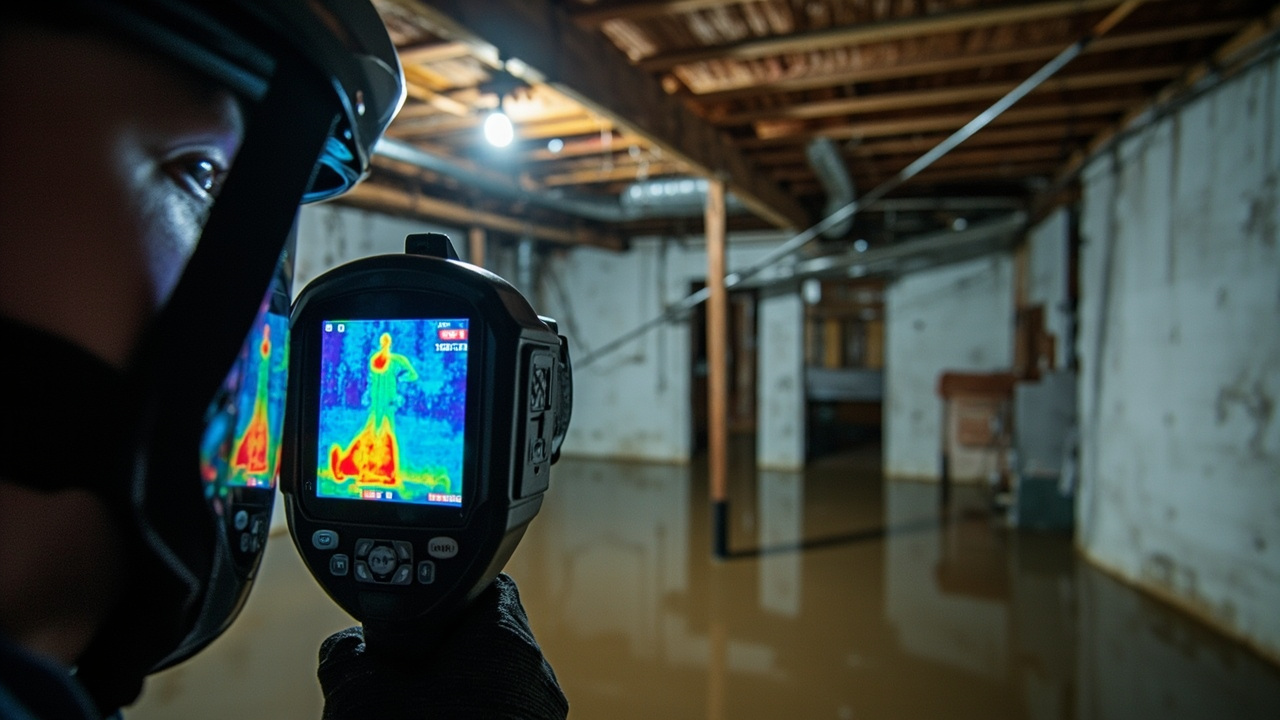
If you are standing in water in your Cypress basement, you are facing a race against time. The heavy clay soils around Cypress Creek and White Oak Bayou hold moisture long after the rain stops,…
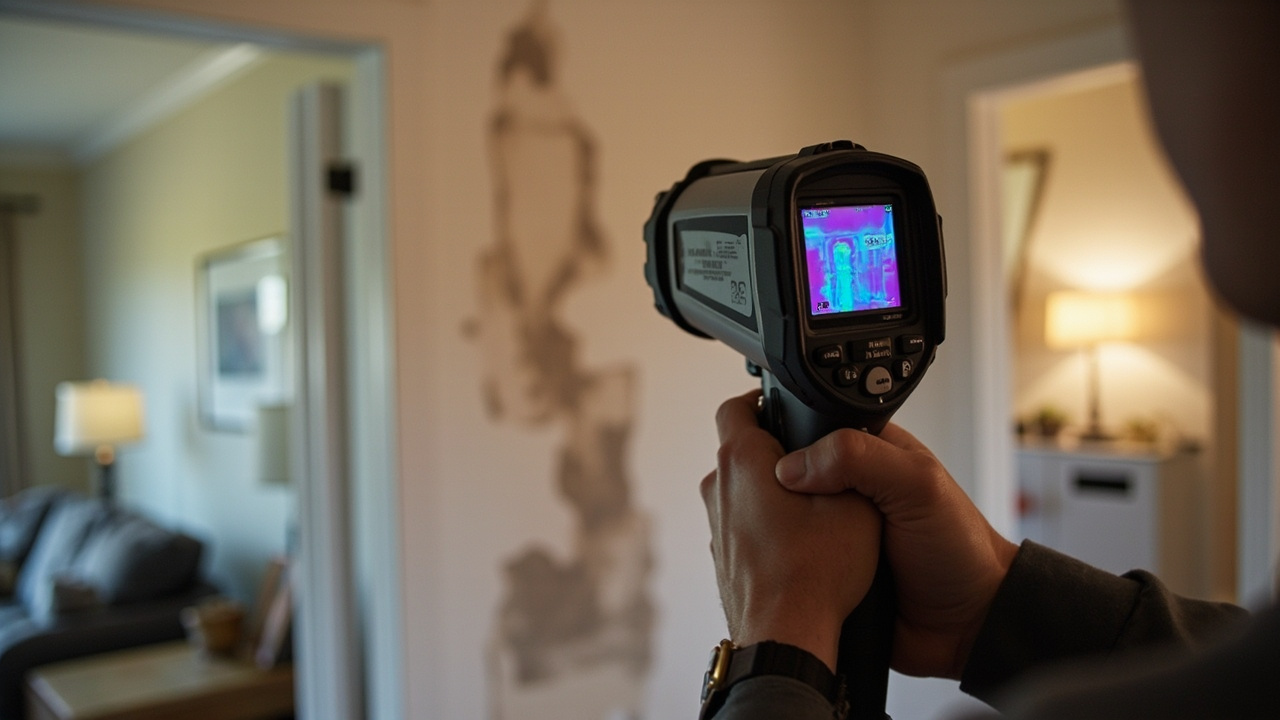
Houston humidity presents a constant struggle for homeowners across Harris County. In 2026, the weather…

Dealing with Attic Water Damage from Leaky Roofs in KingwoodHomeowners in the Kingwood area face…

Why a Home Dehumidifier Cannot Save Your Third Ward Living Room from Water DamageYour Third…
Every hour of delay allows water to spread, materials to absorb more moisture, and mold to begin colonizing your home. Call Silverline Water Damage Restoration Houston now at (832) 336-3663 for rapid dispatch and professional restoration that protects your Spring property from permanent damage.