





Friendswood sits in the Galveston County coastal plain where high humidity and heavy rainfall create constant water intrusion threats. The clay-heavy soil common throughout neighborhoods like Countryside and Wedgewood expands when wet and contracts when dry, putting pressure on foundation slabs and creating cracks where water seeps inside. When tropical storms move up from the Gulf of Mexico, this area sees flash flooding that overwhelms drainage systems and pushes water into homes through garage doors and foundation gaps.
The proximity to Clear Creek means properties near Centennial Park and Frank Brown Park face elevated flood risk during heavy rain events. Many Friendswood homes were built in the 1970s and 1980s with older plumbing systems that develop pinhole leaks and corroded connections. The humid subtropical climate keeps indoor moisture levels high year-round, which means water damage from any source turns into mold growth within 24 to 48 hours if not addressed immediately. Your air conditioning system runs constantly fighting humidity, and when condensate lines clog or drain pans overflow, water pools in attics and inside walls where you cannot see it causing damage.
When water invades your Friendswood home, you need a crew that shows up fast and knows exactly what to do. Silverline Water Damage Restoration Houston has built our reputation on rapid response times and complete water removal that prevents secondary damage. We understand how water behaves in the specific construction types common throughout Friendswood, from pier and beam foundations in older neighborhoods to modern slab construction in newer developments near FM 528.
Our technicians hold IICRC certifications in water damage restoration and applied structural drying, which means we follow proven protocols for moisture detection, extraction, and dehumidification. We use thermal imaging cameras to find hidden water trapped inside walls and under flooring that cheaper companies miss. When we arrive at your property, we document everything with photos and moisture readings to build your insurance claim from the start.
We maintain relationships with every major insurance carrier operating in the Greater Houston area, and we know what documentation adjusters require to approve claims quickly. While other restoration companies subcontract work to whoever answers the phone, our crews are full-time Silverline employees who show up in marked trucks with professional equipment. We invest in truck-mounted extraction units and commercial-grade air movers that dry structures faster than portable equipment.
Our service does not stop when the water is gone. We monitor moisture levels daily until readings confirm complete drying, and we provide mold prevention treatment on all affected surfaces. When reconstruction is needed after demolition, we handle that work in-house instead of forcing you to hire another contractor. One call brings you complete restoration from emergency water removal through final repairs.

We dispatch crews to Friendswood properties within 60 minutes of your call, day or night. Our trucks carry truck-mounted extraction equipment and industrial dehumidifiers that start removing water immediately. Fast response stops damage from spreading and reduces your total restoration costs. We answer phones 24/7 because water emergencies do not wait for business hours.

We work directly with your insurance carrier to document damage, submit estimates, and handle claim paperwork. Our detailed moisture mapping and photo documentation give adjusters everything they need to approve your claim fast. You pay only your deductible while we handle billing and follow-up with the insurance company. We know what carriers require and how to get claims approved.
Every technician on our crews holds current IICRC certification in water damage restoration and applied structural drying. We follow industry protocols for moisture detection, extraction rates, and dehumidification. Our training covers microbial remediation and contaminated water handling. Certified technicians know how to dry structures completely without causing secondary damage, and they understand what insurance adjusters expect in documentation.
We handle every phase of restoration from emergency water extraction through final reconstruction. You work with one company and one project manager instead of coordinating multiple contractors. Our crews remove damaged materials, dry structures, treat for mold, and rebuild what was torn out. This speeds your timeline and eliminates finger-pointing between contractors when problems arise. One call brings complete restoration.
Water damage takes many forms in Friendswood homes, from sudden pipe failures to slow leaks that hide inside walls for months. Silverline Water Damage Restoration Houston provides specialized response for every type of water intrusion. We handle clean water from supply line breaks, gray water from appliance overflows, and black water from sewage backups. Each water category requires different safety protocols and treatment approaches.
Our service range covers emergency flood extraction after storms, concealed leak detection using thermal imaging, structural drying for saturated materials, mold remediation following water events, and complete reconstruction after demolition. We respond to residential properties throughout Friendswood including single-family homes, townhouses, and apartment complexes. Our commercial division serves office buildings, retail spaces, and industrial facilities facing water damage. The equipment and techniques we deploy depend on the water source, the materials affected, and how long water has been present.
When your Friendswood property floods from storms, burst pipes, or appliance failures, our emergency extraction crews arrive within the hour. We deploy truck-mounted pumps that remove thousands of gallons per hour from basements, crawl spaces, and living areas. Our teams extract water from carpets, pull saturated padding, and remove standing water from hardwood floors before warping occurs. We place air movers and dehumidifiers immediately to start structural drying while documenting all damage for your insurance claim.
Removing visible water is only the first step. Water soaks into drywall, insulation, subflooring, and framing lumber where it causes hidden damage and creates mold growth conditions. Our IICRC-certified technicians use moisture meters and thermal imaging to map all affected materials. We position commercial dehumidifiers and air movers in scientific patterns that force moisture out of building materials. Daily monitoring tracks drying progress until moisture readings return to normal. This prevents mold and eliminates the need for unnecessary demolition.
Severe water damage requires removal of drywall, insulation, flooring, and sometimes framing lumber. After drying your structure completely, our reconstruction crews rebuild what was damaged. We replace drywall, install new insulation, refinish floors, repaint walls, and restore your property to pre-loss condition. Using in-house crews for demolition and reconstruction keeps your project on one timeline with one point of contact. We match existing materials and finishes so repairs blend seamlessly with undamaged areas.
Friendswood homeowners face water damage from multiple sources throughout the year. The combination of aging infrastructure, extreme weather, and high humidity creates constant risk. Understanding these common problems helps you recognize water damage early when mitigation costs less and causes less disruption.
Many water damage events start small with slow leaks that go unnoticed for weeks or months. By the time you see visible damage, water has already compromised building materials and created mold growth inside wall cavities. Other damage happens suddenly when pipes burst or storms dump inches of rain in hours. The clay soil throughout Friendswood shifts constantly, putting stress on plumbing connections and foundation slabs. This movement causes pinhole leaks in copper pipes and cracks in concrete where water seeps inside. High humidity makes every water event worse because materials stay wet longer and mold colonizes faster in moisture-rich environments.
Friendswood receives intense rainfall during tropical systems moving north from the Gulf. When drainage systems overwhelm, water flows into garages and through foundation penetrations. Flash flooding near Clear Creek affects properties in low-lying areas. Storm water carries contaminants that require specialized cleanup protocols. Quick extraction prevents long-term structural damage and mold growth.
Older homes throughout Friendswood contain original galvanized or copper plumbing that develops corrosion and pinhole leaks. When pipes fail, pressurized water floods rooms within minutes. Supply line breaks to washing machines, dishwashers, and water heaters cause extensive damage before homeowners discover the problem. Immediate shutoff and extraction minimize damage, but saturated materials require professional drying to prevent mold.
Slow leaks from plumbing connections, shower pans, and roof penetrations drip inside walls where you cannot see them. Water stains on ceilings, musty odors, and unexplained increases in water bills signal concealed leaks. By the time damage becomes visible, moisture has already compromised drywall and framing. Thermal imaging cameras detect hidden moisture so we can locate leaks and dry structures before mold colonizes.
Air conditioning systems in Friendswood run constantly fighting humidity. When condensate drain lines clog with algae or drain pans rust through, water overflows into attics and inside air handler closets. This water drips through ceiling drywall and soaks insulation. Many homeowners discover AC leaks only after ceiling stains appear. Regular AC maintenance prevents most condensate problems, but when overflows occur, fast extraction and drying prevent major damage.
Water damage creates panic, especially when you watch it spread across floors or drip through ceilings. When you call Silverline Water Damage Restoration Houston, you get immediate help from someone who understands what you are facing. Our call center staff asks specific questions about the water source, affected areas, and whether power is safe in wet zones. We dispatch the nearest crew while staying on the phone to guide you through emergency steps like shutting off water or moving valuables.
Our response protocols prioritize stopping the damage first, then documenting everything for insurance claims. You receive clear communication at every phase about what we are doing, why it matters, and what comes next. We never disappear after starting work. Our project managers check progress daily and update you on drying timelines and any additional damage discovered during the process. If reconstruction is needed, we provide detailed estimates and start dates before demolition begins. You stay informed from first call through final walkthrough.
After you describe the situation, we send the nearest available crew immediately. Our trucks carry complete extraction and drying equipment so technicians start working the moment they arrive. You receive a call when the crew is 10 minutes away. Upon arrival, technicians assess damage, identify the water source, and begin extraction. They document conditions with photos and moisture readings. You see immediate action that stops damage from spreading while professionals handle the emergency.
We explain what we find, what needs to happen, and what it costs before starting any billable work beyond emergency mitigation. You receive daily updates on moisture levels and drying progress. Our project managers answer calls and texts during business hours. All damage documentation goes to you and your insurance adjuster simultaneously. We provide written scopes of work for reconstruction with detailed line items. No surprises, no hidden fees, no communication blackouts.
We do not leave your property until moisture readings confirm complete drying. Our technicians measure moisture in affected materials daily and document progress. When readings match unaffected reference areas, drying is complete. We provide written certification of dry conditions and treat all affected surfaces with antimicrobial solutions to prevent mold. If moisture returns within 30 days due to incomplete drying, we return at no additional charge to complete the work.
Water damage restoration follows proven protocols developed by the IICRC. We adapt these standards to the specific conditions in your Friendswood property, considering water category, affected materials, and how long water has been present.
Call our 24/7 emergency line at (832) 336-3663. We ask questions about the water source, safety hazards, and affected areas. Our dispatcher sends the nearest crew while providing guidance on immediate actions you can take. Crews arrive within 60 minutes carrying extraction equipment. Technicians locate the water source, stop ongoing intrusion if possible, and assess damage extent. We photograph conditions, map moisture with meters, and document everything for insurance purposes before moving your belongings to dry areas.
Truck-mounted pumps remove standing water from floors, carpets, and crawl spaces. We extract water from porous materials like carpet padding and insulation that cannot be dried. Industrial air movers and dehumidifiers are positioned in scientific patterns that force moisture out of walls, floors, and contents. Technicians monitor humidity levels and adjust equipment placement to optimize drying. We check moisture readings daily until affected materials return to normal levels. Antimicrobial treatment prevents mold growth during the drying process.
After structures are completely dry, our reconstruction crews remove damaged materials that cannot be saved. We rebuild walls, replace flooring, install new insulation, and repaint to match existing finishes. Final walkthrough confirms all work meets your expectations. We provide warranty documentation and cleaning recommendations for restored areas. Your property returns to pre-loss condition with all repairs completed by our crews, eliminating coordination hassles with multiple contractors.
Professional water damage restoration follows standards established by the Institute of Inspection, Cleaning and Restoration Certification. These protocols guide every decision we make about equipment deployment, drying goals, and when demolition is required. Texas does not mandate licensing for water damage restoration contractors, which means homeowners must verify that companies follow industry standards. IICRC certification requires technicians to complete coursework in water damage restoration, applied structural drying, and health and safety protocols.
The IICRC S500 Standard and Reference Guide for Professional Water Damage Restoration defines three categories of water based on contamination level. Category 1 is clean water from supply lines that poses no substantial risk. Category 2 gray water from appliances contains contaminants that cause discomfort or sickness if consumed. Category 3 black water from sewage or flooding contains pathogenic agents that cause serious illness. Each category requires different handling protocols and safety equipment.
Water damage also falls into four classes based on evaporation rate and affected materials. Class 1 affects only part of a room with minimal moisture absorption. Class 2 affects an entire room with significant moisture in materials. Class 3 involves water from overhead affecting walls, ceilings, insulation, and subfloors. Class 4 requires specialty drying for materials like hardwood, plaster, and concrete that absorb water slowly. Proper classification determines equipment needs and drying time.
Texas building codes require moisture barriers in new construction, but many older Friendswood homes lack these protections. When water intrudes, it spreads through wall cavities and under flooring. Thermal imaging cameras detect moisture hidden behind surfaces. Moisture meters measure water content in wood, drywall, and concrete. We take baseline readings in unaffected areas, then compare moisture levels in damaged zones. Drying goals aim to return affected materials to within 5 percent of baseline readings.
Insurance policies typically cover sudden and accidental water damage like burst pipes but exclude damage from neglect or gradual leaks. Quick response improves claim outcomes. We document conditions immediately, providing evidence that supports coverage. Understanding restoration standards protects you from contractors who skip steps or declare structures dry prematurely. Complete drying prevents mold growth and structural damage that develop when moisture remains trapped in building materials.
Clean water from supply lines is Category 1. Gray water from appliances is Category 2. Black water from sewage or flooding is Category 3. Each category requires specific safety protocols and handling procedures. Contaminated water demands protective equipment, antimicrobial treatment, and sometimes disposal of porous materials. We classify water source at the initial assessment to ensure proper safety measures throughout restoration.
Water damage restoration costs depend on water volume, contamination category, affected square footage, and materials involved. Hardwood floors and plaster require more drying time than carpet and drywall. Category 3 black water costs more because of disposal requirements and antimicrobial treatment. Most insurance policies cover sudden water damage after you pay your deductible. Quick response reduces total costs by preventing secondary damage and mold growth.
Complete structural drying takes three to seven days depending on materials affected and water volume. Carpet and drywall dry faster than hardwood and plaster. High humidity extends drying time. We monitor moisture levels daily and adjust equipment to optimize evaporation rates. Removing equipment before structures reach dry standard causes mold growth and material failure. Patience during drying prevents bigger problems later. We provide daily updates showing measurable progress toward drying goals.
Texas does not require state licensing for water damage restoration contractors. This makes verification of training and certification your responsibility. Ask for proof of IICRC certification, liability insurance, and workers compensation coverage. Legitimate companies provide certificates immediately. Uncertified contractors skip steps, use inadequate equipment, and leave moisture that causes mold. Always verify credentials before allowing anyone to start work on your property.
This video explains professional water damage restoration processes for Friendswood homeowners. Topics include emergency water extraction, structural drying protocols, IICRC standards, insurance claim procedures, and common water damage sources in Friendswood properties. Viewers learn why rapid response matters, how thermal imaging detects hidden moisture, what equipment professionals use for dehumidification, and realistic timelines for complete structural drying. The video covers water damage categories, mold prevention, and reconstruction services.
Silverline Water Damage Restoration Houston serves residential and commercial properties throughout Friendswood and the greater Galveston County area. Our central location allows rapid response to neighborhoods across the city. We know the construction types, soil conditions, and flooding patterns specific to different areas of Friendswood because our crews work here every day.
Properties in the Countryside neighborhood near FM 528 often face plumbing failures in homes built during the 1970s and 1980s. Original galvanized pipes corrode from the inside, causing pinhole leaks and sudden ruptures. The Wedgewood area south of FM 518 contains newer construction but faces drainage challenges during heavy rain. Water pools in yards and flows toward foundation slabs when storm sewers overwhelm. Homes near Centennial Park and the Clear Creek watershed face elevated flood risk during tropical weather systems that dump intense rainfall in short periods.
The Timber Grove neighborhood and areas around Friendswood High School contain a mix of older and renovated properties. Many homeowners discover hidden water damage during remodeling when they open walls. Air conditioning condensate leaks are common throughout Friendswood because systems run constantly fighting humidity. Properties near Stevenson Park and throughout the Castlewood subdivisions face similar water damage risks from aging infrastructure and severe weather.
We respond to calls in League City, Pearland, and Webster, communities adjacent to Friendswood that share similar soil conditions and weather patterns. Our service area extends throughout Galveston County and into Harris County for properties along the FM 528 and Highway 35 corridors. Distance from Clear Lake affects humidity levels and flood risk. Properties closer to the coast face higher moisture infiltration year-round.
Friendswood's location between Houston and Galveston puts it in the path of tropical systems moving inland. The flat topography and clay soil create drainage challenges that contribute to flooding. Our crews understand how water moves across this landscape and which neighborhoods face the greatest risk during different weather events. We maintain equipment staging areas that allow response to any Friendswood address within 60 minutes, day or night.
Every neighborhood has unique characteristics that affect water damage response. Older areas with mature trees face root intrusion into sewer lines. Newer developments sometimes have grading problems that direct water toward homes instead of away. We adapt our approach based on the specific challenges your property faces. Local knowledge makes our restoration work faster and more effective because we understand what to expect before we arrive.
Water damage restoration in Friendswood addresses flooding from storms, pipe bursts, and appliance failures common in this coastal area. Professional restoration involves water extraction, structural drying, dehumidification, and mold prevention. Friendswood's proximity to Clear Creek and the Gulf means homes face higher flood risks during hurricane season. You need immediate response within 24-48 hours to prevent secondary damage. Restoration teams use moisture meters, thermal imaging, and industrial equipment to dry your property completely. The process typically takes 3-7 days depending on damage severity and affected materials.
Water damage falls into three categories in Friendswood. Category 1 comes from clean sources like supply lines and rainwater. Category 2 involves gray water from appliances and contains contaminants. Category 3 is black water from sewage or flooding, posing serious health risks. Each category requires different safety protocols and cleaning methods. Friendswood's flood events often produce Category 3 damage due to storm surge and street flooding. Understanding your water category helps determine if materials need removal or if cleaning suffices. Always treat flood water as contaminated until tested.
Mold growth starts within 24-48 hours after water damage in Friendswood's humid climate. You must act fast to prevent spores from spreading throughout your home. Restoration professionals remove standing water first, then use dehumidifiers and air movers to dry affected areas. They monitor moisture levels in walls, floors, and ceilings until readings return to normal. Materials staying wet beyond 48 hours often require removal to prevent hidden mold colonies. Your restoration team should apply antimicrobial treatments to surfaces exposed to contaminated water.
Water damage restoration in Friendswood addresses flooding from storms, pipe bursts, and appliance failures common in this coastal area. Professional restoration involves water extraction, structural drying, dehumidification, and mold prevention. Friendswood's proximity to Clear Creek and the Gulf means homes face higher flood risks during hurricane season. You need immediate response within 24-48 hours to prevent secondary damage. Restoration teams use moisture meters, thermal imaging, and industrial equipment to dry your property completely. The process typically takes 3-7 days depending on damage severity and affected materials.
Water damage falls into three categories in Friendswood. Category 1 comes from clean sources like supply lines and rainwater. Category 2 involves gray water from appliances and contains contaminants. Category 3 is black water from sewage or flooding, posing serious health risks. Each category requires different safety protocols and cleaning methods. Friendswood's flood events often produce Category 3 damage due to storm surge and street flooding. Understanding your water category helps determine if materials need removal or if cleaning suffices. Always treat flood water as contaminated until tested.
Mold growth starts within 24-48 hours after water damage in Friendswood's humid climate. You must act fast to prevent spores from spreading throughout your home. Restoration professionals remove standing water first, then use dehumidifiers and air movers to dry affected areas. They monitor moisture levels in walls, floors, and ceilings until readings return to normal. Materials staying wet beyond 48 hours often require removal to prevent hidden mold colonies. Your restoration team should apply antimicrobial treatments to surfaces exposed to contaminated water.
Your homeowner's insurance typically covers sudden water damage from burst pipes, appliance failures, and storm-related flooding if you have flood coverage. Standard policies exclude gradual damage from leaks or maintenance issues. Document everything with photos and videos before restoration begins. Contact your insurance company immediately and ask about your deductible and coverage limits. Friendswood residents need separate flood insurance through NFIP or private carriers due to the area's flood zone designations. Keep all receipts and communication records throughout the restoration process.
Professional water extraction removes thousands of gallons from your Friendswood home using truck-mounted vacuums and portable extractors. Technicians start with standing water, then extract moisture from carpets, padding, and porous materials. They use weighted extraction tools to pull water from deep within flooring and subflooring. After extraction, they measure moisture content in structural materials to establish drying benchmarks. Complete extraction prevents water from wicking up walls and reduces overall drying time. DIY methods like shop vacuums remove only surface water and leave moisture trapped in building materials.
Structural drying in Friendswood homes requires specialized equipment and expertise. Air movers create airflow across wet surfaces to speed evaporation. Dehumidifiers pull moisture from the air to maintain optimal drying conditions. Technicians position equipment strategically based on airflow patterns and moisture readings. They monitor progress daily using moisture meters and adjust equipment placement as needed. Hardwood floors, drywall, and insulation each require different drying approaches. The goal is reducing moisture content to pre-loss levels, typically below 15% for wood materials.
You should remove furniture, electronics, and personal items from affected areas immediately. Lift furniture legs onto blocks to prevent staining and further absorption. Remove wet carpet padding as it rarely dries effectively and harbors bacteria. Take up area rugs and move them to dry locations. Open cabinet doors and drawers to improve air circulation. Remove baseboards if water has seeped behind them. Do not enter rooms with standing water if electrical outlets are submerged. Your safety comes first when handling water damage cleanup.
Friendswood's coastal location brings unique water damage risks including hurricane flooding, storm surge, and heavy rainfall events. Homes near Clear Creek face seasonal flooding threats. High humidity year-round slows natural drying and accelerates mold growth. Clay soil common in the area causes poor drainage around foundations. Aging infrastructure in older neighborhoods means more frequent pipe failures. Your home needs proper grading, functional gutters, and a working sump pump. Regular maintenance of appliances and plumbing prevents many water damage incidents.
Thermal imaging cameras detect hidden moisture behind walls and ceilings without destructive testing. Moisture meters measure water content in building materials with pinpoint accuracy. Hygrometers monitor humidity levels throughout your home during drying. Air scrubbers filter airborne contaminants and mold spores. Infrared thermometers identify temperature differences indicating wet areas. These tools help restoration professionals create effective drying plans and verify when your home reaches safe moisture levels. Technology has made water damage restoration more precise and less invasive than older methods.
Choose a water damage restoration company in Friendswood with IICRC certification and local experience. Check online reviews and ask for references from recent customers. Verify they offer 24/7 emergency response for urgent situations. Ask about their equipment inventory and drying methods. Request a detailed scope of work before signing any agreements. Confirm they work directly with insurance companies and understand claim processes. Local companies understand Friendswood's specific challenges including flood zones and weather patterns. Response time matters, so select a company with nearby facilities and available crews.
Your homeowner's insurance typically covers sudden water damage from burst pipes, appliance failures, and storm-related flooding if you have flood coverage. Standard policies exclude gradual damage from leaks or maintenance issues. Document everything with photos and videos before restoration begins. Contact your insurance company immediately and ask about your deductible and coverage limits. Friendswood residents need separate flood insurance through NFIP or private carriers due to the area's flood zone designations. Keep all receipts and communication records throughout the restoration process.
Professional water extraction removes thousands of gallons from your Friendswood home using truck-mounted vacuums and portable extractors. Technicians start with standing water, then extract moisture from carpets, padding, and porous materials. They use weighted extraction tools to pull water from deep within flooring and subflooring. After extraction, they measure moisture content in structural materials to establish drying benchmarks. Complete extraction prevents water from wicking up walls and reduces overall drying time. DIY methods like shop vacuums remove only surface water and leave moisture trapped in building materials.
Structural drying in Friendswood homes requires specialized equipment and expertise. Air movers create airflow across wet surfaces to speed evaporation. Dehumidifiers pull moisture from the air to maintain optimal drying conditions. Technicians position equipment strategically based on airflow patterns and moisture readings. They monitor progress daily using moisture meters and adjust equipment placement as needed. Hardwood floors, drywall, and insulation each require different drying approaches. The goal is reducing moisture content to pre-loss levels, typically below 15% for wood materials.
You should remove furniture, electronics, and personal items from affected areas immediately. Lift furniture legs onto blocks to prevent staining and further absorption. Remove wet carpet padding as it rarely dries effectively and harbors bacteria. Take up area rugs and move them to dry locations. Open cabinet doors and drawers to improve air circulation. Remove baseboards if water has seeped behind them. Do not enter rooms with standing water if electrical outlets are submerged. Your safety comes first when handling water damage cleanup.
Friendswood's coastal location brings unique water damage risks including hurricane flooding, storm surge, and heavy rainfall events. Homes near Clear Creek face seasonal flooding threats. High humidity year-round slows natural drying and accelerates mold growth. Clay soil common in the area causes poor drainage around foundations. Aging infrastructure in older neighborhoods means more frequent pipe failures. Your home needs proper grading, functional gutters, and a working sump pump. Regular maintenance of appliances and plumbing prevents many water damage incidents.
Thermal imaging cameras detect hidden moisture behind walls and ceilings without destructive testing. Moisture meters measure water content in building materials with pinpoint accuracy. Hygrometers monitor humidity levels throughout your home during drying. Air scrubbers filter airborne contaminants and mold spores. Infrared thermometers identify temperature differences indicating wet areas. These tools help restoration professionals create effective drying plans and verify when your home reaches safe moisture levels. Technology has made water damage restoration more precise and less invasive than older methods.
Choose a water damage restoration company in Friendswood with IICRC certification and local experience. Check online reviews and ask for references from recent customers. Verify they offer 24/7 emergency response for urgent situations. Ask about their equipment inventory and drying methods. Request a detailed scope of work before signing any agreements. Confirm they work directly with insurance companies and understand claim processes. Local companies understand Friendswood's specific challenges including flood zones and weather patterns. Response time matters, so select a company with nearby facilities and available crews.
Easily locate our service area and see how Silverline is strategically positioned to provide rapid water damage restoration services throughout Houston and its surrounding communities. Our commitment to prompt response means we're never far away when disaster strikes, ensuring your property gets the urgent care it needs, wherever you are within our service radius. We're here to serve you efficiently.
Address:
Friendswood, TX, 77546
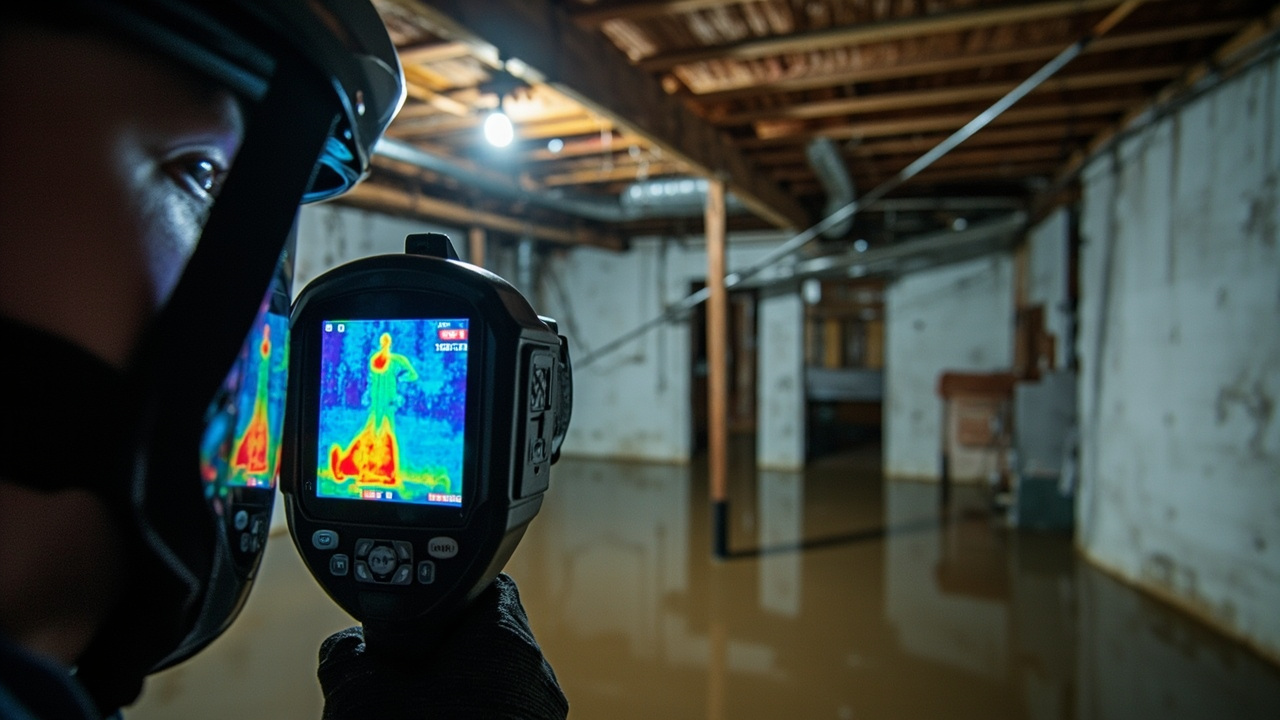
If you are standing in water in your Cypress basement, you are facing a race against time. The heavy clay soils around Cypress Creek and White Oak Bayou hold moisture long after the rain stops,…
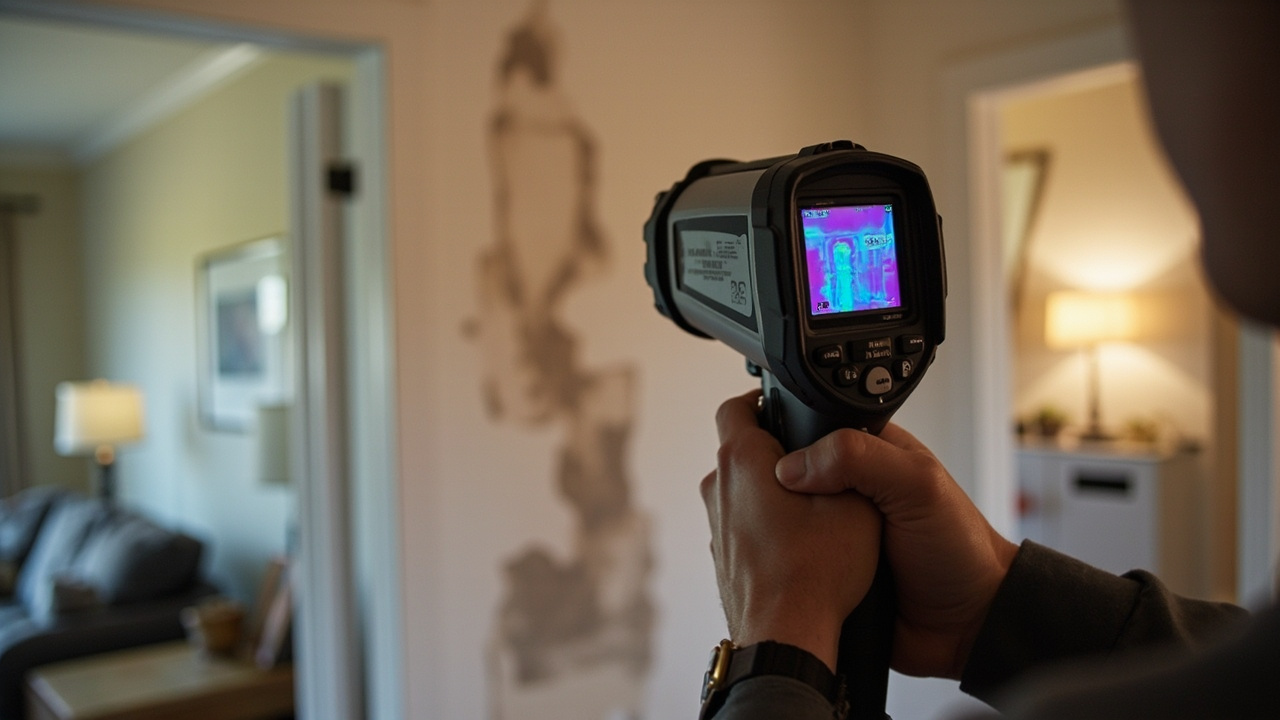
Houston humidity presents a constant struggle for homeowners across Harris County. In 2026, the weather…
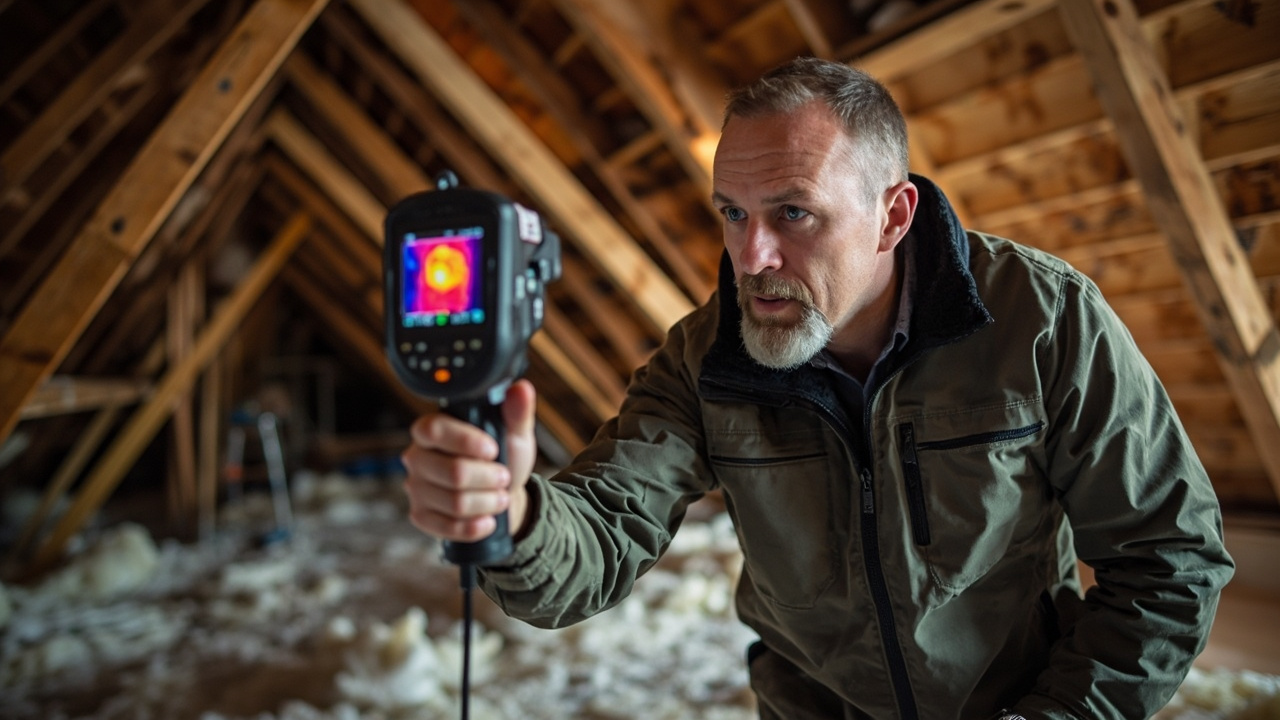
Dealing with Attic Water Damage from Leaky Roofs in KingwoodHomeowners in the Kingwood area face…

Why a Home Dehumidifier Cannot Save Your Third Ward Living Room from Water DamageYour Third…
Water damage spreads fast. Every minute you wait increases repair costs and the risk of mold. Call Silverline Water Damage Restoration Houston now at (832) 336-3663 for 24/7 emergency response. Our crews arrive in Friendswood within 60 minutes ready to stop the damage and start drying your property.