





menu

Fire Sprinkler Water Cleanup in Houston – 60-Minute Emergency Response Available 24/7

When a fire sprinkler accidentally discharges or a suppression system malfunctions, you need emergency sprinkler water removal crews on-site immediately to prevent ceiling collapse, electrical hazards, and secondary flooding damage across your Houston property.

Slider Image 1
Slider Image 2
Slider Image 3
Slider Image 4
Slider Image 5
Slider Image 7
Slider Image 8
Slider Image 9
Slider Image 10
Slider Image 11

When Fire Sprinklers Discharge, Every Minute Counts

A single fire sprinkler head releases up to 30 gallons per minute. In Houston's high-rise office buildings and commercial warehouses, accidental sprinkler discharge cleanup becomes critical within the first hour. Water cascades through ceiling tiles, soaks into drywall, pools on concrete slabs, and seeps into electrical conduits. The pressure from fire suppression system water extraction demands immediate action to prevent catastrophic secondary damage.

Houston's humidity compounds the problem. Water that sits for even 90 minutes in our 70-80% relative humidity environment begins promoting microbial growth. Commercial HVAC systems spread airborne spores through ductwork, contaminating entire floors. Your drywall begins wicking moisture upward through capillary action. Subfloor materials swell and delaminate. Ceiling tiles disintegrate and drop without warning.

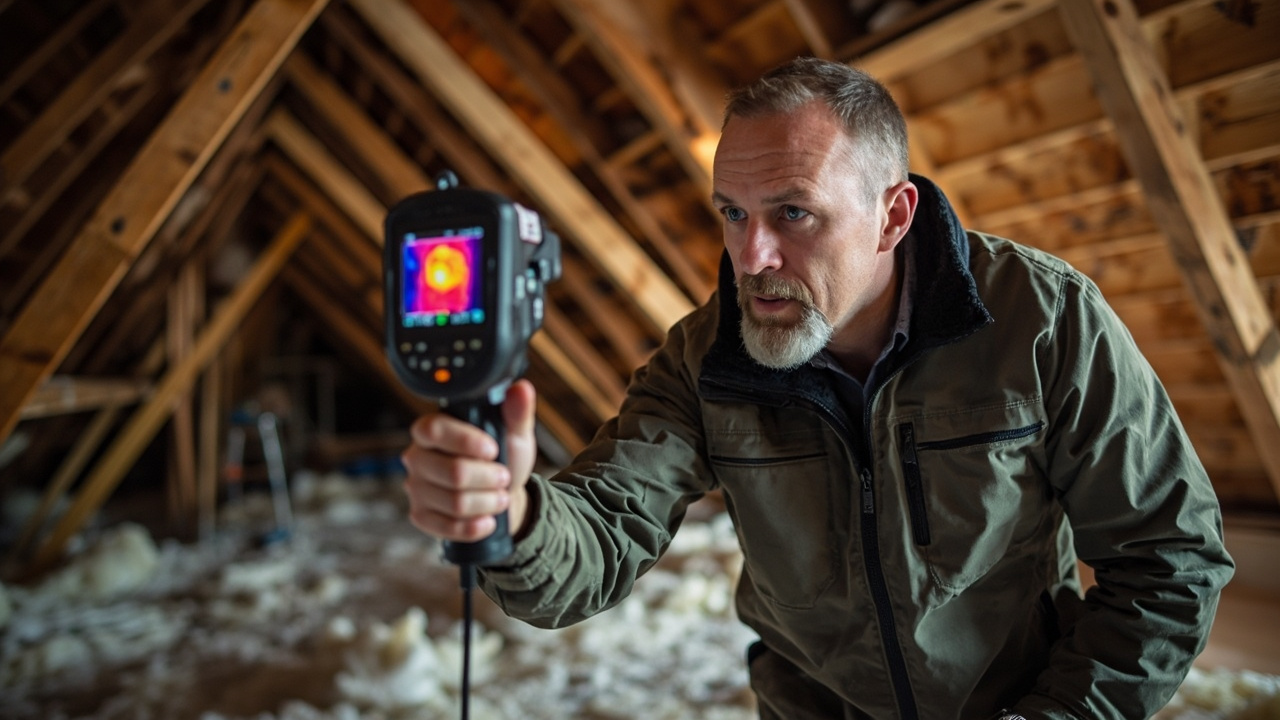
You face three urgent threats: structural compromise, electrical hazards, and business interruption. Fire sprinkler water damage restoration requires industrial-grade extraction equipment, thermal imaging to locate hidden moisture pockets, and commercial desiccant dehumidifiers that process thousands of cubic feet per minute. Standard wet-dry vacuums and box fans do not control this volume of water.

Burst fire sprinkler flood remediation is not routine water cleanup. These systems operate at 7-30 PSI and introduce pressurized water behind walls, above ceilings, and into floor assemblies. You need emergency sprinkler water removal technicians who understand building systems, can isolate compromised fire protection zones, and extract water without disrupting your operational areas. The clock is running.

When Fire Sprinklers Discharge, Every Minute Counts
How We Execute Fire Suppression System Water Extraction

How We Execute Fire Suppression System Water Extraction

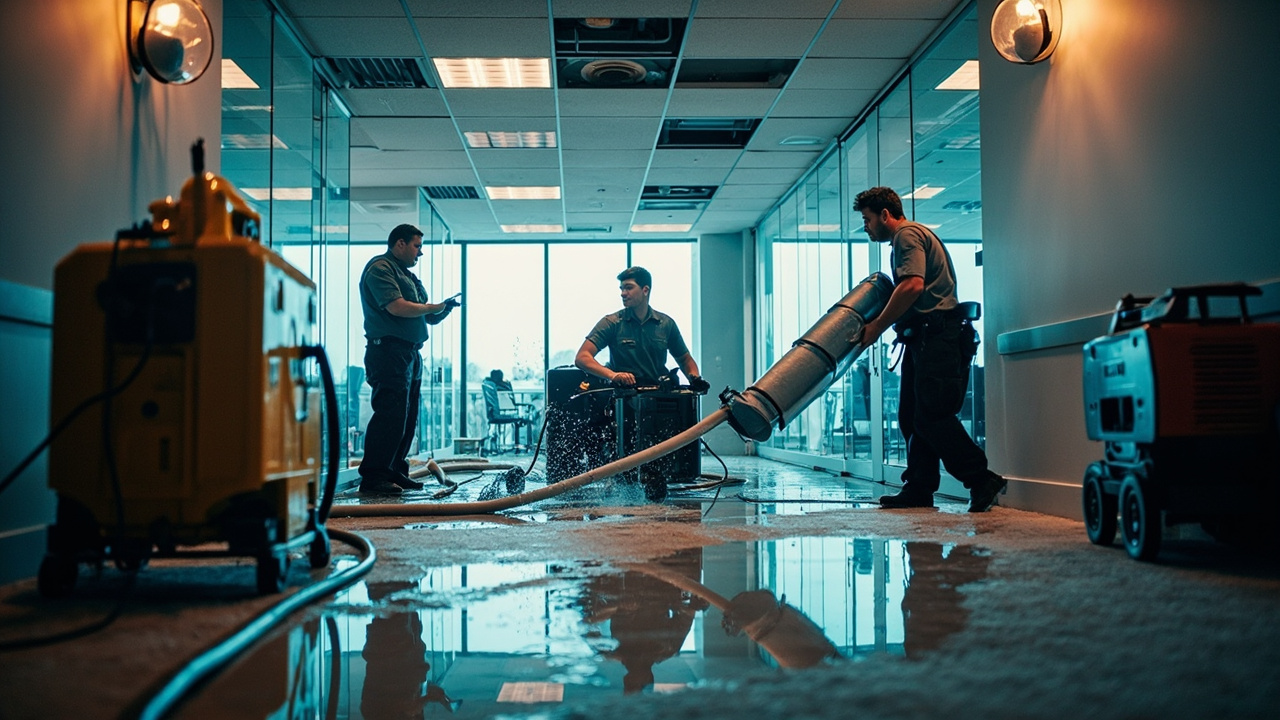
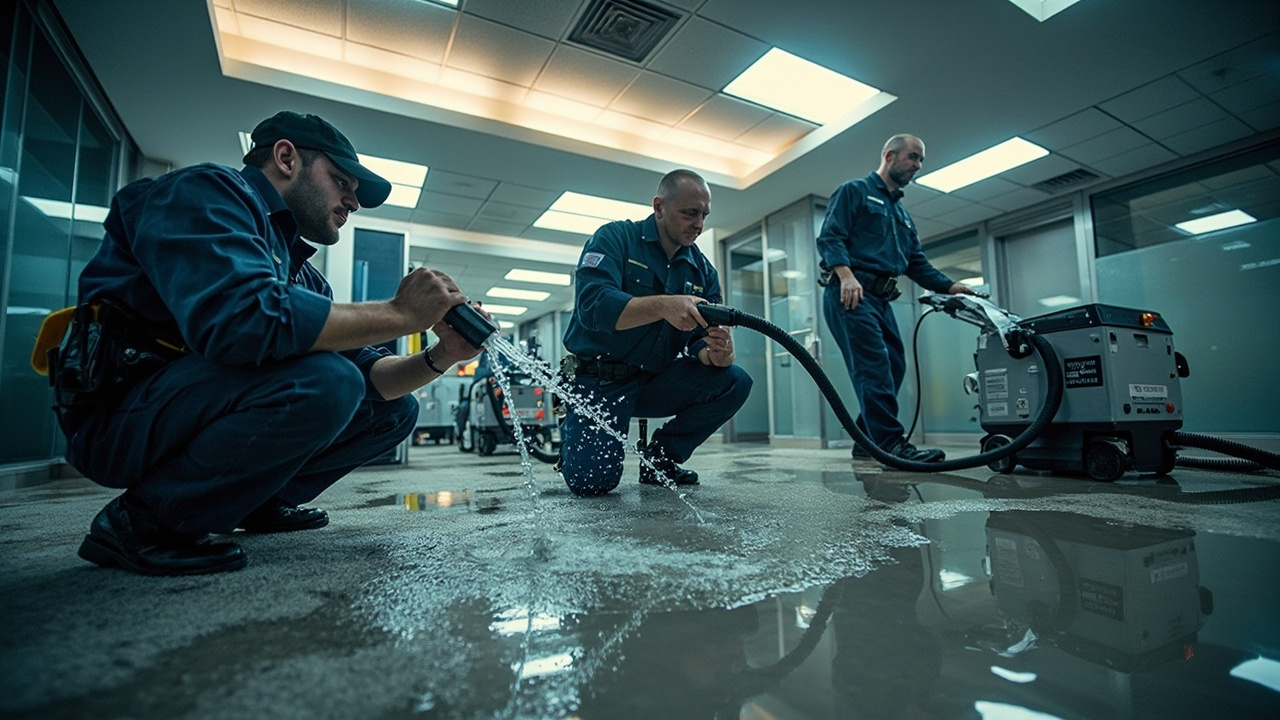
We arrive with truck-mounted extraction units, trailer-mounted desiccant dehumidifiers, and thermal imaging cameras. Our first action is source control. We coordinate with your facility manager or building engineer to isolate the affected sprinkler zone, verify the fire alarm panel reset, and document the discharge cause for your insurance claim. We photograph every affected area before we move equipment.

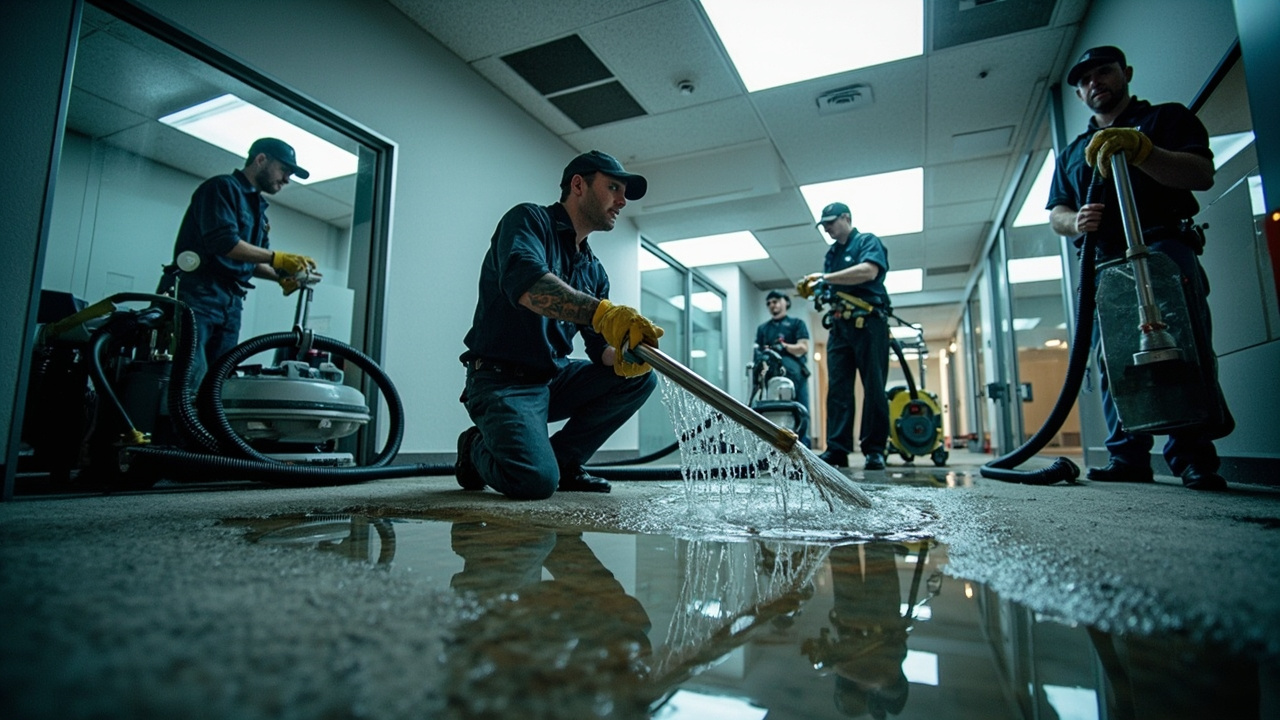
Our extraction process uses weighted wands and low-profile extractors to remove standing water from carpet, tile, and concrete. We pullbaseboards to access wall cavities. We drill weep holes in drywall to drain trapped water from stud bays. For ceiling-mounted sprinkler discharges, we cut inspection ports to confirm insulation saturation levels and remove soaked material before it collapses.

We deploy air movers in a controlled vortex pattern to create maximum evaporation without spreading contaminated air. Our desiccant dehumidifiers pull moisture directly from materials, not just from ambient air. We monitor moisture content using penetrating pin meters for wood framing and non-invasive scanners for concrete slabs. You get detailed moisture maps showing affected zones and drying progress.

Silverline Water Damage Restoration Houston coordinates with your fire protection contractor to restore sprinkler functionality. We work with your insurance adjuster to document scope, provide detailed estimates, and defend your claim with moisture readings and photographic evidence. We do not stop extraction until your building envelope returns to baseline moisture levels. You get a Certificate of Dryness documenting equilibrium moisture content in all affected materials.

What Happens During Emergency Sprinkler Water Removal

Fire Sprinkler Water Cleanup in Houston – 60-Minute Emergency Response Available 24/7
01

Immediate Response and Assessment

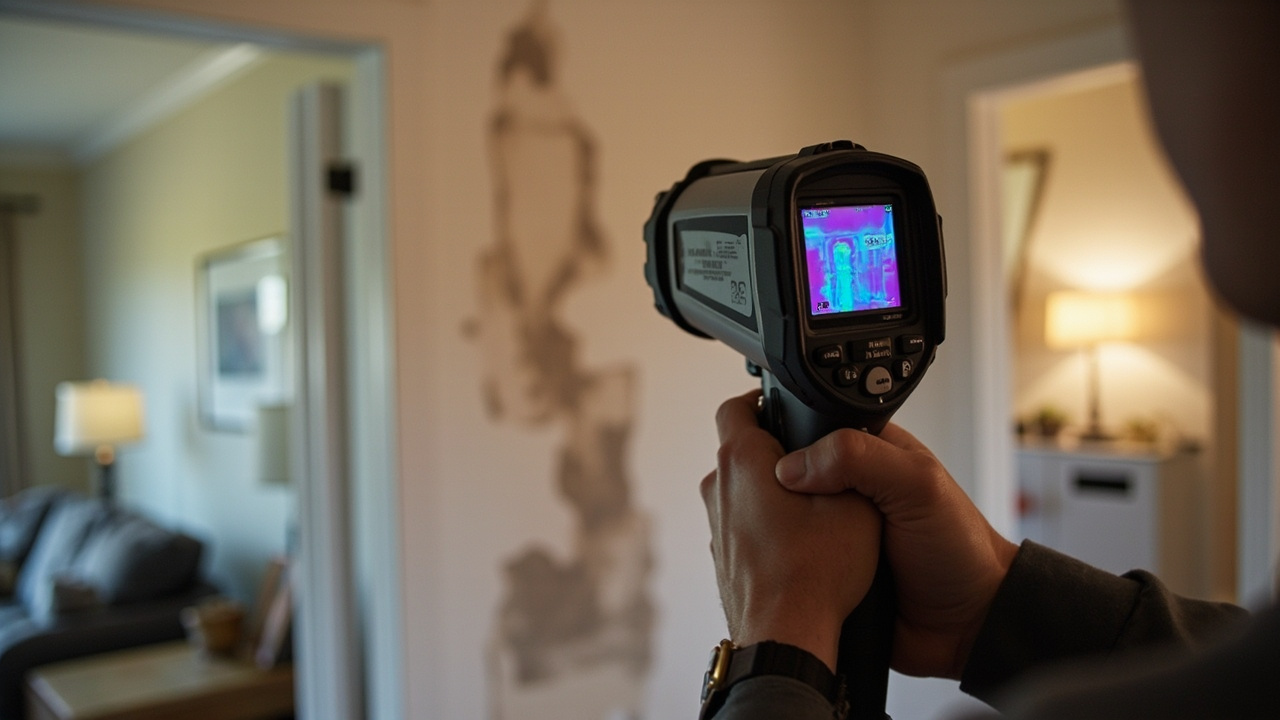
We dispatch a crew within 60 minutes of your call. Our technician performs a rapid damage assessment using thermal imaging to identify water migration paths, documents the sprinkler zone involved, and establishes containment barriers to prevent water from spreading to unaffected areas. You receive an immediate verbal scope and timeline for extraction.
02

Water Extraction and Material Removal

We use truck-mounted extractors to remove standing water, then deploy weighted extraction tools for carpet and pad. Saturated ceiling tiles, insulation, and non-salvageable materials get removed and staged for disposal. We open wall cavities where thermal scans show trapped water and drill weep holes to drain stud bays. All extraction waste gets containerized for proper disposal.
03

Drying and Verification

We establish a drying chamber using commercial air movers and desiccant dehumidifiers. Daily moisture readings track drying progress in framing, drywall, and subfloor materials. When all materials reach equilibrium moisture content, we provide a Certificate of Dryness with final moisture maps. Your building is safe for reconstruction and your business can resume operations.

Why Houston Properties Need Specialized Sprinkler Discharge Teams

Houston's building stock includes sprawling medical centers, energy sector office towers, and industrial facilities with complex fire suppression systems. These properties demand contractors who understand NFPA 13 sprinkler system design, can coordinate with building engineers, and execute extraction without disrupting critical operations. Silverline Water Damage Restoration Houston has cleared fire sprinkler floods in hospitals, data centers, and manufacturing plants where downtime costs exceed thousands of dollars per hour.

We understand Houston's construction methods. Your mid-rise buildings use steel framing with metal deck and lightweight concrete. Water travels along deck seams and puddles on the metal surface, requiring specialized extraction techniques. Your tilt-wall warehouses have exposed bar joist ceilings where water accumulates in joist pockets. We know where moisture hides in these assemblies and how to extract it without damaging structural components.

Our team coordinates with Houston Fire Marshal requirements for fire protection system impairment notifications. We document our work to meet your insurance carrier's expectations and provide the detailed estimates adjusters need to approve your claim. We work alongside your mechanical contractor to restore sprinkler functionality and coordinate final inspections with the Fire Marshal's office.

You need a contractor who responds immediately, brings industrial-grade equipment, and understands the urgency of business continuity. We handle commercial losses exceeding 50,000 square feet and residential high-rise floods affecting multiple units. We staff enough technicians to work around the clock until your property is dry. You get one invoice, one point of contact, and documentation that satisfies your insurance claim.

What You Can Expect From Our Fire Sprinkler Cleanup Service

60-Minute Emergency Dispatch

We answer your call 24/7/365 and dispatch a crew within 60 minutes for verified emergencies. Our trucks carry extraction equipment, air movers, dehumidifiers, and moisture detection tools. You do not wait for equipment to arrive from a regional hub. We stage response vehicles throughout the Houston metro area to ensure rapid arrival at your property. Our technician will call you en route with an estimated time of arrival and begin the insurance notification process before we arrive.

Detailed Loss Documentation

We photograph affected areas before we begin extraction, document water migration using thermal imaging, and create detailed floor plans showing impacted zones. You receive moisture maps tracking drying progress, daily logs documenting equipment run times, and itemized inventories of removed materials. Our estimates break down labor, equipment, and disposal costs by category. Insurance adjusters accept our documentation without requiring supplemental information. You get everything needed to file a complete claim.

Verified Dry Building Envelope

We do not consider the job complete until all building materials return to baseline moisture content. You receive a Certificate of Dryness documenting final moisture readings in framing, drywall, concrete, and other affected materials. We use IICRC S500 drying standards to verify structural stability and prevent future microbial growth. Your contractor can begin reconstruction immediately without concerns about hidden moisture. Your insurance claim closes with verified proof that all water damage has been mitigated.

Post-Remediation Monitoring Support

We provide follow-up moisture inspections at 30 and 60 days post-remediation to confirm your building envelope remains stable. If you experience delayed moisture symptoms or detect odors, we return to re-scan affected areas at no additional diagnostic charge. You receive documentation showing long-term drying success, which protects you from future liability claims related to the original water loss. Our project files remain accessible for five years if you need historical data for insurance or legal purposes.

Frequently Asked Questions

You Have Questions,
We Have Answers

Is fire sprinkler water clean? +

No. Fire sprinkler water sits stagnant in pipes for months or years, collecting rust, bacteria, biofilm, and sediment. When discharged, this water is contaminated and often black or brown. In Houston's humid climate, microbial growth inside pipes accelerates. This water can contain harmful pathogens and corroded metal particles. Never assume fire sprinkler discharge is clean. Treat it as contaminated water requiring professional extraction and antimicrobial treatment. Porous materials like drywall and insulation exposed to this water need assessment for potential removal. Fast action prevents secondary mold growth, a major concern in Houston's moisture-heavy environment.

What is the 3 times rule for fire sprinklers? +

The 3 times rule means you must maintain three times the distance between a sprinkler head and any obstruction. For example, if a sprinkler head sits 9 inches from the ceiling, nothing can obstruct within 27 inches horizontally. This ensures proper water distribution during activation. Boxes, storage, or renovations often violate this rule. After fire sprinkler discharge in Houston properties, contractors sometimes move stored items or rebuild without considering clearance. Violations reduce system effectiveness and risk code violations. Always verify compliance after cleanup or remodeling to protect your property and occupants.

How often do sprinkler systems need to be flushed? +

Fire sprinkler systems require quarterly or semi-annual flushing depending on local codes and system type. Houston's water quality and pipe corrosion rates make regular flushing critical. Stagnant water accumulates sediment and bacteria, worsening contamination during accidental discharge. Many commercial properties skip this maintenance, discovering the problem only after an activation floods their space with foul water. After sprinkler water damage, ask your restoration team to document pipe conditions and recommend a flushing schedule. Proper maintenance reduces contamination severity and cleanup costs during future incidents. Check your system manufacturer guidelines and local fire code requirements.

How to drain water from a fire sprinkler system? +

Draining a fire sprinkler system requires opening drain valves at the system's low points while ensuring the water supply is shut off. Most systems have dedicated drain connections. Never attempt this without qualified personnel. Improper draining can introduce air pockets, cause pressure issues, or violate fire codes. After accidental discharge in Houston properties, professional restoration teams coordinate with licensed fire sprinkler contractors to drain remaining water safely before beginning extraction and drying. Attempting DIY draining risks further water release, system damage, or code violations that complicate insurance claims. Always use certified professionals.

Why does fire sprinkler water smell bad? +

Fire sprinkler water smells terrible because it contains decomposed organic matter, bacteria, iron oxide, sulfur compounds, and biofilm accumulated over years in stagnant pipes. The anaerobic environment inside pipes promotes sulfate-reducing bacteria that produce hydrogen sulfide, the rotten egg smell. In Houston, high humidity and warm temperatures accelerate bacterial growth inside systems. This contaminated water leaves persistent odors in carpets, drywall, and HVAC systems. Surface cleaning won't eliminate the smell. Professional remediation includes antimicrobial treatment, thorough extraction, deodorization, and sometimes material removal. The odor signals contamination requiring immediate professional attention.

Should you still water your lawn in October? +

This question does not relate to fire sprinkler water cleanup. However, in Houston, October lawn watering depends on rainfall and temperatures. Most St. Augustine and Bermuda lawns need less frequent watering as temperatures drop. Water deeply once weekly if no rain occurs. For fire sprinkler system concerns, focus on interior system maintenance and ensuring exterior irrigation lines stay separate from fire protection systems. If a fire sprinkler system discharged and affected landscaping or exterior areas, prioritize interior water damage cleanup first. Professional restoration teams address structural concerns before cosmetic outdoor issues.

What is the 18 rule for fire sprinklers? +

The 18-inch rule requires maintaining 18 inches clearance below fire sprinkler heads. This ensures unobstructed water spray patterns during activation. Storage, suspended ceilings, light fixtures, or decorations violating this clearance reduce system effectiveness. After fire sprinkler discharge in Houston warehouses or retail spaces, owners often rebuild or rearrange without confirming clearances. This creates life safety violations and insurance liability. During cleanup and restoration, verify all sprinkler heads maintain proper clearance. Your restoration contractor should document clearances and flag violations. Compliance protects occupants and prevents future suppression failures during actual fires.

How often do fire sprinklers need to be checked? +

NFPA 25 requires monthly visual inspections and annual professional testing of fire sprinkler systems. Quarterly inspections apply to certain valve types. Houston properties often skip routine checks until accidental discharge causes thousands in water damage. Regular inspections catch corroded pipes, leaking valves, and pressure issues before catastrophic failure. After cleanup from sprinkler discharge, schedule immediate system inspection by a licensed fire protection contractor. Document all findings for insurance and code compliance. Neglected systems fail more often and discharge dirtier water, increasing cleanup costs and health risks. Maintenance prevents emergencies.

How many gallons of water per minute does a home fire sprinkler use to put out a fire? +

Residential fire sprinklers discharge 13 to 26 gallons per minute per head, depending on system design and local codes. Commercial systems vary widely based on hazard classification. A single activated head releases substantial water quickly. In Houston homes and businesses, even brief activation floods rooms with contaminated water requiring professional extraction. The volume overwhelms typical household drainage and saturates building materials fast. Quick shutoff and immediate water removal prevent structural damage and mold growth. Understanding discharge rates helps property owners grasp why professional response matters. Minutes of flow equal hundreds of gallons requiring specialized extraction equipment.

What is the life expectancy of a fire sprinkler system? +

Fire sprinkler systems last 50 to 100 years with proper maintenance, but components need periodic replacement. Pipes corrode faster in Houston's humid climate and aggressive water chemistry. Galvanized steel pipes often fail after 30 to 50 years due to internal corrosion. Sprinkler heads require replacement every 20 to 50 years depending on type and environment. Neglected systems fail prematurely through leaks or accidental discharge. After water damage from sprinkler activation, assess system age and condition. Older systems with corroded pipes discharge filthier water and pose higher contamination risks. Consider system upgrades during restoration.

Why Houston's High-Rise Construction Demands Specialized Sprinkler Flood Response

Houston's vertical expansion over the past decade has created dozens of high-rise residential towers and office buildings where fire sprinkler discharge affects multiple floors simultaneously. Water travels down elevator shafts, through electrical chases, and along HVAC ductwork. The city's minimal building setbacks and shared-wall construction mean adjacent units suffer water damage even when the sprinkler discharge occurs several units away. Accidental sprinkler discharge cleanup in these buildings requires coordination with property management, HOA boards, and multiple insurance carriers. You need contractors who understand high-rise access logistics and can execute extraction without disrupting occupied floors.

Silverline Water Damage Restoration Houston has handled emergency sprinkler water removal in Medical Center hospitals, Galleria office towers, and Energy Corridor corporate campuses. We maintain relationships with building engineers at major Houston properties and understand fire protection system designs specific to our market. Our crews are familiar with Houston's building codes, fire protection impairment notification requirements, and insurance carrier expectations for commercial water losses. When you call us, you reach a team that has already solved the exact problem you are facing in a building similar to yours.
Water Damage Restoration Services in The Houston Area

Easily locate our service area and see how Silverline is strategically positioned to provide rapid water damage restoration services throughout Houston and its surrounding communities. Our commitment to prompt response means we're never far away when disaster strikes, ensuring your property gets the urgent care it needs, wherever you are within our service radius. We're here to serve you efficiently.

Address:
Silverline Water Damage Restoration Houston, 3730 Kirby Dr, Houston, TX, 77098

Additional Services We Offer

Our news updates

Latest Articles & News from The Blogs

Houston humidity presents a constant struggle for homeowners across Harris County. In 2026, the weather patterns continue to create high…

Why Houston Families Trust Our Certified Mold Inspection Services for Local Homes

Houston humidity presents a constant struggle for homeowners across Harris County. In 2026, the weather patterns continue to create high…

Dealing with Attic Water Damage from Leaky Roofs in Kingwood

Dealing with Attic Water Damage from Leaky Roofs in KingwoodHomeowners in the Kingwood area face significant moisture challenges due to…

Why a Home Dehumidifier Cannot Save Your Third Ward Living Room from Water Damage

Why a Home Dehumidifier Cannot Save Your Third Ward Living Room from Water DamageYour Third Ward home faces unique challenges…

Contact Us

Every minute you wait, water spreads deeper into your building envelope. Call Silverline Water Damage Restoration Houston immediately at (832) 336-3663. Our emergency dispatch team will send a crew to your property within 60 minutes and begin fire sprinkler water cleanup before secondary damage occurs.