





menu

Visible Mold Growth on Walls in Houston – Expert Diagnosis and Safe Removal Before Health Risks Escalate

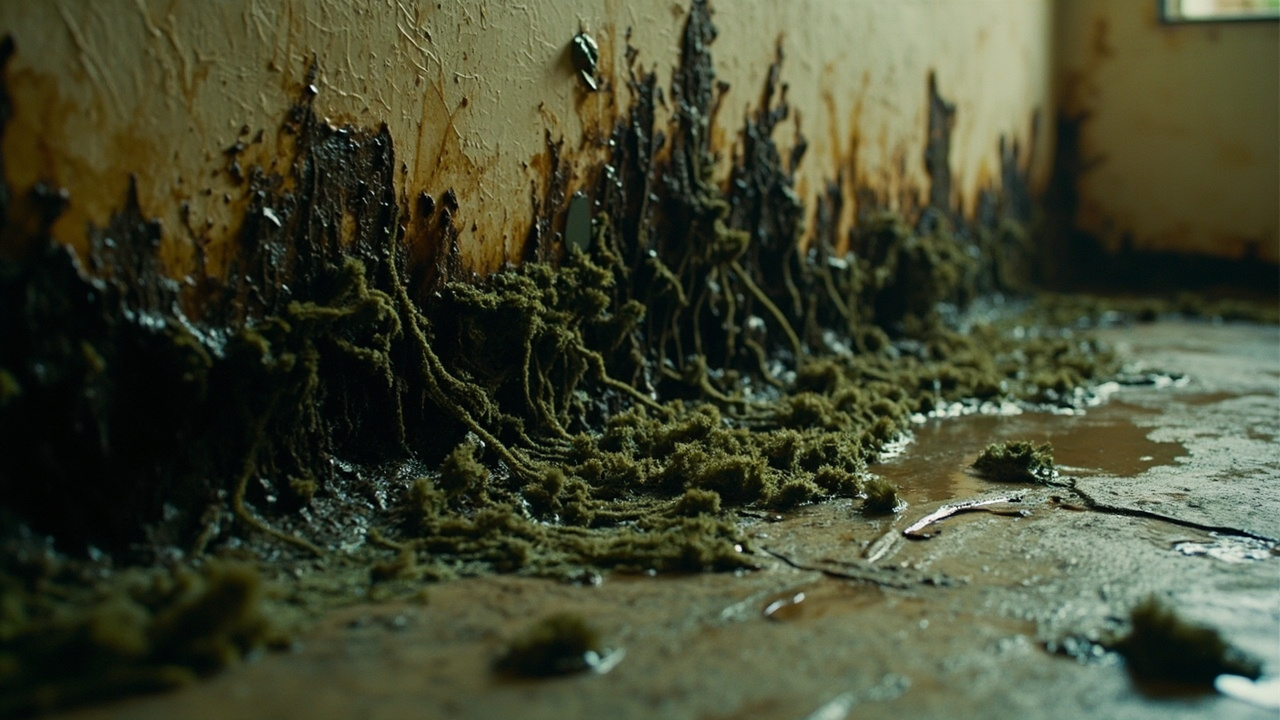
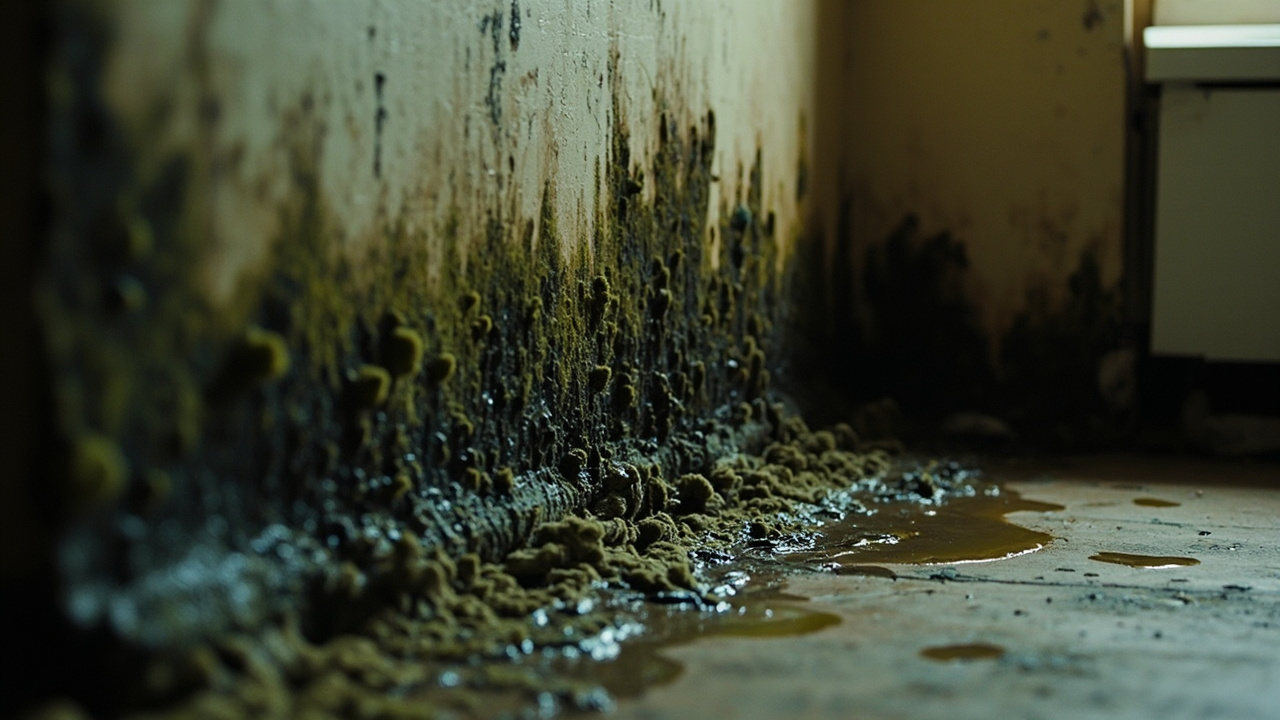
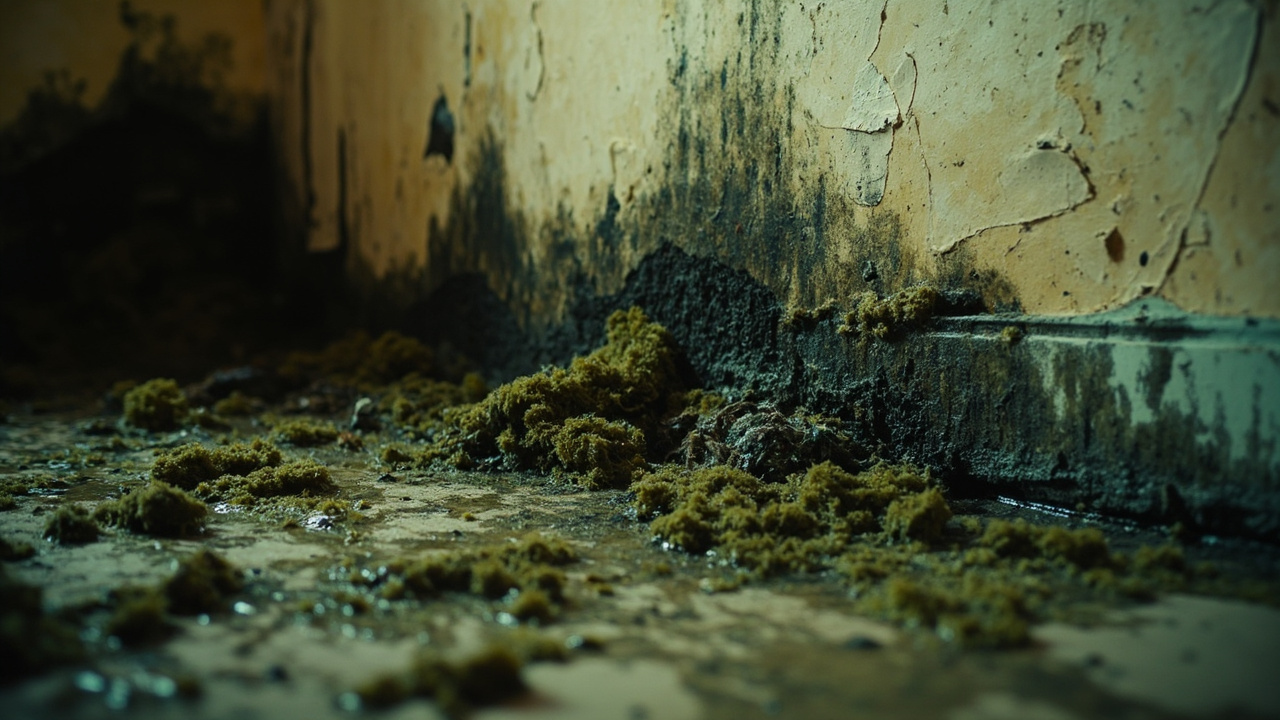
When black mold spots on drywall appear in your Houston home, you need a trained remediation team that identifies the moisture source, contains the fungal growth, and removes contaminated materials safely the first time.

Slider Image 1
Slider Image 2
Slider Image 3
Slider Image 4
Slider Image 5
Slider Image 7
Slider Image 8
Slider Image 9
Slider Image 10
Slider Image 11

Why Houston Homes See Persistent Mold Patches on Interior Walls

Houston's average humidity sits above 70 percent year-round. Add in frequent tropical storms, seasonal flooding, and older homes with inadequate vapor barriers, and you have a perfect breeding ground for visible mildew on painted walls and black mold spots on drywall. Many structures in Greater Houston were built before modern moisture control standards took effect. That means wall cavities trap condensation, attic ventilation falls short, and even a minor roof leak can saturate sheetrock for weeks before you notice the first mold patches on sheetrock.

You see the problem when dark specks spread across a bedroom wall or fuzzy growth creeps up from the baseboard. That fungal growth on wall surfaces is not cosmetic. It signals active moisture intrusion. The spores release continuously, circulating through your HVAC system and affecting indoor air quality. Residents with asthma or allergies often report worsening symptoms before they even spot the visible mold growth on walls. Children and elderly family members face higher risk because their respiratory systems react faster to airborne mycotoxins.

Ignoring wall mold infestation only expands the contaminated zone. Drywall turns soft, paint bubbles, and framing lumber begins to rot. What starts as a fist-sized cluster can colonize an entire room within weeks if the moisture source remains active. Houston's climate does not forgive delays. You need a systematic approach that stops the water, removes the growth, and verifies the air is safe again.

Why Houston Homes See Persistent Mold Patches on Interior Walls
How Professional Remediation Removes Mold Without Spreading Spores

How Professional Remediation Removes Mold Without Spreading Spores

Amateur cleanup spreads contamination. Scrubbing mold patches on sheetrock with bleach releases millions of spores into the air, depositing them on furniture, carpets, and ductwork. Professional remediation follows containment protocols that prevent cross-contamination. We establish negative air pressure in the work zone using HEPA-filtered air scrubbers, so spores cannot migrate to clean areas. All personnel wear respirators rated for mold remediation, and we seal doorways with polyethylene barriers before removing a single piece of drywall.

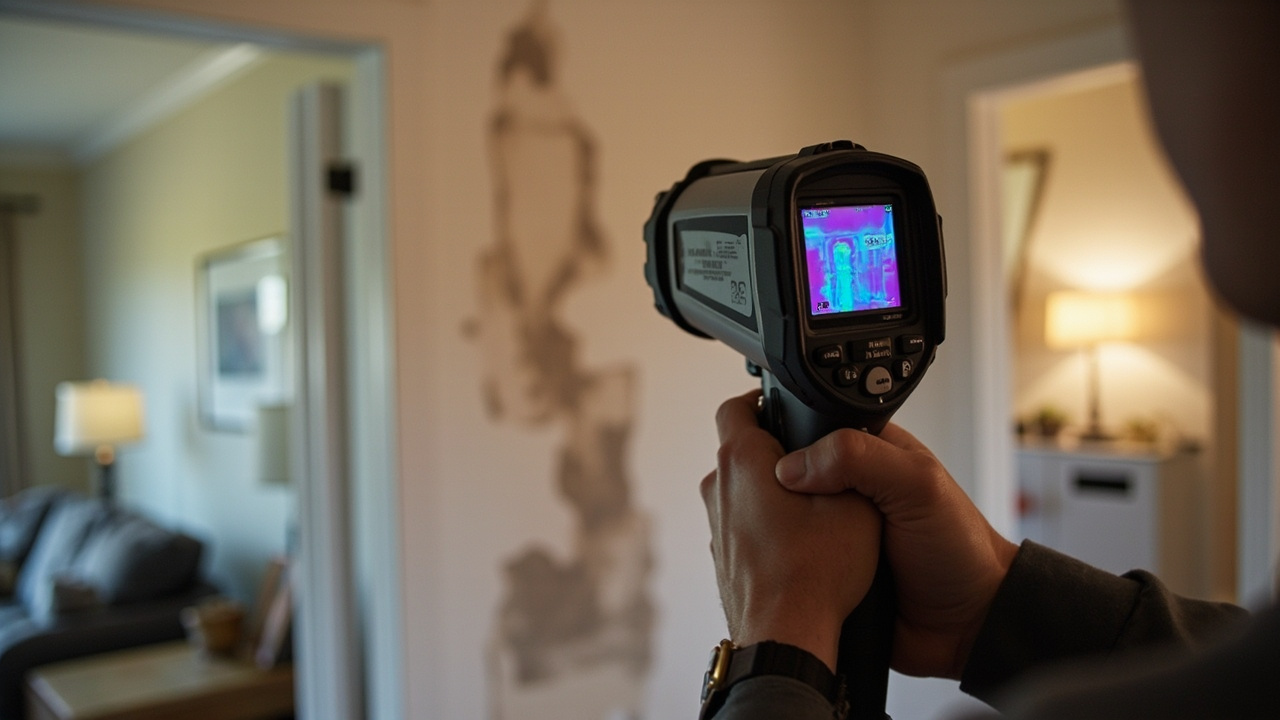
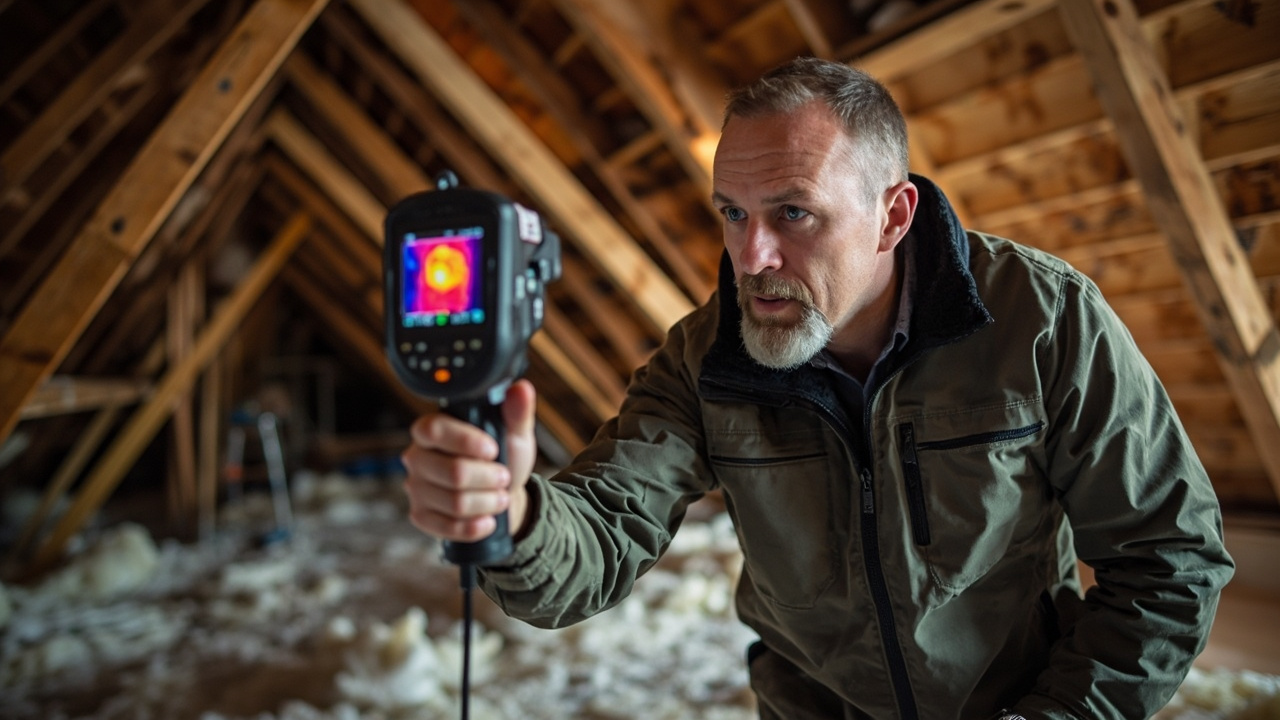
The first step is moisture mapping. We use infrared cameras and pin-type meters to trace the water source. A roof leak, a hidden plumbing drip, or condensation from an improperly vented dryer can all feed fungal growth on wall surfaces. Until you fix that source, mold will return no matter how much you scrub. Once we identify the cause, we isolate contaminated materials. Drywall that shows visible mildew on painted walls gets cut back six inches beyond the visible edge to capture hidden growth inside the wall cavity. We bag and remove all debris under containment, so spores stay trapped.

After demolition, we treat framing and subfloor with antimicrobial agents, then verify moisture levels have dropped below 16 percent. Only then do we clear the space for reconstruction. Air quality testing confirms spore counts match background levels before we remove containment barriers. This process eliminates the root cause and the surface symptom, so black mold spots on drywall do not reappear six months later. Silverline Water Damage Restoration Houston applies this protocol to every project, whether you have a single moldy corner or a whole floor compromised by storm flooding.

What Happens During a Mold Remediation Service Call

Visible Mold Growth on Walls in Houston – Expert Diagnosis and Safe Removal Before Health Risks Escalate
01

Inspection and Moisture Detection

A certified technician surveys the affected rooms, photographs all visible mold growth on walls, and uses thermal imaging to map hidden moisture inside cavities. We check adjacent spaces for cross-contamination and document findings in a detailed assessment report. This diagnostic phase pinpoints the water source, whether it is a leaking supply line, roof penetration, or chronic condensation issue, so repairs target the actual problem.
02

Containment and Removal

We seal the work zone with plastic sheeting and set up negative air machines to capture airborne spores. Contaminated drywall, insulation, and baseboards are cut out, bagged, and disposed of according to EPA guidelines. All surfaces inside the containment area are HEPA-vacuumed and treated with antimicrobial solution. This phase eliminates active mold colonies and prevents spore release into clean areas of your home.
03

Verification and Clearance Testing

After drying and treatment, we run air quality samples to confirm spore counts have returned to safe levels. An independent lab analyzes the samples, and you receive a clearance certificate once results pass. We walk you through the findings, explain any remaining repairs, and provide a written record for insurance claims or future property disclosures. Only then do we consider the remediation complete.

Why Houston Homeowners Choose Silverline Water Damage Restoration for Mold Removal

Houston's building stock ranges from early 20th-century bungalows in the Heights to modern master-planned subdivisions in Katy and Pearland. Each construction era brings unique vulnerabilities. Older homes often lack proper crawl space ventilation, and their plaster-over-lath walls trap moisture differently than modern drywall. Post-Harvey construction standards improved flood resilience, but even newer homes face mold risk if HVAC systems are undersized or if grading directs rainwater toward the foundation. You need a remediation team that understands how Houston's clay soil, high water table, and hurricane exposure create persistent moisture challenges.

Silverline Water Damage Restoration Houston has worked in neighborhoods from Montrose to Clear Lake, addressing wall mold infestation in single-family homes, townhomes, and low-rise apartments. We know that Houston Independent School District facilities, medical offices along the Texas Medical Center corridor, and retail spaces in mixed-use developments all demand fast turnaround to minimize disruption. Our technicians hold IICRC certifications in water damage restoration and applied microbial remediation, so you receive the same science-based protocols whether you are dealing with a small bathroom issue or a multi-unit flood recovery.

Local expertise also means we coordinate directly with Houston-area insurance adjusters, so your claim documentation meets carrier requirements. We photograph every stage, log moisture readings, and provide itemized scopes that align with Xactimate estimating software. That reduces claim delays and helps you recover costs faster. Familiarity with local permit requirements for major reconstruction ensures your project stays compliant with City of Houston codes. When you hire a local team, you get professionals who have already solved your exact problem in dozens of similar Houston properties.

What to Expect When You Schedule Mold Remediation in Houston

Rapid Response Availability

We answer calls 24 hours a day because mold does not wait for business hours. Most inspection visits happen within four hours of your initial contact. Emergency containment can begin the same day if active water intrusion is still occurring. For non-emergency assessments, we schedule appointments within 24 hours. Remediation timelines vary based on square footage and contamination severity, but a typical single-room project takes two to four days from containment setup to final clearance testing. Larger projects or homes requiring extensive drying may extend to a week or more, but we provide a written timeline during the initial inspection so you can plan accordingly.

Thorough Assessment and Documentation

Our technician conducts a room-by-room inspection, checking walls, ceilings, closets, and HVAC returns for hidden contamination. We use moisture meters to test drywall, baseboards, and subflooring, recording exact readings for insurance documentation. Infrared cameras reveal temperature differentials that indicate trapped moisture behind finished surfaces. You receive a detailed written report with photos, moisture maps, and a scope of work before any demolition begins. This transparency allows you to make informed decisions and ensures your insurance adjuster has the evidence needed to approve your claim without unnecessary delays or disputes.

Complete Spore Removal and Air Quality Restoration

The final product is a clean, dry space with verified air quality. We do not simply cover up mold patches on sheetrock or spray over visible growth. Contaminated materials are physically removed, and all remaining surfaces are cleaned with HEPA vacuums and antimicrobial treatments. After drying, an independent laboratory analyzes air samples to confirm spore counts fall within normal outdoor baseline levels. You receive a clearance certificate that documents safe occupancy. This certificate protects your family, satisfies insurance requirements, and provides peace of mind that the problem is truly resolved, not just hidden under a fresh coat of paint.

Ongoing Prevention Guidance

After remediation, we review the conditions that allowed mold to develop in the first place. This might include recommendations for improved attic ventilation, gutter maintenance, or HVAC dehumidification upgrades. We explain how to monitor humidity levels with a simple hygrometer and where to watch for early warning signs like musty odors or condensation on windows. If reconstruction is required, we coordinate with trusted contractors who understand moisture control best practices. Our goal is not just to fix the current problem but to help you prevent future fungal growth on wall surfaces so you do not face recurring remediation costs.

Frequently Asked Questions

You Have Questions,
We Have Answers

What to do if I see mold on my wall? +

Stop using the affected room and avoid touching the mold. Visible growth means spores are already airborne. If the patch is smaller than 10 square feet, you can attempt surface cleaning with diluted bleach or vinegar, but this only treats the symptom. Mold grows behind walls where Houston's humidity feeds it. Turn off HVAC to prevent spore spread. Document the area with photos for insurance. If the growth is larger, recurring, or near HVAC systems, call a remediation specialist immediately. Mold in Houston homes often traces back to hidden leaks or poor ventilation.

Can mold make a baby cough? +

Yes. Mold spores irritate immature respiratory systems. Babies exposed to mold can develop persistent coughs, wheezing, and respiratory infections. Their immune systems cannot filter spores as effectively as adults. In Houston's humid climate, mold thrives in homes with poor ventilation or water intrusion. If your baby has a chronic cough and you see visible mold, assume a connection. Remove the baby from the space immediately. Consult a pediatrician and address the mold source. Surface cleaning is not enough. You need professional assessment to find hidden growth behind walls or in ductwork.

Can mold cause twitching? +

Mold exposure can trigger neurological symptoms, including muscle twitching. Mycotoxins from certain mold species affect the nervous system, causing tremors, spasms, and involuntary movements. These symptoms often accompany headaches, brain fog, and fatigue. If you notice twitching after moving into a Houston home with visible mold or after a water event, the connection is possible. This is not normal. See a doctor who understands environmental illness. Document your symptoms and the mold presence. Professional remediation is necessary. Mold does not just disappear. It requires source elimination and controlled removal to stop toxin exposure.

Is a little mold on walls okay? +

No. Visible mold is never acceptable. If you see it, there is more you do not see. Mold on walls signals moisture problems, poor ventilation, or hidden leaks. Houston's year-round humidity accelerates growth once conditions allow. Even small patches release spores that spread through air systems and settle in other damp areas. Mold damages drywall, framing, and insulation. It also triggers respiratory issues, allergies, and chronic illness. Do not normalize it. Small spots today become large colonies tomorrow. Address the moisture source immediately and remove contaminated materials. Surface wiping does not solve the problem.

What kills mold permanently on walls? +

Nothing kills mold permanently if moisture remains. You must eliminate the water source first. For surface mold on non-porous materials, use a solution of bleach and water or commercial antimicrobial cleaners. For porous materials like drywall or insulation, removal is the only option. Mold roots penetrate deep. In Houston, high humidity means mold returns quickly if ventilation or leaks are not fixed. Professional remediation includes containment, HEPA filtration, antimicrobial treatment, and moisture control. Permanent solutions require fixing leaks, improving airflow, and using dehumidifiers. Killing visible mold is only step one.

Will mold go away if it dries out? +

No. Mold does not die when it dries out. It becomes dormant. Spores remain viable for years, waiting for moisture to return. In Houston, moisture always returns due to humidity, summer storms, and AC condensation. Dormant mold still releases spores and mycotoxins, which can trigger allergic reactions and respiratory issues. Drying out a wet area stops active growth but does not remove contamination. You must physically remove mold-damaged materials and treat surfaces with antimicrobial solutions. Relying on drying alone leaves the problem intact. Humidity will reactivate growth, often in hidden cavities you cannot monitor.

What are the 10 warning signs of mold toxicity? +

Ten common signs of mold toxicity include chronic fatigue, brain fog, headaches, respiratory issues, sinus congestion, skin rashes, muscle aches, joint pain, sensitivity to light, and mood changes like anxiety or depression. Many people in Houston dismiss these symptoms as allergies or stress. If symptoms worsen at home and improve when you leave, suspect mold. Prolonged exposure affects the immune and neurological systems. Visible mold on walls is a red flag. See a doctor familiar with environmental illness and arrange professional mold testing. These symptoms do not resolve without removing the mold source.

Can kids live in a house with mold? +

No child should live in a house with visible mold. Kids are more vulnerable to respiratory infections, asthma, and developmental issues from mold exposure. Their lungs and immune systems are still forming. Houston's climate makes mold a persistent problem once it starts. If you see mold on walls, assume spores are throughout the air system. Kids spending time in contaminated spaces face long-term health risks. Remediate immediately. Move children to a safe environment during the process. Do not attempt DIY removal in occupied spaces. Professional containment and air filtration protect your family during remediation.

How do I tell if mold is in my lungs? +

You cannot self-diagnose mold in your lungs. Symptoms include persistent cough, shortness of breath, chest tightness, wheezing, and fatigue that does not improve with rest. If you have been exposed to visible mold in your Houston home and experience these symptoms, see a pulmonologist. They will order imaging, sputum tests, or bronchoscopy to check for fungal colonization or infection. Mold-related lung conditions include allergic bronchopulmonary aspergillosis and hypersensitivity pneumonitis. Early diagnosis matters. Do not wait for symptoms to worsen. Remove yourself from the moldy environment immediately and seek medical evaluation.

What are the mental symptoms of mold poisoning? +

Mold poisoning affects brain chemistry. Mental symptoms include anxiety, depression, irritability, memory loss, confusion, difficulty concentrating, and mood swings. Many people in Houston attribute these changes to stress or aging, not realizing mold exposure is the cause. Mycotoxins cross the blood-brain barrier and disrupt neurotransmitter function. If you notice cognitive or emotional changes after water damage or in a home with visible mold, the connection is real. See a doctor who understands mycotoxin illness. Remove the mold source and leave the contaminated space. Mental symptoms often improve after remediation and detoxification.

How Houston's Humidity and Storm Patterns Drive Persistent Wall Mold Problems

Houston averages 50 inches of rain annually, with peak downpours during hurricane season from June through November. Tropical systems drop several inches in a matter of hours, overwhelming drainage systems and driving water into wall cavities through roof penetrations, window seals, and foundation cracks. The clay soil beneath most Houston neighborhoods expands when saturated and contracts during dry spells, shifting foundations and creating new entry points for moisture. High ambient humidity means walls rarely dry completely between rain events, so even a minor leak can sustain black mold spots on drywall for months without obvious signs until the colony becomes visible. Homes near Buffalo Bayou, Brays Bayou, or White Oak Bayou face additional risk during flood events, when rising water soaks lower walls and introduces contaminated floodwater into living spaces.

Silverline Water Damage Restoration Houston operates under Texas Department of Licensing and Regulation guidelines for mold remediation, ensuring all work meets state health and safety standards. We maintain relationships with local insurance adjusters, property managers, and construction teams across Harris County, Fort Bend County, and Montgomery County. This network allows us to coordinate complex projects efficiently, whether you need emergency board-up after a storm, full reconstruction following a pipe burst, or simply targeted mold removal in a single room. Choosing a local provider means faster response times, familiarity with Houston building codes, and technicians who have seen every type of moisture problem this climate can produce.
Water Damage Restoration Services in The Houston Area

Easily locate our service area and see how Silverline is strategically positioned to provide rapid water damage restoration services throughout Houston and its surrounding communities. Our commitment to prompt response means we're never far away when disaster strikes, ensuring your property gets the urgent care it needs, wherever you are within our service radius. We're here to serve you efficiently.

Address:
Silverline Water Damage Restoration Houston, 3730 Kirby Dr, Houston, TX, 77098

Additional Services We Offer

Our news updates

Latest Articles & News from The Blogs

Houston humidity presents a constant struggle for homeowners across Harris County. In 2026, the weather patterns continue to create high…

Why Houston Families Trust Our Certified Mold Inspection Services for Local Homes

Houston humidity presents a constant struggle for homeowners across Harris County. In 2026, the weather patterns continue to create high…

Dealing with Attic Water Damage from Leaky Roofs in Kingwood

Dealing with Attic Water Damage from Leaky Roofs in KingwoodHomeowners in the Kingwood area face significant moisture challenges due to…

Why a Home Dehumidifier Cannot Save Your Third Ward Living Room from Water Damage

Why a Home Dehumidifier Cannot Save Your Third Ward Living Room from Water DamageYour Third Ward home faces unique challenges…

Contact Us

Visible mold growth on walls will not resolve on its own. Call Silverline Water Damage Restoration Houston at (832) 336-3663 for a same-day assessment. We identify the moisture source, remove contaminated materials safely, and verify your air quality before we leave.