





menu

Crawl Space Cleanup & Encapsulation in Houston – Eliminate Moisture, Mold, and Structural Damage Before It Spreads

Professional crawl space cleanup and encapsulation services protecting Houston homes from chronic moisture intrusion, mold growth, and wood rot caused by Gulf Coast humidity and seasonal flooding.

Slider Image 1
Slider Image 2
Slider Image 3
Slider Image 4
Slider Image 5
Slider Image 7
Slider Image 8
Slider Image 9
Slider Image 10
Slider Image 11

Why Houston Crawl Spaces Fail Without Proper Encapsulation

Houston's climate punishes unprotected crawl spaces. With average humidity above 75% year-round and annual rainfall exceeding 50 inches, moisture infiltrates through foundation vents, dirt floors, and porous concrete block walls. The clay soil beneath homes expands when saturated and contracts during dry spells, creating foundation movement that opens new entry points for water vapor.

You smell the musty odor first. Then you notice warped floors above the crawl space or see condensation dripping from floor joists. By that point, mold colonies have already established themselves on wood framing, insulation hangs in wet clumps, and standing water pools in low spots. This is not just a comfort problem. Airborne mold spores travel through HVAC returns and floor gaps into living spaces. Wood-destroying fungi weaken structural beams. Energy bills climb as damp insulation loses its R-value.

Crawl space remediation addresses these interconnected failures. The process removes contaminated materials, treats affected surfaces, and installs a permanent moisture barrier system. Crawl space waterproofing goes beyond simple vapor barriers by incorporating drainage systems that intercept groundwater before it enters the space. Crawl space sealing services eliminate the passive venting that once seemed logical but actually pumps humid outdoor air directly into the substructure.

You cannot fix this problem with a dehumidifier alone. The source of moisture must be controlled through comprehensive crawl space restoration that addresses soil vapor, bulk water intrusion, and conditioned air management. Houston homes built on pier and beam foundations face unique challenges compared to slab construction, requiring specialized assessment of rim joist conditions and cross-ventilation patterns.

Why Houston Crawl Spaces Fail Without Proper Encapsulation
Our Crawl Space Encapsulation Process

Our Crawl Space Encapsulation Process

Effective encapsulation requires complete moisture control, not just plastic sheeting thrown over dirt. We begin with water extraction and removal of all damaged materials. Wet insulation comes out. Standing water gets pumped. Contaminated soil in localized areas may need excavation if organic material has decomposed into sludge.

Next comes antimicrobial treatment of all wood surfaces. We apply EPA-registered solutions to floor joists, sill plates, and subflooring to eliminate active mold growth and prevent future colonization. This step matters because sealing moisture inside an encapsulated space without killing existing mold just creates a terrarium for fungal growth.

Crawl space vapor barrier installation uses reinforced polyethylene sheeting, typically 12 to 20 mil thickness, that resists tears and punctures. We run this material across the entire floor surface and extend it up foundation walls to create a continuous moisture barrier. Seams get overlapped by 12 inches minimum and sealed with specialized tape rated for high humidity environments. The barrier attaches to foundation walls with mechanical fasteners and mastic sealant.

Perimeter drainage addresses bulk water. If groundwater intrusion occurs, we install a French drain system along interior foundation walls that channels water to a sump basin with battery backup pumps. Exterior grading corrections may be necessary if surface water flows toward the foundation.

Foundation vents get sealed permanently. Conditioned air supply from the HVAC system replaces passive ventilation, creating slight positive pressure that prevents humid outdoor air from infiltrating through small gaps. This approach aligns with current building science research showing vented crawl spaces actually increase moisture problems in humid climates.

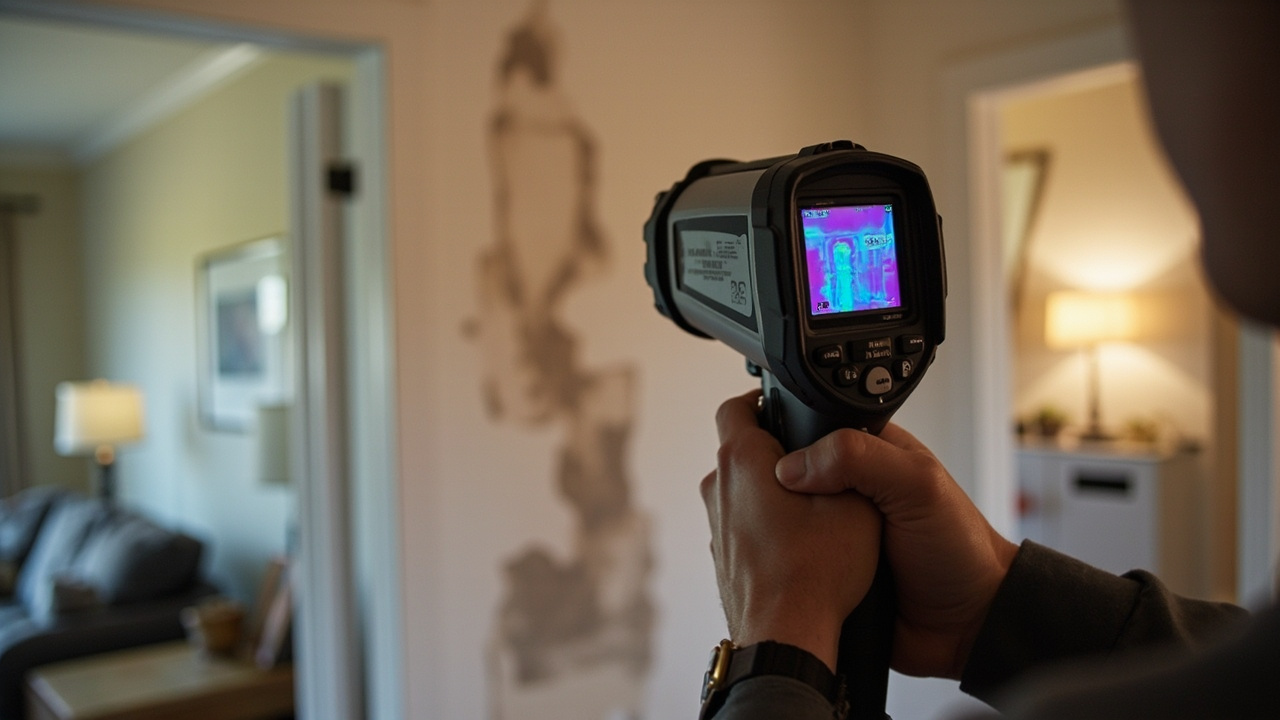
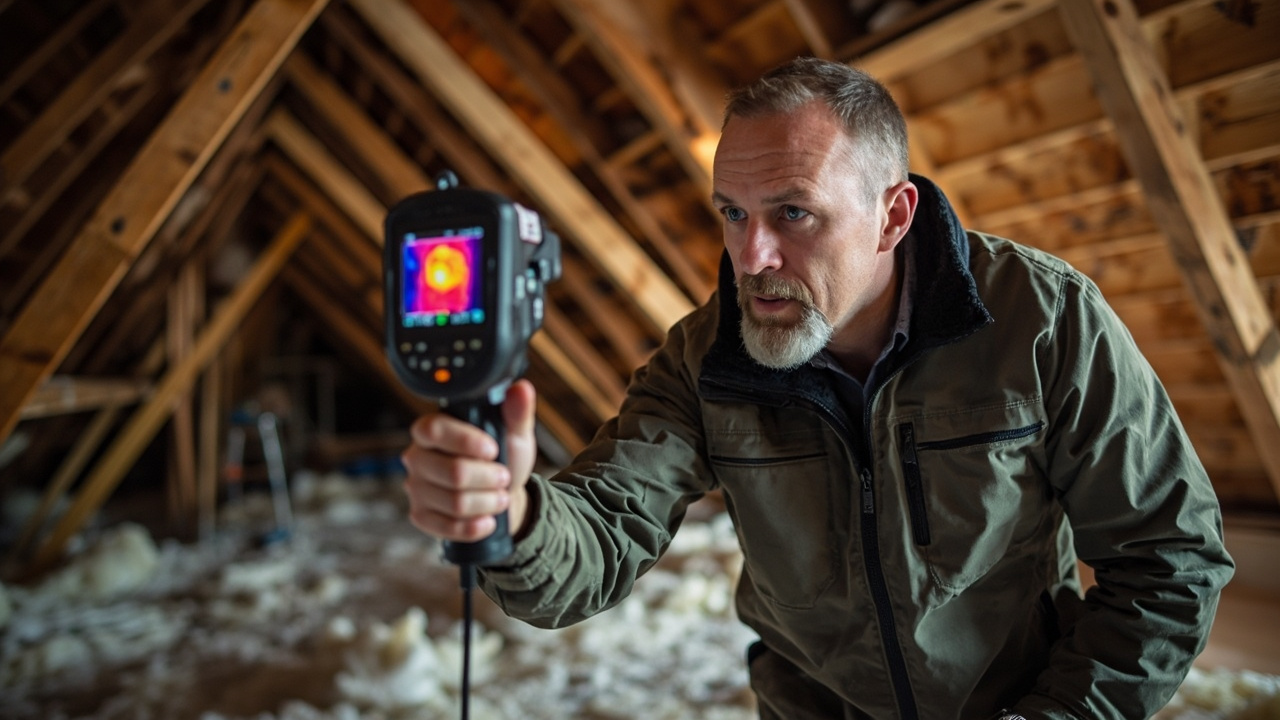
We verify completion with moisture meter readings and thermal imaging to confirm the space maintains relative humidity below 60%.

What Happens During Your Crawl Space Transformation

Crawl Space Cleanup & Encapsulation in Houston – Eliminate Moisture, Mold, and Structural Damage Before It Spreads
01

Initial Moisture Assessment

We inspect the entire crawl space with moisture meters, thermal cameras, and visual documentation to map water sources and damage extent. This includes checking for plumbing leaks, HVAC condensate line failures, and groundwater seepage patterns. We measure wood moisture content in floor joists and test soil humidity levels. You receive a detailed report with photos showing exactly what needs correction before any work begins.
02

Complete Moisture Remediation

All contaminated materials get removed and the space is dried using commercial dehumidifiers and air movers. We treat structural wood with antimicrobial solutions and apply encapsulants to prevent future mold growth. Any plumbing repairs get completed before encapsulation. Drainage systems are installed if groundwater intrusion is present. The crawl space reaches target moisture levels before barrier installation begins, ensuring we seal in dry conditions.
03

Permanent Barrier Installation

Heavy-duty vapor barrier gets installed across all floor surfaces and up foundation walls with properly sealed seams and mechanical attachment points. Foundation vents are sealed and insulated. We connect a conditioned air supply if needed and install monitoring equipment. Final inspection includes moisture readings and documentation of humidity levels. You get a maintenance guide explaining how to check the space quarterly and what signs indicate a problem.

Why Houston Homeowners Choose Silverline Water Damage Restoration

Crawl space work in Houston requires understanding local construction methods and soil behavior. Homes built on expansive clay soil face constant foundation movement as moisture content changes seasonally. We account for this reality when designing drainage systems and selecting materials that accommodate minor structural shifts without compromising the moisture barrier.

Many Houston homes in areas like Heights, Montrose, and West University were built between 1920 and 1960 with pier and beam foundations that were never designed for modern moisture control standards. These older structures need careful evaluation of existing ventilation patterns, subfloor conditions, and clearance heights before implementing encapsulation. We have worked in hundreds of historic Houston homes and understand the difference between a foundation that needs encapsulation versus one that requires structural repairs first.

Harris County building codes and flood plain regulations affect crawl space work, particularly in neighborhoods near Buffalo Bayou, White Oak Bayou, and Brays Bayou. Properties with FEMA flood zone designations may have specific requirements for maintaining flood venting or elevating mechanical equipment. We handle permit applications when required and ensure all work complies with local amendments to the International Residential Code.

Our crews recognize the signs of previous foundation repairs, can identify polybutylene plumbing that needs replacement before encapsulation, and know when HVAC ductwork in the crawl space should be relocated or sealed. This experience prevents the common mistake of sealing a crawl space while ignoring the leaking condensate line or failed duct boot that will reintroduce moisture within months.

You need a contractor who has seen what happens when encapsulation is done incorrectly. We have remediated crawl spaces where other companies installed vapor barriers without addressing active water intrusion, creating swamps under homes. We fix these failures regularly.

What You Can Expect From Our Service

Project Timeline and Scheduling

Most residential crawl space cleanup and encapsulation projects take three to five days depending on space size and damage extent. We schedule assessment within 24 hours of your call. Work begins within three to seven days for standard projects. Emergency water extraction and mold remediation starts immediately when active flooding or severe contamination poses health risks. We coordinate with your schedule for access and minimize disruption to your daily routine. Larger projects or those requiring structural repairs may extend to two weeks. You receive a detailed timeline before work starts with clear milestones for each phase.

Thorough Space Evaluation

Your assessment includes complete documentation of moisture sources, structural conditions, and ventilation patterns. We measure crawl space dimensions, foundation heights, and access point locations. Thermal imaging identifies hidden water intrusion and insulation gaps. Moisture meters test wood and soil saturation levels. We check for plumbing leaks, HVAC condensate problems, and exterior drainage failures. You get a written report with photos showing current conditions and our recommended solution. This evaluation identifies whether you need basic vapor barrier installation or comprehensive crawl space waterproofing with drainage systems.

Long-Term Moisture Control

Properly installed encapsulation systems maintain crawl space relative humidity below 60% year-round. You will notice improved indoor air quality within days as musty odors disappear and airborne mold spore counts drop. Floor temperatures equalize, making rooms above the crawl space more comfortable. Energy efficiency improves as insulation stays dry and performs at rated R-values. The vapor barrier prevents soil gases including radon from entering your home. Wood structural members remain below 19% moisture content, eliminating conditions that support mold growth and wood rot. You can inspect the space quarterly to verify the system continues performing correctly.

System Maintenance and Support

We provide detailed maintenance instructions covering how to inspect the vapor barrier, check sump pump operation, and monitor humidity levels. You receive guidance on what to look for during quarterly inspections and when to call for service. If your system includes a dehumidifier or sump pump, we explain filter replacement schedules and battery backup testing procedures. Most encapsulation systems require minimal maintenance beyond annual inspections. We respond quickly if you notice any changes in crawl space conditions or detect new moisture intrusion. The materials we install are designed for decades of service when properly maintained.

Frequently Asked Questions

You Have Questions,
We Have Answers

What is the average cost to encapsulate a crawl space? +

Crawl space encapsulation costs vary based on square footage, existing moisture damage, and the scope of work needed. In Houston, expect factors like high humidity, clay soil movement, and existing mold or water intrusion to impact your quote. Costs include vapor barrier installation, dehumidifier systems, vent sealing, and any necessary mold remediation or structural repairs. Homes built on expansive clay soils common throughout the Houston area often require additional drainage work, which increases the project scope. Get a detailed inspection first to identify hidden issues like rodent infestations or plumbing leaks that need addressing before encapsulation begins.

Is it worth it to encapsulate a crawlspace? +

In Houston's humid subtropical climate, crawl space encapsulation is a smart investment. High humidity year-round creates constant moisture problems that lead to mold growth, wood rot, and pest infestations. Encapsulation protects your foundation from clay soil expansion and contraction, reduces energy bills by stopping conditioned air loss, and improves indoor air quality. You eliminate the musty smell that rises through floorboards and prevent structural damage from moisture. For Houston homeowners dealing with flooding risks from tropical storms and heavy rainfall, encapsulation adds a critical layer of protection. The return on investment comes through lower utility costs and avoided repair bills.

What does crawl space encapsulation include? +

Crawl space encapsulation includes installing a heavy-duty vapor barrier across floors and walls to seal out ground moisture. The process involves removing debris and standing water, treating mold or mildew, sealing foundation vents, insulating rim joists, and installing a commercial-grade dehumidifier. In Houston, this often includes addressing drainage issues caused by clay soil and ensuring proper grading around your foundation. Many projects require sump pump installation to handle water infiltration during heavy rain events. The goal is creating a controlled environment that stops humidity from entering your home while protecting structural components from moisture damage common in Gulf Coast climates.

What are the negatives of encapsulation? +

Encapsulation requires upfront investment and ongoing maintenance. You must monitor and empty dehumidifiers, replace filters, and inspect the vapor barrier for tears or separation. If installed incorrectly, moisture can become trapped between the barrier and foundation walls, creating worse problems. In Houston, power outages from hurricanes can disable dehumidifiers, allowing humidity to spike quickly. You also lose crawl space access for future plumbing or electrical work unless access panels are planned. Homes with active plumbing leaks or foundation cracks must address those issues first, adding cost. Encapsulation is not a band-aid for poor drainage or structural problems requiring separate fixes.

How Houston's Clay Soil and Hurricane Flooding Make Crawl Space Encapsulation Essential

Houston sits on expansive clay soil that shrinks and swells with moisture changes, creating constant stress on pier and beam foundations. During wet periods from tropical storms and hurricane remnants, the soil saturates and expands, pushing against foundation elements. When drought returns, the clay contracts and pulls away from concrete piers. This cycle opens gaps that allow groundwater and soil vapor to infiltrate crawl spaces. Hurricane Harvey demonstrated how prolonged flooding can overwhelm unprotected crawl spaces, leaving standing water that takes weeks to evaporate in Houston's humid climate. Crawl space sealing services with integrated drainage systems protect against both chronic moisture intrusion and acute flood events common to the Gulf Coast region.

Harris County properties near Buffalo Bayou, Greens Bayou, and other floodplain areas face additional moisture challenges requiring specialized crawl space restoration approaches. We work with homeowners navigating FEMA flood zone requirements and understand how to maintain required flood venting while still controlling humidity. Our experience with Houston's building permit process ensures projects meet local code amendments specific to foundation work and moisture control. We recognize neighborhood-specific issues like the high water tables in areas near Galveston Bay or the unique foundation designs common in Memorial and River Oaks historic districts. This local knowledge prevents the cookie-cutter solutions that fail within months when they ignore Houston's specific environmental conditions.
Water Damage Restoration Services in The Houston Area

Easily locate our service area and see how Silverline is strategically positioned to provide rapid water damage restoration services throughout Houston and its surrounding communities. Our commitment to prompt response means we're never far away when disaster strikes, ensuring your property gets the urgent care it needs, wherever you are within our service radius. We're here to serve you efficiently.

Address:
Silverline Water Damage Restoration Houston, 3730 Kirby Dr, Houston, TX, 77098

Additional Services We Offer

Our news updates

Latest Articles & News from The Blogs

Dealing with Attic Water Damage from Leaky Roofs in KingwoodHomeowners in the Kingwood area face significant moisture challenges due to…

Dealing with Attic Water Damage from Leaky Roofs in Kingwood

Dealing with Attic Water Damage from Leaky Roofs in KingwoodHomeowners in the Kingwood area face significant moisture challenges due to…

Why a Home Dehumidifier Cannot Save Your Third Ward Living Room from Water Damage

Why a Home Dehumidifier Cannot Save Your Third Ward Living Room from Water DamageYour Third Ward home faces unique challenges…

Planning Your Tropical Storm Recovery Strategy for League City and Bay Area Residences

Planning Your Tropical Storm Recovery Strategy for League City and Bay Area Residences Living in the Houston Bay Area during…

Contact Us

Stop breathing mold spores and watching your floors warp. Call Silverline Water Damage Restoration Houston at (832) 336-3663 now for a complete crawl space evaluation. We provide same-day assessment scheduling and start remediation within days of approval.