





menu

Emergency Toilet Overflow Cleanup in Houston – Same-Day Response Within 60 Minutes

When a toilet overflows, every minute counts. Our rapid-response crews arrive fast to stop contaminated water from spreading through your Houston home, protecting your family's health and your property from permanent damage.

Slider Image 1
Slider Image 2
Slider Image 3
Slider Image 4
Slider Image 5
Slider Image 7
Slider Image 8
Slider Image 9
Slider Image 10
Slider Image 11

Why Toilet Overflows Are So Dangerous in Houston Homes

A toilet overflow is not just inconvenient. It is a health emergency. Toilet water contains Category 3 contaminated water, also called black water, which carries bacteria, viruses, and pathogens that can make you sick. When this water spills onto your floors, it seeps into subflooring, baseboards, and carpet backing within minutes.

Houston's subtropical humidity makes this worse. Once contaminated water soaks into porous materials, our 70 percent average humidity creates ideal conditions for mold growth within 24 to 48 hours. Mold spores spread through your HVAC system and can trigger respiratory problems, especially in children and older adults.

Many Houston homes sit on expansive clay soil that shifts with moisture changes. When toilet flood restoration is delayed, water can migrate under slab foundations, causing settling or cracking. This is not a problem you can mop up and forget.

Overflowing toilet cleanup requires immediate action. The longer contaminated water sits, the deeper it penetrates. Drywall wicks moisture up to 12 inches above the visible waterline. Carpet padding becomes a bacterial breeding ground. Wood subfloors swell and warp.

Emergency toilet water extraction must happen within the first few hours to prevent permanent structural damage and serious health risks. You need a crew that understands the urgency, arrives fast, and follows strict decontamination protocols. Toilet sewage removal is not a DIY project. It requires industrial extractors, antimicrobial treatments, and disposal procedures that meet EPA guidelines for biohazard waste.

If your toilet overflowed in the last hour, do not wait. The clock is ticking.

Why Toilet Overflows Are So Dangerous in Houston Homes
How Professional Toilet Overflow Remediation Works

How Professional Toilet Overflow Remediation Works

Toilet overflow remediation is a multi-step decontamination process. It is not about drying floors. It is about eliminating biohazards and restoring safe living conditions.

First, we perform source control. If the toilet is still leaking, we shut off the water supply at the angle stop valve behind the fixture. If the overflow was caused by a main line blockage, we coordinate with a licensed plumber to clear the obstruction before starting extraction.

Next, we begin emergency toilet water extraction using truck-mounted pumps and portable extractors. These machines remove standing water in minutes, not hours. We extract from all affected surfaces, including tile grout lines, baseboards, and carpet edges where contaminated water hides.

After extraction, we remove non-salvageable materials. Category 3 water requires disposal of porous materials like carpet, padding, and drywall that absorbed sewage. This is not optional. IICRC S500 standards mandate removal of any material that cannot be effectively decontaminated.

Then comes antimicrobial treatment. We apply EPA-registered disinfectants to all exposed surfaces, including subfloors, wall cavities, and framing. This kills bacteria, viruses, and prevents mold colonization.

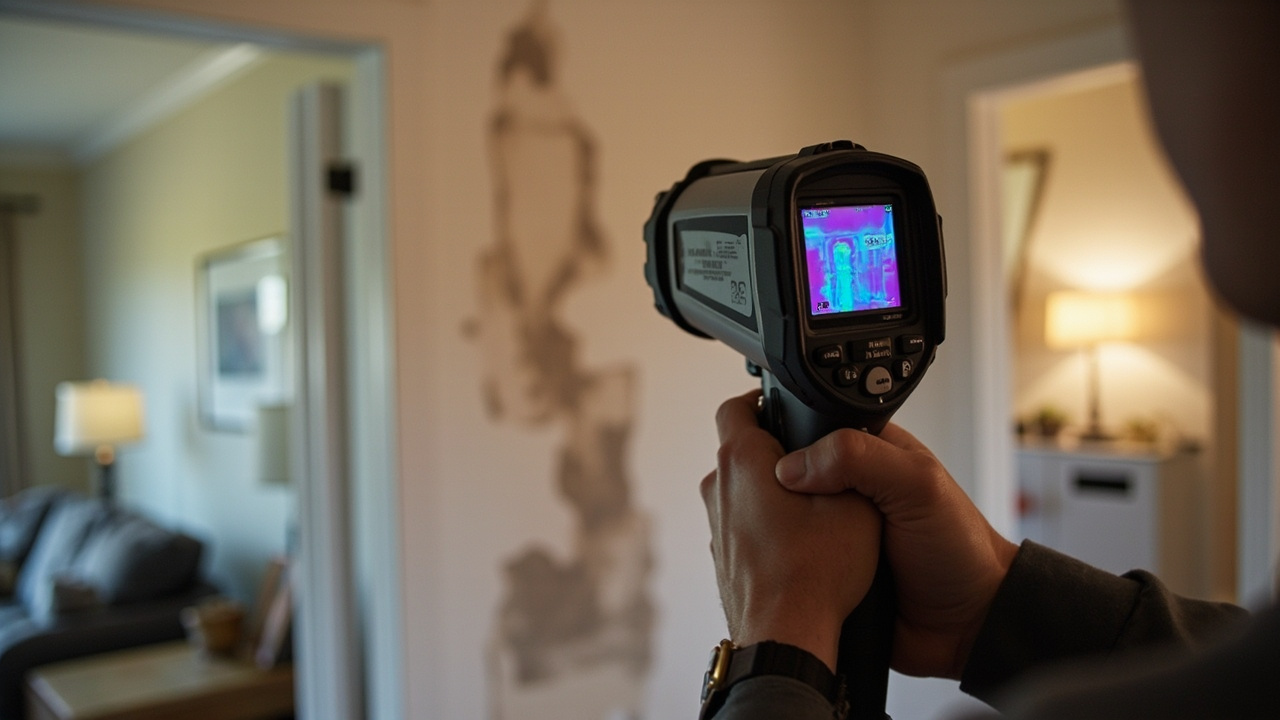
Finally, we deploy commercial air movers and dehumidifiers to dry structural materials to safe moisture levels. We monitor moisture content using thermal imaging cameras and moisture meters. Drying is complete when readings return to baseline, usually within three to five days depending on humidity and airflow.

Silverline Water Damage Restoration Houston follows strict decontamination protocols on every toilet sewage removal job. We treat your home like our own.

What Happens When You Call for Emergency Toilet Cleanup

Emergency Toilet Overflow Cleanup in Houston – Same-Day Response Within 60 Minutes
01

Immediate Dispatch and Assessment

When you call, we dispatch a crew immediately. Most Houston-area homes receive service within 60 minutes. Our technician arrives with extraction equipment, moisture meters, and personal protective equipment. We assess the affected area, document damage with photos, and identify all contaminated materials. You get a clear explanation of what needs to happen next before any work begins.
02

Water Extraction and Containment

We set up containment barriers using plastic sheeting to prevent cross-contamination to unaffected rooms. High-capacity extractors remove standing water and moisture from subflooring. We pull baseboards to check for wicking and remove soaked carpet padding. Air scrubbers with HEPA filters capture airborne contaminants. Every surface that touched contaminated water gets treated with hospital-grade antimicrobial solution. This step stops the spread of bacteria and odor.
03

Drying and Final Verification

We position commercial air movers and dehumidifiers to create optimal drying conditions. Our crew returns daily to monitor moisture levels using infrared cameras and pin-type meters. When all readings return to dry standard, we remove equipment and perform a final walkthrough. You receive documentation showing moisture levels before and after, plus photos of completed work. Your home is safe, dry, and ready for any necessary reconstruction.

Why Houston Families Choose Silverline for Toilet Overflow Cleanup

When contaminated water floods your home, you need a crew that understands the stakes. Silverline Water Damage Restoration Houston specializes in emergency toilet water extraction and biohazard decontamination.

We know Houston. We know that homes in Montrose, the Heights, and Meyerland sit on foundations vulnerable to water damage. We know that older homes near Rice Village and Bellaire have cast iron drain lines that corrode and cause backups. We have worked in every neighborhood from Kingwood to Sugar Land, and we understand how Houston's humidity accelerates mold growth after water damage.

Our crews are trained in IICRC water damage restoration standards and OSHA bloodborne pathogen protocols. We treat toilet sewage removal as a health emergency, not a cleaning project. Every technician wears protective gear, follows decontamination procedures, and disposes of biohazard waste according to Harris County regulations.

We work directly with insurance companies to document damage and expedite claims. Most homeowners policies cover sudden toilet overflows under water damage provisions. We provide detailed estimates, moisture readings, and photo documentation that adjusters need to approve claims quickly. You should not have to fight your insurance company while dealing with a sewage backup.

We also respond fast. Our average response time in the greater Houston metro is under 60 minutes. We dispatch crews 24 hours a day, seven days a week, including holidays. When you call at 2 a.m. because a toilet overflowed and water is spreading into your hallway, we answer. We arrive. We stop the damage.

Houston homeowners trust Silverline because we show up when it matters most and do the work right the first time.

What to Expect During Toilet Overflow Cleanup

Rapid Response Time

We dispatch emergency crews 24 hours a day, 365 days a year. Most Houston-area properties receive service within 60 minutes of your call. Our trucks carry extraction equipment, air movers, dehumidifiers, and antimicrobial treatments so we can start work immediately upon arrival. You do not wait days for an estimate. We assess damage, explain the scope of work, and begin water extraction right away. Speed matters with toilet overflows because contaminated water spreads fast and the health risks increase every hour. We treat every call as urgent.

Thorough Damage Assessment

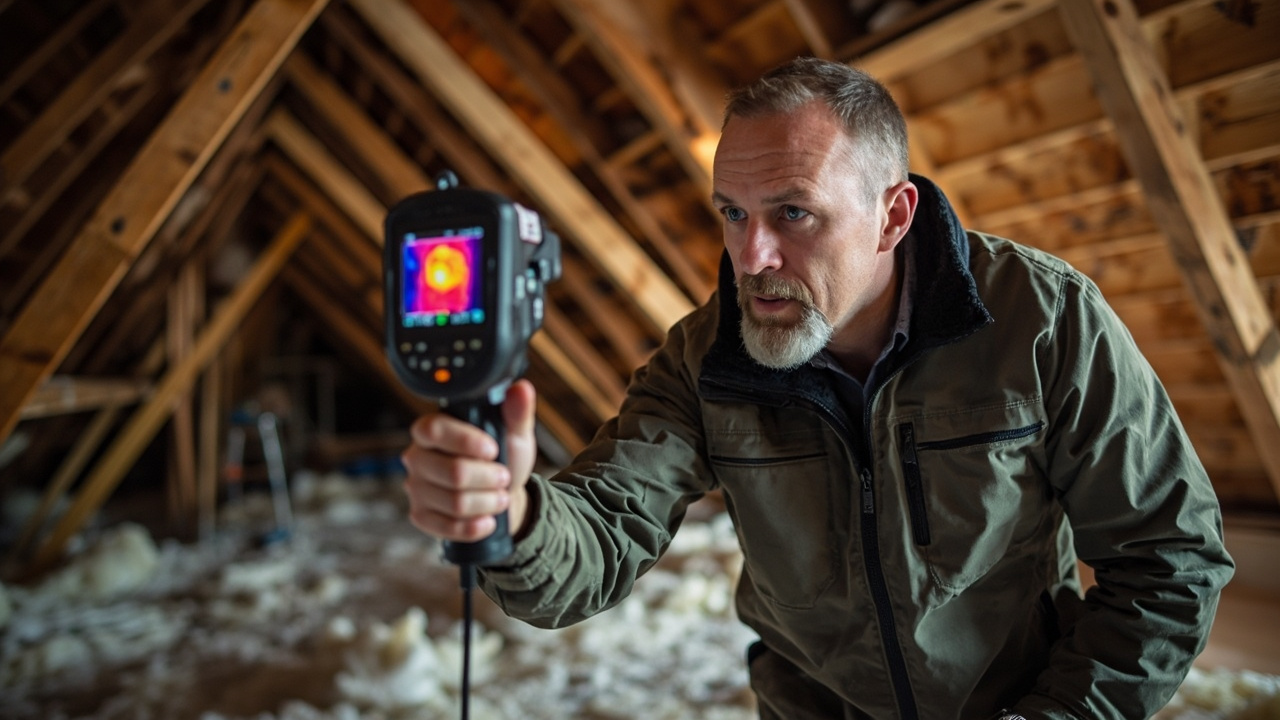
Our technicians use thermal imaging cameras and moisture meters to locate hidden water damage behind walls, under flooring, and inside cabinets. We check for wicking in drywall, saturation in subflooring, and moisture migration into adjacent rooms. You receive a written assessment that documents affected areas, moisture readings, and recommended repairs. We explain which materials can be saved and which must be removed for safety. This assessment becomes part of your insurance claim documentation. We do not guess. We measure, document, and give you facts.

Complete Decontamination and Drying

After water extraction, we remove contaminated materials and apply EPA-registered antimicrobial treatments to kill bacteria and prevent mold. Commercial air movers and dehumidifiers run continuously until moisture levels return to safe standards. We monitor progress daily using moisture meters and infrared technology. Drying typically takes three to five days depending on the extent of saturation and Houston's humidity. When the job is complete, you receive final moisture readings and photo documentation. Your home is not just dry. It is safe, decontaminated, and ready for reconstruction or move-in.

Insurance Coordination and Documentation

We work directly with your insurance carrier to streamline the claims process. Our estimates include detailed line items, moisture readings, photos, and documentation that adjusters require. We explain coverage, help you understand your deductible, and answer questions about the claims timeline. Most homeowners policies cover sudden toilet overflows as water damage, but we verify coverage before starting work. You should not have to navigate insurance paperwork during an emergency. We handle documentation so you can focus on getting your home back to normal. Billing is straightforward and transparent.

Frequently Asked Questions

You Have Questions,
We Have Answers

Can you pour vinegar in a toilet overflow tube? +

You can pour vinegar into the toilet overflow tube to clean mineral buildup and clear the rim jets. Pour one to two cups of white vinegar directly into the tube and let it sit for 30 minutes. This helps dissolve calcium and lime deposits common in Houston's hard water. However, if your toilet overflowed due to a blockage or backup, vinegar will not fix the plumbing issue. You need immediate professional attention to prevent water damage. Stop using the toilet, shut off the water supply valve, and call a water damage restoration team right away to address contaminated water and prevent mold growth in your flooring and walls.

Will toilet overflow cause mold? +

Yes. Toilet overflow will cause mold if you do not act fast. Sewage water contains bacteria and organic matter that feeds mold spores. Houston's high humidity accelerates mold growth within 24 to 48 hours. Water seeps under baseboards, into drywall, and beneath flooring where you cannot see it. You need immediate extraction, antimicrobial treatment, and dehumidification to stop mold colonization. Do not wait. Even clean water from a supply line can trigger mold if moisture stays trapped. If your toilet overflowed, call a certified restoration company immediately to dry affected areas, treat surfaces, and prevent long-term health risks and structural damage.

What are two things you should never flush down a toilet? +

Never flush wipes or feminine hygiene products. Wipes labeled flushable do not break down like toilet paper. They clump together in your drain lines and cause blockages that lead to toilet overflows. Feminine hygiene products absorb water and expand, creating severe clogs. Both items account for most residential sewer backups in Houston. Flushing grease, medications, or paper towels also causes problems. Only human waste and toilet paper should go down your toilet. If you already flushed these items and your toilet overflowed, shut off the water immediately and call a plumber. Standing sewage water requires professional cleanup to prevent contamination and mold.

What is the best cleaner for toilet rim jets? +

White vinegar or a commercial calcium remover works best for cleaning toilet rim jets. Pour two cups of vinegar into the overflow tube and let it sit for 30 minutes to dissolve mineral deposits. For heavy buildup common in Houston's hard water, use a thin wire or an allen wrench to manually clear each jet hole under the rim. Avoid bleach-based cleaners for routine maintenance because they can corrode rubber seals over time. If your rim jets stay clogged and your toilet overflows, the problem may be deeper in your drain line. Call a professional to inspect your plumbing before water damage spreads.

Why does a plumber expert warn against using vinegar and baking soda on drains? +

Plumbers warn against vinegar and baking soda because the reaction does not clear serious clogs. The fizzing action looks impressive but lacks the pressure needed to break through hair, grease, or solid blockages. Vinegar is acidic and baking soda is alkaline. They neutralize each other and create only carbon dioxide gas and water. This mixture will not dissolve buildup or push a clog through your pipes. For toilet overflows or slow drains, you need a snake, hydro jetting, or professional assessment. Do not waste time with home remedies during an emergency. Call a licensed plumber immediately to prevent sewage backup and water damage in your Houston home.

Can I leave vinegar in the toilet tank overnight? +

Yes. You can leave vinegar in the toilet tank overnight to dissolve mineral buildup and clean internal components. Pour two to four cups of white vinegar into the tank, let it sit for eight to twelve hours, then flush. This method removes calcium deposits common in Houston's hard water and improves flush performance. However, do not use vinegar if your tank has rubber or plastic parts that show signs of wear. Prolonged acid exposure can degrade seals over time. If your toilet overflows despite cleaning, the issue is a drain blockage or faulty flapper. Shut off the water and call a professional immediately.

How do Japanese bathrooms not get mold? +

Japanese bathrooms resist mold through superior ventilation, waterproofing, and quick-drying materials. Most Japanese homes use integrated exhaust fans that run continuously after showers. Bathrooms feature waterproof wall panels instead of drywall and sloped floors with central drains to prevent standing water. Houston's high humidity makes these design features valuable but uncommon in older homes. After a toilet overflow, you face a different challenge. Sewage water saturates porous materials like drywall and subflooring. You need professional extraction, antimicrobial treatment, and dehumidification within 24 hours to stop mold growth. Do not try to clean sewage water yourself. Call a certified restoration team immediately.

What kills black mold in a toilet? +

Bleach kills black mold in a toilet bowl but does not address the root cause. Mix one cup of bleach with one gallon of water, scrub the affected area, and let it sit for ten minutes before flushing. Wear gloves and ventilate the room. Black mold in your toilet signals chronic moisture or a slow leak you cannot see. Houston's humidity amplifies the problem. If mold keeps returning or you smell sewage odors, you may have a hidden wax ring failure or drain line issue. After a toilet overflow, mold can colonize your walls and subflooring within 48 hours. Call a restoration professional to inspect hidden areas and treat contaminated materials.

Why is the black stuff in my toilet coming back? +

Black residue returns because you have a moisture problem or bacterial growth in your drain line. The black material is often mold, mildew, or biofilm fed by standing water or slow leaks. Houston's humidity accelerates this growth. Check for a faulty wax ring, condensation on the tank, or a crack in the bowl. Surface cleaning with bleach only treats the symptom. You need to fix the water source. If your toilet recently overflowed, sewage water may have penetrated your flooring and walls. Mold grows in hidden cavities you cannot reach. Call a water damage restoration company to inspect, treat, and dry affected areas before health risks escalate.

Should you flush the toilet after every pee? +

You should flush after every use to prevent odors, bacteria buildup, and staining. Urine contains uric acid that crystallizes and creates stubborn deposits in your bowl and trap. These deposits attract bacteria and produce ammonia smells. Flushing also prevents mineral rings common in Houston's hard water. Some people skip flushing to conserve water, but modern low-flow toilets use minimal water per flush. If your toilet overflows when you flush, do not keep using it. Shut off the water supply valve immediately and call a professional. Continued flushing will flood your bathroom and spread contaminated water into flooring, walls, and adjacent rooms.

Why Houston's Humidity and Soil Make Toilet Overflow Cleanup Critical

Houston's 70 percent average humidity accelerates mold growth after toilet overflows. When contaminated water soaks into carpet, drywall, or wood, the constant moisture in the air prevents natural evaporation. Mold spores colonize within 24 to 48 hours. The city's expansive clay soil also shifts with moisture changes, so water migrating under slab foundations can cause settling and cracking. These local conditions make professional emergency toilet water extraction essential. Delays lead to structural damage and health risks you cannot fix with fans and towels.

Silverline Water Damage Restoration Houston understands the unique challenges Gulf Coast homeowners face. We have worked in neighborhoods across Harris County, from older homes in the Heights with cast iron plumbing to newer construction in Katy and Pearland. We follow Harris County health department guidelines for biohazard disposal and stay current with local building codes for reconstruction. Choosing a local company means working with technicians who understand Houston's climate, soil conditions, and the urgency of toilet flood restoration in our humid environment. Experience matters when your family's health is at risk.
Water Damage Restoration Services in The Houston Area

Easily locate our service area and see how Silverline is strategically positioned to provide rapid water damage restoration services throughout Houston and its surrounding communities. Our commitment to prompt response means we're never far away when disaster strikes, ensuring your property gets the urgent care it needs, wherever you are within our service radius. We're here to serve you efficiently.

Address:
Silverline Water Damage Restoration Houston, 3730 Kirby Dr, Houston, TX, 77098

Additional Services We Offer

Our news updates

Latest Articles & News from The Blogs

Dealing with Attic Water Damage from Leaky Roofs in KingwoodHomeowners in the Kingwood area face significant moisture challenges due to…

Dealing with Attic Water Damage from Leaky Roofs in Kingwood

Dealing with Attic Water Damage from Leaky Roofs in KingwoodHomeowners in the Kingwood area face significant moisture challenges due to…

Why a Home Dehumidifier Cannot Save Your Third Ward Living Room from Water Damage

Why a Home Dehumidifier Cannot Save Your Third Ward Living Room from Water DamageYour Third Ward home faces unique challenges…

Planning Your Tropical Storm Recovery Strategy for League City and Bay Area Residences

Planning Your Tropical Storm Recovery Strategy for League City and Bay Area Residences Living in the Houston Bay Area during…

Contact Us

Do not let contaminated water spread through your home. Call Silverline Water Damage Restoration Houston now at (832) 336-3663 for same-day emergency service. Our crews are standing by 24/7 to stop the damage and protect your family.