





menu

Frozen Pipe Burst Cleanup in Houston – Crews Dispatched in Under 60 Minutes

When frozen pipes rupture and flood your property, every minute counts. Our emergency response teams arrive fast with industrial extraction equipment, thermal imaging, and direct insurance coordination to stop water damage before it spreads through walls, floors, and structural cavities.

Slider Image 1
Slider Image 2
Slider Image 3
Slider Image 4
Slider Image 5
Slider Image 7
Slider Image 8
Slider Image 9
Slider Image 10
Slider Image 11

Houston's Rare Freezes Create Catastrophic Pipe Failures

Houston averages only 5 to 10 freezing nights per year. That infrequency is the problem. Most homes in the greater Houston metro lack the insulation and pipe heat trace systems common in northern climates. When a hard freeze hits, unprotected copper and PEX lines in attics, crawl spaces, and exterior walls freeze solid. The ice expands, splitting the pipe. When temperatures climb back into the 50s and 60s, the thaw begins and pressurized water floods through the rupture.

You wake up to ceiling water stains, saturated drywall, or pooling water spreading across hardwood floors. The damage accelerates fast. Within 48 hours, mold spores colonize wet drywall and insulation. Subfloor delamination starts. Electrical systems short. This is not a slow leak you can mop up. This is emergency burst pipe water removal that requires extraction pumps, moisture meters, and containment barriers to prevent secondary damage to adjoining rooms.

Houston's high humidity year-round compounds the problem. Wet building materials do not dry passively here. Without commercial dehumidifiers and air movers, residual moisture sits in wall cavities and under flooring, feeding microbial growth. Frozen pipe burst remediation is not just about extracting standing water. It is about bringing structural moisture levels below 15 percent and confirming it with hygrometers before reconstruction begins.

You need frozen pipe flood cleanup that understands Houston's construction norms, knows where builders run supply lines in slab-on-grade foundations, and can respond before your homeowner's policy starts questioning mitigation timelines.

Houston's Rare Freezes Create Catastrophic Pipe Failures
Our Frozen Pipe Burst Cleanup Protocol

Our Frozen Pipe Burst Cleanup Protocol

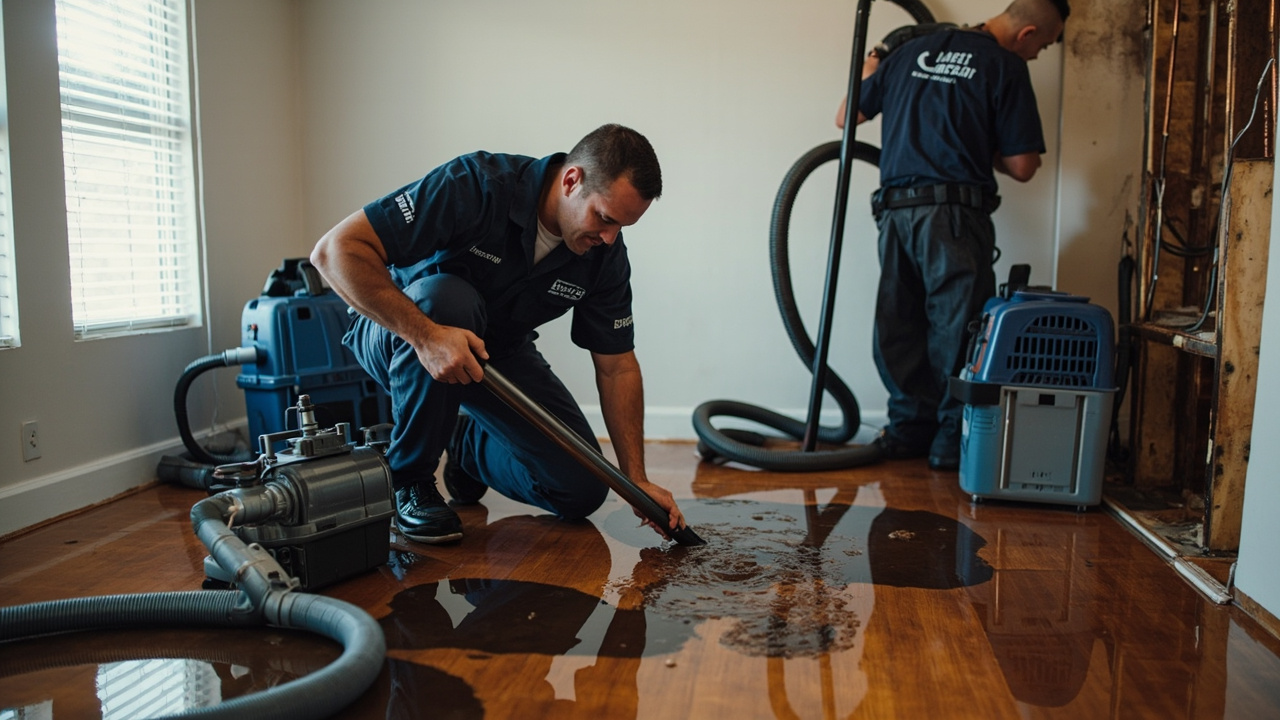
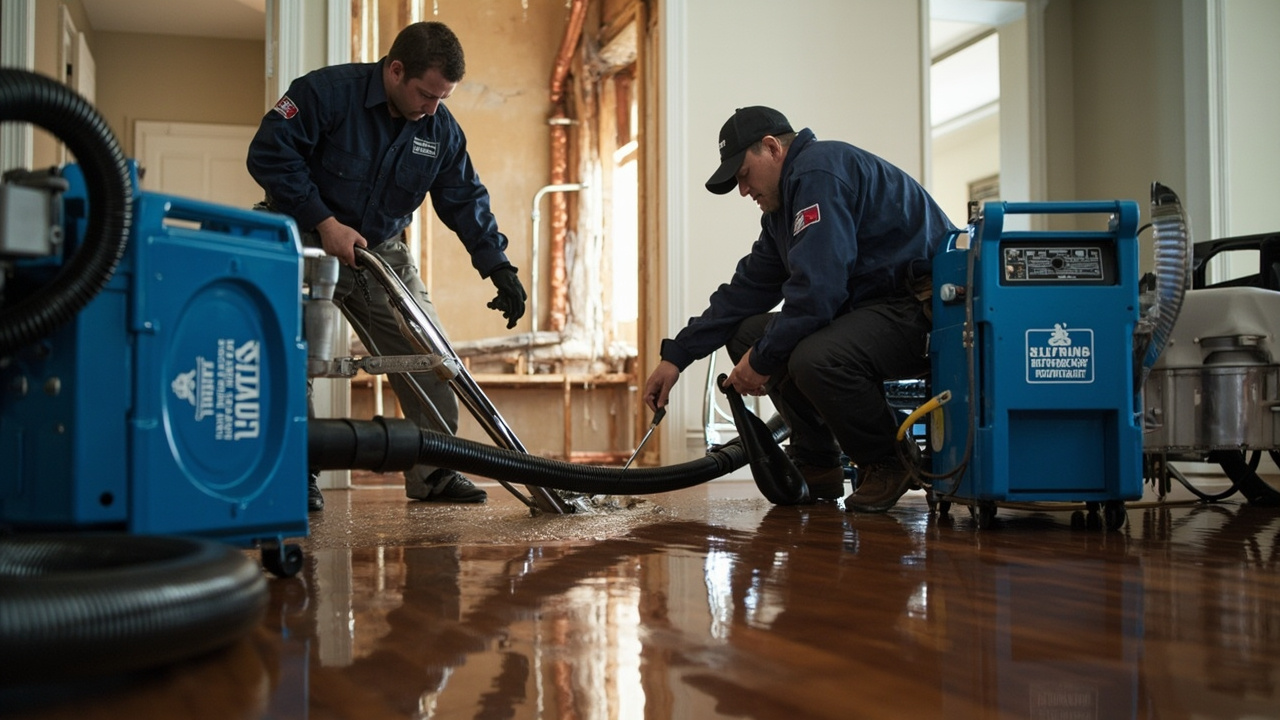
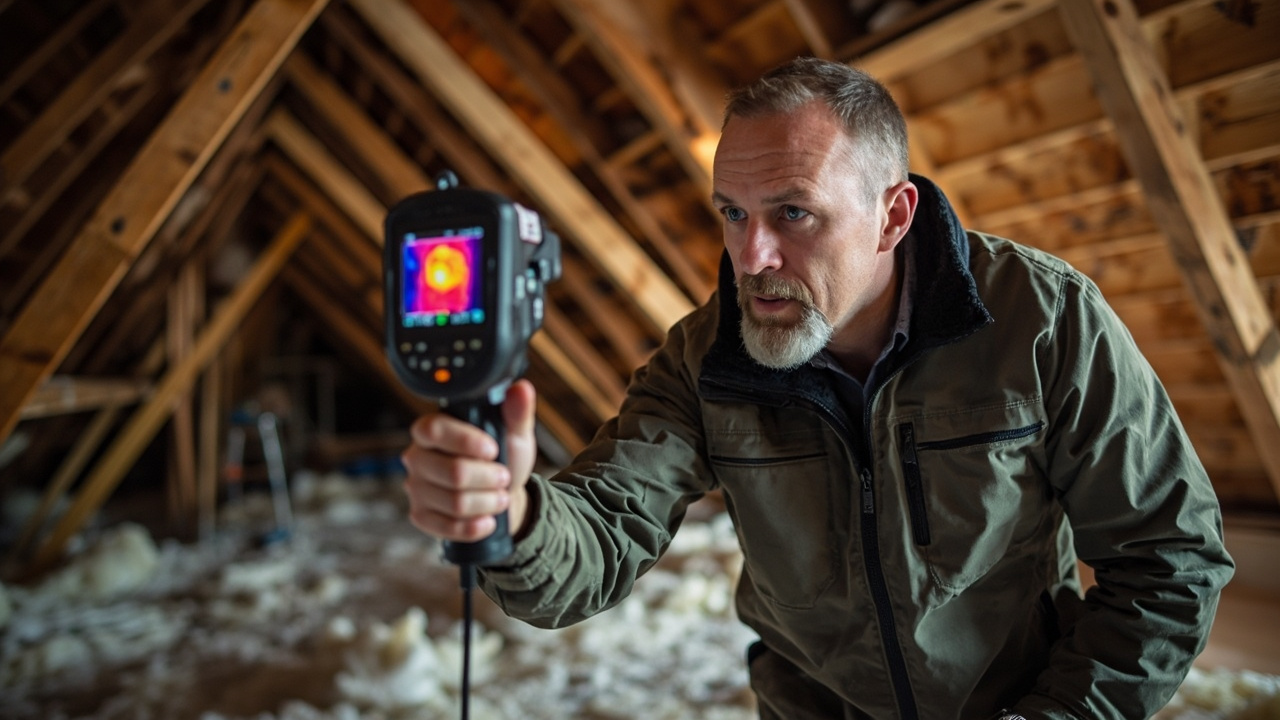
We do not show up with a wet-dry vacuum and hope for the best. Our technicians carry truck-mounted extraction units capable of removing hundreds of gallons per hour, FLIR thermal cameras to identify hidden moisture pockets, and penetrating moisture meters to test drywall, insulation, and framing lumber.

The first hour is critical. We isolate the water source, document the loss with photo and video evidence your adjuster needs, and begin extraction. Standing water gets pulled from carpet pad, tile grout lines, and subfloor voids. We remove baseboards to allow airflow into wall cavities. Wet insulation gets pulled if saturation exceeds 40 percent, because it will not dry in place without bacterial amplification.

Next comes drying. We position axial air movers to create laminar airflow across wet surfaces and stage low-grain refrigerant dehumidifiers to pull moisture from the air. We monitor daily with psychrometers, tracking temperature, relative humidity, and vapor pressure to calculate drying efficiency. The goal is to reach equilibrium moisture content in under four days for wood framing and under seven days for masonry.

We also handle the insurance documentation burden. We generate moisture maps, equipment logs, and daily drying reports formatted to IICRC S500 standards. We coordinate directly with your adjuster, provide line-item estimates using Xactimate software, and ensure your claim reflects the full scope of water extraction for frozen pipes, structural drying, antimicrobial treatment, and reconstruction.

This is not a handyman job. This is controlled demolition, scientific drying, and forensic documentation executed under time pressure to save your property and your claim.

What Happens When You Call for Emergency Burst Pipe Water Removal

Frozen Pipe Burst Cleanup in Houston – Crews Dispatched in Under 60 Minutes
01

Immediate Dispatch and Assessment

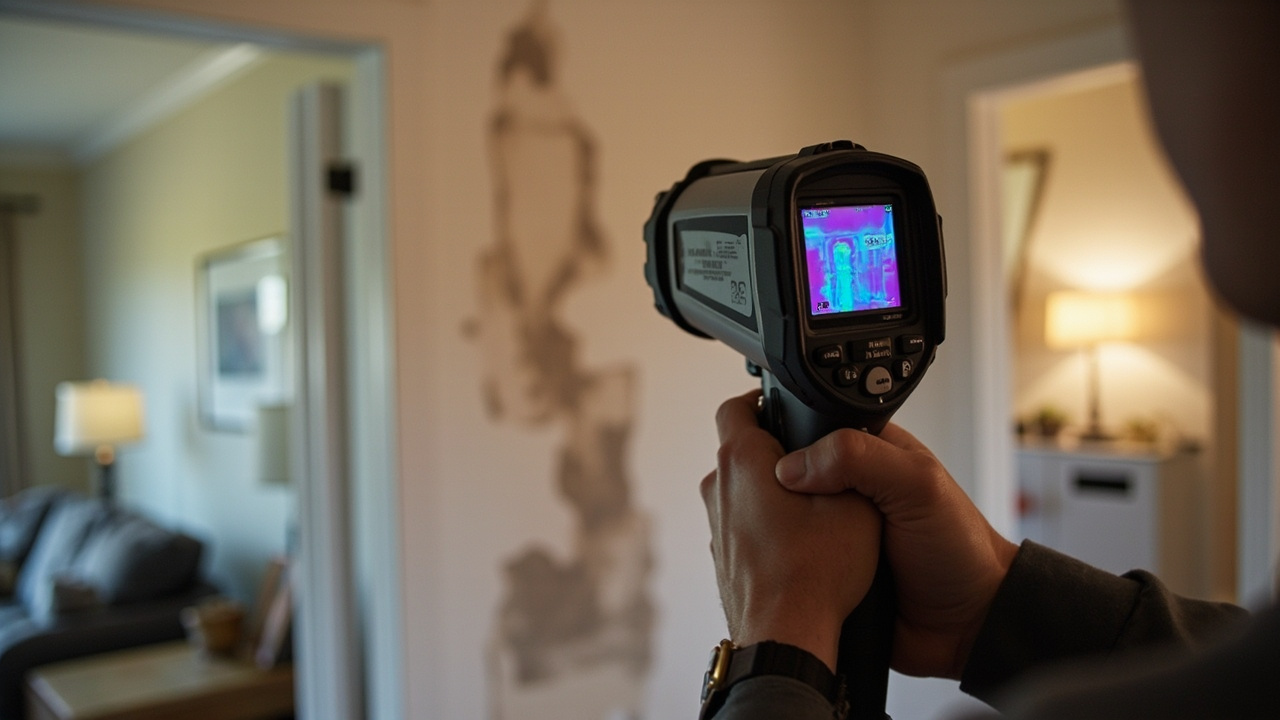
You call our 24/7 emergency line. We deploy a crew within the hour. On arrival, technicians shut off the water main, identify the rupture location, and use infrared thermography to map wet zones behind walls and ceilings. We photograph everything, measure affected square footage, and establish containment barriers using poly sheeting to prevent cross-contamination into dry areas. You get a verbal scope of work before equipment deployment begins.
02

Extraction and Structural Drying

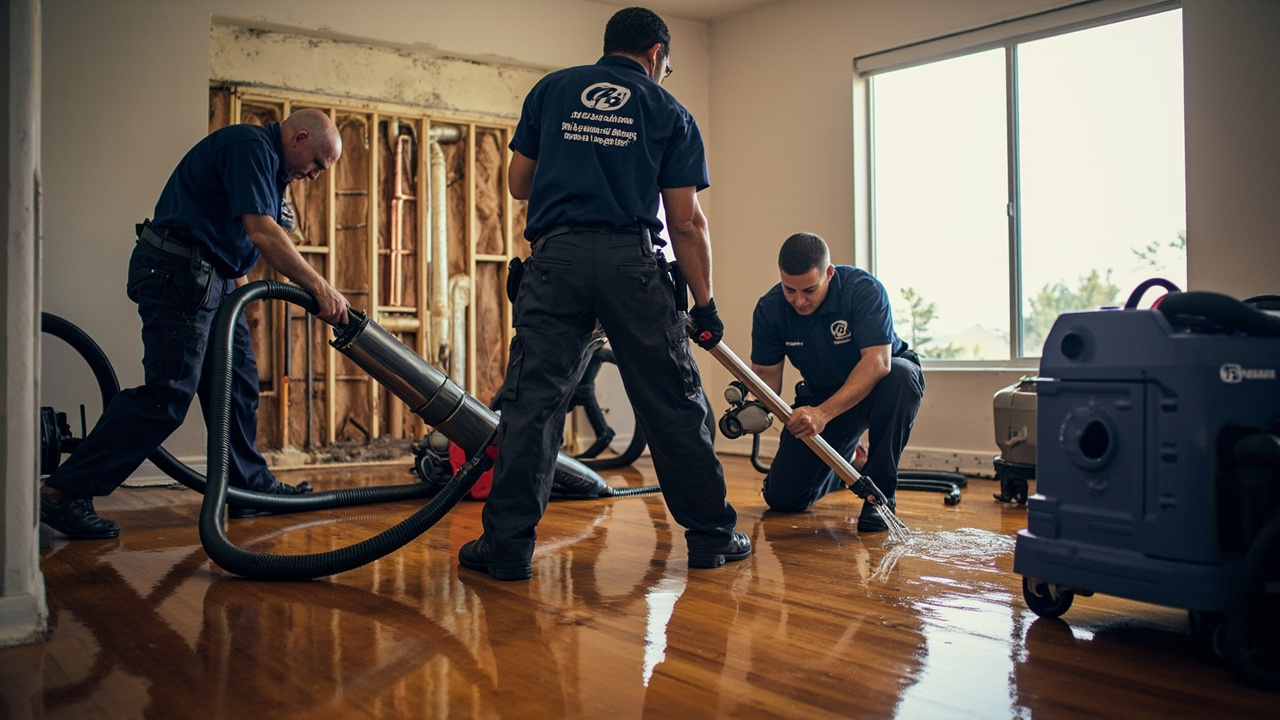
Truck-mounted extractors pull standing water from carpet, tile, and subfloor cavities. Wet materials that cannot be saved get removed and documented. We set air movers in a directional drying array and position dehumidifiers to create negative vapor pressure. Moisture readings are logged twice daily using pin-type and non-invasive meters. We adjust airflow and temperature to optimize evaporation rates. Drying typically takes three to six days depending on materials and saturation depth.
03

Verification and Reconstruction Clearance

Drying is complete when three consecutive moisture readings fall within acceptable ranges for each material type. We generate a final moisture report and photographic evidence of dry conditions. If microbial growth is detected, we apply EPA-registered antimicrobial treatments and provide clearance documentation. You receive a full packet including equipment logs, moisture maps, and a reconstruction-ready scope. Your property is certified dry and safe for rebuild.

Why Houston Property Owners Choose Silverline Water Damage Restoration Houston

You need a crew that knows Houston's building stock. Most homes here are slab-on-grade with supply lines run through attic spaces or exterior walls. When those lines freeze and burst, water travels fast through ceiling cavities and down wall chases. We know where to look, where to cut access ports, and how to dry these spaces without unnecessary demolition.

We also understand Houston's insurance landscape. Local adjusters expect IICRC-compliant documentation, Xactimate line items, and moisture readings that justify equipment placement. We provide that automatically. Our project managers communicate directly with your carrier, submit daily progress photos, and ensure your claim is not delayed by missing documentation or scope disputes.

Our response time matters. We stage equipment throughout the greater Houston metro, so dispatch is not coming from a single warehouse across town. When you call at 2 a.m. because your ceiling is dripping, we are en route within the hour. Burst pipe water damage restoration is time-sensitive. The difference between a clean dry-out and a full gut-and-rebuild often comes down to response speed in the first six hours.

We also carry the equipment capacity to handle large losses. Flooded office buildings, multi-family properties, and retail spaces require industrial air movers, desiccant dehumidifiers, and generator support. We scale to the loss size without subcontracting critical drying phases to third parties.

You get one project manager, one estimate, and one point of contact from emergency call to final sign-off. No handoffs. No confusion. No surprise invoices after your claim closes. We operate with the urgency this situation demands and the professionalism your insurance company expects.

What to Expect During Frozen Pipe Burst Remediation

Response Time and Availability

We answer emergency calls 24 hours a day, 365 days a year. Dispatch happens immediately. A crew arrives on-site within 60 minutes in most cases across the Houston metro. We do not wait until morning. We do not put you on a callback list. Frozen pipe burst cleanup is an emergency, and we treat it that way. Technicians arrive with extraction equipment, moisture detection tools, and containment materials already loaded. You get immediate action, not a scheduled appointment three days out when the damage has already compounded.

Initial Assessment and Scope Development

The first site visit includes a full moisture survey using thermal imaging and pin moisture meters. We identify all affected areas, including hidden moisture in wall cavities and subfloor voids. You receive a verbal overview of the scope, estimated drying timeline, and equipment placement plan. We photograph and document everything for your insurance claim. Within 24 hours, you get a written estimate with line-item costs, material removal needs, and anticipated reconstruction requirements. No guesswork. No surprises mid-project.

Drying Results and Quality Control

We do not remove equipment based on a calendar. We remove it when moisture readings confirm structural drying is complete. Each material type has a target moisture content. Wood framing must reach 12 to 15 percent. Concrete must drop below 4 percent. Drywall must fall under 1 percent. We test daily and log results. You receive a final drying report with before-and-after moisture maps, equipment runtime logs, and photographic proof. Your property is certified dry and ready for reconstruction without risk of trapped moisture or microbial growth.

Insurance Coordination and Documentation

We handle adjuster communication from first notice of loss through final invoice. You get daily progress reports, moisture logs, and photo documentation formatted to industry standards. We submit estimates using Xactimate, the software most carriers require. If your adjuster requests additional documentation or disputes scope, we provide supplemental reports and technical justification. We also work on assignment of benefits if you prefer direct billing to your carrier. You should not have to fight your insurance company while your home is flooded. We manage that process so you can focus on your family and your property.

Frequently Asked Questions

You Have Questions,
We Have Answers

What to do if a pipe freezes and bursts? +

Shut off your main water supply immediately to stop flooding. Turn off electricity to affected areas to prevent shock hazards. Call a licensed plumber to assess and repair the burst pipe. Document all damage with photos for insurance. Remove standing water quickly using a wet vacuum or towels. Contact a water damage restoration company within 24 hours to prevent mold growth. Houston's high humidity accelerates mold, so speed matters. Move furniture and valuables to dry areas. Do not attempt repairs yourself if the pipe is near electrical wiring or in a crawl space.

How to clean up after a pipe burst? +

Start by extracting standing water with pumps or wet vacuums. Remove soaked materials like carpet, padding, and drywall within 48 hours to prevent mold. Set up industrial fans and dehumidifiers to dry structural elements. Houston's humidity can slow drying, so professional-grade equipment is critical. Disinfect all surfaces with antimicrobial treatments to kill bacteria. Inspect hidden areas like wall cavities and subfloors for moisture using thermal imaging. Dispose of contaminated porous materials properly. A certified restoration company can complete drying and testing to ensure your home is safe before rebuilding begins.

How much do plumbers charge to unfreeze pipes? +

Plumbers in Houston typically charge between hourly rates or flat fees depending on pipe location and severity. Emergency calls during freezes often include premium rates. The cost varies based on access difficulty, pipe material, and whether walls need opening. Most plumbers assess the situation first before providing estimates. Thawing alone may be affordable, but if the pipe already burst, you face additional repair and water damage cleanup expenses. Always get a written estimate and verify the plumber is licensed. Ask if they coordinate with restoration companies to streamline insurance claims and minimize total costs.

Does homeowners insurance cover water damage from frozen pipes? +

Most homeowners policies cover sudden and accidental water damage from frozen pipe bursts, including cleanup and repairs. However, coverage can be denied if the insurer determines you failed to maintain reasonable heat or drained pipes before leaving your home vacant. Houston freezes are rare but destructive, so document everything immediately. Take photos, save receipts, and contact your adjuster within 24 hours. Some policies exclude mold damage if cleanup is delayed. Review your policy's specific language on frozen pipe coverage and consider adding endorsements if you travel frequently during winter months.

Should you leave your faucets open if your pipes are frozen? +

Yes. Opening faucets relieves pressure in the system, reducing the risk of rupture if ice forms. Let both hot and cold water drip slowly from faucets on exterior walls or in unheated areas. This keeps water moving, which makes freezing less likely. In Houston, focus on faucets in attics, garages, or crawl spaces where insulation is minimal. A slow drip is enough. Running water constantly wastes resources and increases your bill. If pipes are already frozen, open faucets before thawing to allow melted water and steam to escape safely without building dangerous pressure.

Will a pipe unfreeze itself? +

Frozen pipes may thaw naturally as temperatures rise, but waiting is risky. Ice expansion can crack pipes even before water flows again. When thawing occurs, you might not notice a leak until pressure builds and the pipe bursts. Houston's rare freezes often cause hidden damage in uninsulated areas like attics or exterior walls. If you suspect a frozen pipe, do not wait. Apply gentle heat using a hairdryer or heat lamp, never an open flame. Call a plumber if you cannot locate the freeze or if water does not flow after several hours.

What kills mold after a water leak? +

Professional antimicrobial treatments and EPA-registered biocides kill mold after water damage. Bleach can work on non-porous surfaces but does not penetrate drywall or wood. Houston's humidity creates ideal mold conditions within 24 to 48 hours after a leak, so speed is critical. Remove porous materials like carpet and insulation that cannot be fully sanitized. HEPA air scrubbers remove airborne spores during cleanup. Proper drying is more important than chemical treatment. Mold needs moisture to survive. A certified restoration company uses moisture meters to confirm all materials are dry before sealing or rebuilding begins.

How much water should I run to keep pipes from freezing? +

Let faucets drip at a rate of about five drips per minute during hard freezes. This keeps water moving through pipes, preventing ice formation. Focus on faucets connected to exterior walls, attics, or crawl spaces where Houston homes lack insulation. Both hot and cold lines should drip slightly. A pencil-thin stream is unnecessary and wasteful. The goal is movement, not volume. Combine dripping with cabinet doors left open to allow warm air circulation around pipes. If temperatures drop below 20 degrees Fahrenheit for extended periods, consider additional measures like pipe insulation or heat tape.

How to dry out a house after burst pipe? +

Extract all standing water immediately using pumps, wet vacuums, or professional extraction equipment. Remove soaked materials like drywall, insulation, and flooring within 48 hours. Place industrial fans and dehumidifiers throughout affected areas to dry structural elements. Houston's high humidity slows evaporation, so professional-grade equipment is necessary. Monitor moisture levels daily using meters to track progress. Open windows only if outdoor humidity is lower than indoor levels. Inspect hidden cavities with thermal cameras to find trapped moisture. Complete drying can take three to seven days depending on saturation levels and materials affected.

Does insurance cover if a pipe bursts? +

Yes, if the burst results from a sudden and accidental event like freezing. Standard homeowners policies cover the water damage, cleanup, and necessary repairs. However, insurers may deny claims if you neglected maintenance or left the home unheated during freezing weather. Houston's infrequent freezes catch many homeowners unprepared, but insurers still expect reasonable precautions. File your claim immediately and document all damage with photos and videos. Keep receipts for emergency repairs and temporary housing if needed. Some policies exclude gradual damage or mold if you delay cleanup beyond 48 hours.

Why Houston's Freeze Events Make Frozen Pipe Burst Cleanup So Urgent

Houston sees hard freezes only once or twice a year, but when they happen, the city is not ready. Homes built for heat and humidity lack insulated pipe chases, heat tape, and frost-proof hose bibs. Attic temperatures can drop into the teens while indoor temps stay in the 60s, creating the perfect conditions for copper and PEX line ruptures. When the thaw begins 12 to 24 hours later, thousands of gallons flood through ceilings and walls before anyone notices. Houston's clay soil and slab foundations mean there is no crawl space buffer. Water hits finished spaces immediately, soaking flooring, drywall, and furnishings in minutes.

Silverline Water Damage Restoration Houston operates year-round in this climate. We know where builders route plumbing in common subdivisions. We know which neighborhoods have older galvanized lines prone to freeze failure. We know how local adjusters evaluate water damage claims and what documentation they require. When a freeze warning hits Houston, we pre-stage equipment and add standby crews because we know the call volume will spike 48 hours later. Choosing a local provider means choosing a team that understands Houston's unique vulnerability to freeze damage and responds accordingly.
Water Damage Restoration Services in The Houston Area

Easily locate our service area and see how Silverline is strategically positioned to provide rapid water damage restoration services throughout Houston and its surrounding communities. Our commitment to prompt response means we're never far away when disaster strikes, ensuring your property gets the urgent care it needs, wherever you are within our service radius. We're here to serve you efficiently.

Address:
Silverline Water Damage Restoration Houston, 3730 Kirby Dr, Houston, TX, 77098

Additional Services We Offer

Our news updates

Latest Articles & News from The Blogs

Houston humidity presents a constant struggle for homeowners across Harris County. In 2026, the weather patterns continue to create high…

Why Houston Families Trust Our Certified Mold Inspection Services for Local Homes

Houston humidity presents a constant struggle for homeowners across Harris County. In 2026, the weather patterns continue to create high…

Dealing with Attic Water Damage from Leaky Roofs in Kingwood

Dealing with Attic Water Damage from Leaky Roofs in KingwoodHomeowners in the Kingwood area face significant moisture challenges due to…

Why a Home Dehumidifier Cannot Save Your Third Ward Living Room from Water Damage

Why a Home Dehumidifier Cannot Save Your Third Ward Living Room from Water DamageYour Third Ward home faces unique challenges…

Contact Us

Do not wait for the damage to spread. Every hour counts. Call Silverline Water Damage Restoration Houston at (832) 336-3663 right now. Our crews are standing by 24/7 with extraction equipment, thermal cameras, and direct insurance support. We dispatch immediately and stop the loss before it gets worse.