





Cypress sits in the Cypress Creek watershed, where heavy rains overwhelm drainage systems several times per year. Hurricane season brings sustained flooding to neighborhoods near Little Cypress Creek and Matzke Park. The area's high water table means even minor plumbing failures can saturate foundations quickly.
Most Cypress homes were built on expansive clay soils that shift with moisture changes. When water accumulates under slabs, the clay swells and causes foundation movement that cracks pipes. These cracks leak slowly at first, then burst without warning during freeze events.
The humid subtropical climate keeps indoor humidity above 60 percent for most of the year. This moisture feeds mold growth within 48 hours of any water intrusion. Air conditioning systems work overtime in summer, creating condensation that drips into walls and ceilings. Older homes near Bridgeland and Towne Lake lack proper vapor barriers, making them especially vulnerable.
Cypress's proximity to the Sam Houston Tollway and Highway 290 means homeowners commute long hours. Many discover water damage only after returning from work, when hours of unchecked flooding have already soaked drywall, insulation, and flooring. Fast response becomes critical to saving structural materials and preventing toxic mold colonization.
Silverline Water Damage Restoration Houston operates from our northwest Houston facility, keeping response times under one hour for all Cypress neighborhoods. Our technicians know the difference between a slab leak in Fairfield and storm surge flooding near Cypress Creek. We keep three fully equipped extraction trucks on standby specifically for Harris County emergencies.
We hold IICRC certification in Water Damage Restoration and Applied Structural Drying, which means our crews follow science-based drying protocols instead of guesswork. Our moisture mapping technology identifies hidden water in wall cavities and under flooring that basic visual inspections miss. We document everything with thermal imaging and moisture meters to prove complete drying to insurance adjusters.
Insurance companies trust our estimates because we follow Xactimate pricing standards used across Texas. We handle direct billing with all major carriers, so you never pay out of pocket while waiting for claim approval. Our project managers communicate with adjusters daily to prevent delays and disputes over coverage.
We maintain relationships with local plumbers, electricians, and roofers who respond quickly when water damage reveals underlying system failures. If we extract water from a burst pipe, we coordinate the pipe repair that same day. You get one point of contact instead of juggling multiple contractors while your home sits damaged.
Our equipment inventory includes truck-mounted extractors that pull 10 times more water than portable shop vacuums. We deploy commercial dehumidifiers that process 200 pints per day, not the 50-pint consumer units that take weeks to dry a single room. Speed prevents mold, and our equipment creates that speed.

Our crews dispatch within 60 minutes to all Cypress addresses, including nights, weekends, and holidays. We arrive with truck-mounted extraction equipment and begin water removal immediately. Every minute counts when water saturates drywall and insulation. Fast response saves thousands in demolition costs by preserving structural materials before they delaminate.

We bill your insurance carrier directly using Xactimate estimates that adjusters accept without negotiation. You pay only your deductible while we handle claim documentation, photo evidence, and adjuster communication. Most Cypress homeowners receive full claim approval within 72 hours because we speak the language insurance companies require.
Every technician on our crew holds IICRC certification in Water Damage Restoration and Applied Structural Drying. We follow science-based drying protocols, not guesswork. Our moisture mapping technology identifies hidden water that visual inspections miss. We prove complete drying with thermal imaging and moisture meter documentation that satisfies insurance requirements and prevents future mold claims.
We understand how Cypress Creek flooding patterns affect different neighborhoods. Homes near Little Cypress Creek require different extraction strategies than properties in Towne Lake. Our crews know which Cypress subdivisions flood from storm surge versus slab leaks versus roof failures. Local knowledge speeds diagnosis and prevents unnecessary demolition.
Water damage presents differently in every Cypress home. A burst pipe under a bathroom sink requires immediate extraction but limited demolition. Hurricane flooding demands full-structure drying, antimicrobial treatment, and often complete interior reconstruction. Sewage backups add biohazard protocols that regular water cleanup does not require.
Silverline provides all levels of water damage remediation, from simple overflow cleanup to total flood restoration. Our services include emergency water extraction, structural drying, mold remediation, content restoration, reconstruction, and odor removal. We categorize water by contamination level and adjust our protocols accordingly.
Category 1 water comes from clean sources like supply lines and poses minimal health risk. Category 2 water contains contaminants from washing machines, dishwashers, or toilet bowls with urine. Category 3 water includes sewage, storm surge, or any water that contacted soil. Each category requires different safety equipment and disposal methods.
We handle residential and commercial properties throughout Cypress. Our truck-mounted equipment scales from single-room drying to whole-building extraction. Insurance companies prefer working with one contractor who manages the entire claim, from initial mitigation through final reconstruction. We provide that complete solution.
Our emergency response teams arrive within 60 minutes to extract standing water using truck-mounted pumps that remove thousands of gallons per hour. We pull water from carpets, padding, and subfloors before it wicks into walls and baseboards. Fast extraction prevents secondary damage that multiplies repair costs. We work through the night if needed, because water does not wait for business hours. Our crews handle burst pipes, appliance failures, roof leaks, and flooding from any source.
After extraction, moisture remains trapped inside walls, ceilings, and subfloors. We deploy commercial dehumidifiers and air movers in calculated positions to create airflow patterns that dry structural cavities from the inside out. Moisture meters track drying progress in 20-plus locations throughout your home. We document readings twice daily until materials return to normal moisture content. This prevents mold growth and wood rot that emerge weeks after incomplete drying jobs.
Severe water damage requires demolition of unsalvageable materials and complete reconstruction. We remove water-damaged drywall, insulation, and flooring, then rebuild to match your original finishes. Our content division cleans and restores furniture, documents, electronics, and personal items using specialized drying chambers and cleaning techniques. We pack out and store salvageable contents during reconstruction, then return everything once your home is ready. One company handles your entire claim from emergency through move-in.
Cypress's climate and construction patterns create predictable water damage scenarios. The area's expansive clay soils shift constantly with moisture changes, stressing plumbing connections until they fail. Summer humidity keeps air conditioning systems running continuously, producing condensation that drips into ceilings and walls. Hurricane season brings intense rainfall that overwhelms drainage systems designed for normal weather patterns.
Many Cypress homes were built between 1990 and 2010, when builders used PEX plumbing and oriented strand board sheathing. PEX connections fail after 15 years of shifting foundations. OSB swells permanently when wet, requiring replacement rather than drying. These materials create restoration challenges that older and newer homes do not face.
Insurance companies require fast mitigation to limit claim costs. Homeowners who wait 24 hours to start water removal often face mold contamination that voids coverage. Understanding which problems require immediate professional response prevents coverage denials and protects your home's value.
Copper and PEX pipes running under concrete slabs crack when expansive clay soils shift. Water seeps into the ground under your foundation, creating voids that cause slab settlement. You notice cracked floor tiles, sticking doors, and ceiling cracks before discovering the leak. Slab leaks require immediate extraction to prevent total foundation failure. We coordinate with foundation repair specialists to address both water damage and structural issues.
Cypress Creek overflows its banks during tropical storms, pushing floodwater into homes near Matzke Park and along Little Cypress Creek. Storm surge carries contaminated water that requires Category 3 cleanup protocols. We extract floodwater, remove contaminated materials, apply antimicrobial treatments, and dry the structure completely. Insurance requires documentation showing proper Category 3 handling to approve full restoration costs.
HVAC systems in Cypress run 8 to 9 months per year, producing gallons of condensation daily. Clogged drain lines cause overflow pans to spill into ceilings and attics. Many homeowners discover AC leaks only after ceiling drywall collapses from water weight. We dry ceiling cavities and insulation using targeted air movement that prevents mold growth in inaccessible spaces. Thermal imaging confirms complete drying before we close walls.
Rubber washing machine hoses burst without warning after 5 years of constant water pressure. A single hose failure floods laundry rooms with 10 gallons per minute, soaking into adjacent rooms within minutes. We extract water from multi-layer flooring systems where water spreads horizontally between subfloor and underlayment. Our drying mats pull moisture from hardwood and engineered floors without requiring demolition in most cases.
Water damage creates panic. Your home is flooding, possessions are soaking, and you need help immediately. When you call Silverline Water Damage Restoration Houston, you reach a live person who dispatches a crew within minutes. No phone trees, no voicemail, no waiting until morning.
Our process starts with your emergency call and ends when your home returns to pre-loss condition. We handle every step in between, including insurance documentation, moisture monitoring, demolition, drying, reconstruction, and final walkthrough. You get one point of contact who coordinates all work and answers your questions throughout the project.
Most Cypress homeowners complete restoration within 5 to 10 days for standard water damage. Severe flooding requires 3 to 6 weeks when reconstruction is needed. We provide realistic timelines upfront and update you daily on progress. No surprises, no delays, no abandoned job sites.
You call our emergency line and speak with a dispatcher who takes your address and damage details. We send the closest available crew, who arrives within 60 minutes with extraction equipment and moisture detection tools. The crew chief inspects damage, explains the mitigation plan, and starts water removal immediately. We do not wait for insurance approval to begin emergency services. Stopping water damage takes priority over paperwork.
Our project manager texts you every morning with the day's schedule and arrival times. Technicians check moisture levels twice daily and document progress with photos and meter readings. You receive copies of all documentation that goes to your insurance company. We answer your questions by phone, text, or email within one hour during business hours. You always know what is happening in your home.
We do not leave your home until moisture meters confirm all materials have returned to normal dryness levels. Most companies pull equipment after 3 days regardless of readings. We keep drying until the job is done, even if it takes extra days. You receive a final moisture report showing all readings below acceptable thresholds. This documentation prevents mold claims and satisfies insurance requirements for complete mitigation.
Water damage restoration follows a specific sequence that prevents secondary damage and controls costs. Skip steps, and you face mold growth, structural failure, and insurance disputes. We follow IICRC protocols that insurance companies require for claim approval.
Our crew arrives and inspects damage to identify water sources and affected areas. We extract standing water using truck-mounted pumps and portable extractors, pulling water from carpets, padding, and hard surfaces. We remove unsalvageable materials like soaked insulation and delaminated drywall. We photograph all damage for insurance documentation. This phase takes 2 to 6 hours depending on flood extent.
We position commercial dehumidifiers and air movers to create optimal drying conditions throughout affected areas. Moisture meters track drying progress in walls, ceilings, and floors twice daily. We adjust equipment positioning based on readings to target stubborn moisture pockets. Thermal imaging confirms we are drying hidden cavities that visual inspection cannot verify. Drying takes 3 to 7 days for standard residential water damage.
Once drying is complete, our reconstruction team replaces drywall, insulation, flooring, baseboards, and any other materials removed during mitigation. We match your original finishes and textures so repairs blend invisibly. Our painters apply premium paints that match existing walls. We handle all phases in-house without subcontracting, maintaining quality control throughout. You walk back into a home that looks like damage never happened.
The Institute of Inspection, Cleaning and Restoration Certification establishes the restoration industry's scientific standards. IICRC protocols define how to classify water contamination, calculate drying equipment needs, and verify complete moisture removal. Insurance companies base claim approvals on IICRC compliance, making certification essential for contractors handling water damage claims.
Water is classified into three categories based on contamination level. Category 1 comes from clean sources like supply lines and poses minimal health risk. Category 2 contains contaminants from appliances or fixtures and requires antimicrobial treatment. Category 3 includes sewage, storm surge, or any water that contacted soil, demanding full hazmat protocols and material disposal.
IICRC standards also classify materials by drying difficulty. Class 1 affects minimal square footage with porous materials. Class 2 involves entire rooms with significant moisture wicking. Class 3 saturates walls, ceilings, insulation, and structural cavities. Class 4 requires specialty drying for hardwood, concrete, and stone. Each class demands different equipment quantities and drying timeframes.
Psychrometric calculations determine how many dehumidifiers and air movers a space requires for optimal drying. These calculations consider room volume, material types, moisture content, temperature, and humidity. Guesswork leads to incomplete drying and mold growth. Science-based equipment placement prevents callbacks and insurance disputes.
Texas does not require water damage contractors to hold specific state licenses, but insurance companies demand IICRC certification for claim approval. Homeowners who hire uncertified contractors often face claim denials when moisture documentation does not meet insurance standards. Silverline maintains IICRC certification specifically to protect your claim eligibility and ensure proper drying protocols.
IICRC defines three contamination levels that determine cleanup protocols. Category 1 is clean water from supply lines. Category 2 contains chemical or biological contaminants from appliances and toilets. Category 3 is grossly contaminated water from sewage backups, storm flooding, or any source that contacted soil. Each category requires different safety equipment, antimicrobial treatments, and material disposal methods to prevent health hazards.
Room size, ceiling height, material types, and moisture levels determine equipment needs. A 300-square-foot room with soaked carpet requires different dehumidifier capacity than a 1,000-square-foot area with wet drywall. Psychrometric calculations create specific equipment lists for each job. Under-equipping extends drying time and risks mold growth. Over-equipping wastes energy without improving results. We calculate precisely to dry efficiently.
IICRC requires baseline moisture readings before drying begins, then daily readings until all materials return to normal levels. We test 20-plus locations per property using pin-type and pinless moisture meters. Thermal imaging reveals hidden moisture in wall cavities and under flooring. Final readings must match pre-loss moisture content documented for similar homes. Insurance adjusters reject claims lacking complete moisture documentation showing proper dry-down.
Texas does not license water damage contractors, but insurance carriers require IICRC certification for claim approval. Homeowners who hire uncertified contractors risk claim denials when documentation does not meet insurance standards. We maintain IICRC Water Damage Restoration and Applied Structural Drying certifications. Our estimates follow Xactimate pricing that adjusters accept without negotiation. Proper documentation protects your claim eligibility and speeds approval.
This video explains water damage restoration processes for Cypress TX homeowners, covering emergency water extraction, structural drying protocols, IICRC certification requirements, insurance claim procedures, and restoration timelines. Learn how Cypress's climate, soil conditions, and flooding patterns create specific water damage challenges, and discover what professional water damage remediation involves from initial emergency response through final reconstruction. Includes information on moisture monitoring, equipment requirements, and contamination category classifications.
Silverline Water Damage Restoration Houston serves all Cypress neighborhoods from our northwest Houston facility. Our crews respond within 60 minutes to addresses throughout the Cypress area, including Fairfield, Bridgeland, Towne Lake, Cypress Creek Lakes, Longwood, and communities along the Sam Houston Tollway between Highway 290 and FM 1960.
Homes in Fairfield and older Cypress neighborhoods near Cypress Creek face flooding risks during hurricane season when the creek overflows its banks. These properties often sit lower than newer developments, making them vulnerable to storm surge that pushes water through neighborhoods east of Fry Road. We respond to these areas with high-volume extraction equipment designed for outdoor floodwater removal.
Bridgeland and Towne Lake represent newer construction built on engineered drainage systems that handle typical rainfall well. Water damage in these communities comes more often from plumbing failures, appliance leaks, and air conditioner condensation problems than from external flooding. These homes feature oriented strand board sheathing that swells permanently when wet, requiring replacement rather than drying. We adjust our protocols based on construction methods common to each subdivision.
Properties along Little Cypress Creek near Matzke Park and Grant Road experience seasonal flooding when sustained rainfall overwhelms the creek's capacity. These areas require Category 3 contaminated water protocols because floodwater contacts soil and carries bacteria. We coordinate with Harris County flood control districts to understand which neighborhoods face mandatory evacuation during severe weather, allowing us to pre-position equipment for rapid response once residents return.
The Cypress area's proximity to major employment centers means many homeowners commute long hours and discover water damage only after returning from work. We maintain evening and overnight crews specifically for Harris County emergencies, ensuring someone answers your call and dispatches help regardless of when disaster strikes. Distance from downtown Houston creates response challenges for restoration companies based inside Loop 610. Our northwest location eliminates that delay.
Commercial properties throughout Cypress, including retail centers along Highway 290 and Fry Road, require water damage services that minimize business interruption. We coordinate after-hours drying and reconstruction to keep stores open during peak traffic times. Our project managers work with property managers to create drying schedules that meet insurance requirements without forcing tenant closures.
Restoration costs vary by damage severity, water category, and affected square footage. Clean water from a burst pipe costs less to extract than sewage backup. Cypress homes with humidity-driven mold growth or foundation slab leaks face higher costs due to drying complexity. You pay for water extraction, dehumidification, antimicrobial treatment, and structural repairs. Most jobs range from minor extraction to full reconstruction. Your insurance adjuster determines covered expenses. Get a detailed estimate before work begins. Reputable companies provide transparent breakdowns and work directly with your carrier to minimize out-of-pocket costs.
Professional restoration prevents catastrophic secondary damage that costs far more than initial repairs. Cypress humidity accelerates mold growth within 24 to 48 hours. DIY drying misses hidden moisture in walls, subfloors, and insulation. This leads to structural rot, toxic mold, and plummeting property value. Insurance companies require professional mitigation to honor claims. Fast extraction and industrial drying equipment save flooring, drywall, and personal belongings. Skipping professional help turns a covered claim into an expensive demolition project. You protect your investment and family health by acting immediately.
Timeline depends on water category, extent of saturation, and materials affected. Minor Category 1 incidents take 3 to 5 days for drying and cleanup. Category 3 sewage backups or extensive flooding require 7 to 14 days for antimicrobial treatment, drying, and structural repairs. Cypress humidity extends drying time compared to arid climates. Professionals use moisture meters to confirm complete dryness before reconstruction begins. Rushing the process traps moisture and causes mold. Your contractor provides a detailed timeline after initial inspection. Insurance coordination can add administrative time but does not delay emergency mitigation.
Restoration costs vary by damage severity, water category, and affected square footage. Clean water from a burst pipe costs less to extract than sewage backup. Cypress homes with humidity-driven mold growth or foundation slab leaks face higher costs due to drying complexity. You pay for water extraction, dehumidification, antimicrobial treatment, and structural repairs. Most jobs range from minor extraction to full reconstruction. Your insurance adjuster determines covered expenses. Get a detailed estimate before work begins. Reputable companies provide transparent breakdowns and work directly with your carrier to minimize out-of-pocket costs.
Professional restoration prevents catastrophic secondary damage that costs far more than initial repairs. Cypress humidity accelerates mold growth within 24 to 48 hours. DIY drying misses hidden moisture in walls, subfloors, and insulation. This leads to structural rot, toxic mold, and plummeting property value. Insurance companies require professional mitigation to honor claims. Fast extraction and industrial drying equipment save flooring, drywall, and personal belongings. Skipping professional help turns a covered claim into an expensive demolition project. You protect your investment and family health by acting immediately.
Timeline depends on water category, extent of saturation, and materials affected. Minor Category 1 incidents take 3 to 5 days for drying and cleanup. Category 3 sewage backups or extensive flooding require 7 to 14 days for antimicrobial treatment, drying, and structural repairs. Cypress humidity extends drying time compared to arid climates. Professionals use moisture meters to confirm complete dryness before reconstruction begins. Rushing the process traps moisture and causes mold. Your contractor provides a detailed timeline after initial inspection. Insurance coordination can add administrative time but does not delay emergency mitigation.
Complete restoration includes emergency water extraction, content pack-out, structural drying, dehumidification, antimicrobial treatment, odor removal, and reconstruction. Technicians remove standing water, then place air movers and commercial dehumidifiers to dry framing, subfloors, and insulation. They monitor moisture levels daily with thermal imaging and meters. Affected drywall, baseboards, and flooring get removed if unsalvageable. Reconstruction rebuilds walls, replaces flooring, and repaints. In Cypress, addressing mold prevention is critical due to high humidity. You get a turnkey solution from initial damage to move-in ready condition.
Most homeowners policies cover sudden and accidental water damage like burst pipes, appliance malfunctions, and storm-related roof leaks. They exclude gradual damage from neglect, foundation seepage, or lack of maintenance. Flood damage requires separate flood insurance through FEMA. Your policy pays for mitigation and repairs minus your deductible. Cypress homeowners near floodplains need flood coverage. Insurance adjusters inspect damage before approving claims. Document everything with photos and keep communication records. Professional restoration companies work directly with carriers, handle paperwork, and advocate for full coverage to reduce your financial burden.
You can handle minor spills with towels and fans, but structural water damage requires professional equipment and expertise. Shop vacuums and household fans lack the power to extract water from subfloors, wall cavities, and insulation. Cypress humidity makes incomplete drying dangerous. You risk missing hidden moisture that feeds mold within 48 hours. Insurance companies often deny claims for inadequate DIY mitigation. Professionals use thermal imaging, moisture meters, and truck-mounted extractors to ensure complete dryness. Structural damage assessment requires trade knowledge. Save yourself liability and health risks by calling certified technicians for anything beyond surface spills.
Water remediation stops the damage and removes contamination. Restoration rebuilds your property to pre-loss condition. Remediation includes extraction, drying, dehumidification, and antimicrobial treatment. It addresses the immediate threat. Restoration replaces damaged materials like drywall, flooring, baseboards, and cabinetry. It includes painting, reconstruction, and final finishes. You need both phases for complete recovery. Remediation happens first to prevent secondary damage and mold. Restoration follows once structures are dry and safe. Some companies provide both services under one contract. Others subcontract reconstruction. Clarify scope before signing agreements.
Average claims range widely based on damage severity and location. Minor incidents with quick mitigation average lower costs. Extensive flooding with Category 3 water, structural damage, and mold remediation push claims higher. Cypress homes with slab foundations and finished basements face increased costs due to concrete penetration. Your claim includes mitigation, reconstruction, and content replacement. Insurance adjusters calculate actual cash value or replacement cost based on your policy. Document everything and get independent estimates if you suspect lowball offers. Your deductible reduces the payout. Professional restoration companies maximize claim value through detailed documentation.
Mold spores colonize wet materials within 24 to 48 hours under ideal conditions. Cypress humidity and heat create perfect mold environments year-round. Porous materials like drywall, insulation, carpet, and wood absorb water quickly. Mold grows invisibly inside wall cavities and under flooring before you see surface growth. Category 3 water introduces bacteria and organic matter that accelerates colonization. You must start drying immediately. Waiting even one day increases remediation costs and health risks. Professional extraction and dehumidification stop mold before it starts. Speed is everything in water damage response.
Response times vary by franchise location, workload, and emergency volume. Most water damage companies, including national franchises, target 1 to 4 hour emergency response in their service areas. Total project duration matches industry standards of 3 to 14 days based on damage severity. Cypress has multiple restoration providers with similar response capabilities. What matters more than brand name is local availability, equipment capacity, and insurance relationships. Compare response guarantees, equipment quality, and customer reviews. Choose a company with 24/7 dispatch, enough technicians to handle your job immediately, and direct insurance billing capability.
Complete restoration includes emergency water extraction, content pack-out, structural drying, dehumidification, antimicrobial treatment, odor removal, and reconstruction. Technicians remove standing water, then place air movers and commercial dehumidifiers to dry framing, subfloors, and insulation. They monitor moisture levels daily with thermal imaging and meters. Affected drywall, baseboards, and flooring get removed if unsalvageable. Reconstruction rebuilds walls, replaces flooring, and repaints. In Cypress, addressing mold prevention is critical due to high humidity. You get a turnkey solution from initial damage to move-in ready condition.
Most homeowners policies cover sudden and accidental water damage like burst pipes, appliance malfunctions, and storm-related roof leaks. They exclude gradual damage from neglect, foundation seepage, or lack of maintenance. Flood damage requires separate flood insurance through FEMA. Your policy pays for mitigation and repairs minus your deductible. Cypress homeowners near floodplains need flood coverage. Insurance adjusters inspect damage before approving claims. Document everything with photos and keep communication records. Professional restoration companies work directly with carriers, handle paperwork, and advocate for full coverage to reduce your financial burden.
You can handle minor spills with towels and fans, but structural water damage requires professional equipment and expertise. Shop vacuums and household fans lack the power to extract water from subfloors, wall cavities, and insulation. Cypress humidity makes incomplete drying dangerous. You risk missing hidden moisture that feeds mold within 48 hours. Insurance companies often deny claims for inadequate DIY mitigation. Professionals use thermal imaging, moisture meters, and truck-mounted extractors to ensure complete dryness. Structural damage assessment requires trade knowledge. Save yourself liability and health risks by calling certified technicians for anything beyond surface spills.
Water remediation stops the damage and removes contamination. Restoration rebuilds your property to pre-loss condition. Remediation includes extraction, drying, dehumidification, and antimicrobial treatment. It addresses the immediate threat. Restoration replaces damaged materials like drywall, flooring, baseboards, and cabinetry. It includes painting, reconstruction, and final finishes. You need both phases for complete recovery. Remediation happens first to prevent secondary damage and mold. Restoration follows once structures are dry and safe. Some companies provide both services under one contract. Others subcontract reconstruction. Clarify scope before signing agreements.
Average claims range widely based on damage severity and location. Minor incidents with quick mitigation average lower costs. Extensive flooding with Category 3 water, structural damage, and mold remediation push claims higher. Cypress homes with slab foundations and finished basements face increased costs due to concrete penetration. Your claim includes mitigation, reconstruction, and content replacement. Insurance adjusters calculate actual cash value or replacement cost based on your policy. Document everything and get independent estimates if you suspect lowball offers. Your deductible reduces the payout. Professional restoration companies maximize claim value through detailed documentation.
Mold spores colonize wet materials within 24 to 48 hours under ideal conditions. Cypress humidity and heat create perfect mold environments year-round. Porous materials like drywall, insulation, carpet, and wood absorb water quickly. Mold grows invisibly inside wall cavities and under flooring before you see surface growth. Category 3 water introduces bacteria and organic matter that accelerates colonization. You must start drying immediately. Waiting even one day increases remediation costs and health risks. Professional extraction and dehumidification stop mold before it starts. Speed is everything in water damage response.
Response times vary by franchise location, workload, and emergency volume. Most water damage companies, including national franchises, target 1 to 4 hour emergency response in their service areas. Total project duration matches industry standards of 3 to 14 days based on damage severity. Cypress has multiple restoration providers with similar response capabilities. What matters more than brand name is local availability, equipment capacity, and insurance relationships. Compare response guarantees, equipment quality, and customer reviews. Choose a company with 24/7 dispatch, enough technicians to handle your job immediately, and direct insurance billing capability.
Easily locate our service area and see how Silverline is strategically positioned to provide rapid water damage restoration services throughout Houston and its surrounding communities. Our commitment to prompt response means we're never far away when disaster strikes, ensuring your property gets the urgent care it needs, wherever you are within our service radius. We're here to serve you efficiently.
Address:
Cypress, TX, 77429
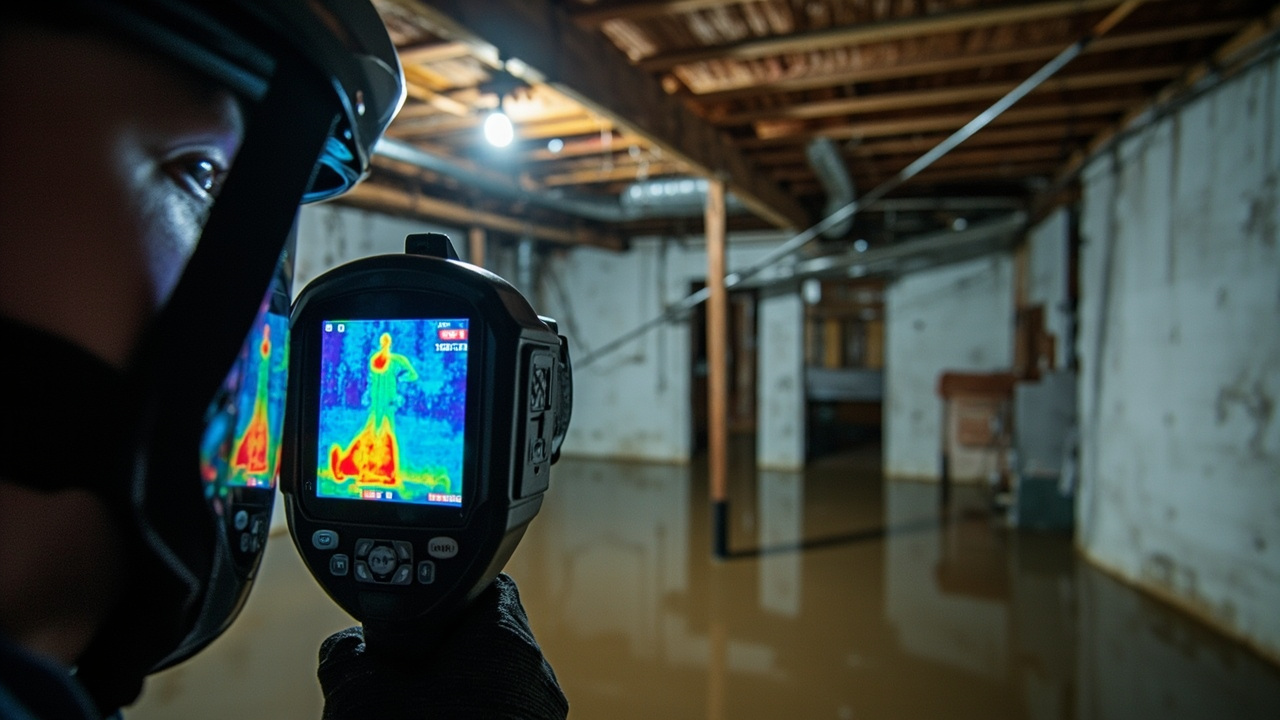
If you are standing in water in your Cypress basement, you are facing a race against time. The heavy clay soils around Cypress Creek and White Oak Bayou hold moisture long after the rain stops,…
Houston humidity presents a constant struggle for homeowners across Harris County. In 2026, the weather…
Dealing with Attic Water Damage from Leaky Roofs in KingwoodHomeowners in the Kingwood area face…

Why a Home Dehumidifier Cannot Save Your Third Ward Living Room from Water DamageYour Third…
Water spreads through your Cypress home every minute you wait. Our crews dispatch immediately, arriving within 60 minutes with truck-mounted extraction equipment. Call Silverline Water Damage Restoration Houston now at (832) 336-3663 for emergency response. We handle insurance billing and restore your home completely.