





menu

Soggy Insulation in Houston – Expert Water Damage Solutions That Stop Mold Before It Starts

Saturated insulation destroys energy efficiency and breeds dangerous mold in Houston's humid climate. Our water damage restoration team removes wet insulation fast and restores your home's protective barrier.

Slider Image 1
Slider Image 2
Slider Image 3
Slider Image 4
Slider Image 5
Slider Image 7
Slider Image 8
Slider Image 9
Slider Image 10
Slider Image 11

Why Houston Homes Battle Soggy Insulation Year-Round

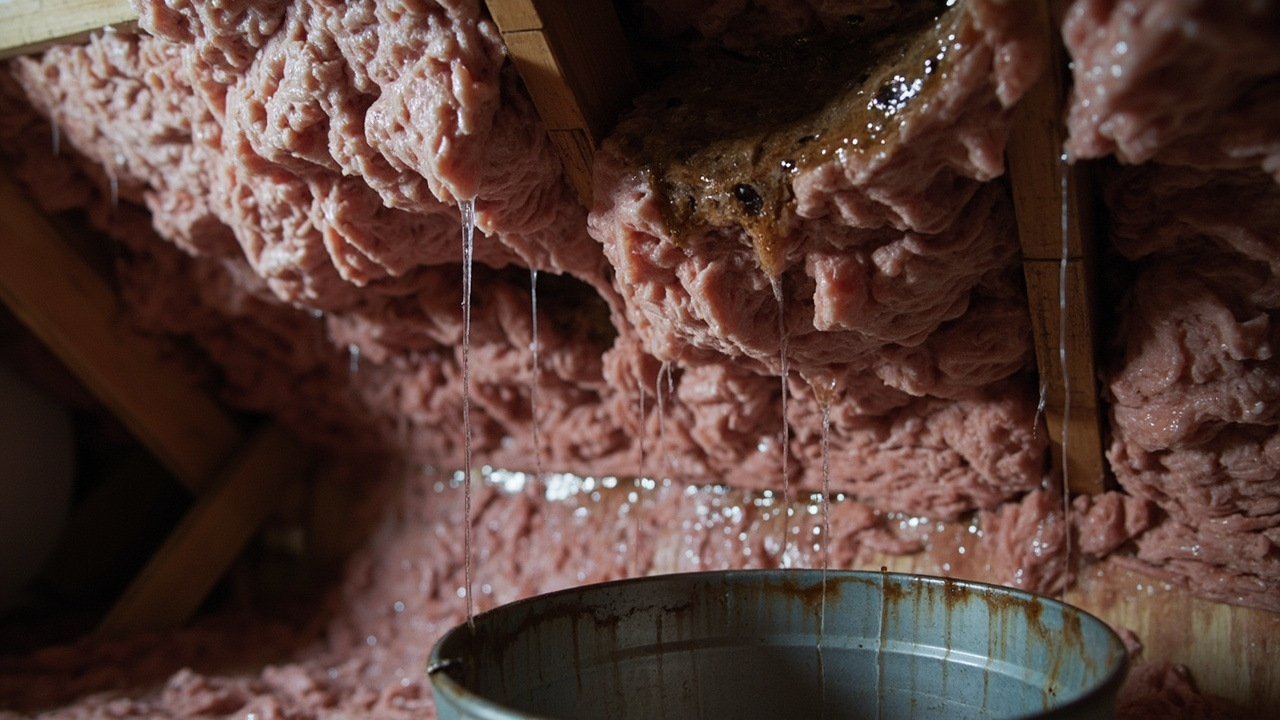
Houston's climate is brutal on insulation. High humidity combines with tropical storms, plumbing leaks, and roof damage to create the perfect conditions for water damaged insulation. When insulation gets wet, it loses its R-value immediately. Your energy bills spike. Your HVAC system works overtime. And mold starts growing within 24 to 48 hours.

Soaked insulation happens in attics after roof leaks, in walls after pipe bursts, and in crawl spaces after flooding. Houston's average 75% humidity means damp insulation never fully dries on its own. It just sits there, heavy and useless, while spores multiply in the dark.

You might smell mustiness first. Or notice your AC running constantly but your house stays warm. Maybe you see water stains on your ceiling or feel drafts where walls should be sealed tight. These are signs your insulation is compromised.

Saturated insulation cannot be saved. Fiberglass becomes a sponge. Cellulose turns to pulp. Spray foam delaminates from joists. The only fix is complete removal and replacement. Trying to dry it out wastes time and money while mold spreads through your home.

The problem gets worse fast. Wet insulation adds weight to ceilings and walls, creating structural stress. It drips onto electrical wiring. It attracts pests. And every day you wait, the contamination zone grows larger.

Houston homeowners need fast action when water intrusion hits. The difference between a contained problem and a whole-home remediation project is often 48 hours.

Why Houston Homes Battle Soggy Insulation Year-Round
How We Restore Dry, Safe Insulation After Water Damage

How We Restore Dry, Safe Insulation After Water Damage

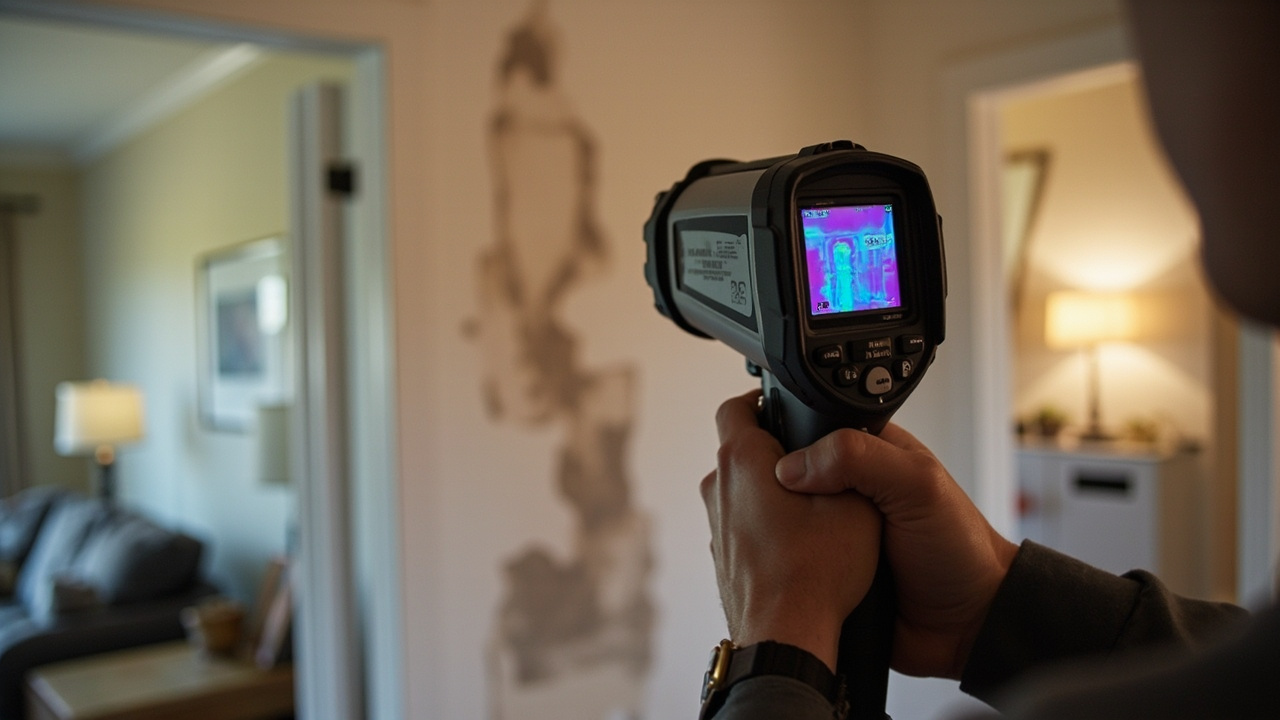
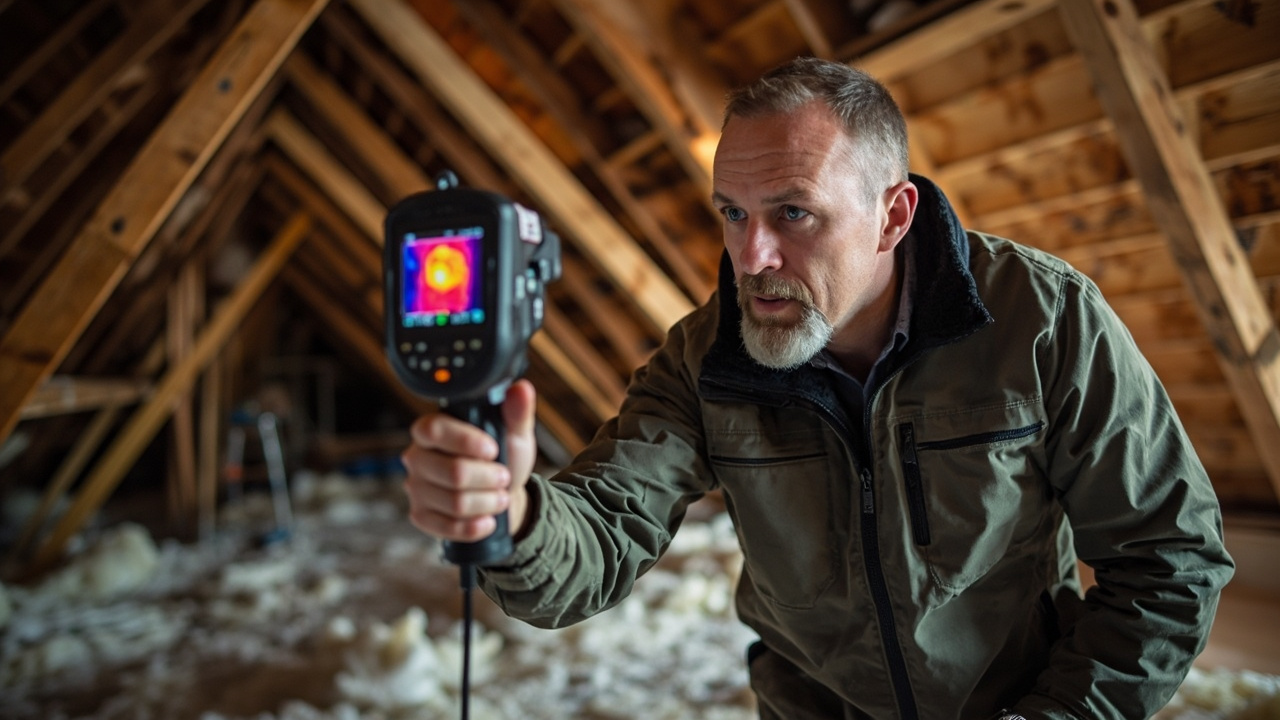
We do not guess about water damaged insulation. We document it. Our thermal imaging cameras show exactly where moisture has penetrated. Moisture meters give us precise readings in wall cavities and attic spaces. This data drives our extraction plan.

Removal starts with containment. We seal off affected areas with plastic sheeting and negative air pressure to prevent cross-contamination. HEPA filters capture airborne particles as we work. This matters because disturbing wet insulation releases mold spores and fiberglass particles into your air.

We extract all compromised material down to the studs or joists. Soaked insulation comes out in sections, bagged, and removed from your property immediately. We do not leave it sitting in your driveway or garage. After extraction, we treat all exposed wood with antimicrobial solutions to kill remaining spores.

Drying comes next. Industrial dehumidifiers and air movers run until moisture readings return to normal baseline levels. This takes 48 to 72 hours depending on how deep the saturation went. We monitor daily with meter readings, not guesswork.

Replacement uses the right insulation type for Houston's climate. Attics get blown-in cellulose or fiberglass batts rated for high heat. Walls get dense-pack cellulose or closed-cell spray foam if moisture intrusion was severe. Crawl spaces get encapsulation with rigid foam board.

We match or exceed your original R-values. Energy efficiency returns. Your HVAC stops overworking. And your home is protected from mold recurrence because we fixed the moisture source, not just the symptom.

What Happens When You Call Us About Saturated Insulation

Soggy Insulation in Houston – Expert Water Damage Solutions That Stop Mold Before It Starts
01

Emergency Assessment and Containment

We arrive within hours of your call. Our technicians use thermal imaging and moisture meters to map the full extent of water penetration. We identify the moisture source, whether it is a roof leak, pipe failure, or storm damage. Containment barriers go up immediately to isolate wet insulation from clean areas. HEPA air scrubbers start running to capture airborne contaminants as we prep for extraction.
02

Complete Insulation Removal and Treatment

All soggy insulation comes out in controlled sections. We bag and remove it from your property the same day. Exposed wood framing gets inspected for rot and treated with EPA-registered antimicrobials. Industrial drying equipment runs continuously until moisture readings return to normal levels. We document daily progress with photos and meter readings so you see exactly what is happening behind your walls or above your ceilings.
03

Professional Insulation Replacement

Once all surfaces are dry and treated, we install new insulation matched to Houston's climate demands. Attics get proper ventilation baffles before insulation goes in. Walls get dense-pack installation to eliminate voids. We verify R-values meet or exceed code requirements. Final thermal imaging confirms complete coverage with no gaps. Your home is sealed, protected, and energy efficient again. We provide documentation for insurance claims.

Why Houston Homeowners Trust Our Water Damage Expertise

Silverline Water Damage Restoration Houston specializes in the exact problems Houston's climate creates. We understand how afternoon thunderstorms overwhelm drainage systems. We know which neighborhoods flood during tropical storms. We have seen what happens when HVAC condensate lines clog in August humidity.

This local knowledge matters when you have damp insulation in your walls. We know Houston's building codes require specific R-values for different applications. We understand how pier and beam foundations create unique crawl space moisture challenges. We have relationships with local building inspectors and insurance adjusters who trust our documentation.

Our technicians hold IICRC certifications in water damage restoration and applied structural drying. These are not weekend courses. They require passing rigorous exams and ongoing education to maintain. When we tell you insulation must be replaced, it is based on industry standards and moisture science, not sales tactics.

We use commercial-grade equipment because residential problems in Houston require professional solutions. Our thermal cameras detect moisture behind walls without cutting exploratory holes. Our hydroxyl generators neutralize odors at the molecular level without harsh chemicals. Our truck-mounted extraction units pull thousands of gallons when flooding hits.

Speed matters with water damaged insulation. Mold does not wait for business hours. We answer calls 24/7 because water damage emergencies happen at midnight and on holidays. Our trucks are stocked and ready to roll within 60 minutes.

You will work with the same project manager from assessment through completion. No handoffs. No confusion. One person who knows your property and your situation. They coordinate with your insurance adjuster, pull permits if needed, and keep you updated daily.

What to Expect During Your Insulation Restoration Project

Rapid Response Time

We dispatch teams within 60 minutes of your call. Assessment begins immediately upon arrival. You get a detailed scope of work and timeline within two hours. Extraction starts the same day if you approve the plan. Most residential insulation removal projects finish within 48 hours. Drying takes another 48 to 72 hours depending on saturation depth. Replacement happens as soon as moisture readings clear. Total project time runs five to seven days for standard water damage scenarios. Storm damage with extensive flooding may take longer. We give you honest timelines based on actual conditions, not optimistic guesses.

Thorough Moisture Documentation

Our assessment includes thermal imaging of all suspect areas. We take moisture readings in multiple locations and document baseline levels. Photos capture the extent of visible damage before we start work. Daily readings track drying progress with specific percentages, not vague estimates. You receive a detailed report showing moisture levels before and after treatment. This documentation satisfies insurance requirements and protects you if questions arise later. We map affected areas on floor plans so you know exactly which walls or ceiling sections had wet insulation. Everything is timestamped and photo-verified.

Complete Insulation Replacement

We match or exceed your original R-values with appropriate materials for each space. Attics get blown-in insulation installed to proper depth with ruler measurements documented. Walls receive dense-pack cellulose or spray foam depending on your moisture risk and budget. Crawl spaces get vapor barriers and encapsulation if needed to prevent future moisture problems. All work meets Houston building code requirements. We install ventilation baffles in attics before adding insulation so airflow stays proper. Final thermal imaging confirms no gaps or thin spots exist. Your home performs better than before the water damage occurred.

Post-Restoration Monitoring

We return 30 days after project completion for follow-up moisture readings. This catch-any-hidden problems before they become major issues. You get a final report confirming your home remains dry and properly insulated. We provide maintenance recommendations specific to your property and the type of water damage you experienced. If you had a roof leak, we explain what to watch for. If you had plumbing failure, we suggest inspection intervals. Our team stays available for questions even after your project closes. We want you to feel confident your home is protected long-term, not just temporarily patched.

Frequently Asked Questions

You Have Questions,
We Have Answers

Will wet insulation ever dry out? +

Wet insulation rarely dries completely on its own, especially in Houston's high humidity climate. Fiberglass and cellulose absorb water like a sponge. Even if the surface feels dry, moisture remains trapped deep inside. This trapped moisture creates perfect conditions for mold growth and structural rot. Houston's summer heat and humidity make natural drying nearly impossible. The insulation loses its R-value when wet, meaning your HVAC system works harder and costs you more. You need professional extraction equipment and dehumidifiers to remove moisture properly. Waiting for it to dry risks bigger problems and higher repair costs later.

Will mold grow in wet insulation? +

Yes, mold will grow in wet insulation. Houston's year-round humidity and warm temperatures create ideal mold conditions. Wet insulation provides the three things mold needs: moisture, organic material to feed on, and warm temperatures. Fiberglass and cellulose insulation trap water between fibers, creating dark, damp pockets where mold thrives. Once mold starts, it spreads quickly through your attic or walls. You cannot see mold growing inside insulation until it becomes a serious problem. Mold releases spores into your air system, affecting indoor air quality throughout your home. Professional removal prevents health risks and structural damage.

How long does it take for mold to grow on wet insulation? +

Mold can start growing on wet insulation within 24 to 48 hours in Houston's climate. The process happens faster during humid summer months when temperatures stay above 80 degrees. Warmth and moisture accelerate mold spore activation. You might not see visible mold for several days or weeks, but microscopic growth begins immediately. Cellulose insulation grows mold faster than fiberglass because it contains more organic material. Once mold establishes itself, it spreads exponentially. Time matters. Quick action within the first 24 hours prevents mold colonization. Waiting even three days significantly increases your remediation costs and health risks.

Does insulation need to be replaced after water damage? +

Yes, wet insulation typically needs replacement after water damage. Trying to dry or salvage it rarely works in Houston's humidity. Fiberglass insulation compresses when wet and loses its insulating properties permanently. Cellulose insulation absorbs water and becomes a mold breeding ground. Even if you dry the insulation, contamination from sewage, chemicals, or bacteria remains. Insurance companies often require full replacement because of health risks and reduced performance. Compressed or moldy insulation costs you money through higher energy bills and poor climate control. Professional water damage restoration includes proper insulation removal, cavity drying, mold treatment, and new installation.

How Houston's Humidity and Storm Patterns Create Chronic Insulation Problems

Houston averages 75% relative humidity year-round. This creates constant moisture stress on building envelopes. When roof leaks or plumbing failures introduce liquid water, insulation cannot dry naturally. The ambient humidity keeps materials damp indefinitely. Tropical storms bring 10 to 20 inches of rain in hours, overwhelming gutters and creating attic leaks. Hurricane season means high winds that drive rain horizontally under shingles. These weather patterns make soggy insulation a recurring problem for Houston homeowners, not a rare event.

Silverline Water Damage Restoration Houston has handled thousands of saturated insulation projects across Harris County. We know which neighborhoods have older pier and beam foundations prone to crawl space flooding. We understand how Houston's clay soil shifts and cracks slab foundations, creating pathways for water intrusion. Our relationships with local insurance adjusters mean your claims get processed faster because they trust our documentation standards. Choosing a water damage company that understands Houston-specific building challenges makes the difference between proper restoration and repeated callbacks.
Water Damage Restoration Services in The Houston Area

Easily locate our service area and see how Silverline is strategically positioned to provide rapid water damage restoration services throughout Houston and its surrounding communities. Our commitment to prompt response means we're never far away when disaster strikes, ensuring your property gets the urgent care it needs, wherever you are within our service radius. We're here to serve you efficiently.

Address:
Silverline Water Damage Restoration Houston, 3730 Kirby Dr, Houston, TX, 77098

Additional Services We Offer

Our news updates

Latest Articles & News from The Blogs

Dealing with Attic Water Damage from Leaky Roofs in KingwoodHomeowners in the Kingwood area face significant moisture challenges due to…

Dealing with Attic Water Damage from Leaky Roofs in Kingwood

Dealing with Attic Water Damage from Leaky Roofs in KingwoodHomeowners in the Kingwood area face significant moisture challenges due to…

Why a Home Dehumidifier Cannot Save Your Third Ward Living Room from Water Damage

Why a Home Dehumidifier Cannot Save Your Third Ward Living Room from Water DamageYour Third Ward home faces unique challenges…

Planning Your Tropical Storm Recovery Strategy for League City and Bay Area Residences

Planning Your Tropical Storm Recovery Strategy for League City and Bay Area Residences Living in the Houston Bay Area during…

Contact Us

Wet insulation gets worse every hour you wait. Call Silverline Water Damage Restoration Houston now at (832) 336-3663 for same-day assessment and extraction. We answer 24/7 and dispatch teams within 60 minutes.