



menu

Sanitization & Odor Removal in Houston – Restoring Clean, Safe Spaces After Water Damage

Expert antimicrobial treatment and odor abatement services that eliminate bacteria, mold spores, and persistent smells from water-damaged properties across the greater Houston metro area.

Slider Image 1
Slider Image 2
Slider Image 3
Slider Image 4
Slider Image 5
Slider Image 7
Slider Image 8
Slider Image 9
Slider Image 10
Slider Image 11

Why Houston Properties Need Professional Sanitization After Water Damage

Water damage in Houston creates the perfect breeding ground for microbial growth. With humidity levels regularly exceeding 70 percent and average temperatures in the 80s for six months of the year, standing water becomes a petri dish within 24 to 48 hours. You are not just dealing with wet floors. You are facing bacteria colonies, mold spores, and chemical contaminants that soak into drywall, insulation, and subflooring.

The coastal location brings additional complications. Storm surge from hurricanes can push contaminated bayou water into homes along Buffalo Bayou, Brays Bayou, and White Oak Bayou. That water carries sewage, chemicals, and industrial runoff. When it recedes, it leaves behind pathogens that require antimicrobial treatment beyond simple drying.

Standard cleaning does not address embedded contamination. Odors from Category 2 and Category 3 water persist because organic matter remains in porous materials. You smell it in your HVAC system, your carpets, your walls. This is not a surface issue. The contamination is structural.

Professional sanitizing and deodorizing targets the source. Disinfection and deodorization protocols eliminate microbial threats at the molecular level. Without this step, you risk respiratory issues, allergic reactions, and progressive property damage. In Houston's climate, waiting 72 hours can mean the difference between simple remediation and total demolition of affected areas.

The problem is invisible until it becomes a health crisis. Odor control services are not cosmetic. They are a critical component of comprehensive water damage restoration.

Why Houston Properties Need Professional Sanitization After Water Damage
Our Multi-Phase Sanitization Protocol

Our Multi-Phase Sanitization Protocol

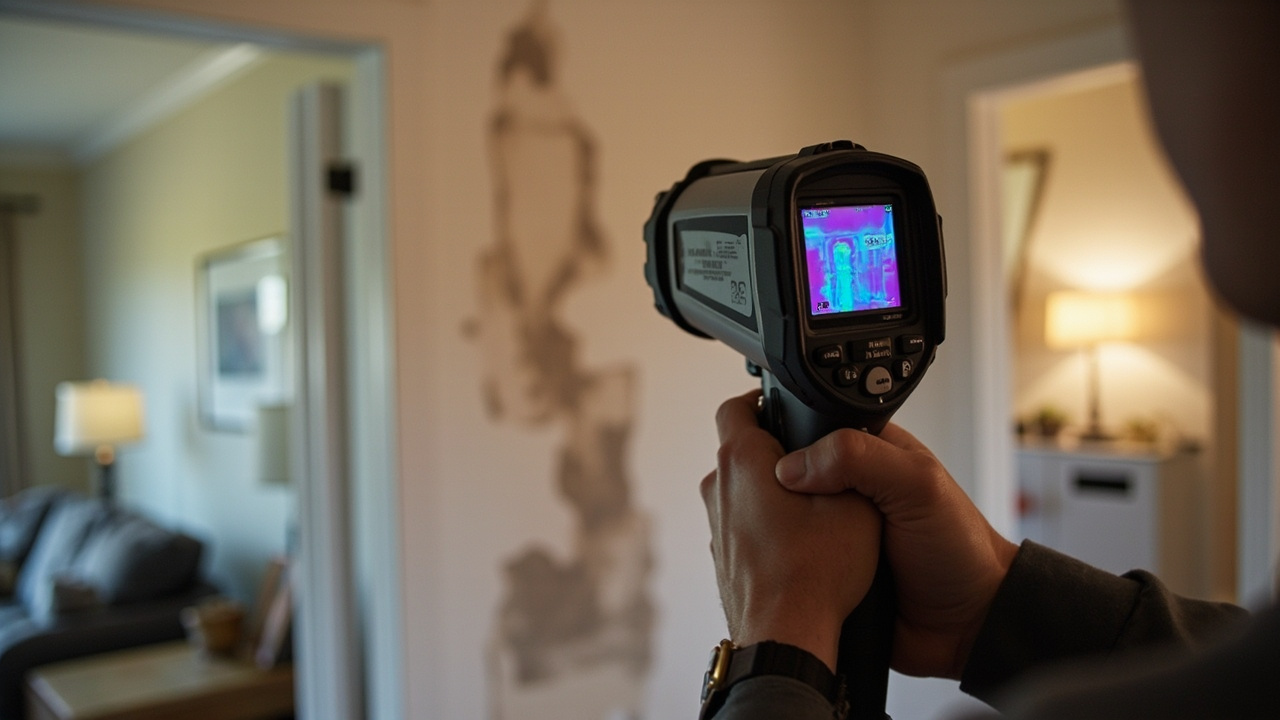
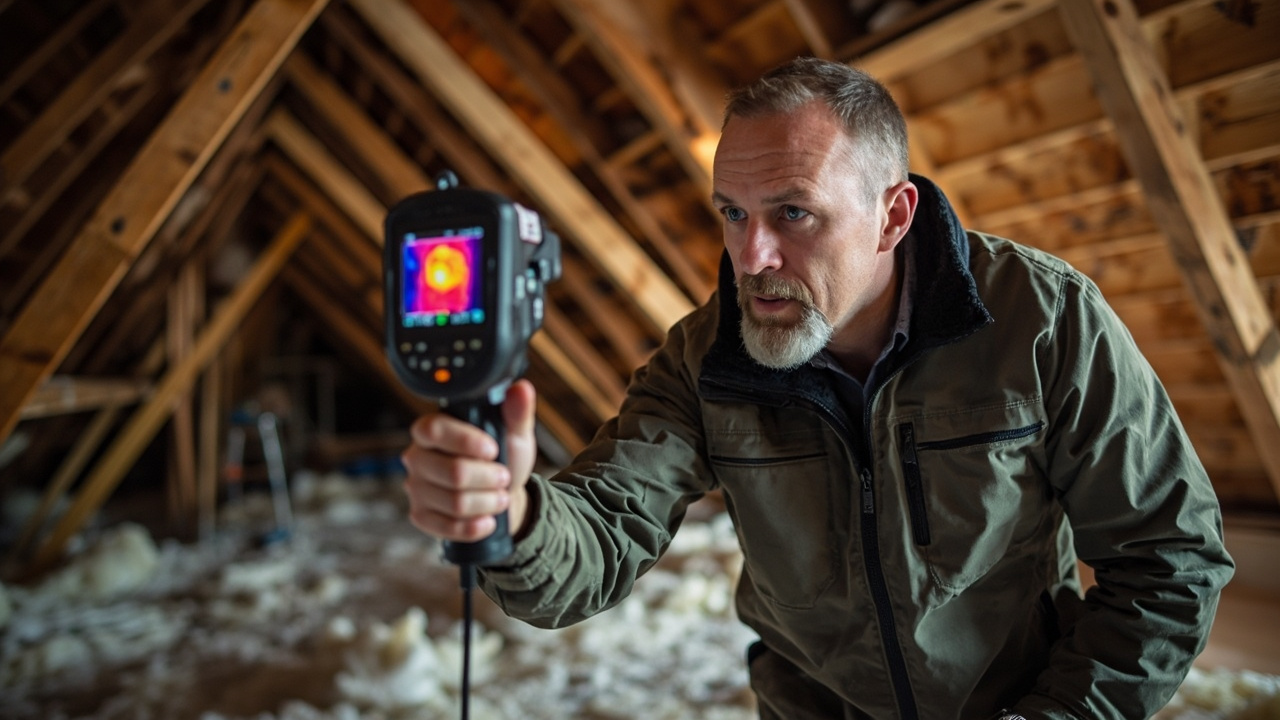
Silverline Water Damage Restoration Houston uses EPA-registered antimicrobial agents and hospital-grade disinfectants to restore indoor air quality and eliminate biological hazards. Our process begins with moisture mapping using infrared thermography and hygrometers to identify all affected areas, including hidden moisture in wall cavities and beneath flooring.

We classify the water source first. Category 1 water from supply lines requires basic disinfection. Category 2 water from appliance discharge demands broader antimicrobial treatment. Category 3 water from sewage backups or flood water requires aggressive odor abatement protocols and complete material removal in some cases.

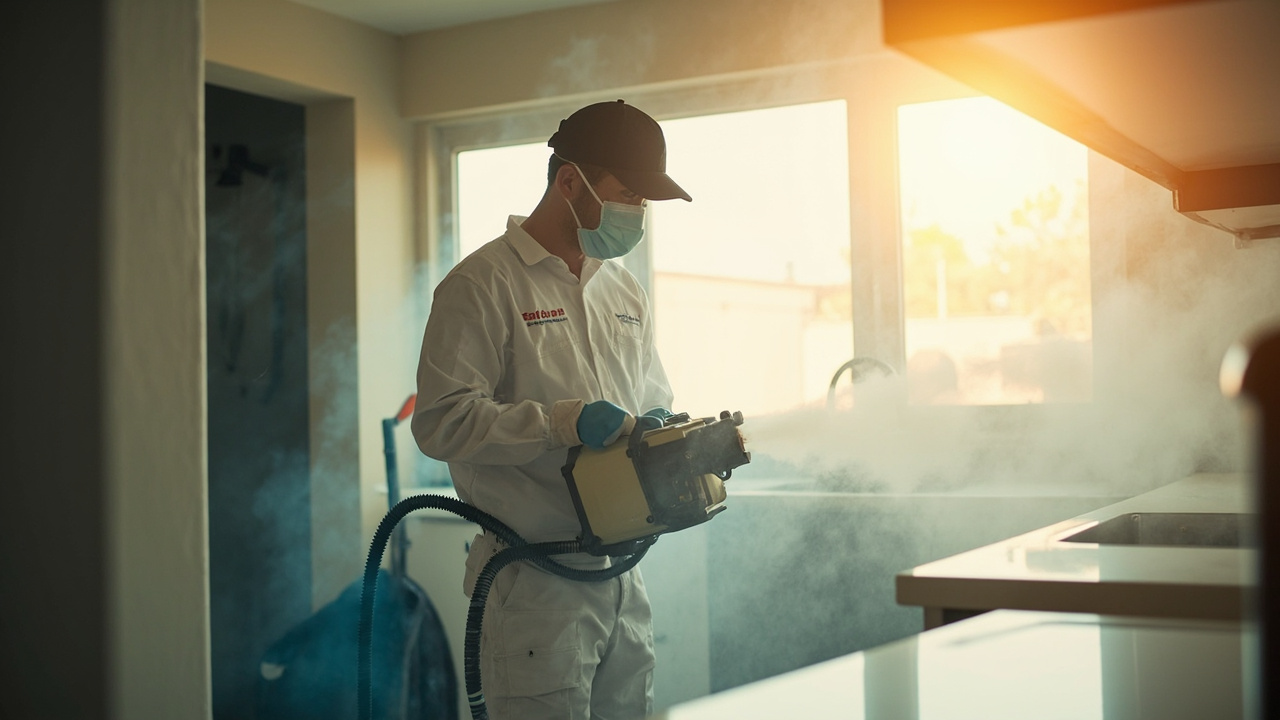
For structural sanitization, we apply antimicrobial foggers that penetrate porous surfaces. These solutions kill bacteria, fungi, and viruses on contact and continue working as surfaces dry. We treat HVAC systems separately because air handlers circulate contaminated particles throughout the property if left untreated. Ductwork receives direct application of disinfectant and UV-C light treatment when necessary.

Odor control services use hydroxyl generators and thermal fogging technology. Hydroxyl radicals break down odor molecules at the chemical level rather than masking them. Thermal fogging reaches areas that spray applications miss, including attic spaces, crawlspaces, and inside wall assemblies.

We verify results with ATP testing to measure surface cleanliness and air scrubbers equipped with HEPA filters to capture airborne particulates during treatment. Post-remediation verification includes moisture readings below 15 percent and clearance testing for microbial contamination. This systematic approach ensures you can reoccupy the space safely without lingering health risks or smells.

What Happens During Professional Odor Removal

Sanitization & Odor Removal in Houston – Restoring Clean, Safe Spaces After Water Damage
01

Contamination Assessment and Containment

Our technicians establish negative air pressure zones using air scrubbers and physical barriers to prevent cross-contamination to unaffected areas. We document all moisture levels, photograph damage, and collect air samples if mold is suspected. This data drives our treatment plan and provides documentation for insurance claims. Containment is critical in multi-unit properties and commercial spaces where occupied areas must remain operational during remediation.
02

Antimicrobial Application and Deodorization

We apply EPA-approved disinfectants to all affected surfaces using electrostatic sprayers for uniform coverage. Hard surfaces receive liquid treatment. Porous materials like drywall and insulation receive fogging treatment. Hydroxyl generators run continuously to oxidize odor molecules in the air and on surfaces. This phase takes 24 to 72 hours depending on contamination severity and material types. We monitor progress with particle counters and ATP meters.
03

Verification and Clearance Testing

Final inspection includes moisture verification, visual assessment for residual staining or growth, and air quality testing. We provide a certificate of completion with before and after readings, treatment methods used, and safety clearance for reoccupancy. All treated areas receive a final deodorizing treatment. You receive a full report documenting compliance with IICRC S500 standards for water damage restoration and ANSI standards for antimicrobial treatment protocols.

Why Houston Residents Choose Us for Sanitization Services

Silverline Water Damage Restoration Houston specializes in the unique challenges of Gulf Coast water damage. We understand how quickly conditions deteriorate in our climate. Our technicians train specifically on Category 3 contamination scenarios common after tropical storms and the flooding patterns along Houston's extensive bayou system.

We maintain relationships with local environmental testing labs for rapid turnaround on microbial analysis. When you need third-party verification for insurance or health department requirements, we coordinate sampling and reporting within 48 hours. This matters in commercial properties where delayed clearance means lost revenue.

Our equipment inventory includes redundant systems. If a hydroxyl generator fails during treatment, we have backup units ready. We stock antimicrobial products in bulk to handle large-scale contamination events without supply delays. During hurricane season, we pre-position equipment and coordinate with property managers in flood-prone areas like Meyerland, Kingwood, and near the Energy Corridor.

We work directly with adjusters from major carriers operating in Harris County. Our estimates follow Xactimate pricing and include proper documentation of antimicrobial protocols. This reduces claim disputes and speeds payment. For properties with ongoing mold litigation, we provide expert witness services and detailed remediation records that meet legal discovery requirements.

Local knowledge matters. We know which neighborhoods have combined sewer systems prone to backflow. We understand how Houston's clay soil shifts and cracks foundation slabs, creating entry points for contaminated groundwater. We recognize the difference between coastal flood damage and inland street flooding. This experience translates to faster, more effective sanitization protocols tailored to your specific situation.

What You Can Expect From Our Service

Response Time and Availability

We dispatch technicians to Houston properties within two hours of your call. Our teams operate 24/7 because microbial growth does not wait for business hours. Emergency sanitization services are available on weekends and holidays. For commercial clients, we offer scheduled after-hours service to minimize business disruption. Initial containment and assessment typically occur on the first visit. Treatment begins the same day if conditions allow. Total project duration ranges from 48 hours for minor contamination to seven days for severe Category 3 scenarios requiring demolition and reconstruction.

Inspection and Treatment Planning

Your initial consultation includes a complete walkthrough with moisture detection equipment and visual inspection. We explain which materials require removal versus treatment. You receive a written scope of work detailing antimicrobial products, equipment deployment, and estimated timeline. We photograph all damage for insurance documentation. Air sampling occurs if you report respiratory symptoms or visible mold growth. Testing results take 48 to 72 hours. We provide both a homeowner-friendly summary and technical lab reports. Our estimates break out sanitization costs separately from structural repairs so you understand exactly what each phase involves.

Final Results and Indoor Air Quality

Completed sanitization eliminates detectable odors and reduces microbial counts to normal background levels. You receive documentation showing post-treatment ATP readings, final moisture levels, and air quality measurements. Treated surfaces are safe for contact immediately after drying. We provide care instructions for maintaining results, including humidity control recommendations and HVAC filter replacement schedules. Properties pass visual inspection with no staining, no musty odors, and no visible growth. Insurance adjusters accept our clearance certificates for claim closure. Third-party testing is available if required by lenders or buyers during property transactions.

Post-Treatment Support and Prevention

We offer follow-up inspections at 30 and 90 days to verify no recurring issues. You receive a maintenance protocol specific to your property's vulnerabilities, including drainage recommendations and moisture monitoring guidance. For commercial clients, we provide annual sanitization contracts with scheduled HVAC cleaning and preventive antimicrobial treatment. Our team remains available to answer questions about odors, air quality concerns, or suspected moisture intrusion. If issues arise within the treatment area, we return to assess at no charge. Documentation remains on file for insurance requirements and property disclosures.

Frequently Asked Questions

You Have Questions,
We Have Answers

What is the most powerful odor eliminator? +

Industrial hydroxyl generators and ozone machines deliver the most powerful odor elimination for severe contamination. These machines work at the molecular level to break down odor-causing compounds instead of masking them. For Houston homes dealing with mold, smoke, or sewage odors, professionals combine these tools with enzymatic cleaners that digest organic matter. You cannot buy commercial-grade hydroxyl generators at retail stores. The equipment requires training to operate safely and effectively. Attempting DIY odor removal with store-bought products wastes time and money when dealing with persistent smells from water damage or biological contamination.

What do nursing homes use to get rid of pee smell? +

Nursing homes rely on enzymatic cleaners specifically formulated to break down uric acid crystals. These products contain bacteria that consume odor-causing proteins at the source. Facilities also use vapor barriers on subfloors and antimicrobial treatments on surfaces. In Houston's high humidity, moisture trapped under flooring or in porous materials creates breeding grounds for odor bacteria. Professional restoration teams apply hospital-grade disinfectants, seal porous surfaces, and use thermal foggers to penetrate deep into materials. Air scrubbers with activated carbon filters run continuously to capture airborne particles. Surface cleaning alone never solves urine odor problems.

How do I permanently get rid of a bad smell in my house? +

Permanent odor removal requires finding and eliminating the source, not covering it up. Start by identifying contaminated materials like carpet padding, drywall, or insulation that absorbed the odor. In Houston homes, hidden mold growth behind walls or under flooring causes most persistent smells. You must remove affected materials, treat surfaces with antimicrobial solutions, and seal porous substrates. Thermal foggers distribute odor counteractants into cracks and crevices. Air scrubbers with HEPA and carbon filters capture remaining particles. Painting over smoke damage or spraying air freshener only provides temporary relief. Professional assessment identifies hidden contamination you cannot see.

What do nurses use to block smells? +

Nurses apply mentholated ointment under their noses to block strong odors during patient care. Vicks VapoRub and similar products create a barrier that overpowers unpleasant smells. Some medical professionals use essential oil blends or scented balms. This masking technique works temporarily but does nothing to eliminate odor sources. In restoration work, professionals wear respirators with organic vapor cartridges when dealing with sewage, decomposition, or chemical contamination. Houston's heat intensifies odors from biological materials. Proper PPE protects workers while industrial equipment addresses the root cause. Masking odors never solves contamination problems in buildings.

What is the hardest smell to get rid of? +

Decomposition and sewage odors rank as the hardest smells to eliminate because they penetrate porous materials at the molecular level. Proteins from biological matter bond with building materials and resist surface cleaning. Smoke damage from structure fires also proves difficult because particles embed deep into wood, drywall, and insulation. Houston's humidity makes odor removal harder by keeping materials damp, which allows bacteria to thrive. Professional teams remove contaminated materials, apply enzymatic treatments, seal surfaces with odor-blocking primers, and use thermal fogging. Attempting DIY removal with consumer products fails because you cannot reach embedded contamination.

What do hotels use to make the room smell good? +

Hotels use HVAC scenting systems that diffuse signature fragrances throughout rooms and hallways. These systems deliver consistent scent profiles that become part of brand identity. Hotels also maintain strict cleaning protocols, replace soft goods frequently, and use ozone treatments between guests when needed. In Houston's humid climate, hotels run dehumidifiers and monitor HVAC systems to prevent musty odors from mold growth. Professional housekeeping teams apply enzymatic cleaners to carpets and upholstery. The key is prevention through proper ventilation and immediate treatment of spills. Masking odors never works long-term. Fresh-smelling rooms require source elimination.

How do professionals remove urine smells? +

Professionals start by locating all contaminated areas using moisture meters and UV lights that reveal urine deposits invisible to the naked eye. They remove affected materials like carpet, padding, and baseboards that absorbed urine. Subfloors receive enzymatic treatments that break down uric acid crystals. In Houston homes with concrete slabs, professionals apply penetrating sealers after enzymatic treatment. Thermal foggers distribute odor counteractants into wall cavities and HVAC systems. Air scrubbers filter particles while hydroxyl generators oxidize remaining odor molecules. The process takes days, not hours. Surface cleaning or store-bought sprays cannot penetrate deep enough.

What do morticians use to block smells? +

Morticians use embalming fluids containing formaldehyde and other chemicals that preserve tissue and control decomposition odors. They also apply topical gels, use ozone generators in preparation rooms, and maintain powerful ventilation systems. Mortuary facilities install specialized HVAC with carbon filtration. These techniques work in controlled environments but do not apply to residential settings. For Houston homes affected by unattended death or biohazard situations, restoration professionals follow strict protocols. They remove contaminated materials, apply hospital-grade disinfectants, use enzymatic cleaners on protein-based contamination, and seal surfaces. This work requires specialized training and equipment.

How do hospitals get rid of smells? +

Hospitals use multi-layered odor control systems including high-efficiency HVAC with activated carbon filters, negative air pressure in contaminated areas, and EPA-registered disinfectants. Housekeeping teams follow strict protocols for waste removal and surface treatment. Medical facilities also use hydroxyl generators and ozone machines in unoccupied spaces. In Houston medical buildings, controlling humidity prevents mold growth that causes musty odors. Professional restoration teams apply these same hospital-grade techniques to homes after sewage backups, floods, or biohazard incidents. Commercial equipment and industrial-strength products deliver results impossible with consumer-grade solutions. Proper ventilation remains the foundation.

How do rich people make their house smell good? +

Wealthy homeowners invest in whole-home HVAC scenting systems, regular professional cleaning, and high-quality air purification. They replace HVAC filters monthly, run dehumidifiers in Houston's humid climate, and address water intrusion immediately to prevent mold odors. Regular duct cleaning removes accumulated dust and biological growth. Many hire housekeepers who use premium enzymatic cleaners on fabrics and surfaces. The secret is prevention and maintenance, not masking. Fresh homes smell neutral, not perfumed. When problems occur, they hire professionals immediately instead of attempting DIY fixes. Investing in proper ventilation and moisture control prevents most odor issues.

How Houston's Hurricane Season Demands Rapid Odor Abatement

Hurricane-driven storm surge along Galveston Bay pushes contaminated water up the Houston Ship Channel and into properties near Clear Lake, Pasadena, and Baytown. This Category 3 water contains sewage, petrochemicals from refineries, and industrial waste. Standard drying protocols fail because the contamination requires EPA-registered biocides and complete removal of porous materials. The combination of 90-degree heat and 80 percent humidity after storms creates microbial blooms within 36 hours. Properties that receive sanitization within 48 hours avoid total loss. Properties that wait a week face gut-outs to the studs.

Harris County health ordinances require professional remediation for Category 3 contamination in commercial buildings. Residential properties benefit from the same protocols to protect occupant health. Silverline Water Damage Restoration Houston maintains IICRC certifications and follows TDSHS guidelines for antimicrobial treatment. We coordinate with city inspectors when required for permit compliance. Local environmental conditions make DIY sanitization ineffective and dangerous. Professional odor control services protect your investment and your health using equipment and chemicals unavailable to consumers.
Water Damage Restoration Services in The Houston Area

Easily locate our service area and see how Silverline is strategically positioned to provide rapid water damage restoration services throughout Houston and its surrounding communities. Our commitment to prompt response means we're never far away when disaster strikes, ensuring your property gets the urgent care it needs, wherever you are within our service radius. We're here to serve you efficiently.

Address:
Silverline Water Damage Restoration Houston, 3730 Kirby Dr, Houston, TX, 77098

Additional Services We Offer

Our news updates

Latest Articles & News from The Blogs

Houston humidity presents a constant struggle for homeowners across Harris County. In 2026, the weather patterns continue to create high…

Why Houston Families Trust Our Certified Mold Inspection Services for Local Homes

Houston humidity presents a constant struggle for homeowners across Harris County. In 2026, the weather patterns continue to create high…

Dealing with Attic Water Damage from Leaky Roofs in Kingwood

Dealing with Attic Water Damage from Leaky Roofs in KingwoodHomeowners in the Kingwood area face significant moisture challenges due to…

Why a Home Dehumidifier Cannot Save Your Third Ward Living Room from Water Damage

Why a Home Dehumidifier Cannot Save Your Third Ward Living Room from Water DamageYour Third Ward home faces unique challenges…

Contact Us

Do not let water damage turn into a health crisis. Call Silverline Water Damage Restoration Houston now at (832) 336-3663 for immediate sanitization and odor removal. We are available 24/7 to restore your property to safe, clean conditions.