





menu

Basement Flood Cleanup in Houston – Rapid Water Extraction Before Mold Takes Hold

Houston's high water tables and flash flood risk demand immediate basement water extraction and remediation. We deploy industrial pumps and thermal imaging within hours to stop structural damage and mold growth in its tracks.

Slider Image 1
Slider Image 2
Slider Image 3
Slider Image 4
Slider Image 5
Slider Image 7
Slider Image 8
Slider Image 9
Slider Image 10
Slider Image 11

Why Houston Basements Flood Fast and Stay Wet Longer

Houston sits on expansive clay soil that shifts when saturated. During heavy rain events, water tables rise fast. If you have a basement, water intrusion happens through foundation cracks, failed sump pumps, or overwhelmed drainage systems. The city's humidity keeps moisture trapped long after the visible water is gone. This creates the perfect breeding ground for mold within 24 to 48 hours.

Flooded basement water removal is not just about pumping out standing water. It requires basement water extraction equipment designed to pull moisture from porous materials like drywall, insulation, and subflooring. Without proper flooded basement remediation, you face structural rot, electrical hazards, and toxic mold exposure. The longer you wait, the deeper the water penetrates and the more expensive the restoration becomes.

Neighborhoods near Buffalo Bayou, Brays Bayou, and the greater Montrose area see chronic flooding during tropical storms and heavy spring rains. If your basement has flooded before, it will flood again unless you address the root cause during flooded basement restoration. Most homeowners assume a wet-dry vacuum and a dehumidifier will solve the problem. It will not. You need flooded basement pumping capacity that exceeds hundreds of gallons per minute, paired with air movers and dehumidifiers calibrated for square footage and humidity levels. This is not a DIY situation.

Why Houston Basements Flood Fast and Stay Wet Longer
How We Extract Water and Prevent Secondary Damage

How We Extract Water and Prevent Secondary Damage

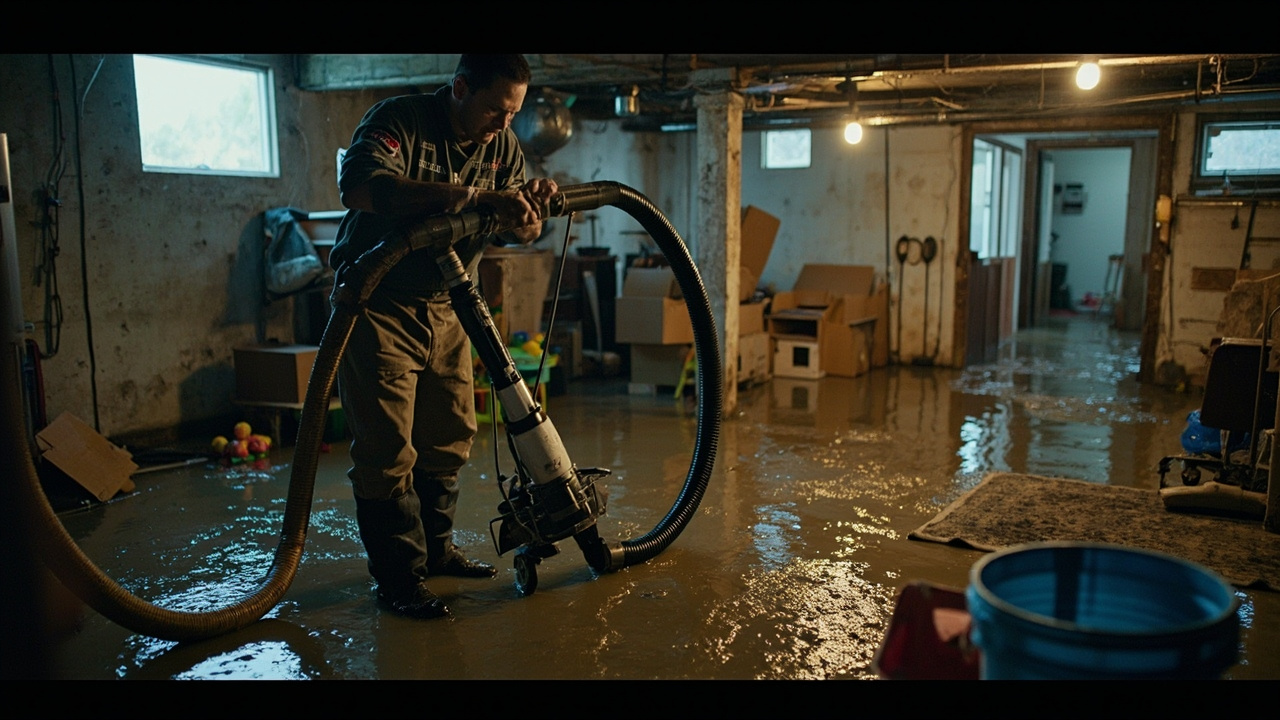
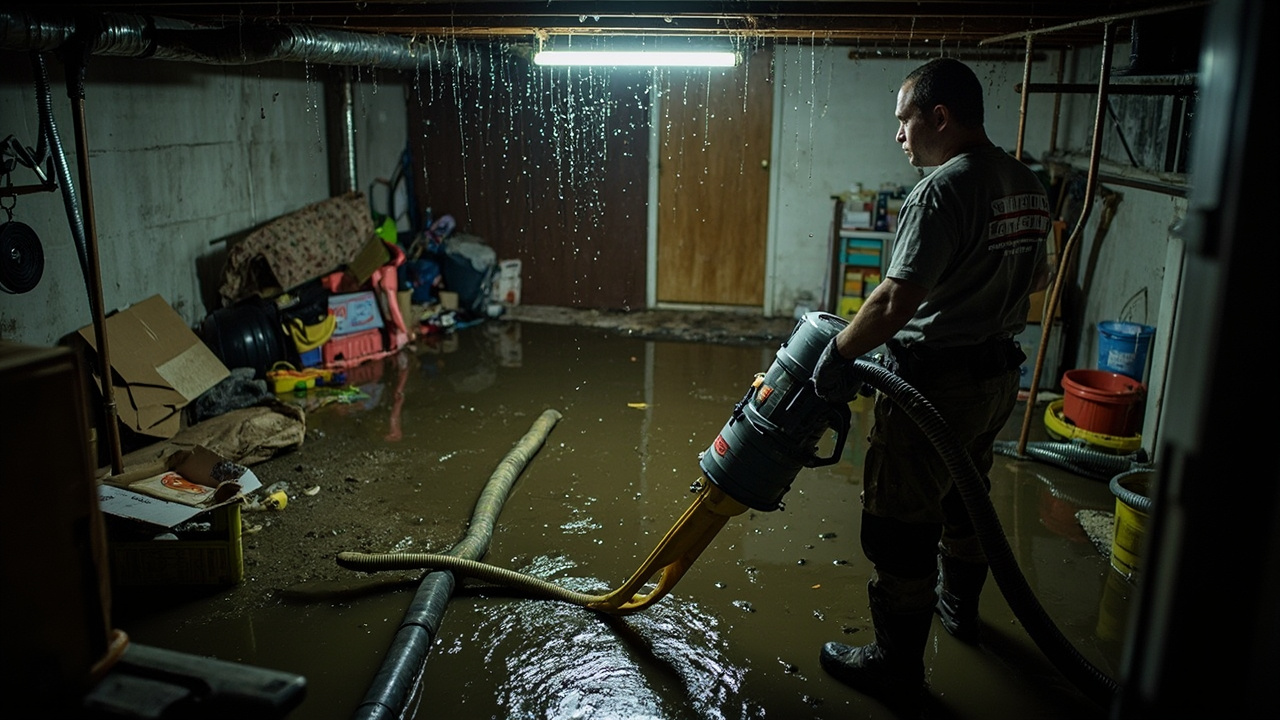
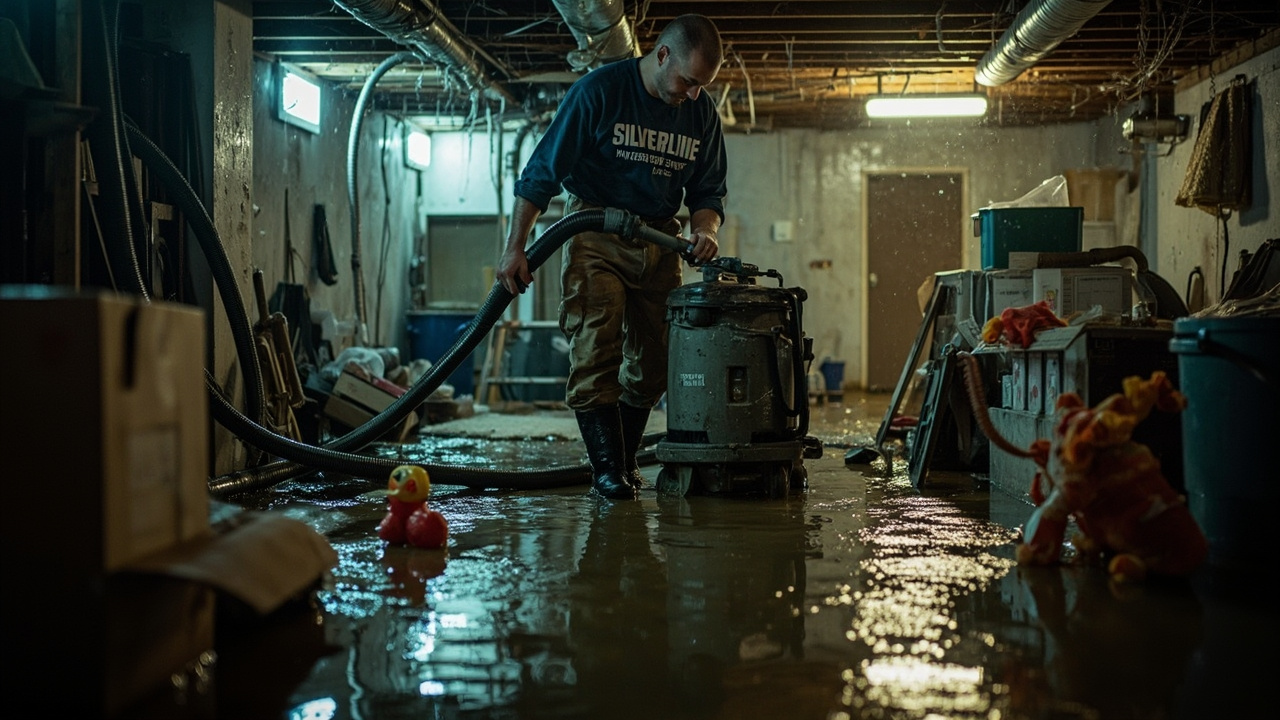
We start with high-volume submersible pumps to remove standing water, then transition to extraction wands for carpets and upholstery. Standing water is the visible problem. The hidden problem is moisture trapped in wall cavities, under flooring, and inside HVAC ducts. We use thermal imaging cameras to map wet zones you cannot see. This prevents mold colonies from forming in hidden spaces weeks after the flood.

Once the bulk water is out, we place commercial-grade air movers and low-grain refrigerant dehumidifiers to pull residual moisture from materials. We monitor moisture levels with pin-type and non-invasive meters, tracking progress in real time. The goal is to bring materials below 15 percent moisture content, the threshold where microbial growth stops. We document every reading for insurance claims.

Houston's humidity works against drying. On a 90-degree day with 80 percent relative humidity, ambient air holds too much moisture to absorb more from your basement. Our dehumidifiers create a controlled microclimate, lowering relative humidity to 30 to 40 percent while maintaining airflow. This accelerates evaporation and prevents secondary water damage like warping, swelling, and delamination.

We also inspect for sewage contamination. Floodwater in Houston often carries bacteria from overwhelmed sewer lines. If your basement flood involved gray water or black water, we follow IICRC S500 protocols for antimicrobial treatment and disposal of contaminated materials. This is not optional. It protects your family from pathogens like E. coli and hepatitis A.

What Happens During Your Basement Flood Restoration

Basement Flood Cleanup in Houston – Rapid Water Extraction Before Mold Takes Hold
01

Emergency Water Removal

We arrive with truck-mounted pumps capable of moving hundreds of gallons per minute. Submersible pumps handle standing water, while extraction wands pull moisture from carpets, padding, and porous surfaces. We remove furniture and belongings to prevent cross-contamination and speed drying. Every minute counts when mold spores are activating in humid air.
02

Moisture Detection and Mapping

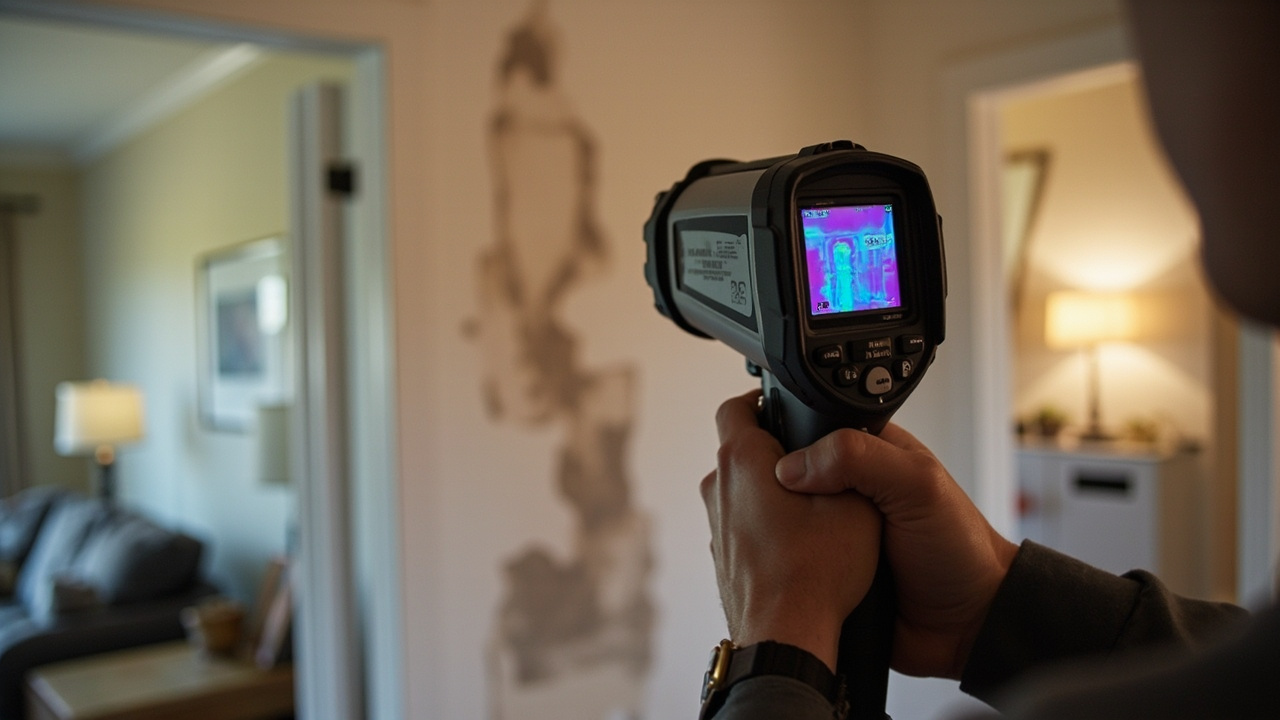
Thermal imaging reveals hidden moisture pockets behind walls, under flooring, and in ceiling cavities. We use pin-type and capacitance meters to quantify moisture levels in wood, drywall, and concrete. This data guides equipment placement and drying strategy. We mark affected zones with numbered tags and photograph everything for insurance documentation and claim support.
03

Controlled Drying and Monitoring

Air movers and dehumidifiers run continuously, controlled by daily moisture readings. We adjust equipment placement as materials dry, concentrating on stubborn wet zones. Once all materials reach safe moisture levels, we verify with final testing and provide a certificate of drying completion. If mold remediation or reconstruction is needed, we coordinate with your insurance adjuster before starting work.

Why Local Expertise Matters for Houston Basement Flooding

Houston floods differently than other cities. We understand how Harris County drainage systems work, where water collects during heavy rain, and which neighborhoods sit in 100-year flood plains. We know the difference between storm surge flooding near Galveston Bay and flash flooding from overwhelmed detention ponds in Katy or Sugar Land. This local knowledge shapes our response.

We also understand Houston building codes and permitting requirements for basement conversions and below-grade spaces. Many homes in the Inner Loop have finished basements that were added without proper waterproofing or drainage. If your basement was built before updated flood maps, it may not meet current standards for flood vents or backflow prevention. We identify code violations during restoration and recommend permanent fixes.

Our crews have responded to basement floods in River Oaks, Memorial, The Heights, and Bellaire. We have worked with every major insurance carrier and know how to document losses for maximum claim approval. We understand the difference between sudden water damage and long-term seepage, and we know how adjusters evaluate pre-existing conditions. This matters when tens of thousands of dollars are on the line.

We also coordinate with local plumbers, electricians, and foundation specialists when needed. Basement flooding often reveals bigger problems like foundation cracks, broken sewer laterals, or failed sump pump installations. We refer you to trusted contractors we have worked with for years, not random vendors from an online directory. You get a complete solution, not just a Band-Aid.

What You Can Expect When You Call Us

Immediate Response Time

We dispatch crews 24 hours a day, seven days a week. Most basement flood calls get a technician on-site within two to four hours, depending on traffic and storm conditions. We prioritize jobs based on severity. If you have active water intrusion or sewage backup, you move to the front of the queue. We arrive with extraction equipment, moisture meters, and containment materials ready to work. No delays waiting for equipment to be pulled from a warehouse.

Thorough Damage Assessment

Before we start pumping, we assess the source of the water, the extent of saturation, and the category of contamination. We document everything with photos, moisture readings, and written notes. You receive a detailed scope of work and cost estimate before any billable work begins, unless it is an emergency mitigation situation where immediate action prevents further loss. We explain what your insurance will likely cover and what falls under your deductible.

Complete Structural Drying

We do not leave until every material is dry to industry standards. That means moisture readings at or below 15 percent in wood, less than 1 percent in concrete, and ambient humidity below 50 percent. We provide daily progress reports and adjust equipment as needed. If drywall or insulation is too saturated to save, we remove it before it becomes a mold incubator. You get a certificate of completion that satisfies insurance requirements and protects your home value.

Post-Restoration Follow-Up

After drying is complete, we schedule a follow-up inspection within 30 days to verify no hidden moisture or microbial growth has developed. If reconstruction is needed, we provide referrals to licensed contractors we trust. We also offer guidance on preventing future floods, from sump pump upgrades to exterior drainage improvements. Our goal is not just to fix the current problem but to protect your basement long-term.

Frequently Asked Questions

You Have Questions,
We Have Answers

How to clean up after a flooded basement? +

First, stop the water source if possible and shut off electricity to the basement. Remove standing water using a pump or wet vacuum. Extract wet items like furniture, rugs, and stored boxes to prevent further damage. Tear out soaked drywall, insulation, and baseboards within 24-48 hours to prevent mold growth. In Houston's humid climate, you need industrial dehumidifiers and air movers running continuously to dry structural materials. Document everything with photos for insurance. Do not attempt major restoration yourself. Water damage professionals use moisture meters and thermal imaging to find hidden water in wall cavities and subflooring.

How much does it cost to clean up a flooded basement? +

Basement flood cleanup costs vary based on water volume, contamination level, and structural damage. Minor cleanups with clean water start around a few hundred dollars. Severe flooding with sewage backup or extensive structural damage can reach several thousand dollars. Houston properties with clay soil shifting or foundation cracks often require additional remediation. Cost factors include water extraction, drying equipment rental days, mold remediation, structural repairs, and contents restoration. Your insurance adjuster evaluates coverage limits. Get multiple written estimates from certified water damage technicians who use moisture detection tools to scope hidden damage before committing to a price.

Will insurance pay for a flooded basement? +

Standard homeowners insurance covers sudden, accidental water damage like burst pipes or appliance failures. It does not cover flooding from external sources like heavy rain, storm surge, or sewer backups unless you added specific endorsements. In Houston, where tropical storms and heavy rainfall are common, flood insurance through FEMA's National Flood Insurance Program or private carriers is critical. Review your policy declarations page carefully. Sewer backup riders are separate add-ons. Submit claims immediately with photo documentation and damage inventories. Your carrier assigns an adjuster to verify covered losses and determine payout amounts based on your deductible and policy limits.

What type of professional fixes flooded basements? +

Certified water damage restoration technicians handle flooded basements. Look for IICRC-certified professionals trained in water extraction, structural drying, and mold remediation. In Houston, where humidity complicates drying, technicians use commercial-grade dehumidifiers, air movers, and moisture meters to monitor progress. They understand local building codes and how clay soil affects foundation drainage. These professionals coordinate with plumbers for pipe repairs, electricians for safety inspections, and mold remediators when contamination exceeds EPA thresholds. Avoid general handymen. You need specialists with thermal imaging cameras to detect moisture in wall cavities and experience navigating insurance documentation for Houston-area properties.

How do I prevent mold after a basement flood? +

Remove all standing water within 24 hours using pumps and wet vacuums. Run commercial dehumidifiers and air movers continuously to drop humidity below 50 percent. In Houston's subtropical climate, standard box fans are insufficient. Remove porous materials like carpet, insulation, and drywall that stayed wet beyond 48 hours. Spray antimicrobial treatments on affected surfaces. Monitor moisture levels with meters, not visual inspection. Mold spores are always present but need moisture to colonize. Professional restoration crews use hydroxyl generators or HEPA air scrubbers to control airborne spores during demolition. Do not seal wet materials behind new drywall. Hidden moisture guarantees mold growth.

How long does it take for mold to grow after flooding? +

Mold starts growing within 24 to 48 hours after flooding in Houston's warm, humid environment. Spores are always present in air but require moisture, oxygen, and organic material to colonize. Porous surfaces like drywall, insulation, carpet padding, and wood framing are most vulnerable. Temperature accelerates growth. At 70-80 degrees with high humidity, visible mold colonies appear within three to five days. By day seven, contamination often requires professional remediation per IICRC S520 standards. This is why immediate water extraction and dehumidification are critical. Waiting even two days in Houston's climate creates widespread mold problems that triple restoration costs.

How much does Servpro cost to clean a basement? +

Servpro pricing varies by franchise location, damage scope, and water classification. Expect charges for initial inspection, water extraction, equipment rental days, antimicrobial treatment, demolition, and reconstruction. Simple cleanups may cost a few hundred dollars. Severe flooding with category three water or mold remediation can reach several thousand. Houston locations factor in local labor rates and disposal fees. Servpro provides estimates after inspection but final costs depend on drying duration. Most franchises work directly with insurance carriers. Request itemized estimates and compare against other certified IICRC firms. Equipment rental fees accumulate daily, so drying efficiency affects total cost.

How long does it take to dry out a basement after a flood? +

Drying time depends on water volume, affected materials, and equipment used. Minor flooding with quick extraction may dry in three to five days using commercial dehumidifiers and air movers. Severe flooding saturating concrete, studs, and insulation takes seven to fourteen days or longer. Houston's high ambient humidity slows evaporation compared to arid climates. Technicians use moisture meters to track progress in floors, walls, and structural framing until readings match unaffected areas. Do not rush the process. Premature reconstruction traps moisture and guarantees mold. Professional crews monitor daily and adjust equipment placement. Clay soil foundation issues may require extended monitoring.

Does flood insurance pay for clean up? +

Flood insurance through FEMA's National Flood Insurance Program or private carriers covers cleanup and repairs from external flooding. Standard homeowners policies do not. NFIP policies cover building structure and contents separately with distinct deductibles. Cleanup includes water extraction, debris removal, and structural drying but excludes landscaping and detached structures unless specified. Houston residents in flood zones need this coverage given frequent tropical storms and heavy rainfall. File claims immediately with detailed photo documentation. Adjusters verify damage scope and approve mitigation expenses. Keep receipts for emergency services. Private flood policies may offer broader coverage limits than NFIP's caps.

Is your flooded basement tax deductible? +

Flood damage may qualify as a casualty loss deduction if your area received a federal disaster declaration and losses exceed insurance reimbursements. The Tax Cuts and Jobs Act limited casualty deductions to federally declared disasters only. You must itemize deductions and subtract insurance payouts and a statutory floor amount. Houston residents affected by named storms like Harvey could deduct unreimbursed losses. Personal property losses require documentation with receipts, photos, and adjuster reports. Consult a CPA familiar with Texas disaster relief provisions. Most flood victims do not meet the high thresholds for deductions, making adequate insurance coverage more practical than tax strategies.

How Houston's Clay Soil and Flash Flooding Make Basement Water Damage Worse

Houston sits on Beaumont clay, a soil type that swells when wet and shrinks when dry. This constant movement cracks basement foundations and creates pathways for water intrusion. During tropical storms and heavy spring rains, clay soil becomes saturated and loses its load-bearing capacity. Water tables rise above basement floor levels, pushing hydrostatic pressure against foundation walls. Even homes with functional sump pumps can flood when drainage systems are overwhelmed. This is why basement flood restoration in Houston requires specialized knowledge of soil mechanics and foundation waterproofing, not just generic water extraction techniques.

We have worked in Houston for years and understand how the city's aging infrastructure contributes to basement flooding. Many neighborhoods still rely on drainage ditches and open channels built decades ago. When detention ponds fill during heavy rain, water backs up into residential streets and finds its way into basements through floor drains and foundation cracks. We know which areas flood first and how to respond before the situation escalates. Our crews are trained on Harris County flood protocols and IICRC standards for water damage restoration. When you hire a local company, you get someone who understands the problem, not a national franchise reading from a script.

Water Damage Restoration Services in The Houston Area

Easily locate our service area and see how Silverline is strategically positioned to provide rapid water damage restoration services throughout Houston and its surrounding communities. Our commitment to prompt response means we're never far away when disaster strikes, ensuring your property gets the urgent care it needs, wherever you are within our service radius. We're here to serve you efficiently.

Address:
Silverline Water Damage Restoration Houston, 3730 Kirby Dr, Houston, TX, 77098

Additional Services We Offer

Our news updates

Latest Articles & News from The Blogs

Dealing with Attic Water Damage from Leaky Roofs in KingwoodHomeowners in the Kingwood area face significant moisture challenges due to…

Dealing with Attic Water Damage from Leaky Roofs in Kingwood

Dealing with Attic Water Damage from Leaky Roofs in KingwoodHomeowners in the Kingwood area face significant moisture challenges due to…

Why a Home Dehumidifier Cannot Save Your Third Ward Living Room from Water Damage

Why a Home Dehumidifier Cannot Save Your Third Ward Living Room from Water DamageYour Third Ward home faces unique challenges…

Planning Your Tropical Storm Recovery Strategy for League City and Bay Area Residences

Planning Your Tropical Storm Recovery Strategy for League City and Bay Area Residences Living in the Houston Bay Area during…

Contact Us

Do not wait for mold to take hold. Call (832) 336-3663 now for immediate dispatch. We are available 24/7 and accept all major insurance carriers. The longer you delay, the more damage spreads. Let us handle the water so you can focus on your family.