





menu

Condensation on Windows & Walls in Houston – Expert Diagnosis Stops Hidden Mold and Structural Damage

Professional moisture assessment identifies the root cause of condensation on windows and walls, preventing costly mold remediation and drywall replacement before permanent damage occurs.

Slider Image 1
Slider Image 2
Slider Image 3
Slider Image 4
Slider Image 5
Slider Image 7
Slider Image 8
Slider Image 9
Slider Image 10
Slider Image 11

Why Houston Homes Experience Window Sweating and Moisture Buildup

You wake up to weeping window panes and dark, damp drywall patches near your bathroom or kitchen. The interior glass condensation clears by noon, so you ignore it. That's a mistake.

Houston's subtropical climate creates the perfect environment for condensation problems. When outdoor humidity averages 75 percent year-round and indoor air conditioning drops interior temperatures to 72 degrees, you create massive vapor pressure differentials. Warm, moisture-laden air contacts cold glass and wall surfaces, forcing water vapor to condense into liquid droplets. This process repeats daily.

The problem accelerates in older neighborhoods like Montrose and the Heights, where single-pane windows and minimal wall insulation provide zero thermal barrier. Newer construction in Katy and Sugar Land fares better with low-e windows, but poor ventilation from overly tight building envelopes traps moisture inside.

Window sweating signals a larger issue. Moisture buildup on walls means condensation is forming inside your wall cavities, soaking insulation and drywall backing. You cannot see it, but it's rotting framing lumber and feeding mold colonies. Within 48 hours of sustained moisture exposure, mold spores germinate. Within two weeks, you have active growth.

Houston's clay soil compounds the problem. Seasonal expansion and contraction create foundation microfractures that allow ground moisture to wick into wall assemblies from below. Combine that with poor attic ventilation trapping humid air, and you create a moisture sandwich that degrades your home from multiple directions.

The dark streaks you see near windows are not dirt. They are early-stage mold growth feeding on wet drywall paper. The musty smell in your closet is not normal. It indicates active microbial amplification. You need professional moisture mapping to locate hidden water sources before repair costs multiply.

Why Houston Homes Experience Window Sweating and Moisture Buildup
How We Identify and Eliminate Chronic Condensation Sources

How We Identify and Eliminate Chronic Condensation Sources

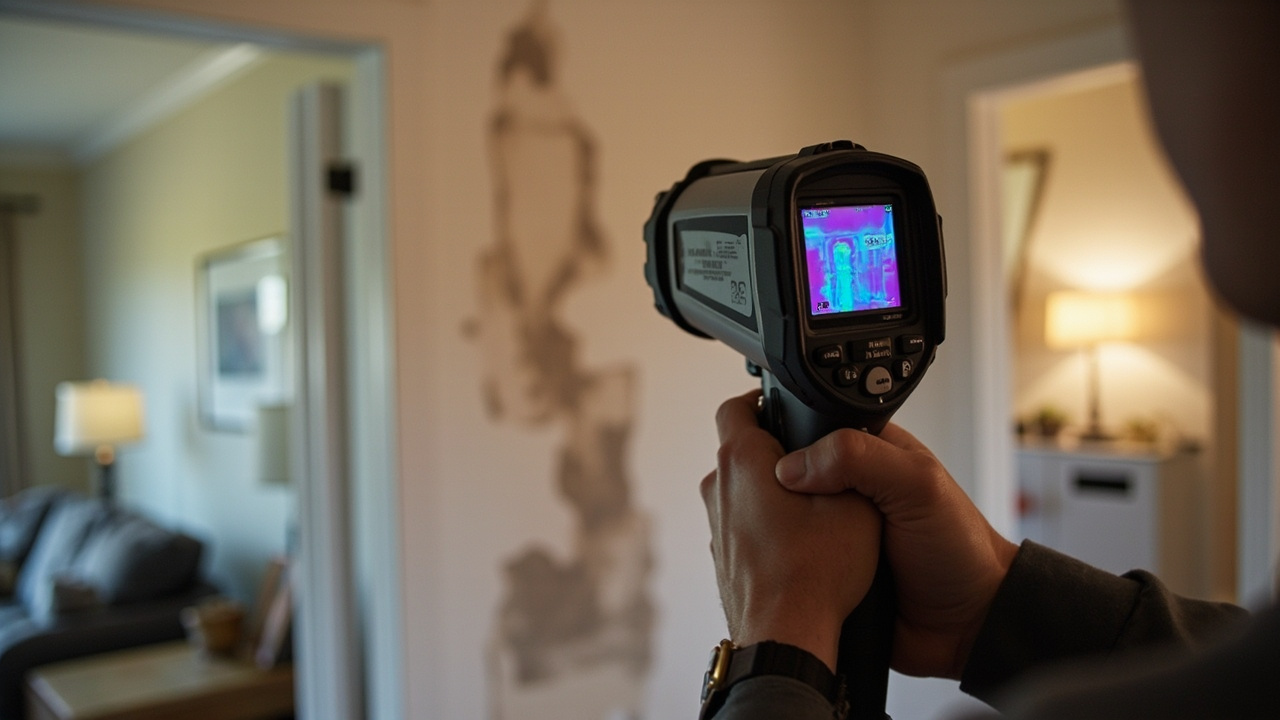
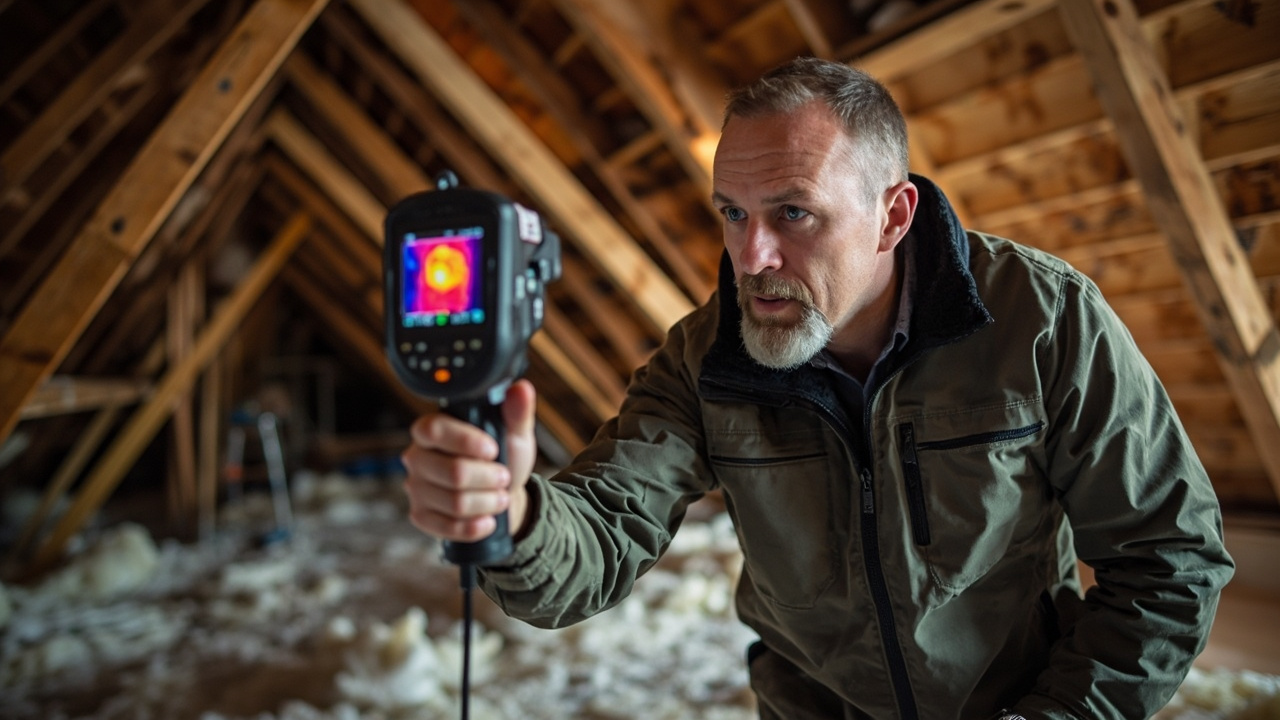
Wiping down wet windows solves nothing. You need to identify why moisture is condensing, where it is migrating, and what building deficiencies allow it to accumulate. Silverline Water Damage Restoration Houston uses thermal imaging cameras to map surface temperature variations across walls and windows, pinpointing cold spots where condensation forms.

We measure relative humidity at multiple interior locations using calibrated hygrometers to establish baseline moisture levels. Your home should maintain 30 to 50 percent relative humidity. Readings above 60 percent indicate inadequate ventilation or active moisture intrusion. We correlate humidity data with temperature gradients to calculate dew point, the exact temperature at which water vapor condenses.

Non-invasive moisture meters scan drywall, insulation, and framing lumber to detect elevated moisture content below visible surfaces. Readings above 17 percent moisture content in wood indicate active water exposure. Drywall readings above 1.5 percent signal saturation requiring removal.

We inspect HVAC ductwork for air leaks that pressurize wall cavities, forcing humid air against cold exterior sheathing. We evaluate exhaust fan capacity in bathrooms and kitchens, ensuring adequate CFM ratings to remove moisture at the source. We assess crawl space and attic ventilation to verify proper air exchange.

After diagnostics, we implement targeted corrections. This may include adding bathroom exhaust fans, sealing duct leaks, installing vapor barriers in crawl spaces, or upgrading window assemblies. We never recommend dehumidifiers as a primary solution because they treat symptoms, not causes.

For homes with extensive damp drywall patches, we remove affected sections to inspect wall cavities for mold growth and wet insulation. We verify framing lumber moisture content before reinstalling new drywall. You cannot encapsulate mold-contaminated materials. You must remove them.

What Happens During Your Condensation Assessment

Condensation on Windows & Walls in Houston – Expert Diagnosis Stops Hidden Mold and Structural Damage
01

Comprehensive Moisture Mapping

We deploy thermal imaging and moisture meters throughout your home, documenting every location where condensation forms or moisture accumulates. This creates a data map showing problem severity and migration patterns. You receive a written report with temperature differentials, humidity readings, and moisture content percentages for all affected materials. We photograph evidence using calibrated equipment that timestamps and geolocates each image for insurance documentation.
02

Root Cause Analysis

We inspect HVAC systems, ventilation pathways, building envelope integrity, and foundation conditions to identify why moisture is accumulating. Common culprits include undersized exhaust fans, leaking ductwork pressurizing wall cavities, missing vapor barriers in crawl spaces, and inadequate attic ventilation. We test each system to verify performance against building code minimums. You learn exactly which building deficiency is causing your condensation problem and why previous attempts to fix it failed.
03

Remediation and Prevention Plan

We provide a prioritized action plan that addresses immediate damage and prevents recurrence. This includes removing wet building materials, correcting ventilation deficiencies, sealing moisture entry points, and upgrading inadequate building components. You receive cost estimates for each repair with explanations of how it solves your specific condensation issue. We coordinate with HVAC contractors, insulation specialists, and window installers when needed, ensuring all corrections work together as a complete moisture control system.

Why Houston Homeowners Trust Local Condensation Expertise

National restoration franchises follow corporate checklists that ignore regional building practices. They miss the nuances that define Houston construction, like pier and beam foundations common in pre-1970 homes, minimal wall insulation in mid-century ranch homes, and the prevalence of jalousie windows in older neighborhoods near the Ship Channel.

Silverline Water Damage Restoration Houston has assessed condensation problems in every ZIP code from Kingwood to Missouri City. We know which subdivisions used single-wythe brick veneer without drainage planes, which builders skimped on attic ventilation to save costs, and which foundation contractors failed to install proper vapor barriers in crawl spaces.

We understand how Harris County's building code evolution affects older homes. Structures built before 1985 often lack continuous air barriers and thermal breaks that prevent condensation. Homes built during Houston's 1990s construction boom frequently have undersized HVAC returns that create negative pressure, pulling humid outdoor air through wall penetrations.

Our technicians carry Texas Department of Insurance adjuster licenses, giving us authority to document moisture damage for insurance claims. We know what evidence insurers require to approve coverage for mold remediation and structural drying. We photograph damage using industry-standard protocols that withstand claim disputes.

You need a restoration company that recognizes the difference between surface condensation from cooking steam and chronic moisture intrusion from foundation issues. Generic advice to "improve ventilation" wastes money when the real problem is a cracked slab allowing groundwater wicking or missing flashing at a brick ledge.

We provide written moisture assessments that engineers and contractors use to design permanent solutions. You receive documentation showing exact moisture levels, affected square footage, and material-specific drying targets. This protects you from contractors who hide mold behind new drywall without proper remediation.

What to Expect During Professional Condensation Assessment

Same-Day Emergency Response

We dispatch technicians within two hours for active water intrusion and within 24 hours for chronic condensation issues. Our trucks carry thermal cameras, moisture meters, and hygrometers, allowing immediate on-site diagnostics. You receive preliminary findings before we leave, including which rooms show elevated moisture and whether emergency drying is needed. For homes with visible mold growth exceeding ten square feet, we recommend immediate containment to prevent spore distribution through HVAC systems. Weekend and evening appointments accommodate your schedule without premium fees.

Multi-Point Diagnostic Testing

We test 15 to 20 locations throughout your home, measuring surface temperatures, relative humidity, and material moisture content. Thermal imaging reveals temperature differentials invisible to the naked eye, showing where cold surfaces create condensation risk. Moisture meters penetrate drywall and wood framing to detect hidden saturation. We document findings with timestamped photos and written reports showing exact readings at each test location. You learn which building materials require removal, which need drying, and which are unaffected. This prevents unnecessary demolition and focuses repairs on actual damage.

Detailed Remediation Specifications

You receive a written scope of work specifying square footage of affected materials, required drying equipment, estimated project duration, and material replacement needs. We identify code violations contributing to moisture problems, like missing bathroom exhaust vents or inadequate crawl space ventilation. The scope breaks down costs by category, separating emergency water extraction from structural drying, mold remediation, and building repairs. This transparency allows accurate insurance claims and prevents surprise charges. We coordinate with your insurance adjuster to ensure coverage maximizes and your out-of-pocket expense minimizes.

Post-Remediation Verification Testing

After completing repairs, we re-test all previously affected areas to verify moisture levels have returned to normal ranges. You receive updated moisture readings showing drywall below 1.0 percent and framing lumber below 15 percent moisture content, proving materials are dry and mold growth cannot reoccur. We document ventilation improvements with airflow measurements confirming exhaust fans meet code minimums. For mold remediation projects, we provide clearance testing by independent third-party laboratories, giving you certified proof that spore counts have returned to normal outdoor ambient levels. This documentation protects your home value and satisfies disclosure requirements for future property sales.

Frequently Asked Questions

You Have Questions,
We Have Answers

How to stop condensation on windows and walls? +

Reduce indoor humidity first. Run exhaust fans in bathrooms and kitchens during use. Crack windows periodically to ventilate, even in Houston's humid climate. Keep interior doors open to improve air circulation. Move furniture away from exterior walls. Use a dehumidifier to target 30-50% relative humidity. Check that your HVAC system drains properly and replace filters regularly. Insulate cold water pipes to prevent sweating. In Houston's clay soil foundation homes, crawl space moisture can migrate upward, so inspect for groundwater intrusion. If condensation persists despite these steps, you may have hidden water damage or ventilation failures requiring professional assessment.

Should I be worried about condensation on windows? +

Yes, especially in Houston. Occasional morning condensation in winter is normal. Persistent condensation signals excess moisture that can lead to mold growth, wood rot, and structural damage. Houston's high humidity already stresses buildings. When indoor moisture cannot escape, it condenses on cold surfaces like single-pane windows and exterior walls. This creates perfect conditions for mold within 24-48 hours. If you see condensation patterns, water stains, or musty odors, you likely have a moisture problem. Ignoring it allows damage to spread behind walls where you cannot see it. Address the source before you face costly repairs or health issues.

Should you wipe condensation off windows? +

Wiping helps temporarily but does not fix the problem. Water you wipe off came from somewhere and will return. Wipe condensation to prevent immediate water damage to sills and frames, but understand this is damage control, not a solution. Use a towel to absorb moisture, then dry the surface completely. In Houston homes, persistent window condensation often means your indoor humidity is too high or your windows lack proper thermal breaks. Focus on reducing moisture sources like cooking steam, long showers, or wet laundry. Improve ventilation. If you wipe windows daily, you have a ventilation or insulation issue that needs correction.

Does condensation on windows mean the house is too cold? +

Not always. Condensation forms when warm, moist air contacts a cold surface. In Houston winters, exterior walls and windows can be cold enough to trigger condensation even with adequate heating. The real issue is usually indoor humidity, not temperature. If your thermostat reads 68-72°F but you still see condensation, your home likely has poor ventilation or excessive moisture sources. Cold spots on walls can indicate missing insulation or thermal bridging. However, if rooms feel cold and condensation appears, you may have both a heating deficiency and a moisture problem. Check insulation in attics and walls first.

What to put on walls to stop condensation? +

You cannot apply a product to walls to stop condensation. You must eliminate the moisture source. Condensation on walls means humid indoor air is hitting cold surfaces. Address this by improving ventilation, lowering indoor humidity with a dehumidifier, and adding insulation to exterior walls. In Houston's humid climate, vapor barriers installed incorrectly can trap moisture and worsen problems. If you paint over condensation-damaged walls without fixing the root cause, mold will grow behind the new paint. For persistent wall condensation, inspect for plumbing leaks, foundation moisture intrusion, or HVAC duct leaks that pump humidity into wall cavities.

What are signs of excessive condensation? +

Water droplets on windows and mirrors, especially mornings. Musty or earthy odors in closets or corners. Peeling paint or wallpaper. Warped baseboards or trim. Dark spots or discoloration on walls and ceilings. Mold growth in bathrooms, closets, or behind furniture. Foggy windows that never clear. In Houston homes, check for condensation in air conditioning closets and attic spaces where temperature swings are extreme. Excessive condensation often appears in rooms with poor air circulation like guest bedrooms or storage areas. If you see multiple signs, you have a systemic moisture problem requiring immediate correction to prevent structural damage.

Does condensation on windows mean poor insulation? +

Often, yes. Windows condensate when interior glass temperature drops below the dew point of indoor air. Poor insulation allows exterior cold to penetrate, chilling the glass. Single-pane windows lack thermal resistance. In Houston, older homes with minimal wall insulation or missing attic insulation experience more condensation during cold snaps. However, condensation can also occur on well-insulated windows if indoor humidity is excessive. Check both factors. If condensation appears only on certain windows, those likely have failed seals or inadequate insulation. If it appears on all windows, your indoor humidity is too high for the insulation you have.

Will a dehumidifier stop condensation on windows? +

Yes, if indoor humidity is the cause. A dehumidifier removes moisture from air before it can condensate on cold surfaces. In Houston's climate, basements and crawl spaces benefit most from dehumidification. Set your target to 30-50% relative humidity. Run the unit continuously during humid months. However, a dehumidifier will not fix condensation caused by poor insulation, air leaks, or ventilation failures. If you run a dehumidifier and still see persistent condensation, you have structural issues. Check for hidden water intrusion from roof leaks, plumbing failures, or foundation moisture that a dehumidifier cannot address.

How much to fix condensation in windows? +

Cost depends on the cause. If condensation stems from high humidity, a dehumidifier runs a few hundred dollars. Replacing failed window seals on double-pane windows costs per window. Upgrading single-pane windows to insulated units is a larger investment. If condensation damaged drywall or framing, repairs escalate quickly. In Houston, foundation moisture intrusion or HVAC duct leaks require specialized repairs. The key is diagnosing the root cause accurately. Many homeowners waste money treating symptoms. A professional moisture assessment identifies whether you need ventilation upgrades, insulation work, or water damage restoration before costs multiply.

How do you stop condensation on windows overnight in winter? +

Lower indoor humidity before bed. Run bathroom exhaust fans after showers. Crack a window slightly if outdoor humidity is lower than indoors. Keep bedroom doors open to circulate air. Move curtains or blinds away from glass to allow air movement across windows. In Houston winters, run your HVAC fan on continuous low speed to prevent air stagnation. Avoid drying laundry indoors overnight. If condensation still appears, your windows lack adequate thermal breaks or your indoor humidity exceeds 50%. Consider a whole-home dehumidifier or upgrading to insulated windows to prevent recurring condensation and potential mold growth.

How Houston Humidity and Clay Soil Create Condensation Risks

Houston's climate delivers 50 inches of annual rainfall and relative humidity that rarely drops below 60 percent. When your air conditioner cools interior surfaces to 68 degrees and outdoor dew points reach 75 degrees, condensation forms on any building component that bridges the thermal envelope. The city's expansive clay soil exacerbates the problem through seasonal moisture cycles that create foundation movement, cracking slab edges and allowing ground moisture to wick into wall cavities. Neighborhoods built on poorly compacted fill dirt, common in areas near Buffalo Bayou and Brays Bayou, experience accelerated foundation settlement that opens moisture migration pathways.

Harris County building codes require mechanical ventilation in bathrooms and kitchens, but enforcement varies by permit year. Homes built before 2000 often lack adequate exhaust capacity, trapping moisture indoors where it condenses on cold surfaces. Silverline Water Damage Restoration Houston works with local HVAC contractors who understand Houston's unique climate demands, ensuring ventilation upgrades meet current IRC standards while accounting for our extreme humidity loads. We maintain relationships with structural engineers familiar with pier and beam foundations common in older Houston neighborhoods, providing coordinated solutions when condensation problems stem from foundation moisture intrusion.
Water Damage Restoration Services in The Houston Area

Easily locate our service area and see how Silverline is strategically positioned to provide rapid water damage restoration services throughout Houston and its surrounding communities. Our commitment to prompt response means we're never far away when disaster strikes, ensuring your property gets the urgent care it needs, wherever you are within our service radius. We're here to serve you efficiently.

Address:
Silverline Water Damage Restoration Houston, 3730 Kirby Dr, Houston, TX, 77098

Additional Services We Offer

Our news updates

Latest Articles & News from The Blogs

Dealing with Attic Water Damage from Leaky Roofs in KingwoodHomeowners in the Kingwood area face significant moisture challenges due to…

Dealing with Attic Water Damage from Leaky Roofs in Kingwood

Dealing with Attic Water Damage from Leaky Roofs in KingwoodHomeowners in the Kingwood area face significant moisture challenges due to…

Why a Home Dehumidifier Cannot Save Your Third Ward Living Room from Water Damage

Why a Home Dehumidifier Cannot Save Your Third Ward Living Room from Water DamageYour Third Ward home faces unique challenges…

Planning Your Tropical Storm Recovery Strategy for League City and Bay Area Residences

Planning Your Tropical Storm Recovery Strategy for League City and Bay Area Residences Living in the Houston Bay Area during…

Contact Us

Moisture does not wait. Every day you delay allows mold growth to expand and building materials to degrade. Call (832) 336-3663 now for same-day condensation assessment. Our technicians arrive with diagnostic equipment ready to identify your moisture source and provide immediate solutions.