





menu

Sump Pump Failure Cleanup in Houston – 60-Minute Emergency Response to Stop Flooding Fast

When your sump pump fails during a Houston storm, you have minutes before water spreads through your foundation. Silverline Water Damage Restoration Houston deploys emergency crews 24/7 to extract standing water, repair pump systems, and prevent mold growth before structural damage sets in.

Slider Image 1
Slider Image 2
Slider Image 3
Slider Image 4
Slider Image 5
Slider Image 7
Slider Image 8
Slider Image 9
Slider Image 10
Slider Image 11

Why Sump Pump Failures Hit Houston Homes Hard

Houston sits on expansive clay soil that swells when saturated and shrinks during dry spells. This constant movement cracks basement slabs and foundation walls, forcing groundwater into crawl spaces and lower levels. Your sump pump is the only barrier between that water and your valuables.

When that pump fails during one of Houston's flash floods, you face a cascade of problems. Basements fill at alarming rates. Carpets wick moisture into drywall. HVAC systems and water heaters submerged in standing water short out. Within 48 hours, mold colonies establish in organic materials like wood framing and insulation.

Sump pump failure water extraction is not optional in Houston. The Gulf Coast humidity accelerates microbial growth faster than in arid climates. What starts as a broken sump pump water damage restoration job on day one becomes a full gut and rebuild by day three if you delay.

Most failures happen during peak demand. Your pump runs nonstop during heavy rain, the float switch jams, or the discharge line clogs with sediment. Power outages knock out pumps without battery backup. Aging pumps seize mid-cycle. The result is identical: rapid flooding, panic, and the urgent need for emergency sump pump cleanup services.

You need sump pump backup water removal before water migrates laterally through porous concrete and compromises load-bearing walls. Every hour of delay increases repair costs and extends the timeline for safe reoccupation.

Why Sump Pump Failures Hit Houston Homes Hard
How We Stop Sump Pump Flooding and Restore Your Space

How We Stop Sump Pump Flooding and Restore Your Space

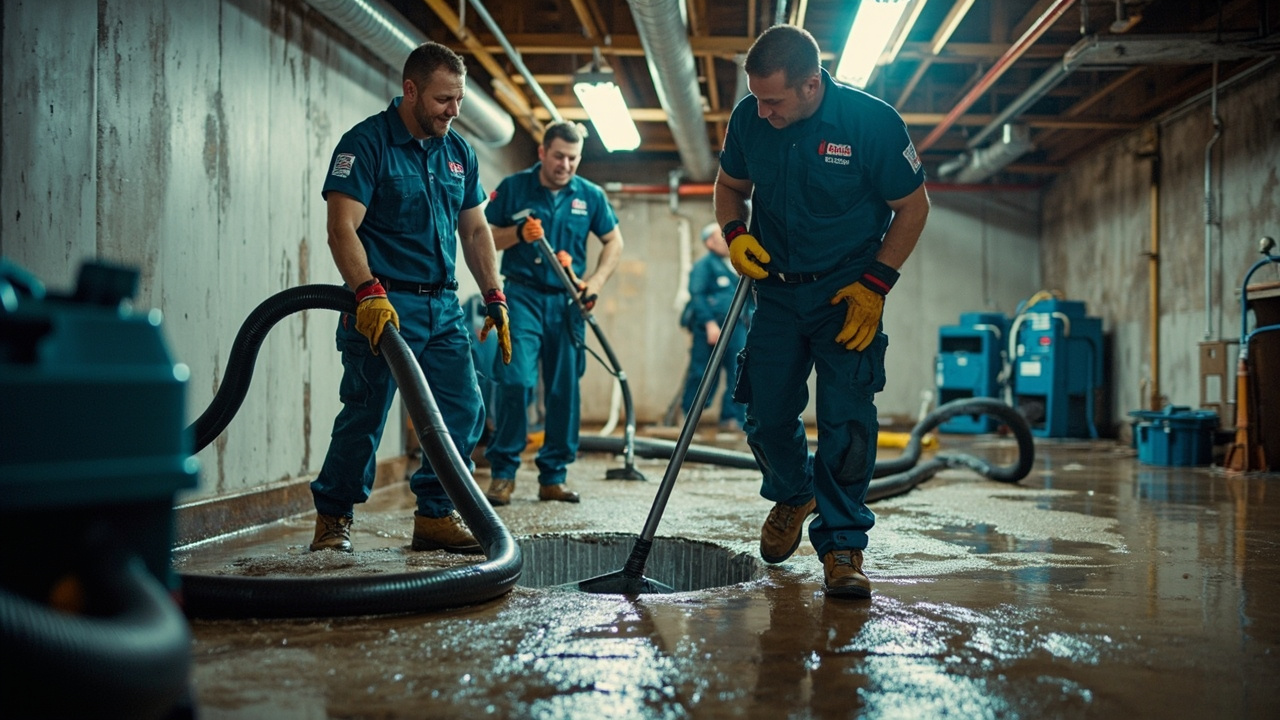
Silverline Water Damage Restoration Houston treats sump pump failures as structural emergencies, not routine cleanups. We dispatch crews with truck-mounted extractors and portable submersibles to remove standing water in under two hours.

First, we isolate the power source to eliminate electrocution risk. Flooded basements with energized circuits kill workers every year. We verify safe conditions before starting sump pump overflow cleanup. Next, we assess the pump itself. Failed impellers, burnt motors, and broken float switches get flagged for replacement. We do not restart compromised equipment.

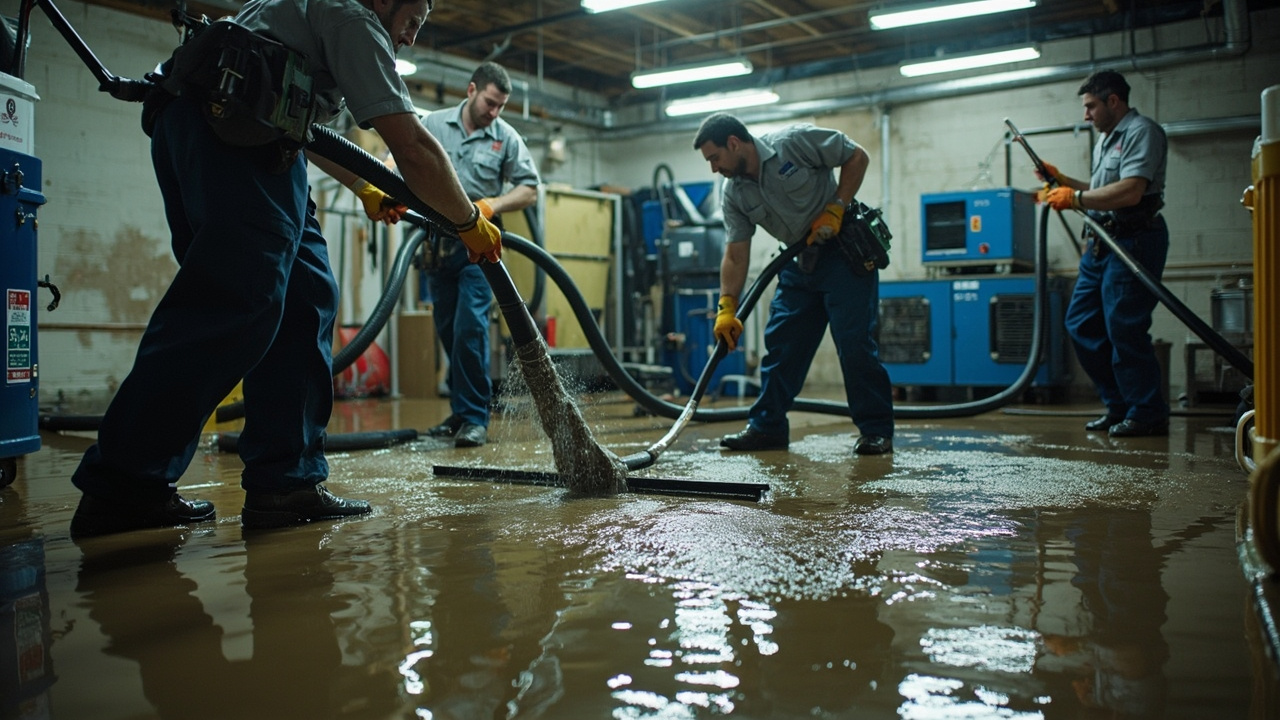
Our extraction phase uses high-capacity pumps rated for continuous operation. We remove bulk water first, then deploy low-profile extractors to pull moisture from carpet padding and subfloors. Standard shop vacs cannot generate the suction needed for true water removal. We use equipment calibrated for Category 1 clean water and Category 2 gray water, which is common in sump pit overflows.

After extraction, we measure moisture content in structural materials using penetrating moisture meters. Concrete, wood studs, and drywall each require different drying strategies. We position commercial dehumidifiers and air movers to create negative pressure zones that force moisture out of porous materials. This is not the same as pointing a box fan at a wet floor.

We document moisture readings every 12 hours. When materials return to baseline levels, we conduct antimicrobial treatments on any surfaces exposed to sump water. Sewage effluent and soil contaminants often backflow into sump pits during heavy rain, so we treat every overflow as potentially contaminated.

What Happens During Emergency Sump Pump Cleanup

Sump Pump Failure Cleanup in Houston – 60-Minute Emergency Response to Stop Flooding Fast
01

Immediate Water Extraction

We arrive with truck-mounted extractors and gas-powered submersibles to remove standing water within the first hour. Our crews pump directly into storm drains or transport tanks, removing thousands of gallons before it seeps deeper into your foundation. We prioritize speed to limit saturation in concrete and framing, which determines whether you face minor repairs or major reconstruction.
02

Structural Drying and Monitoring

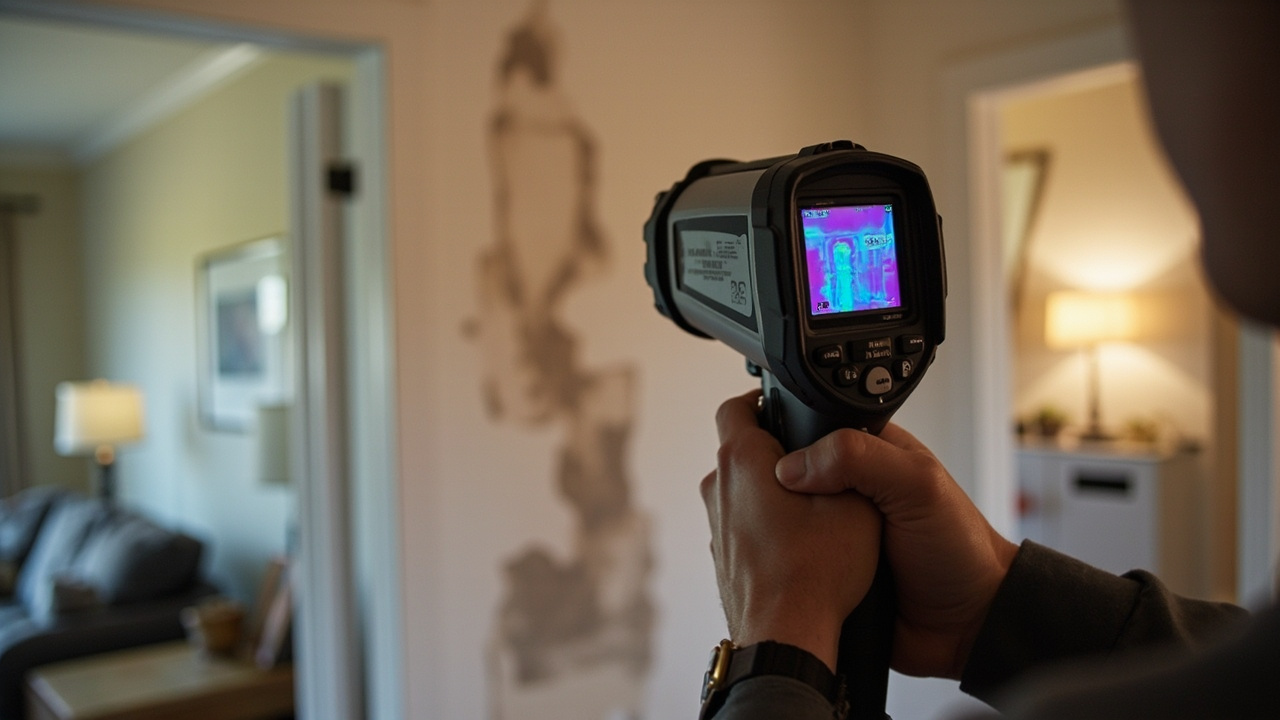
After extraction, we deploy industrial dehumidifiers and air movers calibrated to your space. We measure moisture content in walls, floors, and substructures using thermal imaging and penetrating meters. Readings get logged every 12 hours until materials reach safe levels. This phase typically runs three to five days, depending on saturation depth and ambient humidity. Rushed drying leaves hidden moisture that fuels mold.
03

Sanitization and Pump Repair

Once structures dry, we apply EPA-registered antimicrobials to all affected surfaces. Sump water often contains soil bacteria and organic contaminants that pose health risks. We then repair or replace your failed pump, test the discharge line for clogs, and verify float switch operation. You receive documentation of moisture readings, treatment protocols, and equipment repairs for insurance claims.

Why Houston Homeowners Choose Silverline for Sump Pump Disasters

Sump pump failures do not wait for business hours. They happen at 2 a.m. during torrential rain when every restoration company in the greater Houston metro is maxed out. Silverline Water Damage Restoration Houston maintains dedicated emergency crews with redundant equipment so you never hear "we'll get there tomorrow."

We understand Houston's unique flood risks. Properties near Buffalo Bayou, Brays Bayou, and White Oak Bayou face different challenges than homes in the Energy Corridor or The Woodlands. Clay soil composition varies across Harris County, affecting how quickly water infiltrates foundations. We adjust our approach based on your specific location and soil conditions.

Our technicians hold IICRC certification in water damage restoration and applied structural drying. That training teaches the science of psychrometrics, which governs how moisture moves through building materials. Generic cleaning crews spray fans and hope for the best. We calculate grain depression and adjust equipment placement based on real-time data.

We also navigate Houston's permitting requirements when repairs involve structural components. Replacing damaged rim joists or sister beams requires coordination with the city's building inspection division. We handle that process so you do not face compliance issues when selling your property.

Insurance companies respect documented processes. We photograph every phase, log moisture readings, and provide detailed estimates that align with Xactimate pricing. That reduces claim disputes and speeds reimbursement. You receive a full report showing initial conditions, remediation steps, and final clearance testing. That documentation protects you if mold appears months later due to incomplete drying by another contractor.

What to Expect When You Call for Sump Pump Emergency Service

Arrival Time and Initial Response

We commit to 60-minute response times for emergency sump pump cleanup services within the Houston metro. Our dispatch system tracks crew locations in real time, so the closest team gets your call. When we arrive, the first priority is stopping water intrusion. We assess pump failure cause, shut off water sources if needed, and begin extraction immediately. You receive a verbal overview of damage extent and expected timeline within the first 30 minutes on site.

Damage Assessment and Scope Planning

After initial extraction, we conduct a room-by-room assessment using moisture detection equipment. We check wall cavities, subfloors, and insulation for hidden saturation. You receive a written scope detailing affected materials, required drying time, and any necessary repairs. This assessment includes pump diagnostics to determine whether you need a new unit or just component replacement. We explain findings in plain terms and answer questions about the restoration process before work continues.

Restoration Quality and Final Clearance

We do not call a job complete until moisture readings match pre-loss conditions. That means concrete slabs register below 4.5% moisture content, wood framing drops under 15%, and relative humidity stabilizes between 30% and 50%. We provide before and after documentation showing every tested location. Antimicrobial treatments get applied to all water-exposed surfaces, and you receive product data sheets for insurance records. The space is safe for reoccupation only after final clearance testing confirms dry conditions.

Follow-Up and Preventive Maintenance

After restoration, we offer six-month follow-up inspections to verify no secondary moisture issues developed. Many homeowners do not realize that improper drying causes delayed mold growth. We check the same test points from our original assessment and confirm conditions remain stable. We also provide guidance on sump pump maintenance schedules, battery backup installation, and alarm systems that alert you to pump failures before flooding starts. Preventing the next failure is cheaper than repairing another disaster.

Frequently Asked Questions

You Have Questions,
We Have Answers

How to clean up after sump pump failure? +

First, shut off power to the pump at your breaker box. Stop the water source if possible. Remove standing water using a wet vac or submersible pump. Document everything with photos for insurance. Move salvageable items to dry areas. In Houston's humidity, mold starts within 24 hours, so speed matters. Remove soaked drywall, insulation, and flooring. Run commercial dehumidifiers and air movers. Do not attempt major cleanup yourself if water exceeds two inches or covers electrical outlets. Call a restoration professional immediately to prevent secondary damage and mold growth.

How much does it cost to have a sump pump cleaned? +

Sump pump cleaning costs vary based on your needs. Basic maintenance cleaning runs lower, while emergency failure cleanup with water extraction and structural drying costs more. Houston's clay soil and high water tables increase failure risks, making preventive maintenance worth the investment. Costs depend on water volume, affected square footage, contamination level, and required equipment. Most restoration companies offer free inspections and work directly with insurance. Do not delay cleanup to save money. Water damage compounds hourly in our humid climate, and mold remediation costs far exceed immediate extraction expenses.

What to do when a sump pump fails? +

Act within minutes. Shut off power to the sump pump at your breaker panel to prevent electrical hazards. Try to identify the failure cause: power outage, float switch jam, clogged discharge line, or pump burnout. If water is rising, call a 24/7 water damage restoration service immediately. In Houston, our sudden storms and heavy rainfall overwhelm failed pumps fast. Move valuables to higher ground. Do not wade through deep water near electrical panels or outlets. Take photos for insurance claims. Professional crews bring industrial pumps, dehumidifiers, and moisture meters to stop damage progression quickly.

How do you clean sludge out of a sump pump? +

Unplug the pump and remove it from the pit. Use a wet vac to extract standing water and loose debris. Scrape hardened sludge from the pit bottom and sides using a putty knife. Houston's clay-heavy soil creates thick sediment buildup that clogs pumps faster than in other regions. Wipe down the pump housing, impeller, and float switch with a stiff brush. Flush the discharge pipe to clear blockages. Rinse everything with clean water. Inspect the check valve for debris. If sludge has damaged the motor or you see corrosion, replace the unit before reinstalling.

Why Houston's Flash Floods and Clay Soil Make Sump Pump Reliability Critical

Houston receives an average of 54 inches of rain annually, with peak intensities during hurricane season from June through November. Flash floods dump six inches of rain in under three hours, overwhelming storm drains and forcing groundwater up through foundation cracks. The expansive clay soil common throughout Harris County compounds the problem. When saturated, clay swells and exerts thousands of pounds of lateral pressure on foundation walls. As it dries, it shrinks and creates voids that channel water directly toward your sump pit. A single pump failure during this cycle floods basements faster than in cities with sandy, well-draining soil. Sump pump backup water removal becomes urgent because Houston's humidity keeps materials wet long after the initial flood recedes.

Houston's building codes require proper drainage systems in new construction, but older homes in neighborhoods like Montrose, The Heights, and Meyerland were built before modern sump pump standards. Many properties rely on outdated pumps that cannot handle current storm intensities. Silverline Water Damage Restoration Houston works extensively with insurance adjusters familiar with local flood patterns and knows how to document sump pump failures for full claim approval. We also coordinate with Houston's Department of Public Works when flooding involves city infrastructure, ensuring repairs meet municipal standards. Local expertise matters because adjusters in other states do not understand why a three-inch rain event in Houston causes the same damage as a ten-inch event elsewhere.

Water Damage Restoration Services in The Houston Area

Easily locate our service area and see how Silverline is strategically positioned to provide rapid water damage restoration services throughout Houston and its surrounding communities. Our commitment to prompt response means we're never far away when disaster strikes, ensuring your property gets the urgent care it needs, wherever you are within our service radius. We're here to serve you efficiently.

Address:
Silverline Water Damage Restoration Houston, 3730 Kirby Dr, Houston, TX, 77098

Additional Services We Offer

Our news updates

Latest Articles & News from The Blogs

Houston humidity presents a constant struggle for homeowners across Harris County. In 2026, the weather patterns continue to create high…

Why Houston Families Trust Our Certified Mold Inspection Services for Local Homes

Houston humidity presents a constant struggle for homeowners across Harris County. In 2026, the weather patterns continue to create high…

Dealing with Attic Water Damage from Leaky Roofs in Kingwood

Dealing with Attic Water Damage from Leaky Roofs in KingwoodHomeowners in the Kingwood area face significant moisture challenges due to…

Why a Home Dehumidifier Cannot Save Your Third Ward Living Room from Water Damage

Why a Home Dehumidifier Cannot Save Your Third Ward Living Room from Water DamageYour Third Ward home faces unique challenges…

Contact Us

Every minute counts when your sump pump fails. Call Silverline Water Damage Restoration Houston now at (832) 336-3663 for immediate dispatch. Our emergency crews are standing by 24/7 with the equipment to extract water, dry your structure, and repair your pump before mold takes hold.