





menu

Storm Damage Mitigation in Houston – Protecting Your Property Before, During, and After the Storm

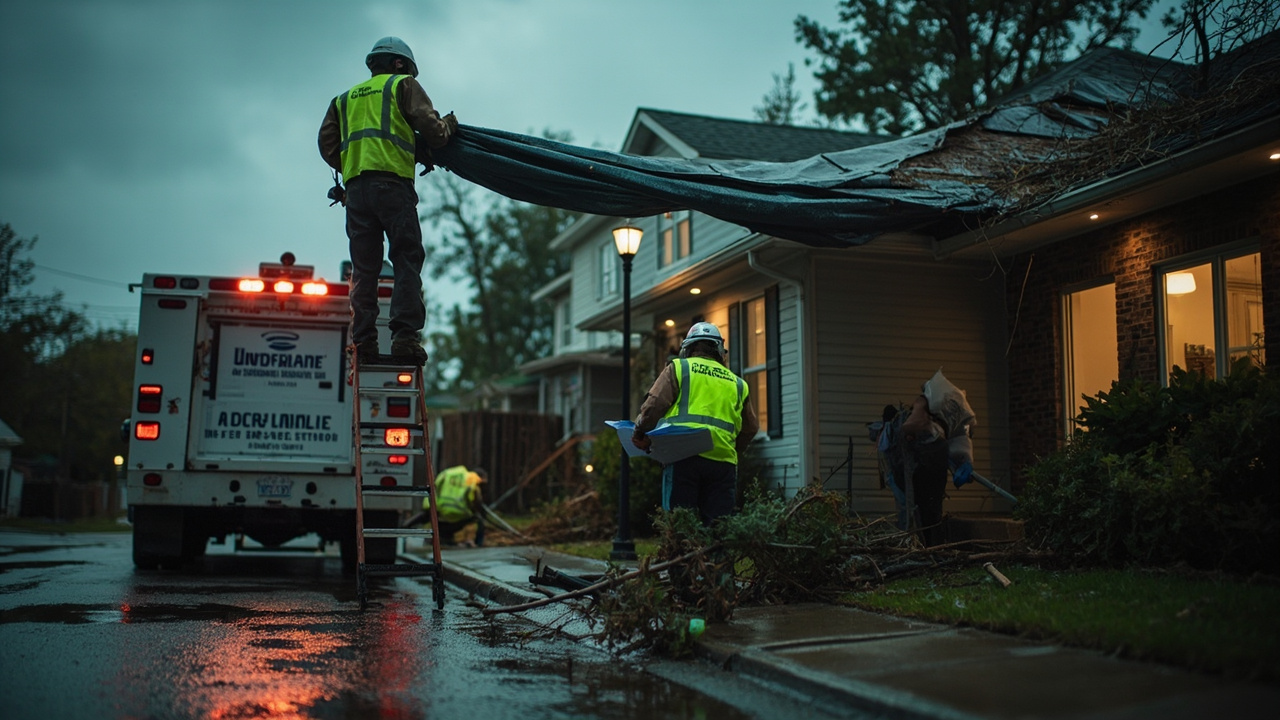
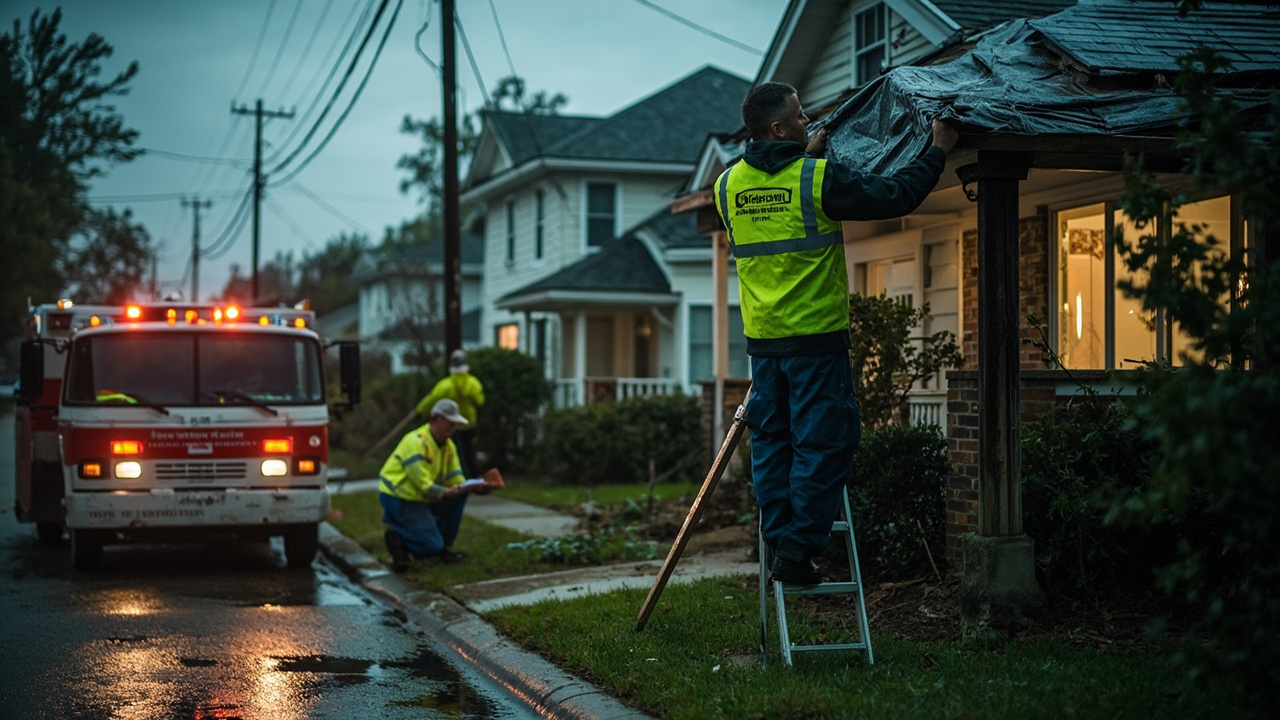
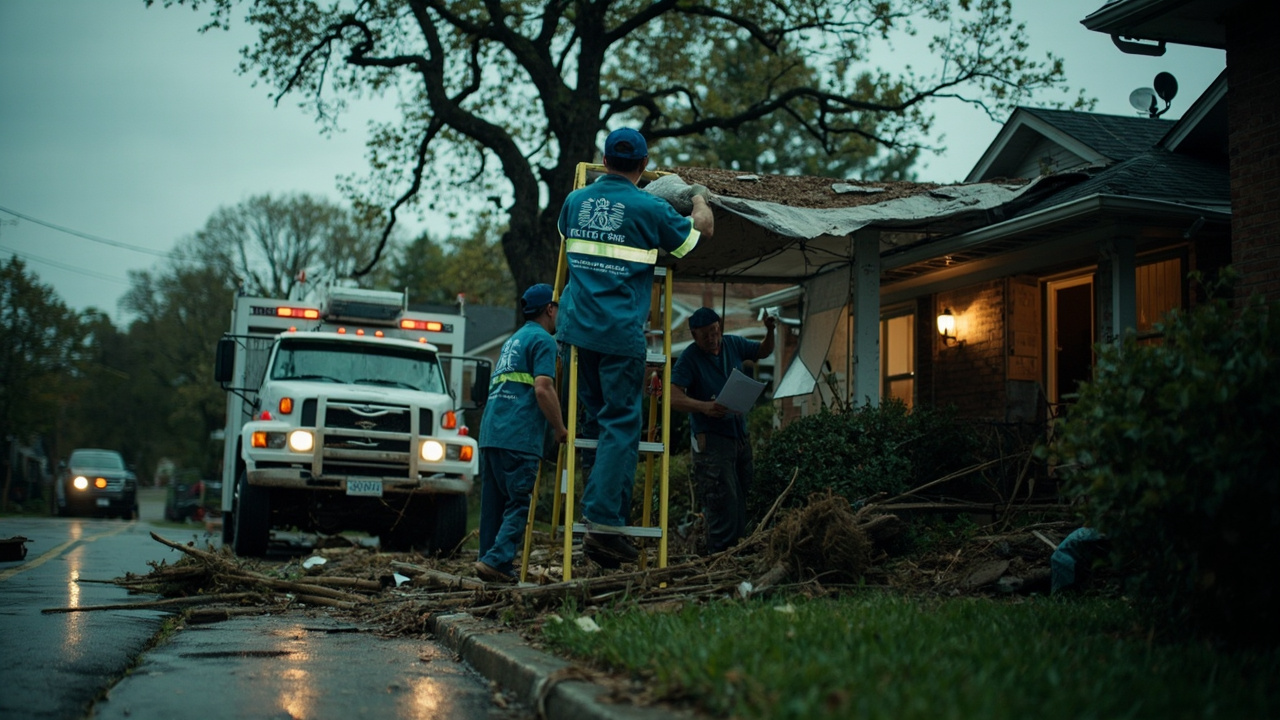
Silverline Water Damage Restoration Houston delivers comprehensive storm damage mitigation services that prevent catastrophic losses, protect structural integrity, and accelerate recovery for residential and commercial properties across the greater Houston metro.

Slider Image 1
Slider Image 2
Slider Image 3
Slider Image 4
Slider Image 5
Slider Image 7
Slider Image 8
Slider Image 9
Slider Image 10
Slider Image 11

Why Houston Properties Face Unique Storm Damage Risks

Houston sits in one of the most storm-vulnerable zones in North America. The combination of Gulf Coast hurricane exposure, flat topography that prevents natural drainage, and clay soil that shifts with every saturation cycle creates a perfect recipe for property damage. When tropical systems move inland, they dump 10 to 20 inches of rain in hours. The bayous overflow. Streets flood. Roofs fail under wind loads exceeding 130 mph. Water finds every gap in your building envelope.

Storm damage mitigation is not the same as storm damage repair. Mitigation happens before catastrophic failure occurs. It reduces the severity of damage when storms hit. For Houston homeowners and business operators, this means identifying vulnerabilities in your roof membrane, checking flashing around penetrations, clearing debris from gutters and downspouts, and ensuring your drainage systems can handle sudden volume. It means securing loose materials that become projectiles in high winds. It means knowing where water will go when it enters your structure.

The Harris County Flood Control District has documented that properties with proactive storm damage mitigation measures experience 60% less structural compromise during severe weather events. Emergency storm damage services become less urgent when you address weak points before the first rainband arrives. Storm damage restoration costs drop significantly when you prevent water intrusion at the source. Mitigation is your first line of defense in a city where hurricane season runs six months and severe thunderstorms can strike year-round.

Why Houston Properties Face Unique Storm Damage Risks
How Professional Storm Damage Mitigation Works

How Professional Storm Damage Mitigation Works

Storm damage mitigation starts with a comprehensive vulnerability assessment. Silverline Water Damage Restoration Houston inspects your roof system for missing or damaged shingles, compromised underlayment, and inadequate fastener patterns. We check attic ventilation to prevent pressure differentials that can lift entire roof sections. We evaluate your building envelope for gaps where wind-driven rain penetrates during severe weather. We inspect window seals, door thresholds, and foundation grading.

Next, we address drainage capacity. Houston storms overwhelm gutters designed for normal rainfall. We verify that your gutter system can handle peak flow rates, that downspouts direct water at least 10 feet from your foundation, and that French drains or surface channels move water away from vulnerable areas. For commercial properties, we evaluate roof drain capacity, scupper placement, and emergency overflow pathways that prevent ponding and membrane failure.

We also implement physical reinforcements. This includes installing hurricane straps on roof trusses, reinforcing gable ends, and securing HVAC units and other rooftop equipment. For windows and doors, we recommend impact-resistant options or temporary boarding systems you can deploy quickly. We identify trees with weak branch unions or root systems compromised by previous storms. Dead limbs become battering rams in 80 mph winds.

The final component is your emergency action plan. We document shut-off valve locations, create property-specific drainage maps, and establish communication protocols for storm damage cleanup coordination. When the storm hits, you know exactly what to do. When it passes, storm damage remediation begins immediately because you have a plan in place.

What Happens During a Storm Mitigation Assessment

Storm Damage Mitigation in Houston – Protecting Your Property Before, During, and After the Storm
01

Property Inspection and Documentation

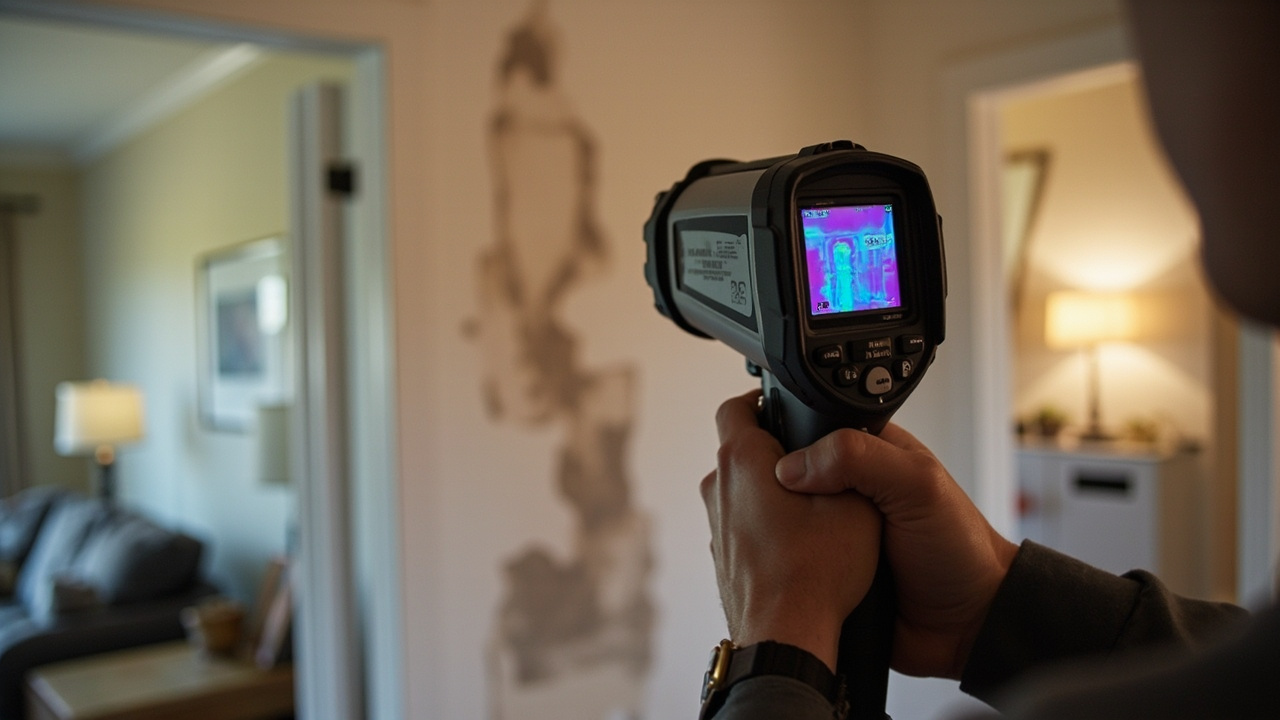
We conduct a detailed exterior and interior inspection, documenting every vulnerability with photographs and measurements. This includes roof condition, flashing integrity, window and door seals, foundation grading, and drainage system capacity. You receive a written report that identifies high-risk areas and prioritizes corrective actions. This documentation also supports insurance claims if damage occurs despite mitigation efforts.
02

Targeted Mitigation Measures

Based on the assessment, we implement specific interventions. This might include resealing roof penetrations, reinforcing soffit and fascia connections, installing storm panels, trimming overhanging branches, or improving lot drainage. We use materials rated for Houston's wind and rain exposure zones. Every measure is designed to reduce the probability of failure during the next severe weather event. We work efficiently to minimize disruption to your daily operations.
03

Storm Readiness Verification

Before hurricane season peaks, we conduct a final walkthrough to verify all mitigation measures remain effective. We check that temporary protections are accessible and deployment procedures are clear. We review your emergency contact list and confirm our 24/7 availability for post-storm response. You receive a certification of readiness and a clear action plan. When the National Weather Service issues warnings, you are prepared, not panicking.

Why Houston Property Owners Trust Silverline for Storm Mitigation

Storm damage mitigation requires local knowledge that only comes from working through multiple hurricane seasons in the same region. Silverline Water Damage Restoration Houston has assessed hundreds of properties across Greater Houston, from historic homes in the Heights to industrial facilities in the Ship Channel. We understand how different construction types perform in severe weather. We know that pre-1980 homes often lack adequate roof-to-wall connections. We recognize that flat commercial roofs need different mitigation strategies than steep residential slopes.

Our team knows the local building codes and understands how they have evolved after major storm events like Tropical Storm Allison, Hurricane Ike, and Hurricane Harvey. We know that current wind load requirements in Harris County differ from older standards. We know which retrofit measures bring older structures closer to modern resilience benchmarks. This knowledge informs every recommendation we make.

We also understand Houston's unique hydrology. Water does not drain naturally here. The bayou system can only handle so much volume before backflow occurs. Street flooding is not a question of if, but when. Properties in the 100-year floodplain face different risks than those on slightly elevated lots. We factor in FEMA flood maps, local drainage patterns, and historical high-water marks when we evaluate your property.

When you work with Silverline, you work with specialists who have managed storm damage cleanup after major events. We know what fails first. We know what secondary damage looks like when water enters through a compromised building envelope. That experience shapes our mitigation approach. We focus on the vulnerabilities that actually cause catastrophic damage in Houston storms, not generic checklists that apply everywhere and nowhere.

What to Expect from Storm Mitigation Services

Rapid Assessment Scheduling

We understand that storm mitigation becomes urgent when you see a tropical system forming in the Gulf. We prioritize assessment requests during pre-season preparation windows and when active threats develop. Most assessments are scheduled within 48 hours of your call. For commercial properties requiring extensive evaluation, we deploy multi-technician teams to complete inspections in a single day. Our goal is to give you actionable information quickly so you can make informed decisions before conditions deteriorate.

Detailed Vulnerability Reporting

You receive a comprehensive written report that explains every identified vulnerability in clear language. We include photographs, measurements, and specific repair or reinforcement recommendations. Each item is prioritized by risk level so you can address the most critical issues first if time or budget is limited. The report also includes material specifications and estimated timelines for implementing each mitigation measure. This transparency allows you to plan effectively and make informed decisions about protecting your property.

Proven Damage Reduction

Properties that complete recommended mitigation measures before severe weather consistently experience less structural damage and lower restoration costs. Properly sealed roof penetrations prevent attic flooding. Reinforced connections prevent roof uplift. Improved drainage prevents foundation undermining. While no mitigation strategy eliminates all storm risk in Houston, the reduction in severity is measurable and significant. You protect your investment, reduce downtime, and minimize the disruption that follows major weather events.

Post-Storm Support Coordination

Storm mitigation does not end when the wind stops. If damage occurs despite your preparations, Silverline provides immediate emergency storm damage services. We are available 24/7 to deploy tarping, water extraction, and structural stabilization. Because we already know your property from the mitigation assessment, we respond faster and more effectively. We also assist with insurance documentation, providing before-and-after records that support your claim. Our goal is complete continuity from prevention through recovery.

Frequently Asked Questions

You Have Questions,
We Have Answers

What is storm mitigation? +

Storm mitigation refers to proactive measures taken to reduce or prevent property damage before severe weather strikes. This includes reinforcing roofs, sealing openings, installing impact-resistant windows, and securing loose structures. In Houston, where hurricanes and tropical storms bring high winds and flooding, mitigation focuses on protecting against wind-driven rain, roof uplift, and water intrusion. The goal is to minimize repair costs and disruption after a storm hits. Effective mitigation addresses vulnerabilities specific to your property type and local climate conditions, making your home or business more resilient when the next weather event arrives.

How much does flood mitigation cost? +

Flood mitigation costs vary widely based on property size, elevation, and the measures required. Basic solutions like installing backwater valves or sump pumps start around a few thousand dollars. Comprehensive projects involving foundation elevation, flood barriers, or structural waterproofing can reach tens of thousands. Houston properties in FEMA flood zones face unique challenges due to clay soil and proximity to bayous. Costs depend on whether you need exterior grading, drainage improvements, or interior modifications. Many homeowners qualify for grants or insurance discounts that offset expenses. A professional assessment identifies your specific risks and prioritizes cost-effective solutions for your property.

How do I stop my windows from breaking in high winds? +

Preventing window breakage during high winds requires impact-resistant glass or protective coverings. Install hurricane-rated windows designed to withstand debris impacts and extreme pressure changes common in Houston storms. If replacement is not feasible, use storm shutters or plywood panels secured with proper fasteners. Standard windows fail when wind pressure creates flexing or when flying debris strikes the glass. Once a window breaks, wind enters your home and increases roof uplift forces. For commercial properties, laminated glass provides security and storm protection. Inspect window seals and frames annually to ensure they remain watertight and structurally sound before hurricane season arrives.

How could we mitigate the storm? +

Mitigating storm damage requires a layered approach targeting your property's most vulnerable points. Start with roof reinforcement using hurricane straps or clips to anchor the structure to walls. Seal all penetrations where water can enter, including vents, chimneys, and utility openings. Trim trees near structures to reduce falling branch risks. Install proper drainage to direct water away from foundations, critical in Houston where heavy rainfall causes rapid flooding. Secure outdoor equipment, signage, and loose materials that become projectiles in high winds. Document your property condition with photos. Create an emergency kit and evacuation plan before storm season begins.

What are the two types of mitigation? +

The two main mitigation types are structural and non-structural. Structural mitigation involves physical modifications to your property, such as roof bracing, foundation reinforcement, window upgrades, or drainage improvements. These changes permanently reduce vulnerability to storm forces. Non-structural mitigation includes operational measures like insurance coverage, emergency planning, equipment anchoring, and landscape management. In Houston, effective storm protection combines both approaches. Structural upgrades address wind and flood risks inherent to Gulf Coast construction, while non-structural measures ensure rapid response when storms threaten. Both types work together to minimize damage, reduce recovery time, and lower long-term costs for property owners.

Is wind mitigation worth it? +

Wind mitigation is absolutely worth the investment in Houston. Properties with reinforced roofs, impact-resistant openings, and proper anchoring systems sustain less damage during hurricanes and severe thunderstorms. These upgrades often qualify you for substantial insurance premium reductions that pay back installation costs over time. More importantly, wind mitigation prevents catastrophic failures like roof loss or water intrusion that lead to expensive structural damage and mold growth. Houston experiences frequent high-wind events, making mitigation a practical necessity rather than optional protection. The combination of reduced insurance costs, prevented damage, and increased property value makes wind mitigation one of the smartest investments for Gulf Coast homeowners.

How Houston's Coastal Climate Demands Proactive Storm Mitigation

Houston receives an average of 54 inches of rain annually, with 40% of that falling during the June through November hurricane season. The city's position 50 miles inland from Galveston Bay means that tropical systems arrive with full moisture content but reduced wind organization, creating prolonged rainfall events that saturate soil and overwhelm drainage infrastructure. The flat coastal plain prevents natural runoff, and clay soils expand when wet, shifting foundations and creating new pathways for water intrusion. Storm damage mitigation in Houston must account for both wind exposure and extended flooding potential that other regions rarely face simultaneously.

Silverline Water Damage Restoration Houston operates with deep understanding of local building practices, Harris County permitting requirements, and the specific failure modes common to Houston construction. We work regularly with insurance adjusters familiar with Gulf Coast weather patterns and maintain relationships with suppliers who stock materials rated for our wind and moisture exposure zones. This local integration means faster response times, better material availability, and mitigation strategies that actually match the threats your property faces. Choosing a local specialist for storm damage mitigation ensures your preparations reflect Houston reality, not generic best practices.

Water Damage Restoration Services in The Houston Area

Easily locate our service area and see how Silverline is strategically positioned to provide rapid water damage restoration services throughout Houston and its surrounding communities. Our commitment to prompt response means we're never far away when disaster strikes, ensuring your property gets the urgent care it needs, wherever you are within our service radius. We're here to serve you efficiently.

Address:
Silverline Water Damage Restoration Houston, 3730 Kirby Dr, Houston, TX, 77098

Additional Services We Offer

Our news updates

Latest Articles & News from The Blogs

Dealing with Attic Water Damage from Leaky Roofs in KingwoodHomeowners in the Kingwood area face significant moisture challenges due to…

Dealing with Attic Water Damage from Leaky Roofs in Kingwood

Dealing with Attic Water Damage from Leaky Roofs in KingwoodHomeowners in the Kingwood area face significant moisture challenges due to…

Why a Home Dehumidifier Cannot Save Your Third Ward Living Room from Water Damage

Why a Home Dehumidifier Cannot Save Your Third Ward Living Room from Water DamageYour Third Ward home faces unique challenges…

Planning Your Tropical Storm Recovery Strategy for League City and Bay Area Residences

Planning Your Tropical Storm Recovery Strategy for League City and Bay Area Residences Living in the Houston Bay Area during…

Contact Us

Do not wait for the National Weather Service to issue warnings. Schedule your storm damage mitigation assessment today and identify vulnerabilities while you still have time to address them. Call Silverline Water Damage Restoration Houston at (832) 336-3663 for immediate scheduling and expert evaluation.