






menu

How to Handle Insurance Claims in Houston – Get Your Water Damage Covered Fast

Expert guidance on navigating water restoration claims in Houston, from documentation to settlement, ensuring you maximize coverage and avoid claim denials after flooding or pipe bursts.

Slider Image 1
Slider Image 2
Slider Image 3
Slider Image 4
Slider Image 5
Slider Image 7
Slider Image 8
Slider Image 9
Slider Image 10
Slider Image 11

Why Houston Water Damage Claims Get Denied

Houston homeowners face unique challenges when filing a water damage claim. Between hurricane-driven flooding, tropical storm surges pushing water through foundations, and the constant threat of burst pipes during rare freezes, the water damage insurance claim process here is different from other regions.

Most denials happen because of poor documentation. Adjusters trained in Houston know the difference between gradual damage and sudden catastrophic events. If you cannot prove the water intrusion was sudden and accidental, your claim gets rejected. The city's clay soil creates foundation shifts that lead to slow leaks, which insurers classify as maintenance issues, not covered events.

Houston's humidity compounds the problem. What starts as a small leak becomes hidden mold growth within 48 hours. By the time you notice the damage, the adjuster argues it has been ongoing for weeks. The filing a water damage claim timeline matters here more than in drier climates.

Insurance companies also exploit confusion around flood insurance versus homeowners coverage. When Buffalo Bayou overflows or White Oak Bayou floods neighborhoods near the Heights, standard policies do not cover rising water. You need separate NFIP coverage. Many Houston residents discover this gap after a storm, leading to frustration and financial loss.

Navigating water restoration claims requires understanding Texas-specific policy language, local building codes, and how to counter lowball estimates. The adjusters work for the insurance company, not you. Their goal is to minimize payout. Your goal is to restore your home correctly and get fully compensated for the water damage insurance claim process.

Why Houston Water Damage Claims Get Denied
The Correct Way to Document and File Your Claim

The Correct Way to Document and File Your Claim

Managing water mitigation claims starts the moment you discover damage. Before touching anything, photograph everything. Capture wide shots showing the extent of saturation, close-ups of damaged materials, and the water source if visible. Video walkthroughs provide context adjusters need to understand scope.

Time-stamp your documentation. Houston's volatile weather patterns mean you must prove when the damage occurred. If a pipe bursts during a freeze, your photos should show ice or freezing conditions. If a storm causes roof penetration, your documentation should align with National Weather Service records for that date.

Contact your insurance company immediately, but do not agree to their preferred vendor without research. You have the right to choose your own water damage restoration contractor. Many insurers push preferred vendors who prioritize speed over thoroughness, leaving hidden moisture that becomes mold later.

Request a copy of your full policy, not just the declarations page. Read the water damage exclusions section carefully. Understand the difference between covered perils like sudden pipe bursts and excluded perils like seepage or long-term leaks. This knowledge helps you frame your claim properly.

During the adjuster inspection, have your contractor present. They speak the technical language and can identify damage the adjuster might minimize. Point out secondary damage like warped baseboards, buckled flooring, and compromised drywall. These items add up quickly in the final settlement.

Keep detailed records of all communication. Note the date, time, person you spoke with, and what was discussed. If the adjuster makes promises verbally, request written confirmation. Tips for water damage insurance claims include creating a paper trail that protects you if disputes arise during the settlement phase.

Your Water Damage Claim Roadmap

How to Handle Insurance Claims in Houston – Get Your Water Damage Covered Fast
01

Initial Report and Assessment

You file the claim within 24 hours of discovering damage and request an immediate adjuster visit. Simultaneously, a qualified restoration contractor performs moisture mapping using thermal imaging and hygrometers to document saturation levels. This creates baseline data the adjuster cannot dispute. You receive a detailed scope of loss that itemizes every affected material, from subflooring to insulation.
02

Mitigation and Documentation

Emergency water extraction begins to prevent further damage, which your policy requires you to mitigate. All mitigation activities get photographed and logged daily. Moisture readings get recorded in each affected area to track drying progress. This documentation proves you took reasonable steps to minimize loss, protecting your claim. Damaged materials get retained as evidence until the adjuster approves disposal.
03

Negotiation and Settlement

When the adjuster provides an estimate, your contractor reviews it line by line for discrepancies. Missing items get challenged with supporting evidence. Depreciation calculations get verified against actual replacement costs. You negotiate directly with the claims supervisor if the initial offer falls short. Once settlement is reached, restoration proceeds with insurance proceeds, and you receive final payment upon completion.

Why Houston Homeowners Trust Local Restoration Experts

Silverline Water Damage Restoration Houston understands how local insurance companies operate because we work with them daily. We know which adjusters lowball estimates and which ones provide fair assessments. This experience helps us advocate effectively during your water damage insurance claim process.

Houston's building codes changed after Hurricane Harvey. Restoration work must meet current flood elevation requirements and wind resistance standards, even if your home was built decades ago. We stay current on these regulations, ensuring your claim includes compliance upgrades that protect your investment.

Our proximity to affected properties matters during Houston's unpredictable weather events. When tropical storms dump rain across the metro, response time determines whether you face simple extraction or extensive mold remediation. We operate throughout Harris County, from the Energy Corridor to Clear Lake, with crews staged for rapid deployment.

Local knowledge extends to understanding Houston's construction methods. Many homes in older neighborhoods like Montrose or the Museum District have pier and beam foundations that require specific drying techniques. Slab foundations common in newer suburbs like Katy or Pearland need different moisture control approaches. Generic restoration companies miss these nuances.

We maintain relationships with local public adjusters and attorneys who specialize in insurance disputes. When claims get unfairly denied or settlements fall short, we connect you with professionals who can escalate your case. This network provides leverage most homeowners lack when fighting large insurance companies alone.

Texas law requires water damage restoration contractors to follow specific licensing and insurance requirements. We carry full general liability and workers compensation coverage, protecting you from liability if injuries occur during restoration. Always verify your contractor's credentials before signing any agreement or work authorization.

What Happens During the Claims Process

Immediate Response Timeline

Water damage claims require action within hours, not days. We arrive onsite within 60 minutes of your call to begin emergency mitigation. This rapid response prevents secondary damage that adjusters use to reduce settlements. Our crews work 24/7 because Houston floods do not follow business hours. While we extract water and set up drying equipment, we photograph conditions and begin building your documentation file. Initial moisture mapping takes 45 to 90 minutes depending on affected square footage. You receive a preliminary scope of loss within four hours, giving you solid data to present when the adjuster arrives.

Comprehensive Damage Assessment

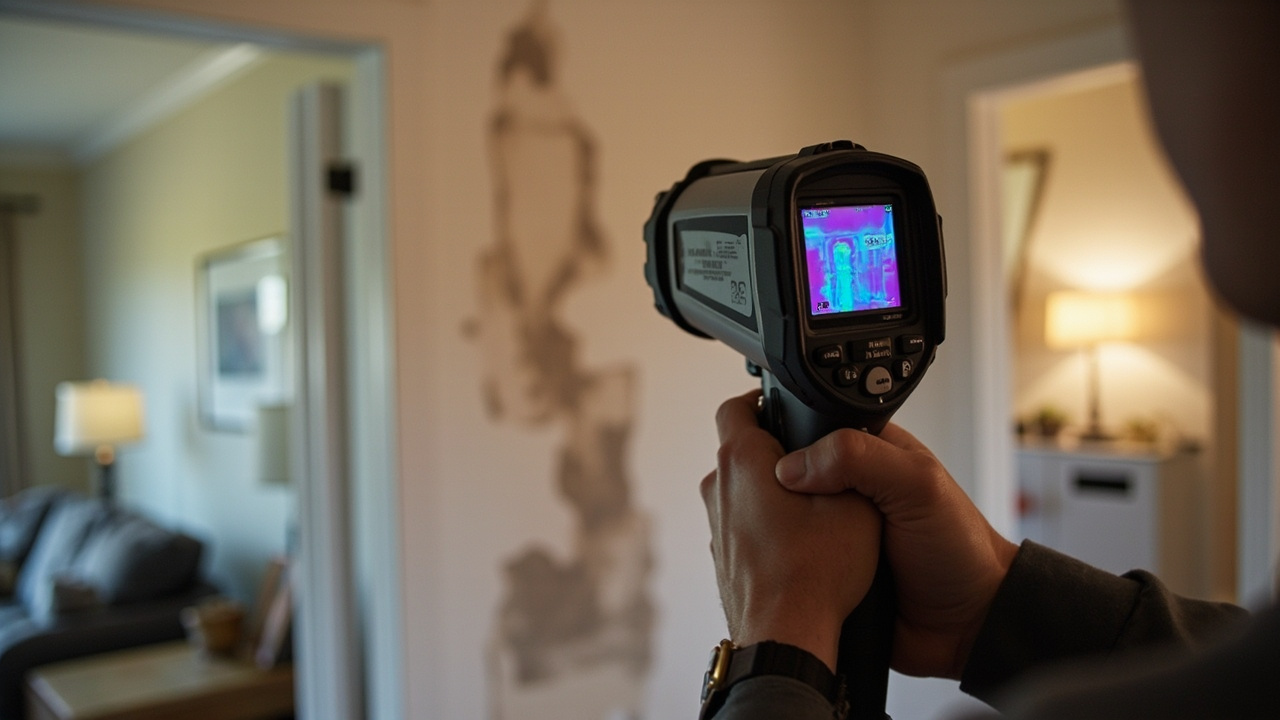
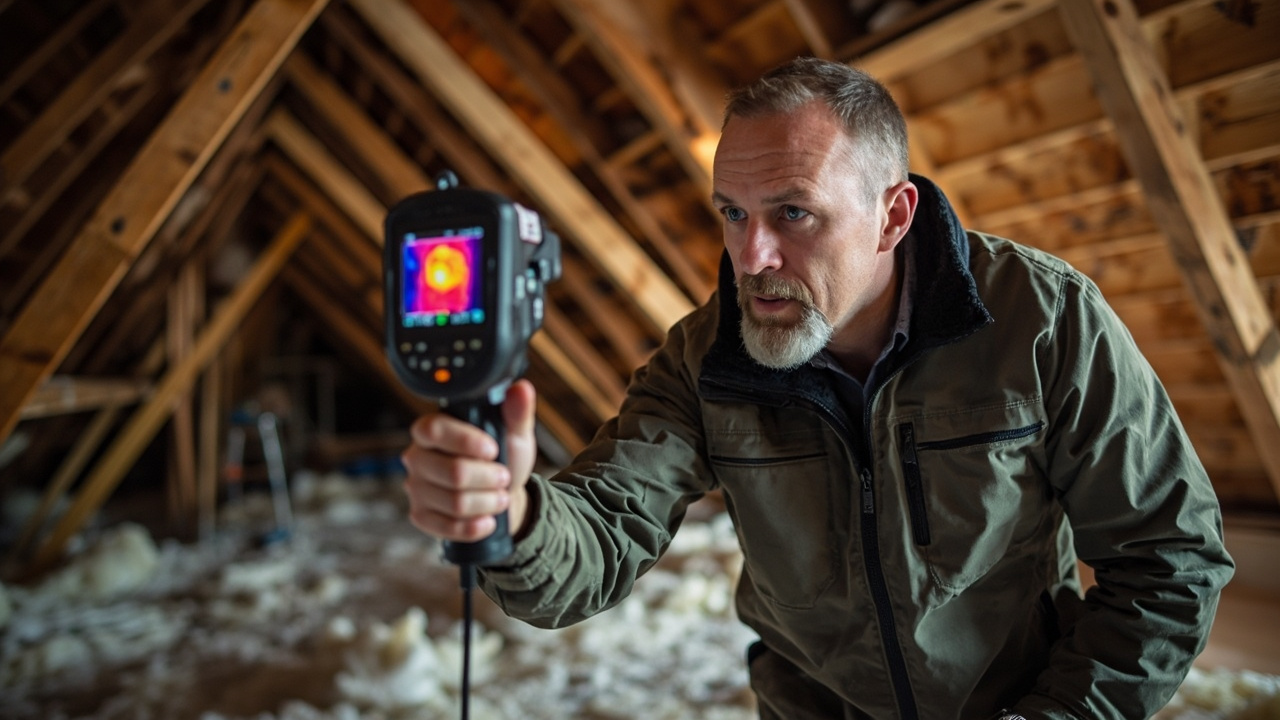
Our certified technicians use thermal imaging cameras to detect hidden moisture in wall cavities, beneath flooring, and within ceiling assemblies. Moisture meters provide precise readings at multiple depths within materials. This technology reveals damage invisible to visual inspection alone. We test for contamination levels, classifying water as clean, gray, or black based on source and contact materials. Category 3 water from sewage backups or flood water requires complete material removal, not just drying. The assessment includes air quality testing when mold is suspected. You receive a written report with photographs, moisture readings, and recommended remediation steps.

Quality Restoration Results

Proper restoration returns your home to pre-loss condition using materials that match or exceed original quality. We do not cut corners to fit insurance estimates. Drywall gets replaced with matching thickness and texture. Flooring transitions get blended so repairs are invisible. Paint gets matched using spectrophotometry for exact color reproduction. All work meets Houston building codes and manufacturer specifications. Final moisture readings must show materials have returned to normal dry standards before reconstruction begins. We provide written documentation of all readings and completion dates. This proves to your insurance company that restoration was performed correctly and completely.

Post-Restoration Protection

After restoration completes, we provide detailed maintenance recommendations to prevent future water damage. This includes identifying vulnerable areas like aging supply lines, poor drainage grading, or inadequate attic ventilation. You receive documentation of all work performed, including materials used, moisture readings, and before-and-after photographs. This record proves valuable if you sell your home or file future claims. We remain available for questions as your claim reaches final settlement. If disputes arise months later, we provide expert testimony supporting the necessity and quality of completed work. Our goal is your full recovery, not just meeting minimum insurance requirements.

Frequently Asked Questions

You Have Questions,
We Have Answers

How do you handle insurance claims? +

Document the damage immediately with photos and videos. Contact your insurance company within 24 hours to report the loss. In Houston, high humidity can worsen water damage fast, so speed matters. Request a claim number and ask about emergency mitigation coverage. Keep all receipts for temporary repairs or hotel stays. Create a detailed inventory of damaged items with values. Do not throw away damaged materials until the adjuster inspects them. Work with a local restoration company that understands Texas insurance requirements and can provide proper documentation to support your claim throughout the process.

What are the 3 D's of insurance claims? +

The three D's are Duty, Damages, and Denial. Duty means the insurer must honor the policy terms you paid for. Damages refer to the actual financial loss you suffered from the covered event. Denial happens when the insurance company refuses to pay all or part of your claim. In Houston, insurers sometimes deny water damage claims by arguing the damage resulted from long-term maintenance neglect rather than a sudden covered event. Understanding these three concepts helps you know what to expect and when to push back against unfair claim handling.

What not to say during an insurance claim? +

Never admit fault or speculate about the cause of damage. Do not say the damage has been ongoing for weeks or months, even if you suspect it. Avoid phrases like "I think" or "maybe it started." Do not downplay the damage or say you are fine with partial repairs. Never accept the first settlement offer without review. Do not tell the adjuster you are unfamiliar with your policy coverage. In Houston's humid climate, do not claim mold appeared overnight, as adjusters know growth timelines. Stick to facts and let professionals assess causation and scope.

What is the 80% rule in insurance? +

The 80% rule requires you to insure your property for at least 80% of its replacement value to avoid a coinsurance penalty. If you underinsure, the insurance company will only pay a proportional amount of your claim. For example, if your Houston home needs $200,000 in coverage but you only carry $120,000, you are underinsured. The insurer calculates what percentage you carried compared to what you should have, then applies that percentage to your loss. Many Houston homeowners discover this gap after major storm damage when rebuilding costs exceed their coverage limits.

What are the 5 P's of insurance? +

The five P's are Policy, Peril, Property, People, and Payment. Policy is your contract terms and coverage limits. Peril refers to the specific cause of loss covered by your policy. Property means the actual items or structures damaged. People includes all parties involved in the claim. Payment is the settlement amount the insurer owes you. In Houston water damage claims, understanding which peril caused the loss matters significantly. Sudden pipe bursts are typically covered, while gradual seepage from poor maintenance may not be. Knowing these five elements helps you navigate the claim process strategically.

What are the 4 phases of the claim process? +

Phase one is notice and investigation, where you report the claim and the insurer assigns an adjuster. Phase two is evaluation, when the adjuster inspects damage and reviews your policy coverage. Phase three is negotiation, where you and the insurer discuss the scope and cost of repairs. Phase four is resolution, when you receive payment and close the claim. In Houston, phase two often takes longer for water damage claims because adjusters must determine if the loss resulted from sudden flooding or gradual moisture intrusion. Proper documentation during phase one accelerates the entire timeline.

What not to say to an insurance claim adjuster? +

Do not exaggerate losses or provide inaccurate information about when damage occurred. Never say you are unsure about coverage details or that you have not read your policy. Do not accept blame for the damage or agree that maintenance neglect caused it. Avoid casual comments about previous issues or repairs in the same area. Do not sign anything without reading it completely. In Houston, do not tell adjusters you waited days to address standing water, as this can trigger denial based on failure to mitigate. Answer questions directly but provide only requested information without volunteering extra details.

What are the three most common mistakes on a claim that will cause denials? +

The three most common mistakes are incomplete documentation, delayed reporting, and inadequate damage description. Many Houston policyholders fail to photograph all affected areas before cleanup begins. Waiting too long to file gives insurers ammunition to claim you failed to mitigate damages. Vague descriptions like "water damage in the kitchen" lack the specificity adjusters need. Include details about water sources, affected materials, and square footage impacted. Missing receipts for emergency repairs can result in denied reimbursement. Throwing away damaged items before inspection removes critical evidence. Proper documentation prevents these denials and strengthens your claim position.

How long should an insurance company take to settle a claim? +

Texas law requires insurers to acknowledge your claim within 15 days and accept or deny it within 15 business days after receiving all requested information. Payment must arrive within five business days of settlement. However, complex water damage claims in Houston often take 30 to 60 days due to inspection scheduling, scope disputes, and documentation review. If your insurer misses these deadlines without valid reasons, they may owe you interest and penalties. Track all communication dates and follow up in writing if deadlines pass. Unreasonable delays may constitute bad faith under Texas Insurance Code.

What insurance adjusters won't tell you? +

Adjusters will not tell you that their initial offer is negotiable or that you can hire a public adjuster to represent your interests. They will not mention you can request a second inspection if you disagree with their assessment. Many will not explain that you can replace damaged items with comparable quality rather than accepting depreciated value. In Houston, adjusters rarely volunteer that Texas law allows you to choose your own contractor rather than using their preferred vendor list. They will not tell you about claim deadline extensions or additional living expense coverage you may qualify for during repairs.

How Houston's Climate and Construction Affect Insurance Claims

Houston's average annual rainfall exceeds 50 inches, creating constant moisture stress on building materials. The combination of heat and humidity accelerates mold growth, giving you less than 48 hours to begin proper drying after water intrusion. Insurance adjusters know this timeline, which is why they scrutinize when you discovered damage versus when you reported it. The city's expansive clay soil causes foundation movement during wet and dry cycles, creating cracks that allow water penetration during storms. Adjusters often claim foundation-related water damage is maintenance failure, not a covered sudden event. Understanding these local factors helps you frame your claim correctly and counter wrongful denials.

Houston's building boom means homes range from 1920s craftsman bungalows to 2023 construction. Each era has different water vulnerabilities and restoration requirements. Older homes in neighborhoods near Rice University or in the Heights often have cast iron drain lines prone to sudden failure. Newer construction in master-planned communities like Bridgeland or Elyson typically has PEX plumbing that fails differently. Local restoration experts understand these variations and document claims accordingly. We work directly with Harris County building inspectors and know current code requirements for water damage repairs. This local knowledge ensures your claim includes all necessary work, not just cosmetic fixes that leave underlying problems unresolved.
Water Damage Restoration Services in The Houston Area

Easily locate our service area and see how Silverline is strategically positioned to provide rapid water damage restoration services throughout Houston and its surrounding communities. Our commitment to prompt response means we're never far away when disaster strikes, ensuring your property gets the urgent care it needs, wherever you are within our service radius. We're here to serve you efficiently.

Address:
Silverline Water Damage Restoration Houston, 3730 Kirby Dr, Houston, TX, 77098

Additional Services We Offer

Our news updates

Latest Articles & News from The Blogs

Dealing with Attic Water Damage from Leaky Roofs in KingwoodHomeowners in the Kingwood area face significant moisture challenges due to…

Dealing with Attic Water Damage from Leaky Roofs in Kingwood

Dealing with Attic Water Damage from Leaky Roofs in KingwoodHomeowners in the Kingwood area face significant moisture challenges due to…

Why a Home Dehumidifier Cannot Save Your Third Ward Living Room from Water Damage

Why a Home Dehumidifier Cannot Save Your Third Ward Living Room from Water DamageYour Third Ward home faces unique challenges…

Planning Your Tropical Storm Recovery Strategy for League City and Bay Area Residences

Planning Your Tropical Storm Recovery Strategy for League City and Bay Area Residences Living in the Houston Bay Area during…

Contact Us

Do not let insurance companies minimize your water damage settlement. Call Silverline Water Damage Restoration Houston at (832) 336-3663 now for immediate response and expert claim support. We document everything correctly and fight for the full coverage you deserve.