





menu

Rapid Response Flood Extraction in Houston – Teams Dispatched in Under 60 Minutes to Stop Water Damage Now

When floodwater invades your Houston property, every minute counts. Our rapid response flood extraction crews arrive fast with commercial-grade pumps and extractors to remove standing water before structural damage, mold growth, and contamination take hold.

Slider Image 1
Slider Image 2
Slider Image 3
Slider Image 4
Slider Image 5
Slider Image 7
Slider Image 8
Slider Image 9
Slider Image 10
Slider Image 11

Why Houston Floods Demand Immediate Water Extraction

Houston sits on flat coastal plains with poor drainage and clay-heavy soil that prevents water absorption. When heavy rain hits, water has nowhere to go. It pools in foundations, seeps through slab cracks, and floods crawl spaces in minutes.

You face a ticking clock. Standing water begins degrading drywall and subflooring within hours. Within 24 to 48 hours, mold spores colonize damp materials. Contaminated floodwater from street runoff or sewer backups introduces bacteria and pathogens that create health hazards for your family or employees.

The Gulf Coast humidity compounds the problem. Even after visible water disappears, moisture trapped in walls and insulation fuels microbial growth and wood rot. Without professional emergency water removal services, you risk structural compromise, ruined belongings, and insurance claim denials due to delayed mitigation.

Houston's flood zones stretch far beyond FEMA maps. Neighborhoods like Meyerland, Bellaire, and areas near Buffalo Bayou flood repeatedly. Heavy rainfall from tropical systems, afternoon thunderstorms, and overwhelmed storm sewers create sudden water intrusion events year-round.

You need 24/7 flood extraction that starts now, not tomorrow. Urgent water cleanup prevents secondary damage that multiplies repair bills. Immediate flood pumping and emergency water damage extraction protect your property value and your health. Every hour of delay increases the damage exponentially.

Why Houston Floods Demand Immediate Water Extraction
How Professional Flood Extraction Stops Damage in Its Tracks

How Professional Flood Extraction Stops Damage in Its Tracks

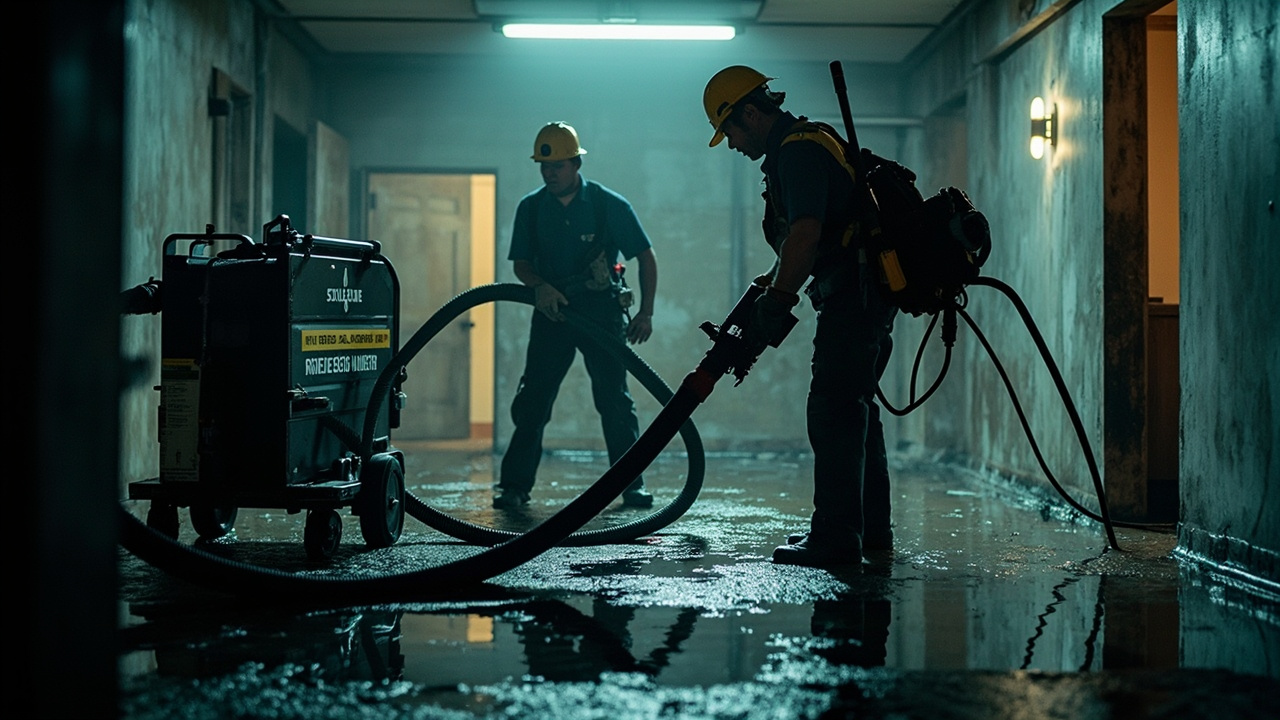
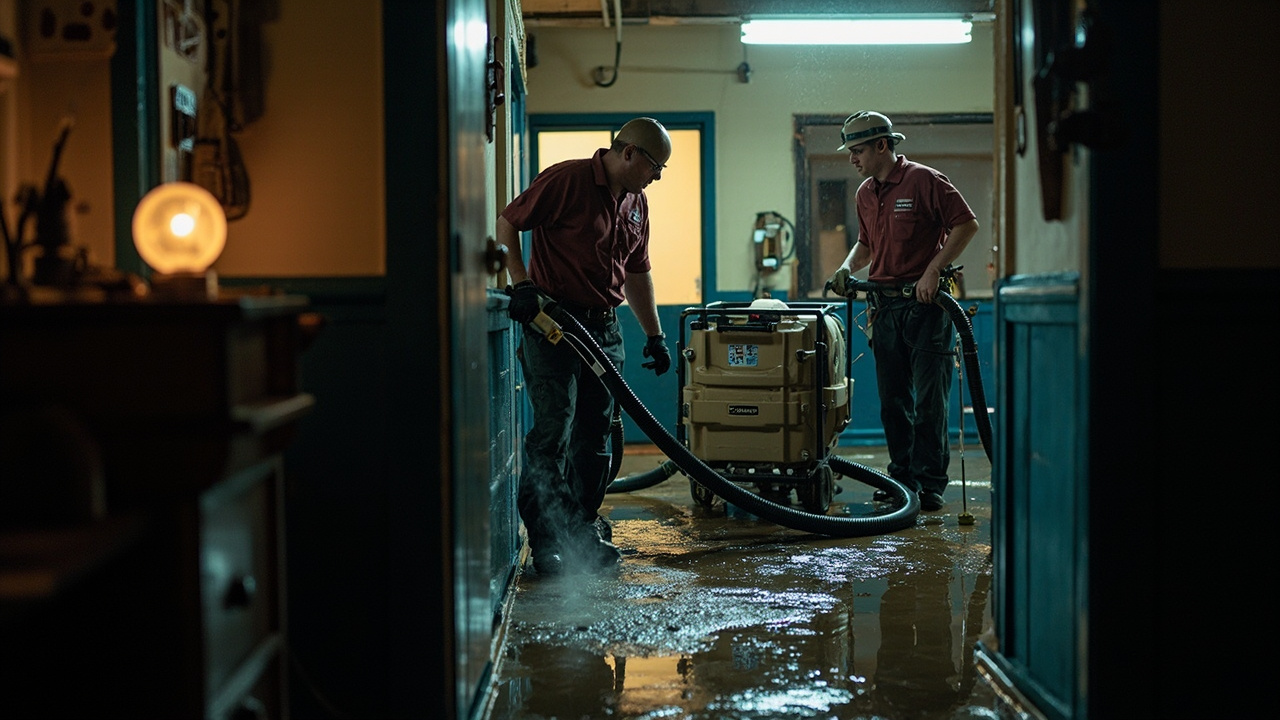
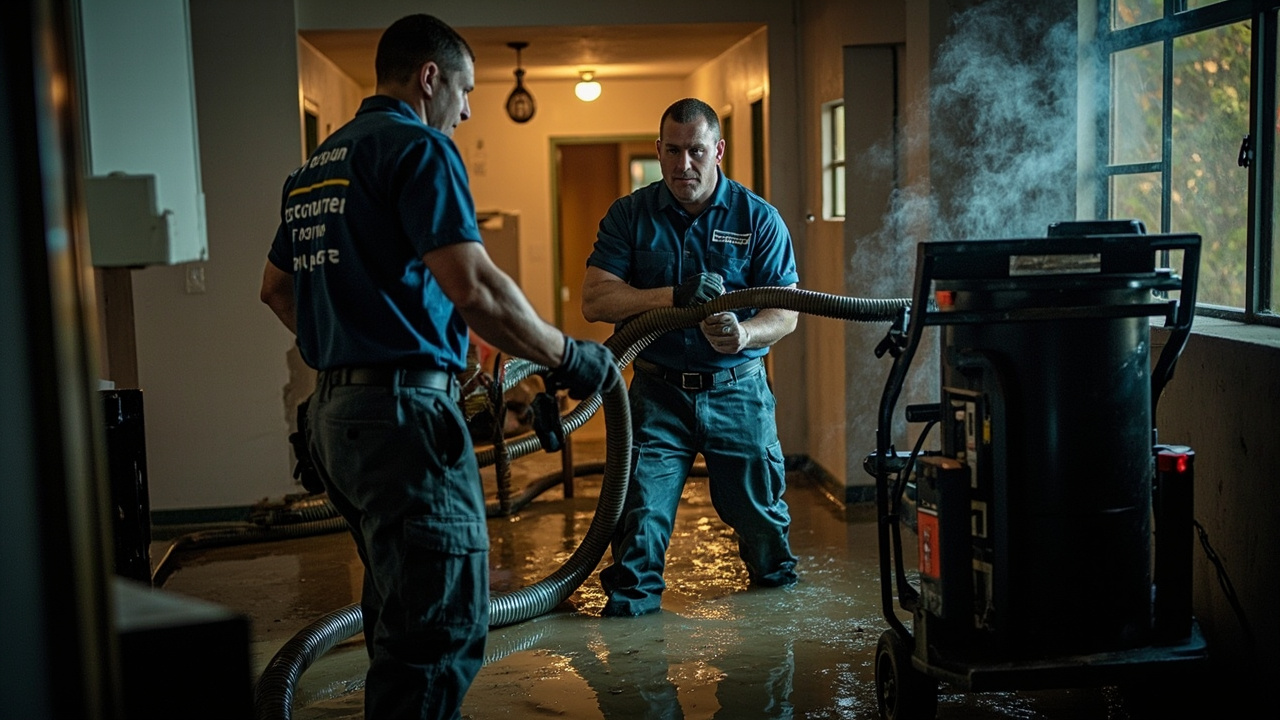
We deploy truck-mounted extractors and submersible pumps capable of removing thousands of gallons per hour. Our crews assess water category on arrival. Category 1 clean water from supply line breaks requires different protocols than Category 3 black water from sewage backups or street flooding.

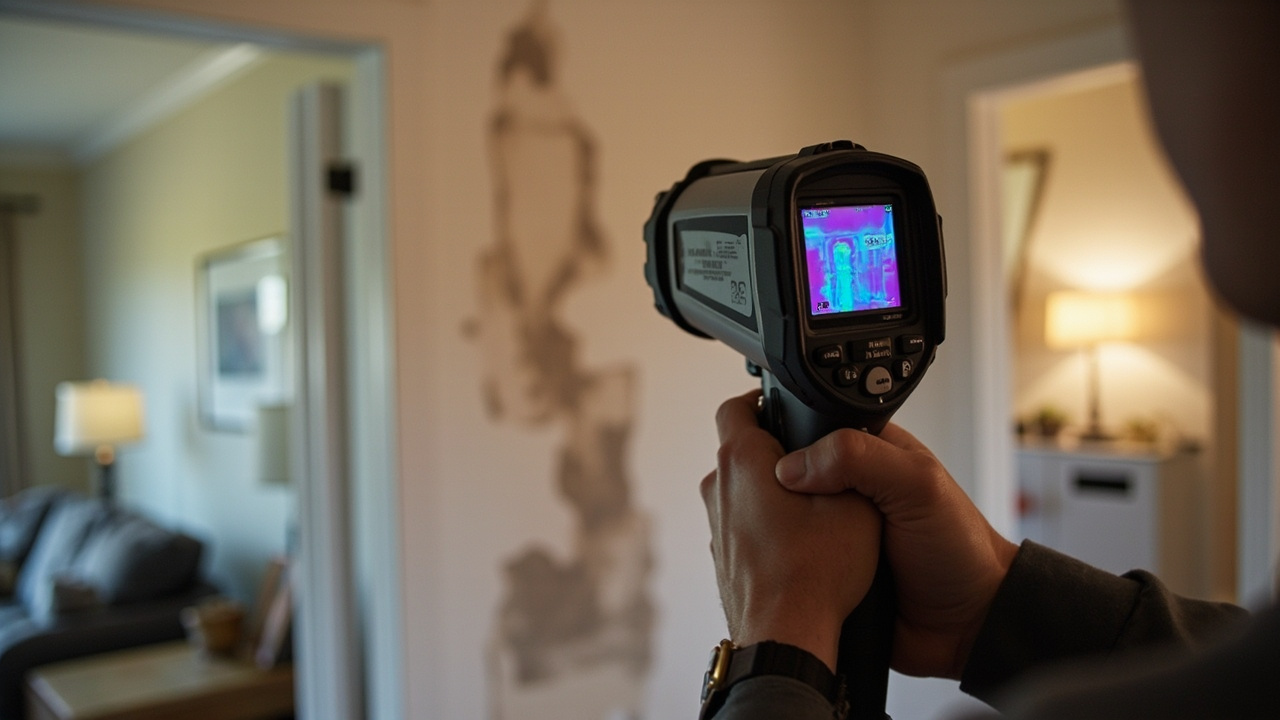
We start with high-volume extraction using gas-powered pumps for deep standing water, then transition to trailer-mounted vacuum systems that pull water from carpets, padding, and porous flooring. Infrared moisture meters and thermal imaging cameras identify hidden saturation in wall cavities and under cabinets that you cannot see.

After extraction, we place commercial air movers and low-grain refrigerant dehumidifiers to create rapid evaporation and capture airborne moisture. This prevents secondary wicking where water climbs porous materials through capillary action. We monitor moisture levels daily using FLIR technology and adjust equipment placement to target stubborn wet zones.

Contaminated floodwater requires antimicrobial treatment. We apply EPA-registered disinfectants to all affected surfaces after extraction to neutralize bacteria, viruses, and pathogens. This step protects your family from gastrointestinal illness and skin infections common after flood events.

We document everything for your insurance claim. Photos, moisture readings, equipment logs, and detailed scope reports give your adjuster the evidence needed to approve your claim quickly. Most carriers require professional mitigation within 24 to 72 hours to honor coverage. We coordinate directly with adjusters to eliminate your stress during an already difficult time.

What Happens When You Call for Emergency Flood Extraction

Rapid Response Flood Extraction in Houston – Teams Dispatched in Under 60 Minutes to Stop Water Damage Now
01

Immediate Dispatch and Assessment

You call our emergency line. We dispatch a crew within 60 minutes, often faster for severe flooding. Our technicians arrive with extraction equipment already loaded. We perform a rapid assessment to determine water category, identify the source if still active, and develop an extraction strategy. If a pipe burst or supply line break continues flowing, we shut off water at the main or meter to stop the influx before extraction begins.
02

High-Volume Water Removal

Our crew deploys submersible pumps for standing water over two inches deep, capable of removing up to 2,000 gallons per hour. We extract from the lowest points first to prevent water migration. Truck-mounted vacuum systems pull water from carpets, tile grout lines, and hardwood flooring. We remove saturated padding, baseboards, and damaged materials that cannot be salvaged. This phase typically takes two to six hours depending on square footage and water depth.
03

Drying and Monitoring

After extraction, we place air movers and dehumidifiers strategically to create airflow and remove moisture from the air and materials. We monitor humidity levels and material moisture content daily using hygrometers and pin-type moisture meters. Most structures reach dry standard in three to five days. We provide daily updates and adjust equipment as needed. Once moisture readings return to normal, we remove equipment and provide a completion certificate for your records and insurance claim.

Why Houston Property Owners Trust Silverline for Flood Emergencies

We understand Houston flooding. Our crews have extracted water from thousands of homes and businesses across Harris County, Fort Bend County, and the greater Houston metro. We know which neighborhoods flood first when Brays Bayou crests, and we understand the drainage issues plaguing older subdivisions built before modern stormwater codes.

Local expertise matters during emergencies. We navigate flooded streets to reach you when other companies cannot respond. Our warehouse stocks backup equipment so we never run short during major storm events when demand spikes. We maintain relationships with local insurance adjusters who trust our documentation and pricing.

Our technicians hold IICRC certifications in Water Damage Restoration and Applied Structural Drying. These credentials prove we follow industry standards for extraction, drying, and antimicrobial treatment. Insurance companies prefer working with certified restorers because our methods align with their claim requirements.

We operate 24 hours a day, every day. Floods do not wait for business hours. When you call at 2 a.m. on Sunday, a live person answers, not an answering service. We dispatch immediately, not the next morning. This speed prevents thousands in additional damage.

You receive transparent communication throughout the process. We explain what we find, what we recommend, and why. No surprises. No upselling. Just honest assessment and professional work. Our goal is to restore your property to pre-loss condition as quickly as possible so you can return to normal life.

Silverline Water Damage Restoration Houston has served this community for years. We live here. We understand the stress of flooding because we have helped our neighbors through it repeatedly.

What to Expect During Emergency Flood Extraction

Response Time and Availability

We dispatch crews within 60 minutes of your call, 24 hours a day, seven days a week. Our average arrival time is 45 minutes for most Houston locations. During major flood events, we prioritize based on severity but maintain rapid response for all emergencies. You receive a callback within five minutes of your initial contact with an estimated arrival time. Our trucks carry all necessary equipment, so we start extraction immediately upon arrival. No waiting for supplies or return trips. We stay on-site until initial extraction is complete, typically two to six hours depending on water volume and affected area.

Initial Assessment and Documentation

Our crew performs a detailed walkthrough to identify all affected areas, determine water category, and measure moisture levels in floors, walls, and contents. We photograph and document everything for your insurance claim. You receive a written scope of work that outlines the extraction process, estimated drying time, and recommended demolition if needed. We identify the water source and advise if repairs are needed before we begin drying. This assessment takes 15 to 30 minutes and gives you a clear picture of the damage and restoration plan before we proceed. We answer all questions and address concerns before starting work.

Complete Extraction and Drying Results

You get bone-dry structures that meet industry moisture standards. We do not leave until moisture meters show readings consistent with unaffected areas of your building. Our drying process eliminates hidden moisture that causes mold, wood rot, and odors weeks later. We extract water from subfloors, wall cavities, and insulation that other companies miss. Your property is ready for repairs, not still wet and waiting. We remove all damaged materials that cannot be salvaged, including soaked drywall, baseboards, and padding. You receive documentation showing before and after moisture readings, proving complete drying. This evidence satisfies insurance requirements and protects you from future liability.

Post-Extraction Support and Next Steps

After extraction and drying are complete, we provide a detailed report for your insurance company and contractor. This includes photos, moisture logs, equipment placement records, and a summary of work performed. We coordinate with your adjuster to ensure your claim moves forward smoothly. If you need reconstruction services, we connect you with trusted local contractors who understand flood restoration work. We remain available to answer questions from your insurance company or contractor during the repair phase. You get a completion certificate that documents the property reached dry standard, protecting you from future mold claims. We follow up within two weeks to ensure you are satisfied and your repairs are progressing.

Frequently Asked Questions

You Have Questions,
We Have Answers

What is the average insurance payout for water damage? +

Insurance payouts for water damage vary widely based on the cause, extent, and your policy limits. Most Houston homeowners receive between $2,000 and $10,000, but severe flooding or burst pipe incidents can exceed $20,000. Your payout depends on whether the damage is sudden and accidental, which most policies cover, versus gradual damage or flooding, which typically requires separate flood insurance. Always document everything with photos and videos before cleanup begins. Work with a certified restoration company that understands Houston insurance protocols. They can help you maximize your claim by properly documenting structural drying, mold remediation, and material replacement costs.

What is the immediate response to a flood? +

Stop the water source immediately if safe to do so. Turn off electricity at the breaker panel to prevent shock hazards. Move valuables and furniture to dry areas. Do not enter standing water without confirming power is off. Contact a 24-hour emergency water extraction team within the first hour. Houston's humidity accelerates mold growth, so speed matters. Begin removing water with pumps or wet vacuums while waiting for professionals. Open windows if weather permits to increase air circulation. Document all damage with photos for insurance. Do not delay. Every minute increases structural damage and mold risk in Houston's climate.

How much does it cost to remove water from a flooded basement? +

Basement water removal in Houston typically costs $1,500 to $5,000 depending on water depth, square footage, and contamination level. Basic extraction for clean water runs lower, while sewage backup costs more due to sanitization requirements. Costs include pump rental or professional extraction equipment, antimicrobial treatment, dehumidification, and disposal fees. Many Houston homes lack basements, but for those with lower-level spaces or crawl spaces, the high water table and clay soil create unique drainage challenges. Insurance often covers sudden flooding from burst pipes, but not slow seepage or external groundwater. Get multiple quotes and verify the company handles Houston-specific moisture issues.

Who is the largest restoration company? +

Several national restoration franchises operate across the country, including ServiceMaster, BELFOR, and Paul Davis Restoration. These companies handle large commercial projects and insurance networks. Size does not always equal the best local response. For Houston homeowners facing flood emergencies, you need a team that understands Gulf Coast humidity, hurricane-related water intrusion, and local building codes. Large national chains often subcontract to local crews anyway. What matters most is immediate response time, proper equipment, and Houston-specific experience with clay soil foundation issues and persistent moisture problems. Choose based on local reputation and emergency availability, not corporate size.

What not to say to a home claims adjuster? +

Never say you are unsure about damage timelines or causes. Do not admit to deferred maintenance, pre-existing damage, or neglect. Avoid phrases like "I think it has been leaking for a while" or "I should have fixed that sooner." Do not speculate about mold or structural issues beyond what is visible. Stick to facts. Describe what happened, when you discovered it, and what immediate steps you took. Do not downplay damage, but do not exaggerate either. Let professionals assess and document. In Houston, where humidity complicates claims, never suggest you delayed calling for help. Present yourself as a proactive homeowner who acted quickly.

What is the 80% rule in homeowners insurance? +

The 80% rule requires you to insure your home for at least 80% of its replacement cost to receive full coverage on partial losses. If your Houston home costs $300,000 to rebuild, you need at least $240,000 in coverage. Fall below this threshold and insurers apply a penalty, paying only a percentage of the claim. Many Houston homeowners underinsure because property values and construction costs rise faster than policy updates. After hurricanes or floods, replacement costs spike due to contractor demand and material shortages. Review your coverage annually. Underinsurance hits hard when you file claims for water damage or structural repairs.

What does flood insurance cover? +

Flood insurance covers water damage from rising water, storm surge, heavy rainfall runoff, and overflow from rivers or bayous. This is critical in Houston, where Buffalo Bayou, White Oak Bayou, and Brays Bayou flood regularly during tropical storms. Standard homeowners policies exclude flood damage. Flood insurance covers structural repairs, HVAC systems, electrical panels, and appliances. It does not cover landscaping, detached structures like sheds, or personal property in basements. Separate contents coverage is optional. Coverage kicks in after a 30-day waiting period, so buy before storm season. FEMA flood maps guide requirements, but Houston flooding happens outside designated zones too.

What are the 5 stages of a flood? +

The five stages of flooding are overland flooding, river flooding, coastal flooding, flash flooding, and urban flooding. Overland flooding occurs when ground cannot absorb rainfall. River flooding happens when waterways overflow banks. Coastal flooding results from storm surge. Flash flooding develops rapidly from intense rain, common in Houston due to flat terrain and impermeable clay soil. Urban flooding occurs when drainage systems fail, which happens frequently across Houston neighborhoods with aging infrastructure. Each stage requires different emergency responses. Flash floods are the most dangerous because they provide no warning. Houston experiences all five types, making rapid extraction services critical for property protection during storm events.

What are the 5 elements of an emergency response plan? +

The five elements of an emergency response plan are threat assessment, notification procedures, evacuation routes, resource allocation, and recovery protocols. For Houston flood emergencies, assess your property's flood risk using FEMA maps and past storm data. Establish notification contacts including family, neighbors, and emergency services. Plan evacuation routes avoiding low-water crossings and flood-prone highways. Allocate resources like emergency supplies, water extraction equipment contacts, and insurance documents in waterproof containers. Define recovery protocols including who to call first, how to document damage, and when to begin cleanup. Keep a 24-hour water damage restoration contact saved. Preparation reduces panic and property loss during actual emergencies.

Will my homeowners insurance cover basement flooding? +

Standard homeowners insurance covers basement flooding only if caused by sudden, accidental events like burst pipes, water heater failures, or sewer backups with specific endorsements. It excludes groundwater seepage, rising water tables, and external flood water. Houston's high water table and clay soil make basement flooding common, but most policies deny these claims. Sewer backup coverage requires a separate endorsement, typically adding $50 to $100 annually. If your basement floods from Hurricane Harvey-type events, only separate flood insurance provides coverage. Review your policy exclusions carefully. Many Houston homeowners discover coverage gaps only after filing claims. Add endorsements before you need them.

How Houston's Coastal Climate and Flat Topography Make Rapid Flood Extraction Critical

Houston's elevation averages 50 feet above sea level with minimal slope for drainage. When heavy rain falls, water cannot run off quickly. The city's clay soil, known as expansive Houston Black clay, absorbs water slowly and swells when saturated. This creates hydrostatic pressure against foundations and forces water through cracks and slab penetrations. The humid subtropical climate means relative humidity often exceeds 90 percent, preventing natural evaporation after flooding. Without professional extraction and mechanical drying, moisture lingers in building materials for weeks, creating perfect conditions for mold amplification. Rapid response flood extraction removes water before it migrates deeper into walls and subflooring where remediation becomes exponentially more expensive.

Houston experiences more flood insurance claims than any other metro area in the country. Local building codes and insurance requirements reflect this reality. Most carriers require professional water damage mitigation within 24 to 72 hours to honor coverage. Silverline Water Damage Restoration Houston understands these local insurance requirements and documents our work to meet carrier standards. We work regularly with adjusters from major insurers operating in Harris County and surrounding areas. Our familiarity with local flood patterns, construction methods common in Houston subdivisions, and regional insurance claim procedures means faster approvals and fewer disputes. Choosing a local restoration company that understands Houston-specific challenges protects your claim and your investment.

Water Damage Restoration Services in The Houston Area

Easily locate our service area and see how Silverline is strategically positioned to provide rapid water damage restoration services throughout Houston and its surrounding communities. Our commitment to prompt response means we're never far away when disaster strikes, ensuring your property gets the urgent care it needs, wherever you are within our service radius. We're here to serve you efficiently.

Address:
Silverline Water Damage Restoration Houston, 3730 Kirby Dr, Houston, TX, 77098

Additional Services We Offer

Our news updates

Latest Articles & News from The Blogs

Dealing with Attic Water Damage from Leaky Roofs in KingwoodHomeowners in the Kingwood area face significant moisture challenges due to…

Dealing with Attic Water Damage from Leaky Roofs in Kingwood

Dealing with Attic Water Damage from Leaky Roofs in KingwoodHomeowners in the Kingwood area face significant moisture challenges due to…

Why a Home Dehumidifier Cannot Save Your Third Ward Living Room from Water Damage

Why a Home Dehumidifier Cannot Save Your Third Ward Living Room from Water DamageYour Third Ward home faces unique challenges…

Planning Your Tropical Storm Recovery Strategy for League City and Bay Area Residences

Planning Your Tropical Storm Recovery Strategy for League City and Bay Area Residences Living in the Houston Bay Area during…

Contact Us

Do not wait while water destroys your property. Call Silverline Water Damage Restoration Houston at (832) 336-3663 now. Our crews are standing by with extraction equipment ready to deploy. We answer immediately, dispatch fast, and start removing water within the hour. Protect your home or business from permanent damage.