





menu

Large Scale Water Extraction in Houston – Industrial-Grade Solutions That Minimize Downtime

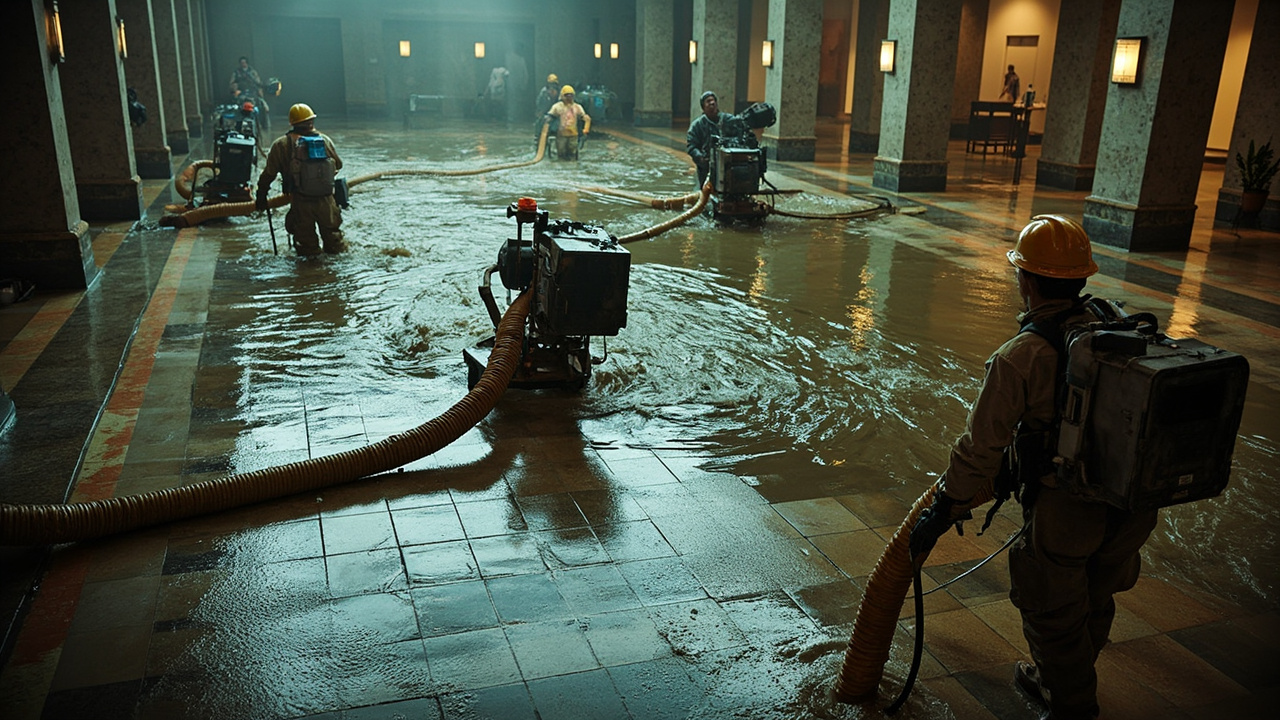
When commercial flooding threatens your operations, large scale water extraction powered by truck-mounted extractors and submersible pumps removes thousands of gallons in hours, not days, protecting revenue and maintaining business continuity across Houston's industrial corridors.

Slider Image 1
Slider Image 2
Slider Image 3
Slider Image 4
Slider Image 5
Slider Image 7
Slider Image 8
Slider Image 9
Slider Image 10
Slider Image 11

Why Houston Facilities Face Elevated Flood Risk

Houston sits in the floodplain of Buffalo Bayou and multiple tributaries, creating a hydrological challenge for commercial properties across the metro. The city's flat topography and clay-heavy soil prevent rapid water absorption during storm events, leaving industrial facilities and commercial complexes vulnerable to standing water accumulation. Hurricane season compounds this risk with storm surge potential from the Gulf Coast, just 50 miles southeast.

When a water main ruptures in a distribution warehouse or a roof membrane fails during a tropical system, the volume exceeds residential-scale damage by orders of magnitude. A single loading dock can accumulate 10,000 gallons in under an hour. Standard wet vacuums and portable extractors cannot handle this volume. The water migrates through expansion joints, seeps into subfloors, and compromises structural components before traditional mitigation methods make measurable progress.

Commercial water removal at this scale requires industrial water extraction equipment, high volume water pumping capacity, and coordinated deployment. Delayed response transforms a manageable flood into a total loss scenario. Mold colonization begins within 48 hours in Houston's humidity. Inventory becomes unsalvageable. Operations halt. Revenue stops.

Large loss water mitigation is not about restoration timelines. It is about limiting liability exposure and resuming operations before your competitors capitalize on your downtime. Bulk water removal services deploy the equipment capacity your facility requires when every hour offline compounds financial damage.

Why Houston Facilities Face Elevated Flood Risk
How High-Capacity Extraction Systems Work

How High-Capacity Extraction Systems Work

Large scale water extraction begins with capacity assessment. Technicians measure affected square footage, water depth, and flooring substrate to calculate total gallons and required CFM (cubic feet per minute) airflow. This determines equipment deployment, whether truck-mounted extractors, gas-powered submersible pumps, or trailer-mounted vacuum units.

Truck-mounted systems generate vacuum pressure up to 18 inches of mercury, pulling water through 3-inch diameter hoses at rates exceeding 200 gallons per minute. These units remain outside the building, eliminating exhaust fumes and heat buildup inside occupied or enclosed spaces. For facilities with multiple flooding zones, technicians position submersible pumps in the deepest accumulation points, discharging water to storm drains or designated retention areas compliant with Harris County flood control ordinances.

Extraction follows a zoned approach. High-priority areas like server rooms, electrical panels, and production lines receive immediate attention. Secondary zones such as storage areas and hallways follow once critical infrastructure is protected. This prioritization prevents secondary damage to high-value assets while maintaining systematic water removal across the entire loss area.

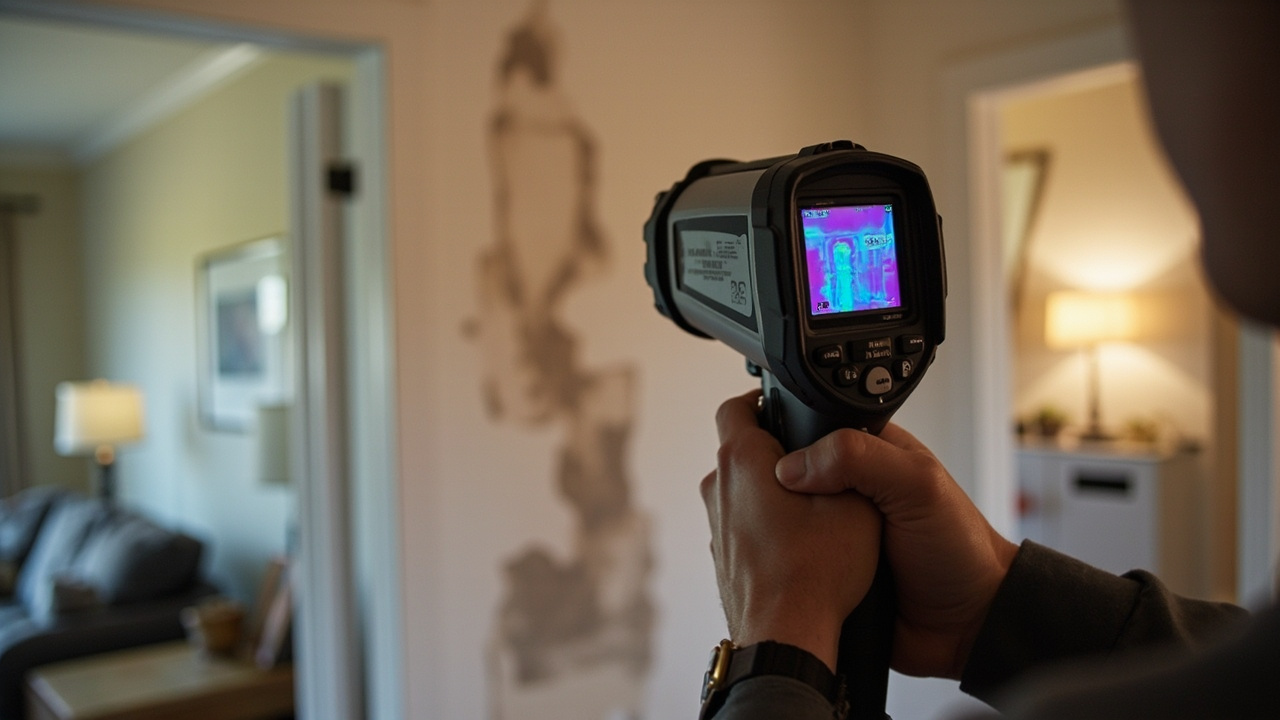
After bulk water removal, industrial air movers and low-grain refrigerant dehumidifiers create negative pressure environments. Air movers positioned at 45-degree angles generate laminar airflow across wet surfaces, accelerating evaporation. Dehumidifiers process 150 pints per day, condensing moisture before it penetrates wall cavities or migrates to unaffected areas. Moisture mapping with thermal imaging confirms drying progress, tracking readings until materials return to industry-standard dry goals measured in grains per pound.

How We Execute Commercial Flood Response

Large Scale Water Extraction in Houston – Industrial-Grade Solutions That Minimize Downtime
01

Site Assessment and Triage

The crew chief conducts a facility walkthrough within 90 minutes of dispatch, mapping water distribution and identifying electrical hazards. You receive a loss diagram showing affected zones, estimated water volume, and equipment staging locations. We coordinate with your insurance adjuster and operations manager to establish access protocols, minimizing disruption to active work areas while protecting personnel safety during extraction operations.
02

Equipment Deployment and Extraction

Truck-mounted extractors and submersible pumps deploy within two hours, positioned to maximize water removal efficiency across your floor plan. Technicians monitor extraction rates and adjust hose placement every 30 minutes, ensuring continuous suction contact with remaining water. Power distribution utilizes your facility's three-phase circuits or generator backup to sustain 24-hour extraction cycles until standing water is eliminated and subfloor moisture levels drop below 18 percent.
03

Drying Verification and Clearance

Moisture meters and thermal imaging cameras document drying progress every 12 hours, tracking readings in flooring, drywall, and structural components. Once materials reach equilibrium moisture content, technicians remove drying equipment and provide a certified moisture log for your insurance claim and compliance documentation. You receive photographic evidence of pre-loss conditions, extraction progress, and post-mitigation readings, establishing an auditable record that satisfies adjuster requirements and regulatory review.

Why Houston Facilities Choose Silverline Water Damage Restoration Houston

Commercial flood response is a logistics operation. You need providers with equipment inventory, personnel capacity, and operational experience to execute under time-critical conditions. Silverline Water Damage Restoration Houston maintains a fleet of truck-mounted extractors, gas-powered pumps, and trailer-mounted vacuum units specifically for large loss scenarios across the Greater Houston metro.

Our technicians train on confined space protocols, electrical lockout procedures, and hazardous material handling required for industrial sites. We understand Houston's commercial building codes, Harris County floodplain ordinances, and FEMA compliance documentation needed for SBA disaster loan applications. This is not residential water damage scaled up. It is purpose-built commercial mitigation executed by personnel who understand the operational stakes.

We coordinate with property managers, facility directors, and insurance adjusters simultaneously, providing real-time updates via shared loss documentation platforms. You receive hourly progress reports during active extraction, daily moisture readings during drying phases, and a final certified completion report with photographic evidence and moisture logs. This documentation satisfies your insurer, your lender, and your corporate risk management requirements.

Houston's industrial corridor along the Ship Channel, distribution centers in East Houston, and medical facilities in the Texas Medical Center face unique flood risks tied to proximity to waterways and aging infrastructure. We respond to these zones within 90 minutes, deploying equipment capacity that matches the scale of your loss. When a 50,000-square-foot warehouse floods, you need 10 extractors and a 12-person crew, not two technicians with shop vacs.

What Your Facility Can Expect

Response Time and Mobilization

We dispatch a crew chief within 90 minutes of your call, arriving on-site with assessment tools and initial extraction equipment. Full equipment deployment, including truck-mounted extractors and submersible pumps, completes within two hours for standard commercial losses. For catastrophic events exceeding 100,000 square feet, we coordinate multi-crew deployment and equipment staging from our Houston service center, ensuring continuous 24-hour extraction cycles until bulk water removal is complete. You receive a mobilization timeline and crew schedule within the first hour of contact.

Loss Documentation and Assessment

The crew chief photographs affected areas, measures water depth and distribution, and generates a facility loss diagram showing extraction zones and equipment placement. You receive this documentation within four hours of our arrival, providing your insurance adjuster with immediate claim support. We use moisture meters to establish baseline readings in flooring, walls, and structural components, creating a data trail that tracks drying progress and verifies mitigation effectiveness. This documentation satisfies adjuster requirements and creates an auditable record for your risk management files.

Extraction Quality and Verification

Extraction continues until standing water is eliminated and subfloor moisture content drops below 18 percent, measured with penetrating moisture probes. Drying equipment runs on continuous cycles, monitored remotely via moisture sensors that alert technicians when readings plateau. We adjust air mover placement and dehumidifier capacity every 12 hours based on thermal imaging data, ensuring uniform drying across affected zones. You receive moisture logs and thermal images documenting progress, creating verifiable evidence that mitigation met industry standards for your specific flooring and building materials.

Post-Mitigation Clearance and Documentation

Once materials reach equilibrium moisture content, technicians remove all drying equipment and conduct a final walkthrough with your facility manager. You receive a certified completion report including pre-loss photos, daily moisture readings, thermal imaging scans, and equipment logs showing extraction volume and drying duration. This documentation satisfies insurance claim requirements, regulatory compliance audits, and corporate risk management protocols. We provide digital and printed copies for your permanent records, ensuring you have complete loss documentation if future claims or litigation arise related to this event.

Frequently Asked Questions

You Have Questions,
We Have Answers

How to purify 1000 gallons of water? +

Purifying 1000 gallons of water requires commercial-grade filtration systems, not residential equipment. Most commercial facilities use multi-stage processes: sediment filtration, activated carbon filtration, and UV sterilization or reverse osmosis. For emergency water purification at scale in Houston, industrial water treatment companies deploy mobile treatment units. If your facility faces contaminated water after flooding or infrastructure failure, contact a licensed water remediation company. They assess the contamination source, test water quality, and deploy appropriate treatment protocols. Do not attempt large-scale purification without proper equipment and water quality testing. Code compliance and liability concerns make professional treatment necessary.

How to soak up large amounts of water? +

Soaking up large amounts of water requires industrial extraction equipment, not household methods. Commercial water damage restoration uses truck-mounted extractors and portable extraction units that remove hundreds of gallons per hour. These systems apply vacuum pressure to pull water from flooring, carpeting, and subflooring. In Houston's high-humidity climate, extraction speed matters because mold colonizes within 24 to 48 hours. For commercial properties, industrial air movers and dehumidifiers follow extraction to dry structural materials. Standing water in warehouses, retail spaces, or office buildings demands professional extraction to prevent structural damage and business interruption. Absorbent materials like towels are ineffective at scale.

How to purify water on a large scale? +

Purifying water on a large scale involves industrial treatment processes tailored to contamination type and water source. Municipal systems use coagulation, sedimentation, filtration, and chlorination. Commercial facilities often deploy reverse osmosis, ultrafiltration, or ozone treatment depending on use requirements. For disaster recovery in Houston after flooding events, mobile water treatment units provide temporary purification capacity. These systems handle chemical contaminants, biological pathogens, and sediment loads. If your commercial operation requires large-scale water purification, consult water treatment engineers who design systems meeting regulatory standards. Treatment capacity, water quality testing, and discharge permits determine system design. Professional assessment ensures code compliance and operational continuity.

How to remove large amounts of water? +

Removing large amounts of water demands commercial extraction equipment and structural drying protocols. Truck-mounted extractors remove hundreds of gallons from flooded commercial buildings. Submersible pumps handle deep standing water in basements or crawl spaces. In Houston, where clay soils expand when saturated and hurricane flooding impacts commercial properties, speed determines damage extent. Professional water damage teams deploy extraction units, document moisture readings using thermal imaging, and establish drying chambers with commercial dehumidifiers. For warehouses, retail centers, or office buildings, extraction within the first 24 hours prevents secondary damage. Do not rely on shop vacuums or mops for commercial-scale water removal.

How to store water for 10 years? +

Storing water for 10 years requires food-grade containers, water treatment, and controlled storage conditions. Use opaque, BPA-free polyethylene containers in 55-gallon drums or larger tanks. Treat water with chlorine dioxide or sodium hypochlorite at proper concentrations before sealing. Store in cool, dark locations away from direct sunlight and temperature fluctuations. In Houston's heat and humidity, temperature control matters because heat accelerates chemical breakdown and promotes bacterial growth. Rotate water supplies every five years even with treatment. Commercial water storage for business continuity planning requires professional installation, water quality monitoring, and compliance with building codes. Consult water storage specialists for long-term commercial applications.

Is it cheaper to purify or buy bottled water? +

For commercial operations, purifying water is cheaper than buying bottled water at scale. A reverse osmosis system or filtration setup has upfront costs but delivers water at pennies per gallon versus dollars per gallon for bottled water. Businesses using thousands of gallons monthly see ROI within months. For Houston facilities needing potable water during infrastructure disruptions, installed purification systems provide continuity without supply chain dependence. Calculate your monthly water consumption, compare purification system costs against bottled water expenses, and factor maintenance. For residential use, bottled water may compete on convenience. For commercial applications, purification systems win on cost and sustainability.

What is the 10 gulp rule? +

The 10 gulp rule estimates emergency water needs by counting how many times you swallow when drinking a full glass. Each gulp equals approximately one ounce. Ten gulps equal roughly 10 ounces, providing a quick field estimate for hydration tracking during emergencies. This rule helps preppers and emergency responders estimate water consumption without measuring tools. For commercial emergency planning in Houston, where hurricane evacuations and power outages disrupt water supplies, use one gallon per person per day as the planning baseline. The 10 gulp rule works for individual tracking but does not replace formal emergency water storage calculations based on facility occupancy and operational duration.

What soaks up the most water? +

Commercial-grade absorbent materials like cellulose-based pads and polymer-based absorbents soak up the most water relative to their weight. Superabsorbent polymers absorb up to 300 times their weight in water, making them useful for chemical spills and controlled absorption. For structural water damage, extraction equipment outperforms absorbent materials. In Houston commercial buildings, truck-mounted extractors remove water faster and more completely than any absorbent product. Absorbents work for small spills or residual moisture but fail at scale. Professional water damage restoration uses extraction first, then desiccant dehumidification to pull remaining moisture from building materials. Do not rely on towels or absorbent pads for commercial water removal.

How do I get rid of standing water in my yard? +

Getting rid of standing water in commercial yards requires grading corrections, drainage installation, or sump systems. Houston's clay soils drain poorly, causing persistent pooling after rain events. For commercial properties, standing water creates liability risks and mosquito breeding grounds. Solutions include regrading to establish positive drainage, installing French drains or channel drains, or deploying sump pumps for low-lying areas. Surface water should drain away from buildings at minimum two percent slope. If standing water persists after storms, consult a drainage contractor or civil engineer. They assess soil conditions, evaluate existing drainage infrastructure, and design solutions meeting municipal stormwater codes.

How do preppers purify water? +

Preppers purify water using multiple methods depending on contamination type and available resources. Common approaches include boiling for one minute to kill pathogens, using water filtration systems with ceramic or carbon filters, deploying UV sterilization pens, or adding chemical treatments like chlorine dioxide tablets. Multi-stage approaches combine filtration and chemical treatment for comprehensive purification. For Houston preppers planning for hurricane season, store commercial water purification tablets, portable filtration systems, and backup fuel for boiling. Test your purification methods before emergencies. For commercial facilities, emergency water purification plans should include professional-grade equipment and water quality testing capability to ensure safety during infrastructure failures.

How Houston's Flat Topography and Clay Soil Complicate Commercial Water Extraction

Houston's elevation varies less than 50 feet across most of the metro area, creating poor natural drainage during heavy rain events common to Gulf Coast subtropical climates. Water accumulates in parking lots, loading docks, and ground-floor facilities because gravity provides minimal drainage gradient. The region's expansive clay soil exacerbates this problem by preventing water absorption, forcing runoff to accumulate on impermeable surfaces until manually extracted. Commercial properties near Buffalo Bayou, White Oak Bayou, and Brays Bayou face compounded risk during tropical systems when these waterways exceed flood stage, inundating facilities with contaminated floodwater requiring specialized extraction and decontamination protocols.

Harris County requires commercial flood mitigation to comply with floodplain development permits and stormwater discharge ordinances, particularly for properties in FEMA-designated Special Flood Hazard Areas. Providers unfamiliar with these regulations discharge extracted water into prohibited drainage systems, creating code violations and potential fines for property owners. Silverline Water Damage Restoration Houston coordinates discharge with Harris County Flood Control District guidelines, ensuring extracted water routes to approved retention areas or storm sewer systems. This compliance protects your facility from regulatory penalties and demonstrates due diligence for insurance claim processing and future permitting requirements.

Water Damage Restoration Services in The Houston Area

Easily locate our service area and see how Silverline is strategically positioned to provide rapid water damage restoration services throughout Houston and its surrounding communities. Our commitment to prompt response means we're never far away when disaster strikes, ensuring your property gets the urgent care it needs, wherever you are within our service radius. We're here to serve you efficiently.

Address:
Silverline Water Damage Restoration Houston, 3730 Kirby Dr, Houston, TX, 77098

Additional Services We Offer

Our news updates

Latest Articles & News from The Blogs

Houston humidity presents a constant struggle for homeowners across Harris County. In 2026, the weather patterns continue to create high…

Why Houston Families Trust Our Certified Mold Inspection Services for Local Homes

Houston humidity presents a constant struggle for homeowners across Harris County. In 2026, the weather patterns continue to create high…

Dealing with Attic Water Damage from Leaky Roofs in Kingwood

Dealing with Attic Water Damage from Leaky Roofs in KingwoodHomeowners in the Kingwood area face significant moisture challenges due to…

Why a Home Dehumidifier Cannot Save Your Third Ward Living Room from Water Damage

Why a Home Dehumidifier Cannot Save Your Third Ward Living Room from Water DamageYour Third Ward home faces unique challenges…

Contact Us

Every hour of standing water increases damage severity and extends downtime. Contact Silverline Water Damage Restoration Houston at (832) 336-3663 for immediate dispatch and equipment mobilization across the Greater Houston metro.