





Sugar Land sits in the flood-prone Brazos River basin, where heavy rainfall overwhelms drainage systems fast. The clay soil common throughout Fort Bend County expands when wet and contracts when dry, creating foundation shifts that crack slabs and stress plumbing connections. These cracks let groundwater seep into homes during storms.
Hurricane season brings another threat. When tropical systems stall over the Gulf Coast, Sugar Land receives torrential rainfall that floods streets, backyards, and crawl spaces. The flat topography means water pools instead of draining away naturally.
Inside homes, the high humidity typical of Southeast Texas creates perfect conditions for mold growth after any water intrusion. Drywall, insulation, and wood framing absorb moisture quickly in this climate. Without rapid extraction and drying, mold colonies establish within 48 hours.
Older neighborhoods near Oyster Creek or along Highway 6 often have aging cast iron pipes that corrode and leak. Newer developments in Telfair or Greatwood face different issues with PEX plumbing failures or appliance line breaks. Every part of Sugar Land has water damage vulnerabilities that need immediate professional response.
Silverline Water Damage Restoration Houston has served Fort Bend County for over a decade, responding to thousands of water emergencies across Sugar Land. We know which neighborhoods flood first during heavy rain. We understand how homes built in different decades react to water intrusion. We work directly with every major insurance carrier that covers Sugar Land properties.
Our dispatch system puts trucks on the road within minutes of your call. We stock extraction equipment, industrial dehumidifiers, and air movers on every vehicle so crews arrive ready to work. No waiting for equipment rentals or second trips.
We use thermal imaging cameras to find hidden moisture inside walls and under flooring that standard moisture meters miss. This technology prevents mold problems that appear weeks after you think everything dried out. Every technician carries IICRC certification in water damage restoration, which means they follow proven protocols for drying different building materials.
Insurance companies trust our documentation. We photograph damage, measure moisture levels, and create detailed estimates that adjust claims smoothly. Most Sugar Land homeowners get faster claim approval when we handle the restoration because insurers know our reports are accurate.
We also handle the difficult conversations with adjusters when they lowball damage estimates. Our experience with Fort Bend County claims means we know what your policy should cover and how to get full compensation for repairs.

We dispatch crews to Sugar Land properties within one hour of your emergency call. Our trucks carry extraction pumps, dehumidifiers, and air movers so work starts immediately. Every minute counts when water is spreading through your home.

We document every aspect of water damage with photos, moisture readings, and detailed estimates that insurance adjusters accept. Most Sugar Land homeowners see faster claim approval and better settlements when we handle their restoration and advocate for full coverage.
Every crew member holds IICRC certification in water damage restoration. This training ensures they follow proven protocols for extracting water, drying structures, and preventing mold growth. Certification means competence, not guesswork, when your home is at stake.
We have restored hundreds of Sugar Land homes and know how properties in different neighborhoods respond to water damage. This local experience helps us dry your specific home type faster and prevents problems that out-of-town companies miss.
Water damage takes different forms and each requires specific response protocols. A burst pipe floods differently than roof leak or storm surge. The source, volume, and contamination level determine which equipment and techniques we deploy.
Silverline Water Damage Restoration Houston handles every category of water intrusion, from clean water supply line breaks to sewage backups. We extract standing water, dry hidden moisture in walls and flooring, remove damaged materials, disinfect contaminated areas, and rebuild what water destroyed.
Our service categories cover emergency water removal when flooding is active, structural drying to eliminate moisture trapped in building materials, and full restoration to return your home to pre-loss condition. Each category requires different equipment, expertise, and timelines. Most Sugar Land homeowners need all three phases after significant water damage.
When water is actively spreading through your Sugar Land home, we deploy truck-mounted extraction pumps that remove thousands of gallons per hour. Our crews pull water from flooring, carpets, and padding before it soaks deeper into subfloors and wall cavities. We respond 24/7 because water damage accelerates with every passing hour. Fast extraction limits damage, reduces drying time, and lowers your final restoration cost.
After we extract standing water, hidden moisture remains trapped in drywall, insulation, framing, and subflooring. We position industrial dehumidifiers and air movers to pull moisture from these materials before mold establishes. Thermal imaging cameras locate wet areas that standard meters miss. We monitor moisture levels daily and adjust equipment until everything reaches safe dryness levels, which prevents mold growth and structural damage.
Water damage often requires removing drywall, flooring, baseboards, and insulation. After drying your Sugar Land home completely, we rebuild everything water destroyed. Our crews handle demolition, framing repairs, drywall installation, painting, flooring replacement, and trim work. You work with one company from emergency through completion instead of coordinating multiple contractors. This streamlined approach gets you back in your home faster.
Sugar Land homeowners face recurring water damage issues tied to climate, soil conditions, and regional construction methods. The combination of heavy rainfall, expansive clay soil, high humidity, and aging infrastructure creates predictable failure points.
Hurricane season brings the most dramatic flooding, but everyday plumbing failures cause more total damage across the community. A burst washing machine line can dump 400 gallons per hour into your home. Water heater failures flood garages and nearby rooms with 40 to 80 gallons.
The high water table in parts of Sugar Land means groundwater pushes through foundation cracks during wet periods. Clay soil movement stresses plumbing connections and creates new entry points for water. These local conditions make certain problems more common here than in other regions.
Heavy rainfall overwhelms drainage systems and floods streets, yards, and homes. Hurricane remnants stall over Sugar Land and dump extreme rainfall that enters through doors, windows, and foundation cracks. We extract floodwater, remove contaminated materials, disinfect affected areas, and dry structures before mold takes hold.
Supply line failures from washing machines, dishwashers, refrigerators, and water heaters flood homes fast. Older cast iron drain pipes corrode and leak. Winter freezes crack exposed pipes. We respond immediately to stop water flow, extract standing water, and dry affected rooms before damage spreads.
Missing shingles, damaged flashing, and clogged gutters let rainwater enter attics and soak insulation, ceiling drywall, and wall cavities. Water travels along framing and appears in rooms far from the actual leak point. We locate moisture with thermal cameras, dry hidden areas, and prevent mold growth in concealed spaces.
Clay soil movement cracks concrete slabs and basement walls. Groundwater seeps through these openings during heavy rain. High water tables in low-lying Sugar Land neighborhoods push moisture through foundations. We extract water, dry affected areas, and use antimicrobial treatments to prevent mold in chronic seepage situations.
Water emergencies create panic. Your home is flooding. Possessions are getting soaked. You need help now. Silverline Water Damage Restoration Houston runs a disciplined emergency response system designed to stop damage fast and keep you informed through every phase.
When you call our dispatch line, you talk to a real person who gathers essential details and immediately sends the nearest crew to your Sugar Land property. We provide estimated arrival time and crew contact information so you know exactly when help arrives.
Our technicians assess damage severity, explain what needs to happen, and start work within minutes of arrival. We document everything for insurance purposes and create a clear timeline for extraction, drying, and restoration. You get straight answers about costs, timelines, and what your insurance should cover.
We dispatch crews to your Sugar Land property within 60 minutes of your call. You receive estimated arrival time, crew contact information, and updates if anything changes. When technicians arrive, they introduce themselves, assess damage, and explain the immediate action plan before starting work. You know who is in your home and what they are doing.
We walk through damaged areas with you, explain what materials need removal, estimate drying time, and provide written cost estimates before major work begins. Most Sugar Land homeowners file insurance claims for significant damage. We create detailed documentation that adjusters need and explain what your policy typically covers so you understand your financial responsibility upfront.
Drying takes multiple days depending on damage severity. We check moisture levels daily, adjust equipment as needed, and update you on progress. When materials reach safe dryness levels, we schedule restoration work and provide completion timelines. You never wonder what is happening or when your home will be ready.
Every water emergency follows the same response sequence. We stop water intrusion, extract standing pools, dry remaining moisture, remove damaged materials, and rebuild. This process protects your Sugar Land home from secondary damage.
Our crew arrives at your Sugar Land property within 60 minutes. We identify the water source and stop active flooding. Technicians photograph damage for insurance documentation, measure moisture levels in affected materials, and determine which category of water contamination we are handling. This assessment guides our extraction and drying strategy.
We deploy truck-mounted pumps to extract standing water from flooring and carpets. Smaller extractors pull water from tight spaces and upholstery. After removing visible water, we position industrial dehumidifiers and air movers to eliminate moisture trapped in drywall, insulation, and framing. Thermal cameras locate hidden wet areas. We monitor drying progress daily and adjust equipment placement.
Once moisture levels reach safe targets, we remove materials too damaged to save. Our crews rebuild walls, install new flooring, replace baseboards and trim, and paint affected areas. You work with one company from emergency through completion. Final walkthrough ensures everything meets your approval before we close the project.
Professional water damage restoration follows IICRC S500 standards, which define proper response protocols based on water category and material type. Category 1 water comes from clean sources like supply lines. Category 2 contains some contamination from appliances or toilet overflow. Category 3 is grossly contaminated sewage or floodwater that requires specialized disinfection.
Each category requires different handling. Category 1 water lets us save more materials through aggressive drying. Category 3 contamination requires removing porous materials like drywall, insulation, and carpeting that cannot be adequately disinfected.
Drying protocols vary by material. Hardwood flooring requires slower, controlled drying to prevent cupping and buckling. Drywall can handle aggressive air movement. Concrete slabs need extended drying time because moisture migrates slowly through dense material.
We follow ANSI/IICRC S500 psychrometric calculations to determine how much dehumidification and air movement each situation requires. These calculations account for temperature, humidity, air exchange rates, and material saturation levels. Proper calculations mean we dry your Sugar Land home completely without over-drying or under-drying.
Insurance companies expect IICRC-certified restoration because these standards produce consistent, documentable results. When we follow S500 protocols, adjusters trust our moisture readings, drying logs, and equipment deployment decisions. This credibility speeds claim approval.
Texas does not require state licensing for water damage restoration companies, which means anyone can buy equipment and offer services. IICRC certification proves technicians received formal training in industry standards and best practices.
Water damage classification determines which materials we can save and which need removal. Category 1 clean water requires extraction and drying. Category 2 grey water needs antimicrobial treatment. Category 3 black water from sewage or flooding requires removing all porous materials and aggressive disinfection before rebuilding.
Water damage costs depend on volume, affected area size, water category, how long water sat before response, and which materials need replacement. Fast response to Category 1 water costs significantly less than delayed response to contaminated flooding. Most Sugar Land homeowners pay between insurance deductibles and full restoration through claims.
Structural drying takes three to seven days for most residential water damage in Sugar Land. Large affected areas, dense materials like concrete, or high humidity conditions extend drying time. We monitor moisture levels daily and remove equipment only when materials reach safe dryness targets to prevent mold growth.
Mold growth begins within 48 hours of water intrusion in humid climates like Sugar Land. Rapid extraction and aggressive drying prevent colonization. We use antimicrobial treatments on materials exposed to Category 2 or 3 water. Thermal imaging cameras find hidden moisture that becomes mold sources if missed.
This video explains Silverline Water Damage Restoration Houston's emergency response process for water-damaged homes in Sugar Land, Texas. Learn about rapid water extraction techniques, structural drying protocols using industrial dehumidifiers and air movers, and complete restoration services. The video covers common water damage causes in Sugar Land including storm flooding, burst pipes, and roof leaks, plus explains IICRC water damage remediation standards and mold prevention protocols for Fort Bend County properties.
Silverline Water Damage Restoration Houston serves every neighborhood across Sugar Land and surrounding Fort Bend County communities. We respond to water emergencies in established areas near Oyster Creek and along Highway 6, where older homes face aging plumbing and foundation settlement issues. These properties often have cast iron drain pipes that corrode and leak over time.
The master-planned communities of Telfair, Greatwood, and Sweetwater see different problems. Newer construction uses PEX plumbing that occasionally fails at connection points. These neighborhoods also experience more appliance-related flooding from washing machines, dishwashers, and water heaters because homes have modern amenities that create multiple failure points.
First Colony represents Sugar Land's original master-planned development. These homes, built primarily in the 1980s and 1990s, now face the typical 30 to 40 year replacement cycle for major systems. We handle numerous water heater failures, supply line ruptures, and roof leak damage in First Colony because building components reach end-of-life simultaneously.
Properties near the Brazos River corridor or along Oyster Creek face higher flood risk during heavy rainfall. Low-lying areas in these sections experience groundwater intrusion through foundation cracks when the water table rises. We serve homeowners dealing with chronic seepage issues that require ongoing moisture management.
New Territory and the communities along Highway 59 toward Missouri City also call us for water damage restoration. These areas experience similar soil movement and drainage challenges as central Sugar Land. We know how homes built in different decades throughout the region respond to water intrusion and adjust our restoration approach accordingly.
Our service area extends throughout Fort Bend County because water emergencies do not respect city boundaries. Whether you live in Sugarland proper, neighboring Stafford, or the unincorporated areas between communities, we dispatch crews quickly and restore homes using the same proven protocols.
Water damage restoration typically takes 3 to 5 days for minor incidents and 1 to 2 weeks for severe flooding. The timeline depends on the water source, affected area size, and materials involved. Carpet drying takes 12 to 24 hours, while drywall needs 3 to 5 days. Hardwood floors require up to 2 weeks. Your restoration company will assess the damage and provide a specific timeline. Factors like humidity levels and hidden moisture pockets affect completion time. Professional monitoring ensures complete drying before restoration finishes.
Water damage restoration expenses vary based on damage severity, affected square footage, and water type. Clean water incidents from supply lines typically require less intensive treatment than sewage backups. The process includes water extraction, structural drying, antimicrobial treatment, and repairs. Most homeowners pay for emergency services, equipment rental, labor, and materials. Your insurance adjuster will evaluate covered damages. Get written estimates from licensed restoration companies. Multiple factors influence the final total, including mold presence, structural damage, and materials requiring replacement. Request itemized quotes for transparency.
Most homeowners insurance policies cover sudden and accidental water damage, like burst pipes or appliance malfunctions. Flood damage from external sources requires separate flood insurance through FEMA or private carriers. Gradual damage from neglected maintenance often gets denied. Review your policy for coverage limits, deductibles, and exclusions. Document everything with photos and videos before cleanup begins. Contact your insurance provider immediately after damage occurs. Your restoration company will work with adjusters and provide necessary documentation. Keep all receipts and communication records for claim processing.
Water damage restoration typically takes 3 to 5 days for minor incidents and 1 to 2 weeks for severe flooding. The timeline depends on the water source, affected area size, and materials involved. Carpet drying takes 12 to 24 hours, while drywall needs 3 to 5 days. Hardwood floors require up to 2 weeks. Your restoration company will assess the damage and provide a specific timeline. Factors like humidity levels and hidden moisture pockets affect completion time. Professional monitoring ensures complete drying before restoration finishes.
Water damage restoration expenses vary based on damage severity, affected square footage, and water type. Clean water incidents from supply lines typically require less intensive treatment than sewage backups. The process includes water extraction, structural drying, antimicrobial treatment, and repairs. Most homeowners pay for emergency services, equipment rental, labor, and materials. Your insurance adjuster will evaluate covered damages. Get written estimates from licensed restoration companies. Multiple factors influence the final total, including mold presence, structural damage, and materials requiring replacement. Request itemized quotes for transparency.
Most homeowners insurance policies cover sudden and accidental water damage, like burst pipes or appliance malfunctions. Flood damage from external sources requires separate flood insurance through FEMA or private carriers. Gradual damage from neglected maintenance often gets denied. Review your policy for coverage limits, deductibles, and exclusions. Document everything with photos and videos before cleanup begins. Contact your insurance provider immediately after damage occurs. Your restoration company will work with adjusters and provide necessary documentation. Keep all receipts and communication records for claim processing.
You need emergency restoration when you see standing water, hear running water inside walls, or notice ceiling stains. Active leaks, sewage backups, and flooding require immediate attention. Water spreading across floors, wet drywall, or soaked carpets demand urgent response. Electrical hazards near water pose serious safety risks. Musty odors indicate hidden moisture. Water damage worsens exponentially after 24 hours, leading to mold growth and structural problems. Call professionals immediately if furniture shows water stains or baseboards feel soft. Quick action prevents secondary damage and reduces restoration expenses.
Staying home during restoration depends on damage severity and affected areas. Minor water damage in one room often allows you to remain in unaffected spaces. Extensive flooding, sewage contamination, or mold growth requires temporary relocation for health and safety. Loud equipment runs 24 hours during initial drying phases. Technicians need access throughout the day. Young children, elderly family members, and those with respiratory conditions should avoid active work zones. Your restoration company will assess habitability and recommend appropriate steps. Professional teams work efficiently to minimize displacement time and restore normalcy quickly.
Water damage restoration addresses immediate water removal, structural drying, and prevention of secondary damage like mold. This emergency service stabilizes your property and prevents further deterioration. Restoration includes moisture detection, antimicrobial treatment, and dehumidification. Water damage repair involves rebuilding and replacing damaged materials after drying completes. Repair work includes installing new drywall, flooring, cabinets, and paint. Restoration comes first to create safe conditions for repairs. Many companies offer both services, transitioning from emergency response to reconstruction. Understanding this distinction helps you communicate needs clearly and plan for complete property recovery.
Call a water damage restoration company within 30 minutes of detecting water damage. The first 24 hours are critical for preventing permanent damage and mold growth. Water migrates through porous materials quickly, affecting more surfaces each hour. Mold spores begin colonizing within 24 to 48 hours in moist environments. Waiting increases structural damage, contamination risks, and restoration expenses. Professional teams respond 24/7 to emergencies. Early intervention salvages more belongings and reduces replacement needs. Immediate action protects your property value and minimizes health hazards. Time directly impacts restoration success and expense.
Sugar Land's high humidity significantly impacts water damage drying. Average humidity levels above 70 percent slow evaporation and extend drying times. Moisture-saturated air prevents water from leaving wet materials efficiently. Professional restoration companies use commercial dehumidifiers to control indoor humidity during drying. These systems create optimal conditions for moisture removal regardless of outside weather. Sugar Land's subtropical climate requires more aggressive dehumidification than drier regions. Technicians monitor humidity levels continuously and adjust equipment settings accordingly. Proper humidity control prevents mold growth and ensures complete structural drying before repairs begin.
Professional restoration companies use commercial-grade water extractors to remove standing water quickly. Industrial air movers create airflow across wet surfaces, accelerating evaporation. Commercial dehumidifiers remove moisture from the air, reducing humidity levels. Moisture meters and thermal imaging cameras detect hidden water in walls and subfloors. Air scrubbers with HEPA filters remove airborne contaminants and mold spores. Antimicrobial solutions treat affected surfaces. Specialized equipment like injectidry systems target hard-to-reach spaces. These tools work together to dry your property thoroughly and prevent secondary damage. Professional equipment outperforms consumer-grade alternatives significantly.
Choose a water damage restoration company with IICRC certification, which demonstrates proper training and industry standards. Verify they offer 24/7 emergency response for immediate assistance. Check online reviews and ask for local references. Confirm they have experience with insurance claims and provide direct billing options. Ask about their equipment, drying methods, and project timeline estimates. Local companies understand Sugar Land's climate challenges and building codes. Request written estimates and scope of work documentation. Choose companies offering both restoration and repair services for seamless project completion. Your comfort level with their communication matters for stress reduction.
You need emergency restoration when you see standing water, hear running water inside walls, or notice ceiling stains. Active leaks, sewage backups, and flooding require immediate attention. Water spreading across floors, wet drywall, or soaked carpets demand urgent response. Electrical hazards near water pose serious safety risks. Musty odors indicate hidden moisture. Water damage worsens exponentially after 24 hours, leading to mold growth and structural problems. Call professionals immediately if furniture shows water stains or baseboards feel soft. Quick action prevents secondary damage and reduces restoration expenses.
Staying home during restoration depends on damage severity and affected areas. Minor water damage in one room often allows you to remain in unaffected spaces. Extensive flooding, sewage contamination, or mold growth requires temporary relocation for health and safety. Loud equipment runs 24 hours during initial drying phases. Technicians need access throughout the day. Young children, elderly family members, and those with respiratory conditions should avoid active work zones. Your restoration company will assess habitability and recommend appropriate steps. Professional teams work efficiently to minimize displacement time and restore normalcy quickly.
Water damage restoration addresses immediate water removal, structural drying, and prevention of secondary damage like mold. This emergency service stabilizes your property and prevents further deterioration. Restoration includes moisture detection, antimicrobial treatment, and dehumidification. Water damage repair involves rebuilding and replacing damaged materials after drying completes. Repair work includes installing new drywall, flooring, cabinets, and paint. Restoration comes first to create safe conditions for repairs. Many companies offer both services, transitioning from emergency response to reconstruction. Understanding this distinction helps you communicate needs clearly and plan for complete property recovery.
Call a water damage restoration company within 30 minutes of detecting water damage. The first 24 hours are critical for preventing permanent damage and mold growth. Water migrates through porous materials quickly, affecting more surfaces each hour. Mold spores begin colonizing within 24 to 48 hours in moist environments. Waiting increases structural damage, contamination risks, and restoration expenses. Professional teams respond 24/7 to emergencies. Early intervention salvages more belongings and reduces replacement needs. Immediate action protects your property value and minimizes health hazards. Time directly impacts restoration success and expense.
Sugar Land's high humidity significantly impacts water damage drying. Average humidity levels above 70 percent slow evaporation and extend drying times. Moisture-saturated air prevents water from leaving wet materials efficiently. Professional restoration companies use commercial dehumidifiers to control indoor humidity during drying. These systems create optimal conditions for moisture removal regardless of outside weather. Sugar Land's subtropical climate requires more aggressive dehumidification than drier regions. Technicians monitor humidity levels continuously and adjust equipment settings accordingly. Proper humidity control prevents mold growth and ensures complete structural drying before repairs begin.
Professional restoration companies use commercial-grade water extractors to remove standing water quickly. Industrial air movers create airflow across wet surfaces, accelerating evaporation. Commercial dehumidifiers remove moisture from the air, reducing humidity levels. Moisture meters and thermal imaging cameras detect hidden water in walls and subfloors. Air scrubbers with HEPA filters remove airborne contaminants and mold spores. Antimicrobial solutions treat affected surfaces. Specialized equipment like injectidry systems target hard-to-reach spaces. These tools work together to dry your property thoroughly and prevent secondary damage. Professional equipment outperforms consumer-grade alternatives significantly.
Choose a water damage restoration company with IICRC certification, which demonstrates proper training and industry standards. Verify they offer 24/7 emergency response for immediate assistance. Check online reviews and ask for local references. Confirm they have experience with insurance claims and provide direct billing options. Ask about their equipment, drying methods, and project timeline estimates. Local companies understand Sugar Land's climate challenges and building codes. Request written estimates and scope of work documentation. Choose companies offering both restoration and repair services for seamless project completion. Your comfort level with their communication matters for stress reduction.
Easily locate our service area and see how Silverline is strategically positioned to provide rapid water damage restoration services throughout Houston and its surrounding communities. Our commitment to prompt response means we're never far away when disaster strikes, ensuring your property gets the urgent care it needs, wherever you are within our service radius. We're here to serve you efficiently.
Address:
Sugar Land, TX, 77478
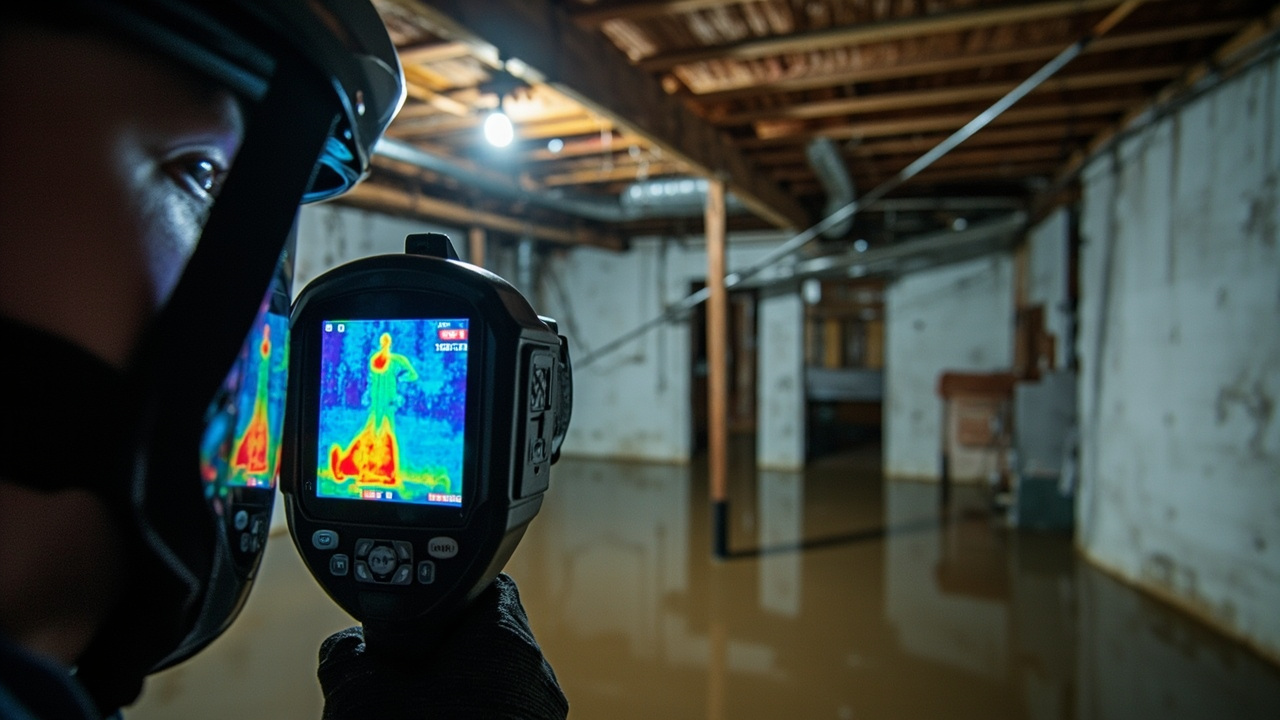
If you are standing in water in your Cypress basement, you are facing a race against time. The heavy clay soils around Cypress Creek and White Oak Bayou hold moisture long after the rain stops,…
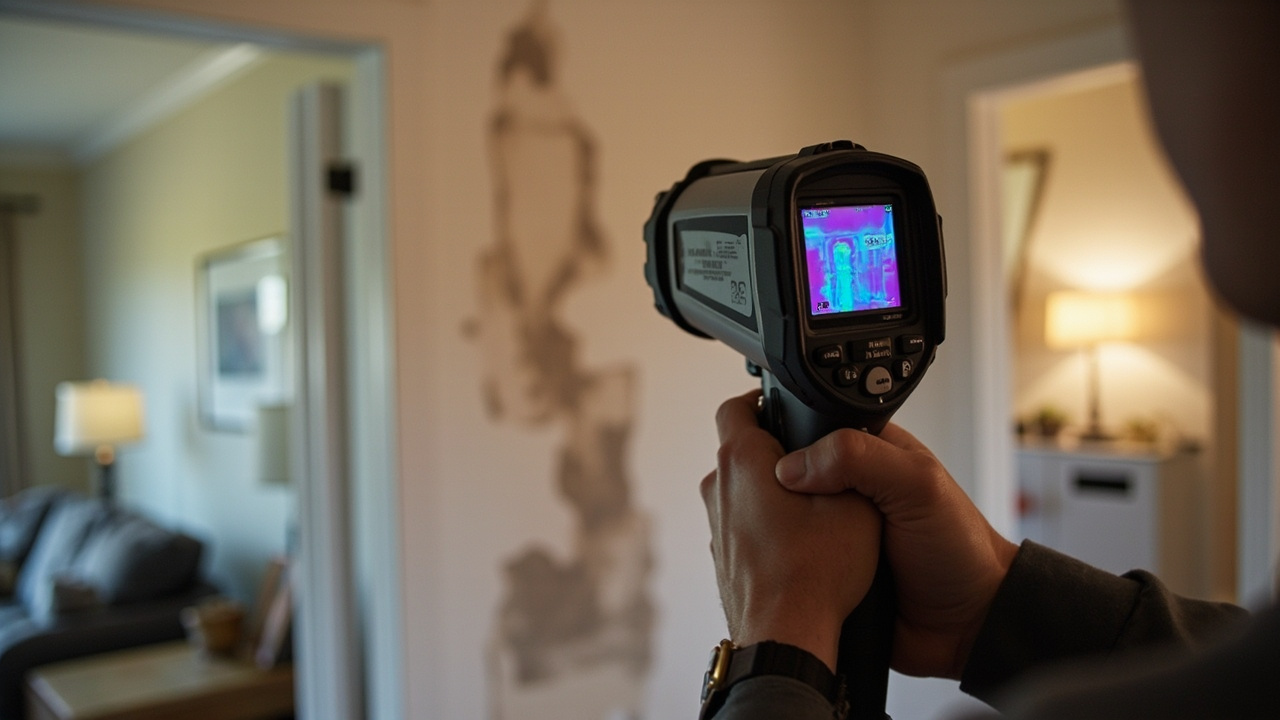
Houston humidity presents a constant struggle for homeowners across Harris County. In 2026, the weather…
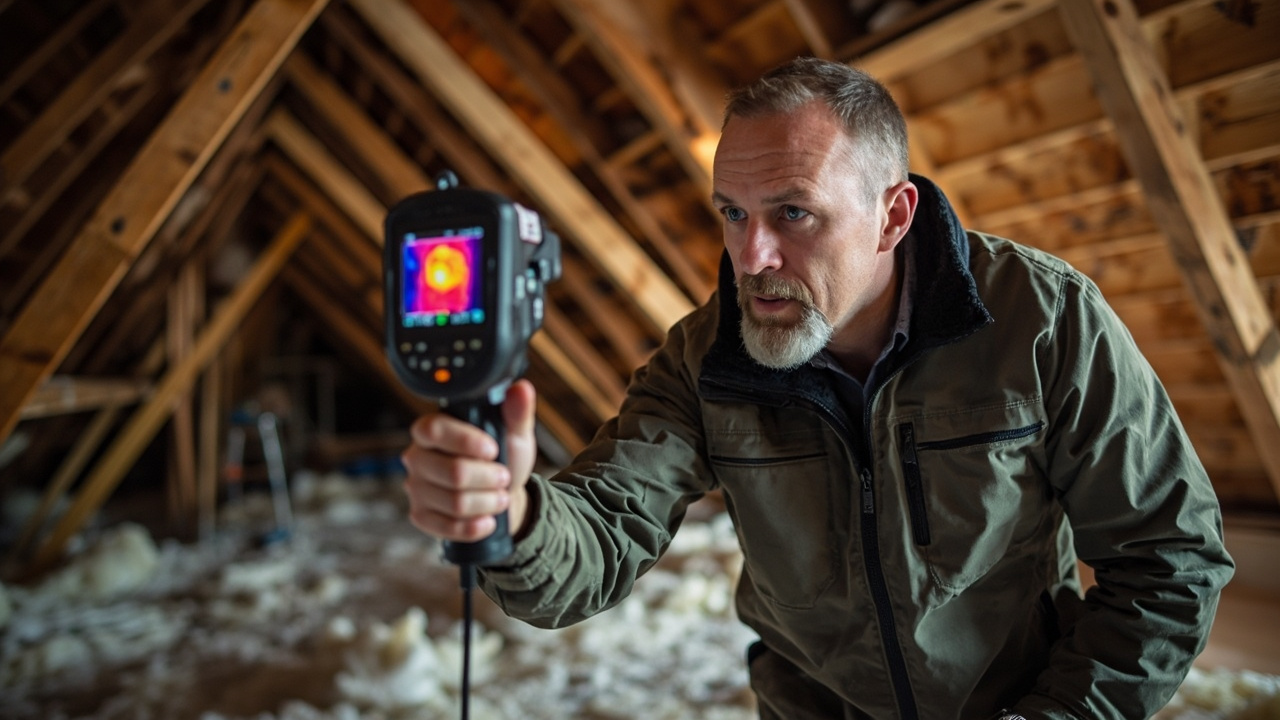
Dealing with Attic Water Damage from Leaky Roofs in KingwoodHomeowners in the Kingwood area face…

Why a Home Dehumidifier Cannot Save Your Third Ward Living Room from Water DamageYour Third…
Water spreads fast and damage accelerates every hour. Call Silverline Water Damage Restoration Houston now at (832) 336-3663 for emergency response. Our crews dispatch immediately to Sugar Land properties and stop flooding before mold takes hold.