





menu

Washing Machine Overflow Cleanup in Houston – 60-Minute Emergency Response to Stop Water Damage Now

Silverline Water Damage Restoration Houston dispatches certified crews within one hour to extract standing water, prevent mold growth, and restore your home after washing machine overflow emergencies.

Slider Image 1
Slider Image 2
Slider Image 3
Slider Image 4
Slider Image 5
Slider Image 7
Slider Image 8
Slider Image 9
Slider Image 10
Slider Image 11

Why Houston Homes Face Higher Risk from Washing Machine Floods

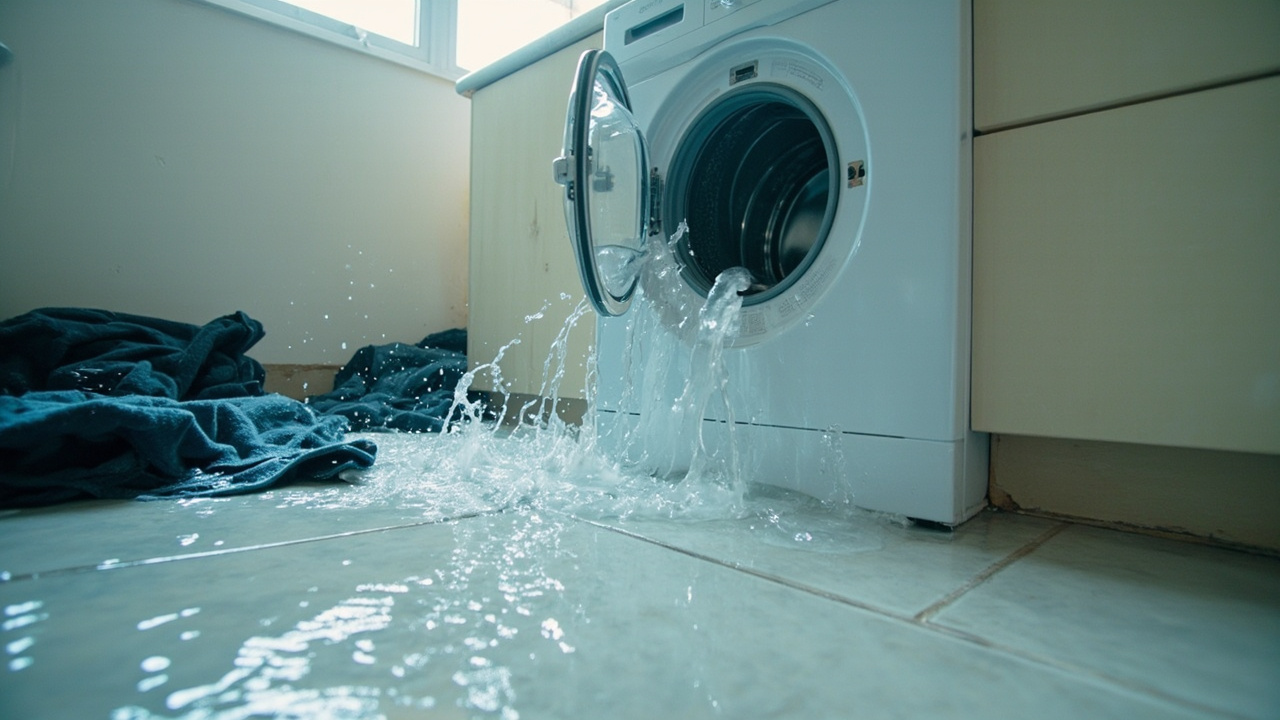
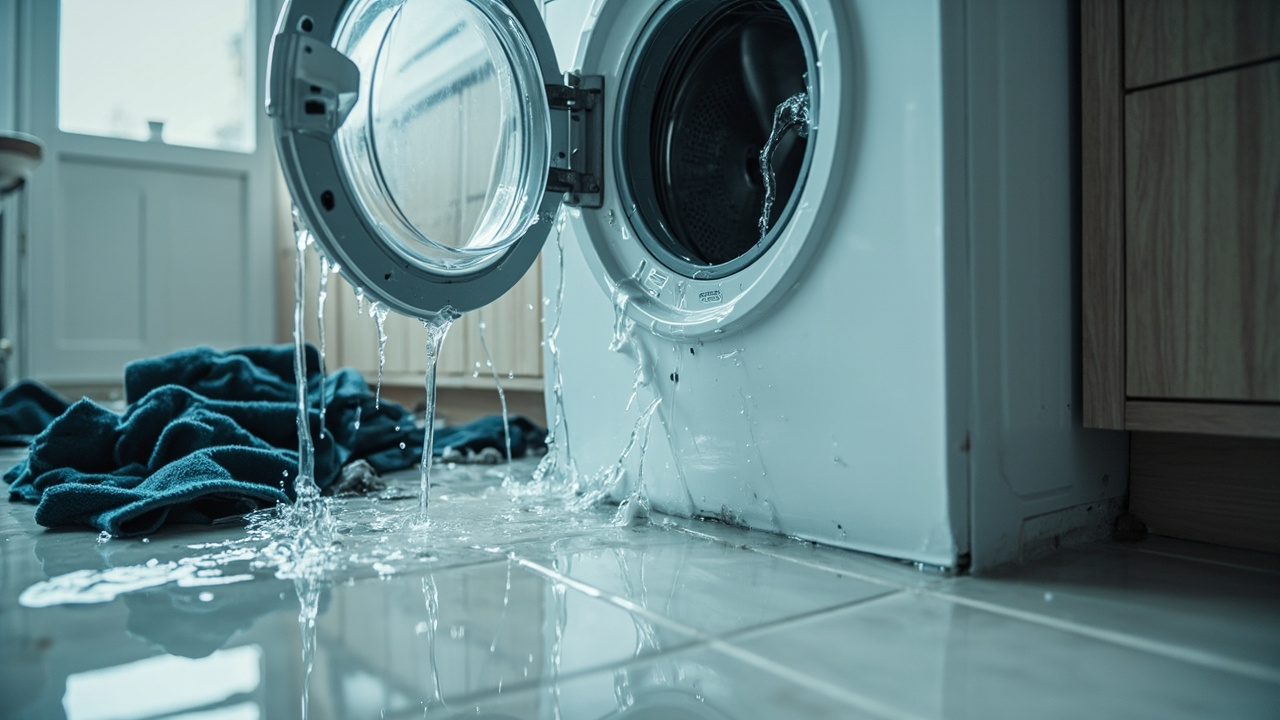
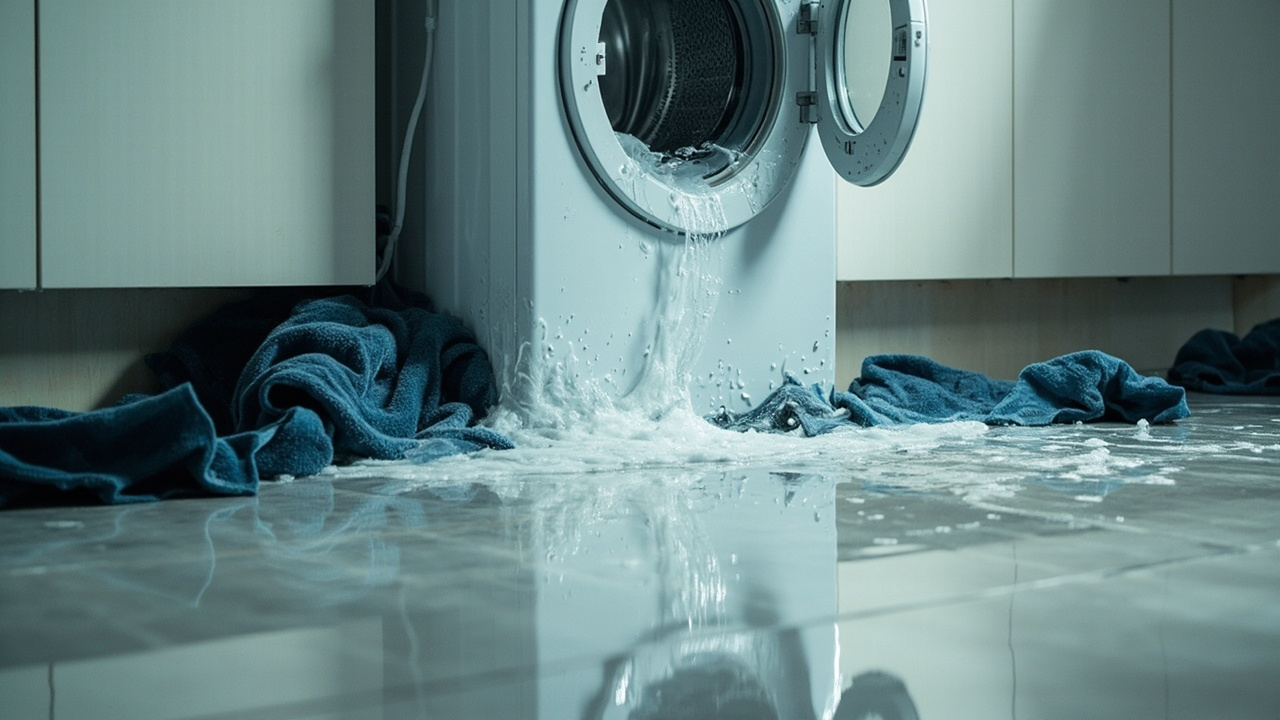
Your washing machine just flooded your laundry room. Water is spreading across hardwood floors, soaking into drywall, and pooling under cabinets. You need help right now.

Houston's high humidity makes washing machine overflow cleanup urgent. Within 24 hours, moisture trapped in walls and subflooring creates ideal conditions for mold colonization. The city's clay soil foundation shifts compound the problem. Many Houston homes built on pier and beam or slab foundations already have microscopic cracks where water infiltrates quickly.

Most washer floods release 30 to 50 gallons in minutes. A failed supply hose, stuck inlet valve, or damaged drain pump can dump water faster than your floor drains handle. In Houston's older neighborhoods like Montrose and the Heights, homes with original plumbing lack modern overflow protection. Water travels through joists, seeps into insulation, and saturates drywall you cannot see.

Emergency washer flood remediation is not about mopping up surface water. Professional laundry machine overflow water removal addresses hidden saturation that causes structural damage, electrical hazards, and respiratory problems. Houston's 90-degree summers and sealed air conditioning systems trap moisture inside walls for weeks.

You are facing a clock. Every hour increases restoration costs and health risks. Washing machine leak water extraction requires industrial equipment, moisture mapping, and controlled drying protocols that prevent secondary damage. This is not a DIY situation.

Why Houston Homes Face Higher Risk from Washing Machine Floods
How Professional Washer Water Damage Restoration Works in Houston

How Professional Washer Water Damage Restoration Works in Houston

Silverline Water Damage Restoration Houston uses a methodical approach designed for Houston's climate and housing stock.

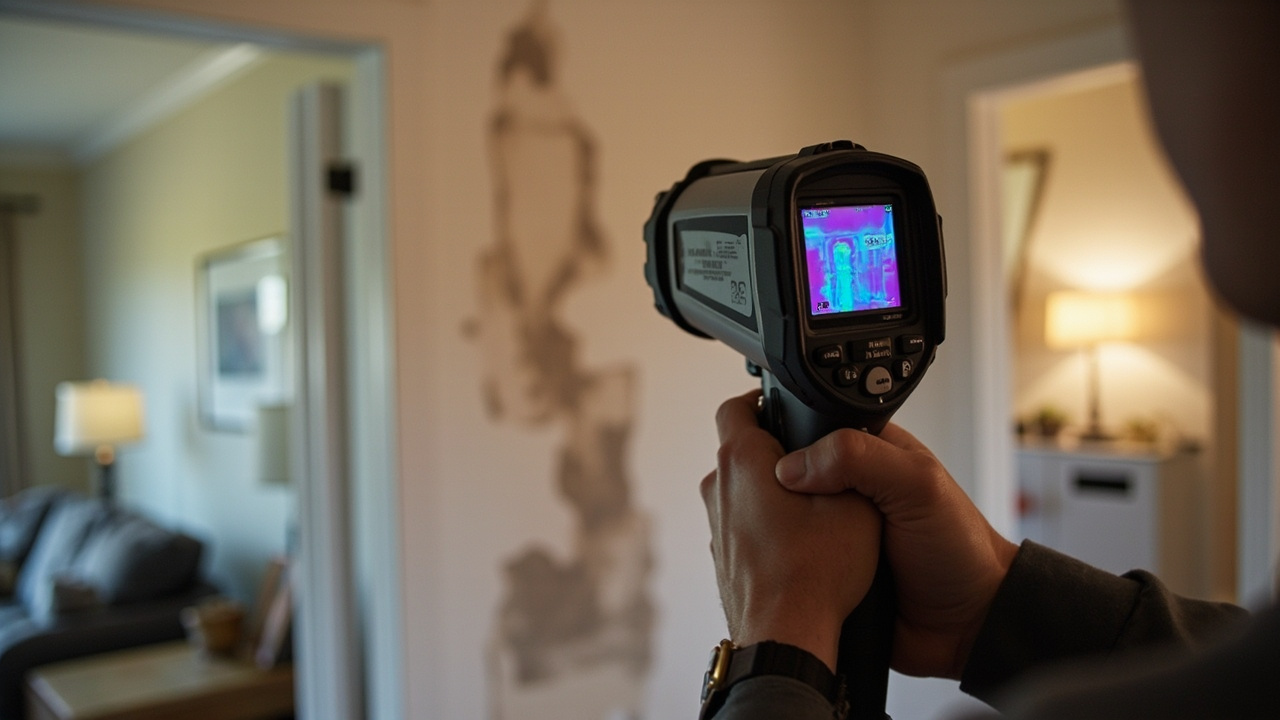
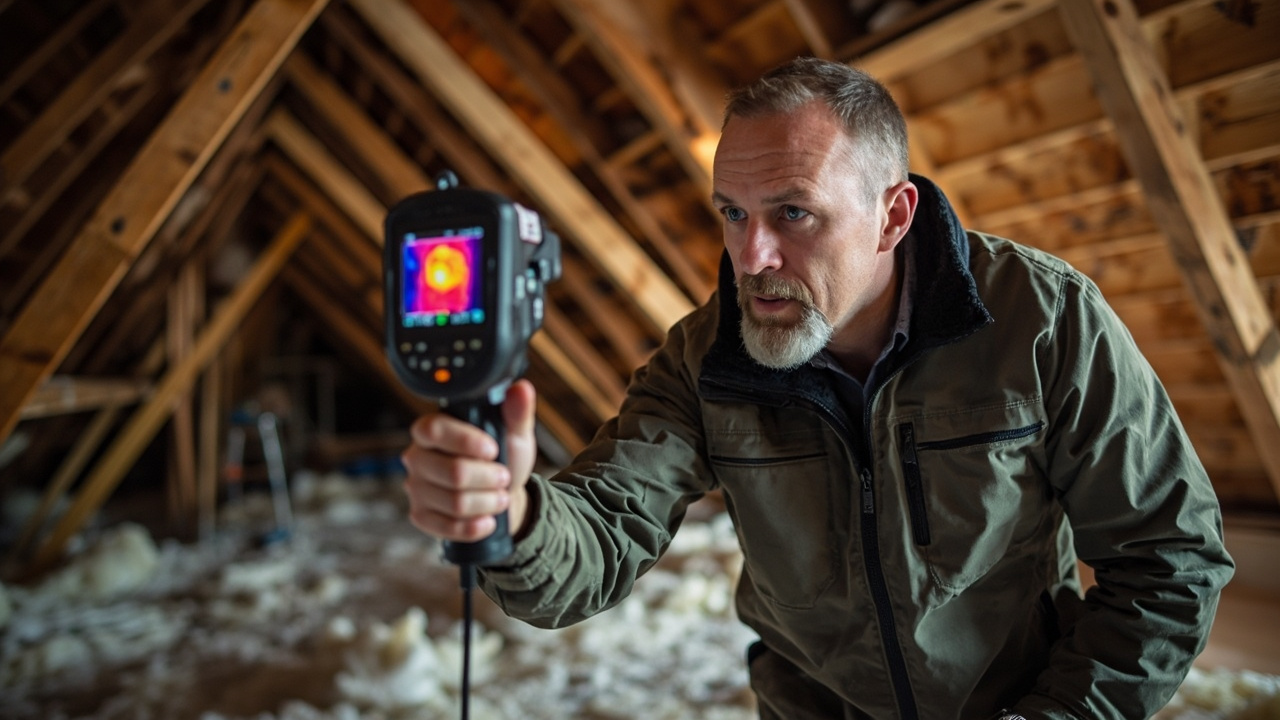
We arrive with truck-mounted extraction units that remove water faster than portable wet vacuums. Our technicians use thermal imaging cameras to identify moisture you cannot see. Water migrates laterally through wall cavities and subflooring. Surface dryness means nothing if your studs are saturated at 40 percent moisture content.

We measure moisture levels with pin-type and non-invasive meters calibrated to IICRC S500 standards. Every material has a specific dry standard. Drywall should measure below 15 percent. Hardwood flooring needs to drop below 12 percent. We document readings in each affected room to track drying progress and prove completion to insurance adjusters.

Our washing machine flood cleanup services include controlled demolition when necessary. We remove baseboards to access wall cavities, pull saturated insulation, and cut drywall flood cuts at precise heights. This is not destruction. It is surgical access to prevent total room gutting later.

We deploy low-grain refrigerant (LGR) dehumidifiers that pull moisture from materials faster than standard units. Houston's outdoor humidity hovers near 90 percent in summer. We create negative air pressure environments where moisture moves from wet materials into dry air, then gets expelled outside.

Air movers positioned at specific angles force airflow across wet surfaces and through wall cavities. We change positioning every 12 hours based on moisture readings. This is precision drying, not guesswork.

What Happens When You Call for Emergency Washer Cleanup

Washing Machine Overflow Cleanup in Houston – 60-Minute Emergency Response to Stop Water Damage Now
01

Immediate Water Extraction

Our crew arrives within 60 minutes and immediately deploys truck-mounted extractors to remove standing water from floors and carpets. We use weighted extraction wands that apply 500 PSI downward pressure to pull water from carpet padding and subflooring. Technicians also shut off your water supply to prevent additional flooding while we work.
02

Moisture Assessment and Mapping

We use thermal imaging and moisture meters to map water migration paths through your walls, ceilings, and floors. Technicians document moisture readings in each material and photograph affected areas. This data drives our drying strategy and provides documentation for insurance claims. We identify hidden saturation in wall cavities and under flooring that causes problems weeks later.
03

Controlled Structural Drying

We install commercial dehumidifiers and air movers in a calculated layout based on your home's airflow patterns and moisture load. Equipment runs continuously while technicians monitor moisture levels twice daily. We adjust equipment placement and settings until all materials reach dry standards. Most Houston homes reach full structural dryness in three to five days depending on saturation depth.

Why Houston Homeowners Choose Silverline for Washing Machine Disasters

Houston's housing diversity demands local expertise. We restore water damage in 1920s bungalows with pier and beam foundations, 1970s slab ranch homes, and modern two-story construction. Each foundation type requires different drying protocols.

Pier and beam homes need subfloor access and crawlspace ventilation. We inspect floor joists for saturation and mold growth that spreads quickly in Houston's humidity. Slab foundations require different extraction techniques because water cannot drain downward. We use injectable drying systems that pull moisture from concrete without demolition.

Our technicians understand how Houston's clay soil affects foundation drainage. When washing machines overflow, water follows the path of least resistance. In homes with foundation settlement or minor cracking, water travels along the slab perimeter and saturates exterior walls. We check these risk zones even when damage appears isolated to one room.

We work directly with major insurance carriers operating in Houston. Our estimators write scopes using Xactimate software that adjusters recognize and approve faster. We photograph every stage of restoration and provide moisture logs that satisfy claims documentation requirements.

Speed matters in emergencies, but so does doing it right. We follow IICRC S500 water damage restoration standards, not shortcuts. Our drying protocol prevents callbacks for mold remediation three months later. We measure final moisture content in every affected material and provide written certification that your home is dry and safe.

You are not hiring a carpet cleaning company with a water extractor. You are hiring certified water damage technicians who understand building science.

What to Expect During Your Washing Machine Overflow Restoration

Emergency Response Timeline

We answer calls 24 hours a day, every day. Our dispatch system routes the closest available crew to your location. Most Houston-area homes receive service within 60 minutes of your call. Technicians arrive in marked vehicles with extraction equipment already loaded. We start water removal immediately, not after a quote approval delay. The first 24 hours determine whether you face a minor cleanup or major reconstruction project.

Detailed Damage Assessment

After initial extraction, our project manager conducts a room-by-room assessment using moisture detection equipment. We test walls, floors, ceilings, and contents for saturation. You receive a written scope that explains what materials need drying, what requires removal, and what remains unaffected. We take hundreds of photos for insurance documentation. This assessment takes 45 to 90 minutes depending on your home size and flood extent.

Complete Structural Drying

Our goal is returning your home to pre-loss condition with zero hidden moisture. We do not pull equipment until moisture meters confirm dry standards in every affected material. You receive daily progress updates and can review moisture logs that show drying curves over time. Final certification includes material-specific moisture readings and thermal images showing complete drying. Your home will be structurally sound and ready for any necessary repairs.

Post-Restoration Support

After equipment removal, we provide a final walkthrough and answer questions about preventing future washing machine floods. We explain warning signs like supply hose wear, drain pump noise, and inlet valve failure. If reconstruction is needed, we coordinate with licensed contractors who restore flooring, drywall, and paint. We also offer optional mold testing and air quality verification for complete peace of mind. Our documentation package supports your insurance claim through final settlement.

Frequently Asked Questions

You Have Questions,
We Have Answers

How to clean a washing machine overflow pipe? +

Turn off the water supply to your washing machine immediately. Disconnect the overflow pipe from the machine and standpipe. Use a wet-dry vacuum to remove standing water inside the pipe. Run a plumber's snake through the pipe to break up clogs. Flush the pipe with hot water mixed with a small amount of dish soap. In Houston's humid climate, mold builds up quickly in these pipes. If you see black residue or the clog persists, call a water damage professional. Overflow pipes connect to your home's drain system. A persistent clog means deeper plumbing issues that need immediate attention.

How do you remove black mold from a washing machine rubber seal? +

Mix equal parts white vinegar and water in a spray bottle. Pull back the rubber seal and spray the solution directly on black mold. Let it sit for 10 minutes. Scrub with a stiff brush or old toothbrush. Wipe clean with a dry cloth. For stubborn mold common in Houston's humidity, make a paste with baking soda and water. Apply it to affected areas and scrub again. Never use bleach on rubber seals. Bleach breaks down rubber over time. After cleaning, leave the washer door open between loads to prevent mold from returning in our humid climate.

What to do if the washing machine overflows? +

Shut off the washing machine immediately. Do not try to restart the cycle. Turn off the water supply valves behind the machine. Move wet laundry to a dry area. Use towels to soak up standing water quickly. In Houston, even small overflows can cause subfloor damage and mold growth within 24 hours due to our high humidity. If water has spread beyond the immediate laundry area or soaked into drywall, call a water damage restoration company right away. Check for clogs in the drain hose or standpipe. Do not use the machine again until you identify and fix the cause.

How to clean up a washing machine flood? +

Act fast. Shut off the water supply and power to the machine. Remove standing water with towels, a mop, or a wet-dry vacuum. Pull the machine away from the wall to check for water under and behind it. In Houston, moisture trapped in tight spaces breeds mold fast due to our humidity. Use fans and dehumidifiers to dry the area completely within 24 hours. Check baseboards, drywall, and subflooring for saturation. If the flood reached carpets or soaked into walls, you need professional water extraction and drying equipment to prevent structural damage and mold.

Can I pour bleach down a washing machine drain pipe? +

Yes, but use it carefully. Pour one cup of bleach into the washing machine drum and run a hot water cycle. This cleans the drum and flushes the drain pipe. Do not pour bleach directly into the standpipe or overflow pipe connection. Bleach can damage older plumbing seals and pipes. In Houston, where mineral buildup from hard water is common, bleach can react with deposits and create clogs. If you smell sewer gas or see slow drainage after using bleach, stop immediately. Call a plumber. Never mix bleach with other cleaners. The fumes can be dangerous in enclosed laundry rooms.

How do you clean the overflow pipe? +

Disconnect the overflow pipe from the washing machine and standpipe. Use a flashlight to inspect inside for visible clogs or buildup. Insert a plumber's snake or auger into the pipe and push it through to break up blockages. Pull the snake out and flush the pipe with hot water. For stubborn clogs, use a wet-dry vacuum to suction debris from both ends. In Houston, lint and detergent residue combine with humidity to form thick blockages. If water still drains slowly after cleaning, the clog is deeper in your home's drain system. You need a plumber to camera-inspect the line.

What is the black gunk in a rubber seal washing machine? +

That black gunk is mold, mildew, soap scum, and detergent residue. Houston's high humidity accelerates this buildup. Water sits in the folds of the rubber seal after each wash cycle. If you do not wipe it dry or leave the door closed, mold grows fast. The gunk traps moisture and bacteria. It smells bad and can transfer to your clean clothes. To prevent it, wipe the seal dry after every load. Leave the washer door open between uses. Use high-efficiency detergent in the correct amount. Too much soap creates more residue.

What kills mold better, bleach or vinegar? +

Bleach kills mold faster on hard, non-porous surfaces. Vinegar penetrates porous materials better and prevents mold from returning. For washing machine rubber seals, vinegar is safer. Bleach breaks down rubber and releases toxic fumes in enclosed laundry rooms. Vinegar is non-toxic and works well in Houston's humid environment where mold returns quickly. For severe black mold on seals, use undiluted white vinegar. Spray it on, let it sit for an hour, then scrub. For tile or metal surfaces around the machine, a diluted bleach solution works faster. Never mix bleach and vinegar together.

Can vinegar damage the washing machine seal? +

No, vinegar does not damage washing machine seals when used correctly. White vinegar is acidic but mild. It breaks down soap scum and mold without harming rubber. Use distilled white vinegar, not cleaning vinegar or industrial-strength products. Spray it directly on the seal or pour two cups into the drum and run a hot cycle. In Houston, regular vinegar cleaning prevents the buildup that causes seal deterioration. What damages seals is bleach, harsh chemical cleaners, and trapped moisture. Always wipe seals dry after cleaning. Leave the door open between loads to extend seal life.

How to unblock washing machine drain pipe without taking machine apart? +

Pour boiling water down the standpipe to soften clogs. Follow with half a cup of baking soda and one cup of white vinegar. Let it fizz for 15 minutes. Flush with more hot water. For stubborn clogs, use a plumber's snake. Insert it into the standpipe and push it down to break up blockages. In Houston, lint and soap scum combine with hard water minerals to create tough clogs. If water still backs up, the blockage is deeper in your drain line. You need a professional to hydro-jet or camera-inspect the pipes. Do not ignore slow drains.

How Houston's Humidity Accelerates Mold Growth After Washer Floods

Houston's average relative humidity stays above 75 percent year-round, creating perfect conditions for rapid mold colonization after washing machine overflows. When indoor moisture combines with outdoor humidity, building materials never fully dry without mechanical intervention. Mold spores germinate within 24 to 48 hours on wet drywall, wood framing, and insulation. Professional laundry machine overflow water removal with dehumidification is critical because passive air drying fails in Houston's climate. Homes in neighborhoods near Buffalo Bayou, Brays Bayou, or other waterways face even higher ambient moisture that slows natural evaporation.

Silverline Water Damage Restoration Houston has restored flood damage in every major Houston neighborhood, from the Energy Corridor to Clear Lake. Our technicians understand how different construction eras affect water damage response. We know that homes built before 1980 often lack vapor barriers, making wall cavity drying more complex. We work with Houston's building inspection requirements and understand local permit needs for reconstruction work. Our relationships with insurance adjusters operating in Harris County, Fort Bend County, and Montgomery County help streamline claims approval and speed your return to normal life.
Water Damage Restoration Services in The Houston Area

Easily locate our service area and see how Silverline is strategically positioned to provide rapid water damage restoration services throughout Houston and its surrounding communities. Our commitment to prompt response means we're never far away when disaster strikes, ensuring your property gets the urgent care it needs, wherever you are within our service radius. We're here to serve you efficiently.

Address:
Silverline Water Damage Restoration Houston, 3730 Kirby Dr, Houston, TX, 77098

Additional Services We Offer

Our news updates

Latest Articles & News from The Blogs

Dealing with Attic Water Damage from Leaky Roofs in KingwoodHomeowners in the Kingwood area face significant moisture challenges due to…

Dealing with Attic Water Damage from Leaky Roofs in Kingwood

Dealing with Attic Water Damage from Leaky Roofs in KingwoodHomeowners in the Kingwood area face significant moisture challenges due to…

Why a Home Dehumidifier Cannot Save Your Third Ward Living Room from Water Damage

Why a Home Dehumidifier Cannot Save Your Third Ward Living Room from Water DamageYour Third Ward home faces unique challenges…

Planning Your Tropical Storm Recovery Strategy for League City and Bay Area Residences

Planning Your Tropical Storm Recovery Strategy for League City and Bay Area Residences Living in the Houston Bay Area during…

Contact Us

Every minute counts when water is spreading through your home. Call Silverline Water Damage Restoration Houston right now at (832) 336-3663. Our emergency crews are standing by 24 hours a day to stop the damage and start restoration.