





menu

Risks of DIY Water Cleanup in Houston – Why Amateur Restoration Leads to Mold, Structural Damage, and Costly Repairs

Understanding the dangers of DIY water damage restoration protects your home from hidden hazards that most homeowners miss during amateur cleanup attempts in Houston's humid climate.

Slider Image 1
Slider Image 2
Slider Image 3
Slider Image 4
Slider Image 5
Slider Image 7
Slider Image 8
Slider Image 9
Slider Image 10
Slider Image 11

Why DIY Water Cleanup Fails in Houston's Climate

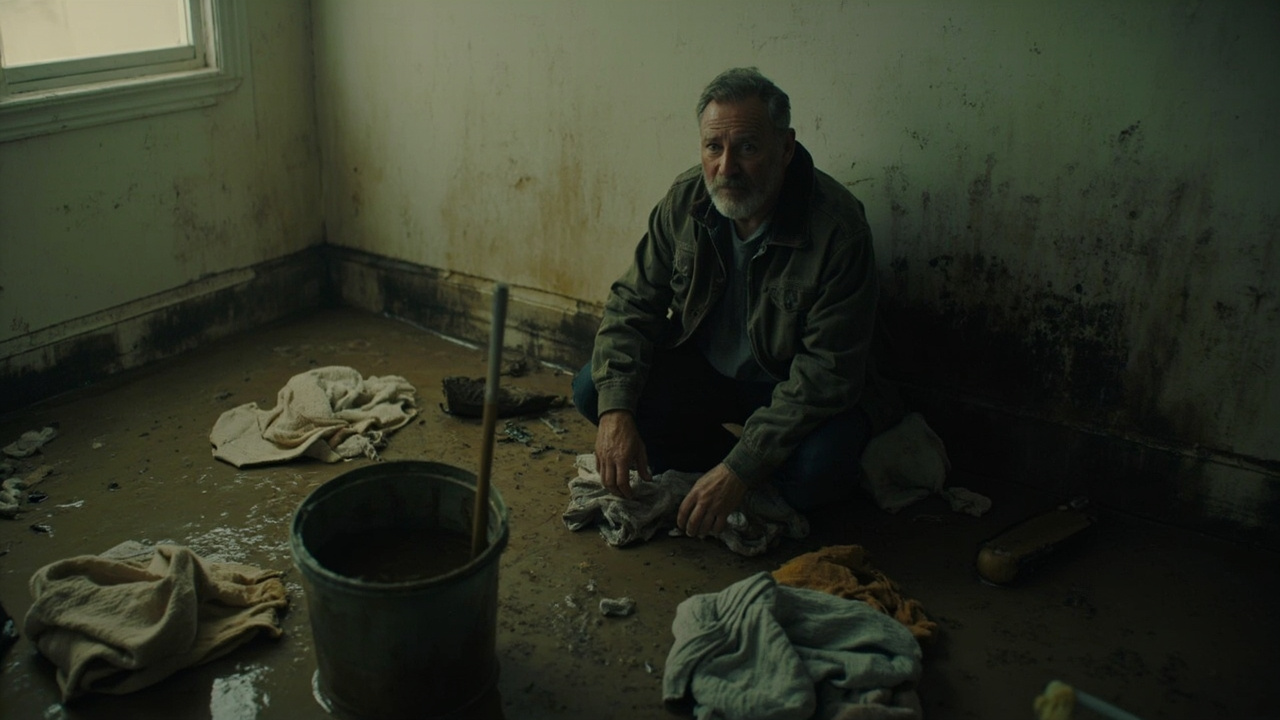
You watched the YouTube tutorial. You rented a shop vac from the hardware store. The surface water is gone, and you think the problem is solved.

It is not.

Houston's subtropical humidity creates a perfect environment for mold growth within 24 to 48 hours of water exposure. The ambient moisture in the air slows evaporation, which means water stays trapped in wall cavities, subfloors, and insulation longer than in drier climates. When you remove visible water but leave moisture behind, you create ideal conditions for microbial growth and structural rot.

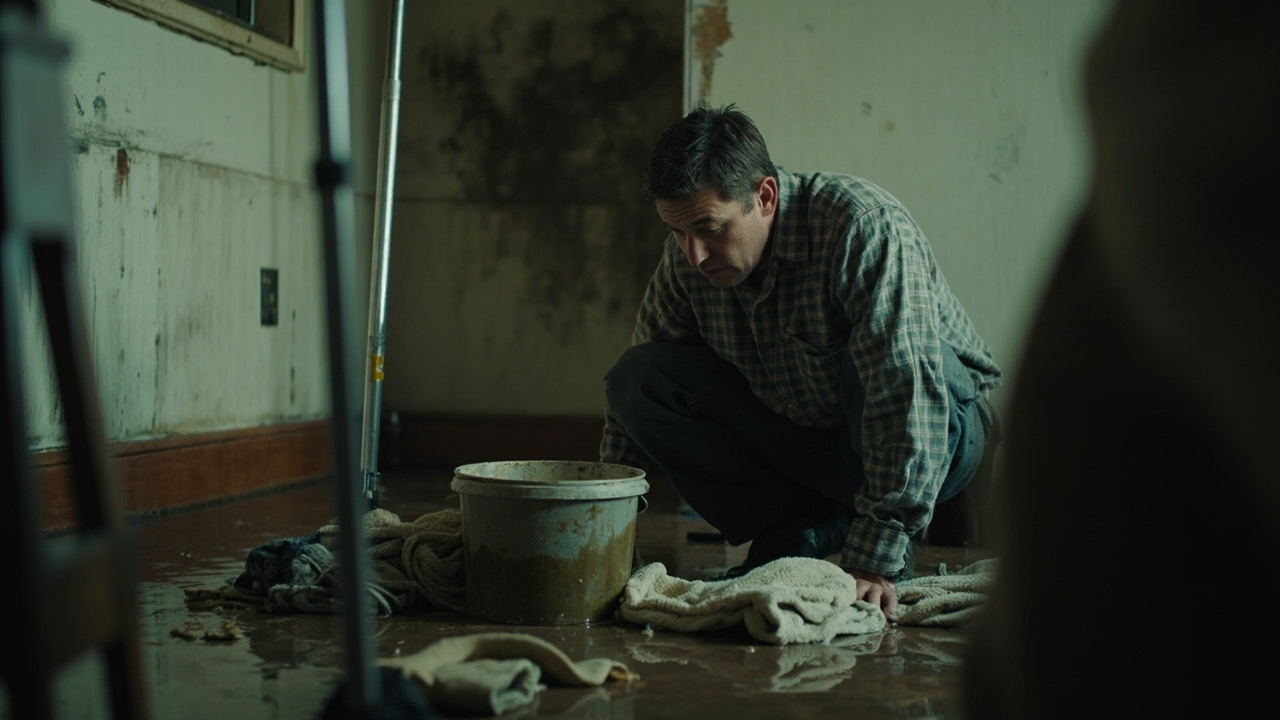
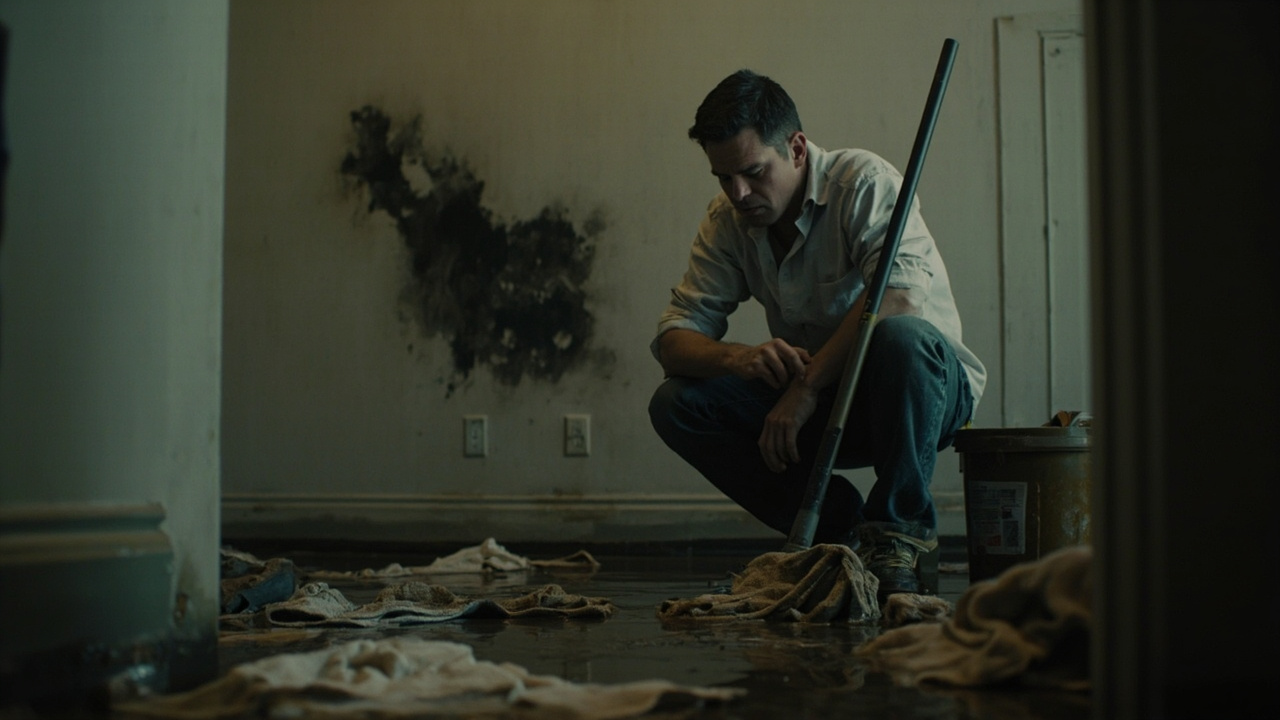
The dangers of DIY water damage restoration become clear when homeowners discover black mold blooming behind baseboards three weeks after they thought the cleanup was finished. The hazards of do-it-yourself water removal extend beyond what you can see. Consumer-grade equipment cannot detect moisture content in building materials. You may dry the carpet but miss the soaked padding underneath, or wipe down drywall without realizing the insulation behind it is saturated.

The consequences of amateur water cleanup often appear months later. Wood framing weakens. Electrical systems corrode. Insurance claims get denied because improper mitigation created secondary damage that voided coverage.

Houston's clay soil shifts constantly, which means foundation cracks and plumbing failures are common. When water enters your home through these pathways, it often travels laterally through concrete slabs and up into walls. Without thermal imaging and moisture meters, you cannot track the full extent of intrusion. The hidden risks of self-managed water mitigation compound over time, turning a manageable incident into a structural crisis.

The pitfalls of DIY water extraction are not about effort. They are about equipment, knowledge, and understanding how water behaves in Houston's unique environment.

Why DIY Water Cleanup Fails in Houston's Climate
How Professional Water Damage Restoration Protects Your Property

How Professional Water Damage Restoration Protects Your Property

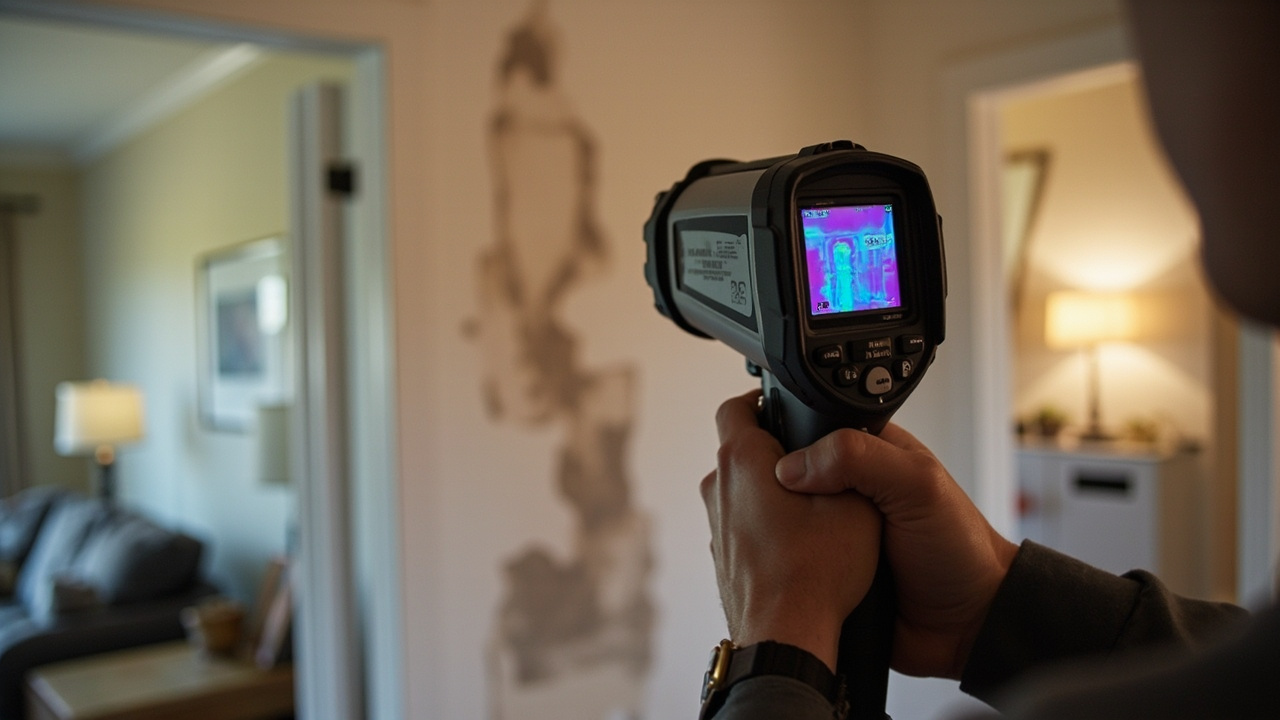
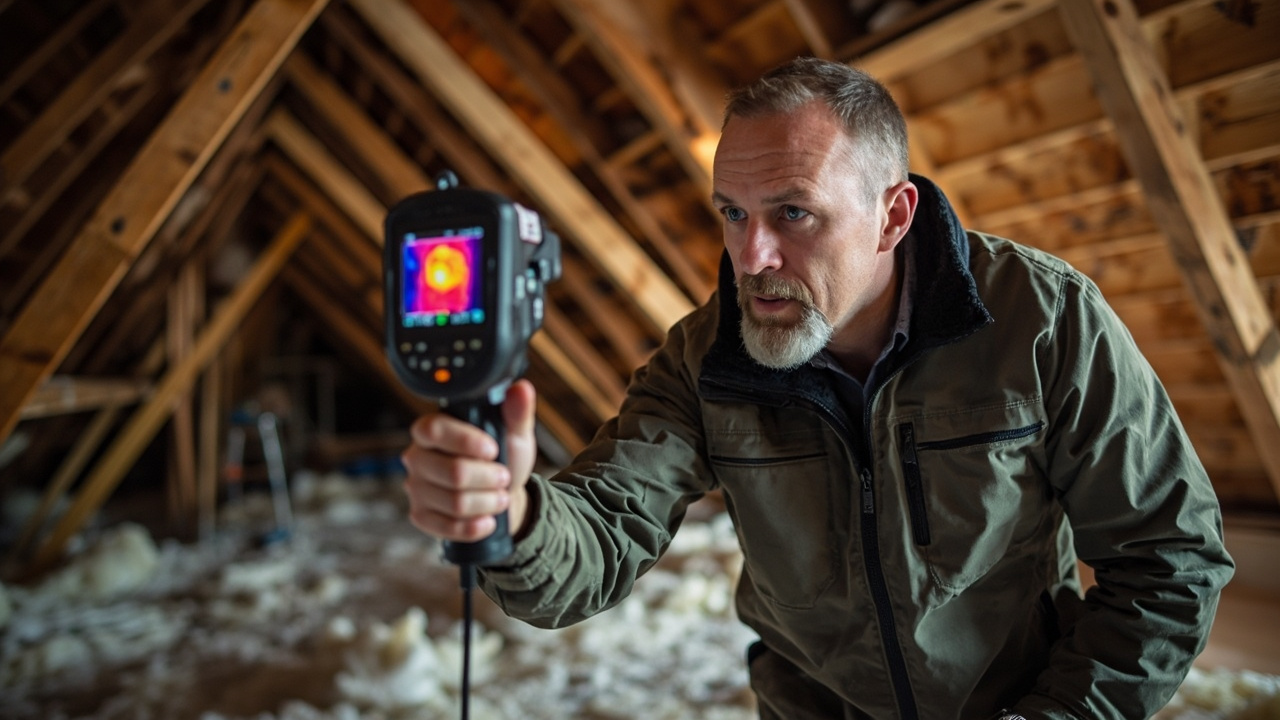
Professional water damage restoration starts with accurate moisture mapping. Technicians use infrared cameras to identify thermal signatures that indicate water presence behind surfaces. Moisture meters measure water content in wood, drywall, and concrete to establish baseline readings and track drying progress. This is not guesswork.

Extraction equipment matters. Truck-mounted extraction units pull exponentially more water than portable shop vacs. Submersible pumps handle standing water in basements and crawl spaces. Low-grain refrigerant dehumidifiers pull moisture from the air at rates consumer units cannot match, which is critical in Houston's high-humidity environment where ambient moisture fights against drying efforts.

Air movement drives evaporation. Professionals position axial fans and centrifugal air movers to create airflow patterns that pull moisture from materials and into the dehumidification stream. Placement follows psychrometric principles, not random positioning. The goal is to manipulate vapor pressure gradients to accelerate drying.

Containment prevents cross-contamination. If the water source is Category 2 (gray water from appliances) or Category 3 (black water from sewage or flooding), proper containment and antimicrobial treatment prevent pathogens from spreading through HVAC systems. DIY methods rarely account for contamination levels.

Structural drying requires monitoring. Daily moisture readings track progress and identify materials that are not drying properly. If subfloor moisture levels plateau, it signals trapped water that requires more aggressive intervention like flood cuts or selective demolition. Professionals document the entire process for insurance claims.

Silverline Water Damage Restoration Houston uses commercial-grade equipment and follows IICRC S500 standards for water damage restoration. The methods are not proprietary. They are science-based protocols designed to prevent the exact failures that plague DIY attempts.

What Happens During Professional Water Damage Assessment

Risks of DIY Water Cleanup in Houston – Why Amateur Restoration Leads to Mold, Structural Damage, and Costly Repairs
01

Moisture Detection and Mapping

Technicians use thermal imaging cameras to scan walls, ceilings, and floors for temperature differentials that indicate moisture presence. Moisture meters provide quantitative readings in wood framing, drywall, and concrete. This data creates a moisture map that shows the full scope of water intrusion, including areas not visible to the eye. Documentation establishes baseline conditions for tracking drying progress and supports insurance claims.
02

Water Extraction and Removal

Truck-mounted extraction units remove standing water from carpets, padding, and hard surfaces. Submersible pumps handle deeper water in basements or crawl spaces. Technicians extract water-damaged materials like soaked insulation or delaminated drywall that cannot be salvaged. Extraction reduces overall moisture load, which shortens drying time and prevents secondary damage. Speed matters because every hour of moisture exposure increases mold risk in Houston's humid climate.
03

Drying and Dehumidification Monitoring

Industrial dehumidifiers and air movers run continuously to pull moisture from materials and air. Technicians monitor moisture levels daily using meters, adjusting equipment placement and drying parameters based on progress. Drying continues until moisture content returns to pre-loss levels, typically 7 to 10 days depending on materials and extent of saturation. Final documentation confirms drying goals were met and the structure is ready for reconstruction.

Why Local Expertise Matters for Houston Water Damage

Houston experiences unique water damage triggers that require local knowledge. Hurricane season brings storm surge and flooding. Tropical storms dump inches of rain in hours, overwhelming drainage systems and causing street flooding that enters homes through foundation cracks and garage doors. The clay soil expands when wet and contracts when dry, which shifts foundations and cracks slab plumbing.

High humidity year-round means evaporation rates are slower than in arid climates. Water trapped in building materials takes longer to dry, which increases mold risk and requires more aggressive dehumidification strategies. Professionals familiar with Houston conditions know how to calibrate equipment for local climate factors.

Building codes and insurance requirements vary by jurisdiction. Harris County has specific regulations for flood zone construction and drainage. Insurance carriers operating in Texas require specific documentation and mitigation timelines for claims approval. Local water damage restoration companies understand these requirements and structure their processes accordingly.

Response time determines outcome. When a pipe bursts at 2 a.m., you need a crew that can arrive within hours, not the next business day. Silverline Water Damage Restoration Houston operates 24/7 because water damage does not wait for convenient hours. Local teams reduce response time, which reduces damage severity.

Community reputation matters. Companies that operate in Houston for years build relationships with insurance adjusters, plumbers, and reconstruction contractors. This network speeds the restoration process and ensures continuity of care from emergency mitigation through final repairs.

Choosing a local water damage restoration provider means working with professionals who understand Houston's climate, building stock, and regulatory environment. This is not a service you want delivered by someone learning your city on the job.

What to Expect When You Call for Professional Water Cleanup

Immediate Response and Arrival

Water damage worsens by the hour. Professional restoration companies dispatch crews immediately, with arrival times typically within 60 to 90 minutes for emergency calls in the Houston metro area. Technicians arrive with extraction equipment, moisture detection tools, and containment materials ready to begin mitigation. The goal is to stop damage progression as quickly as possible. Response speed directly impacts final restoration costs because early intervention prevents secondary damage like mold growth and structural deterioration. Availability matters, which is why reputable companies operate 24 hours a day, 7 days a week.

Comprehensive Damage Assessment

The initial assessment determines the scope of work and guides the mitigation strategy. Technicians inspect all affected areas, measure moisture levels in building materials, identify the water source and category, and document findings with photos and written reports. Thermal imaging reveals hidden moisture in wall cavities and ceilings that visual inspection misses. The assessment includes a detailed estimate for insurance purposes and explains the drying process timeline. You receive a clear explanation of what needs to happen, why it needs to happen, and how long it will take. Transparency during assessment prevents surprises later in the process.

Complete Structural Drying

Drying is not complete when surfaces feel dry to the touch. Professional restoration achieves structural drying, which means moisture content in all building materials returns to pre-loss levels. Industrial dehumidifiers and air movers run continuously, with daily monitoring to track progress. Technicians adjust equipment placement and settings based on moisture readings to optimize drying efficiency. The process typically takes 3 to 10 days depending on the extent of water intrusion and materials affected. Final verification includes moisture meter readings that confirm drying goals were met. Proper drying prevents mold growth, wood rot, and long-term structural issues that emerge from incomplete moisture removal.

Insurance Coordination and Documentation

Professional water damage restoration companies handle insurance communication and provide the documentation carriers require for claims approval. This includes detailed moisture logs, equipment logs, photo documentation of affected areas, and scope of work estimates. Technicians understand what insurance adjusters need to see and structure reports accordingly. Many companies work directly with insurance carriers and accept assignment of benefits, which means you do not pay out of pocket and wait for reimbursement. Proper documentation protects your claim and ensures you receive the coverage you are entitled to. The restoration company becomes your advocate in the claims process.

Frequently Asked Questions

You Have Questions,
We Have Answers

Why Houston Humidity Amplifies DIY Water Cleanup Failures

Houston averages 75% relative humidity year-round, with summer months frequently exceeding 90% humidity. This ambient moisture slows evaporation rates dramatically compared to drier climates. When you attempt DIY water cleanup using fans and consumer dehumidifiers, you are fighting against an environment that actively resists drying. Water trapped in building materials stays wet longer, which gives mold spores time to colonize. The subtropical climate also means airborne mold spores are abundant outdoors, waiting to exploit wet conditions indoors. The consequences of amateur water cleanup in Houston are more severe than in low-humidity regions because the climate works against you at every step.

Water damage restoration in Houston requires understanding local building construction and climate interaction. Many homes built on concrete slabs have limited crawl space access, which complicates subfloor drying when water intrusion occurs. Professionals familiar with Houston construction know where moisture hides and how to access it. Local expertise also means understanding which insurance carriers operate in the Houston market and what documentation they require for claims approval. Choosing a restoration company with established relationships in the Houston community ensures smoother claims processing and faster restoration timelines.
Water Damage Restoration Services in The Houston Area

Easily locate our service area and see how Silverline is strategically positioned to provide rapid water damage restoration services throughout Houston and its surrounding communities. Our commitment to prompt response means we're never far away when disaster strikes, ensuring your property gets the urgent care it needs, wherever you are within our service radius. We're here to serve you efficiently.

Address:
Silverline Water Damage Restoration Houston, 3730 Kirby Dr, Houston, TX, 77098

Additional Services We Offer

Our news updates

Latest Articles & News from The Blogs

Houston humidity presents a constant struggle for homeowners across Harris County. In 2026, the weather patterns continue to create high…

Why Houston Families Trust Our Certified Mold Inspection Services for Local Homes

Houston humidity presents a constant struggle for homeowners across Harris County. In 2026, the weather patterns continue to create high…

Dealing with Attic Water Damage from Leaky Roofs in Kingwood

Dealing with Attic Water Damage from Leaky Roofs in KingwoodHomeowners in the Kingwood area face significant moisture challenges due to…

Why a Home Dehumidifier Cannot Save Your Third Ward Living Room from Water Damage

Why a Home Dehumidifier Cannot Save Your Third Ward Living Room from Water DamageYour Third Ward home faces unique challenges…

Contact Us

Water damage worsens every hour you wait. Call Silverline Water Damage Restoration Houston at (832) 336-3663 for immediate response and expert mitigation. We operate 24/7 and arrive ready to stop damage progression and protect your property.