





menu

Commercial Mold Remediation in Houston – Minimize Downtime and Protect Your Business Assets

Industrial-grade commercial mold abatement and mitigation services engineered to restore operations fast, ensure regulatory compliance, and prevent recurring contamination in Houston's high-humidity commercial environments.

Slider Image 1
Slider Image 2
Slider Image 3
Slider Image 4
Slider Image 5
Slider Image 7
Slider Image 8
Slider Image 9
Slider Image 10
Slider Image 11

Houston's Climate Creates Year-Round Mold Risk for Commercial Properties

Houston's subtropical humidity and frequent flooding events create ideal conditions for mold colonization in commercial buildings. When relative humidity exceeds 60 percent for extended periods, mold spores proliferate on ceiling tiles, HVAC ductwork, drywall, and insulation. A single water intrusion event from roof leaks, pipe failures, or storm damage can trigger widespread contamination within 24 to 48 hours.

Commercial mold removal is not a cosmetic issue. Mold releases mycotoxins that degrade indoor air quality, trigger occupational health complaints, and expose property owners to liability. In office buildings, warehouses, healthcare facilities, and retail spaces, unaddressed mold can force temporary closures, violate lease agreements, and complicate insurance claims.

Houston's older commercial districts face additional risk. Buildings constructed before modern vapor barrier standards often trap moisture in wall cavities, and flat roofs common in industrial zones allow ponding water to penetrate roof membranes. The clay soil beneath Houston shifts with seasonal moisture changes, cracking slab foundations and creating pathways for groundwater intrusion.

Business mold remediation requires coordination with operations schedules, containment protocols to prevent cross-contamination, and documentation to satisfy insurers and regulatory bodies. Commercial mold mitigation is not a weekend project. It demands specialized equipment, trained technicians, and an understanding of building systems. Delaying action increases spore concentration, expands the affected area, and escalates abatement costs. Commercial mold cleanup must address the source, not just the symptoms, to prevent recurrence.

Houston's Climate Creates Year-Round Mold Risk for Commercial Properties
Silverline's Containment and Remediation Protocol for Commercial Facilities

Silverline's Containment and Remediation Protocol for Commercial Facilities

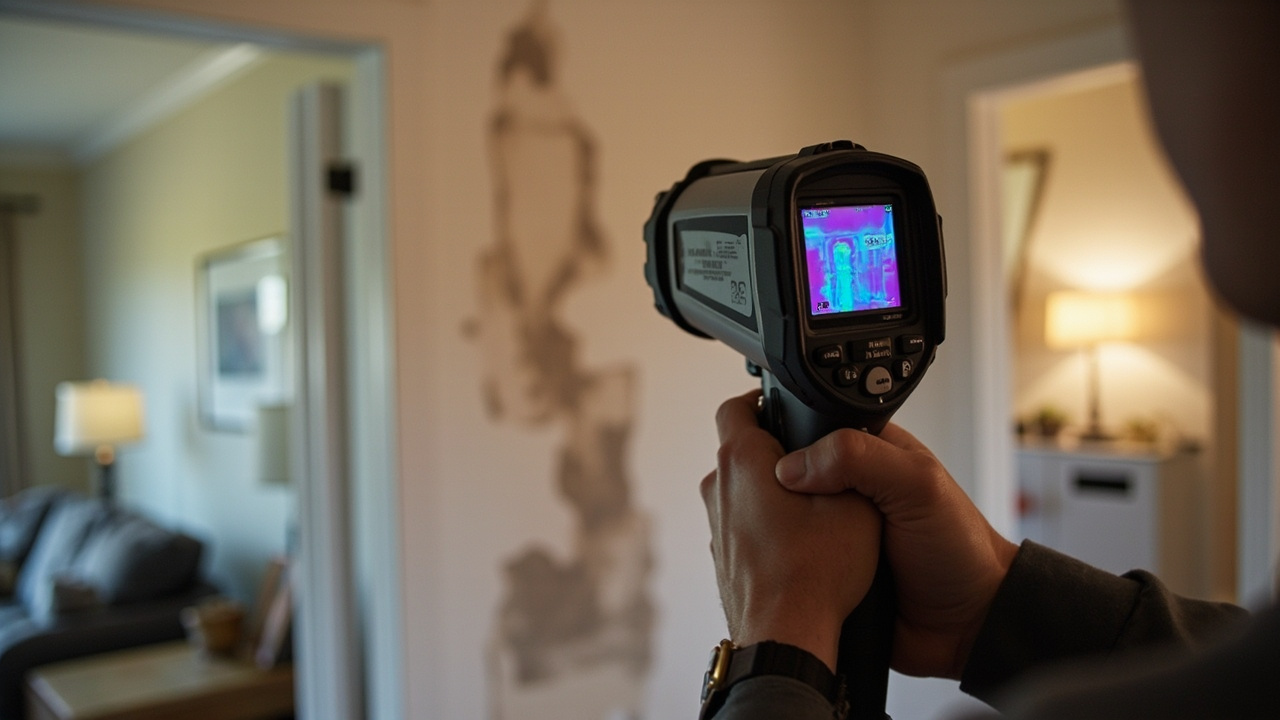
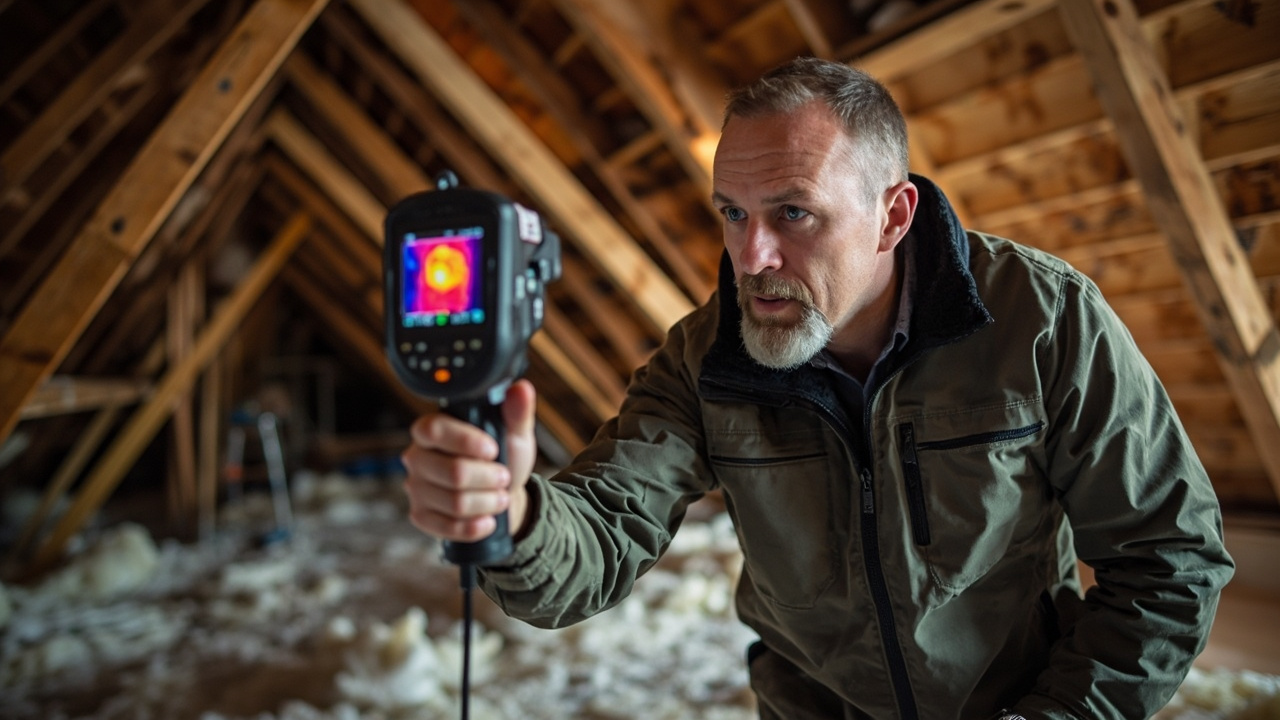
Commercial mold abatement begins with source identification and moisture mapping. We deploy thermal imaging cameras and hygrometers to locate hidden moisture reservoirs behind walls, above ceilings, and beneath flooring. Mold growth is always secondary to water intrusion. Treating the mold without correcting the moisture source guarantees recurrence.

Once the source is identified, we establish negative air containment zones using polyethylene barriers and HEPA-filtered air scrubbers. This prevents airborne spore migration to unaffected areas during demolition and removal. In occupied buildings, we schedule work during off-hours or stage remediation by zone to minimize operational disruption.

We remove contaminated materials using controlled demolition techniques. Porous materials like drywall, insulation, and ceiling tiles cannot be salvaged and must be bagged and disposed of per EPA guidelines. Non-porous surfaces such as metal ductwork and concrete are treated with antimicrobial agents and HEPA-vacuumed to remove residual spores.

After material removal, we treat all affected structural surfaces with EPA-registered fungicides. HVAC systems receive specialized attention. Ductwork is cleaned using rotary brush systems and negative air machines, and filters are replaced. Coil cleaning removes biofilm that harbors spore colonies.

Post-remediation verification includes air quality testing and surface sampling to confirm spore counts have returned to baseline levels. We provide documentation packages that include moisture readings, photographic evidence, and third-party lab results. This documentation is critical for insurance claims, tenant disputes, and regulatory compliance. Commercial mold mitigation is a technical process that requires precision, not speed.

What Happens During Your Commercial Mold Remediation Project

Commercial Mold Remediation in Houston – Minimize Downtime and Protect Your Business Assets
01

Site Assessment and Containment

We conduct a facility walkthrough to map contamination zones, identify moisture sources, and assess HVAC involvement. Thermal imaging reveals hidden water damage. We then establish containment barriers using negative air pressure to isolate affected areas. This prevents spore migration during demolition and protects employees and inventory. Air scrubbers with HEPA filtration run continuously to capture airborne particulates.
02

Controlled Demolition and Treatment

Contaminated materials are removed using wet methods to suppress dust. Porous materials like insulation and drywall are bagged and disposed of. Non-porous surfaces are cleaned with antimicrobial solutions and HEPA-vacuumed. HVAC ducts are mechanically cleaned, and coils are degreased to remove biofilm. All structural cavities are treated with fungicide to eliminate residual spores. We document each phase with time-stamped photography for insurance and compliance records.
03

Verification and Clearance Testing

After remediation, we conduct post-clearance air sampling and surface testing through accredited third-party labs. Results are compared to outdoor baseline samples to verify indoor spore counts have normalized. We provide a comprehensive report including moisture readings, lab results, and photographic documentation. This package satisfies insurance adjusters, property managers, and regulatory agencies. The space is cleared for reoccupancy only after laboratory confirmation of safe air quality.

Why Houston Businesses Choose Silverline for Commercial Mold Projects

Houston's commercial building stock varies from mid-century warehouses in the East End to modern office towers in the Energy Corridor. Each structure presents unique remediation challenges. We have worked in healthcare facilities where containment protocols must meet infection control standards, in food processing plants where USDA compliance is mandatory, and in Class A office buildings where after-hours scheduling prevents tenant disruption.

Local building codes in Houston require specific ventilation rates and moisture control measures. We coordinate with city inspectors and understand Harris County permitting requirements for structural modifications that often accompany large-scale mold abatement. Our technicians hold IICRC certifications in applied microbial remediation and water damage restoration, and we maintain commercial liability coverage that meets the requirements of property management firms and commercial lease agreements.

Houston's flat topography and frequent tropical storms mean flood risk is a constant consideration. We have remediated properties after Hurricane Harvey, after freeze events that burst sprinkler systems, and after routine plumbing failures in aging infrastructure. This experience informs our approach. We do not just remove visible mold. We address the underlying building deficiencies that allowed colonization in the first place.

We also understand business continuity. Downtime is revenue loss. We stage projects to minimize operational impact, coordinate with tenant schedules, and work within the constraints of active facilities. Our project managers provide daily progress updates and maintain open communication with property owners, facility managers, and insurance adjusters. Commercial mold remediation is as much about logistics and coordination as it is about technical execution.

What to Expect During Your Commercial Mold Remediation Project

Project Timeline and Scheduling

Commercial projects range from single-day interventions for isolated HVAC mold to multi-week efforts for building-wide contamination. Timeline depends on square footage, extent of structural involvement, and occupancy constraints. We provide a detailed project schedule after the initial assessment, including milestones for containment, demolition, treatment, and clearance testing. For occupied buildings, we schedule disruptive work during off-hours or weekends. Expedited timelines are available for emergency situations where health risks or lease violations require immediate action. We coordinate with your operations team to minimize disruption.

Initial Inspection and Scope Development

The assessment begins with a visual inspection, moisture mapping using thermal cameras, and air quality sampling. We inspect HVAC systems, roof penetrations, plumbing chases, and exterior envelope for moisture intrusion points. Borescope cameras examine wall cavities and above-ceiling spaces without demolition. We then develop a written scope of work that details affected areas, proposed containment strategy, material removal requirements, and clearance testing protocols. This document serves as the basis for insurance claims and contractor bidding. We provide transparent cost breakdowns by phase so you can make informed decisions about scope and timing.

Final Deliverables and Documentation

You receive a comprehensive project closeout package that includes pre-remediation and post-remediation photographs, moisture logs, air sample lab reports, surface sample results, and material disposal manifests. This documentation is required for insurance claim settlement, tenant disclosures, and regulatory filings. All lab testing is conducted by independent accredited laboratories to ensure impartiality. We also provide a written summary of corrective actions taken to address the moisture source, along with recommendations for preventing recurrence. This deliverable package satisfies due diligence requirements for property transactions and lease renewals.

Post-Remediation Monitoring and Prevention

Mold remediation is effective only if the underlying moisture problem is resolved. We offer post-project monitoring services that include follow-up moisture readings at 30-day intervals and annual air quality testing to verify long-term clearance. For high-risk facilities, we install wireless humidity sensors that alert facility managers when conditions favor mold growth. We also provide written maintenance protocols for HVAC filter replacement, roof drainage inspection, and plumbing system monitoring. These preventive measures reduce the likelihood of recurrence and protect your investment in remediation. Ongoing monitoring is especially valuable for properties with prior mold history or buildings in flood-prone zones.

Frequently Asked Questions

You Have Questions,
We Have Answers

What do professionals use for mold remediation? +

Professionals use HEPA-filtered negative air machines to contain mold spores, antimicrobial agents approved by the EPA, and industrial-grade dehumidifiers. The process includes physical removal of contaminated materials, surface treatment with fungicides, and air scrubbing. In Houston's high-humidity climate, controlling moisture is critical. Technicians often apply encapsulants to seal surfaces after cleaning and use thermal imaging to detect hidden moisture behind walls. Commercial-grade equipment differs from consumer products in filtration capacity and coverage area. Licensed remediators follow IICRC S520 standards to ensure thorough containment, removal, and prevention of cross-contamination in occupied buildings.

How much does it cost to professionally get rid of mold? +

Commercial mold remediation costs depend on square footage affected, contamination level, and structural damage. Small contained areas may run lower, while widespread growth affecting HVAC systems or requiring wall removal increases costs. Houston's humidity drives mold deeper into porous materials, extending remediation scope. Business interruption costs and code compliance also factor in. The price includes containment setup, labor, disposal, antimicrobial treatment, and post-remediation air quality testing. Delaying remediation increases liability exposure and repair costs as mold spreads. Request itemized estimates and prioritize certified contractors to avoid shortcuts that lead to recurring problems.

How much does professional mold removal cost? +

Professional mold removal pricing reflects contamination severity, affected square footage, and structural accessibility. Extensive growth requiring ductwork replacement or drywall removal costs more than surface-level treatment. Houston's climate accelerates mold growth in hidden areas like crawlspaces and above ceiling tiles, expanding project scope. Commercial projects include business continuity planning and after-hours work to minimize downtime. Costs cover containment barriers, HEPA filtration, antimicrobial application, disposal, and clearance testing. Insurance may cover remediation if tied to a covered peril. Investing in proper remediation prevents recurring growth and protects your liability exposure from tenant or employee health claims.

What is commercial mold remediation? +

Commercial mold remediation is the controlled removal and prevention of mold growth in business facilities. It involves containment to prevent spore migration, physical removal of contaminated materials, antimicrobial treatment, and moisture correction. Unlike residential work, commercial projects address liability concerns, code compliance, and business continuity. Houston's humidity creates persistent moisture problems in warehouses, office buildings, and retail spaces. The process follows strict protocols to protect occupants and maintain operations. Certified technicians document every step for insurance and regulatory compliance. Commercial remediation also addresses HVAC systems, which can distribute spores throughout multi-tenant buildings if not properly cleaned and sealed.

What kills mold permanently? +

Nothing kills mold permanently without addressing the moisture source. Mold is a natural organism that returns when conditions allow. Effective remediation combines antimicrobial treatment with moisture control and improved ventilation. In Houston, you must address high humidity, poor drainage, and HVAC condensation issues. Professionals use EPA-registered fungicides and encapsulants to eliminate active colonies and prevent regrowth. The key is engineering controls like dehumidification, vapor barriers, and proper grading around foundations. Commercial buildings require ongoing maintenance protocols. Treating visible mold without fixing leaks or humidity problems guarantees recurrence. Permanent control means managing the environment, not just applying chemicals.

How do Japanese bathrooms not get mold? +

Japanese bathrooms minimize mold through superior ventilation, quick-drying materials, and daily maintenance habits. They use exhaust fans that run continuously, tile materials that resist moisture penetration, and squeegee surfaces after each use. Wall-mounted fixtures eliminate standing water. The cultural practice of drying bathroom surfaces daily prevents mold establishment. Houston's climate makes these strategies even more valuable. Commercial facilities can adopt similar approaches by installing commercial-grade ventilation, using mold-resistant building materials, and implementing janitorial protocols that include surface drying. The lesson is prevention through design and daily discipline, not reactive chemical treatment. Water management beats remediation.

Can black mold be fully remediated? +

Black mold can be fully remediated when you remove contaminated materials and eliminate moisture sources. The term black mold typically refers to Stachybotrys chartarum, which grows on cellulose materials in persistently wet conditions. Proper remediation includes removing affected drywall, insulation, or ceiling tiles, treating structural surfaces with antimicrobials, and fixing the water intrusion. Houston's humidity means you must also address ambient moisture with dehumidification. Post-remediation air quality testing verifies clearance. The challenge is not removing visible growth but preventing return. Without controlling humidity and repairing leaks, black mold returns. Full remediation requires both removal and environmental correction.

Is professional mold removal worth it? +

Professional mold removal is worth it for commercial properties due to liability exposure, health code compliance, and asset protection. DIY approaches miss hidden growth, fail to contain spores, and violate insurance requirements. Houston's humidity drives mold into HVAC systems and wall cavities where you cannot see it. Professionals use thermal imaging, moisture meters, and air sampling to find all contamination. Certified remediation protects you from tenant lawsuits and maintains property value. Insurance companies require professional documentation for claims. Cutting corners leads to recurring problems and greater expense. The cost of proper remediation is minor compared to business interruption or litigation costs.

Is mold remediation tax deductible? +

Mold remediation may be tax deductible as a business expense if it maintains property condition or as a casualty loss if tied to sudden damage. Routine maintenance and prevention typically qualify as operating expenses. If remediation involves capital improvements like HVAC replacement or structural repairs, depreciation rules apply. Consult your tax advisor because IRS rules distinguish between repairs and improvements. Document all work with invoices and before-after photos. In Houston, where mold remediation is common due to humidity and storms, proper categorization matters. Keep records showing the work preserved business operations or prevented further damage. Tax treatment depends on specifics.

Can you permanently get rid of black mold? +

You can permanently eliminate black mold colonies through complete removal and moisture control, but preventing future growth requires ongoing environmental management. Remove all contaminated porous materials like drywall and insulation. Treat non-porous surfaces with antimicrobials and seal them with encapsulants. Fix all water intrusion sources and control indoor humidity below 60 percent. In Houston's climate, this often means commercial dehumidification systems and improved building envelope performance. Black mold requires persistent moisture to grow. Eliminate the water source and it cannot return. Permanent elimination means maintaining dry conditions through building systems, not just one-time chemical treatment. Prevention is environmental control.

How Houston's Humidity and Flood Risk Elevate Commercial Mold Threats

Houston averages over 50 inches of annual rainfall and maintains year-round relative humidity above 70 percent. These conditions accelerate mold colonization in commercial buildings, especially in warehouses and industrial facilities with minimal climate control. The city's proximity to the Gulf of Mexico means tropical storm systems deliver sudden, heavy rainfall that overwhelms drainage infrastructure and floods low-lying commercial districts. Properties near Buffalo Bayou, Brays Bayou, and White Oak Bayou face recurring flood risk. Even minor roof leaks or condensation from oversized HVAC units can trigger contamination in environments where ambient moisture never fully dissipates.

Houston's commercial building codes have evolved significantly since Hurricane Harvey, but older structures built before updated flood elevation and moisture barrier standards remain vulnerable. Silverline Water Damage Restoration Houston understands the interplay between local climate, building age, and mold risk. We have remediated properties across the Greater Houston metro, from the Medical Center to the Port of Houston industrial corridor. Our familiarity with Harris County permitting, local insurance adjusters, and regional construction practices ensures projects proceed without regulatory delays or compliance issues. Choosing a remediation contractor with local knowledge prevents costly mistakes and ensures the work meets municipal standards.
Water Damage Restoration Services in The Houston Area

Easily locate our service area and see how Silverline is strategically positioned to provide rapid water damage restoration services throughout Houston and its surrounding communities. Our commitment to prompt response means we're never far away when disaster strikes, ensuring your property gets the urgent care it needs, wherever you are within our service radius. We're here to serve you efficiently.

Address:
Silverline Water Damage Restoration Houston, 3730 Kirby Dr, Houston, TX, 77098

Additional Services We Offer

Our news updates

Latest Articles & News from The Blogs

Dealing with Attic Water Damage from Leaky Roofs in KingwoodHomeowners in the Kingwood area face significant moisture challenges due to…

Dealing with Attic Water Damage from Leaky Roofs in Kingwood

Dealing with Attic Water Damage from Leaky Roofs in KingwoodHomeowners in the Kingwood area face significant moisture challenges due to…

Why a Home Dehumidifier Cannot Save Your Third Ward Living Room from Water Damage

Why a Home Dehumidifier Cannot Save Your Third Ward Living Room from Water DamageYour Third Ward home faces unique challenges…

Planning Your Tropical Storm Recovery Strategy for League City and Bay Area Residences

Planning Your Tropical Storm Recovery Strategy for League City and Bay Area Residences Living in the Houston Bay Area during…

Contact Us

Mold does not wait, and neither should you. Call Silverline Water Damage Restoration Houston at (832) 336-3663 for a same-day commercial mold assessment. We provide transparent scoping, expedited scheduling, and documentation that satisfies insurers and regulators.