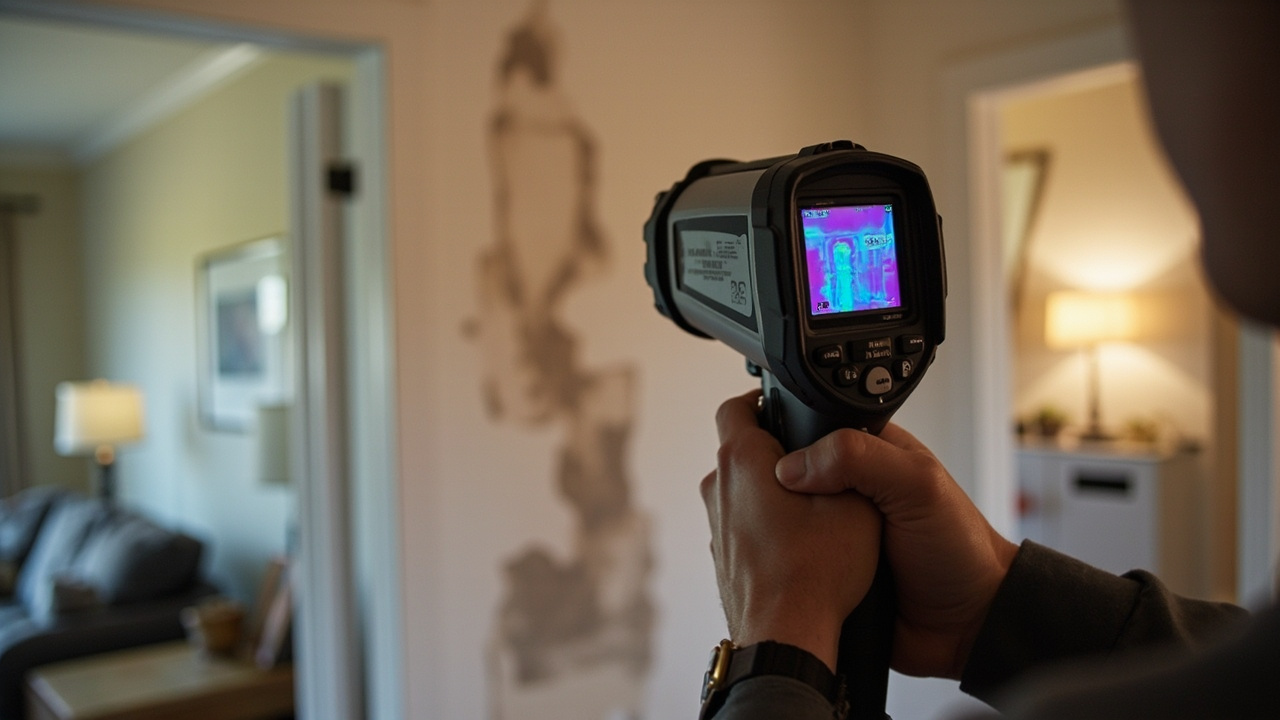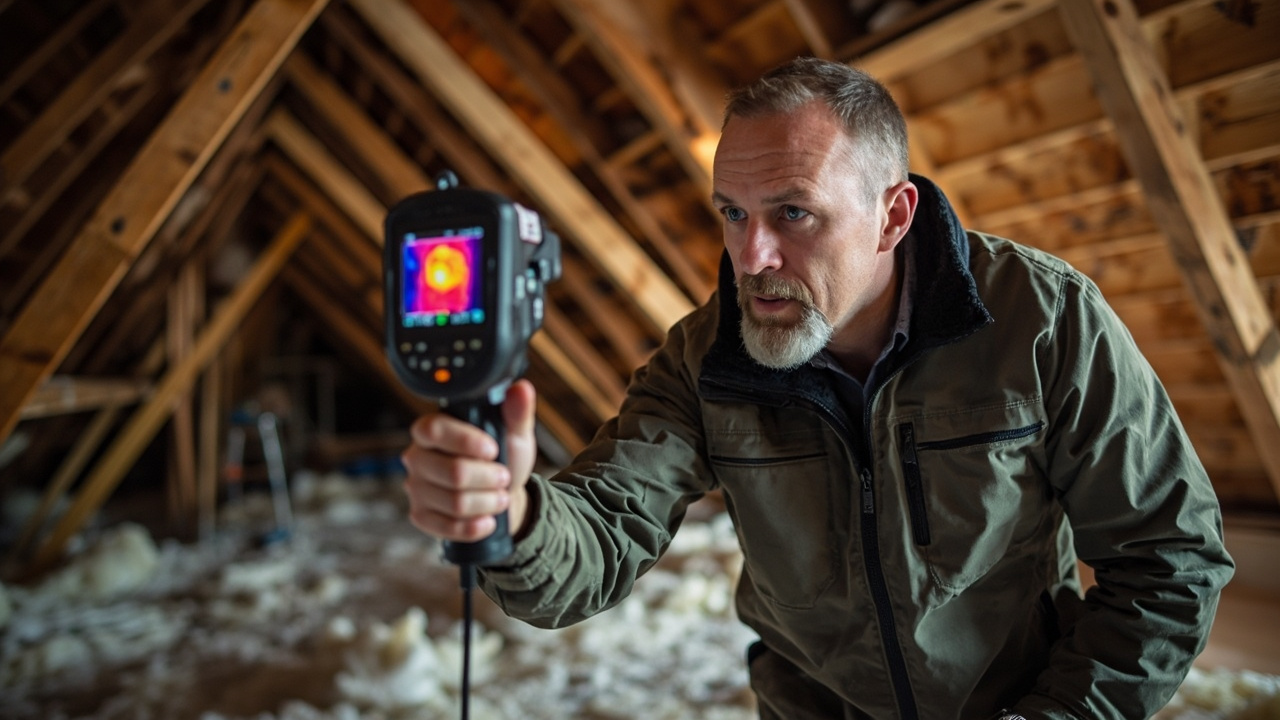







Houston sits on a flat coastal plain with poor natural drainage and lies within multiple flood zones mapped by FEMA. When tropical storms like Harvey dump extreme rainfall, water accumulates rapidly in homes across Harris County. The clay soil beneath foundations becomes saturated and shifts, creating foundation cracks that admit water. Homes in neighborhoods near Buffalo Bayou, White Oak Bayou, and Brays Bayou face repeated flooding that introduces contaminated water carrying fungal spores. Each flooding event increases mold toxicity risks as spores colonize wet building materials. Understanding mold toxicity in this context means recognizing that Houston's geography and weather patterns create persistent exposure risks that demand vigilant moisture control and rapid response to water intrusion.
Silverline Water Damage Restoration Houston operates year-round in these challenging conditions. We understand local building construction methods from different eras and how pier and beam foundations common in older neighborhoods respond differently to flooding than slab foundations in newer developments. We work regularly with Harris County building officials and understand local code requirements for mold remediation and post-flood reconstruction. This local expertise means faster permitting, accurate scoping, and remediation strategies tailored to Houston construction practices. When you need reliable information about mold toxicity and health risks, local knowledge matters as much as technical skill.