





menu

Commercial Water Damage Restoration in Houston – Minimize Downtime and Protect Your Bottom Line

Our commercial water damage restoration team responds fast to keep your Houston business operational, handling everything from emergency water extraction to full-scale structural drying and insurance coordination.

Slider Image 1
Slider Image 2
Slider Image 3
Slider Image 4
Slider Image 5
Slider Image 7
Slider Image 8
Slider Image 9
Slider Image 10
Slider Image 11

Water Damage in Houston Commercial Properties Is a Business Continuity Crisis

When water invades your Houston commercial facility, every minute of downtime equals lost revenue, compromised inventory, and potential liability exposure. Whether the source is a ruptured supply line, roof penetration during a Gulf Coast thunderstorm, or failed HVAC condensate drain, the impact on operations is immediate and severe.

Houston's high humidity levels amplify the urgency. Once water intrusion occurs, microbial growth can begin within 24 to 48 hours, particularly in climate-controlled office spaces, retail environments, and warehouses. Combined with the region's subtropical climate, moisture spreads rapidly through drywall, insulation, and subflooring, creating hidden damage that compounds restoration costs and extends closure periods.

Commercial water damage cleanup requires different resources than residential work. You need industrial-grade extraction equipment, commercial dehumidification systems capable of handling 10,000 square feet or more, and technicians trained in business water damage restoration protocols that prioritize operational areas first. A flooded retail floor needs different sequencing than a waterlogged medical office or warehouse.

The financial stakes are different for commercial property owners. You face lease obligations, payroll continuation, customer commitments, and potential code violations if the structure does not meet occupancy standards during repairs. Commercial water mitigation is not just about drying the space. It involves coordinating with your property manager, documenting losses for business interruption claims, and staging the work to keep revenue-generating areas functional. Houston businesses cannot afford generic residential approaches when commercial water remediation speed and scope determine whether you reopen in days or weeks.

Water Damage in Houston Commercial Properties Is a Business Continuity Crisis
Our Commercial Water Damage Restoration Process Prioritizes Business Continuity

Our Commercial Water Damage Restoration Process Prioritizes Business Continuity

Commercial water damage repair demands a different methodology than residential restoration. We deploy trailer-mounted extraction units and truck-mount systems that remove thousands of gallons per hour, not small wet-vacs suited for home basements. Our commercial dehumidification arrays include low-grain refrigerant (LGR) units and desiccant dehumidifiers designed to achieve structural dryness in large open spaces, drop ceilings, and multi-story facilities.

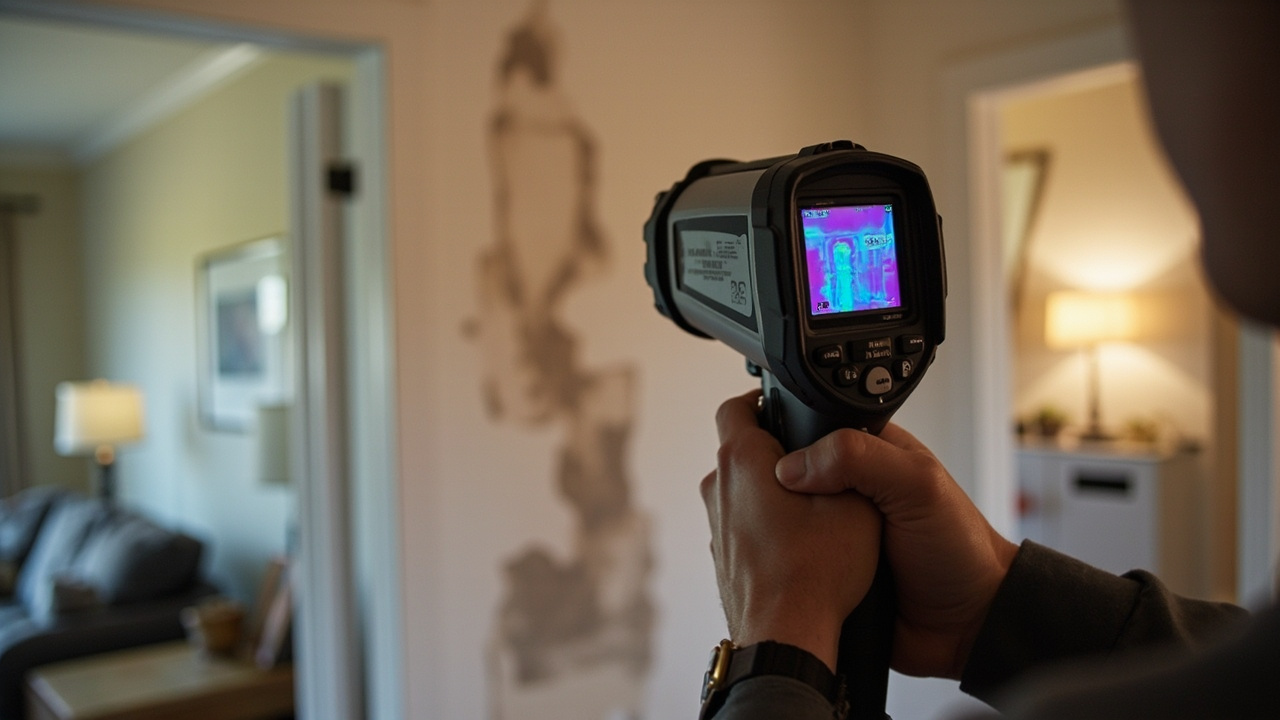
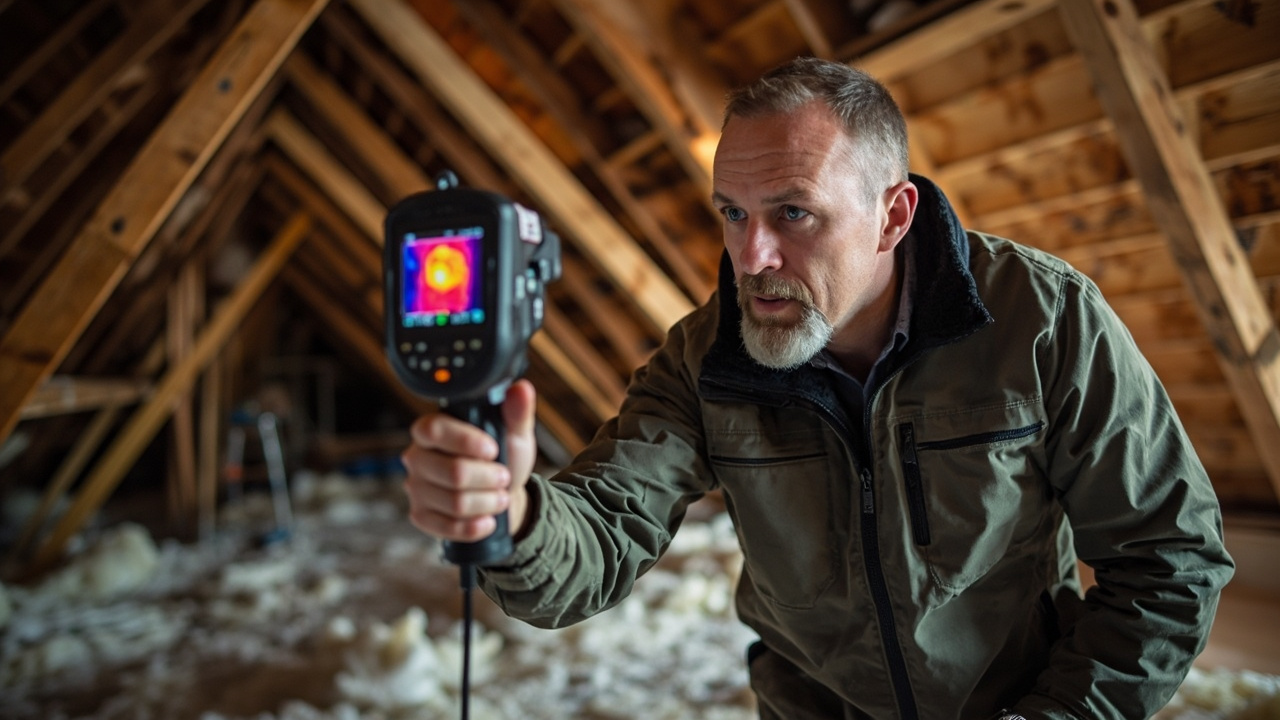
We start with moisture mapping using thermal imaging cameras and penetrating moisture meters to identify saturation in walls, ceilings, and subfloors you cannot see. This data directs our drying strategy and prevents the costly mistake of closing up spaces before they reach equilibrium moisture content. We measure vapor pressure and grains per pound daily, adjusting equipment placement and airflow based on psychrometric calculations, not guesswork.

For Houston commercial properties, we account for building-specific challenges. Older structures in the Heights or Montrose may have cast iron drain lines prone to corrosion failure. Newer Energy Corridor office buildings use metal stud framing and spray foam insulation that trap water differently than wood framing. We adapt our extraction and drying protocols accordingly.

Our process includes controlled demolition when necessary. We remove only what cannot be saved, protecting undamaged materials to reduce reconstruction costs and timelines. We coordinate with your insurance adjuster before demolition begins, providing photo documentation and moisture readings that support your claim. For businesses that cannot close, we work in phases, isolating affected areas with containment barriers and negative air pressure to maintain operations in unaffected zones. This phased approach keeps your Houston business functional while we execute commercial water damage cleanup in the background.

What Happens During Commercial Water Damage Response

Commercial Water Damage Restoration in Houston – Minimize Downtime and Protect Your Bottom Line
01

Emergency Assessment and Containment

Within one hour of your call, our team arrives on-site to identify the water source, shut off supply lines or isolate affected zones, and assess the category of water contamination. We document the loss with photos, moisture readings, and affected area measurements for your insurance carrier. If the source involves sewage backup or HVAC system failure, we classify it as Category 2 or 3 water, which requires different safety protocols and disposal procedures than clean water losses.
02

Extraction and Structural Drying

We deploy truck-mount extractors to remove standing water from carpets, tile floors, and subflooring, followed by placement of commercial air movers and dehumidifiers in a configuration that maximizes evaporation rates. Our technicians monitor temperature, relative humidity, and specific humidity every 12 hours, adjusting equipment to achieve drying within three to five days depending on building materials and saturation depth. We use injection drying systems for wall cavities and floor assemblies that trap moisture behind vapor barriers.
03

Verification and Clearance Documentation

Before we remove equipment, every affected material must reach industry-standard dry goals, verified with moisture meters and thermo-hygrometers. We provide a detailed drying log with daily readings, equipment inventory, and psychrometric data that satisfies your insurance carrier and any third-party hygienist if mold testing is required. You receive clearance documentation confirming the structure is ready for reconstruction, reducing liability and ensuring you can reoccupy or begin tenant improvements without hidden moisture issues.

Why Houston Businesses Choose Silverline Water Damage Restoration Houston

Commercial water damage restoration in Houston requires familiarity with local building codes, commercial property management protocols, and the insurance claim process for business interruption losses. Silverline Water Damage Restoration Houston has worked with property managers, business owners, and facility directors across the greater Houston metro, from Galleria office towers to Greenspoint warehouses, and we understand the operational pressures you face when water invades your space.

We know Houston's construction landscape. Many commercial buildings in Midtown and downtown were built during the 1980s oil boom and use now-outdated plumbing systems with galvanized steel pipes prone to failure. Newer construction in the Energy Corridor and Katy area often incorporates concrete slab foundations with post-tension cables, which complicates water extraction and drying if flooding occurs. We adjust our approach based on your building's age, construction type, and occupancy requirements.

Our team coordinates directly with your insurance adjuster and provides detailed documentation that supports your claim for both property damage and business interruption. We understand the difference between replacement cost value and actual cash value, and we document pre-loss conditions, material removal, and drying progress in a format that meets carrier requirements. This reduces claim disputes and accelerates payment.

We also understand time sensitivity for Houston businesses. A restaurant in the Medical Center cannot stay closed for two weeks without losing customers permanently. A law firm in the Houston Center cannot delay operations while waiting for carpets to dry. We bring the equipment capacity and manpower to execute commercial water mitigation on your timeline, working overnight and on weekends if necessary to return your facility to service. You do not get that flexibility from franchises running residential-focused crews.

What to Expect When You Call Silverline Water Damage Restoration Houston

Response Time and Availability

We dispatch a commercial response team within 60 minutes of your call, 24 hours a day, seven days a week. Our trucks carry industrial extraction units, commercial dehumidifiers, air movers, and moisture detection equipment, so we begin mitigation immediately upon arrival. For large-scale losses affecting multiple floors or buildings, we can scale up with additional crews and equipment within four hours. Speed matters because every hour of delayed response increases secondary damage from humidity, microbial amplification, and material delamination. We do not schedule you for tomorrow. We respond now.

Initial Assessment and Scope Development

Our technicians conduct a room-by-room assessment using thermal imaging and moisture meters to map the full extent of water migration, including areas you may not realize are affected. We test moisture levels in walls, ceilings, and flooring, then develop a drying plan that prioritizes critical operational areas. You receive a written scope of work within 24 hours that outlines affected materials, recommended demolition if any, equipment placement, and estimated drying timeline. This document serves as the foundation for your insurance claim and gives you a clear picture of what the restoration process involves.

Drying Results and Quality Standards

We do not remove equipment based on appearance. We use objective moisture readings and psychrometric measurements to verify structural dryness before demobilization. Our goal is to bring all materials to equilibrium moisture content, which for Houston's climate means roughly 12 to 14 percent moisture content in wood framing and less than 1 percent in concrete. You receive daily progress reports showing moisture trends, equipment runtime, and environmental conditions. When drying is complete, you get a final moisture map and certification that the structure meets IICRC S500 standards for water damage restoration.

Documentation and Insurance Coordination

We provide complete loss documentation, including pre-mitigation photos, daily moisture logs, equipment inventories, and material disposal records. Our reports are formatted to meet insurance carrier requirements and include industry-standard terminology that adjusters recognize. We communicate directly with your adjuster throughout the process, providing updates and answering technical questions about drying methodology, material salvage decisions, and containment protocols. This coordination reduces claim delays and disputes, helping you receive payment faster and move into the reconstruction phase without administrative friction.

Frequently Asked Questions

You Have Questions,
We Have Answers

How much does restoration cost for water damage? +

Commercial water damage restoration costs vary based on damage extent, building size, and contamination level. A small office leak may cost $3,000 to $10,000, while major flooding in a warehouse can exceed $50,000. Factors include extraction volume, affected materials, drying time, and structural repairs. In Houston, high humidity extends drying periods, increasing costs. Category 3 water (sewage) requires specialized protocols and disposal, raising expenses. Most firms provide free assessments and work directly with commercial insurers to document losses. Request itemized estimates comparing equipment costs, labor, and timeline to maintain business continuity and minimize revenue loss.

Is water damage restoration worth it? +

Yes. Professional restoration prevents compounding losses that exceed initial repair costs. Unaddressed water damage in commercial spaces leads to structural degradation, mold colonization within 48 hours, and potential building code violations. In Houston's humid climate, moisture infiltrates HVAC systems and insulation rapidly, causing hidden damage. Restoration protects your asset value, maintains tenant habitability, and reduces liability exposure. Delaying action increases downtime, disrupts operations, and voids insurance coverage for secondary damage. The investment preserves your property's integrity and prevents costly remediation, tenant relocation, or business interruption claims that far outweigh restoration expenses.

What does water damage restoration include? +

Commercial water damage restoration includes emergency water extraction, structural drying, moisture mapping, antimicrobial treatment, and content restoration. Technicians use thermal imaging to detect hidden moisture in walls and ceilings. Industrial dehumidifiers and air movers dry affected areas to prevent mold growth. The process includes documentation for insurance claims, disposal of unsalvageable materials, and coordination with trades for repairs. In Houston facilities, HVAC systems require inspection for moisture intrusion. Services also cover odor removal, carpet extraction, and equipment salvage. The scope depends on water category, affected square footage, and building materials involved.

How much can I claim for water damage? +

Commercial water damage claims depend on policy limits, deductible, and loss documentation. Actual Cash Value policies pay depreciated replacement costs, while Replacement Cost policies cover full restoration without depreciation. Business interruption coverage adds lost revenue during downtime. In Houston, claims average $15,000 to $100,000 for commercial properties, but catastrophic losses exceed $500,000. Your claim amount requires detailed documentation: moisture readings, photo evidence, equipment logs, and contractor estimates. Insurers assess causation (sudden vs. gradual), water category, and affected systems. Work with adjusters immediately and maintain detailed records to maximize reimbursement.

Does insurance pay for water restoration? +

Most commercial property insurance policies cover sudden and accidental water damage, including burst pipes, appliance malfunctions, and storm intrusion. Coverage excludes gradual leaks, deferred maintenance, and flood damage requiring separate policies. Insurers pay for extraction, drying, demolition, and reconstruction within policy limits. In Houston, verify hurricane deductibles and flood insurance requirements for properties in FEMA zones. Business interruption coverage compensates for lost income during restoration. Submit claims promptly with documentation. Insurers often require certified restoration contractors to validate damages and prevent fraud. Review your policy's water damage exclusions annually.

How long does Servpro take for water damage? +

Servpro and similar national franchises typically complete water extraction within 24 to 48 hours, with full drying taking three to seven days depending on damage severity. However, timelines vary by franchise availability, equipment capacity, and project scope. In Houston's humid climate, drying periods often extend due to elevated ambient moisture. Large commercial projects may require additional time for coordination with property managers and insurers. For faster response and localized expertise in Houston's building codes and climate challenges, many property owners choose regional specialists who prioritize commercial accounts and maintain dedicated equipment inventories for immediate deployment.

What is the average water damage claim? +

The average commercial water damage claim ranges from $15,000 to $75,000, but amounts vary significantly by industry and facility size. Office buildings average $20,000 to $50,000, while retail spaces with inventory loss exceed $100,000. In Houston, hurricane-related claims often surpass $200,000 due to widespread flooding and prolonged moisture exposure. Claim values depend on water category, affected square footage, content loss, and business interruption costs. Category 3 water (sewage) claims cost more due to contamination protocols. Document all damages thoroughly. Inadequate documentation reduces settlements by 30 to 50 percent.

What is the difference between water remediation and restoration? +

Water remediation removes immediate hazards: extraction, containment, and sanitation to prevent health risks and further damage. It addresses the emergency. Water restoration rebuilds and returns the property to pre-loss condition: drywall replacement, flooring installation, painting, and system repairs. Remediation happens first, restoration follows. In commercial settings, remediation prioritizes liability reduction and safety compliance. Restoration focuses on tenant readiness and code adherence. Houston properties often require extended remediation due to humidity prolonging microbial growth risk. Both processes require documentation for insurance claims. Many contractors provide both services under one contract to streamline timelines and accountability.

How long does it take for water damage to turn to mold? +

Mold colonization begins within 24 to 48 hours after water exposure in optimal conditions. Houston's average humidity above 70 percent accelerates growth, often triggering visible mold within 48 hours on porous materials like drywall, insulation, and ceiling tiles. Temperature above 70 degrees Fahrenheit and stagnant air further expedite colonization. Commercial spaces with poor ventilation or HVAC downtime face higher risk. Immediate extraction and dehumidification within 24 hours prevent spore activation. Once mold establishes, remediation costs increase significantly and may require containment, air scrubbing, and material disposal. Speed determines whether you face restoration or full remediation.

What is the standard for professional water damage restoration? +

Professional water damage restoration follows IICRC S500 standards, the industry benchmark for water damage mitigation. Standards require moisture mapping, category classification (clean, gray, or black water), psychrometric calculations for drying, and documentation protocols. Technicians must hold IICRC Water Restoration Technician certification. Equipment must meet performance specifications for extraction and dehumidification. In Houston, standards also address high humidity variables and require mold prevention protocols due to climate. Restoration must comply with local building codes and EPA guidelines for contaminated water. Professional firms provide chain-of-custody documentation, daily moisture readings, and thermal imaging reports for insurance validation.

Why Houston's Humidity and Storm Patterns Make Commercial Water Damage More Destructive

Houston averages 54 inches of rainfall annually, with severe thunderstorms capable of dropping several inches in hours during spring and summer months. This precipitation volume, combined with year-round humidity levels that regularly exceed 70 percent, creates ideal conditions for rapid mold amplification and material degradation following commercial water intrusion. When a roof leak or plumbing failure occurs in a Houston commercial building, the ambient moisture in the air slows evaporation rates and accelerates secondary damage to drywall, ceiling tiles, and insulation. Commercial water damage cleanup in this climate requires dehumidification capacity that accounts for both the water from the loss and the environmental moisture load. Without aggressive moisture removal, your building remains at risk even after standing water is extracted.

Local expertise matters because Houston's commercial building stock varies widely in age and construction type, from historic brick structures in the Heights to modern steel-frame office towers downtown. Older buildings may lack proper vapor barriers, use outdated plumbing materials, or have settled foundations that create low spots where water accumulates. Newer construction often incorporates energy-efficient envelopes that trap moisture if water enters the building envelope. Silverline Water Damage Restoration Houston understands these variables and tailors commercial water mitigation strategies to your specific building type. We work with local property managers, commercial insurance adjusters, and facility directors who expect Houston-specific knowledge, not generic franchise protocols imported from other markets.
Water Damage Restoration Services in The Houston Area

Easily locate our service area and see how Silverline is strategically positioned to provide rapid water damage restoration services throughout Houston and its surrounding communities. Our commitment to prompt response means we're never far away when disaster strikes, ensuring your property gets the urgent care it needs, wherever you are within our service radius. We're here to serve you efficiently.

Address:
Silverline Water Damage Restoration Houston, 3730 Kirby Dr, Houston, TX, 77098

Additional Services We Offer

Our news updates

Latest Articles & News from The Blogs

Dealing with Attic Water Damage from Leaky Roofs in KingwoodHomeowners in the Kingwood area face significant moisture challenges due to…

Dealing with Attic Water Damage from Leaky Roofs in Kingwood

Dealing with Attic Water Damage from Leaky Roofs in KingwoodHomeowners in the Kingwood area face significant moisture challenges due to…

Why a Home Dehumidifier Cannot Save Your Third Ward Living Room from Water Damage

Why a Home Dehumidifier Cannot Save Your Third Ward Living Room from Water DamageYour Third Ward home faces unique challenges…

Planning Your Tropical Storm Recovery Strategy for League City and Bay Area Residences

Planning Your Tropical Storm Recovery Strategy for League City and Bay Area Residences Living in the Houston Bay Area during…

Contact Us

Water damage does not wait for business hours. Call Silverline Water Damage Restoration Houston at (832) 336-3663 now for immediate commercial water damage response. We deploy within one hour and bring the equipment capacity to handle large-scale losses without delaying your operations.