





menu

Steps to Take After a Flood in Houston – Your Complete Recovery Checklist

From water extraction to structural drying, this guide walks you through the immediate actions and long-term recovery steps to protect your Houston home from secondary damage after flooding.

Slider Image 1
Slider Image 2
Slider Image 3
Slider Image 4
Slider Image 5
Slider Image 7
Slider Image 8
Slider Image 9
Slider Image 10
Slider Image 11

Why Houston Floods Demand Immediate Action

Houston sits in a flood-prone basin where tropical storms, hurricanes, and sudden downpours dump inches of rain in hours. The flat topography and clay soil prevent proper drainage, leaving standing water in neighborhoods across Harris County. After a house flood, every minute counts. Water seeps into drywall, insulation, and subflooring, creating conditions for mold growth within 24 to 48 hours.

The city's high humidity compounds the problem. Even after visible water recedes, moisture remains trapped in wall cavities and crawl spaces. This hidden dampness warps hardwood floors, corrodes electrical systems, and breeds dangerous fungi. Houston's aging infrastructure means many homes lack proper vapor barriers or modern drainage systems, making post-flood recovery more complex.

Immediate actions after flooding determine whether you face a manageable cleanup or a total gut job. You need a post-flood recovery checklist tailored to Houston's climate and building styles. Generic water damage clean up steps fail here because they ignore the Gulf Coast humidity and the prevalence of pier-and-beam foundations in older Houston neighborhoods. Understanding what to do after a house flood starts with recognizing that time is your enemy. Delayed response turns a salvageable situation into a structural nightmare. This guide to handling flood damage focuses on the specific challenges Houston homeowners face when floodwater enters their property.

Why Houston Floods Demand Immediate Action
The Professional Approach to Flood Recovery

The Professional Approach to Flood Recovery

Water damage clean up steps must follow a specific sequence to prevent secondary damage. First, we establish safety. Floodwater often contains sewage, chemicals, and bacteria. Category 3 water requires specialized handling and personal protective equipment. We shut off electricity at the breaker panel and identify structural hazards before entering affected areas.

Next comes water extraction. Portable pumps and truck-mounted vacuum systems remove standing water from floors and carpets. Speed matters because every gallon of water absorbed into building materials increases restoration costs. We use moisture meters to map the extent of saturation in walls, ceilings, and subfloors. These readings guide equipment placement and help us track drying progress.

Structural drying follows extraction. Commercial-grade dehumidifiers pull moisture from the air while air movers create circulation that speeds evaporation from wet surfaces. Houston's ambient humidity means we often run equipment longer than in drier climates. We monitor daily moisture readings and adjust equipment placement to target stubborn wet spots.

Antimicrobial treatment comes next. We apply EPA-registered disinfectants to all affected surfaces to kill bacteria and prevent mold colonization. This step is critical in Houston where mold spores thrive in damp conditions. Finally, we document everything for insurance claims. Moisture readings, photos, and detailed scope reports give adjusters the evidence they need to approve your claim. Silverline Water Damage Restoration Houston follows IICRC S500 standards for water damage restoration, ensuring your home receives proper treatment from start to finish.

Your First 72 Hours After Floodwater Enters Your Home

Steps to Take After a Flood in Houston – Your Complete Recovery Checklist
01

Immediate Safety Assessment

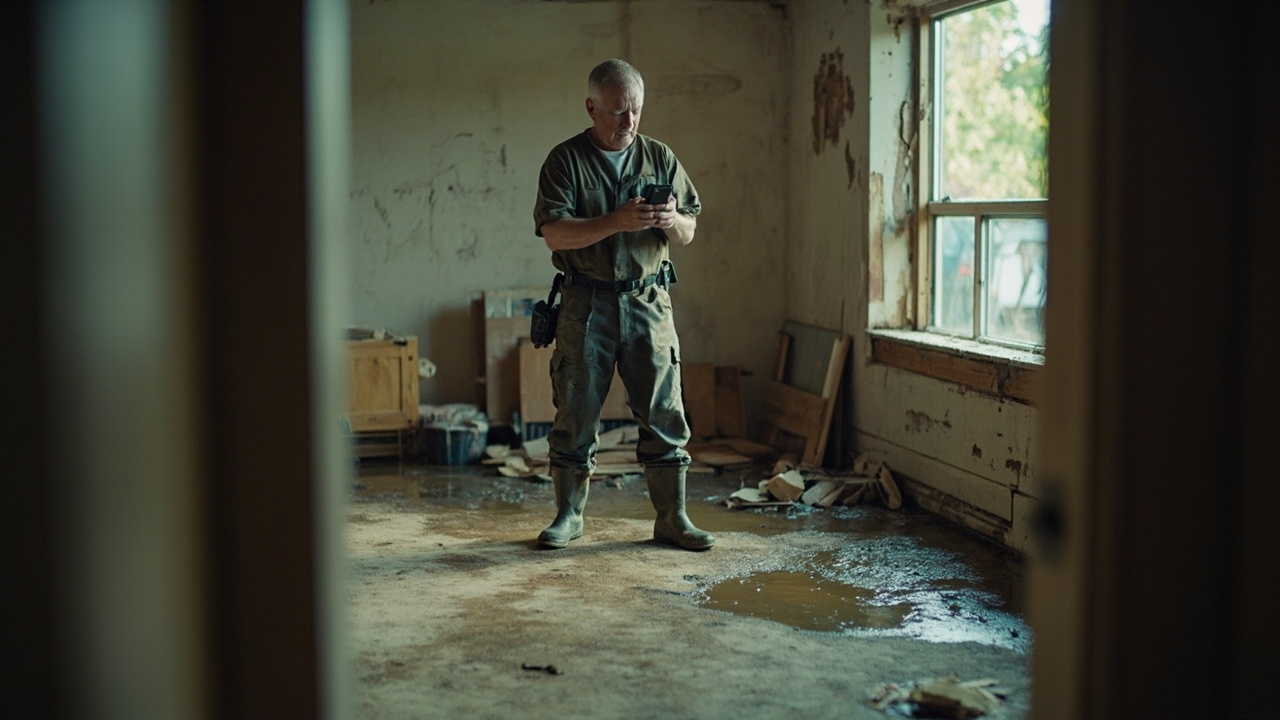
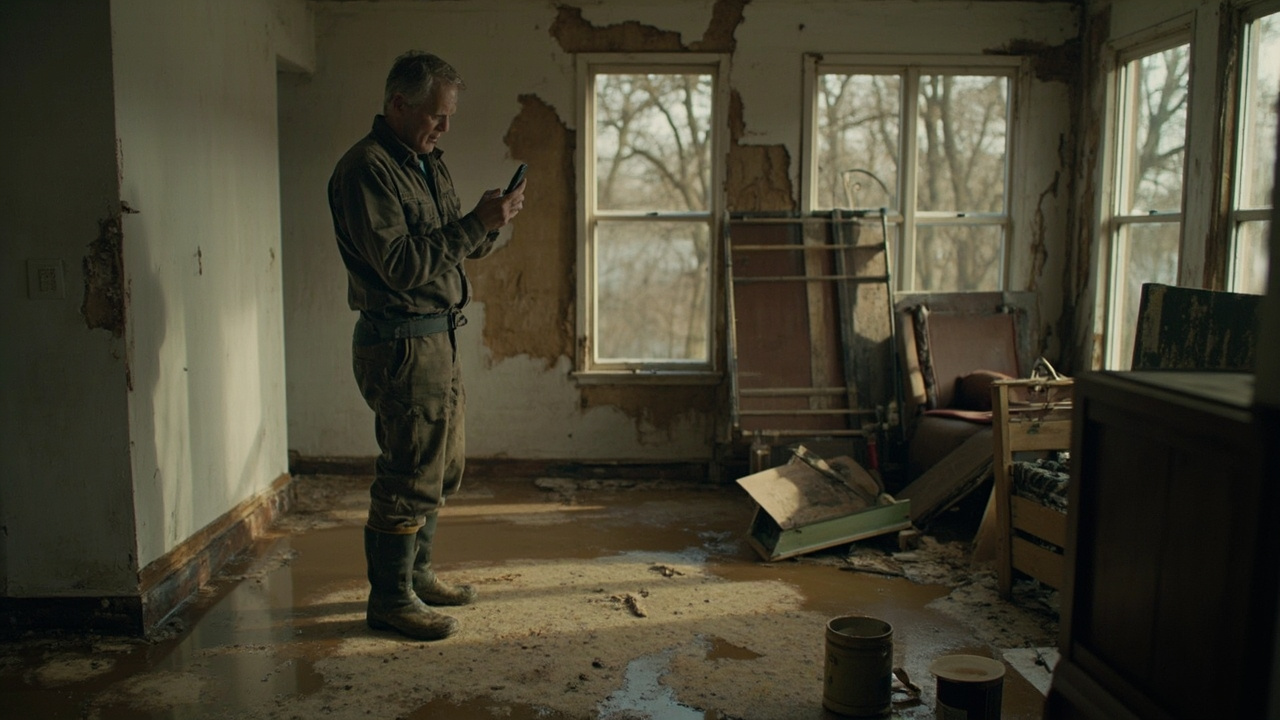
Before entering a flooded space, confirm the power is off at the main breaker. Floodwater conducts electricity and creates electrocution risk. Check for visible structural damage like sagging ceilings or buckled floors. Document everything with photos and video for insurance purposes. Call your insurance company immediately to start a claim. Avoid walking through contaminated floodwater without rubber boots and gloves because category 3 water carries dangerous pathogens.
02

Water Removal and Salvage

Remove standing water using pumps, wet vacuums, or professional extraction equipment. Pull up soaked carpets and padding to expose the subfloor for drying. Move furniture and belongings to dry areas or elevate them on blocks. Remove wet insulation from walls to prevent trapped moisture. Sort salvageable items from total losses. Porous materials like mattresses and upholstered furniture rarely survive category 3 flooding. Focus on hard surfaces and items that can be cleaned and disinfected.
03

Drying and Dehumidification

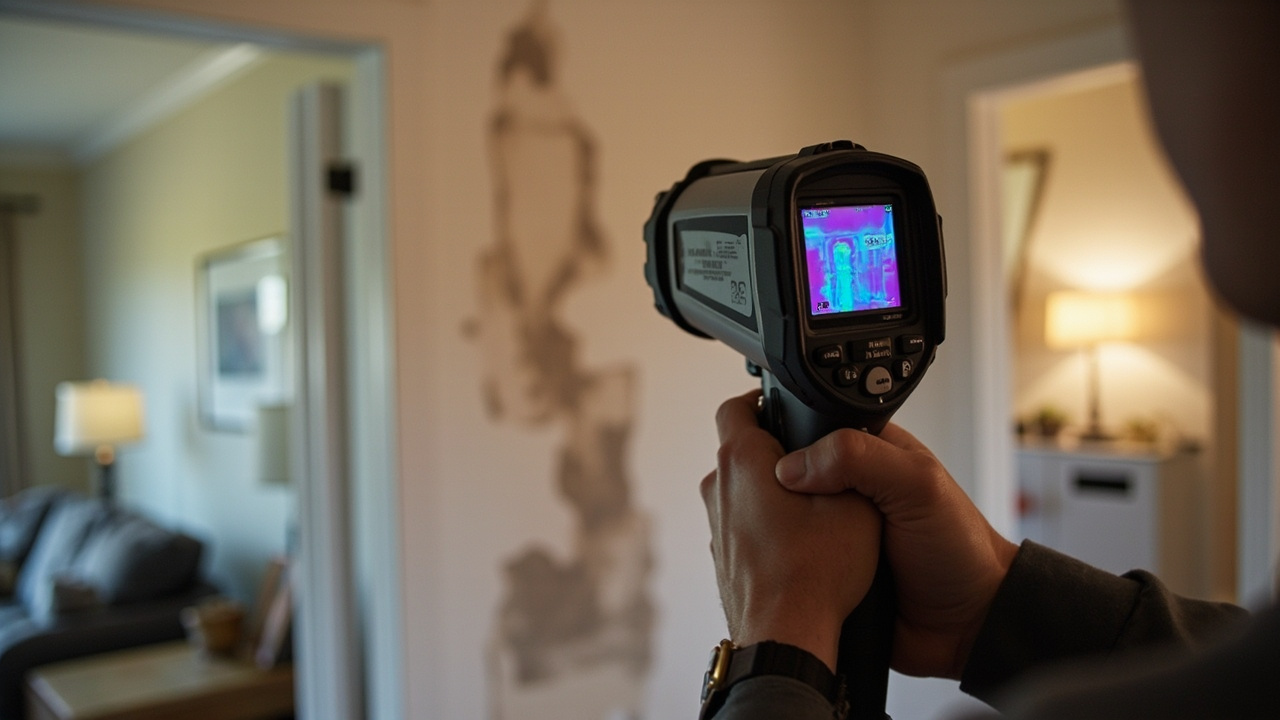
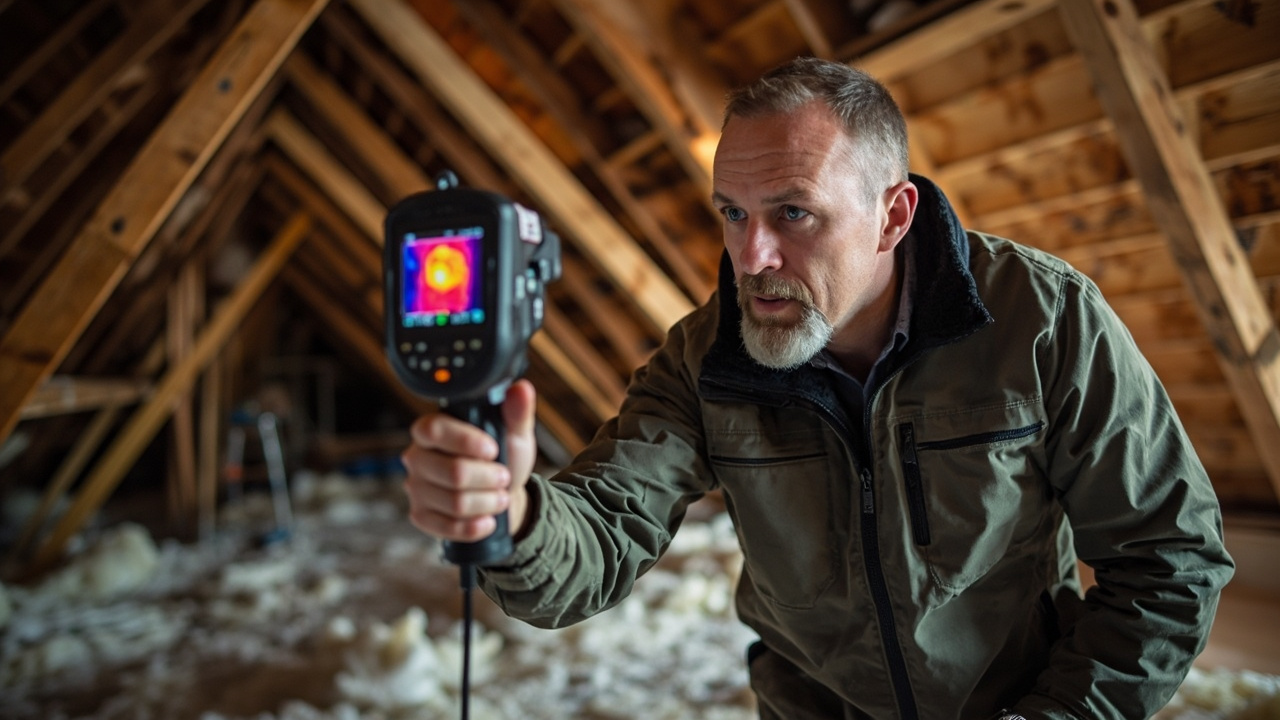
Set up fans and dehumidifiers to create airflow and reduce humidity. Open windows only if outside humidity is lower than inside levels, which is rare in Houston. Monitor moisture levels in walls and floors using a moisture meter if available. Professional restoration companies use thermal imaging cameras to find hidden moisture pockets. Complete drying typically takes three to five days with proper equipment. Rushing this phase invites mold growth and long-term structural problems in Houston's humid climate.

Why Houston Homeowners Choose Local Flood Recovery Experts

Choosing a local restoration company means working with professionals who understand Houston's specific challenges. We know that homes in Meyerland and Kingwood flood differently than properties in The Heights or River Oaks. Elevation, foundation type, and proximity to Buffalo Bayou or Brays Bayou all affect recovery strategy.

Local expertise matters when dealing with Harris County building codes and permit requirements. Major flood restoration often requires permits for electrical work, plumbing repairs, or structural modifications. We navigate these requirements daily and maintain relationships with local inspectors who expedite approvals. Out-of-town contractors lack this knowledge and slow your recovery timeline.

Insurance claims move faster when you work with a local company. Houston adjusters recognize established restoration firms and trust their documentation. We speak the same language as your insurance company and provide the detailed moisture mapping, thermal imaging, and daily logs they need to approve claims quickly. National chains assign different technicians each visit, creating inconsistencies in documentation and communication.

Our equipment stays in Houston year-round. When hurricanes or storms hit, we respond immediately instead of mobilizing from other states. We understand that Houston floods happen suddenly and require rapid response. Our technicians live in neighborhoods throughout Harris County and reach your property quickly, day or night.

Silverline Water Damage Restoration Houston has restored homes through multiple hurricane seasons. We have seen every type of flood damage Houston properties face, from sudden street flooding to slow roof leaks during prolonged storms. That experience means we spot hidden problems other contractors miss and prevent costly surprises during restoration.

What Your Flood Recovery Timeline Looks Like

Emergency Response Time

We dispatch crews within 90 minutes of your call, 24 hours a day. Our trucks carry extraction equipment, air movers, and dehumidifiers so we start mitigation immediately upon arrival. The first four hours are critical for preventing secondary damage. We prioritize water extraction and equipment placement to stop ongoing absorption into building materials. Most emergency stabilization work finishes within the first 24 hours, giving you a dry, safe space while we plan the full restoration. Rapid response reduces total restoration time and minimizes your out-of-pocket costs and insurance deductible expenses.

Comprehensive Damage Assessment

After initial water removal, we conduct a thorough inspection using moisture meters, thermal imaging cameras, and hygrometers to measure humidity levels. We document affected areas with detailed photos and written reports. This assessment identifies hidden moisture in wall cavities, under flooring, and in ceiling spaces. We classify the water category based on contamination level and determine which materials require removal versus treatment. The assessment includes a detailed scope of work and timeline estimate. We send this documentation directly to your insurance company with supporting evidence they need to approve your claim quickly.

Complete Structural Restoration

Once drying completes and moisture readings reach acceptable levels, reconstruction begins. We remove damaged drywall, baseboards, and flooring that cannot be salvaged. Framing and subflooring receive antimicrobial treatment before new materials go in. We replace insulation, hang new drywall, and finish surfaces to match existing conditions. Flooring, trim, and paint restore your home to pre-loss condition. Most complete restorations finish within two to three weeks after drying concludes, depending on the extent of damage. We coordinate all trades including electricians and plumbers to streamline the process and get you back in your home faster.

Post-Restoration Monitoring

After restoration completes, we conduct a final walkthrough to verify all work meets quality standards and building codes. We provide maintenance recommendations to prevent future water damage, including gutter cleaning schedules, foundation drainage tips, and humidity control strategies specific to Houston's climate. We offer follow-up moisture checks at 30 and 60 days after completion to ensure no hidden moisture remains. If any issues arise within the first year related to our restoration work, we return to address them. We also provide documentation of all work completed, which increases your home's value and gives future buyers confidence in the property's condition.

Frequently Asked Questions

You Have Questions,
We Have Answers

What steps to take after a flood? +

First, ensure the structure is safe before entry. Document all damage with photos for insurance. Contact your insurance company immediately. Remove standing water using pumps or wet vacuums. Pull out soaked carpets, padding, and baseboards within 24 to 48 hours to prevent mold. Move salvageable items to a dry location. Open windows and run fans to increase airflow. In Houston's humid climate, dehumidifiers are essential to drop moisture levels. Do not touch electrical systems while wet. Call a licensed restoration company to assess hidden damage in walls, subfloors, and HVAC systems.

What should be done after the flood? +

After the immediate water removal, disinfect all hard surfaces with a bleach solution to kill bacteria and pathogens. Check for structural damage, including foundation shifts common in Houston's clay soil. Inspect the roof for leaks that may worsen with the next storm. Replace insulation that absorbed water, as it loses R-value and breeds mold. Test for moisture in wall cavities using meters. Dry out the property completely before replacing drywall or flooring. File insurance claims promptly with thorough documentation. Monitor indoor humidity levels daily. Professional water damage restoration ensures nothing is missed during recovery.

What precautions should be taken after a flood? +

Avoid drinking tap water until authorities confirm safety. Wear protective gear like gloves, boots, and masks when handling contaminated materials. Watch for electrical hazards, especially in flooded outlets or appliances. Do not use gas appliances until inspected. In Houston, check for fire ants and snakes displaced by floodwaters. Discard food that contacted floodwater or lost refrigeration. Prevent mold by maintaining indoor humidity below 50 percent. Ventilate enclosed spaces before entering. Keep children and pets away from affected areas. Document all damage and disposal for insurance. Get a professional moisture assessment to confirm complete drying.

How quickly does mold grow after a flood? +

Mold can begin growing within 24 to 48 hours after flooding in Houston's warm, humid environment. Spores need moisture, oxygen, and organic material like drywall or wood to colonize. High indoor humidity accelerates growth. Visible mold often appears within three to five days, but hidden colonies form faster inside walls or under flooring. The longer materials stay wet, the worse the contamination. Speed is critical. Immediate water extraction, ventilation, and dehumidification slow mold development. Professional restoration teams use moisture meters and thermal imaging to find hidden wet spots before mold takes hold. Delay increases remediation costs and health risks.

What to spray on walls after a flood? +

Use a solution of one cup bleach per gallon of water on non-porous surfaces like tile, concrete, or sealed wood. This kills bacteria and surface mold. For porous materials like drywall, spray antimicrobial agents designed for post-flood remediation. In Houston, humidity can reactivate mold, so treat surfaces after drying completely. Do not paint over wet or moldy walls. Ensure proper ventilation while spraying. Wear a respirator and gloves. Some materials like insulation or carpet padding cannot be salvaged and require removal. Professional restoration uses EPA-registered disinfectants that penetrate deeper and prevent regrowth better than household products.

What are the 5 steps of disaster recovery? +

Disaster recovery follows five key steps. First, assessment identifies the scope of damage and safety hazards. Second, water extraction removes standing water and moisture. Third, drying and dehumidification eliminate residual moisture using industrial equipment. Fourth, cleaning and sanitizing disinfect surfaces and remove contaminants. Fifth, restoration rebuilds or replaces damaged materials like drywall, flooring, and cabinetry. In Houston, recovery must account for high humidity that slows natural drying. Each step requires documentation for insurance. Professional teams coordinate these phases to minimize downtime and prevent secondary damage like mold or structural failure. Speed and thoroughness determine long-term outcomes.

What are the 5 steps of preparedness? +

Preparedness involves five critical steps. First, create an emergency plan with evacuation routes and family communication protocols. Second, assemble a disaster kit with water, food, flashlights, batteries, and medications. Third, secure important documents in waterproof containers or digital backups. Fourth, review insurance policies to confirm flood coverage and understand claim procedures. Fifth, identify home vulnerabilities like low-lying areas, poor drainage, or aging roofing. In Houston, residents should monitor bayou levels and weather alerts during hurricane season. Elevate valuables and utilities where possible. Test sump pumps and generators before storms. Preparedness reduces panic and property loss when flooding occurs.

Do you have to throw everything away after a flood? +

Not everything requires disposal after a flood. Hard, non-porous items like metal, glass, and plastic can be cleaned and disinfected. Solid wood furniture may be salvageable if dried quickly and treated. However, porous materials like carpet, padding, upholstered furniture, mattresses, and particle board typically absorb contaminated water and cannot be fully sanitized. Drywall wicks moisture upward, requiring replacement of affected sections. In Houston's humidity, items that stay wet too long will mold. Electronics, food, and cosmetics exposed to floodwater should be discarded. Professional restoration teams assess each item individually to maximize salvage and minimize unnecessary loss.

How long to dry out a house after a flood? +

Drying time depends on the extent of flooding, materials affected, and environmental conditions. Surface water may dry in three to five days with proper ventilation and dehumidification. Structural components like subflooring, wall cavities, and insulation take one to three weeks. In Houston's humid climate, natural evaporation is slow, requiring industrial dehumidifiers and air movers. Moisture meters confirm when materials reach safe levels, typically below 15 percent. Rushing repairs before complete drying traps moisture and causes mold. Professional restoration accelerates drying with targeted equipment placement and continuous monitoring. Patience during this phase prevents costly future problems.

What are 5 safety tips for floods? +

First, never walk or drive through floodwater. Six inches can knock you down, and 12 inches can move a vehicle. Second, turn off electricity at the breaker before entering a flooded structure. Third, wear protective boots, gloves, and masks to avoid contaminated water and airborne pathogens. Fourth, watch for structural damage like sagging ceilings or shifting foundations common in Houston's clay soil. Fifth, monitor weather updates and evacuate if authorities issue warnings. Avoid standing water where downed power lines may be hidden. Keep children and pets away from affected areas. Safety always comes before salvage efforts.

How Houston's Bayou System and Clay Soil Complicate Flood Recovery

Houston sits at the intersection of multiple bayou systems including Buffalo Bayou, White Oak Bayou, and Brays Bayou. When tropical storms dump rain faster than these waterways can drain, flooding spreads across neighborhoods miles from the channel. The city's expansive clay soil compounds the problem. Unlike sandy soil that absorbs water quickly, Houston clay becomes impermeable when saturated. Water sits on the surface for days, seeping into foundations and crawl spaces. This prolonged exposure means water damage extends deeper into building materials than in other regions. Proper flood recovery here requires understanding how clay soil affects foundation drainage and implementing solutions that prevent recurring problems when the next storm hits.

Houston's building codes evolved after major flooding events like Hurricane Harvey in 2017. New construction requires higher elevations and improved drainage systems, but most existing homes predate these standards. Restoring an older Houston home after flooding means bringing systems up to current code when repairs exceed certain thresholds. Local restoration companies understand these requirements and navigate the permitting process efficiently. We work with Harris County inspectors regularly and know exactly what documentation they need. This local knowledge prevents delays and ensures your restoration meets all regulatory requirements. Choosing a restoration company unfamiliar with Houston codes creates risk that work fails inspection and requires expensive corrections.
Water Damage Restoration Services in The Houston Area

Easily locate our service area and see how Silverline is strategically positioned to provide rapid water damage restoration services throughout Houston and its surrounding communities. Our commitment to prompt response means we're never far away when disaster strikes, ensuring your property gets the urgent care it needs, wherever you are within our service radius. We're here to serve you efficiently.

Address:
Silverline Water Damage Restoration Houston, 3730 Kirby Dr, Houston, TX, 77098

Additional Services We Offer

Our news updates

Latest Articles & News from The Blogs

Houston humidity presents a constant struggle for homeowners across Harris County. In 2026, the weather patterns continue to create high…

Why Houston Families Trust Our Certified Mold Inspection Services for Local Homes

Houston humidity presents a constant struggle for homeowners across Harris County. In 2026, the weather patterns continue to create high…

Dealing with Attic Water Damage from Leaky Roofs in Kingwood

Dealing with Attic Water Damage from Leaky Roofs in KingwoodHomeowners in the Kingwood area face significant moisture challenges due to…

Why a Home Dehumidifier Cannot Save Your Third Ward Living Room from Water Damage

Why a Home Dehumidifier Cannot Save Your Third Ward Living Room from Water DamageYour Third Ward home faces unique challenges…

Contact Us

Every hour you wait increases damage and restoration costs. Call Silverline Water Damage Restoration Houston now at (832) 336-3663 for immediate emergency response. Our crews are standing by 24/7 to extract water, dry your property, and start your insurance claim. Do not let flood damage destroy your Houston home.