





menu

Commercial Sewage Cleanup in Houston – Minimizing Downtime and Protecting Your Operations

When black water threatens your facility, you need industrial-grade commercial sewage cleanup that gets your Houston business operational fast, complies with Texas health codes, and prevents liability exposure.

Slider Image 1
Slider Image 2
Slider Image 3
Slider Image 4
Slider Image 5
Slider Image 7
Slider Image 8
Slider Image 9
Slider Image 10
Slider Image 11

Why Houston Commercial Properties Face Higher Sewage Risk

Houston's aging municipal infrastructure and Gulf Coast geography create a perfect storm for commercial sewer backups. When tropical storms dump 8-12 inches of rain in hours, the combined sewer systems in older districts like East Downtown and the Near Northside become overwhelmed. Your warehouse, restaurant, or office building can experience catastrophic commercial black water extraction needs within minutes.

The clay soil beneath most Houston commercial properties shrinks during dry periods and swells during wet months. This constant movement cracks main sewer lines and allows tree roots from the city's live oaks to infiltrate pipes. When these compromised lines fail, you face Category 3 contamination, raw sewage containing E. coli, hepatitis A, and chemical waste.

Commercial sewage removal cannot wait. Every hour of exposure increases your liability under OSHA regulations and Texas Health and Safety Code Chapter 341. Employees working near untreated sewage face serious health risks. Your insurance carrier will document the timeline of your response. Delays increase claim denials and premium adjustments.

Industrial sewage cleanup requires specialized equipment that residential contractors do not carry. Commercial-grade extractors, negative air machines with HEPA filtration, and truck-mounted pumps capable of handling solids move hundreds of gallons per hour. You need a team equipped for commercial sewer backup cleaning at the scale your facility demands, not a crew with shop vacs and box fans.

Houston's humidity compounds the problem. Within 24 hours, sewage-soaked drywall and insulation become breeding grounds for black mold. Your HVAC system can distribute spores throughout the building. The longer contaminated materials remain, the more expensive commercial sewage remediation becomes.

Why Houston Commercial Properties Face Higher Sewage Risk
How We Execute Commercial Sewage Remediation

How We Execute Commercial Sewage Remediation

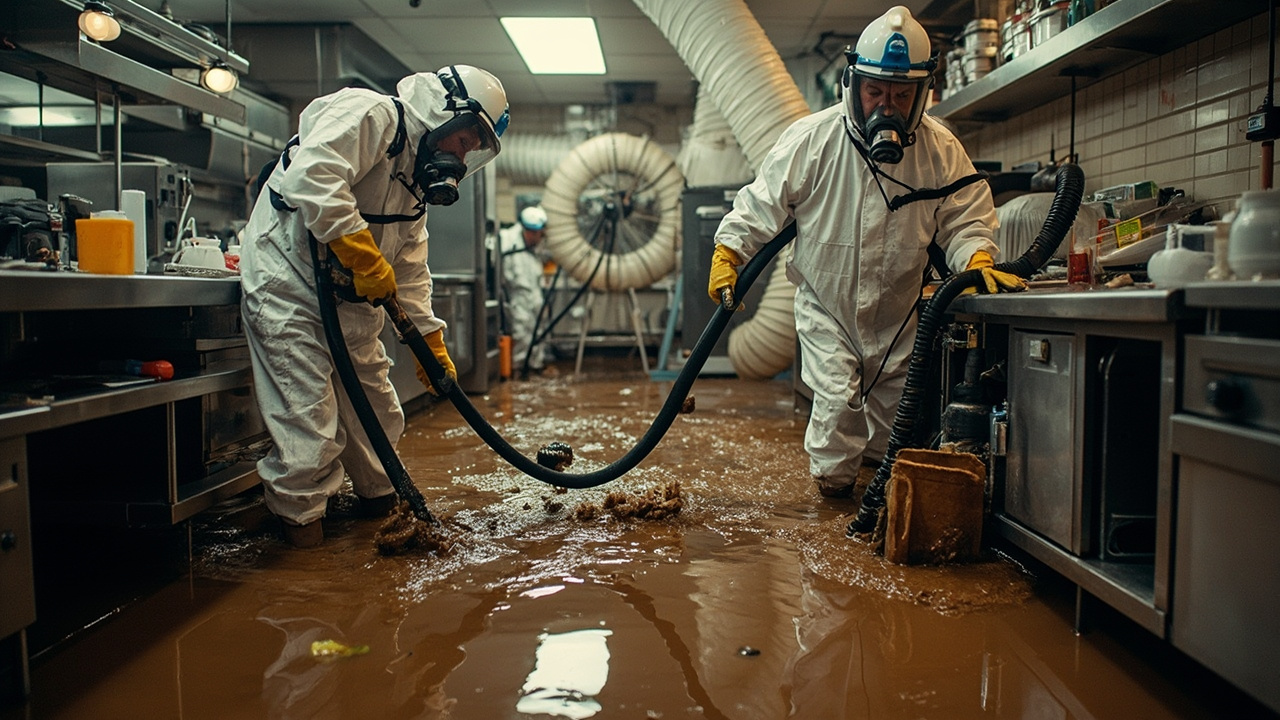
Commercial sewage cleanup begins with containment and occupant safety. We establish negative air pressure zones using commercial air scrubbers to prevent cross-contamination into unaffected areas. Your employees and customers stay safe while we work. We coordinate with your property manager to maintain business operations in clean zones.

Our truck-mounted extraction systems remove standing sewage and flush contaminated materials from concrete floors, loading docks, and mechanical rooms. We do not use portable equipment inadequate for commercial volumes. Our pumps handle solids up to two inches, clearing debris that clogs standard extractors. This speed matters when you are losing revenue by the hour.

We remove all porous materials that contacted Category 3 water. Drywall, insulation, ceiling tiles, and carpeting cannot be salvaged after sewage exposure. Texas Department of State Health Services guidelines require disposal of contaminated absorbent materials. We document removal with photos and manifests for your insurance adjuster and regulatory compliance.

After extraction and demolition, we apply EPA-registered antimicrobial treatments to all affected surfaces. Concrete slabs, steel studs, and structural elements receive hospital-grade disinfection. We follow IICRC S500 standards for commercial sewage removal, not shortcuts that leave your facility vulnerable to future contamination claims.

Industrial sewage cleanup includes air quality testing before we demobilize. We measure airborne bacteria levels and particulate counts to verify safe reoccupancy. You receive documented proof that your facility meets Texas health codes. This protects you from liability if employees report illness weeks later.

Drying is the final phase. We deploy commercial dehumidifiers and air movers calibrated to your building's cubic footage. Moisture meters track progress in walls and subfloors. We do not remove equipment until readings confirm complete drying. Residual moisture guarantees mold growth and structural damage.

What Happens During Emergency Commercial Response

Commercial Sewage Cleanup in Houston – Minimizing Downtime and Protecting Your Operations
01

Immediate Site Assessment

Our project manager arrives within 90 minutes to evaluate contamination extent, identify the failure point, and determine required resources. We map affected zones, photograph damage for insurance documentation, and establish containment barriers. You receive a preliminary scope and timeline before equipment arrives. This assessment determines whether your facility needs partial or full evacuation under OSHA confined space protocols.
02

Extraction and Decontamination

Truck-mounted pumps remove sewage while negative air machines prevent airborne pathogen spread. Technicians in PPE remove contaminated materials and apply antimicrobial agents to structural elements. We coordinate debris removal with licensed waste haulers who handle biohazard materials. All work follows TDSHS and EPA protocols for black water extraction. Your facility manager receives hourly progress updates and can redirect our crew to prioritize critical operational areas.
03

Verification and Clearance

Before demobilization, we conduct air quality testing and moisture readings throughout affected areas. You receive a clearance report documenting bacteria levels, humidity percentages, and photographic proof of completed work. This report satisfies insurance requirements and provides legal protection if health complaints arise later. We coordinate with your general contractor to schedule reconstruction and ensure moisture levels support new material installation without future mold risk.

Why Houston Facility Managers Choose Local Commercial Specialists

When sewage threatens your Houston operation, you need a contractor who understands the city's commercial building landscape. We have cleaned restaurant kitchens in Midtown, warehouses in the East End, and medical offices in the Texas Medical Center. Each facility type presents unique challenges that generic restoration companies mishandle.

Houston's building codes evolved after Tropical Storm Allison. Properties built before 2001 often lack backflow preventers and adequate sump capacity. We know which commercial districts have combined sewer systems prone to backup during heavy rain. This knowledge speeds diagnosis and prevents recurring problems that cost you thousands in repeated emergency calls.

Our equipment staging matches Houston's commercial environment. We maintain a fleet capable of handling 50,000-square-foot facilities, not just residential jobs. When your downtown office building needs commercial sewer backup cleaning across three floors, we arrive with the truck capacity and crew size to execute efficiently. Smaller contractors subcontract or make multiple trips. That delays your return to operations.

We work directly with Houston's commercial insurance adjusters. They know our documentation meets their requirements for large claims. You avoid the back-and-forth that delays payment when inexperienced contractors submit incomplete scope sheets or fail to itemize demolition properly. Faster claim approval means faster reconstruction starts.

Our project managers communicate in the language of facility management, not homeowner hand-holding. You receive structured updates, timeline adherence, and coordination with your other vendors. We understand that your priority is business continuity, not emotional reassurance. When we say your call center can reopen in 72 hours, that is a commitment backed by logistics and capacity.

Texas Department of Licensing and Regulation requires specific contractor classifications for commercial water damage work. We maintain proper endorsements that protect you from liability if an underqualified contractor causes additional damage or worker injury on your property.

What Your Commercial Sewage Emergency Looks Like

Response Timeline and Mobilization

We dispatch crews within 90 minutes of your call, 24 hours a day. Houston traffic and facility location determine arrival time, but our staging yard near Beltway 8 positions us for rapid deployment across the metro. You speak directly with the responding project manager, not an answering service. They coordinate with your security team for after-hours access and confirm equipment staging areas that do not block loading docks or fire lanes. Large-scale commercial sewage removal jobs receive multiple crews and supervisors to compress timeline.

Site Evaluation and Scope Development

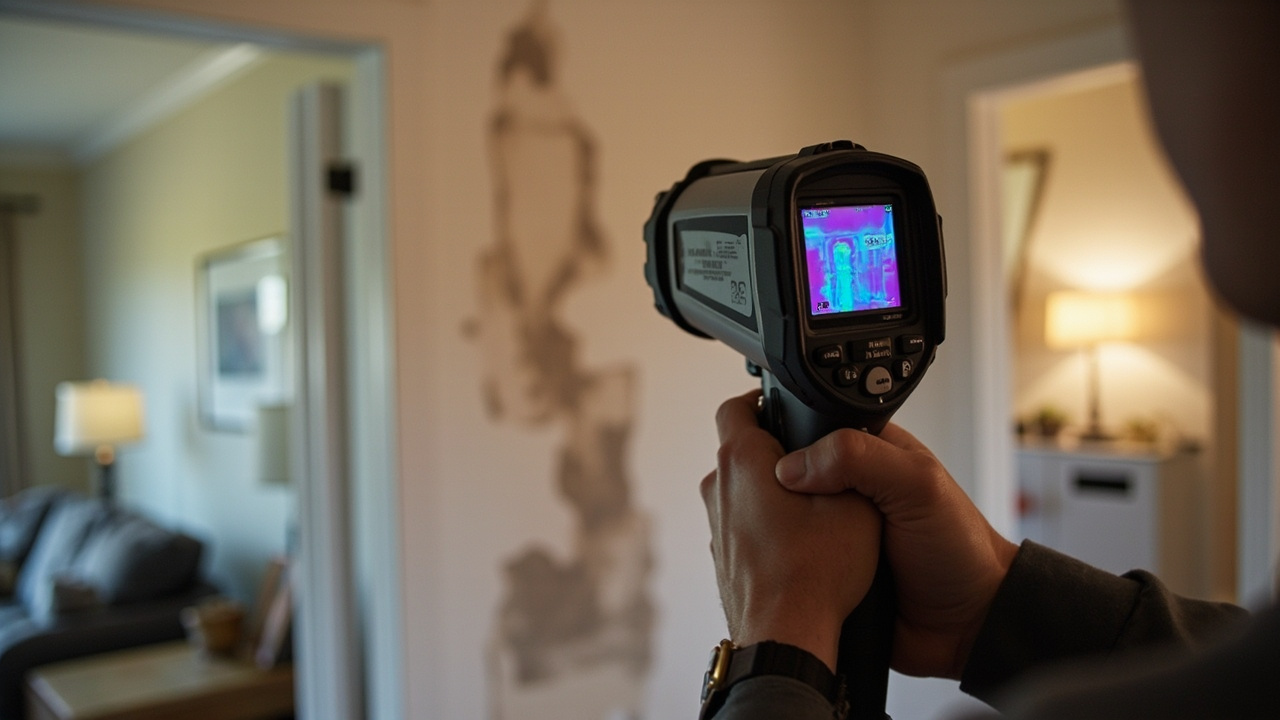
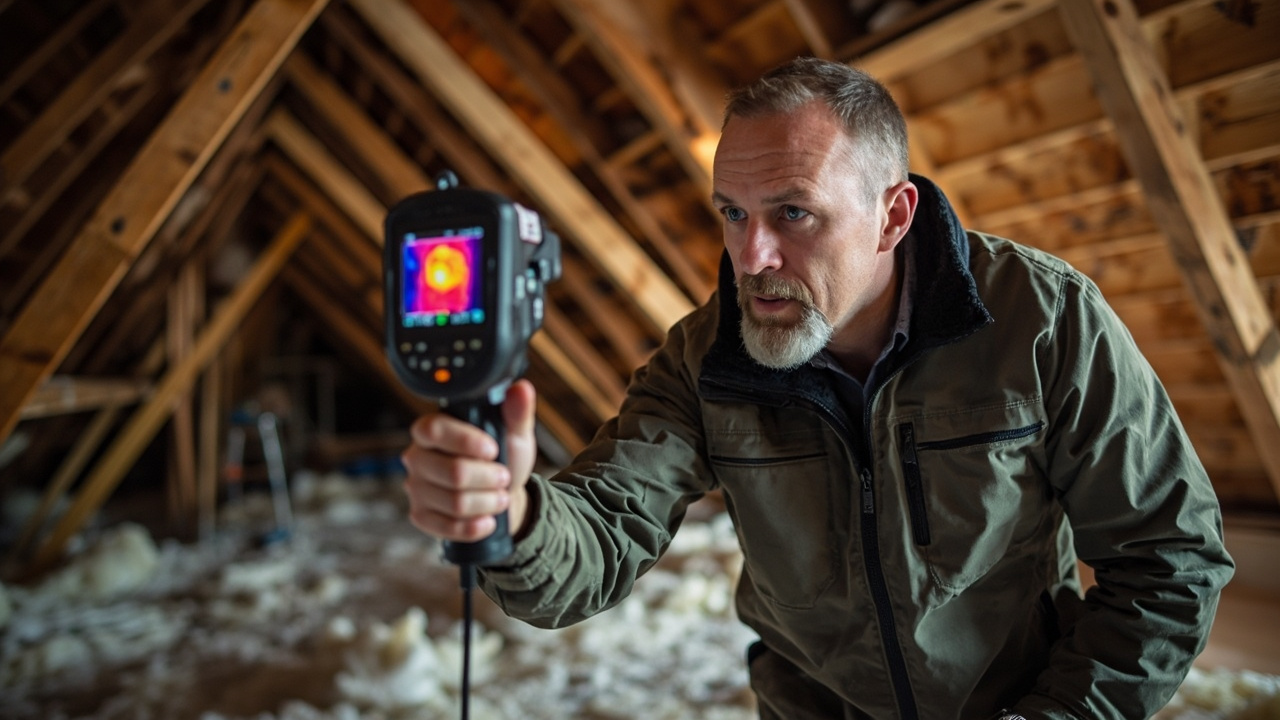
Our assessment identifies the sewage source, maps contamination spread, and determines structural impact. We use moisture meters and thermal imaging to find hidden saturation in wall cavities and under flooring systems. You receive a written scope detailing required demolition, extraction volume, and estimated completion timeline. This document serves as your insurance claim foundation and allows you to communicate accurate downtime projections to your stakeholders. We identify code compliance issues that reconstruction must address to prevent future failures.

Facility Restoration and Documentation

After extraction and antimicrobial treatment, we dry your facility to IICRC standards using commercial dehumidifiers and air movers. Moisture levels in structural elements must reach equilibrium moisture content before reconstruction begins. We provide daily moisture logs and photographic documentation showing progressive drying. Your final report includes air quality test results, disposal manifests for contaminated materials, and certificates of completion. This documentation protects you during future property transactions and satisfies tenant disclosure requirements under Texas Property Code.

Post-Remediation Support and Prevention

We coordinate with your plumber to address the root cause, whether that is collapsed sewer lines, inadequate backflow prevention, or undersized drainage. Our project managers consult on building improvements that reduce future risk, such as sump pump installation or drainage reconfiguration. You receive recommendations for maintenance protocols that catch problems before they become emergencies. We maintain your project file for insurance reference and can provide supplemental documentation if your carrier requires additional proof of work performed. Follow-up moisture checks are available if you experience concerns during reconstruction.

Frequently Asked Questions

You Have Questions,
We Have Answers

How much does it cost to clean up sewage? +

Commercial sewage cleanup costs vary based on contamination level, affected square footage, and structural damage. Category 3 sewage (raw sewage) requires full containment, antimicrobial treatment, and disposal protocols, increasing costs significantly. Expect pricing to scale with business downtime factors. Houston's high humidity accelerates mold growth post-incident, requiring rapid response to minimize secondary damage. Factors include extraction equipment needs, affected materials (drywall, flooring, inventory), and necessary demolition. Multi-tenant buildings or restaurants face higher costs due to health code compliance. Always request a site assessment before budget allocation. Insurance coverage depends on your policy's language around sudden discharge versus maintenance issues.

How much does it cost to unclog sewage? +

Unclogging a commercial sewer line ranges from simple snaking to hydro-jetting or excavation. Basic blockages may cost less, but Houston's clay soil and mature root systems often require hydro-jetting. If blockage stems from collapsed pipe or offset joints (common in older Houston properties due to soil movement), excavation becomes necessary, increasing costs substantially. Recurring clogs indicate systemic issues requiring camera inspection. For commercial properties, factor in potential business interruption costs and code compliance requirements. Emergency service rates apply for after-hours or urgent situations. Regular preventative maintenance reduces emergency unclogging frequency and associated downtime expenses.

Does insurance cover sewage cleanup? +

Commercial insurance coverage for sewage cleanup depends on your specific policy language and the loss cause. Sudden or accidental discharge events typically qualify for coverage. Gradual damage, maintenance neglect, or groundwater seepage usually do not. Houston's flood risk complicates claims, as standard policies exclude flood-related sewage. Review your policy's water damage endorsements and sewer backup riders. Category 3 contamination often triggers additional coverage considerations. File claims immediately with detailed documentation. Many policies cap sewage backup coverage at lower limits. Business interruption coverage may apply if operations cease during remediation. Consult your broker about endorsements specific to Houston's storm exposure.

How often should sewage be cleaned? +

Commercial sewage systems require preventative maintenance quarterly to annually based on usage volume and system age. High-volume facilities like restaurants or medical offices need quarterly inspections and cleaning. Houston's aggressive root systems and shifting clay soils increase risk of line intrusion and joint separation, warranting more frequent camera inspections. Schedule hydro-jetting annually to remove buildup before blockages occur. Older cast iron systems corrode faster in humid climates, requiring closer monitoring. Document maintenance schedules for insurance and code compliance. Reactive cleaning after backups costs more than scheduled preventative service and exposes your property to liability and downtime risks.

Is sewer jetting worth it? +

Sewer jetting is worth the investment for commercial properties in Houston. Hydro-jetting uses high-pressure water to scour pipe interiors, removing grease, scale, and root intrusions that snaking cannot address. Houston's mature trees and clay soil create persistent root infiltration issues. Jetting provides thorough cleaning, extending time between services and preventing catastrophic backups during peak business hours. It also allows camera inspection to identify structural defects before failure. For restaurants and food service facilities dealing with grease accumulation, jetting is essential for code compliance. The cost prevents expensive emergency cleanups and protects your building from sewage contamination liability.

Why is my sewer bill 200 dollars? +

Commercial sewer bills reflect usage volume, not flat rates. A 200-dollar monthly sewer bill for commercial properties in Houston typically correlates with water consumption, fixture count, and business type. High-volume operations like restaurants, laundromats, or medical facilities generate substantial wastewater, driving costs up. The City of Houston calculates commercial sewer charges based on metered water use, assuming most water becomes wastewater. Leaks or inefficient fixtures inflate bills. Review your water audit for anomalies. If consumption is normal for your operations, the charge reflects actual usage. Compare against industry benchmarks for your facility type. Unexplained spikes warrant leak detection and meter verification.

Will insurance pay for sewer line replacement? +

Insurance rarely covers sewer line replacement. Most commercial policies exclude maintenance, wear and tear, and gradual deterioration. Replacement becomes necessary due to age, corrosion, or root damage, all considered predictable maintenance items. Coverage may apply if a sudden, covered peril causes the failure, such as vehicular impact or building collapse. Houston's soil movement can accelerate pipe degradation, but this falls under maintenance exclusions. Review your policy for equipment breakdown or service line endorsements, though these often carry strict limitations. Budget for replacement as a capital expense. Document the failure cause thoroughly if filing a claim, as adjusters scrutinize sewer line claims closely.

Why is my sewer bill 100 dollars? +

A 100-dollar commercial sewer bill in Houston reflects moderate water usage and wastewater generation. The City of Houston bases sewer charges on metered water consumption, fixture units, and business classification. Light commercial operations like small offices or retail spaces with limited restroom use typically see lower bills. If this represents a sudden increase, investigate for leaks, running toilets, or unauthorized usage. Houston's tiered rate structure and drainage fees contribute to total charges. Compare your bill against previous periods and water meter readings. Unexplained increases may indicate plumbing issues requiring professional assessment to prevent sewage system problems and higher costs down the line.

What are the three types of sewage? +

The three sewage categories are clean water (Category 1), gray water (Category 2), and black water (Category 3). Category 1 originates from sanitary sources like supply lines. Category 2 contains contaminants like washing machine discharge or toilet overflow with urine only. Category 3 is grossly contaminated sewage containing fecal matter, pathogens, and toxins from toilet backflows or sewer line failures. Commercial properties must treat Category 3 as hazardous, requiring certified remediation, proper disposal, and antimicrobial treatment. Houston health codes mandate professional handling of Category 3 contamination. Misidentifying categories creates liability exposure. Always assume worst-case category until confirmed by professionals to protect occupants and comply with regulations.

What is the average lifespan of a sewer line? +

Commercial sewer lines last 40 to 100 years depending on material and conditions. Cast iron pipes, common in older Houston buildings, corrode faster in humid climates and last 50 to 65 years. PVC lines installed in newer construction can exceed 100 years with proper maintenance. Houston's expansive clay soil causes shifting and joint separation, reducing lifespan. Aggressive tree roots accelerate deterioration. High-volume commercial use and chemical exposure from industrial operations shorten pipe life. Regular camera inspections identify degradation before catastrophic failure. Budget for replacement based on installation date and material type. Preventative maintenance extends functional life and delays capital expenditure for replacement projects.

How Houston's Flood Zone Geography Affects Commercial Sewage Risk

Houston sits on the Gulf Coastal Plain with minimal elevation change and heavy clay soil that drains poorly. When Buffalo Bayou, White Oak Bayou, or Brays Bayou exceed capacity during tropical weather, the backflow pressures force sewage up through floor drains in low-lying commercial properties. Warehouses in the East End and Gulfgate areas face higher risk due to proximity to these waterways. Combined sewer systems in older commercial districts cannot separate stormwater from sanitary flow during extreme rain events. Your facility needs commercial black water extraction capabilities that match this regional reality, not equipment sized for routine plumbing leaks.

Houston commercial property managers demand contractors who understand Harris County permit requirements and Texas health code compliance for sewage remediation. We maintain relationships with local inspectors and know which documentation your insurance carrier needs for large commercial claims. Our crews train specifically on industrial sewage cleanup protocols that protect your workers under OSHA regulations. When you choose local specialists rather than national franchises, you get teams familiar with Houston's building stock, from 1950s tilt-wall warehouses to modern mixed-use developments. This knowledge prevents mistakes that delay your return to operations and increase reconstruction costs.
Water Damage Restoration Services in The Houston Area

Easily locate our service area and see how Silverline is strategically positioned to provide rapid water damage restoration services throughout Houston and its surrounding communities. Our commitment to prompt response means we're never far away when disaster strikes, ensuring your property gets the urgent care it needs, wherever you are within our service radius. We're here to serve you efficiently.

Address:
Silverline Water Damage Restoration Houston, 3730 Kirby Dr, Houston, TX, 77098

Additional Services We Offer

Our news updates

Latest Articles & News from The Blogs

Dealing with Attic Water Damage from Leaky Roofs in KingwoodHomeowners in the Kingwood area face significant moisture challenges due to…

Dealing with Attic Water Damage from Leaky Roofs in Kingwood

Dealing with Attic Water Damage from Leaky Roofs in KingwoodHomeowners in the Kingwood area face significant moisture challenges due to…

Why a Home Dehumidifier Cannot Save Your Third Ward Living Room from Water Damage

Why a Home Dehumidifier Cannot Save Your Third Ward Living Room from Water DamageYour Third Ward home faces unique challenges…

Planning Your Tropical Storm Recovery Strategy for League City and Bay Area Residences

Planning Your Tropical Storm Recovery Strategy for League City and Bay Area Residences Living in the Houston Bay Area during…

Contact Us

Sewage exposure increases liability and lost revenue every hour. Call Silverline Water Damage Restoration Houston now at (832) 336-3663 for immediate commercial sewage cleanup dispatch. We answer 24/7 and mobilize fast.