







menu

Does Insurance Cover Mold in Houston? – Your Complete Guide to Mold Remediation Insurance Claims

Understanding homeowners insurance mold coverage can save you thousands when water damage strikes. Learn what your policy actually covers for mold removal and how to navigate property insurance mold coverage in Houston's humid climate.

Slider Image 1
Slider Image 2
Slider Image 3
Slider Image 4
Slider Image 5
Slider Image 7
Slider Image 8
Slider Image 9
Slider Image 10
Slider Image 11

Houston's Humidity Creates the Perfect Mold Storm

You open your closet and see it. Black spots climbing the drywall. A musty smell that won't quit. You call your insurance company and hear the words you dread: "We need to investigate."

Houston's subtropical climate turns every water leak into a mold risk. With humidity levels averaging 75 percent year-round and temperatures that rarely drop below freezing, mold spores germinate fast. A slow pipe leak in Memorial or a roof breach during hurricane season in Clear Lake can spawn visible colonies in 48 hours.

The question is not whether mold will grow after water damage. The question is whether your homeowners insurance mold coverage will pay for the cleanup.

Most Houston residents assume their policy covers mold damage. They are wrong. Standard homeowners policies exclude mold unless it results from a covered peril. If a burst pipe floods your Montrose bungalow and mold appears within days, you might have coverage. If mold grew slowly from a leaking shower pan you ignored for months, you probably do not.

Insurance companies draw a hard line. They cover sudden and accidental water damage. They do not cover gradual deterioration or maintenance failures. The difference determines whether you pay $500 or $15,000 out of pocket.

Understanding is mold damage covered by insurance requires reading your policy declarations page and knowing what triggered the growth. The cause matters more than the mold itself.

Houston's Humidity Creates the Perfect Mold Storm
How Mold Coverage Actually Works in Your Policy

How Mold Coverage Actually Works in Your Policy

Your insurance policy does not have a section labeled "mold coverage." Instead, mold falls under your water damage and additional coverages sections. Most policies include a mold sublimit, a separate cap that ranges from $5,000 to $25,000.

Here is how does home insurance pay for mold removal breaks down. If a covered peril causes water intrusion and mold follows, your insurer pays for remediation up to the sublimit. Covered perils include burst pipes, appliance malfunctions, roof damage from wind or hail, and accidental overflow from plumbing fixtures.

If mold results from an excluded peril, you get nothing. Excluded causes include flooding from external water sources, seepage through foundation cracks, condensation from poor ventilation, and long-term leaks you failed to repair.

The timeline matters. Mold that appears within 72 hours of a covered water loss usually qualifies. Mold discovered weeks or months later faces scrutiny. Adjusters will question whether the original damage caused the growth or whether neglect allowed it to spread.

Documentation drives mold remediation insurance claims. You need photos of the water source, receipts showing you attempted repairs, and a clear timeline from initial damage to mold discovery. Without proof of causation, adjusters assume the worst.

Endorsements can expand coverage. Some carriers offer mold buyback riders that increase sublimits to $50,000 or remove sublimits entirely. These endorsements cost $50 to $200 annually and make sense in Houston, where humidity and storm risk run high.

Read your declarations page today. Know your sublimit. Know your exclusions. The information saves you from surprises when you file a claim.

What Happens When You File a Mold Insurance Claim

Does Insurance Cover Mold in Houston? – Your Complete Guide to Mold Remediation Insurance Claims
01

Report and Document

Call your insurance company within 24 hours of discovering mold. Take photos of the affected area, the suspected water source, and any visible damage. Save all receipts for emergency mitigation like fans or dehumidifiers. Your adjuster will ask for a detailed account of when you first noticed moisture, when mold appeared, and what steps you took to stop the spread.
02

Inspection and Testing

The insurance company sends an adjuster to assess the damage. They may require air quality testing or swab samples to identify mold species and concentration levels. Black mold and Stachybotrys receive more attention than surface mildew. The adjuster determines whether the water source qualifies as a covered peril and whether your response was timely. This investigation dictates approval or denial.
03

Claim Decision and Payout

If approved, your insurer issues payment up to the policy sublimit. They may require you to hire a licensed remediation contractor and provide proof of work completion. If denied, you receive a written explanation citing the policy exclusion. You can dispute the decision by providing additional evidence, hiring a public adjuster, or requesting a re-inspection with a mold specialist report.

Why Silverline Water Damage Restoration Houston Knows the Insurance Game

Filing property insurance mold coverage claims in Houston requires local expertise. Adjusters know the games. They know the loopholes. They know how to minimize payouts.

We know how to fight back.

Silverline Water Damage Restoration Houston works with insurance companies daily. We document water damage scenes to meet adjuster standards. We provide detailed remediation scopes that justify costs. We communicate with your carrier to explain why mold resulted from a covered peril and not neglect.

Houston's building codes and climate conditions require specific remediation protocols. Adjusters unfamiliar with our area question costs that are standard here. For example, Houston's high humidity demands longer drying times and more aggressive antimicrobial treatments than dry climates. We explain these factors in terms adjusters understand and accept.

We also catch coverage denials that are incorrect. Adjusters sometimes cite maintenance exclusions when the damage was sudden. They may claim mold limits apply when the policy allows full water damage coverage. We review your policy, identify errors, and push back with documentation.

Our relationships with local adjusters and public adjusters streamline the process. We know which carriers pay promptly and which drag out claims. We know how to escalate disputes and when to recommend legal consultation.

You should not navigate mold remediation insurance claims alone. Mistakes cost thousands. Missed deadlines void coverage. Weak documentation leads to denials. We handle the insurance complexity so you can focus on getting your home safe again.

Houston homeowners trust us because we deliver results. We turn denials into approvals. We maximize payouts. We get the job done right.

What to Expect When You Work With Us

Immediate Response and Assessment

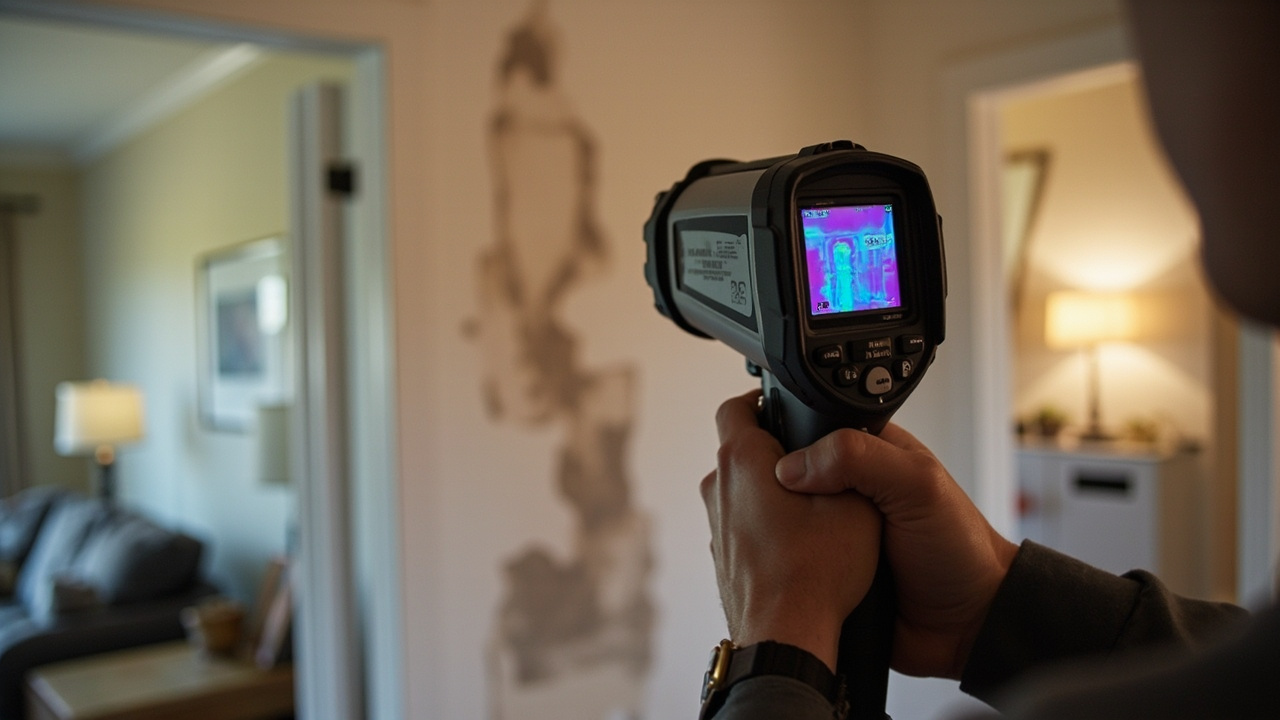
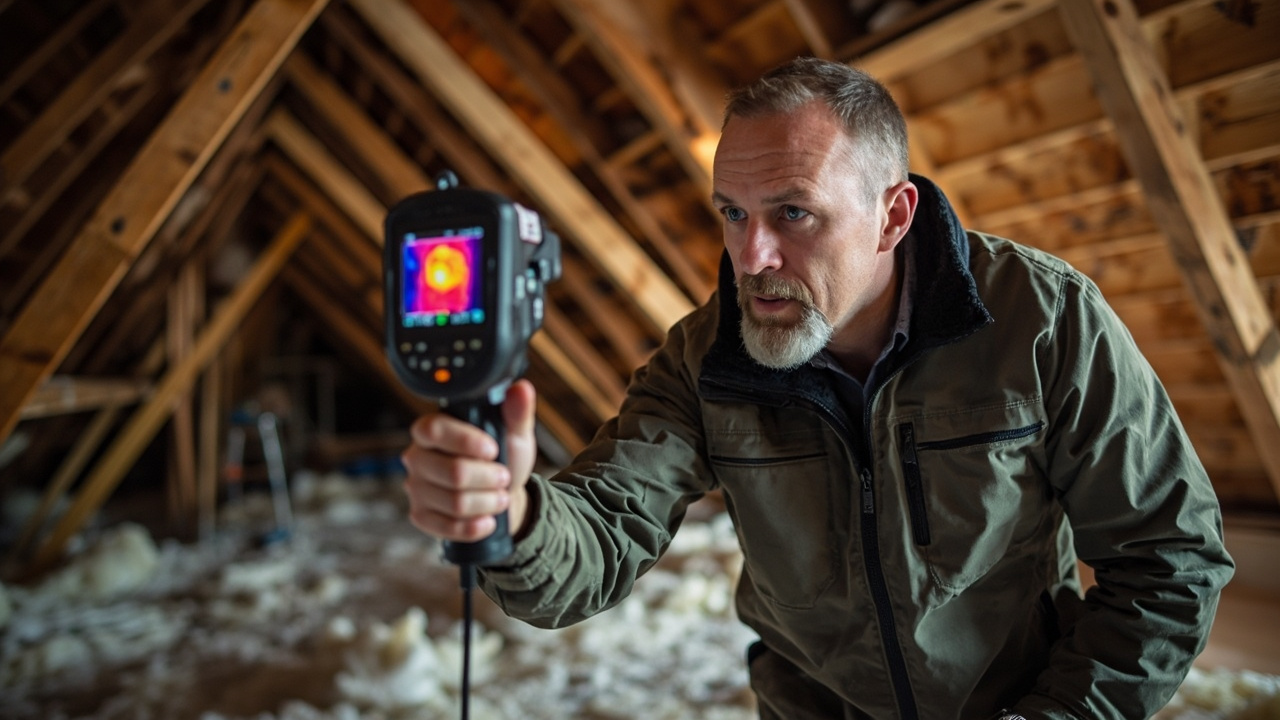
We arrive at your Houston property within hours of your call. Our team performs moisture mapping using thermal imaging and hygrometers to identify hidden water sources. We document every affected surface with photos and written reports formatted for insurance submission. You receive a preliminary scope of work the same day, outlining remediation steps and estimated costs. Speed matters because mold spreads fast and insurance companies penalize delayed mitigation.

Insurance Coordination and Documentation

We communicate directly with your adjuster to provide technical details and answer questions. Our reports include moisture readings, mold species identification, containment protocols, and HEPA filtration plans. We explain how the water source qualifies as a covered peril and why the mold growth timeline supports your claim. If your carrier disputes coverage, we provide supplemental documentation and expert opinions. You are not alone in the fight.

Complete Mold Remediation

Our licensed technicians remove contaminated materials, treat affected surfaces with EPA-registered antimicrobials, and restore air quality through HEPA air scrubbing. We follow IICRC S520 standards for mold remediation and document every step for insurance verification. After remediation, we conduct clearance testing to confirm spore counts meet safe levels. Your home returns to pre-loss condition with certified proof of complete cleanup.

Post-Remediation Support and Prevention

We provide written reports showing all work completed, materials removed, and air quality test results. These documents satisfy insurance requirements and protect you if questions arise later. We also identify moisture sources that could cause future mold growth, like poor attic ventilation or grading issues common in Houston's clay soil. You receive recommendations to prevent recurrence and maintain coverage eligibility. Our work does not end until your claim closes successfully.

Frequently Asked Questions

You Have Questions,
We Have Answers

Should I tell my insurance company about mold? +

Yes, you should report mold to your insurer if it results from a covered peril like a burst pipe or sudden water damage. Houston's high humidity can accelerate mold growth after water events, making timely reporting critical. Document the damage with photos before cleanup begins. Do not file a claim for mold caused by long-term neglect or maintenance issues, as most policies exclude gradual damage. Review your policy's mold coverage limits and exclusions first. If the damage stems from a covered event, prompt notification protects your claim rights and starts the investigation process.

Can you claim for mold on house insurance? +

You can claim mold damage if it results from a covered peril, such as a sudden plumbing leak or storm damage. Most Houston homeowners policies include limited mold coverage, typically between $10,000 and $25,000, when tied to a qualifying event. Policies exclude mold from ongoing moisture problems, poor ventilation, or deferred maintenance. Read your declarations page to understand your specific mold endorsement limits. The key is proving the mold developed quickly after a covered water loss, not from chronic humidity or roof leaks you ignored.

Is mold exposure covered by insurance? +

Mold exposure itself is rarely covered under standard homeowners insurance. Policies cover property damage from mold when it stems from a covered water event, but personal injury or health claims related to mold exposure fall under different liability or health insurance. Houston residents dealing with respiratory issues or allergic reactions from mold should consult their health insurance provider. If a third party claims mold exposure at your property caused harm, your liability coverage might apply. Document all remediation efforts to protect yourself from future exposure claims.

What is an example of a mold claim? +

A common mold claim example involves a homeowner discovering mold after a washing machine supply line bursts while they are at work. Water spreads across the laundry room and into adjacent walls. The homeowner contacts their insurer within 24 hours, documents the damage, and hires a restoration company. The adjuster confirms the burst hose as a sudden covered event. The policy pays for water extraction, affected drywall replacement, and mold remediation up to the policy's mold limit. Cleanup begins immediately to prevent further growth in Houston's humid climate.

How expensive is mold removal? +

Mold removal costs vary based on contamination extent, affected materials, and accessibility. Small contained areas may cost a few hundred dollars for professional treatment. Extensive infestations requiring structural demolition, HVAC cleaning, and air quality testing can reach several thousand dollars. Houston's moisture levels often mean hidden growth behind walls or in crawl spaces, increasing scope. Insurance may cover costs when mold stems from a covered peril, up to policy limits. Get multiple estimates and confirm whether your situation qualifies for coverage before beginning work.

Will my rates go up if I file a mold claim? +

Filing a mold claim may increase your premiums, depending on your insurer and claims history. Carriers view multiple claims within a short period as higher risk, which can trigger rate adjustments or policy non-renewal. A single mold claim tied to a covered event like storm damage typically has less impact than repeated water loss claims. Houston's flood risk and humidity already factor into local premium calculations. Weigh the claim payout against potential long-term rate increases. For minor mold issues below your deductible, paying out of pocket may be smarter.

What to do if you can't afford mold removal? +

If you cannot afford professional mold removal, address moisture sources immediately to stop growth. Fix leaks, improve ventilation, and use dehumidifiers to reduce humidity below 50 percent. Small surface mold on non-porous materials can be cleaned with detergent and water. For extensive contamination, contact your local health department for guidance or low-cost resources. Some Houston community programs offer assistance for low-income homeowners facing habitability issues. Ignoring mold worsens damage and health risks. Prioritize containment and moisture control while seeking financial solutions or payment plans with contractors.

What are the signs of mold in a house? +

Visible mold appears as black, green, or white patches on walls, ceilings, or grout. You may notice a musty, earthy odor in affected areas. Water stains, discoloration, or peeling paint often signal hidden moisture and potential mold growth. Houston homes with poor ventilation, roof leaks, or plumbing issues are vulnerable. Condensation on windows, damp basements, or crawl spaces also create conditions for mold. Respiratory irritation, allergy symptoms, or worsening asthma indoors can indicate exposure. Inspect behind appliances, under sinks, and in attics regularly for early detection.

What are my rights if my insurance denies a mold claim? +

If your insurer denies a mold claim, request a written explanation detailing the denial reason. Review your policy language and compare it against the denial rationale. You can challenge the decision by providing additional documentation, such as plumber reports proving sudden water loss or remediation invoices. Hire a public adjuster to reassess damage and negotiate with the carrier. If disputes continue, file a complaint with the Texas Department of Insurance. You may also consult an attorney specializing in insurance claims to explore bad faith or coverage dispute options under Texas law.

How do I test for mold in my home? +

Professional mold testing involves air sampling and surface swabs analyzed in a lab to identify mold types and spore concentration. Inspectors use moisture meters and infrared cameras to locate hidden water intrusion behind walls or ceilings. DIY test kits are available at hardware stores but provide limited accuracy compared to certified assessments. In Houston, high humidity can produce false positives. If you see visible mold or smell mustiness, testing may be unnecessary. Focus resources on remediation instead. Testing is most useful for post-remediation verification or when health symptoms suggest hidden contamination.

Why Houston's Humidity Makes Mold Coverage Critical for Every Homeowner

Houston's average relative humidity exceeds 90 percent on summer mornings. Afternoon thunderstorms dump inches of rain in minutes, overwhelming gutters and saturating foundations. The Gulf Coast climate creates year-round conditions where mold thrives. A minor roof leak during a typical May storm can turn into a major remediation project if not addressed within 48 hours. Houston homeowners face mold risk that residents in arid climates never encounter. Understanding homeowners insurance mold coverage is not optional here. It is essential financial protection against a threat that strikes thousands of local properties every year.

Silverline Water Damage Restoration Houston understands the unique challenges our climate presents. We work in neighborhoods from the Heights to Pearland, dealing with issues specific to our area like pier and beam foundations that trap moisture, outdated cast iron plumbing that corrodes faster in humid conditions, and hurricane-related roof damage that allows water intrusion. Local adjusters recognize our name and trust our documentation. We know Houston building codes, permit requirements, and the environmental factors that make mold remediation more complex here than in other regions. Choosing a local expert means choosing someone who speaks the same language as your insurance company.
Water Damage Restoration Services in The Houston Area

Easily locate our service area and see how Silverline is strategically positioned to provide rapid water damage restoration services throughout Houston and its surrounding communities. Our commitment to prompt response means we're never far away when disaster strikes, ensuring your property gets the urgent care it needs, wherever you are within our service radius. We're here to serve you efficiently.

Address:
Silverline Water Damage Restoration Houston, 3730 Kirby Dr, Houston, TX, 77098

Additional Services We Offer

Our news updates

Latest Articles & News from The Blogs

Dealing with Attic Water Damage from Leaky Roofs in KingwoodHomeowners in the Kingwood area face significant moisture challenges due to…

Dealing with Attic Water Damage from Leaky Roofs in Kingwood

Dealing with Attic Water Damage from Leaky Roofs in KingwoodHomeowners in the Kingwood area face significant moisture challenges due to…

Why a Home Dehumidifier Cannot Save Your Third Ward Living Room from Water Damage

Why a Home Dehumidifier Cannot Save Your Third Ward Living Room from Water DamageYour Third Ward home faces unique challenges…

Planning Your Tropical Storm Recovery Strategy for League City and Bay Area Residences

Planning Your Tropical Storm Recovery Strategy for League City and Bay Area Residences Living in the Houston Bay Area during…

Contact Us

Do not wait until your claim gets denied. Call Silverline Water Damage Restoration Houston at (832) 336-3663 now for a free insurance coverage consultation. We review your policy, assess your damage, and tell you exactly what to expect. Fast answers. Real expertise. No runaround.