





menu

Allergic Reactions in Home – Houston's Hidden Mold Problem Solved Fast

When indoor allergies won't quit, Houston's extreme humidity and flooding history often mean hidden water damage and mold. Expert diagnosis and rapid remediation eliminate the real triggers behind your allergic reactions in home.

Slider Image 1
Slider Image 2
Slider Image 3
Slider Image 4
Slider Image 5
Slider Image 7
Slider Image 8
Slider Image 9
Slider Image 10
Slider Image 11

Why Houston Homes Trigger Year-Round Allergic Reactions

You keep the windows closed. You change the filters. But your eyes still water, your throat itches, and you wake up congested. You are not alone. Houston's subtropical climate creates perfect conditions for household mold allergies. With average humidity above 75 percent and frequent flooding from storms and aging infrastructure, water gets into places you cannot see. Behind drywall. Under flooring. Inside HVAC ducts.

When water sits for 24 to 48 hours, mold starts growing. Most Houston homes built before 2000 have experienced at least one water intrusion event. Older homes near Buffalo Bayou or Brays Bayou are especially vulnerable. Even newer construction in Katy or Sugar Land can develop indoor mold symptoms after a burst pipe or roof leak goes unnoticed.

Water damage allergy triggers are not always visible. You might see a small stain on the ceiling, but the real problem hides in the attic insulation or wall cavities. Mold exposure symptoms mimic seasonal allergies, so many homeowners treat the symptoms without fixing the source. You take antihistamines, but the problem stays.

Mildew allergic reactions escalate when spores circulate through your HVAC system. Every time the air conditioner kicks on, you breathe contaminated air. Children, elderly family members, and anyone with asthma face higher risks. The longer mold grows unchecked, the worse your symptoms get. Fixing the water damage stops the cycle.

Why Houston Homes Trigger Year-Round Allergic Reactions
How We Find and Remove Hidden Mold Sources

How We Find and Remove Hidden Mold Sources

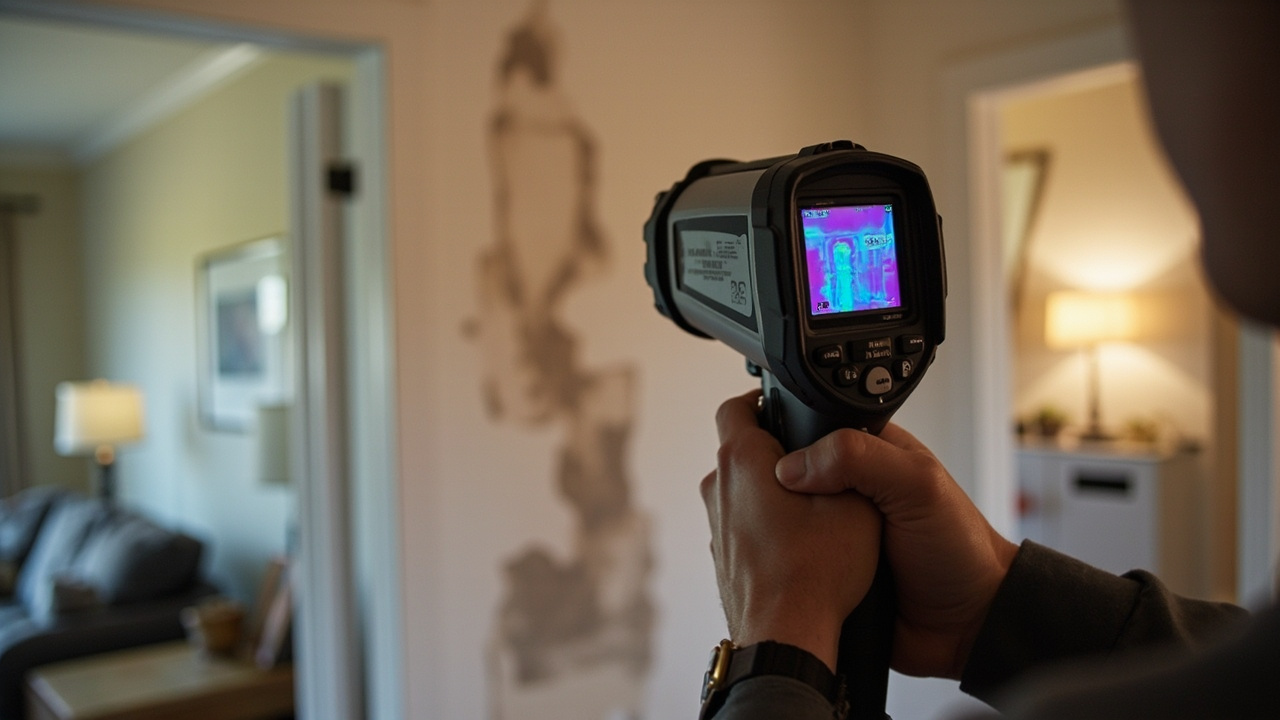
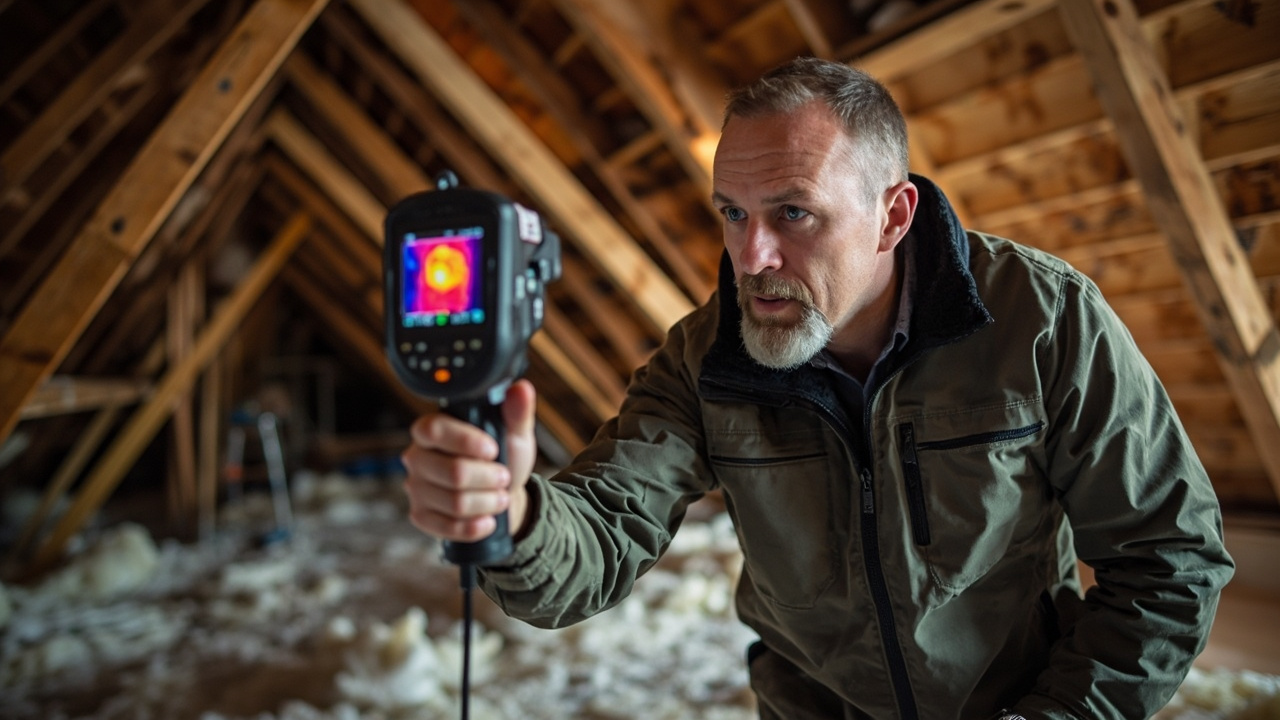
Most companies treat the visible mold and leave. That approach fails because mold grows where you do not see it. Silverline Water Damage Restoration Houston uses thermal imaging cameras to detect moisture trapped behind walls and under floors. We measure humidity levels in every room using hygrometers to identify microclimates where mold thrives.

Our technicians inspect HVAC systems, crawl spaces, attics, and plumbing chases. These are the areas where water damage allergy triggers originate. We pull back baseboards, check under sinks, and inspect roof decking from inside the attic. If you have had flooding, even minor street flooding that entered the garage, we check for wicking in drywall and insulation.

Once we locate the moisture source, we stop it. That might mean repairing a slow plumbing leak, sealing roof penetrations, or rerouting drainage away from the foundation. Houston's expansive clay soil shifts constantly, cracking slabs and stressing plumbing connections. We address the root cause, not just the symptom.

Then we remove contaminated materials. Drywall and insulation that stayed wet become mold reservoirs. We use HEPA filtration during removal to prevent spores from spreading to clean areas. After extraction, we treat structural components with antimicrobial solutions and dry everything to below 15 percent moisture content. We verify dryness with moisture meters before reconstruction begins.

Our process eliminates household mold allergies at the source. You breathe easier because the mold is gone, not masked.

What Happens During Your Mold Inspection and Remediation

Allergic Reactions in Home – Houston's Hidden Mold Problem Solved Fast
01

Comprehensive Moisture Detection

We start with a full home assessment using thermal imaging and moisture meters. You walk us through your concerns, and we inspect every potential water intrusion point. We document moisture levels, take photos, and map problem areas. This diagnostic phase usually takes 60 to 90 minutes and gives you a clear picture of what is happening behind your walls and under your floors.
02

Containment and Mold Removal

We isolate contaminated areas using plastic sheeting and negative air pressure to prevent spores from spreading. HEPA air scrubbers run continuously during removal. Our team extracts affected drywall, insulation, and flooring, bags everything onsite, and disposes of it properly. We treat structural framing with EPA-registered antimicrobials, then dry the space completely using commercial dehumidifiers and air movers.
03

Post-Remediation Verification

After remediation, we verify that moisture levels are below 15 percent and no viable mold remains. You receive detailed documentation with before and after moisture readings, photos, and a scope of work completed. We explain what caused the problem and how to prevent recurrence. Once cleared, reconstruction begins. Your home is safe, dry, and ready for your family to breathe easier.

Why Houston Homeowners Trust Silverline for Allergy Relief

Water damage in Houston is not the same as water damage in Phoenix or Denver. Our climate is relentless. Humidity never drops below 60 percent, even in winter. Storms dump inches of rain in hours, overwhelming drainage systems and forcing water into homes through every weak point. If you live near Galveston Bay, salt air accelerates corrosion in plumbing and roofing materials. In older neighborhoods like the Heights or Montrose, pier and beam foundations wick moisture directly into living spaces.

Silverline Water Damage Restoration Houston understands these challenges because we work here every day. We know how Houston's clay soil moves and cracks slabs. We know that homes built before 1990 often lack proper vapor barriers. We know that post-Harvey construction sometimes cut corners, leaving homes vulnerable to hidden leaks.

Our technicians are trained in mold remediation protocols and water damage restoration. We follow IICRC S520 standards for mold remediation and IICRC S500 standards for water damage restoration. These are industry benchmarks, not marketing terms. We document every step so insurance claims process smoothly.

When you call us, you get a local team that knows Houston building codes and construction methods. We have worked in every ZIP code from downtown to Cypress, from Pearland to The Woodlands. We know which neighborhoods flood first, which builders used substandard materials, and which HVAC systems are prone to condensation problems.

You are hiring people who live here, work here, and understand what makes Houston homes different. Your allergic reactions in home get resolved because we fix the actual problem, not just the surface mold.

What You Can Expect When You Work With Us

Fast Response and Flexible Scheduling

We answer calls seven days a week and schedule inspections within 24 hours. If you have an active leak or flooding, we dispatch immediately. Most inspections happen the same day you call. Once we identify the problem, remediation starts within 48 hours. Speed matters because mold grows fast in Houston's humidity. The sooner we dry and treat your home, the less damage occurs and the faster your symptoms improve. We work around your schedule, including evenings and weekends, so you do not have to take time off work.

Thorough Inspection and Clear Communication

You get a detailed assessment with thermal images, moisture readings, and photos. We explain what we found, why it happened, and what needs to happen next. No jargon. No upselling. Just clear answers. You receive a written scope of work before we start, so there are no surprises. If insurance is involved, we document everything to support your claim. Our reports include moisture maps, affected square footage, and material lists. You know exactly what is wrong and how we will fix it before we begin.

Complete Remediation and Safe Reconstruction

We do not stop at removing mold. We dry your home completely, treat all surfaces, and verify that moisture levels are safe before rebuilding. You get new drywall, insulation, and flooring that matches your existing finishes. Our reconstruction team coordinates with you to minimize disruption. We protect your furniture, seal off work areas, and clean up daily. When we finish, your home looks like the problem never happened. More importantly, your indoor air quality improves immediately. You stop waking up congested. Your family breathes easier.

Prevention Guidance and Ongoing Support

After remediation, we walk you through prevention strategies. You learn how to spot early warning signs, where to check for leaks, and how to manage humidity. We recommend dehumidifier placement, HVAC upgrades, and drainage improvements specific to your home. If problems resurface, you call us directly. We return to reassess at no charge if symptoms reappear within six months. Our goal is long-term relief, not a temporary fix. You get our direct line and email, so you always have access to answers.

Frequently Asked Questions

You Have Questions,
We Have Answers

What could be causing allergies in my house? +

Common culprits include dust mites thriving in Houston's high humidity, mold spores from water intrusion or AC condensation, pet dander, cockroach droppings, and pollen tracked indoors. Houston's subtropical climate creates ideal conditions for mold growth, particularly in poorly ventilated bathrooms, attics, and crawl spaces. Hidden water damage behind walls or under flooring often breeds mold you cannot see. Check HVAC systems for accumulated dust and debris. Carpets, upholstered furniture, and bedding trap allergens. If your home experienced flooding or water damage, hidden moisture can trigger prolonged allergic reactions.

How do I find out what I'm allergic to in my house? +

Start with an allergy skin test or blood test through your doctor to identify specific allergens. Once you know your triggers, inspect your home systematically. Check bathrooms, kitchens, and AC units for visible mold. Use a dust mite test kit on bedding and upholstered furniture. Monitor symptoms room by room to pinpoint problem areas. Professional indoor air quality testing can detect hidden mold, especially after water damage. In Houston, post-hurricane or flood homes often harbor hidden allergens in walls and subflooring. Document when symptoms worsen to identify patterns tied to specific rooms or activities.

How to treat allergy cough? +

Remove yourself from the allergen source immediately. Use antihistamines to reduce inflammation and control coughing. Run a humidifier to soothe irritated airways, but keep humidity below 50 percent to prevent mold growth in Houston's already humid climate. Drink warm liquids to thin mucus. Over-the-counter cough suppressants can provide temporary relief. If coughing persists beyond two weeks, see a doctor to rule out infection or chronic conditions. Address the root cause by eliminating allergens like dust, mold, or pet dander from your home. Professional mold remediation may be necessary if water damage is present.

Why am I having allergic reactions all of a sudden? +

Sudden allergic reactions often stem from environmental changes. Recent water damage or flooding can introduce mold spores quickly. New furniture, carpets, or renovation materials release volatile organic compounds. Seasonal pollen counts spike in Houston during spring and fall, increasing indoor allergen loads. AC system failures raise humidity, encouraging dust mite and mold proliferation. Pet dander accumulates over time. Stress and hormonal changes can heighten immune sensitivity. If your home experienced recent water intrusion, hidden mold growth is likely. Inspect HVAC ducts, check for roof leaks, and monitor indoor humidity levels.

How to identify indoor allergies? +

Indoor allergies present as sneezing, itchy eyes, nasal congestion, and persistent cough that worsen inside your home but improve outdoors. Symptoms occur year-round rather than seasonally. Notice if reactions intensify in specific rooms like bathrooms or basements. Morning congestion suggests dust mite exposure in bedding. Musty odors indicate mold presence, common in Houston homes after water damage. Skin rashes or hives point to contact allergens. Track symptom patterns over two weeks. If symptoms fade during vacations but return home, indoor allergens are the cause. Professional air quality testing confirms specific triggers.

How do I tell if my bed has dust mites? +

Look for small dark spots on sheets or mattress seams, though dust mites are microscopic and invisible to the naked eye. Allergy symptoms that worsen at night or upon waking indicate dust mite presence. Use a dust mite test kit available at pharmacies for confirmation. Houston's humidity creates ideal breeding conditions. Check for musty odors in bedding. Wash sheets weekly in hot water above 130 degrees. Encase mattresses and pillows in allergen-proof covers. Vacuum mattresses regularly. If allergies persist despite cleaning, professional testing can quantify mite populations and guide treatment.

Can I test my house for allergies? +

Yes, professional indoor air quality testing identifies allergens like mold spores, dust mites, and volatile organic compounds. Certified inspectors use air sampling and surface testing to detect hidden mold, particularly important in Houston homes with water damage history. DIY mold test kits provide basic screening but lack accuracy. Allergists can perform skin or blood tests to identify your specific sensitivities, then you can target those allergens at home. HVAC inspections reveal duct contamination. Moisture meters detect hidden water intrusion. Testing costs vary but provides actionable data for effective remediation.

What is the most common indoor allergen? +

Dust mites top the list of indoor allergens nationwide. These microscopic insects thrive in Houston's humid climate, feeding on dead skin cells in bedding, upholstered furniture, and carpets. Close behind are mold spores, particularly in homes with water damage or poor ventilation. Pet dander ranks third. Cockroach droppings are significant in urban Houston areas. Pollen infiltrates homes through windows and clothing. Houston's combination of high humidity, warm temperatures, and frequent flooding creates a perfect environment for dust mites and mold to flourish year-round, unlike drier climates.

Do air purifiers help with allergies? +

Air purifiers with HEPA filters remove airborne allergens like dust, pollen, pet dander, and some mold spores. They work best in enclosed spaces like bedrooms. However, they do not address allergen sources like dust mites in bedding or mold growing in walls. In Houston, air purifiers help manage pollen infiltration but cannot replace proper moisture control and mold remediation. Place units strategically in high-traffic rooms. Change filters regularly. Combine air purifiers with thorough cleaning, humidity control below 50 percent, and addressing water damage. They are a tool, not a complete solution.

How to tell if it's an allergy cough? +

Allergy coughs are dry, persistent, and accompanied by itchy throat, sneezing, or watery eyes. They worsen with allergen exposure and improve when removed from the trigger. No fever or body aches occur, unlike infections. Postnasal drip causes throat irritation and coughing. Symptoms last weeks or months rather than days. Allergy coughs often spike at night from dust mite exposure in bedding. In Houston, year-round symptoms point to indoor allergens like mold from water damage. If over-the-counter antihistamines provide relief, allergies are likely. Persistent coughs warrant medical evaluation.

Why Houston's Humidity and Flooding Make Allergic Reactions in Home a Year-Round Problem

Houston averages over 50 inches of rain annually, and humidity rarely drops below 60 percent. This combination creates ideal conditions for household mold allergies. When tropical storms stall over the Gulf Coast, entire neighborhoods flood. Water enters homes through garage doors, foundation cracks, and roof leaks. Even minor street flooding can wick moisture into walls through capillary action. Once water intrudes, mold starts growing within 24 hours. Older homes in Meyerland, Bellaire, and areas near Buffalo Bayou have experienced multiple flooding events, creating layered mold problems that standard cleaning cannot fix.

Local building codes require proper drainage and moisture barriers, but enforcement varies. Many homes built before 2000 lack adequate vapor barriers in crawl spaces and attics. Post-Harvey reconstruction saw a surge in demand, and some contractors rushed work or used improper materials. Silverline Water Damage Restoration Houston has worked with Houston homeowners for years, navigating insurance claims, coordinating with local adjusters, and understanding how Harris County building inspectors evaluate mold remediation. When you hire local experts, you get people who know the unique challenges of Houston construction and the specific water damage allergy triggers common to this region.
Water Damage Restoration Services in The Houston Area

Easily locate our service area and see how Silverline is strategically positioned to provide rapid water damage restoration services throughout Houston and its surrounding communities. Our commitment to prompt response means we're never far away when disaster strikes, ensuring your property gets the urgent care it needs, wherever you are within our service radius. We're here to serve you efficiently.

Address:
Silverline Water Damage Restoration Houston, 3730 Kirby Dr, Houston, TX, 77098

Additional Services We Offer

Our news updates

Latest Articles & News from The Blogs

Dealing with Attic Water Damage from Leaky Roofs in KingwoodHomeowners in the Kingwood area face significant moisture challenges due to…

Dealing with Attic Water Damage from Leaky Roofs in Kingwood

Dealing with Attic Water Damage from Leaky Roofs in KingwoodHomeowners in the Kingwood area face significant moisture challenges due to…

Why a Home Dehumidifier Cannot Save Your Third Ward Living Room from Water Damage

Why a Home Dehumidifier Cannot Save Your Third Ward Living Room from Water DamageYour Third Ward home faces unique challenges…

Planning Your Tropical Storm Recovery Strategy for League City and Bay Area Residences

Planning Your Tropical Storm Recovery Strategy for League City and Bay Area Residences Living in the Houston Bay Area during…

Contact Us

You deserve to breathe easy in your own home. Call Silverline Water Damage Restoration Houston at (832) 336-3663 today. We will inspect your home, find the hidden moisture, and eliminate the mold causing your symptoms. Fast response, clear answers, lasting relief.