





menu

Cupping or Buckling Wood Floors in Houston – Expert Diagnosis and Moisture-Source Repair

Silverline Water Damage Restoration Houston identifies hidden water intrusion causing warped hardwood flooring and swollen wood planks, then eliminates the moisture source to prevent recurring damage and costly floor replacement.

Slider Image 1
Slider Image 2
Slider Image 3
Slider Image 4
Slider Image 5
Slider Image 7
Slider Image 8
Slider Image 9
Slider Image 10
Slider Image 11

Why Houston Homes Battle Warped and Lifted Hardwood Flooring

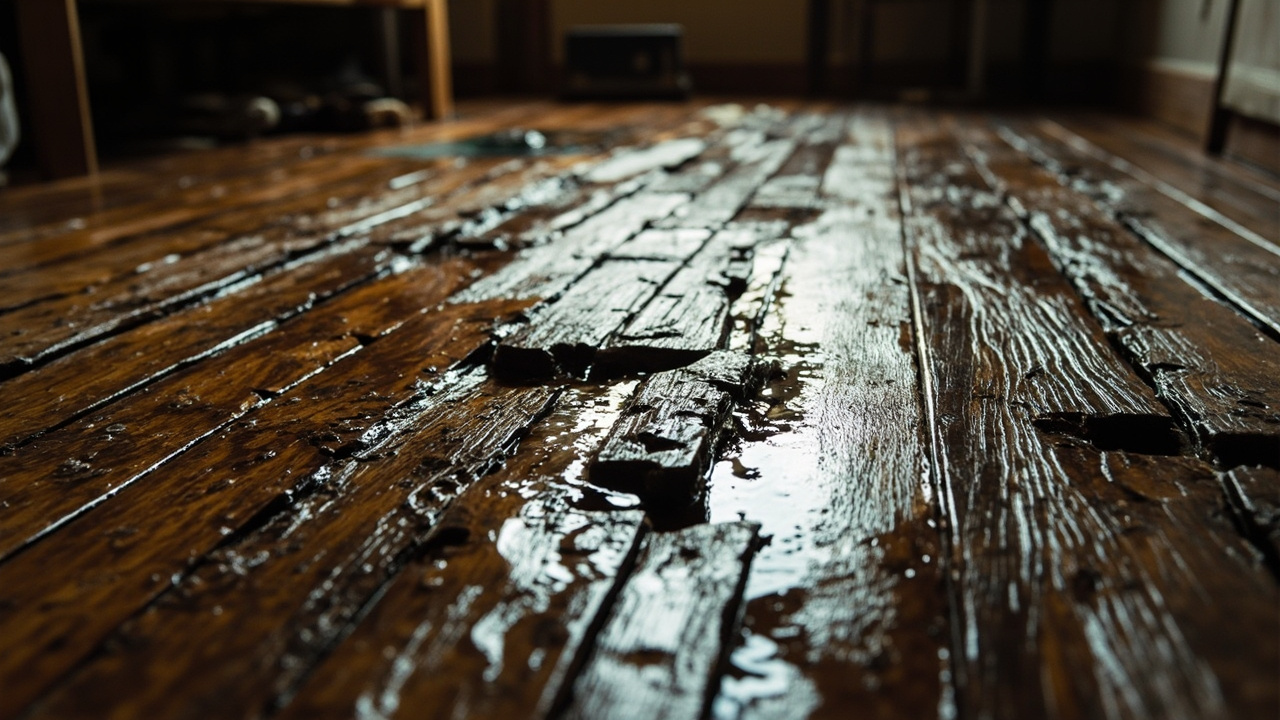
You walk across your hardwood floor and feel raised wood floor edges catching your sock. You notice swollen wood planks near the kitchen or bathroom. The boards look wavy or humped in the center. This is cupping or buckling, and it signals active moisture problems beneath your floor.

Houston's climate creates perfect conditions for this damage. Humidity averages 75 percent year-round, and the city sits just 50 feet above sea level on clay soil that shifts and cracks with seasonal moisture changes. When foundation slabs settle or crack, groundwater seeps upward through concrete. When AC condensate lines clog or drip pans overflow during cooling season, water pools under cabinets and migrates beneath flooring. When hurricanes push water through door thresholds or window seals, it saturates subfloors before you see surface puddles.

Wood flooring absorbs moisture from below and swells. The edges rise first, creating cupped boards. If moisture continues, the center of each plank swells and lifts, causing peaking hardwood joints and lifting floorboards. The wood fibers compress and deform. Even after drying, the floor may never lay flat again.

You cannot fix warped hardwood flooring by sanding or refinishing alone. You must find and stop the water source. That requires moisture mapping, subfloor inspection, and understanding how Houston's clay soil and high water table affect your foundation. Ignoring the problem invites mold growth in the subfloor cavity and structural rot in floor joists.

Why Houston Homes Battle Warped and Lifted Hardwood Flooring
How We Trace Moisture Sources and Stabilize Wood Flooring

How We Trace Moisture Sources and Stabilize Wood Flooring

We do not guess. We use calibrated moisture meters to measure water content in hardwood planks, subfloor sheathing, and concrete slabs. We map moisture gradients to trace water migration paths. High readings near exterior walls suggest foundation cracks or hydrostatic pressure. High readings near plumbing fixtures suggest supply line leaks or drain backups. High readings in center zones suggest roof leaks or AC condensate problems.

After locating the source, we address it. If a slab crack allows groundwater intrusion, we coordinate with foundation specialists to seal the breach. If a leaking supply line saturates the subfloor, we dry the cavity using axial air movers and low-grain refrigerant dehumidifiers. We monitor daily moisture readings until the subfloor reaches equilibrium moisture content, typically 12 to 14 percent for wood in Houston's climate.

We then assess the flooring. Cupping sometimes reverses if caught early and dried properly. Buckling rarely reverses because the wood has compressed beyond its elastic limit. We document the damage for insurance claims and provide recommendations for repair or replacement.

We also inspect for secondary damage. Prolonged moisture creates conditions for mold colonization on subfloor paper and joist surfaces. We perform mold sampling if we detect musty odors or visible growth. If mold is present, we follow IICRC S520 remediation protocols to remove contaminated materials and treat structural framing.

Our goal is to eliminate the moisture source, dry the structure, and prevent recurrence. We do not simply pull up flooring and call it done. We solve the underlying problem.

What Happens During Our Floor Assessment and Drying Process

Cupping or Buckling Wood Floors in Houston – Expert Diagnosis and Moisture-Source Repair
01

Moisture Mapping Inspection

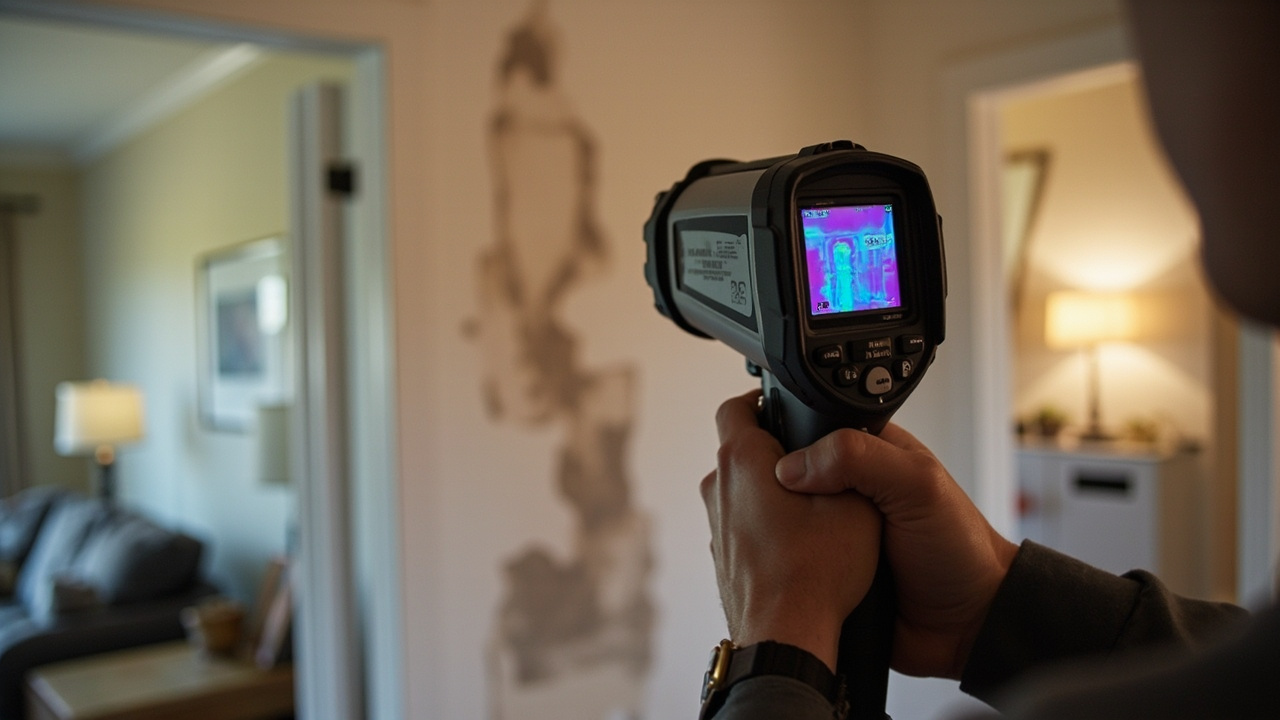
We arrive with thermal imaging cameras and penetrating moisture meters to scan your floor system. We measure moisture levels in hardwood planks, subfloor sheathing, and concrete slabs to trace water migration patterns. We inspect plumbing fixtures, HVAC drip pans, and foundation perimeter zones. This diagnostic phase identifies the moisture source and the extent of saturation before we begin drying.
02

Source Elimination and Drying

Once we locate the leak or intrusion point, we stop it. We then deploy axial air movers and commercial dehumidifiers to dry the subfloor cavity. We may remove baseboards or drill small weep holes to allow airflow beneath flooring. We monitor moisture levels daily and adjust equipment placement to achieve uniform drying. This phase takes three to seven days depending on saturation depth.
03

Damage Documentation and Recommendations

After drying, we document final moisture readings and photograph floor conditions. We provide a detailed report for your insurance adjuster, including pre-loss estimates if flooring requires replacement. We explain whether cupping may reverse or if planks need replacement. We also recommend preventive measures like vapor barriers or improved drainage to protect against future moisture intrusion.

Why Houston Homeowners Trust Our Local Floor Drying Expertise

We understand Houston's construction patterns. Homes built in the 1970s and 1980s often have post-tension slab foundations prone to cracking as clay soil shifts. Homes in Memorial, River Oaks, and the Heights feature older hardwood flooring installed over board subfloors or diagonal sheathing, which trap moisture differently than modern OSB. Newer homes in Katy, Cypress, and Pearland use engineered wood flooring that delaminates when saturated.

We know how Houston's weather accelerates damage. Summer humidity keeps indoor relative humidity high even with AC running. When condensation forms on cold AC ducts in attics or under floors, it drips onto subfloor sheathing. When afternoon thunderstorms drop three inches of rain in an hour, water backs up through foundation weep holes or under door thresholds. When hurricanes stall over the Gulf Coast, they push storm surge and rain into crawl spaces and slab edges.

We have worked with every major insurance carrier in Harris County. We know how adjusters evaluate wood floor damage. We provide detailed moisture logs, thermal images, and cause-of-loss documentation to support your claim. We coordinate with your flooring contractor to ensure proper acclimation of replacement materials before installation.

We also know local building codes. Houston requires vapor barriers under wood flooring in below-grade installations. We verify compliance during our inspections and recommend upgrades if your floor lacks proper moisture protection. This prevents repeat damage and protects your investment.

Choosing a water damage restoration company that understands Houston's soil, climate, and construction history ensures accurate diagnosis and complete repair. We do not treat symptoms. We solve the problem.

What to Expect When You Call Us for Warped Flooring

Rapid Response and Scheduling

We answer calls 24 hours a day and dispatch technicians within two hours for active water intrusion. For non-emergency floor assessments, we schedule inspections within 24 hours. We understand that delaying drying increases damage severity and repair costs. Our trucks carry moisture detection equipment, drying equipment, and documentation tools so we can begin work immediately after assessment. We do not wait days to start the drying process.

Thorough Moisture Assessment

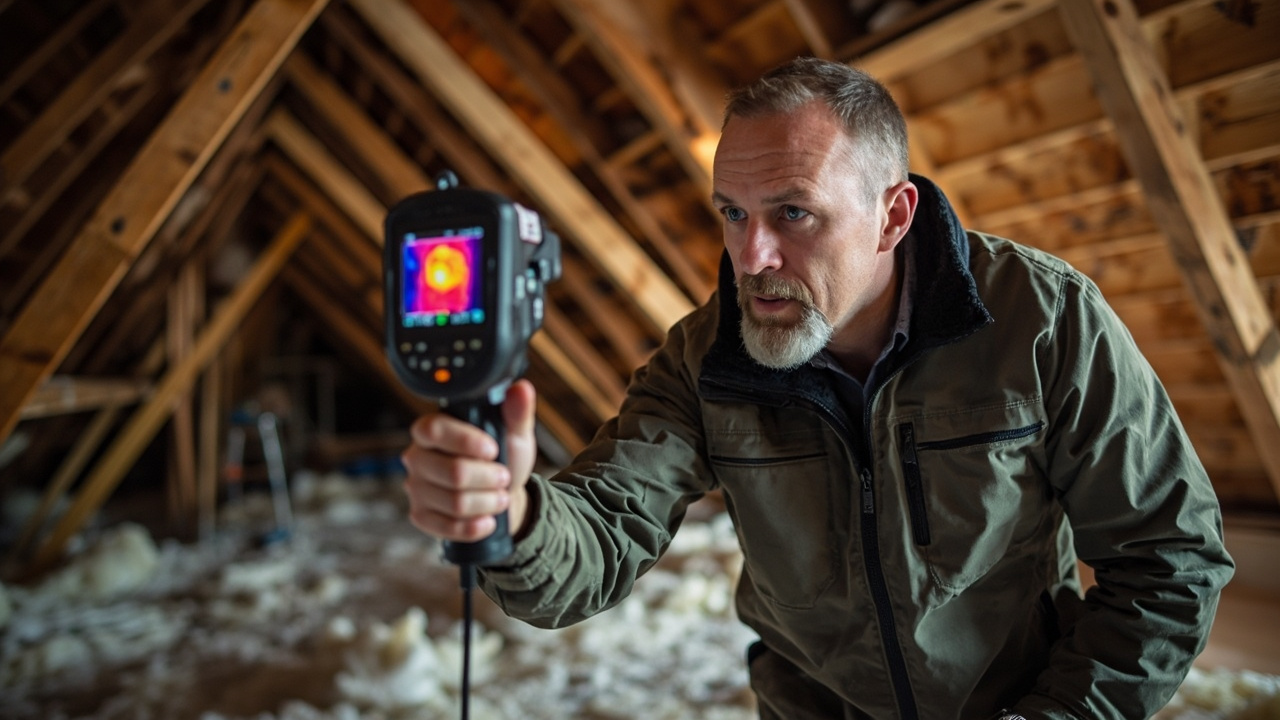
Our technicians use FLIR thermal cameras to detect temperature differentials that indicate hidden moisture. We use tramex moisture meters to measure water content at multiple depths in wood and concrete. We document all readings with photos and floor diagrams. We inspect adjacent rooms and below-grade spaces to determine if moisture has migrated beyond the visible damage zone. This diagnostic process takes 45 to 90 minutes and ensures we address all affected areas.

Complete Drying and Verification

We do not pull equipment until moisture readings confirm the structure is dry. We check subfloor sheathing, framing members, and concrete slabs daily. We aim for wood moisture content below 15 percent and concrete moisture content appropriate for your flooring type. We provide final documentation showing pre-drying and post-drying readings. This verification protects you from mold growth and ensures your flooring contractor can install replacement materials without warranty issues.

Insurance Coordination and Recommendations

We work directly with your insurance adjuster and provide detailed estimates for drying, demolition, and reconstruction. We explain coverage issues and help you understand your policy. After restoration, we provide recommendations to prevent future damage, such as installing water detection alarms near water heaters or upgrading foundation drainage. We want your floor repair to be permanent, not temporary. Our documentation and preventive advice give you peace of mind.

Frequently Asked Questions

You Have Questions,
We Have Answers

What is the difference between cupping and buckling floors? +

Cupping happens when the edges of wood planks rise higher than the center, creating a concave shape. This occurs when moisture absorbs into the bottom of the boards faster than the top. Buckling is more severe. The entire plank lifts away from the subfloor, sometimes tenting upward. Houston's high humidity and frequent flooding create conditions for both. Cupping often responds to drying and moisture control. Buckling means the wood has expanded beyond its capacity and typically requires board replacement. Both signal water damage that needs immediate attention to prevent structural issues and mold growth.

Will cupped hardwood floors flatten out? +

Sometimes. If you catch cupping early and remove the moisture source, floors may flatten as they dry. Houston's humidity makes this tricky. You need controlled drying with dehumidifiers and proper ventilation. Rush the process with heat, and you risk cracking. The wood needs to acclimate slowly. Mild cupping often improves within weeks. Severe cupping that has existed for months may not reverse completely. The wood fibers have been stressed and deformed. A water damage restoration professional can assess moisture levels with specialized meters and determine if natural drying will work or if sanding and refinishing are needed after stabilization.

What does a buckled hardwood floor look like? +

A buckled floor shows dramatic lifting and separation. You will see planks raised several inches off the subfloor, creating peaks or tents. Gaps appear between boards. The floor feels spongy or unstable when you walk on it. In severe cases, entire sections push upward, breaking apart at the seams. Houston homes with slab foundations often see buckling after plumbing leaks or foundation cracks allow water underneath. The wood has absorbed so much moisture it cannot expand sideways anymore, so it goes up. Unlike cupping, which affects individual board surfaces, buckling impacts whole planks and threatens subfloor integrity.

How to fix a hardwood floor that is cupping? +

First, identify and stop the water source. Fix the leak, improve ventilation, or address foundation drainage issues common in Houston's clay soil areas. Use dehumidifiers and fans to dry the space gradually. Monitor moisture content with a meter. Readings should drop to 6-9 percent before intervention. For mild cupping, drying alone may work. For persistent cupping, sand the floor after it stabilizes completely. This can take 30-60 days in humid climates. Never sand wet or actively drying wood. You risk removing too much material or creating uneven surfaces. Professional water damage teams have industrial drying equipment to speed safe recovery.

Will buckled hardwood floors go back to normal? +

Rarely. Buckling represents catastrophic moisture exposure. The wood has expanded past its structural limit. Even after drying, buckled planks stay warped and damaged. The nails or adhesive have pulled loose from the subfloor. You will need to remove and replace affected boards. In Houston, buckled floors often indicate ongoing foundation movement or hidden plumbing leaks. Address the root cause first. Then remove damaged planks, inspect and dry the subfloor, and install new boards. Trying to force buckled wood back down risks cracking and fails to address compromised adhesion. Replacement ensures structural integrity and prevents future failure.

Can cupping hardwood floors be reversed? +

Yes, if you act fast. Cupping reverses when you eliminate the moisture imbalance and allow the wood to dry evenly. In Houston, this means controlling indoor humidity below 55 percent and ensuring proper subfloor ventilation. Remove wet padding, carpets, or debris trapping moisture. Run dehumidifiers continuously. Check moisture levels weekly. As the bottom of the boards dries to match the top, cupping diminishes. Severe cupping that has existed for months may leave permanent damage to wood fibers. After complete drying and stabilization, light sanding can restore a flat surface. Professional moisture mapping ensures you are drying evenly, not just masking the problem.

How much does it cost to repair cupping wood floors? +

Repair costs depend on severity and square footage. Minor cupping caught early may only require drying services and monitoring, ranging from a few hundred to over a thousand dollars. Moderate cupping needing sanding and refinishing after drying runs higher, especially for larger areas. Severe damage requiring board replacement and subfloor repair increases costs significantly based on wood type and labor. Houston's humidity often means extended drying time, adding to service costs. Water damage restoration teams assess moisture levels, identify sources, and provide detailed estimates. Insurance may cover water damage repairs depending on your policy and the cause. Always document damage and get professional evaluations before starting work.

Will a dehumidifier pull water from under the floor? +

A dehumidifier removes airborne moisture but does not pull water directly from below flooring. It lowers ambient humidity, which helps moisture evaporate from exposed surfaces faster. For water trapped under floors, you need air movement and direct drying. This often requires lifting boards or drilling small access holes for air injection. Houston homes with slab foundations face special challenges. Water trapped between concrete and wood has limited evaporation paths. Professional water damage teams use moisture meters to map trapped water, then deploy specialty drying mats, injection systems, or controlled demolition to access and dry hidden moisture before structural damage worsens.

What would cause hardwood floors to cup? +

Hardwood floors cup when moisture enters the bottom of the boards faster than the top. Common causes in Houston include plumbing leaks, foundation cracks allowing groundwater intrusion, high indoor humidity during summer months, poor crawl space ventilation, and flooding. The Gulf Coast climate keeps relative humidity high year-round. Without proper HVAC control or vapor barriers, moisture migrates through concrete slabs or between floor joists. New construction sometimes traps construction moisture before wood acclimates. Improper installation over damp subfloors accelerates cupping. Even minor leaks ignored for weeks create enough moisture imbalance to warp boards. Early detection prevents permanent damage.

How much does it cost to fix a buckled floor? +

Buckled floor repair costs vary widely based on damage extent and materials. Small areas with a few buckled boards may cost less if you only replace damaged sections. Whole-room buckling requiring complete floor removal, subfloor repair, and reinstallation runs significantly higher. Houston foundation issues often contribute to buckling, adding foundation repair or drainage correction costs. Exotic hardwoods cost more to match and replace than common oak or pine. Labor for removal, subfloor drying, and installation depends on access and complexity. Water damage restoration professionals provide accurate estimates after moisture assessment. Insurance may cover costs if the damage resulted from a covered peril like sudden pipe failure.

How Houston's Clay Soil and High Humidity Accelerate Wood Floor Damage

Houston sits on expansive clay soil that swells when wet and shrinks when dry. This seasonal movement cracks concrete slabs and creates gaps that allow groundwater to wick upward into floor cavities. The city also averages 54 inches of rain annually and maintains year-round humidity above 70 percent. These conditions keep wood flooring at the high end of its moisture content range. When a plumbing leak or foundation crack introduces additional water, wood planks quickly exceed their saturation threshold and begin cupping or buckling. The same moisture conditions also promote mold growth within 48 hours, making rapid drying essential.

Silverline Water Damage Restoration Houston has worked with homeowners across Harris County, Fort Bend County, and Montgomery County. We understand how older homes in Montrose and the Museum District require different drying strategies than newer construction in Sugar Land or The Woodlands. We know local building inspectors and insurance adjusters. We follow Texas Department of Insurance guidelines for water damage claims and IICRC standards for drying and remediation. Choosing a local company ensures you get accurate advice for Houston's unique conditions, not generic solutions that work in dry climates but fail here.
Water Damage Restoration Services in The Houston Area

Easily locate our service area and see how Silverline is strategically positioned to provide rapid water damage restoration services throughout Houston and its surrounding communities. Our commitment to prompt response means we're never far away when disaster strikes, ensuring your property gets the urgent care it needs, wherever you are within our service radius. We're here to serve you efficiently.

Address:
Silverline Water Damage Restoration Houston, 3730 Kirby Dr, Houston, TX, 77098

Additional Services We Offer

Our news updates

Latest Articles & News from The Blogs

Dealing with Attic Water Damage from Leaky Roofs in KingwoodHomeowners in the Kingwood area face significant moisture challenges due to…

Dealing with Attic Water Damage from Leaky Roofs in Kingwood

Dealing with Attic Water Damage from Leaky Roofs in KingwoodHomeowners in the Kingwood area face significant moisture challenges due to…

Why a Home Dehumidifier Cannot Save Your Third Ward Living Room from Water Damage

Why a Home Dehumidifier Cannot Save Your Third Ward Living Room from Water DamageYour Third Ward home faces unique challenges…

Planning Your Tropical Storm Recovery Strategy for League City and Bay Area Residences

Planning Your Tropical Storm Recovery Strategy for League City and Bay Area Residences Living in the Houston Bay Area during…

Contact Us

Do not wait for cupping to turn into buckling or mold growth. Call Silverline Water Damage Restoration Houston at (832) 336-3663 for a comprehensive moisture inspection. We diagnose the source, dry your floor system properly, and help you file insurance claims. Protect your home.