





menu

Fire & Smoke Damage Restoration in Houston | 24/7 Emergency Response With Full-Service Mitigation and Structural Recovery

Silverline Water Damage Restoration Houston deploys certified fire restoration crews within hours to handle fire damage repair, smoke damage cleanup, and complete structural drying across residential and commercial properties throughout the Greater Houston area.

Slider Image 1
Slider Image 2
Slider Image 3
Slider Image 4
Slider Image 5
Slider Image 7
Slider Image 8
Slider Image 9
Slider Image 10
Slider Image 11

Why Fire Damage in Houston Homes and Businesses Becomes a Dual Threat

Fire damage in Houston does not stop when the flames die. The combination of high humidity and residual moisture from firefighting efforts creates a compounding hazard. Water used to extinguish the fire soaks into drywall, insulation, and subflooring. Within 24 to 48 hours, mold colonization begins. Smoke particles embed into porous surfaces like wood framing, upholstery, and HVAC ductwork. The acidic nature of smoke residue accelerates corrosion on metal fixtures, wiring, and structural fasteners.

Houston's Gulf Coast climate amplifies these problems. Relative humidity often exceeds 70 percent, which slows evaporation and extends the window for secondary water damage. Homes built on pier-and-beam foundations, common in older Houston neighborhoods like The Heights and Montrose, are especially vulnerable. Smoke and soot infiltrate crawlspaces and create persistent odor problems that surface ventilation cannot resolve.

Fire and smoke mitigation requires simultaneous water extraction, dehumidification, and soot removal. Delayed response leads to irreversible damage. Smoke odor becomes chemically bonded to building materials. Water damage progresses from Category 1 clean water to Category 2 gray water as biological contamination sets in. Fire restoration services must address both the visible char and the hidden moisture to prevent structural failure and indoor air quality issues. You need a team that understands how fire cleanup services intersect with water damage protocols in this climate.

Why Fire Damage in Houston Homes and Businesses Becomes a Dual Threat
How Professional Fire and Smoke Restoration Works in High-Humidity Environments

How Professional Fire and Smoke Restoration Works in High-Humidity Environments

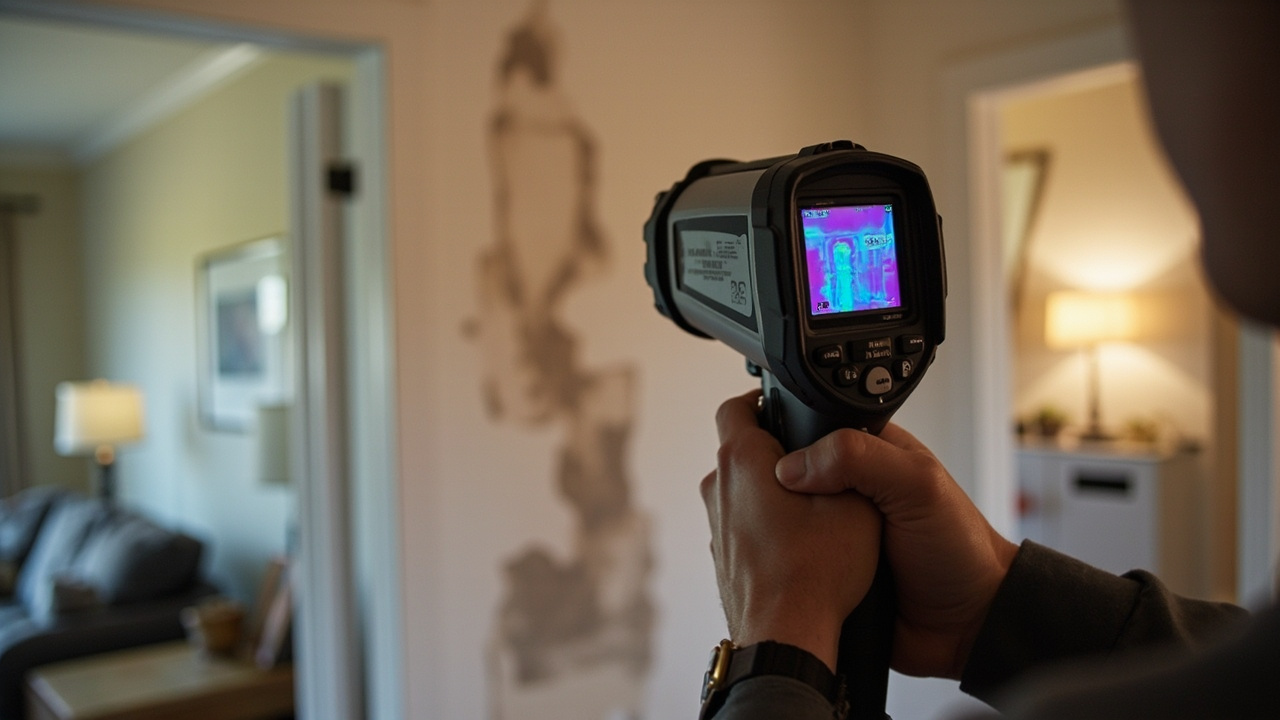
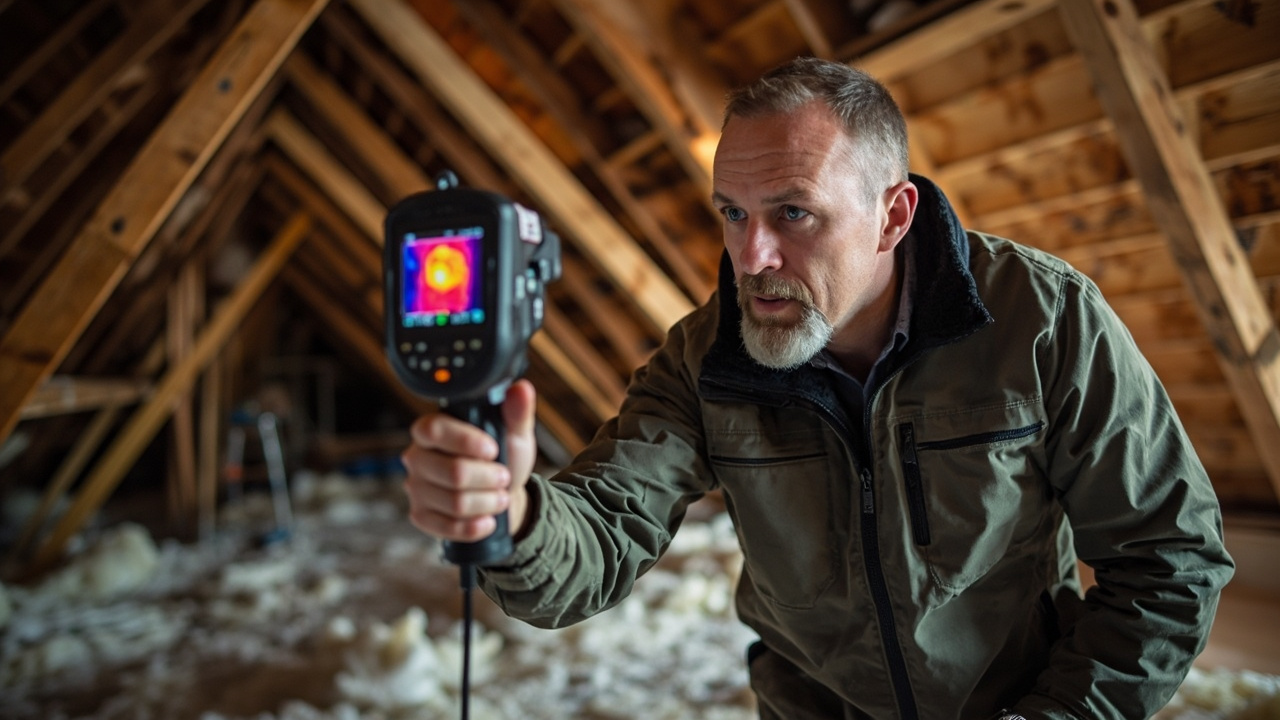
Fire restoration services in Houston require a coordinated approach that treats fire, smoke, and water damage as interconnected hazards. The process begins with thermal imaging to locate hidden moisture pockets behind walls and under flooring. Moisture meters measure the extent of water intrusion. This diagnostic phase prevents cosmetic repairs over compromised substrates.

Water extraction comes first. Truck-mounted extractors remove standing water from carpets, padding, and subfloors. Air movers and commercial dehumidifiers establish negative air pressure to pull moisture out of wall cavities and prevent vapor migration. We monitor humidity levels in real time to ensure the drying environment stays below 50 percent relative humidity, which stops mold growth.

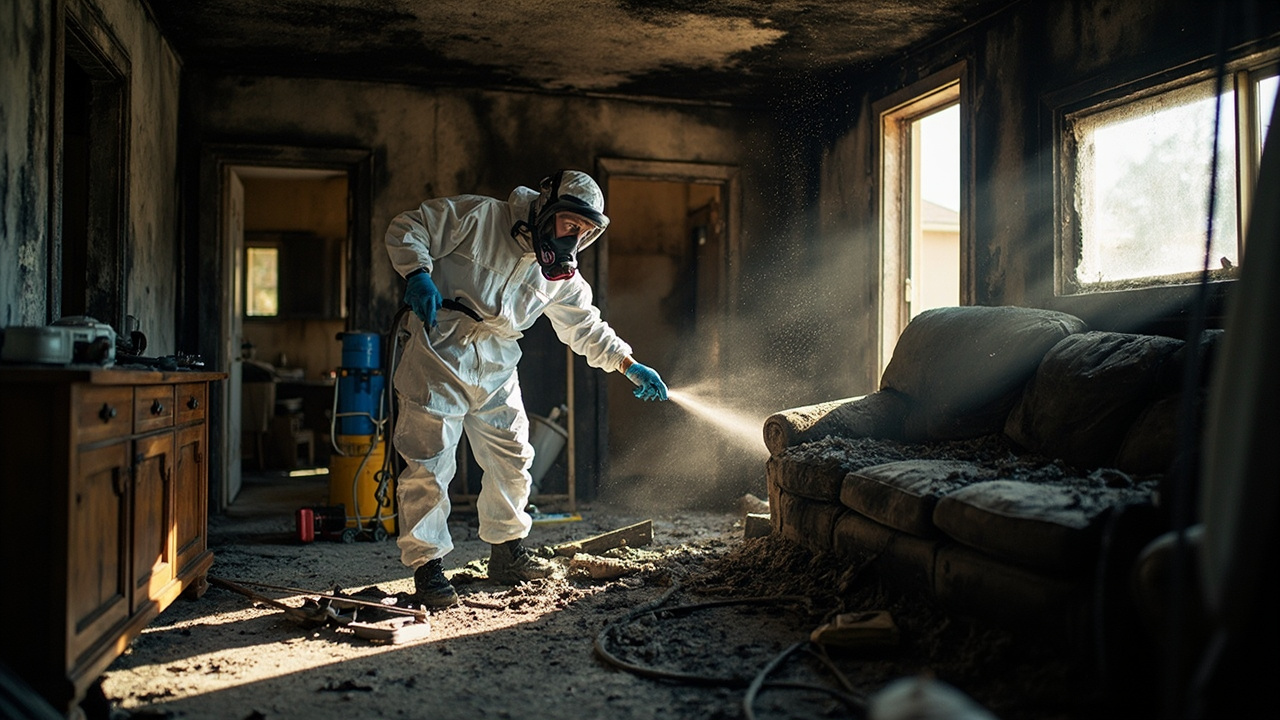
Smoke damage cleanup follows a specific protocol. Dry soot is vacuumed using HEPA filtration to prevent particle redistribution. Wet soot, which forms when water mixes with smoke residue, requires chemical sponges and alkaline cleaners. We treat HVAC systems separately because duct interiors trap soot and recirculate odor throughout the property. Air scrubbers with activated carbon filters run continuously to capture volatile organic compounds released by burnt materials.

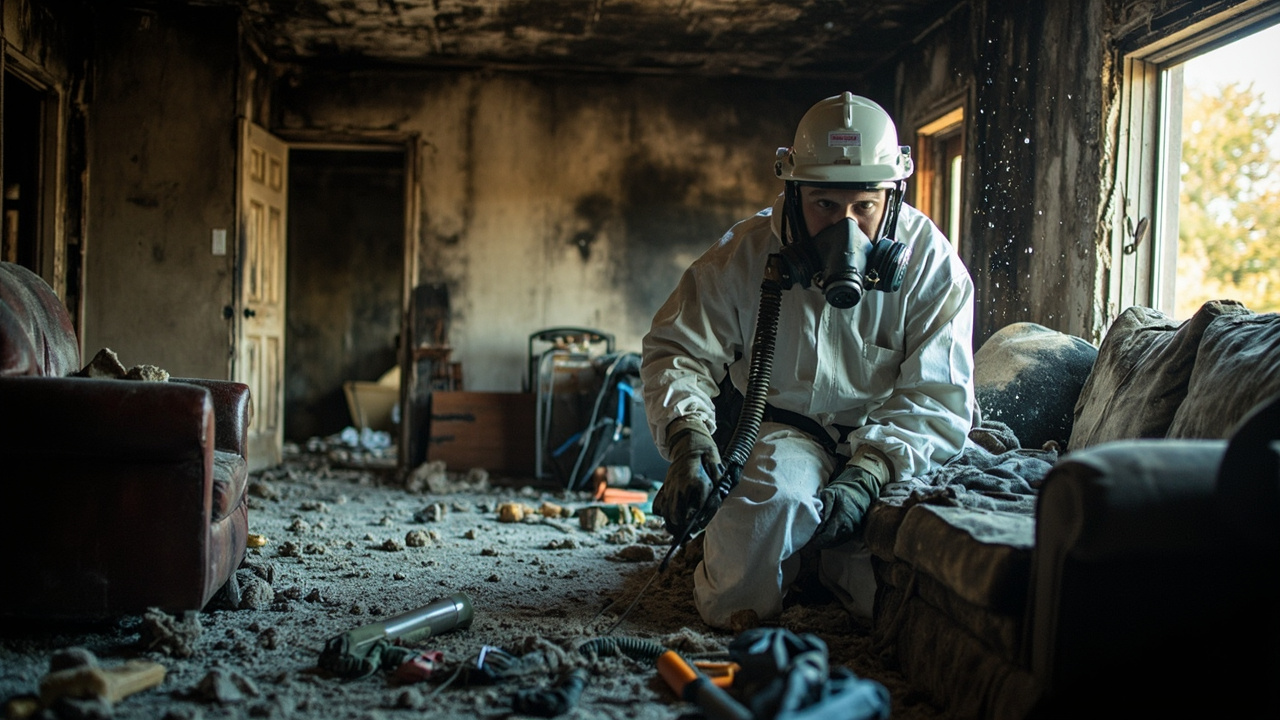
Fire damage repair includes structural assessments. We inspect load-bearing members for heat stress and char depth. Electrical systems require inspection by licensed electricians to identify compromised wiring insulation. Insulation replacement is common because fiberglass and cellulose absorb smoke and moisture. Fire and smoke mitigation also involves sealing surfaces with odor-blocking primers before repainting. Silverline Water Damage Restoration Houston uses thermal fogging to neutralize odor molecules in porous materials that cannot be removed.

What Happens When You Call for Fire Restoration in Houston

Fire & Smoke Damage Restoration in Houston | 24/7 Emergency Response With Full-Service Mitigation and Structural Recovery
01

Emergency Containment and Assessment

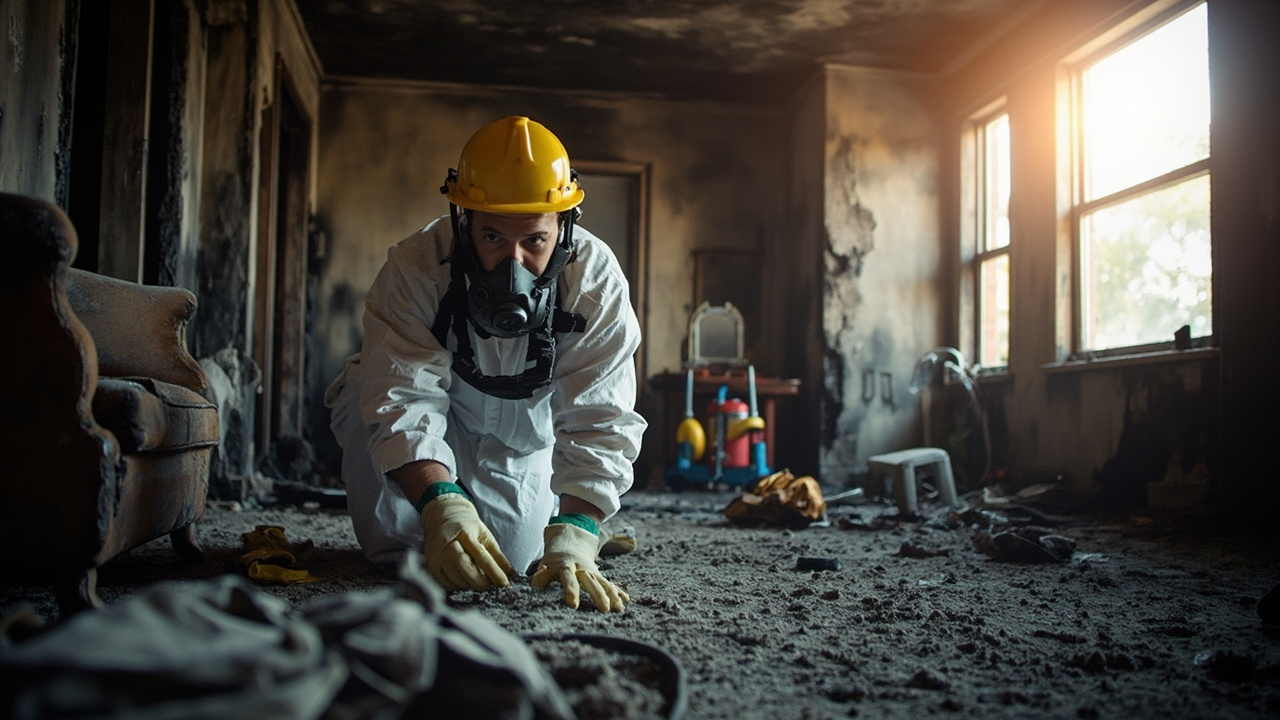
Our crew arrives within hours to secure the property and prevent further damage. We board up openings, tarp damaged roofs, and document the extent of fire, smoke, and water damage with photos and moisture readings. This documentation is critical for insurance claims. We also identify immediate safety hazards like compromised electrical systems, weakened structural members, and airborne contaminants.
02

Water Extraction and Soot Removal

We extract standing water and begin aggressive drying using industrial dehumidifiers and air movers. Simultaneously, we remove soot from walls, ceilings, and contents using dry cleaning methods and chemical sponges. HVAC systems are sealed off and cleaned separately to prevent cross-contamination. Air scrubbers run continuously to improve indoor air quality. This dual-track approach stops mold growth and eliminates smoke odor at the molecular level.
03

Structural Repair and Final Restoration

Once the property is dry and decontaminated, we begin rebuilding. This includes replacing damaged drywall, insulation, flooring, and cabinetry. We apply odor-sealing primers to all surfaces before finishing work. Final testing confirms moisture levels are within acceptable ranges and air quality meets safety standards. We coordinate with your insurance adjuster throughout the process to streamline approvals and ensure full coverage of fire cleanup services.

Why Houston Property Owners Trust Local Fire Damage Experts

Fire restoration in Houston requires familiarity with local construction methods and climate-specific challenges. Many homes in neighborhoods like Bellaire, West University, and River Oaks feature brick veneer over wood framing. Fire can compromise the wood structure while leaving the brick facade intact, creating hidden damage that generic restoration companies miss. Silverline Water Damage Restoration Houston understands these construction details and knows where to inspect for heat stress and moisture intrusion.

Houston's building codes require specific fire-rated materials in multi-family properties and commercial buildings. We work directly with local inspectors to ensure all fire damage repair meets current code requirements. This includes updated wiring, fire-rated drywall, and proper ventilation in reconstructed areas. Attempting to navigate these regulations without local expertise delays reopening and increases liability.

We also understand the urgency of fire and smoke mitigation in this climate. Mold can colonize within 48 hours in Houston's humid environment, turning a fire loss into a health hazard. Our crews are trained in both fire restoration services and water damage protocols, which means we address both threats simultaneously. We do not subcontract critical work. Every technician is IICRC-certified in fire and smoke restoration, water damage restoration, and applied microbial remediation.

Houston property owners also face insurance complications after fire events. Adjusters often underestimate the extent of smoke damage and water damage caused by firefighting efforts. We provide detailed documentation, moisture mapping, and thermal imaging reports that support full claim reimbursement. Our experience with local carriers streamlines the process and reduces out-of-pocket expenses.

What to Expect During Fire and Smoke Damage Restoration

Rapid Response and 24/7 Availability

We dispatch crews within two hours of your call, day or night. Fire damage escalates quickly in Houston's humidity, and every hour of delay increases the cost and complexity of restoration. Our emergency response includes immediate water extraction, property securing, and damage assessment. We coordinate with your insurance company from the first visit to expedite approvals. You receive a detailed timeline within 24 hours that outlines each phase of fire cleanup services, from initial mitigation to final reconstruction.

Comprehensive Damage Assessment and Scope Development

Our initial assessment uses thermal imaging, moisture meters, and air quality testing to identify all fire, smoke, and water damage. We inspect hidden areas like wall cavities, attic spaces, and crawlspaces where smoke and moisture accumulate. You receive a written scope of work that details every affected area, recommended repair, and estimated timeline. This scope serves as the foundation for your insurance claim and prevents disputes over coverage. We also identify salvageable contents and provide pack-out services for items requiring off-site cleaning and deodorization.

Complete Restoration and Odor Elimination

Fire restoration services include complete removal of smoke odor, not temporary masking. We use thermal fogging, ozone treatment, and hydroxyl generators to neutralize odor molecules embedded in porous materials. All damaged building materials are removed and replaced, not covered over. Structural repairs meet current Houston building codes. Final air quality testing confirms the property is safe for reoccupancy. You receive documentation of all work performed, which protects your property value and provides proof of professional restoration for future buyers or tenants.

Post-Restoration Support and Monitoring

We conduct follow-up inspections 30 and 90 days after completion to ensure no secondary issues develop. This includes moisture checks and air quality verification. You receive maintenance recommendations specific to fire-damaged structures, including HVAC filter replacement schedules and ventilation tips for humid climates. We also provide referrals to licensed electricians, structural engineers, and other specialists if additional inspections are needed. Our documentation remains on file for future insurance claims or property disclosures, giving you a complete record of professional fire damage repair.

Frequently Asked Questions

You Have Questions,
We Have Answers

How much does smoke damage restoration cost? +

Smoke damage restoration costs vary based on fire extent, affected square footage, and material penetration. Minor surface cleaning in one room runs lower than full-home deodorization requiring wall sealing and HVAC cleaning. Houston's humidity complicates smoke odor removal because moisture traps particles in porous surfaces like drywall and insulation. Most homeowners insurance policies cover smoke damage restoration as part of fire claims. Request a detailed inspection before repairs begin. Professionals assess structural damage, soot depth, and odor severity to provide accurate estimates. Avoid DIY methods that push smoke deeper into materials.

What does fire damage restoration include? +

Fire damage restoration includes emergency board-up, water extraction from firefighting efforts, structural drying, soot and ash removal, odor neutralization, demolition of unsalvageable materials, rebuilding, and final cleaning. Technicians assess Houston homes for heat damage to framing, compromised electrical systems, and hidden water damage that breeds mold in our humid climate. The process involves air scrubbers with HEPA filtration, thermal fogging for odor, antimicrobial treatments, and complete sanitization. Restoration teams coordinate with insurance adjusters, document losses, and restore your property to pre-loss condition while meeting local building codes.

Can a fire-damaged house be repaired? +

Yes, fire-damaged houses can be repaired if the structural framing remains intact. Professionals evaluate foundation stability, load-bearing walls, and roof trusses for heat compromise. Houston's pier and beam foundations or concrete slabs require inspection for fire-induced cracking. Extensive damage to framing, electrical systems, or plumbing may make demolition more cost-effective than repair. Insurance adjusters determine if restoration costs exceed property value. Modern reconstruction techniques restore even heavily damaged homes. The key factor is structural integrity. A licensed contractor and structural engineer should assess damage before you commit to repairs.

Can smoke damage be repaired? +

Smoke damage can be repaired through professional cleaning, sealing, and deodorization. Soot penetrates porous materials like drywall, insulation, and ductwork. Surface cleaning removes visible residue, but odor elimination requires thermal fogging, ozone treatment, or hydroxyl generators. Houston's humidity makes smoke particles stick harder to surfaces and accelerates corrosion on metals. HVAC systems spread smoke throughout homes and need thorough cleaning. Some materials like heavily saturated insulation or charred wood require replacement. Professional restoration prevents permanent staining and lingering odors that DIY methods cannot eliminate.

Is it worth buying a house with fire damage? +

Buying a fire-damaged house in Houston can offer value if you understand repair costs and structural integrity. Obtain a detailed inspection from a licensed structural engineer and fire restoration specialist before purchase. Hidden issues include compromised electrical systems, weakened framing, foundation damage, and smoke penetration in HVAC ducts. Houston's humidity accelerates post-fire mold growth in unaddressed water damage from firefighting efforts. Calculate full restoration costs, permit fees, and timeline before committing. If repairs exceed 70 percent of market value, reconsider. Fire-damaged properties sold as-is offer negotiation leverage but require significant investment.

Will insurance cover smoke damage? +

Homeowners insurance typically covers smoke damage from covered fire events under dwelling and personal property protection. Policies cover cleaning, deodorization, temporary housing, and content restoration. Houston homeowners should review policy limits and deductibles. Insurance may not cover smoke damage from neighboring properties unless you have specific endorsements. Document damage immediately with photos and detailed inventories. Work with restoration companies experienced in insurance claims to maximize coverage. Adjusters assess whether damage resulted from a covered peril. Smoke from intentional acts or neglect may face coverage denial. File claims promptly to avoid complications.

At what point is a house not worth fixing? +

A house becomes uneconomical to fix when restoration costs exceed 50 to 70 percent of post-repair market value. Factors include severe structural damage to foundations or load-bearing walls, extensive mold contamination, compromised electrical and plumbing systems, and outdated building code violations requiring full upgrades. In Houston, older homes with fire damage may need hurricane code compliance during rebuilds, increasing costs. Insurance totals properties when repairs surpass actual cash value. Consult a structural engineer and contractor for repair estimates. Emotional attachment should not override financial reality when damage is catastrophic.

What is the 30/30/30 rule for fire? +

The 30/30/30 rule is a fire safety guideline meaning fires can double in size every 30 seconds, smoke can fill a room in 30 seconds, and you have roughly 3 minutes to escape safely. This rule emphasizes fire spread speed and why immediate evacuation matters more than salvaging belongings. Houston homes with open floor plans see faster smoke travel. The rule reinforces installing smoke detectors, planning escape routes, and practicing fire drills. Once fire spreads beyond initial ignition, professional suppression becomes necessary. Understanding this timeline explains why fire damage escalates quickly.

Are houses destroyed by fire covered by insurance? +

Houses destroyed by fire are typically covered by homeowners insurance if the fire resulted from a covered peril like electrical faults, lightning, or accidents. Policies pay for dwelling rebuilding up to coverage limits, temporary living expenses, and debris removal. Houston homeowners should verify replacement cost coverage rather than actual cash value to avoid depreciation penalties. Insurance does not cover fire damage from arson by the policyholder, intentional acts, or vacant property without special riders. File claims immediately and document everything. Work with public adjusters if disputes arise over settlement amounts or coverage interpretation.

How much does it cost to clean up a burned down house? +

Cleaning up a burned house costs vary widely based on fire severity, square footage, and debris volume. Minor cleanups start lower while total losses requiring complete demolition, hazardous material removal, and foundation cleaning cost significantly more. Houston requires permits for demolition and debris disposal. Costs include structural stabilization, asbestos testing in older homes, contaminated soil removal, and site preparation for rebuilding. Insurance often covers cleanup under dwelling coverage or debris removal endorsements. Hire licensed contractors familiar with local regulations. Obtain multiple estimates and confirm insurance coverage before authorizing work to avoid out-of-pocket expenses.

How Gulf Coast Humidity Complicates Fire and Smoke Damage Recovery in Houston

Houston's average relative humidity of 75 percent creates a perfect environment for mold growth after fire events. Water used by Houston Fire Department crews soaks into building materials and does not evaporate quickly. Smoke residue absorbs this moisture and accelerates corrosion on metal components. Properties near Buffalo Bayou, Brays Bayou, and the Houston Ship Channel face additional risk because ambient moisture infiltrates the structure during restoration. Fire and smoke mitigation in this climate requires aggressive dehumidification and continuous air quality monitoring. Delayed drying allows mold to colonize behind walls and under flooring, which turns a fire loss into a long-term health hazard.

Houston building codes require specific fire-rated assemblies in commercial properties and multi-family dwellings. Restoration work must meet these standards to pass final inspections. Silverline Water Damage Restoration Houston maintains relationships with local building inspectors and understands permitting requirements in Harris County, Fort Bend County, and Montgomery County. We also recognize the construction methods common in older Houston neighborhoods, where pier-and-beam foundations and wood siding create unique smoke infiltration patterns. Choosing a local fire restoration company ensures compliance with municipal codes and proper handling of region-specific challenges that out-of-state contractors miss.
Water Damage Restoration Services in The Houston Area

Easily locate our service area and see how Silverline is strategically positioned to provide rapid water damage restoration services throughout Houston and its surrounding communities. Our commitment to prompt response means we're never far away when disaster strikes, ensuring your property gets the urgent care it needs, wherever you are within our service radius. We're here to serve you efficiently.

Address:
Silverline Water Damage Restoration Houston, 3730 Kirby Dr, Houston, TX, 77098

Additional Services We Offer

Our news updates

Latest Articles & News from The Blogs

Dealing with Attic Water Damage from Leaky Roofs in KingwoodHomeowners in the Kingwood area face significant moisture challenges due to…

Dealing with Attic Water Damage from Leaky Roofs in Kingwood

Dealing with Attic Water Damage from Leaky Roofs in KingwoodHomeowners in the Kingwood area face significant moisture challenges due to…

Why a Home Dehumidifier Cannot Save Your Third Ward Living Room from Water Damage

Why a Home Dehumidifier Cannot Save Your Third Ward Living Room from Water DamageYour Third Ward home faces unique challenges…

Planning Your Tropical Storm Recovery Strategy for League City and Bay Area Residences

Planning Your Tropical Storm Recovery Strategy for League City and Bay Area Residences Living in the Houston Bay Area during…

Contact Us

Do not let fire damage turn into a mold problem. Call Silverline Water Damage Restoration Houston now at (832) 336-3663 for 24/7 emergency response. We deploy certified crews within hours to handle fire cleanup services, water extraction, and complete structural restoration.