





menu

Hidden Moisture Detection in Houston – Stop Mold and Structural Damage Before It Spreads

Advanced thermal imaging and moisture meters locate concealed dampness behind walls, under floors, and in ceilings before hidden water intrusion becomes a health hazard or structural nightmare in your Houston property.

Slider Image 1
Slider Image 2
Slider Image 3
Slider Image 4
Slider Image 5
Slider Image 7
Slider Image 8
Slider Image 9
Slider Image 10
Slider Image 11

Why Hidden Water Damage Is So Common in Houston Homes and Buildings

You see a small water stain on the ceiling. The carpet feels damp in one corner. Your water bill crept up last month. These are warning signs, but the real problem is what you cannot see.

Houston's climate creates the perfect conditions for hidden water damage. The Gulf Coast humidity keeps materials damp longer after leaks. Summer temperatures above 95 degrees cause foundation shifts in the expansive clay soil, cracking slab foundations and underground pipes. Hurricane season brings roof damage that channels water into wall cavities for months before you notice interior stains.

Detecting invisible leaks early is critical because water follows gravity and spreads horizontally through building materials. A pinhole leak in a second-floor bathroom supply line can saturate insulation, seep into wall studs, and pool on the first-floor ceiling drywall. By the time you see visible damage, you may have weeks or months of trapped water feeding mold colonies and rotting framing lumber.

Locating concealed dampness requires tools that see beyond the surface. Infrared cameras detect temperature differences caused by evaporative cooling where water hides. Pin-type and non-invasive moisture meters measure water content in drywall, wood, and concrete. Hygrometers measure indoor humidity levels that indicate ongoing moisture problems.

Identifying unseen water intrusion early saves you thousands. Mold remediation costs escalate quickly. Structural repairs to rotted joists or studs require permits and engineering inspections. Insurance companies deny claims when damage is deemed long-term neglect rather than a sudden covered event. Finding trapped water in the first days or weeks prevents all of this.

If you smell mustiness, see unexplained stains, or notice warping floors, you need professional moisture detection now.

Why Hidden Water Damage Is So Common in Houston Homes and Buildings
How Professional Moisture Detection Works in Houston Properties

How Professional Moisture Detection Works in Houston Properties

Spotting hidden water damage is not guesswork. Silverline Water Damage Restoration Houston uses a multi-tool diagnostic approach to map every drop of trapped moisture in your structure.

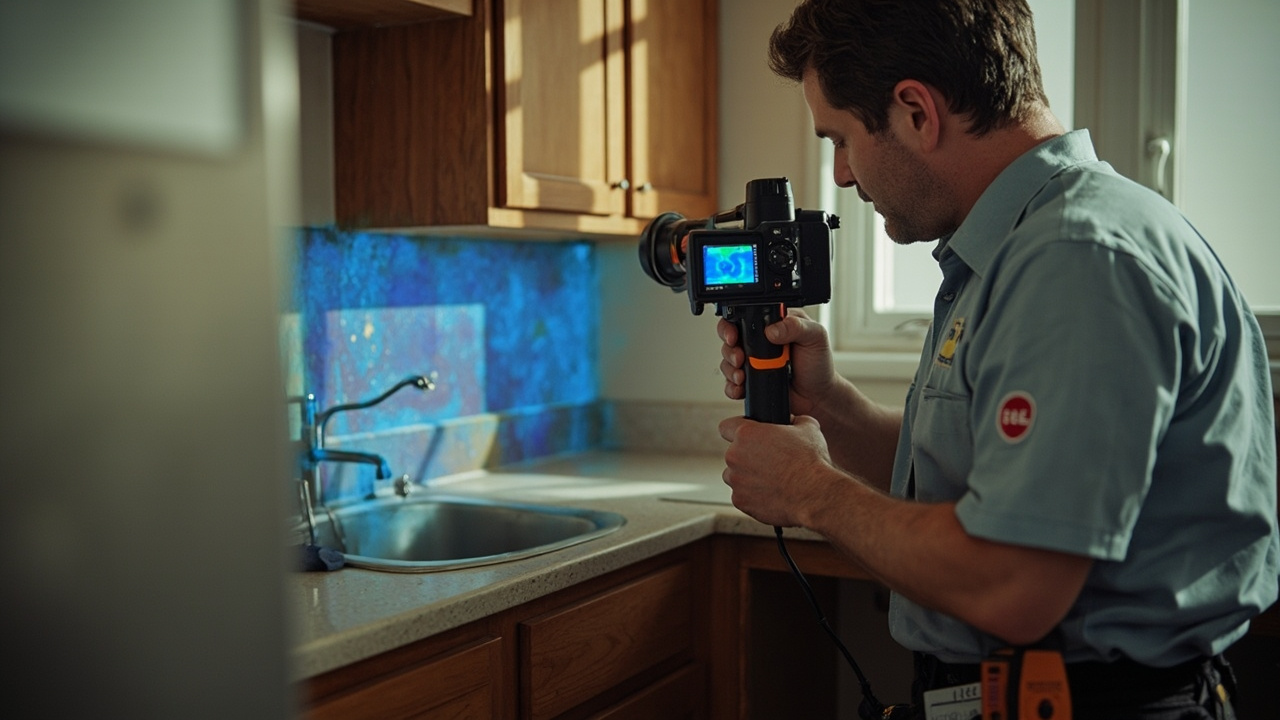
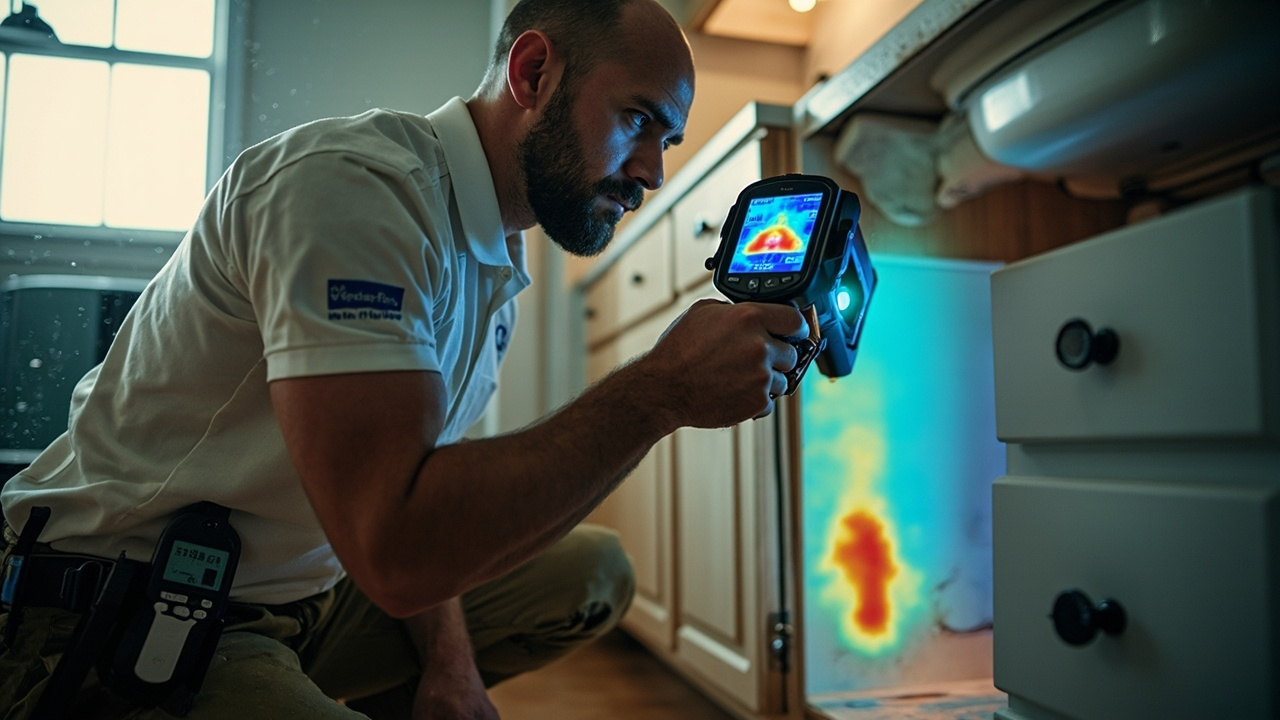
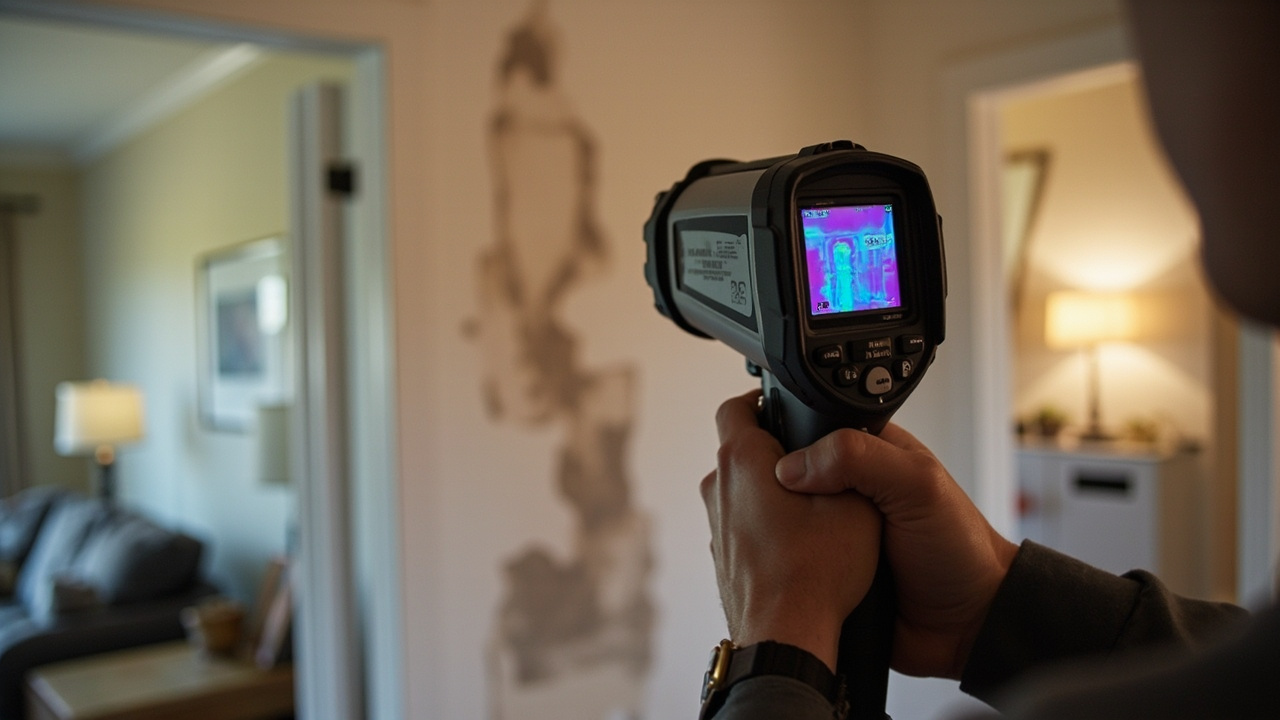
We start with infrared thermal imaging. The FLIR camera scans walls, ceilings, and floors to identify cold spots where evaporation pulls heat from wet materials. This non-invasive method reveals water patterns behind drywall and under flooring without demolition. We document thermal images to show insurance adjusters the full scope of damage.

Next, we use penetrating and non-penetrating moisture meters. Pin-type meters pierce drywall and wood to measure moisture content as a percentage. Non-invasive meters use radio frequency or capacitance to scan deeper into materials without creating holes. We take readings at multiple heights and locations to track how water migrated from the source.

For slab foundation properties common in Houston subdivisions like Pearland and Katy, we use acoustic leak detection. This technology listens for the sound frequency of pressurized water escaping underground pipes. We pinpoint the leak location within inches, minimizing destructive digging through tile or hardwood.

Humidity mapping completes the picture. We measure ambient moisture levels in each room using hygrometers. Readings above 60 percent relative humidity indicate active drying is needed to prevent secondary mold growth. We compare readings to HVAC performance and outdoor conditions to determine if the moisture source is internal or external.

This systematic approach finds every pocket of trapped water, not just the obvious wet spot. We create a moisture map that guides targeted drying and prevents callbacks for recurring problems. You get documentation, not guesses.

What Happens During Your Moisture Detection Inspection

Hidden Moisture Detection in Houston – Stop Mold and Structural Damage Before It Spreads
01

Initial Assessment and Mapping

We walk your property with you to identify visible damage, recent water events, and areas of concern. We note building materials, HVAC systems, and plumbing layouts. This context helps us interpret moisture readings accurately. We ask about recent weather, plumbing work, or appliance failures. Understanding the timeline helps us distinguish fresh leaks from chronic problems that need different solutions.
02

Thermal and Moisture Scanning

We scan all suspect areas with infrared cameras and moisture meters, taking readings in a grid pattern to catch moisture you did not know existed. We check inside cabinets, behind baseboards, and around plumbing penetrations. We test adjacent rooms because water travels. Each reading is logged with location notes and photos. This data becomes your moisture map, showing exactly where water hides and how far it spread.
03

Report and Action Plan

We review findings with you immediately, showing thermal images and moisture readings on our tablets. We explain what caused the water intrusion, where it traveled, and what materials are affected. You get a written report with photos and data for your insurance claim. We provide a prioritized action plan for source repair, drying, and restoration. You understand the full scope before any work begins.

Why Houston Property Owners Trust Silverline for Moisture Detection

Spotting hidden water damage in Houston properties requires local knowledge. We understand how Gulf Coast weather, soil conditions, and building practices create unique moisture problems in this region.

Houston's expansive clay soil shifts with moisture changes, creating foundation movement that cracks slab edges and underground plumbing. We know to check for slab leaks when moisture appears along exterior walls or in rooms without overhead plumbing. We recognize the signs of differential settlement common in neighborhoods built on former rice fields or near bayous.

Hurricane and tropical storm damage creates hidden problems months after the event. Wind-driven rain enters through damaged roof shingles and soaks attic insulation. The water slowly wicks down through wall cavities, appearing as interior damage weeks later. We correlate your visible damage with recent storm dates to build accurate timelines for insurance claims.

We also understand Houston building codes and construction methods. Pier and beam foundations in older Houston Heights or Montrose homes have different moisture vulnerabilities than slab foundations in newer Cypress or Sugar Land subdivisions. We adjust our inspection approach based on your structure type, age, and materials.

Our moisture detection equipment is calibrated for Houston's climate. High ambient humidity affects meter readings and drying times. We account for seasonal variations and indoor HVAC conditions when interpreting data. You get accurate assessments, not generic readings misapplied to Gulf Coast conditions.

We work directly with Houston-area insurance adjusters and claims supervisors. We document findings in formats they recognize and include the data points they need for claim approvals. Our reports meet IICRC S500 water damage standards and include photos, moisture maps, and material-specific readings.

You get local expertise backed by industry-standard methodology. We find the water, document it correctly, and help you navigate the restoration process from detection through final drying verification.

What to Expect When You Call for Moisture Detection

Fast Response Times

We respond to moisture detection requests within hours, not days. Water damage worsens quickly in Houston's heat and humidity. Mold can colonize damp materials in 24 to 48 hours. We prioritize emergency calls where active leaks are suspected or visible damage appeared suddenly. For non-emergency inspections, we schedule within 24 hours. You get a confirmed appointment time, and we show up when promised. Our techs carry full diagnostic equipment on every truck so we complete the inspection on the first visit.

Comprehensive Property Evaluation

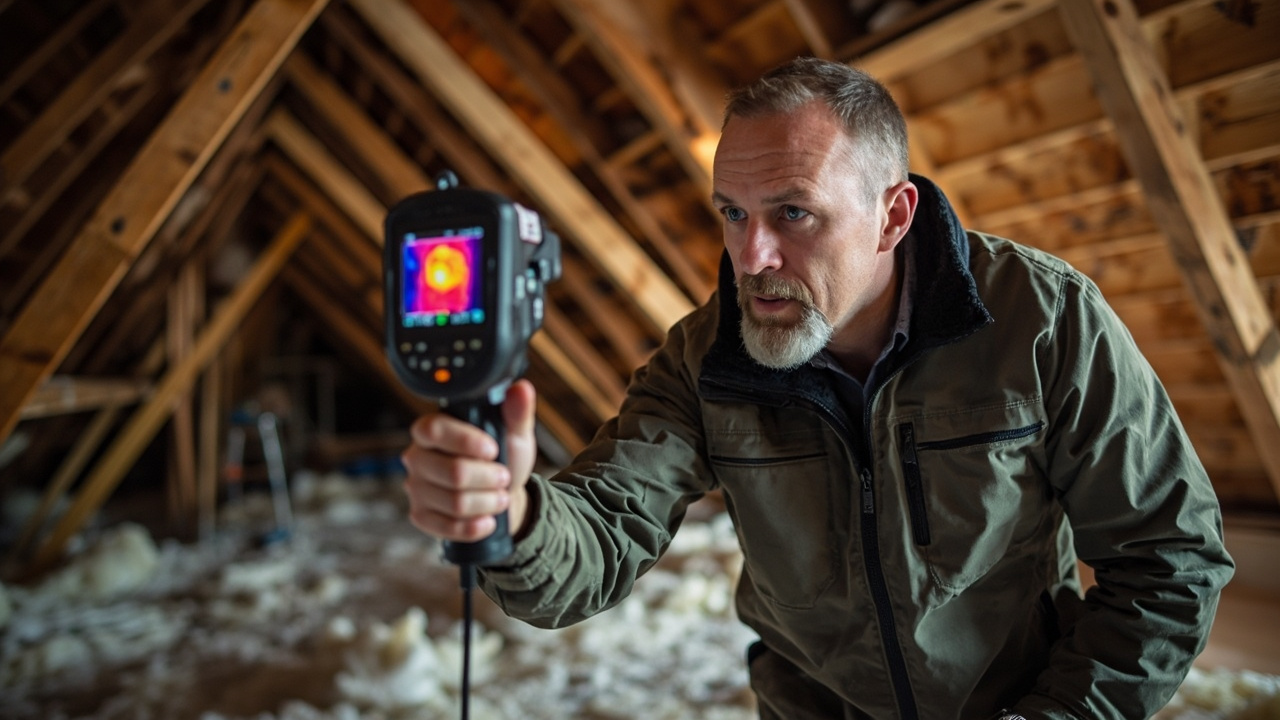
We scan beyond the obvious problem area. Water travels through walls, floors, and ceilings in ways you do not expect. We check adjacent rooms, floors above and below, and plumbing chase walls. We inspect attics for roof leaks and crawl spaces for groundwater intrusion. We test HVAC condensate lines and drain pans. The goal is finding all trapped water in one visit so you can address the full problem at once. You get a complete moisture map with readings for every affected area.

Clear Documentation and Photos

You receive thermal images, moisture meter readings, and annotated photos showing exactly where water hides. Our written reports include moisture content percentages, material types, and affected square footage. We document the suspected water source and entry points. This report is formatted for insurance claims and includes all data adjusters need for coverage decisions. You get digital and printed copies immediately. The documentation supports your claim and justifies the scope of restoration work needed.

Post-Drying Verification

After drying equipment runs for the recommended time, we return to verify all materials reached acceptable moisture levels. We re-scan with thermal cameras and moisture meters to confirm no trapped water remains. We document final moisture readings for your records and insurance closeout. This verification prevents callback problems and ensures mold will not develop after equipment is removed. You get written confirmation that your property is dry and safe for reconstruction or reoccupancy.

Frequently Asked Questions

You Have Questions,
We Have Answers

Why does my phone say moisture detected when there is no moisture? +

Your phone detects residual moisture or debris in the charging port, not active water. Lint, dust, or humidity can trigger the sensor. Houston's high humidity means your phone absorbs ambient moisture even without direct contact. Try these steps: power off the device, gently clean the port with a dry toothbrush, and let it air dry in a cool room. Avoid rice, which leaves residue. If the warning persists after 24 hours, the sensor may be faulty. Never bypass this feature, it prevents short circuits that destroy your phone.

How do you detect moisture behind walls? +

Professionals use thermal imaging cameras to detect temperature differences caused by wet materials. Moisture meters with deep-sensing probes measure moisture content inside walls without drilling large holes. In Houston homes with pier and beam foundations or older stucco exteriors, pin-type meters work best. Non-invasive infrared scans reveal hidden leaks from AC condensation lines, common in our climate. You can also check for soft spots by pressing drywall gently, look for baseboards pulling away, or notice musty odors. Professional detection prevents mold growth and structural damage before it spreads.

What do home inspectors use to detect moisture? +

Home inspectors use moisture meters with pin or pinless sensors to measure water content in wood, drywall, and concrete. Thermal imaging cameras reveal temperature anomalies indicating wet areas. Inspectors also use hygrometers to measure indoor humidity levels. In Houston, where humidity routinely exceeds 70 percent, inspectors focus on attic ventilation, crawl spaces, and areas around HVAC systems. They check for condensation on windows, water stains on ceilings, and signs of previous flooding. These tools identify problems early, giving you leverage during negotiations or preventing costly repairs after purchase.

How to find where moisture is coming from in a house? +

Start at visible water stains and work backward. Check the roof for missing shingles or damaged flashing, common after Houston storms. Inspect windows and door seals for gaps. Examine plumbing under sinks and behind toilets. In Houston homes, AC condensation lines frequently clog, causing water intrusion in walls or ceilings. Look for soft drywall, peeling paint, or discoloration. Crawl spaces and attics often harbor hidden leaks from roof penetrations or vent boots. A thermal camera or moisture meter pinpoints the exact source. Act fast because Houston's humidity accelerates mold growth.

How do I bypass the moisture detection? +

Do not bypass moisture detection systems. These sensors protect your devices and home from serious damage. For phones, bypassing the warning risks short circuits and fire. For homes, ignoring moisture detection allows mold, rot, and structural failure to progress. If you believe the alert is false, verify with proper testing first. Clean phone ports thoroughly and allow drying time. For home systems, hire a professional to inspect and confirm no active leak exists. Houston's humidity creates enough moisture problems without ignoring legitimate warnings. Address the root cause instead of disabling safety features.

Will the moisture detection go away on its own? +

Moisture detection warnings do not resolve themselves if the moisture source remains active. Phone sensors may reset after the port dries completely, usually 24 to 48 hours in low humidity. In Houston's 70 percent average humidity, drying takes longer. Home moisture problems worsen without intervention. Small leaks become major water damage, drywall stays wet, and mold colonizes within 48 hours. Do not wait for warnings to disappear. Identify and eliminate the moisture source immediately. Passive drying rarely works in humid climates. Take action or face compounding damage and repair costs.

How to tell if water is leaking behind a wall? +

Look for paint bubbling or peeling in vertical lines along studs. Press the wall gently to feel for soft spots or sponginess. Check for discoloration, brown or yellow stains spreading downward. Baseboards may warp, pull away, or show water lines. Smell for musty odors indicating mold growth. In Houston homes with stucco or brick veneer, exterior cracks allow water intrusion during heavy rains. Listen for dripping sounds inside walls. Use a moisture meter to confirm suspicions. Wall leaks often originate from bathroom plumbing, roof penetrations, or failed window flashing.

How to tell if a wall is damp or cold? +

Touch the wall surface. Damp walls feel cool and slightly tacky, while cold walls feel smooth and dry. Damp walls often show condensation or darkened patches. In Houston homes, exterior walls facing north stay cooler but are not necessarily wet. Use a moisture meter for accuracy. Press tissue paper against the surface for 60 seconds. If it sticks or darkens, moisture is present. Damp walls smell musty. Cold walls result from poor insulation or thermal bridging. Condensation on cold walls during summer means indoor humidity is too high for your AC system.

How long can drywall be wet before mold? +

Mold begins growing on wet drywall within 24 to 48 hours in Houston's humid climate. Drywall is porous and absorbs water quickly. The paper backing provides food for mold spores already present in the air. High humidity accelerates colonization. If drywall stays wet beyond 48 hours, replacement is often necessary because mold penetrates deep into the material. Surface cleaning does not remove embedded growth. Act immediately after water exposure. Remove standing water, increase airflow with fans, and run dehumidifiers. Professional drying equipment prevents mold and saves your walls.

What is the biggest red flag in a home inspection? +

Active water intrusion is the biggest red flag in home inspections. It indicates failing roofs, plumbing leaks, or foundation issues that cost thousands to repair. In Houston, water damage from previous flooding, failed pier and beam supports, or chronic foundation movement signal major problems. Water stains on ceilings, soft floors, or mold growth mean ongoing moisture issues. These problems worsen rapidly in our humid climate and affect structural integrity, air quality, and resale value. Other red flags include outdated electrical panels, HVAC system failures, and roof damage, but water intrusion creates the most immediate and expensive consequences.

How Houston's Humidity and Clay Soil Make Moisture Detection Critical

Houston averages 75 percent relative humidity year-round, creating conditions where wet building materials dry slowly or not at all. A small roof leak that would dry out in arid Phoenix stays damp for weeks in Houston, feeding mold and rotting wood framing. The clay soil expands when wet and shrinks when dry, creating ongoing foundation movement that cracks slabs and underground pipes. These cracks allow groundwater intrusion during heavy rains, saturating perimeter walls and carpets. Identifying unseen water intrusion requires understanding how local climate and soil interact with your foundation type, building age, and materials. Generic moisture inspections miss the Houston-specific failure patterns we see daily.

Silverline Water Damage Restoration Houston has mapped moisture patterns in properties from the historic neighborhoods near Buffalo Bayou to new construction in Bridgeland and Elyson. We know which Houston subdivisions have chronic drainage problems, which builders used substandard plumbing, and which foundation types perform best in local soil. We work with structural engineers and foundation repair specialists throughout Harris County, Fort Bend County, and Montgomery County. This network helps us distinguish cosmetic water damage from structural problems requiring engineering intervention. You get accurate diagnosis from techs who understand Houston buildings, not generic advice from out-of-area contractors.
Water Damage Restoration Services in The Houston Area

Easily locate our service area and see how Silverline is strategically positioned to provide rapid water damage restoration services throughout Houston and its surrounding communities. Our commitment to prompt response means we're never far away when disaster strikes, ensuring your property gets the urgent care it needs, wherever you are within our service radius. We're here to serve you efficiently.

Address:
Silverline Water Damage Restoration Houston, 3730 Kirby Dr, Houston, TX, 77098

Additional Services We Offer

Our news updates

Latest Articles & News from The Blogs

Houston humidity presents a constant struggle for homeowners across Harris County. In 2026, the weather patterns continue to create high…

Why Houston Families Trust Our Certified Mold Inspection Services for Local Homes

Houston humidity presents a constant struggle for homeowners across Harris County. In 2026, the weather patterns continue to create high…

Dealing with Attic Water Damage from Leaky Roofs in Kingwood

Dealing with Attic Water Damage from Leaky Roofs in KingwoodHomeowners in the Kingwood area face significant moisture challenges due to…

Why a Home Dehumidifier Cannot Save Your Third Ward Living Room from Water Damage

Why a Home Dehumidifier Cannot Save Your Third Ward Living Room from Water DamageYour Third Ward home faces unique challenges…

Contact Us

Call Silverline Water Damage Restoration Houston at (832) 336-3663 now for same-day moisture detection. We bring thermal cameras and moisture meters to your property, find every drop of trapped water, and document everything for your insurance claim. Stop guessing. Get answers today.