





menu

Commercial Fire & Smoke Cleanup in Houston – Industrial-Grade Mitigation That Keeps Your Business Operating

When fire strikes your Houston facility, you need commercial fire damage restoration that minimizes downtime, protects your liability exposure, and restores operational continuity. We deploy industrial-grade equipment and coordinate with your insurance adjuster to expedite business recovery across the greater Houston metro.

Slider Image 1
Slider Image 2
Slider Image 3
Slider Image 4
Slider Image 5
Slider Image 7
Slider Image 8
Slider Image 9
Slider Image 10
Slider Image 11

Fire Damage in Houston's Industrial Corridor Demands Immediate Mitigation

A commercial fire in Houston creates cascading risks beyond the visible char. The Ship Channel's petrochemical corridor, the refineries along I-10, and the dense warehouse districts in East Houston mean that industrial fires often involve complex chemical residues. Smoke infiltrates HVAC systems, soot embeds in porous surfaces, and corrosive byproducts begin degrading metal infrastructure within hours.

Houston's high humidity accelerates secondary damage. Smoke residue absorbs moisture from the air, turning acidic and etching glass, corroding wiring, and staining inventory. Your exposure grows with every hour of delay. Business interruption costs compound. Employees cannot work in contaminated spaces. Clients lose confidence. Regulatory agencies may flag you for air quality violations under Texas Department of State Health Services standards.

Commercial smoke remediation is not cosmetic work. It is a liability and continuity issue. You need commercial soot removal that addresses airborne particulates, surface contamination, and embedded odor molecules. You need a business fire cleanup service that coordinates with your property manager, your insurance carrier, and your operational schedule. Facilities in the Energy Corridor, the Port of Houston, and the Texas Medical Center have specific compliance requirements. Generic residential cleaning will not pass third-party air quality testing or satisfy your insurer's subrogation team.

Industrial fire mitigation requires capacity, not just capability. A 50,000-square-foot warehouse demands different equipment than a 1,200-square-foot home. Silverline Water Damage Restoration Houston deploys truck-mounted extractors, hydroxyl generators, and thermal foggers sized for commercial applications. We work in phases to keep portions of your facility operational while we remediate affected zones.

Fire Damage in Houston's Industrial Corridor Demands Immediate Mitigation
How Commercial Fire Damage Restoration Works in Multi-Zone Facilities

How Commercial Fire Damage Restoration Works in Multi-Zone Facilities

Commercial fire damage restoration begins with containment and air quality stabilization. We establish negative air pressure zones using HEPA-filtered air scrubbers to prevent cross-contamination into unaffected areas. This is critical in office buildings, manufacturing plants, and retail centers where you need to maintain partial operations. We seal HVAC registers, install poly barriers, and create isolated work zones.

Next, we perform a three-tier surface assessment. Class A surfaces are non-porous materials like metal, glass, and sealed concrete. We use alkaline cleaners and abrasive pads to remove soot. Class B surfaces are semi-porous materials like unsealed wood and painted drywall. These require dry sponging followed by solvent-based cleaning. Class C surfaces are porous materials like insulation, ceiling tiles, and upholstery. These often require disposal and replacement because smoke molecules penetrate too deeply for chemical cleaning to be effective.

We document every surface, every material removed, and every cleaning method used. Your insurance adjuster needs this for claims processing. Your legal team needs it if a tenant or employee files a complaint. We provide itemized logs, pre-loss and post-mitigation photos, and third-party air quality reports.

Odor neutralization is the final technical challenge. Masking agents do not work. We use thermal fogging with odor-counteractant compounds that bind to smoke molecules at the molecular level. For severe cases, we deploy ozone generators or hydroxyl machines, depending on whether the space can be vacated. Ozone is faster but requires full evacuation. Hydroxyls are slower but allow occupied operation. We match the method to your operational constraints, not our convenience.

What Happens During Commercial Smoke Remediation in Houston

Commercial Fire & Smoke Cleanup in Houston – Industrial-Grade Mitigation That Keeps Your Business Operating
01

Emergency Containment and Assessment

We arrive on-site within two hours of your call, assess structural stability with your fire marshal, and establish containment zones to prevent soot migration. Our team maps the affected square footage, identifies contaminated HVAC ductwork, and documents pre-loss conditions for your insurance carrier. We deploy air scrubbers immediately to begin particulate extraction and prevent secondary damage to inventory or equipment.
02

Surface Cleaning and Material Removal

We execute a phased cleaning protocol based on surface porosity. Non-salvageable materials like drywall, insulation, and ceiling tiles are removed and hauled to approved disposal sites. Salvageable surfaces undergo chemical cleaning, dry sponging, or abrasive treatment depending on soot density. We clean or replace HVAC filters and ductwork to eliminate airborne contaminants. All work is logged and photographed for claims documentation and liability protection.
03

Odor Neutralization and Clearance Testing

We deploy thermal fogging, hydroxyl generators, or ozone treatment to neutralize embedded smoke odor at the molecular level. After treatment, we conduct third-party air quality testing to confirm particulate levels meet OSHA and EPA standards for reoccupancy. You receive a certification letter for your insurance file, your lease compliance, and your employee safety documentation. Your facility is cleared for full operations with no lingering liability exposure.

Why Houston Businesses Choose Silverline for Industrial Fire Mitigation

Commercial fire damage in Houston is not a residential cleaning problem scaled up. The petrochemical facilities near Baytown, the distribution centers along Beltway 8, and the office towers in Uptown face unique contamination profiles. Fires involving plastics, synthetic materials, or industrial chemicals produce toxic residues that require specialized cleaning agents and PPE protocols. We are trained in HAZMAT containment and work directly with Harris County environmental compliance officers when needed.

You need a contractor who understands commercial lease obligations. Many Houston landlords require proof of IICRC-certified cleaning and third-party air quality clearance before allowing reoccupancy. We provide that documentation as part of our standard protocol. You need a contractor who can work overnight or on weekends to avoid disrupting your operations. We schedule around your business hours, not our convenience.

Capacity matters. A single truck and a three-person crew cannot remediate a 30,000-square-foot office in a reasonable timeframe. Silverline maintains a fleet of commercial-grade extractors, air scrubbers, and dehumidifiers. We can deploy multiple crews simultaneously to different floors or zones. We have relationships with industrial equipment suppliers in Houston, so if we need a specialty tool, we can source it locally within hours, not days.

We also coordinate with your other vendors. If you need an electrician to assess fire-damaged wiring, or a structural engineer to certify load-bearing walls, we facilitate those inspections. If your insurance carrier requires an independent hygienist to test for asbestos or lead paint disturbed by the fire, we coordinate that testing. You get one point of contact, one timeline, and one accountability chain. This reduces your administrative burden and accelerates your return to operations.

What to Expect From Our Commercial Fire Cleanup Service

Response Time and Mobilization

We dispatch a project manager and assessment crew within two hours of your call, 24 hours a day, 365 days a year. For large facilities, we mobilize multiple crews and equipment trucks simultaneously. You receive a preliminary scope of work and timeline within four hours of on-site assessment. We coordinate with your fire marshal, insurance adjuster, and property manager to align on access, safety protocols, and documentation requirements. Our goal is containment within the first shift and active remediation starting within 24 hours of clearance.

Assessment and Documentation Protocol

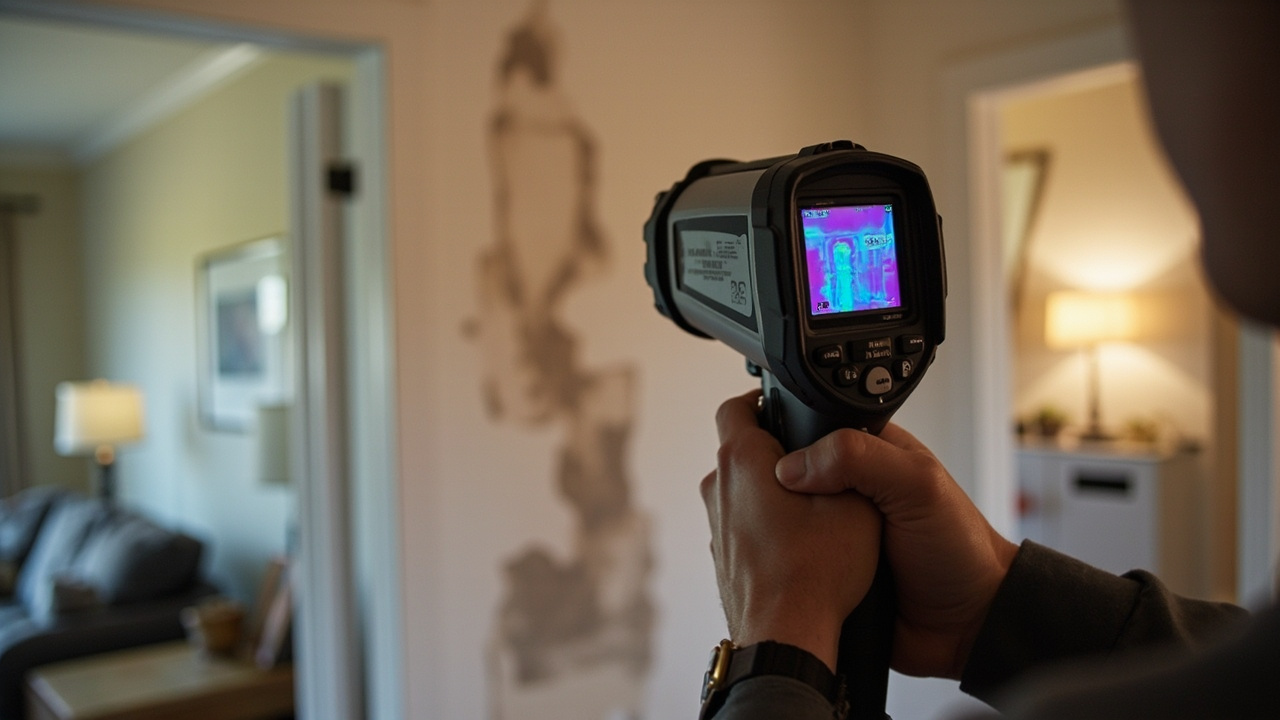
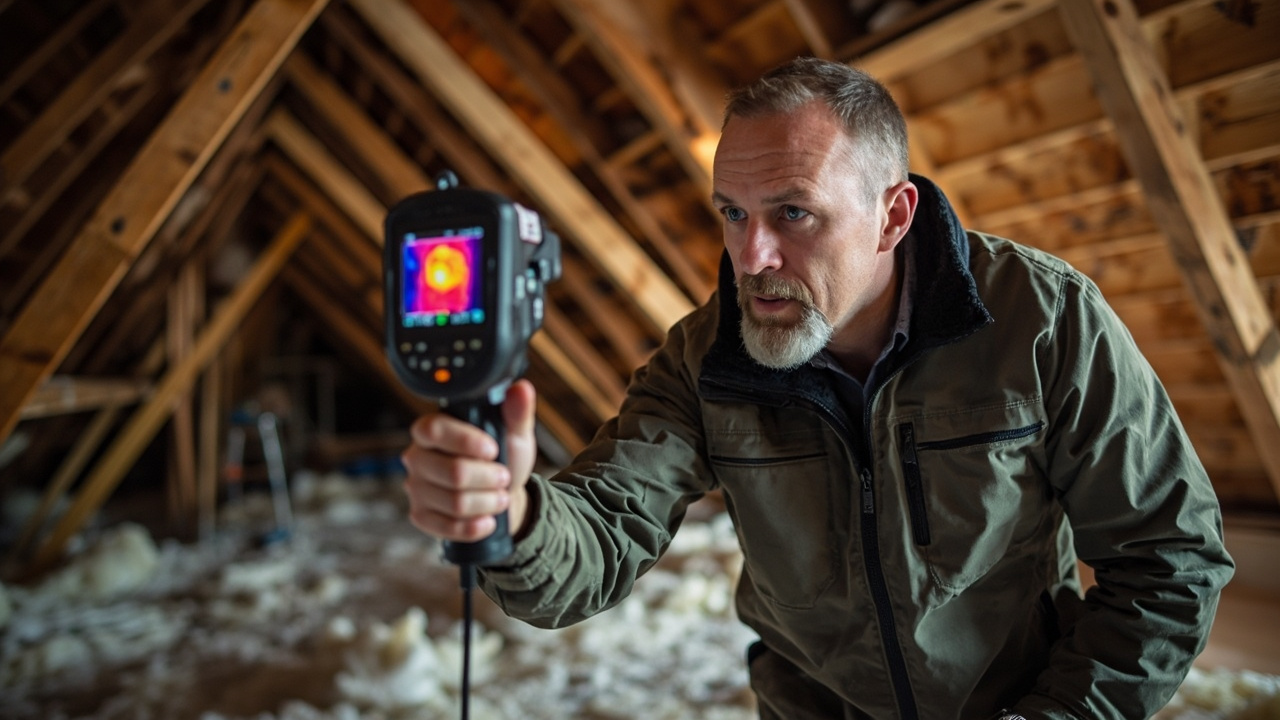
Our initial assessment includes thermal imaging to identify heat damage behind walls, moisture mapping to detect firefighting water intrusion, and air quality sampling to establish baseline contamination levels. We photograph every affected area, log every damaged item, and categorize surfaces by salvageability. You receive a detailed scope of work, a materials manifest, and a timeline broken into phases so you can plan around partial facility access. All documentation is provided in both hard copy and digital format for your insurance submission and your internal records.

Final Deliverable and Clearance

You receive a facility that meets or exceeds pre-loss air quality standards, with all soot, odor, and particulate contamination removed. We provide a certificate of completion, third-party air quality test results, and a materials disposal manifest for hazardous waste if applicable. All cleaned surfaces are photographed post-remediation. You also receive a digital file of all invoices, change orders, and communications with your insurance carrier. This package satisfies your lease compliance, your insurance requirements, and your internal audit protocols. Your facility is ready for full occupancy with zero lingering contamination risk.

Post-Mitigation Monitoring and Support

We provide a 30-day post-mitigation check-in to confirm no odor reemergence or secondary contamination issues. If you detect any residual smoke smell or air quality concerns, we return to reassess at no additional diagnostic charge. We also provide referrals to HVAC contractors for duct replacement if needed, and to restoration contractors for drywall, painting, and flooring. Our project manager remains your point of contact for any follow-up questions related to the claim, the work performed, or future prevention strategies. You are not handed off to a call center after the job closes.

Frequently Asked Questions

You Have Questions,
We Have Answers

How much does professional smoke remediation cost? +

Professional smoke remediation costs vary based on fire severity, building size, and affected materials. For Houston commercial properties, expect pricing to reflect square footage, HVAC system contamination, and structural penetration depth. A small office with surface smoke may cost less than a warehouse with deep soot infiltration into porous materials. Costs increase when replacing damaged drywall, deodorizing ductwork, or treating HVAC systems. Houston's humidity complicates smoke odor removal, requiring thermal fogging and hydroxyl generators. Request a detailed scope of work to understand labor, equipment, and material costs before committing to restoration.

How do professionals get rid of smoke smell? +

Professionals eliminate smoke smell through systematic decontamination. First, they remove all soot from surfaces using HEPA vacuums and chemical sponges. Next, they clean HVAC systems and ductwork to stop odor recirculation. Thermal fogging applies deodorizing agents that penetrate porous materials like drywall and insulation. Hydroxyl generators or ozone machines break down odor molecules at the molecular level. In Houston's humid climate, controlling moisture is critical because humidity reactivates smoke particles trapped in materials. Professionals seal surfaces with encapsulating primers after cleaning. This multi-step approach addresses visible contamination and invisible odor sources embedded deep in building materials.

How much does ServPro charge for cigarette smoke removal? +

ServPro pricing for cigarette smoke removal varies by project scope and regional market rates. Costs depend on square footage, contamination severity, and materials affected. Expect charges for labor, equipment rental (ozone machines, air scrubbers), cleaning chemicals, and disposal fees. Houston commercial properties may face higher costs due to HVAC system cleaning in humid environments where nicotine residue becomes sticky and harder to remove. Request itemized estimates from multiple certified restoration companies to compare scope and pricing. Focus on deliverables like air quality testing, surface cleaning protocols, and odor elimination guarantees rather than choosing solely on price.

How much does it cost to clean up a burned down house? +

Cleaning a burned structure depends on fire extent and structural integrity. For Houston commercial buildings, costs include debris removal, soot extraction, structural drying, deodorization, and reconstruction. A partial fire affecting one room costs significantly less than total loss requiring full demolition. Expect expenses for HVAC decontamination, hazardous material disposal, and code compliance upgrades mandated by Houston building standards. Insurance adjusters assess salvageable materials versus total replacement needs. Structural engineers may require inspections before cleanup begins. Prioritize documentation for insurance claims and work with certified fire restoration contractors familiar with Houston's commercial building codes.

What does SERVPRO use to remove smoke smell? +

ServPro typically uses thermal fogging, hydroxyl generators, and ozone treatment to eliminate smoke odor. Thermal fogging disperses petroleum-based deodorizers that penetrate materials at the molecular level. Hydroxyl generators produce radicals that neutralize odor molecules without leaving residue. Ozone machines generate O3 gas that oxidizes smoke particles but require building evacuation during treatment. They also use enzyme-based cleaners for surface decontamination and seal porous materials with encapsulating primers. In Houston's high humidity, moisture control is essential because water vapor reactivates trapped smoke particles. Professional-grade equipment and EPA-registered chemicals distinguish commercial restoration from DIY attempts.

Is professional detailing worth it for smoke? +

Professional detailing for smoke-damaged vehicles is worth the investment when residual odor affects business operations or employee health. Commercial fleets in Houston suffer productivity losses when drivers work in contaminated cabins. Professional detailing includes ozone treatment, HVAC system purging, upholstery extraction, and headliner replacement if needed. Surface wiping removes nicotine film from dashboards and windows. For businesses maintaining professional client-facing vehicles, eliminating smoke odor protects brand reputation. DIY methods rarely penetrate ventilation systems where smoke particles accumulate. Professionals guarantee odor removal and document work for insurance claims or resale value preservation.

Will the smell of smoke ever go away? +

Smoke smell persists indefinitely without professional intervention. Odor molecules penetrate porous materials like drywall, insulation, and wood framing. In Houston's humid climate, moisture reactivates trapped particles, causing smell to return even after initial cleaning. Surface-level cleaning only masks odor temporarily. Professional restoration eliminates smell by removing contaminated materials, deep-cleaning salvageable surfaces, and using molecular odor neutralization technology. Thermal fogging, hydroxyl treatment, and sealing primers prevent recontamination. Without these steps, smoke odor cycles through heating and cooling systems, creating ongoing liability for commercial property owners. Complete remediation is the only permanent solution.

What do hotels use to get rid of smoke smell? +

Hotels use ozone generators, hydroxyl machines, and strict cleaning protocols to eliminate smoke smell from guest rooms. They replace soft goods like curtains, bedding, and upholstery when contamination is severe. HVAC systems receive thorough cleaning to prevent odor recirculation. Walls get washed with degreasing agents, then sealed with odor-blocking primers before repainting. Houston hotels face additional challenges from humidity that intensifies smoke odors. Commercial properties adopt similar protocols: systematic surface cleaning, air purification, material replacement when necessary, and sealing treatments. Hotels prioritize speed and thoroughness because guest satisfaction and online reviews depend on odor-free environments.

Can air purifiers remove smoke? +

Air purifiers reduce airborne smoke particles but do not eliminate odor embedded in materials. HEPA filters capture particulates, while activated carbon absorbs some volatile organic compounds. However, smoke penetrates drywall, insulation, ductwork, and furnishings where air purifiers cannot reach. For Houston commercial properties, air purifiers serve as supplemental tools after professional cleaning, not primary solutions. Businesses need source removal through surface decontamination, material replacement, and HVAC cleaning. Purifiers help maintain air quality post-restoration but cannot replace thermal fogging, hydroxyl treatment, or sealing protocols. They reduce liability by improving indoor air quality for employees and customers.

How do you clean a house that has been smoked in for years? +

Houses smoked in for years require comprehensive remediation. Start by removing all soft goods (curtains, carpets, upholstery) saturated with nicotine. Wash all hard surfaces with trisodium phosphate or ammonia-based cleaners. Clean or replace HVAC filters and sanitize ductwork. Sand and seal wood surfaces where tar has penetrated. Prime walls with shellac-based sealers before repainting. In Houston's humidity, moisture accelerates nicotine reactivation, making dehumidification critical. Professional restoration includes ozone treatment or hydroxyl generators for molecular odor breakdown. Replace insulation if contaminated. Document expenses for potential insurance claims or property sale disclosures required under disclosure laws.

Why Houston's Industrial Density Makes Commercial Fire Cleanup More Complex

Houston's concentration of petrochemical facilities, refineries, and manufacturing plants means commercial fires often involve synthetic materials, industrial solvents, and chemical compounds that produce corrosive smoke byproducts. A warehouse fire near the Port of Houston may release chlorinated hydrocarbons. An office fire in a building with older HVAC systems can distribute asbestos fibers. The humidity in Houston causes smoke residue to absorb moisture and turn acidic within hours, corroding metal fixtures, etching glass, and degrading electronics faster than in arid climates. This accelerated timeline demands immediate commercial smoke remediation, not a delayed response.

Harris County enforces strict air quality and environmental disposal regulations for commercial properties. You cannot simply bag up soot-contaminated materials and toss them in a dumpster. Certain residues require manifested hazardous waste disposal. Silverline Water Damage Restoration Houston is familiar with Texas Commission on Environmental Quality protocols and maintains relationships with certified disposal facilities. We also understand the City of Houston's permitting requirements for large-scale remediation work in commercial districts. Choosing a contractor who knows these compliance layers reduces your risk of fines, delays, and failed inspections that keep your facility offline longer than necessary.
Water Damage Restoration Services in The Houston Area

Easily locate our service area and see how Silverline is strategically positioned to provide rapid water damage restoration services throughout Houston and its surrounding communities. Our commitment to prompt response means we're never far away when disaster strikes, ensuring your property gets the urgent care it needs, wherever you are within our service radius. We're here to serve you efficiently.

Address:
Silverline Water Damage Restoration Houston, 3730 Kirby Dr, Houston, TX, 77098

Additional Services We Offer

Our news updates

Latest Articles & News from The Blogs

Dealing with Attic Water Damage from Leaky Roofs in KingwoodHomeowners in the Kingwood area face significant moisture challenges due to…

Dealing with Attic Water Damage from Leaky Roofs in Kingwood

Dealing with Attic Water Damage from Leaky Roofs in KingwoodHomeowners in the Kingwood area face significant moisture challenges due to…

Why a Home Dehumidifier Cannot Save Your Third Ward Living Room from Water Damage

Why a Home Dehumidifier Cannot Save Your Third Ward Living Room from Water DamageYour Third Ward home faces unique challenges…

Planning Your Tropical Storm Recovery Strategy for League City and Bay Area Residences

Planning Your Tropical Storm Recovery Strategy for League City and Bay Area Residences Living in the Houston Bay Area during…

Contact Us

Every hour your business stays offline costs you revenue and credibility. Call Silverline Water Damage Restoration Houston at (832) 336-3663 right now. We will dispatch a project manager to your site within two hours and provide a detailed remediation plan by end of shift. Your business continuity starts with this call.