





menu

School & University Restoration in Houston – Minimize Downtime and Protect Your Institution's Operations

Silverline Water Damage Restoration Houston delivers rapid-response educational facility water damage restoration with specialized protocols that keep campuses operational, preserve critical records, and meet strict compliance standards across the Houston metro.

Slider Image 1
Slider Image 2
Slider Image 3
Slider Image 4
Slider Image 5
Slider Image 7
Slider Image 8
Slider Image 9
Slider Image 10
Slider Image 11

Why Houston Educational Facilities Face Unique Water Damage Risks

Houston's subtropical climate creates constant moisture challenges for schools and universities. The city averages 54 inches of annual rainfall, and severe weather events like tropical storms can dump months of precipitation in hours. This saturation overwhelms aging drainage systems common in older campus buildings across the Greater Houston area.

Educational facilities face compounding vulnerabilities. Multi-story academic buildings house irreplaceable research materials, specialized laboratory equipment, and technology infrastructure that cannot tolerate water exposure. Student housing units concentrate high occupancy loads that accelerate moisture accumulation and mold propagation. Athletic facilities and dining halls generate elevated humidity levels year-round.

Clay soil throughout Houston causes foundation shifting that cracks slab foundations and stress plumbing systems. When pipes fail in campus buildings, water spreads rapidly through shared walls and HVAC ductwork. A single leak in a dormitory can cascade to dozens of units before detection.

Schools also face regulatory pressure. Texas Administrative Code requires specific air quality standards in educational spaces. Water intrusion triggers mandatory remediation protocols to protect student health. Failure to respond correctly risks losing accreditation or facing liability claims.

University flood cleanup services demand specialized coordination. You cannot simply shut down a residence hall or science building without triggering massive operational disruption. Academic calendars, research timelines, and student housing obligations create time-sensitive constraints that standard commercial restoration cannot accommodate. Educational facility water damage restoration requires providers who understand institutional risk management and can execute complex mitigation while preserving continuity.

Why Houston Educational Facilities Face Unique Water Damage Risks
Our Institutional Water Damage Response Protocol

Our Institutional Water Damage Response Protocol

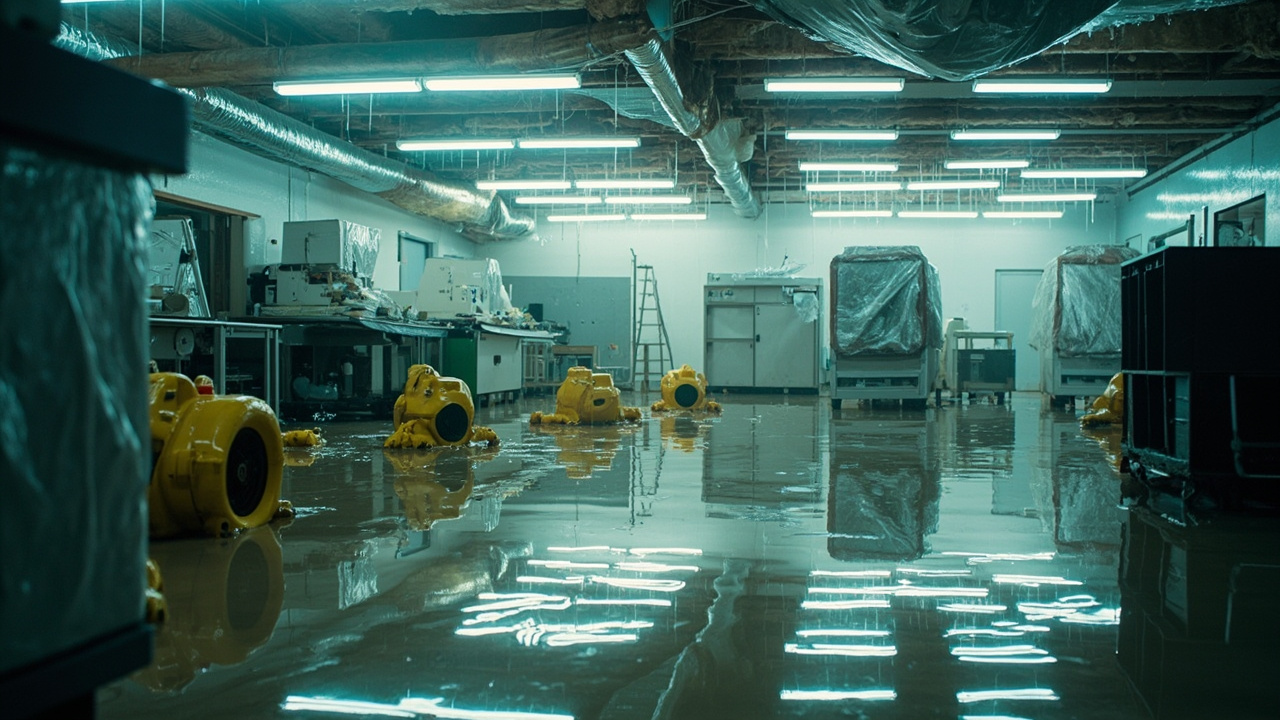
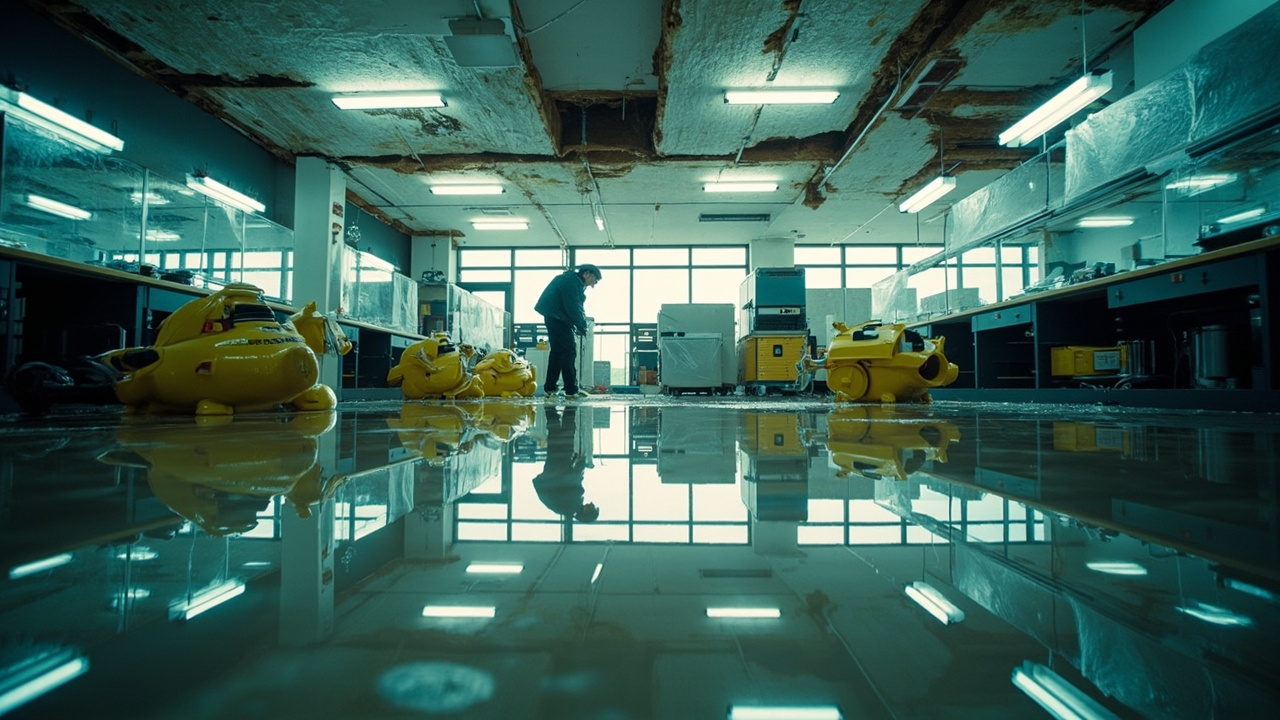
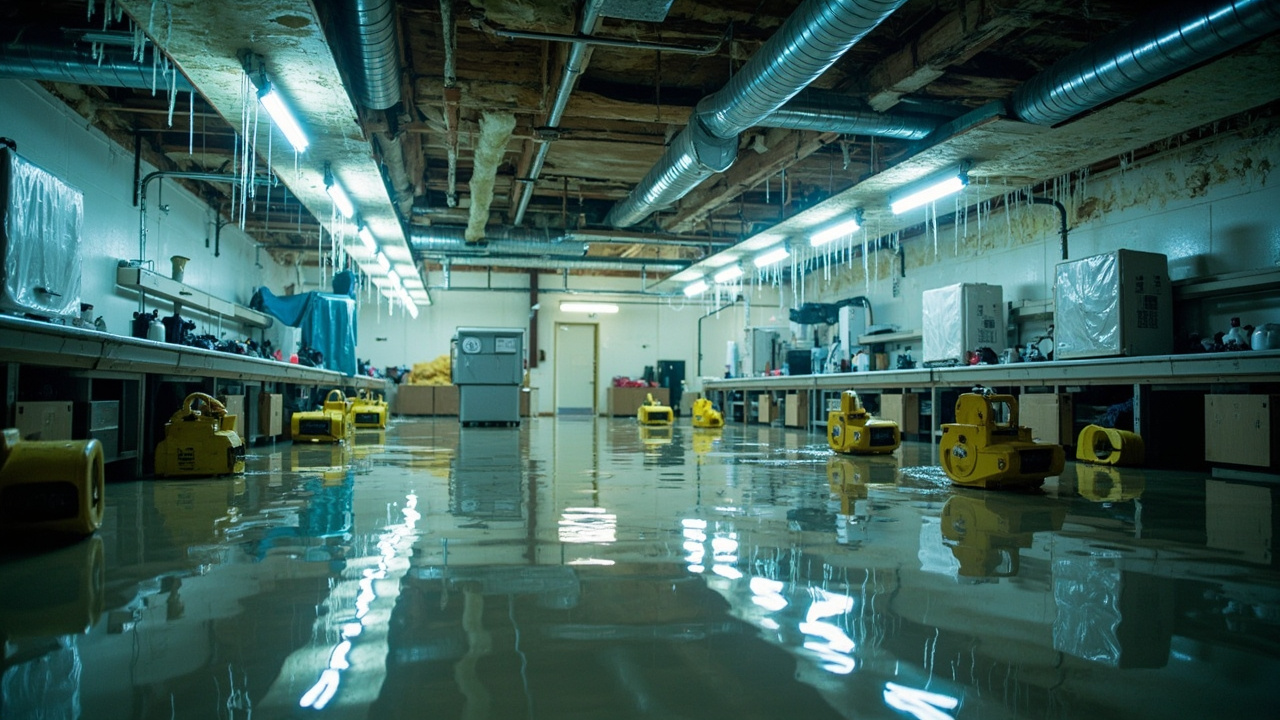
School disaster recovery services require a fundamentally different approach than standard commercial work. We deploy segmented containment systems that isolate affected zones while keeping adjacent spaces operational. This compartmentalized methodology allows you to maintain partial facility function during restoration, which is critical when relocating hundreds of students or staff is not feasible.

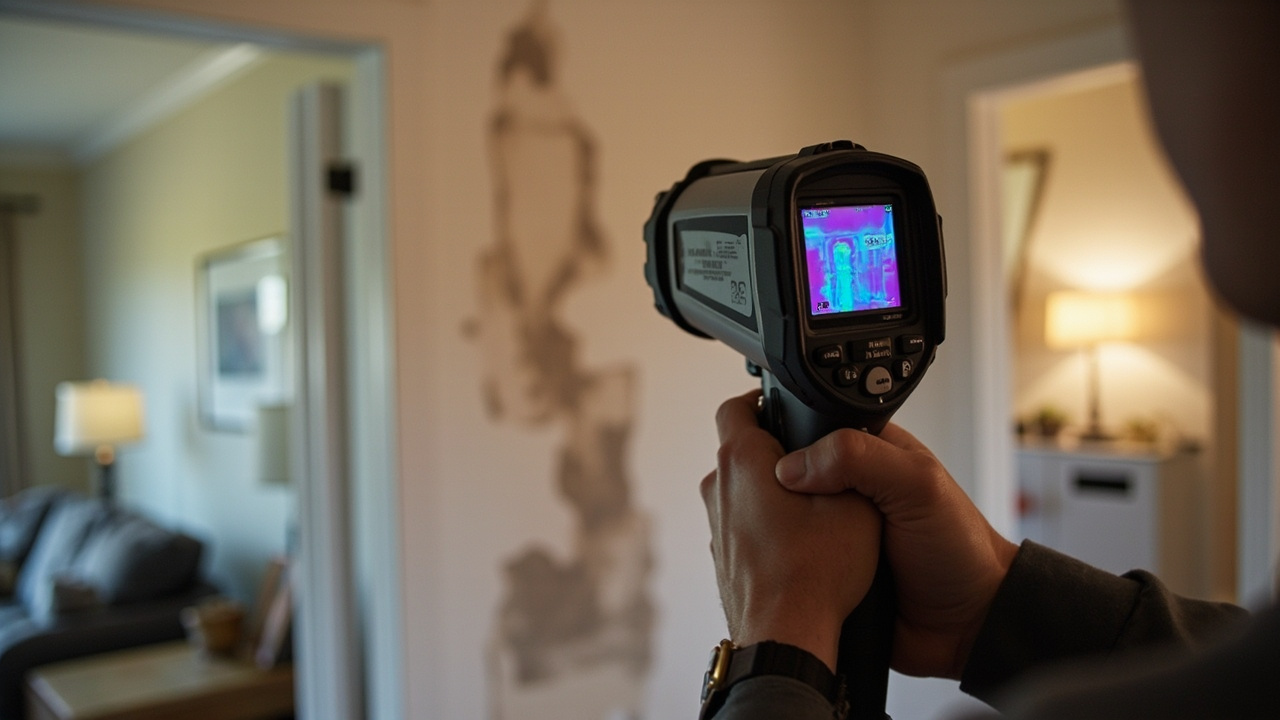
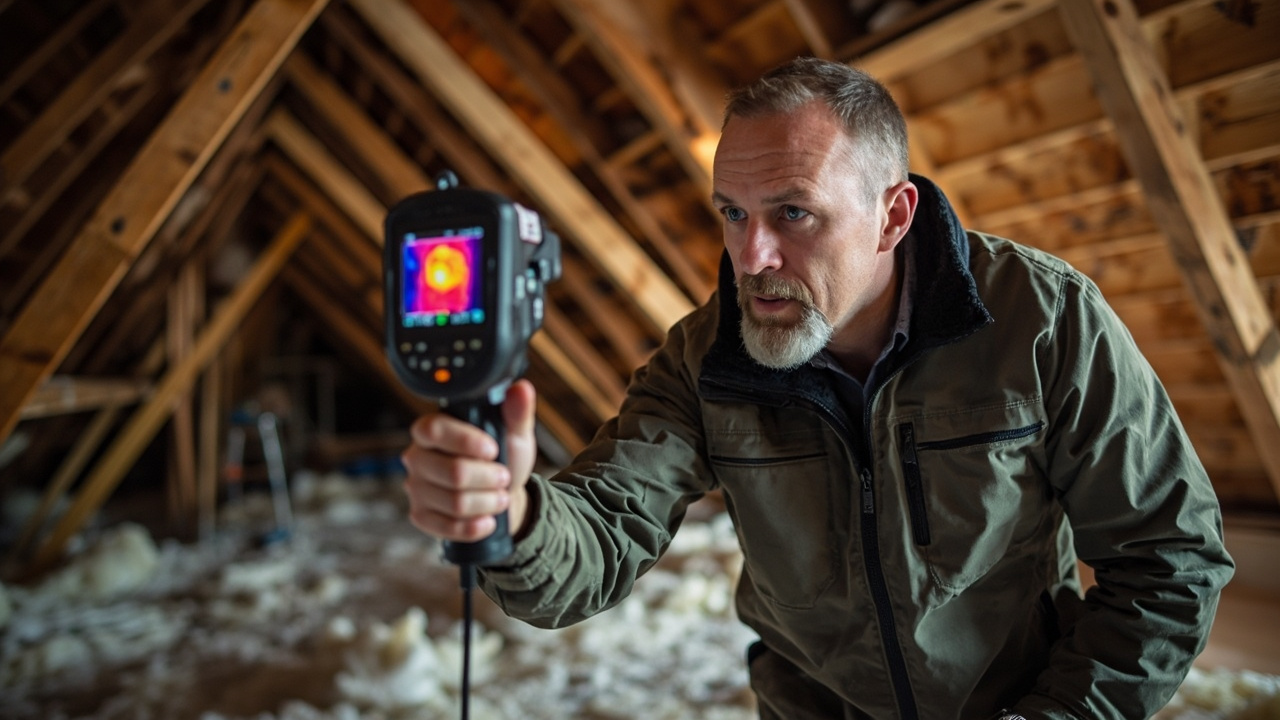
Our technicians use thermal imaging and moisture mapping to track water migration through complex building envelopes. Educational structures often feature interconnected mechanical systems where water travels horizontally through ceiling plenums before manifesting three floors away from the source. We trace the full damage pathway before extraction begins, preventing secondary incidents.

Extraction protocols differ by space type. Classroom buildings receive low-profile equipment placement that maintains ADA accessibility and fire egress compliance. Laboratory spaces require containment barriers that maintain negative air pressure to prevent cross-contamination with sensitive research. Residence halls demand noise mitigation during overnight hours to minimize student displacement.

We coordinate directly with your facilities management team and risk management office. Academic building water damage repair intersects with multiple administrative functions, from housing contracts to research grant compliance. Our project managers integrate with your existing chain of command rather than creating parallel communication channels that slow decision-making.

Documentation meets institutional standards. We provide detailed photo inventories, moisture readings logged by room number, and equipment placement diagrams that your insurance carrier and legal counsel can audit. College campus water remediation generates substantial claim documentation, and we structure reports to align with your fiscal year procurement processes.

Silverline Water Damage Restoration Houston maintains equipment staging capacity for large-scale events. When a central plant failure floods multiple buildings simultaneously, we can deploy 40-plus industrial dehumidifiers and air movers within hours, not days. Scale matters in institutional response.

How We Execute Campus Water Damage Projects

School & University Restoration in Houston – Minimize Downtime and Protect Your Institution's Operations
01

Immediate Damage Assessment

Our team arrives on-site within two hours of your call to conduct a facility-wide impact evaluation. We map affected zones, identify critical infrastructure at risk, and establish containment priorities based on your operational needs. You receive a written scope outlining affected square footage, estimated equipment requirements, and projected timeline before any work authorization. This assessment includes coordination with your environmental health and safety office to address any hazardous materials concerns in older campus buildings.
02

Controlled Water Extraction

We execute phased extraction using truck-mounted pumps for standing water and weighted extraction tools for carpeted areas. Our technicians work in coordination with your facilities staff to shut down affected HVAC zones, preventing moisture spread through ductwork. We place desiccant dehumidifiers in enclosed spaces like archives or server rooms where temperature control is mandatory. All equipment receives daily monitoring with logged readings that document drying progression. We adjust equipment placement based on moisture meter feedback to accelerate the drying curve and minimize your downtime window.
03

Post-Remediation Verification

We conduct final moisture testing using ANSI/IICRC S500 standards to verify all materials have returned to dry standard. You receive a clearance report with before-and-after moisture readings, photo documentation of restoration work, and air quality testing results if mold remediation occurred. Our team coordinates with your maintenance staff to confirm HVAC systems are rebalanced and all building automation systems are functioning correctly. This handoff includes a debrief meeting with your risk management team to document lessons learned and update emergency response protocols for future incidents.

Why Houston Institutions Trust Silverline for Campus Restoration

Educational facility water damage restoration in Houston requires familiarity with institutional governance structures that most restoration companies do not possess. We understand the difference between auxiliary enterprise budgets and general fund allocations. We know that student housing repairs may require Board of Regents approval if costs exceed certain thresholds. This knowledge prevents project delays caused by procurement violations.

Our team has worked with campuses across the Houston metro, from the Medical Center research complexes to suburban community college satellite locations. We understand that university flood cleanup services intersect with Title IX compliance when residence halls are affected, and we maintain gender-specific team assignments when working in occupied student housing. These details matter in institutional environments where protocol violations create legal exposure.

Houston's building codes have evolved significantly, and older campus structures often operate under grandfathered provisions. When water damage requires wall cavity access or ceiling removal, you need a restoration provider who understands when repair work triggers code upgrade requirements. We coordinate with your architects of record and local building officials to ensure compliance without unnecessary scope expansion.

We maintain relationships with specialized subcontractors who understand academic environments. Our mold remediation partners hold certifications in healthcare facility remediation, which applies the same stringent protocols required in dormitories and dining facilities. Our content restoration vendors can handle everything from athletic equipment to laboratory glassware with appropriate chain-of-custody documentation.

Insurance claims for educational institutions involve complex property schedules and high deductibles. We provide line-item estimates that align with your property appraisal methodology, making claim reconciliation straightforward. Our documentation standards meet the requirements of state risk pools and private carriers who insure Texas educational entities. This precision reduces claim disputes and accelerates your reimbursement timeline.

What Your Institution Can Expect From Our Service

Response Time and Mobilization

We maintain 24/7 dispatch for emergency calls and guarantee on-site arrival within two hours for Houston metro locations. Our fleet includes four rapid-response vehicles pre-loaded with extraction equipment, moisture detection tools, and initial containment supplies. For large-scale incidents affecting multiple buildings, we can mobilize additional crews and equipment within four hours. You receive direct contact information for a dedicated project manager who remains your single point of contact throughout the entire restoration process. We do not route your calls through offshore call centers or third-party dispatchers. Your facilities director speaks directly with the technician supervising your project.

Comprehensive Damage Evaluation

Our initial assessment uses thermal imaging cameras, penetrating moisture meters, and hygrometers to map the full extent of water intrusion. We test wall cavities, subfloor assemblies, and above-ceiling spaces where moisture hides from visual inspection. You receive a written report within 24 hours that includes room-by-room moisture readings, equipment placement recommendations, and a projected drying timeline. This assessment identifies any Category 2 or Category 3 water contamination that requires specialized disinfection protocols. We also flag potential asbestos-containing materials or lead paint in older buildings that may require abatement if demolition becomes necessary. This upfront transparency prevents mid-project scope changes that disrupt your budget and timeline.

Restoration Quality and Standards

All work follows IICRC S500 Water Damage Restoration standards and ANSI/IICRC S520 Mold Remediation standards. Our technicians maintain current certifications in applied structural drying and hold Texas Department of Licensing and Regulation mold remediation licenses. We use EPA-registered antimicrobials and hospital-grade disinfectants appropriate for educational occupancies. Final clearance testing includes moisture verification in all affected materials, with readings documented against established dry standards for your specific building materials. If reconstruction is required, we coordinate with licensed contractors who maintain Texas Accessibility Standards compliance. Your restored spaces meet current code requirements and match existing finishes to maintain aesthetic consistency across your campus.

Post-Restoration Support and Documentation

You receive a complete project file that includes daily moisture logs, equipment placement diagrams, photo documentation of all phases, and final clearance certificates. This package meets insurance carrier audit requirements and provides your risk management office with documentation for internal incident reporting. We offer follow-up inspections at 30 and 90 days to verify no secondary moisture issues have developed. Our team provides training for your facilities staff on early moisture detection and emergency response protocols to minimize damage from future incidents. We also deliver recommendations for building envelope improvements or plumbing upgrades that could prevent recurrence. This consultative approach helps your institution reduce long-term water damage risk.

Frequently Asked Questions

You Have Questions,
We Have Answers

What is school beautification? +

School beautification refers to structured improvement projects that enhance a campus's physical appearance and functionality. This includes repainting facilities, landscaping upgrades, exterior repairs, and facility renovations. For Houston schools, beautification often addresses wear from high humidity and intense sun exposure. Projects typically focus on curb appeal, student safety, and extending building lifespan. Beautification differs from restoration because it emphasizes aesthetic improvements rather than damage repair. Schools in Houston prioritize these projects to maintain property values, boost student morale, and meet community expectations. Professional contractors coordinate timing around academic calendars to minimize classroom disruption.

Which school is better, college or university? +

This question compares educational institutions, not restoration services. Colleges typically offer two-year associate degrees or specialized career training. Universities provide four-year bachelor's degrees, graduate programs, and research opportunities. Both require facility restoration services when water damage, mold, or structural issues occur. Houston's educational facilities face unique challenges from tropical storms, flooding, and humidity-driven deterioration. The choice between college and university depends on academic goals, not facility management needs. Both institution types require commercial-grade restoration contractors who understand educational compliance requirements, minimize operational downtime, and coordinate work around student schedules.

What is restoration in science? +

Restoration in science refers to returning ecosystems, habitats, or organisms to their original state after damage or degradation. This differs completely from facility restoration. In building restoration for Houston schools, the term means returning damaged structures to pre-loss condition after water intrusion, fire, mold contamination, or storm damage. The process involves damage assessment, containment, structural drying, reconstruction, and compliance verification. Educational facilities require specialized restoration protocols that address student health concerns, meet code requirements, and maintain accreditation standards. Professional restoration contractors use EPA-approved methods and coordinate with facility managers to protect building integrity while maintaining educational operations.

What can you suggest for the improvement of the school? +

School improvement strategies should prioritize infrastructure maintenance, facility audits, and preventive restoration planning. Houston schools benefit from regular roof inspections, HVAC maintenance, and moisture monitoring to prevent water damage. Establish emergency response protocols for flooding, storm damage, and pipe failures. Budget for proactive repairs rather than reactive crisis management. Upgrade aging plumbing systems, improve drainage around foundations, and address deferred maintenance issues before they escalate. Partner with certified restoration contractors who understand educational facility codes and can respond within hours. Implement staff training for early damage detection. Document all building systems to streamline future restoration work and reduce liability exposure.

How Houston's Hurricane Risk Demands Specialized University Flood Cleanup Services

Houston sits in a coastal flood zone where tropical systems regularly threaten educational campuses. Hurricane Harvey dumped over 60 inches of rain across parts of Harris County in 2017, flooding schools and universities throughout the metro. The bayou system that drains Houston reaches capacity quickly during severe weather, causing water to back up into low-lying campus areas. Educational facilities built before modern flood mapping was established face particular vulnerability. Older dormitories and academic buildings in areas like the Museum District or near Buffalo Bayou sit in what are now recognized as 100-year floodplains. School disaster recovery services in Houston must account for this hurricane exposure and the rapid-onset flooding it creates.

Texas regulations require educational institutions to maintain specific environmental standards that affect water damage response. The Texas Commission on Environmental Quality enforces air quality requirements in occupied educational buildings, and water intrusion triggers mandatory remediation timelines. Local building officials in Houston enforce the International Building Code with amendments specific to flood-prone regions, which affects reconstruction standards after water damage. Silverline Water Damage Restoration Houston maintains relationships with local code enforcement offices and understands the permitting requirements for campus restoration projects. This local knowledge prevents compliance issues that delay your return to normal operations and ensures your institution meets all regulatory obligations throughout the restoration process.
Water Damage Restoration Services in The Houston Area

Easily locate our service area and see how Silverline is strategically positioned to provide rapid water damage restoration services throughout Houston and its surrounding communities. Our commitment to prompt response means we're never far away when disaster strikes, ensuring your property gets the urgent care it needs, wherever you are within our service radius. We're here to serve you efficiently.

Address:
Silverline Water Damage Restoration Houston, 3730 Kirby Dr, Houston, TX, 77098

Additional Services We Offer

Our news updates

Latest Articles & News from The Blogs

Dealing with Attic Water Damage from Leaky Roofs in KingwoodHomeowners in the Kingwood area face significant moisture challenges due to…

Dealing with Attic Water Damage from Leaky Roofs in Kingwood

Dealing with Attic Water Damage from Leaky Roofs in KingwoodHomeowners in the Kingwood area face significant moisture challenges due to…

Why a Home Dehumidifier Cannot Save Your Third Ward Living Room from Water Damage

Why a Home Dehumidifier Cannot Save Your Third Ward Living Room from Water DamageYour Third Ward home faces unique challenges…

Planning Your Tropical Storm Recovery Strategy for League City and Bay Area Residences

Planning Your Tropical Storm Recovery Strategy for League City and Bay Area Residences Living in the Houston Bay Area during…

Contact Us

Water damage in educational facilities escalates quickly and threatens your operational continuity. Call (832) 336-3663 now to reach our emergency dispatch team. We respond to Houston campuses 24/7 with the specialized equipment and institutional expertise your facility requires.