
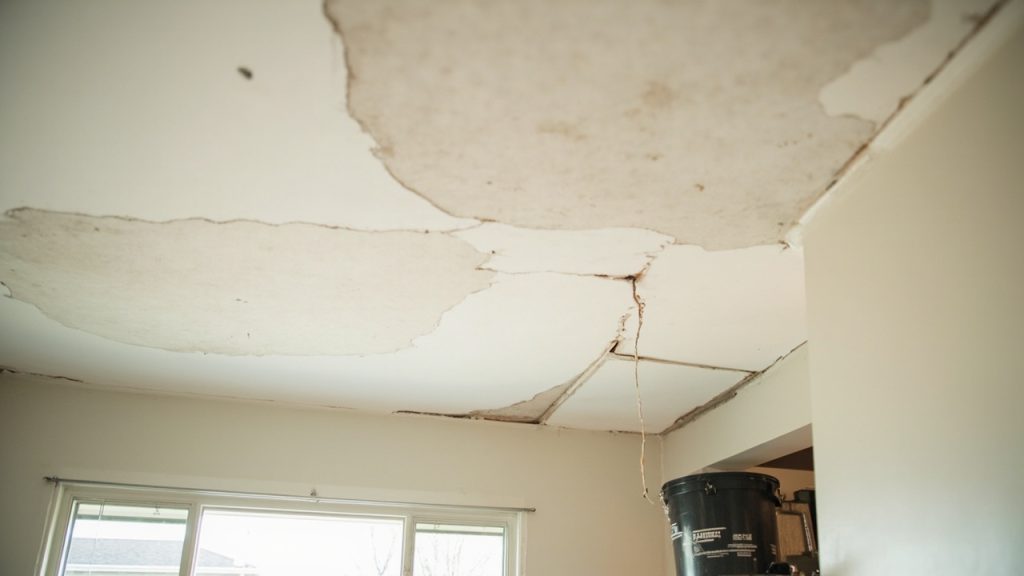
What to Do When Your AC Unit Floods Your Ceiling in Clear Lake
A wet spot on your ceiling in Clear Lake usually appears when you least expect it. In the middle of a hot 2026 Houston summer, your air conditioning system works at maximum capacity. This leads to massive amounts of condensation. When the drainage system fails, that water has nowhere to go but down into your drywall and insulation. You need to act fast to prevent structural failure and fungal growth. This guide explains exactly how to handle an AC overflow in your Harris County home.
If you face a different type of water emergency, our teams provide 24/7 water damage restoration services. However, AC leaks are unique because they often happen in the attic. They stay hidden from view until the ceiling starts to sag. Residents in Clear Lake neighborhoods like Bay Forest and Northfork often deal with these issues due to the high humidity coming off the bay. The current year 2026 has seen record-breaking dew points that put extra strain on aging drainage systems.
Emergency Response for a Leaking Ceiling in Clear Lake
The first thing you must do is turn off the air conditioning system at the thermostat. Running the unit continues the condensation process and adds more water to the leak. Locate your circuit breaker and shut off the power to the furnace or air handler if the thermostat does not stop the unit immediately. This stops the flow of water and prevents electrical shorts in the attic space. Many homes near Bay Area Boulevard have units located directly above living rooms or master bedrooms.
Next, move any furniture or valuables away from the dripping area. If the ceiling is bulging, it holds a significant amount of water. You should place a large bucket under the sag. Some homeowners choose to poke a small hole in the center of the bulge with a screwdriver to provide controlled drainage. This prevents the entire ceiling section from collapsing under the weight of the water. Professional emergency water removal follows these same initial mitigation steps to stabilize the property.
Do not wait for the dripping to stop on its own. The insulation in your attic acts like a giant sponge. Even if the AC is off, the water already trapped in the fiberglass or cellulose will continue to pull down on the drywall. Clear Lake homes often have thick layers of insulation that can hold hundreds of pounds of water after a major drain pan failure. If you need immediate help, call our Clear Lake emergency line at 555-0199 for a rapid response team.
Why Coastal Air in Clear Lake Corrodes Your HVAC System
Living near Galveston Bay or the Clear Lake channel provides beautiful views but creates a harsh environment for mechanical systems. The salt air in Clear Lake is a major factor in HVAC failure in 2026. Sodium chloride in the air accelerates a process called electrolytic corrosion. This is especially true for the metal drain pans found in many older attic units. We often see these issues in established neighborhoods like Brookwood and Pine Brook.
Most homes in the area use systems from major brands like Trane, Rheem, Carrier, or Lennox. While these units are durable, their secondary drain pans are often made of galvanized steel. Over time, the salt air eats away at the zinc coating. This leads to pinhole leaks in the pan itself. When the primary drain line clogs, the secondary pan is supposed to catch the overflow. If the pan has corroded, the water goes straight through the metal and onto your attic floor.
Newer installations in 2026 often feature heavy-duty plastic or composite secondary pans to combat this specific coastal problem. However, the internal evaporator coils are still made of copper and aluminum. These metals also react poorly to salt air. This leads to premature coil failure and uneven condensation flow. If you live in Bay Pointe or University Park, you should have your drain pan inspected for rust every year. A rusty pan is a sign that a flood is coming. For expert inspections, contact our mold remediation specialists who can check for hidden growth during the inspection.
The Mechanics of an AC Condensate Overflow in 2026
Houston humidity regularly stays above 90 percent during the summer months of 2026. Your evaporator coil acts as a massive dehumidifier. It pulls gallons of liquid from the air every day. This water normally flows through a primary condensate drain line to the outside or into a plumbing stack. In Clear Lake, algae and microbial growth thrive in these warm and wet lines. When the line clogs, the water backs up into the primary pan. This is often caused by a buildup of white slime which is a common bio-growth in Harris County.
Most systems have a secondary emergency pan or a float switch designed to prevent overflows. These safety mechanisms often fail due to rust, improper installation, or lack of maintenance. Once the secondary pan overflows, the water hits your attic floor. Because most Clear Lake homes use blown-in insulation, the water is absorbed quickly. This makes the ceiling heavy and prone to a sudden collapse. You can learn more about proper system maintenance from the Department of Energy HVAC maintenance guide.
The 2026 climate in Southeast Texas features high dew points. This means that surfaces stay wet longer. Without professional drying equipment, the space between your ceiling and the attic floor becomes a greenhouse for fungal growth. Mold colonies often form within 24 to 48 hours in this environment. This is why immediate moisture mapping and structural drying are mandatory for any AC leak. Our team uses advanced psychrometry to track the drying progress in every affected room.
Identifying Damage Classes for Insurance Claims
It is important to categorize the water correctly. AC condensate is usually considered Category 1 water which is clean. However, once it passes through dirty insulation or sits on a ceiling for a day, it can quickly degrade to Category 2. This is often called gray water. It may contain microorganisms or chemical residues from the attic environment. This impacts the cleaning protocols we use during the restoration process.
| Damage Class | Description | Equipment Load |
|---|---|---|
| Class 1 | Minor area affected with a slow evaporation rate | 2 to 3 Air movers and 1 Dehumidifier |
| Class 2 | Entire room or ceiling affected with wet carpet | 6 to 10 Air movers and 1 Large LGR unit |
| Class 3 | Water coming from above where the entire ceiling and walls are wet | High volume air movers every 10 feet |
The class of damage determines how much equipment is needed to save the structure. A Class 3 loss is common with AC leaks because the water starts at the highest point of the room. It travels down the wall cavities and can affect multiple levels of the home if not caught early. We provide detailed reports for Clear Lake residents to submit to their insurance adjusters.
Professional Drying Timelines for Clear Lake Properties
The time it takes to dry your home depends on the materials involved. Below is a comparison of typical drying durations using professional-grade equipment in the current 2026 Houston environment. We use LGR dehumidifiers because they are more effective at pulling moisture from the air in high-heat environments like the Texas Gulf Coast.
| Material Type | Estimated Drying Time | Action Required |
|---|---|---|
| Standard Drywall | 24 to 48 Hours | Dry in place if the material is not sagging |
| Blown-in Insulation | Not Applicable | This must be removed and replaced |
| Wood Ceiling Joists | 48 to 72 Hours | Structural drying with air movers required |
| Hardwood Flooring | 3 to 5 Days | Specialty floor mats needed for extraction |
Every hour the materials remain wet increases the risk of permanent damage. Hardwood floors located under a ceiling leak are particularly sensitive. They can begin to cup or crown within hours of water exposure. We use specialty equipment to save these high-value materials whenever possible. If you notice floor damage, call us immediately at 555-0199 for an assessment.
Five Steps for Professional Water Damage Restoration
Restoring a ceiling damaged by an AC leak requires more than just fixing the pipe. We follow a strict protocol to ensure your home is safe and dry. Our process focuses on efficiency and long-term property health. We adhere to the standards set by the Texas Department of Licensing and Regulation for all property work.
Step 1. Assessment and Moisture Mapping. We use infrared cameras and moisture meters to find exactly how far the water traveled. Water often runs along ceiling joists. This means the damage might be further away from the visible spot than you think.
Step 2. Water Extraction and Debris Removal. We remove wet insulation and any ceiling drywall that is sagging or structurally compromised. Removing these wet materials is essential because they trap moisture against the wooden framing. Wet insulation will never dry on its own inside a wall or ceiling.
Step 3. Structural Drying. We deploy industrial air movers and LGR dehumidifiers. These machines are designed to pull moisture out of the air and the wood studs. We monitor the grains per pound to ensure the environment is reaching the dry standard. This prevents wood rot and long-term structural issues.
Step 4. Antimicrobial Treatment. To prevent mold, we apply an EPA-registered antimicrobial solution to the attic framing and the backside of the remaining drywall. This is a critical step in the humid Clear Lake environment where mold spores are always present.
Step 5. Monitoring and Documentation. We visit the site daily to check progress and adjust equipment. We provide full documentation for your insurance carrier. This includes drying logs and moisture readings. This documentation is vital for your claim and for future home resale value.
Insurance Checklist for Texas AC Leak Claims
Most standard homeowners insurance policies in Texas cover water damage from an AC overflow if the leak was sudden and accidental. However, you must document the loss correctly to ensure your provider approves the claim. Use this checklist to stay organized.
- Take Photos of the Source. Capture images of the clogged drain line or the rusted pan in the attic before any repairs are made.
- Document the Damage. Take wide shots and close-ups of the wet ceiling, damaged furniture, and wet flooring.
- Keep the Failed Parts. If your HVAC technician replaces a faulty float switch or a rusted pan, keep the old part. The insurance adjuster may want to see it as proof of the failure.
- Record the Timeline. Write down exactly when you discovered the leak and what time you shut off the AC unit.
- Collect Professional Reports. Save the moisture maps and drying logs provided by our restoration team. These prove that professional mitigation was necessary.
- Save All Receipts. Keep track of any out-of-pocket expenses for buckets, temporary fans, or cleaning supplies.
- Check Your Deductible. Review your policy to see if you have a separate windstorm or water damage deductible which is common in Clear Lake.
We help you navigate this process by providing detailed documentation. We use industry-standard software to generate estimates that local adjusters recognize and trust. We explain the necessity of professional drying to the adjuster to ensure they cover the cost of the equipment rental. Our team works with all major carriers in the Houston metro area.
Frequently Asked Questions About AC Ceiling Floods
Question. Can I sleep in the house while the ceiling is drying?
Answer. Yes, you can usually stay in your home. However, the drying equipment is loud. Air movers and dehumidifiers must run 24 hours a day to be effective. If the damage is in a bedroom, the noise and the heat generated by the dehumidifiers might make it difficult to sleep comfortably. If mold is already present, we may recommend containment which could limit your access to certain rooms.
Question. Will my electricity bill spike during the structural drying process?
Answer. You will likely see an increase in your power bill for the month. Professional drying equipment pulls a significant amount of electricity to move large volumes of air and remove moisture. You should keep your insurance claim open to include these utility costs. Many policies allow for the reimbursement of the extra electricity used during the restoration period.
Question. Do I really need to remove the wet insulation?
Answer. Yes, removing wet insulation is mandatory. Once fiberglass or cellulose gets wet, it loses its R-value and takes weeks to dry. During that time, it holds moisture directly against your wooden ceiling joists. This leads to wood rot and provides the perfect environment for mold. Removing the insulation allows us to dry the wood framing directly.
Question. How long do I have before mold starts to grow?
Answer. In the humid 2026 Clear Lake climate, mold can begin to colonize in as little as 24 hours. The high temperatures in your attic speed up this process. This is why we treat the area with antimicrobials immediately after removing the wet materials. Speed is the most important factor in preventing a mold claim.
Signs of Hidden Water Damage from Your Attic AC Unit
Sometimes you do not see a massive flood. Small and slow leaks are often more dangerous because they allow mold to grow undetected for weeks. Look for these signs in your Clear Lake home. A musty smell in the hallway or near the AC return is a major red flag. This often indicates that the drain pan has standing water or mold is growing in the surrounding insulation.
You might also notice peeling paint or wallpaper near the ceiling. If the tape joints on your drywall start to crack or show a yellow tint, moisture is likely present behind the surface. Check your secondary drain line outside. This is usually a small PVC pipe located above a window or door. If you see water dripping from this pipe, your primary line is clogged. The system is telling you it needs immediate maintenance before the secondary pan overflows.
The Difference Between HVAC Repair and Structural Restoration
A common mistake homeowners make is calling only an HVAC technician. While a mechanic can fix the clogged line or replace the float switch, they are not equipped to handle the water damage. They do not have the moisture meters to check your wall cavities. They do not carry the industrial dehumidifiers to dry your framing.
Leaving the attic to dry on its own is a recipe for disaster in Houston. The trapped heat and moisture will lead to wood rot and indoor air quality issues. A professional restoration company works alongside your HVAC contractor. We handle the cleanup, the drying, and the reconstruction. The HVAC team ensures the unit is mechanically sound. This dual approach is the only way to protect your property value in 2026.
Protecting Your Property from Future Attic Leaks
Prevention is the best way to avoid a ceiling collapse. We recommend several steps for Clear Lake residents to keep their systems running safely. First, have a technician install a high-quality float switch on both the primary and secondary lines. These switches kill the power to the unit the moment water levels rise too high. This is the most effective way to stop a flood before it starts.
Second, pour a cup of white vinegar down your drain line every six months to kill algae before it turns into a clog. Avoid using bleach as it can damage some PVC pipes and components over time. Keep your attic accessible so you can perform a quick visual inspection of the drain pan during the hottest parts of the year. If you see any standing water in the emergency pan, call for service immediately.
Taking these small steps in 2026 can save you thousands of dollars in restoration costs. It also prevents the headache of a major home repair. When your AC unit fails and your ceiling begins to leak, you do not have time to wait. The high humidity in Clear Lake and the surrounding Houston area demands a fast and professional response. Contact us at 555-0199 for a full assessment and a drying plan that addresses both the visible damage and the hidden moisture in your attic framing.
{
“@context”: “https://schema.org”,
“@type”: “BlogPosting”,
“headline”: “What to Do When Your AC Unit Floods Your Ceiling in Clear Lake”,
“description”: “Discover the immediate steps for handling an AC ceiling flood in Clear Lake. Learn about 2026 restoration protocols, coastal corrosion, and insurance help.”,
“wordCount”: 2709,
“datePublished”: “2026-02-08T15:50:00.000Z”,
“dateModified”: “2026-02-08T15:50:00.000Z”,
“inLanguage”: “en-US”,
“mainEntityOfPage”: {
“@type”: “WebPage”,
“@id”: “https://silverlinewaterdamagerestorationhouston.com”
},
“publisher”: {
“@type”: “LocalBusiness”,
“name”: “Silverline Water Damage Restoration Houston”,
“url”: “https://silverlinewaterdamagerestorationhouston.com”
},
“author”: {
“@type”: “Organization”,
“name”: “Silverline Water Damage Restoration Houston”,
“url”: “https://silverlinewaterdamagerestorationhouston.com”
},
“image”: {
“@type”: “ImageObject”,
“url”: “https://silverlinewaterdamagerestorationhouston.com/wp-content/uploads/2026/03/what-to-do-when-your-ac-unit-floods-your-ceiling-i-1.jpg”
}
}
{
“@context”: “https://schema.org”,
“@type”: “LocalBusiness”,
“name”: “Silverline Water Damage Restoration Houston”,
“url”: “https://silverlinewaterdamagerestorationhouston.com”,
“address”: {
“@type”: “PostalAddress”,
“addressLocality”: “Houston”
},
“areaServed”: {
“@type”: “City”,
“name”: “Houston”
}
}
{
“@context”: “https://schema.org”,
“@type”: “BreadcrumbList”,
“itemListElement”: [
{
“@type”: “ListItem”,
“position”: 1,
“name”: “Home”,
“item”: “https://silverlinewaterdamagerestorationhouston.com”
},
{
“@type”: “ListItem”,
“position”: 2,
“name”: “Blog”,
“item”: “https://silverlinewaterdamagerestorationhouston.com/blog”
},
{
“@type”: “ListItem”,
“position”: 3,
“name”: “What to Do When Your AC Unit Floods Your Ceiling in Clear Lake”
}
]
}
{
“@context”: “https://schema.org”,
“@type”: “Service”,
“serviceType”: “Water Damage Restoration”,
“provider”: {
“@type”: “LocalBusiness”,
“name”: “Silverline Water Damage Restoration Houston”,
“url”: “https://silverlinewaterdamagerestorationhouston.com”
},
“areaServed”: {
“@type”: “City”,
“name”: “Houston”
},
“description”: “Discover the immediate steps for handling an AC ceiling flood in Clear Lake. Learn about 2026 restoration protocols, coastal corrosion, and insurance help.”
}