
Act Fast to Protect Your High End Stone Floors
Water sitting on your travertine or marble floors in Fulshear creates a ticking clock for permanent damage. Natural stone acts like a hard sponge. It looks solid but it is full of tiny pores that pull floodwater deep into the slab. If you live in Cross Creek Ranch or Weston Lakes and your home has taken on water, you need to act before the minerals and contaminants in the floodwater cause permanent staining. Most people think stone is invincible but it is actually one of the most sensitive materials in your home when it comes to moisture. This is especially true with the current weather patterns we are seeing in the greater Houston area in 2026. High humidity and heavy rainfall mean that moisture stays trapped in the stone longer than in drier climates.
When floodwater enters a home in Fulshear, it often brings silt and bacteria. If your flooring is marble, limestone, or travertine, these contaminants can penetrate the surface and settle in the stone structure. Once the water evaporates, the minerals and dirt stay behind. This leads to deep staining that a simple surface cleaning cannot fix. You are also dealing with the risk of the stone losing its bond to the subfloor. Hydrostatic pressure from a saturated slab can push upward and pop tiles loose. This makes the drying process the most critical part of your recovery. You can find more information on who to call for emergency water removal in The Heights if you have property in that area as well.
Understanding Stone Porosity and Flood Risks
Not all stone reacts to water the same way. The geology of the stone determines how fast it absorbs water and how hard it is to dry. Granite is relatively dense but it still has a level of porosity that can lead to dark spots if left submerged. Travertine and limestone are much more porous. They have large internal voids that can hold water for weeks. If you do not use professional grade drying equipment, the surface might look dry while the bottom of the tile remains soaking wet. This trapped moisture eventually leads to mold growth in the thinset or the subfloor.
In Fulshear homes, we often see large format stone tiles. These have fewer grout lines, which sounds good, but it actually makes drying more difficult. Grout lines act as small vents that allow moisture to escape. When you have massive slabs of marble or travertine, the moisture has nowhere to go but up through the stone itself. This can cause a phenomenon known as spalling where the surface of the stone begins to flake or peel off because of internal pressure. You should look for finding reliable flood damage restoration specialists in Katy and West Houston who understand these stone specific challenges.
| Stone Type | Porosity Level | Risk of Staining | Drying Complexity |
|---|---|---|---|
| Travertine | Very High | Severe | High |
| Marble | Medium High | High | Moderate |
| Limestone | High | Severe | High |
| Granite | Low | Moderate | Low |
| Slate | Low Medium | Low | Low |
The Danger of Efflorescence and Mineral Deposits
One of the most common issues after a Fulshear flood is the appearance of a white powdery substance on the stone surface. This is called efflorescence. It happens when water moves through the stone and carries salts and minerals to the surface. When the water evaporates, the salt stays behind. While it looks like a simple dust, it can actually be a sign of a much bigger problem called sub-florescence. This is when the salt crystals form inside the pores of the stone rather than on the surface. As these crystals grow, they can literally blast the stone apart from the inside out.
Houston water is known for having a high mineral content. In 2026, the local water supply in Fort Bend County remains heavy with minerals that can react poorly with natural stone. If you try to clean this yourself using acidic cleaners like vinegar or lemon juice, you will cause etching. Etching is a chemical burn that dulls the finish of the stone. Professional restoration teams use pH-neutral cleaners and specialized poultices to draw these minerals out without damaging the delicate surface of the marble or limestone. This is why professional help is vital for maintaining the value of your Fulshear estate. For those in more historic areas, professional mold remediation for River Oaks Estates and historic homes often involves similar stone care expertise.
The Professional Restoration Workflow for Natural Stone
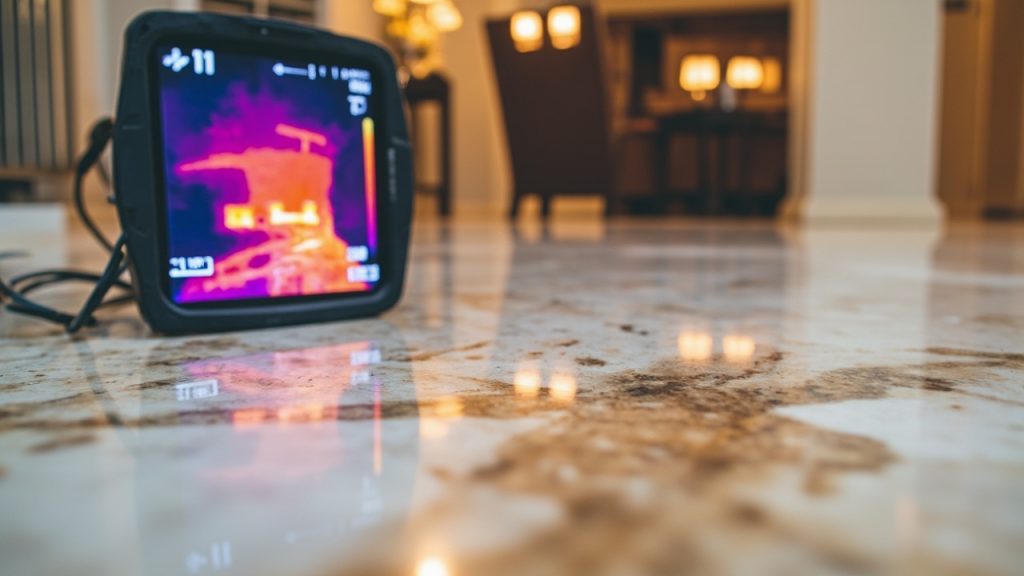
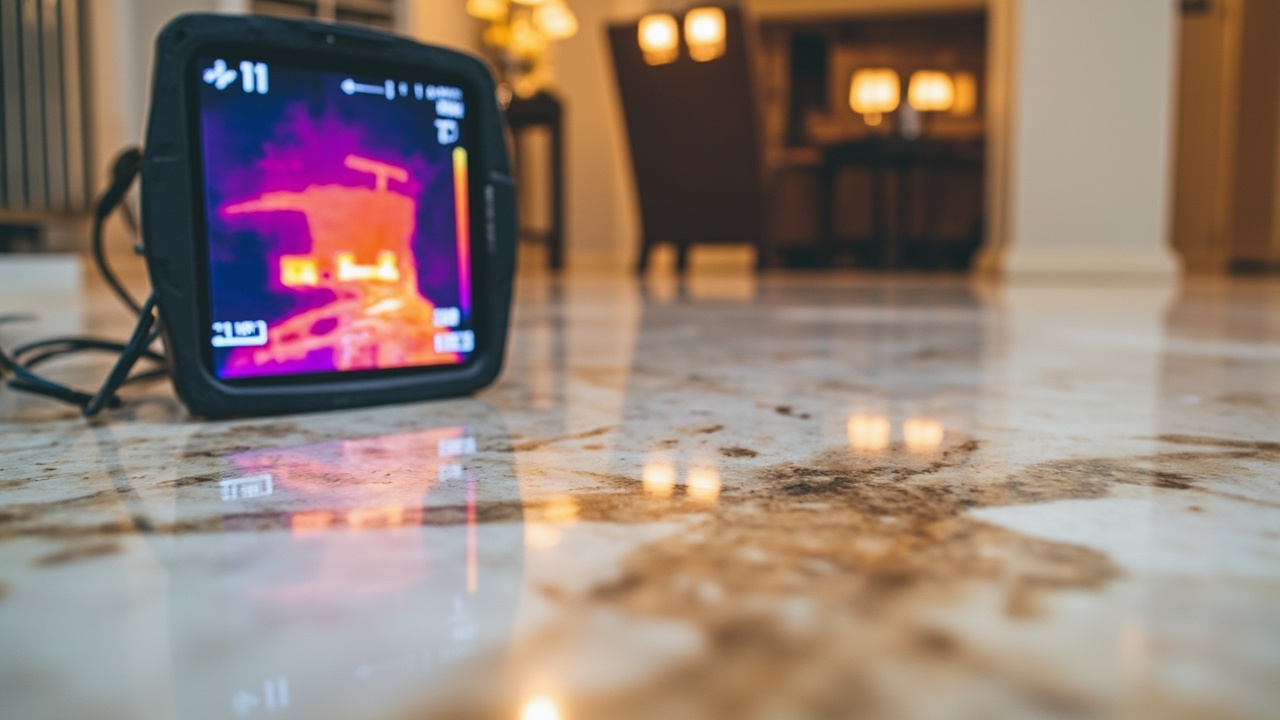
When our team arrives at a Fulshear home, we start with moisture mapping. We use infrared cameras to see exactly where the water is trapped behind the stone and under the cabinets. We do not just guess. We use moisture meters specifically calibrated for stone and masonry. This allows us to track the progress of the drying every single day. If the moisture levels do not drop, we adjust our equipment to ensure we are hitting the right spots.
- Water extraction using high powered vacuums to remove all standing liquid.
- Application of a botanical antimicrobial to prevent mold growth without staining the stone.
- Setup of LGR dehumidifiers to pull moisture out of the air.
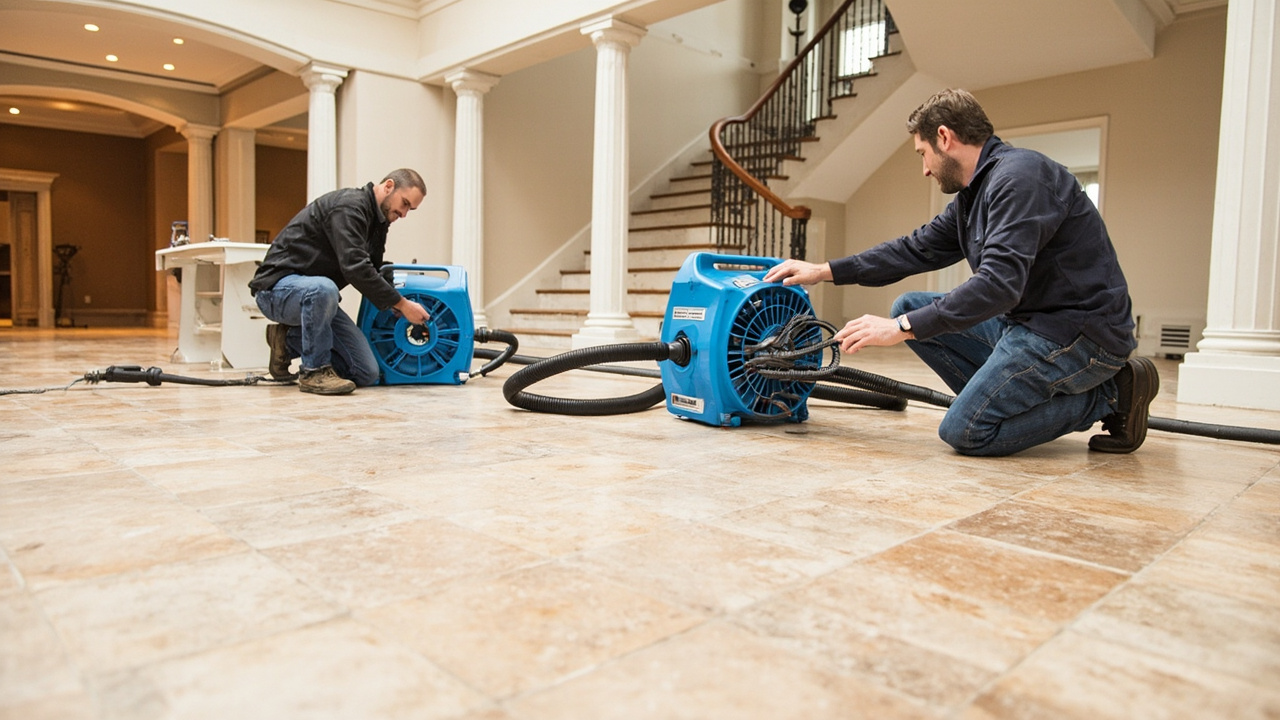
- Placement of high velocity air movers to create airflow across the stone surface.
- Use of floor drying mats that use suction to pull moisture directly through the stone pores.
- Continuous monitoring of vapor pressure and ambient humidity.
LGR or Low Grain Refrigerant dehumidifiers are essential in the Houston climate. Standard dehumidifiers stop working once the air reaches a certain level of dryness. LGR units can continue to pull moisture out of the air even in very dry conditions. This is necessary because the moisture trapped deep inside a travertine slab requires extremely dry air on the surface to create the necessary vapor pressure to pull the water out. If your restoration company is just using standard fans, your stone floors are not actually getting dry. You can see how this process differs from commercial jobs like rapid commercial sewage remediation in downtown Houston where speed and sanitation are the primary drivers.
| Restoration Phase | Estimated Duration | Primary Goal |
|---|---|---|
| Extraction | 2 to 6 hours | Remove standing water |
| Initial Stabilization | 24 hours | Control humidity and prevent mold |
| Deep Drying | 3 to 7 days | Pull moisture from stone pores |
| Testing and Validation | 24 hours | Confirm stone is at dry standard |
| Refinishing | 1 to 3 days | Restore polish and seal stone |
Why Houston Humidity Complicates Stone Drying
In Fulshear, the average humidity levels can hover around 70 percent or higher during the summer months of 2026. This high humidity slows down the natural evaporation process. If the air outside is wet, the moisture in your stone floor has nowhere to go. We have to create a micro-climate inside your home that is significantly drier than the outside environment. This requires sealing off the affected area and using heavy duty drying equipment. Without this controlled environment, the drying process could take weeks, which significantly increases the risk of mold and structural damage.
We also have to consider the type of subfloor under your stone. Many Fulshear homes are built on concrete slabs. Concrete is also porous and acts as a reservoir for floodwater. If we dry the stone but leave the concrete slab wet, the moisture will eventually migrate back up into the stone. This is known as capillary rise. It can cause the stone to stay dark or develop new stains months after the flood has passed. Our 2026 drying protocols involve checking the slab moisture levels to ensure the entire assembly is dry. If you are dealing with other water issues like a plumbing failure, you might find our guide on how to handle a burst pipe in Memorial useful for immediate steps.
Insurance Claims and Natural Stone Restoration
Filing an insurance claim for natural stone can be complicated. Many adjusters will try to argue that the stone can just be cleaned. However, given the high cost of materials like Carrara marble or high grade travertine, cleaning is often not enough. You need a documented drying plan that follows the IICRC S500 standards for professional water damage restoration. We provide the thermal images and moisture logs that prove the extent of the damage. This documentation is essential for getting your claim approved for the full cost of restoration or replacement.
In 2026, many insurance policies in the Houston area have specific limits on water damage. It is important to review your policy to see if you have coverage for seepage or hydrostatic pressure. These are common ways that stone floors are damaged during Fulshear floods. If the stone has shifted or cracked due to the house settling after a flood, this may fall under a different part of your policy. Having an expert who knows how to talk to adjusters about stone porosity and mineral staining can make a massive difference in the outcome of your claim.
Long Term Care After the Drying is Done
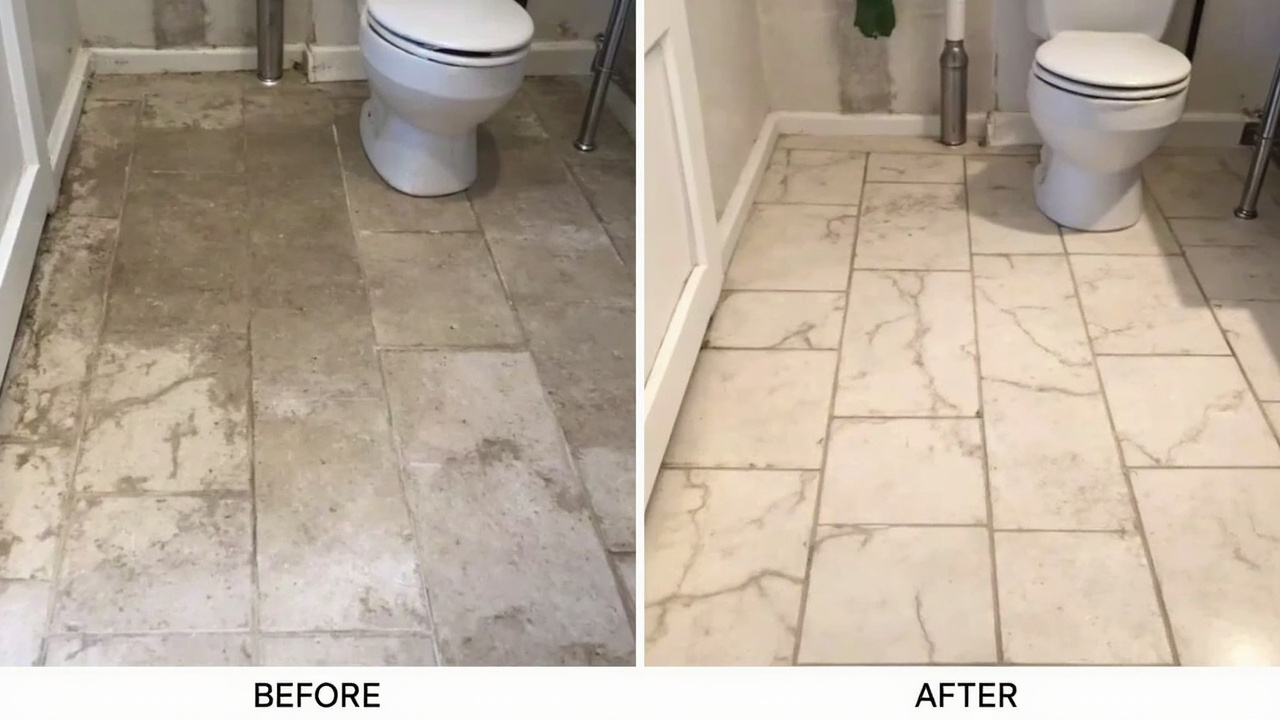
Once the stone is finally dry, the work is not finished. The floodwater likely stripped away the sealer that was protecting your floor. Without a high quality sealer, your stone is vulnerable to every spill and scuff. We recommend waiting at least two weeks after the drying is complete before applying a new sealer. This ensures that every bit of residual moisture has escaped. If you seal the stone too early, you can trap moisture inside, which leads to a cloudy appearance called blushing.
You should also consider a professional polishing and honing service. Floodwater often contains abrasive grit that can scratch the surface of the stone as it is being walked on during the initial cleanup. A light honing will remove these fine scratches and restore the natural luster of the stone. For Fulshear homeowners, this is an investment in the longevity of the home. Natural stone is a timeless feature, and with the right 2026 restoration techniques, it can survive even the worst flooding events. Always use a pH-neutral stone soap for daily cleaning and avoid any products that contain bleach or ammonia. If you need help with a current flood situation, reaching out to a local expert who knows the Fulshear and Katy area is the best way to protect your investment.
If you are facing water damage on natural stone in your Fulshear home, do not wait for the problem to get worse. Every hour that water sits in your stone increases the chance of permanent staining and structural failure. Contact a professional restoration team today to get a moisture assessment and start the drying process. Protecting your marble, travertine, or limestone floors requires specialized knowledge and equipment that only an experienced Houston restoration expert can provide.
{
“@context”: “https://schema.org”,
“@type”: “BlogPosting”,
“headline”: “Saving Natural Stone Flooring After a Flood in Your Fulshear Home”,
“description”: “Learn how to save travertine and marble floors after a flood in Fulshear. Expert tips on drying and restoration for Houston homeowners in 2026.”,
“wordCount”: 1783,
“datePublished”: “2026-03-12T09:28:00.000Z”,
“dateModified”: “2026-03-12T09:28:00.000Z”,
“inLanguage”: “en-US”,
“mainEntityOfPage”: {
“@type”: “WebPage”,
“@id”: “https://silverlinewaterdamagerestorationhouston.com”
},
“publisher”: {
“@type”: “LocalBusiness”,
“name”: “Silverline Water Damage Restoration Houston”,
“url”: “https://silverlinewaterdamagerestorationhouston.com”
},
“author”: {
“@type”: “Organization”,
“name”: “Silverline Water Damage Restoration Houston”,
“url”: “https://silverlinewaterdamagerestorationhouston.com”
},
“image”: {
“@type”: “ImageObject”,
“url”: “https://silverlinewaterdamagerestorationhouston.com/wp-content/uploads/2026/03/how-to-save-natural-stone-flooring-after-a-flood-i-1.jpg”
}
}
{
“@context”: “https://schema.org”,
“@type”: “LocalBusiness”,
“name”: “Silverline Water Damage Restoration Houston”,
“url”: “https://silverlinewaterdamagerestorationhouston.com”,
“address”: {
“@type”: “PostalAddress”,
“addressLocality”: “Houston”
},
“areaServed”: {
“@type”: “City”,
“name”: “Houston”
}
}
{
“@context”: “https://schema.org”,
“@type”: “BreadcrumbList”,
“itemListElement”: [
{
“@type”: “ListItem”,
“position”: 1,
“name”: “Home”,
“item”: “https://silverlinewaterdamagerestorationhouston.com”
},
{
“@type”: “ListItem”,
“position”: 2,
“name”: “Blog”,
“item”: “https://silverlinewaterdamagerestorationhouston.com/blog”
},
{
“@type”: “ListItem”,
“position”: 3,
“name”: “Saving Natural Stone Flooring After a Flood in Your Fulshear Home”
}
]
}
{
“@context”: “https://schema.org”,
“@type”: “Service”,
“serviceType”: “Water Damage Restoration”,
“provider”: {
“@type”: “LocalBusiness”,
“name”: “Silverline Water Damage Restoration Houston”,
“url”: “https://silverlinewaterdamagerestorationhouston.com”
},
“areaServed”: {
“@type”: “City”,
“name”: “Houston”
},
“description”: “Learn how to save travertine and marble floors after a flood in Fulshear. Expert tips on drying and restoration for Houston homeowners in 2026.”
}